
Reviewed · PARIS BIKE TOURS
Paris Guided Bike Tour
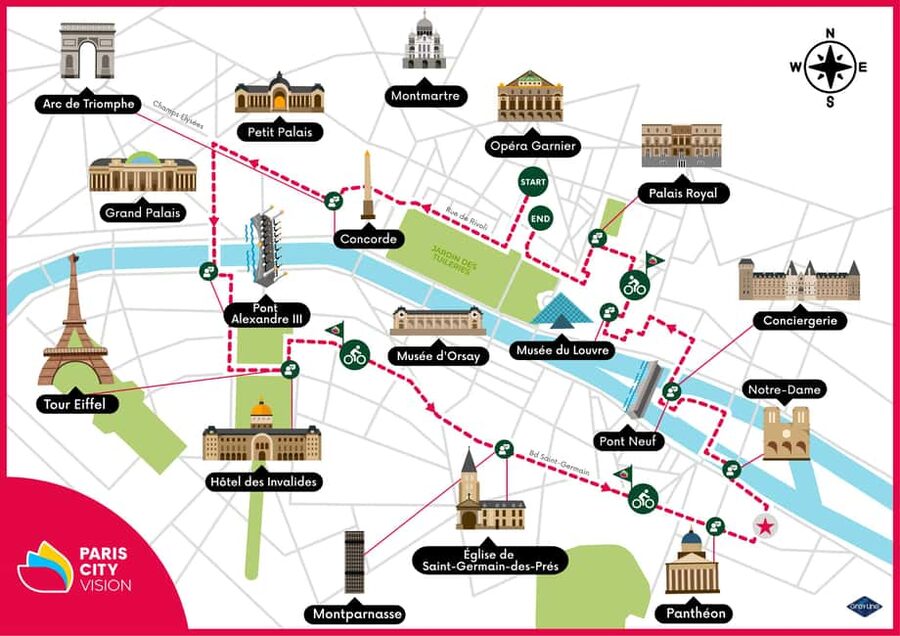
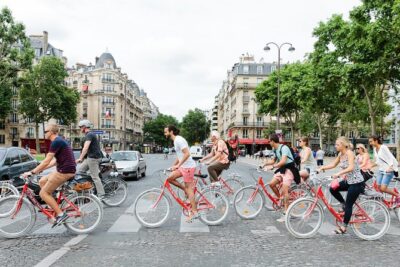
Paris reveals itself differently from a bicycle. You glide from the Louvre to Notre-Dame, cross grand avenues, then slip into older streets where the city feels almost village-like. The route packs in major sights, but the real pleasure is seeing them between stops, with a guide pointing out small details you might miss from a tour bus.
I like the small group of no more than 12 and the freedom to adjust the stopping rhythm. I also like the guide’s mix of solid history and practical Paris advice, from filming locations to the best croissant or artisan ice cream. Guides Andrea and Hugo have earned especially warm praise for their humor, facts, and love of the city.
The main consideration is simple: you need to be comfortable riding in city traffic and manage a three-hour bike outing. This is not a monument-entry tour, and tastings are not included, so the $43 price pays for the ride, guide, and sightseeing rather than food or indoor visits.
Key points to know before you ride
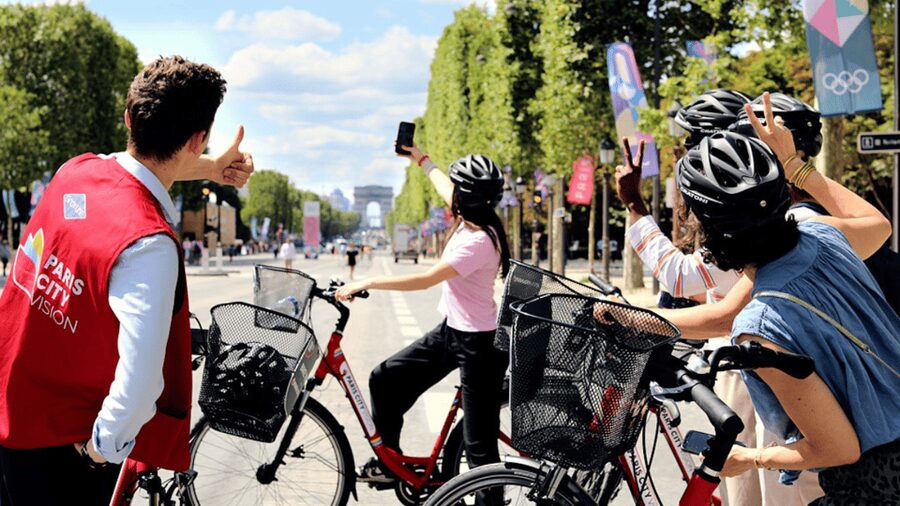
- A three-hour route links major Paris sights: The Louvre, Notre-Dame, the Eiffel Tower, the Arc de Triomphe, the Champs-Élysées, and more all fit into one outing.
- Small groups keep the tour personal: With a maximum of 12 people, you should be able to hear the guide and ask questions without shouting across a crowd.
- Andrea and Hugo are names to watch for: Andrea has a gift for useful anecdotes and local suggestions, while Hugo is praised for combining facts with fun stories.
- Quiet streets balance the famous monuments: The ride is not just a checklist of postcard views. It also reaches confidential lanes and old Paris neighborhoods.
- You need basic cycling ability: Children must be at least 13, or about 130 centimeters tall, and able to ride a suitable bike.
- The food tips are free, the food is not: Your guide may suggest croissants and ice cream, but any tasting comes at your own cost.
Why a bike is a smart way to see central Paris
Paris is compact in the center, but its sights are spread across several districts. On foot, you can spend much of a day moving between the Louvre, the Latin Quarter, the Seine, and the Champs-Élysées. A bicycle lets you cover that ground without turning the day into a march.
The route also gives you a better sense of how Paris fits together. You pass from the Right Bank to the islands in the Seine, then across to the Left Bank and the grand western avenues. That movement is part of the lesson. You see the river, bridges, squares, palaces, and neighborhoods as pieces of one city rather than isolated attractions.
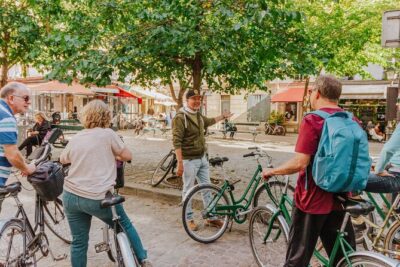
I particularly like that this is a sightseeing ride, not a race. The guide sets the pace, and the frequency of stops can suit the group. You can pause for photos and ask about a building, a movie location, a Parisian habit, or a detail that catches your eye.
The 4.9 rating from 18 reviews points to a very strong early record, but I would still keep expectations practical. Three hours is enough for an excellent introduction, not enough for long visits inside museums or churches. You will pass the monuments and hear about them, then return later if one deserves more time.
More bike tours in Paris:
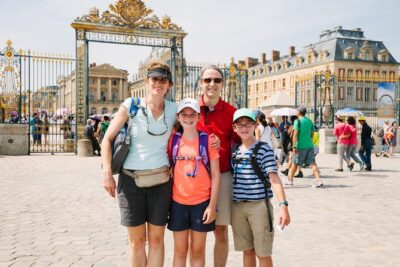
- Versailles Palace Bike Tour with Market & Marie-Antoinette hamlet
★ 5.0 · 2,680 reviews - Paris: Charming Nooks and Crannies Bike Tour
★ 4.8 · 2,585 reviews - From Paris: Versailles Bike Tour w/ Palace, Gardens, & Picnic
★ 5.0 · 2,150 reviews
Starting beside the Louvre and Palais-Royal
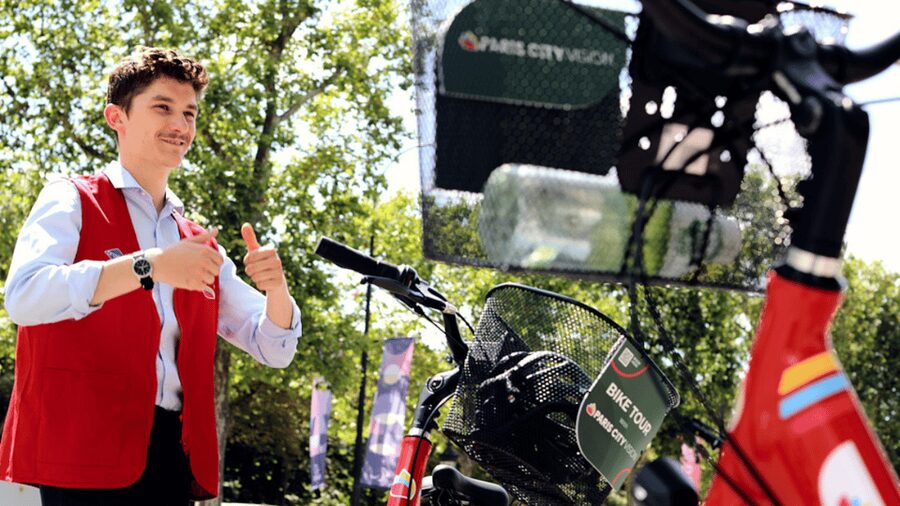
The meeting point is the ParisCityVision agency at 3 Place des Pyramides, near the Louvre. Arrive 15 minutes early. That gives you time to check in, get organized, and avoid starting the ride in a rush.
The opening stretch takes in the Palais-Royal area and the Louvre. The Palais-Royal adds a quieter architectural counterpoint to the museum complex, while the Louvre gives the tour its grand opening frame. You will not enter the museum, so treat this as an orientation stop and a chance to see the scale of the former royal center from outside.
This is a good place for the guide to set the tone. Instead of giving you a long lecture, the tour promises historical facts that get to the point, plus anecdotes and modern details. That approach matters on a bike. You want enough context to make the city meaningful, but not so much that you spend the whole ride standing still.
Pont Neuf, Place Dauphine, and the Seine
From the Louvre, the route heads toward Pont Neuf and Place Dauphine. Despite its name, Pont Neuf is Paris’s oldest standing bridge, and it gives you a fine view of the Seine and the central islands. Place Dauphine is more intimate, with a calmer feel than the monumental squares nearby.
This section is where the ride shifts from famous Paris to more confidential Paris. You get a sense of the city’s older street pattern and its smaller public spaces. The contrast is useful: one minute you are beside a major landmark, and the next you are looking at a tucked-away corner that a first-time visitor could easily miss.
Your guide can also help with photos here. The promise to stop for pictures is important, since a moving bike tour can otherwise leave you with quick glimpses and blurry shots. Ask questions as you go, especially if you want recommendations for later walks around the river.
Notre-Dame, Île de la Cité, and the Latin Quarter
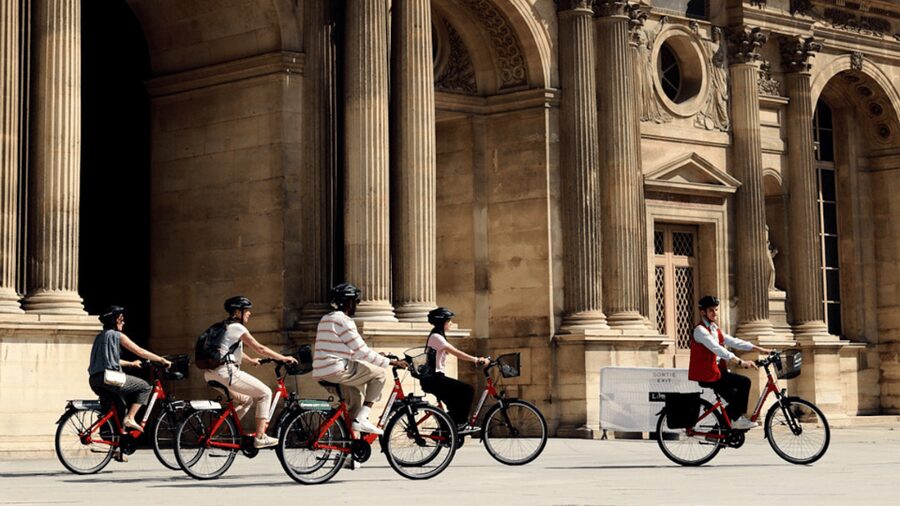
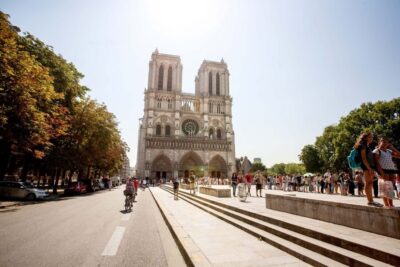
The route continues to Notre-Dame and Île de la Cité, the historic island at the center of Paris. You will see the cathedral from outside rather than enter it. Even as an exterior stop, Notre-Dame gives the guide plenty to explain about the city’s religious, civic, and architectural story.
The island is also one of the places where the tour’s pacing matters. There are many details to take in, and a short photo stop can feel too brief if you want a close look. The flexible stop schedule helps, but remember that the whole outing still has to keep moving.
Next comes the Latin Quarter, including the Sorbonne and the Fontaine Saint-Michel. This is one of the strongest parts of the route for visitors who want more than monumental Paris. The Latin Quarter links university life, old streets, cafes, fountains, and the everyday rhythms of the Left Bank.
The stop near Fontaine Saint-Michel is also connected with the tour’s food suggestions. You may get advice on where to seek a good croissant or a handmade ice cream. That is a pleasant extra, but the cost of any pastry or dessert is not included. I would treat the recommendation as a useful lead for a later snack rather than expect a formal tasting.
Same city, a completely different afternoon:
- Paris: Louvre Museum Timed-Entrance Ticket
★ 4.6 · 71,977 reviews - Disneyland® Paris 1-Day Ticket
★ 4.6 · 49,412 reviews - Paris: Versailles Palace and Gardens Full Access Ticket
★ 4.6 · 41,579 reviews - Paris: Evening River Cruise with Music
★ 4.4 · 22,721 reviews
Along the Seine toward Les Invalides
The ride then follows the Seine and reaches Les Invalides. The river stretch gives you a chance to appreciate Paris at street level without being boxed into a vehicle. Bridges, embankments, and broad views appear as you pedal, while the guide fills in the gaps with stories and local observations.
Les Invalides is one of Paris’s most recognizable domed buildings and a major military site. Again, this is a pass-by visit rather than an indoor tour. If you want to see the collections or spend time at the tomb of Napoleon, plan a separate visit.
This portion may appeal to you if you like a mixture of architecture and city movement. It is less about checking off a single attraction and more about seeing the connections between the river, grand buildings, and ceremonial avenues.
The Eiffel Tower and Pont de l’Alma
The itinerary includes the Eiffel Tower and Pont de l’Alma. Seeing the tower by bike gives you a useful change of scale. You move through the surrounding streets and open spaces, then stop for the classic view without committing several hours to a separate tower visit.
Do not expect access to the Eiffel Tower. The tour does not include entrance to any monument. That keeps the price at $43, but it also means this activity works best as a first look or a city overview.
Pont de l’Alma adds another Seine crossing and another angle on central Paris. Your guide may also point out filming locations along the way. The activity specifically makes room for questions about movies, Parisian habits, and the city as it is lived today, which can make these familiar sights feel less formal and more connected to everyday life.
Arc de Triomphe, Champs-Élysées, and the grand palaces
The western portion of the route reaches the Arc de Triomphe and the Champs-Élysées. These are broad, highly recognizable symbols of Paris, but they can be tiring to explore on foot. A bike helps you see the avenue without spending your energy walking its full length.
The Arc de Triomphe is another exterior sight on this tour. If you want the rooftop view or a close visit to the monument, you will need a separate ticket and more time. The bike tour is designed to show you the setting and explain what you are seeing, not replace a full museum or monument visit.
The Grand Palais and Petit Palais follow. Their ornate exteriors give the route a grand finish, while their museums offer different collections for a later day. Passing both together helps you understand the ceremonial side of Paris, from exhibition halls to avenues built for public display.
Then comes Place de la Concorde, one of the city’s great open squares. It is a fitting stop near the end of the main sightseeing loop because it links the western monuments with the gardens and central districts. You may be ready for a pause by this point, especially on a warm day, so dress for the weather and bring whatever you normally need for a three-hour ride.
Saint-Germain, the Comédie-Française, and the Louvre finish
The return route includes Saint-Germain-des-Prés and the Comédie-Française before ending at the Musée du Louvre. Saint-Germain gives you one more look at the Left Bank, with its literary and cafe associations, while the Comédie-Française connects the route to Parisian theater and culture.
Finishing near the Louvre is useful. You are back in one of the city’s main visitor areas, with a clear starting point for your next activity. The tour does not specify a final food stop or formal tasting, so plan your own cafe, bakery, or museum visit afterward.
The long list of stops can sound intense, but most are sightseeing passes rather than extended visits. That is the right format for a first day in Paris, when you want to learn the city’s layout and mark places to revisit. It is less suitable if you prefer to spend 30 minutes studying one building at a time.
The guide makes the difference
A bike tour lives or dies by its guide. The strongest part of this experience appears to be the human touch: clear explanations, anecdotes, useful answers, and a willingness to adapt the stop pattern to the group.
Andrea is specifically praised for showing a more village-like side of Paris, with authentic lanes and details beyond the famous sights. His style seems to combine concise historical information with practical tips. Hugo is praised for facts and amusing stories, along with a strong sense of affection for Paris past and present.
You can book in English, French, or Spanish. Since the group is capped at 12, the guide should have a fair chance to speak with you directly. Still, remember that guide assignments can vary, so you should not book solely on the expectation of getting Andrea or Hugo.
What the $43 price really buys you
At $43 per person, the tour is reasonably priced for three hours of guided sightseeing in central Paris. You are paying for the bicycle outing, an experienced guide, and a route that would take much longer to organize and cover independently.
The value is strongest if you want orientation. A good guide can show you how the Louvre, Île de la Cité, Latin Quarter, Seine, Eiffel Tower, and western avenues relate to one another. You can then return to the places that interest you most.
The value is weaker if you want entry to monuments, a meal, or a long private tour. None of those are included. Tasting suggestions are part of the guide’s local advice, but you pay for your own croissant or ice cream.
Free cancellation up to 24 hours before departure and the option to reserve now and pay later make the booking less rigid. Check the available starting times when you book, since the tour lasts three hours and the schedule can affect the rest of your day.
Who will enjoy this ride most
I would choose this tour for a first or second day in Paris, especially if you want to cover a lot of ground before deciding where to return. It suits adults, active older children, couples, friends, and solo visitors who like stories with their sightseeing.
It also suits you if you enjoy a guide who can answer broad questions. Ask about movie locations, local habits, food addresses, or the history behind a bridge or square. The format leaves room for that kind of exchange.
The minimum age is 13. Children’s bikes are available for ages 13 to 17, or for children who meet the approximate 130-centimeter height requirement and have the needed cycling ability. Wheelchair users cannot take this tour.
I would not choose it if you are uneasy on a bicycle, dislike riding in an urban setting, or want a slow indoor museum experience. Check the weather forecast, wear suitable clothing, and remember that a three-hour ride feels different from three hours of walking.
Should you book the Paris guided bike tour?
Book it if you want a lively overview of Paris with both headline sights and quieter streets. The small group, flexible stopping rhythm, multilingual guides, and practical food suggestions give it more personality than a simple monument circuit.
Skip it if you need monument entry, included tastings, or a fully accessible activity. For most reasonably confident cyclists, though, $43 is a fair price for a well-planned introduction to central Paris. You will finish with a better map in your head and a short list of places worth exploring on foot.
FAQ
Where does the Paris guided bike tour begin?
It begins at the ParisCityVision agency at 3 Place des Pyramides, 75001 Paris, near the Louvre.
Where does the tour finish?
The tour finishes at the Musée du Louvre.
How long does the bike tour last?
The tour lasts three hours.
What languages are available?
The live guide service is available in English, French, and Spanish.
How large is the group?
Groups are limited to a maximum of 12 people.
Does the tour enter the monuments?
No. The tour passes by the monuments and provides sightseeing and commentary, but entrance is not included.
Are food and drink tastings included?
No. Tastings are not included. The guide may share recommendations for croissants and artisan ice cream, but you pay for anything you choose to buy.
What is the minimum age?
The minimum age is 13. Children must also have the required cycling ability, and children’s bikes are suitable for riders around 130 centimeters tall or more.
Can wheelchair users join the tour?
No. The activity is not suitable for wheelchair users.
Just added around Paris
- Paris Private Custom Tour: Half-Day with a Local Guide★ 4.8 · 5 reviews
- Paris: Guided New Year’s Eve Bar Crawl with Drink★ 4.8 · 8 reviews
- Paris: Guided tour in PORTUGUESE at the Louvre-semi-private★ 5.0 · 35 reviews
- Paris: E-bike tour – Monumental and Hidden Paris★ 4.8 · 85 reviews
- Paris: Guided Segway Tour Paris by Night★ 5.0 · 13 reviews
- Paris: Guided Louvre Museum Tour with Optional Entry Ticket★ 4.6 · 124 reviews
- Paris: Guided City Tour by Electric Bike★ 4.9 · 117 reviews
- Paris: Grévin Wax Museum Entry Ticket with Audio Guide App★ 4.3 · 7 reviews
Paris Bike Tours, compared.
Versailles Palace Bike Tour with Market & Marie-Antoinette hamlet
Read our review →
Versailles Bike Tour w/ Palace, Gardens, & Picnic
Read our review →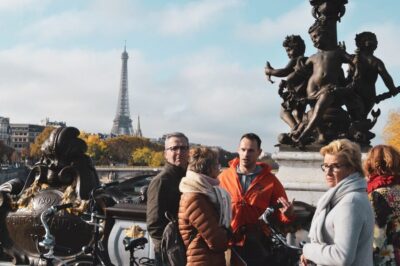
Paris Local Districts and Stories Off the Beaten Track Guided Bike Tour
Read our review →
Highlights of Paris Bike Tour w/ a Local Guide (English or Dutch)
Read our review →Browse the lists this tour appears in