
Reviewed · MUSéE D’ORSAY TOURS
Paris: Musée d’Orsay A Private Tour – rebels passion colour
Musée d’Orsay makes far more sense when you follow its rebels instead of trying to see everything. This private tour traces the break with academic rules, beginning with Delacroix and Ingres and ending with Van Gogh and Gauguin. Damien, an Irish artist and specialist decorator, leads the tour in English, with a group limited to six.
I especially like the clear story and the small-group format. You’ll see Courbet, Manet, Monet, and Cézanne in context, then understand why Impressionism first annoyed the French public before winning worldwide admiration. The lightweight audio equipment also helps you hear Damien without crowding around him.
The main drawback is the extra cost: the tour is $141 per person, and the museum ticket is not included. At two hours, this is a focused introduction rather than a full museum visit, so you’ll need to return on your own if you want more time with the collection.
Key points to know before booking
- An artist leads the story: Damien is an Irish artist, specialist decorator, and Paris museum guide with ten years of guiding experience.
- The route follows artistic rebellion: You move from the rival traditions of Delacroix and Ingres to the experiments of Courbet, Manet, Monet, and Cézanne.
- The finale is Van Gogh and Gauguin: Their difficult friendship gives the tour a personal ending after the wider story of Impressionism.
- The group stays small: This is a private tour for up to six people, useful in a museum where large groups can feel unwieldy.
- Museum entry costs extra: Budget $16 for admission, though children under 18 with identification, eligible EU students under 25, and Paris Museum Pass holders may enter free.
- Book ahead in busy periods: Museum ticket supply can be limited in high season, and tickets should be arranged through the Musée d’Orsay website.
Why this Musée d’Orsay tour has a clear point of view
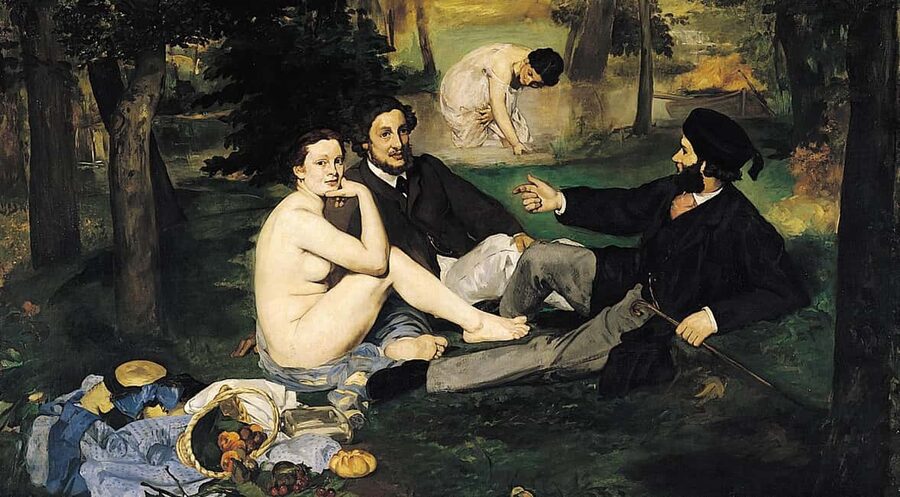
The Musée d’Orsay is full of famous names, but fame alone does not explain why the art mattered. You can walk past a Monet, admire the colors, and still miss the argument behind the painting.
This tour gives you that argument. Instead of treating 19th-century French art as a parade of masterpieces, Damien presents it as a series of challenges to accepted taste. Artists questioned the subjects they were allowed to paint, the methods they were expected to use, and the authority of the official Salon system.
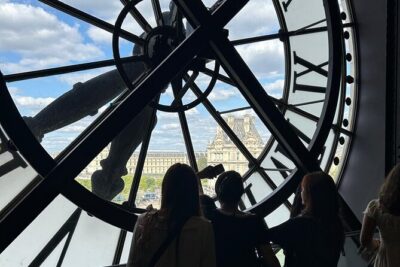
That approach suits the museum well. The building itself was once a railway station, and the collection occupies a former public space with a grand central hall and broad galleries. You are not simply looking at isolated paintings. You are following a period when artists were testing the limits of what could count as serious art.
I like this kind of tour for a first visit because it gives you a framework. You do not need to arrive with a background in art history. You only need a willingness to look closely and consider why a painting might have seemed shocking, unfinished, or improper when it was first shown.
More Musée d’Orsay Tours:
- Paris in a Day: Louvre or Orsay, Eiffel Tower, City Walk & Cruise
★ 5.0 · 1,956 reviews - Paris: Musée d’Orsay Skip-the-Line Tour with Expert Guide
★ 4.5 · 1,145 reviews - Musée d’Orsay Skip-the-Line Tour with Expert Guide
★ 4.8 · 1,088 reviews
Starting with Delacroix and Ingres
The tour begins with the Salons of the 1840s and the opposing styles of Eugène Delacroix and Jean-Auguste-Dominique Ingres. This is a smart starting point because it shows you the official standards that later artists pushed against.
Ingres represented discipline, precision, and carefully controlled drawing. Delacroix brought a more dramatic use of color and movement. Presenting them as opposing masters gives you a useful reference point before the tour moves toward artists who wanted to break from established academic rules.
The important point is not that one painter was right and the other wrong. Their rivalry helps explain the artistic climate of the time. If you understand what the French art world valued, the later work of Courbet, Manet, and the Impressionists becomes easier to read.
This opening also prevents a common museum problem: looking at 19th-century paintings as if they all belong to one smooth period. They do not. The changes happened through arguments, resistance, and gradual shifts in public taste.
Courbet and the challenge to respectable art
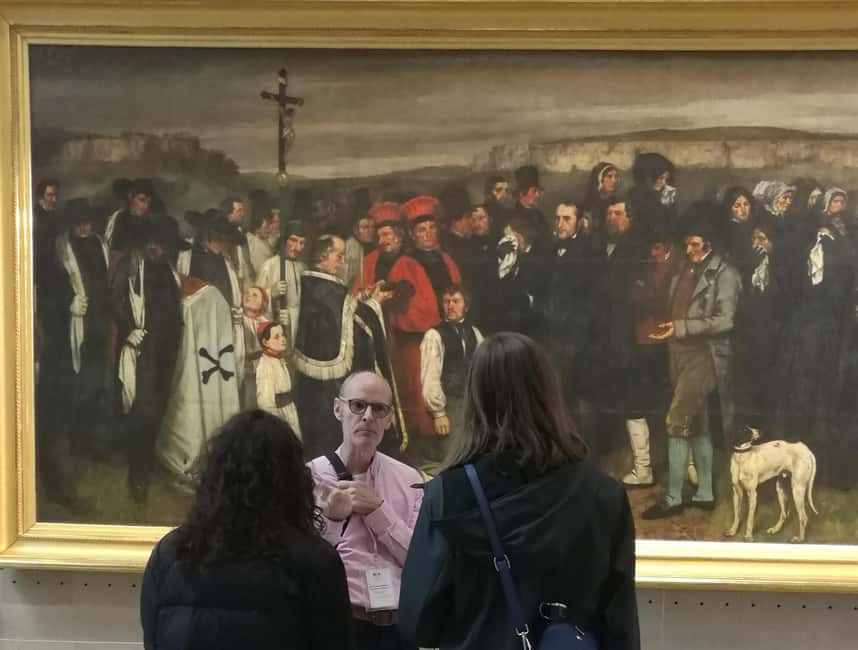
Gustave Courbet appears as one of the tour’s early rule breakers. His work helped make realism a force in French painting, with ordinary life treated as worthy of serious attention.
For you, the value of this stop is the change in subject matter. Academic art often favored history, mythology, religion, and idealized figures. Courbet challenged that hierarchy by giving weight to subjects and people who did not fit the old formula.
Damien’s artist’s perspective should be useful here because the issue is not just what Courbet painted. It is how a painting can make a social and artistic argument through scale, subject, and handling of paint. You might find yourself looking less at a picture’s beauty and more at its refusal to behave properly.
Courbet also helps connect the museum’s paintings to the broader idea of artistic independence. He was not merely making different pictures. He was asserting the artist’s right to choose his own subjects and methods.
Manet, Monet, and the shock of something new
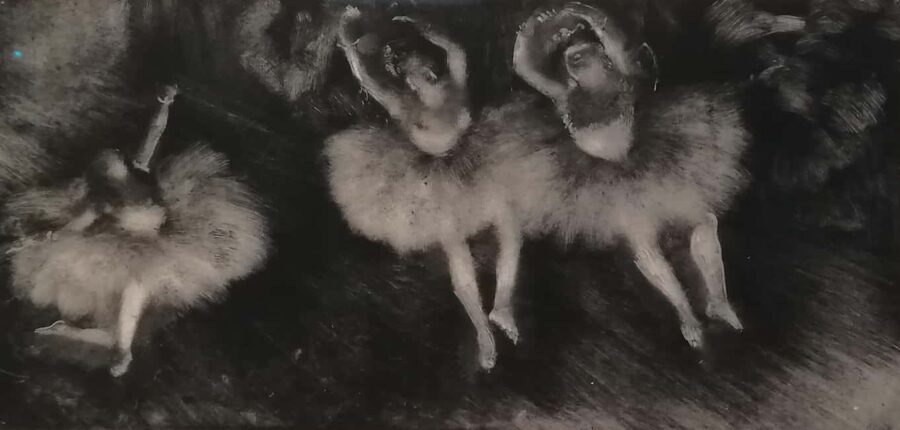
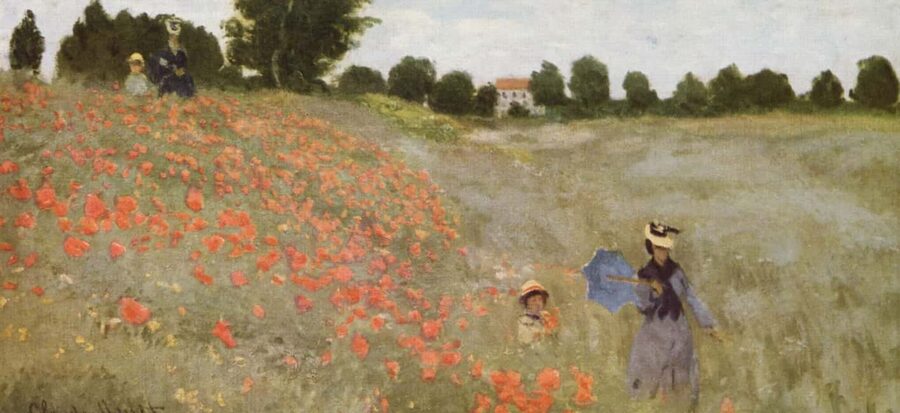
The tour then moves into the work of Édouard Manet and Claude Monet, two names that often get grouped together under Impressionism even though their roles were different.
Manet is central to the story of provocation. His paintings challenged expectations about finish, subject, and the relationship between modern life and serious art. He helped open the door for younger painters who wanted to work outside the old academic system.
Monet took the new approach in another direction. His work made light, atmosphere, and changing conditions central to the act of painting. Instead of treating a scene as fixed and polished, the Impressionists sought the sensation of a moment.
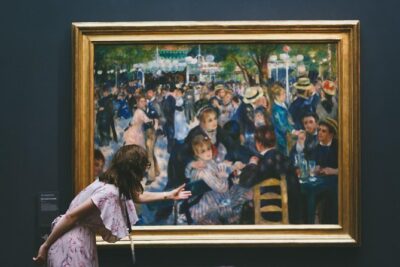
This is where the tour’s explanation of public rejection matters. The Impressionist revolution was not instantly welcomed. To many French viewers, the paintings could appear rough, careless, or incomplete. Brushwork that later became beloved once looked like a failure to finish the job.
You’ll get more from these paintings if you resist the urge to judge them by modern standards. Today, Monet can feel safe and familiar because his work is reproduced everywhere. The useful question is how radical that loose handling and direct observation could seem at the time.
The tour connects the paintings to the public reaction, rather than treating Impressionism as a pleasant style based only on pretty color. That makes the movement more interesting and gives the famous paintings some edge.
More private tours in Paris:
- Paris: Private Photoshoot at the Eiffel Tower
★ 4.7 · 2,636 reviews - Top Private Cruises in Paris with French Champagne and surprises
★ 5.0 · 1,553 reviews - Private Paris Airport Arrival Transfer – CDG & ORLY Airports
★ 4.5 · 1,119 reviews - Paris Private Arrival Transfer from Charles de Gaulle (CDG) or Orly (ORY)
★ 4.0 · 1,084 reviews
Cézanne and the move toward personal vision
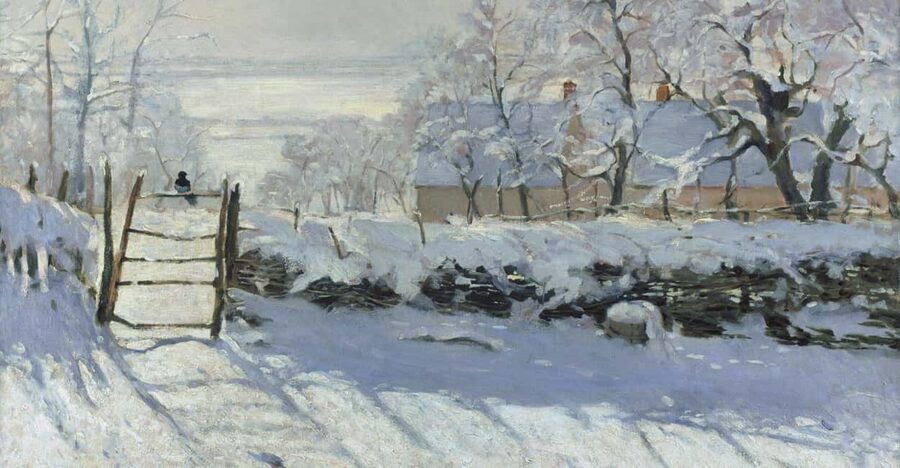
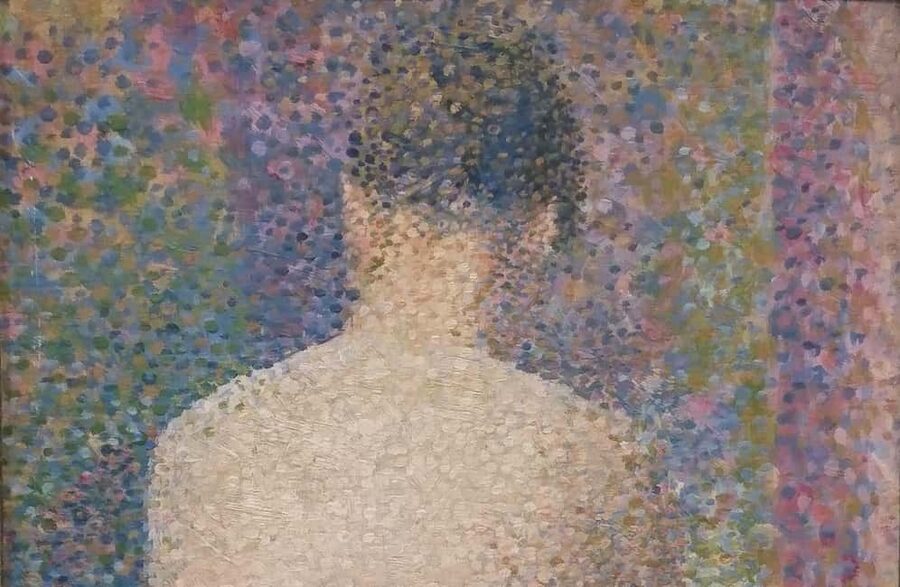
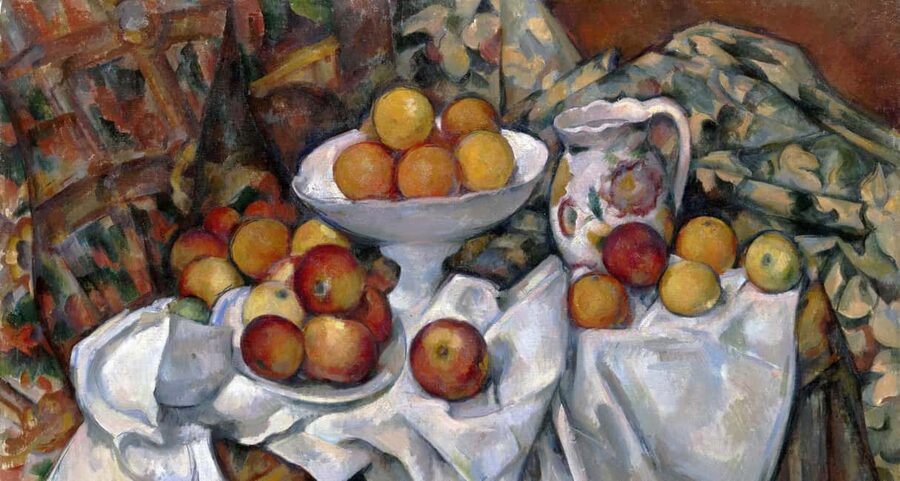
Paul Cézanne brings another turn in the story. His work does not fit neatly into a simple tale of Impressionism becoming more colorful or more relaxed. Cézanne pushed toward a more personal structure, making the act of seeing feel active and deliberate.
You may find that his paintings require more time than a quick glance allows. Forms can feel solid and unstable at once. The surface may not aim for smooth illusion, yet the image still has a strong sense of order.
This part of the tour is useful because it shows that the artistic rebellion did not stop once Impressionism gained attention. Each generation had to ask what came next. Cézanne’s approach helped point toward new ways of organizing a painting, even when the work did not offer an easy visual answer.
A two-hour tour cannot cover every influence in detail, but it can show you why Cézanne belongs in this chain of change. He represents an artist who absorbed the lessons of Impressionism while pushing beyond its first solutions.
Ending with Van Gogh and Gauguin
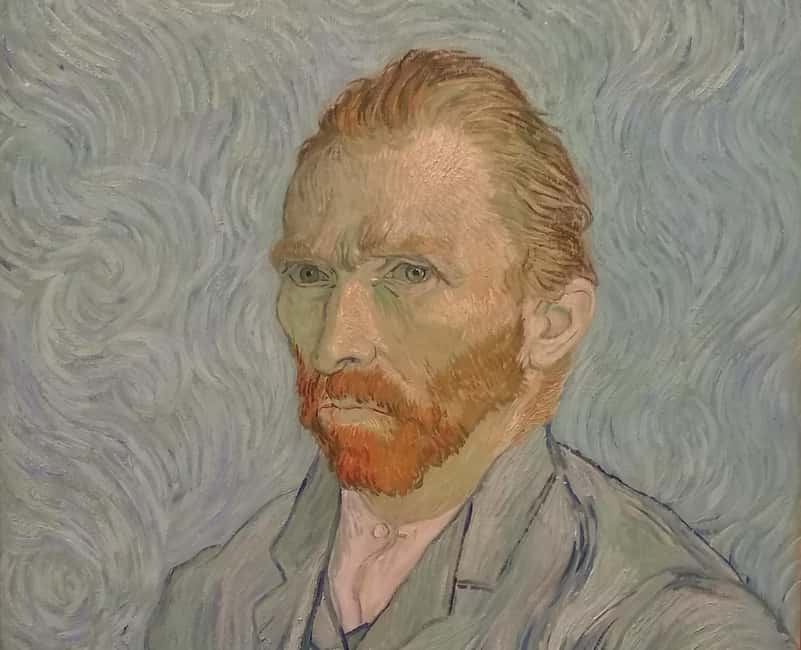
The final section brings the story to Vincent van Gogh and Paul Gauguin, described here as two tempestuous friends. Their relationship gives the tour an emotional ending after the earlier focus on institutions, public taste, and artistic systems.
Van Gogh’s work is often reduced to biography and dramatic legend. A better museum visit asks you to look at the paintings first: the force of the brushwork, the intensity of the color, and the sense that the image carries a personal urgency.
Gauguin offers a different kind of individuality. His work raises questions about escape, invention, and the desire to find a new artistic setting. The friendship between the two painters was difficult, but it also shows how artists can influence and unsettle one another.
This closing section helps explain where the 19th-century rebellion leads. The artist is no longer simply trying to win approval from the official Salon. Individual vision has become central, even when that vision is strange, uncomfortable, or hard for the public to accept.
I like ending with Van Gogh and Gauguin because it leaves you with people rather than a tidy formula. The tour begins with opposing masters within the established system and ends with artists whose personal identities and working methods became part of the subject.
The small group and audio setup
The tour is private and limited to six people. That matters at the Musée d’Orsay, where a larger group can make it harder to hear, see, or ask a quick question without interrupting the flow.
A small group also allows the guide to keep the pace focused. You are not being carried through a generic checklist of famous paintings. The experience is built around the people you book with, and the guide can respond directly to your questions.
Headphones and audio receivers are supplied. This is a practical feature, not decoration. The museum can be noisy, and people often gather around major works. You can listen without standing shoulder to shoulder with the guide.
The audio equipment has been described as notably light and easy to hear, even with other people nearby. That is especially useful if you have difficulty catching a guide’s voice in a large gallery. You still need to stay close enough to follow the route, but you should not need to form a tight circle around Damien.
The private format is best for couples, families with older children, or a small group of friends who want one shared interpretation. If you prefer wandering alone and spending ten minutes with one painting, a group tour of any kind may feel restrictive. Here, you are paying for direction and conversation as much as for admission to the museum.
What the $141 price really includes

The tour costs $141 per person, and museum admission is separate at $16. That makes the full adult cost about $157 per person before any other Paris expenses.
That is not a cheap museum visit. You are paying for a private two-hour service, an English-speaking guide with an artist’s background, audio equipment, and direct contact with the guide by WhatsApp or text. For one person, the price may feel high compared with entering the museum alone and using the galleries at your own pace.
The value improves when you are splitting the private experience among a small party. A group of six gets a more personal visit without paying for a large private guide team. You also avoid the time spent trying to create your own route through a collection that can easily overwhelm a first-time visitor.
Museum tickets are not included, so plan this part carefully. Tickets can be obtained through the official orsay.fr website. The tour information advises choosing a ticket for a temporary exhibition because it is also valid for museum entry. High-season availability can be limited, so do not leave admission until the last minute.
Children under 18 enter free with identification. Eligible EU students under 25 also enter free, and the Paris Museum Pass is accepted. Those discounts can change the calculation for a family or student group, though you still pay the tour price.
Meeting the guide and planning your visit
The meeting point is beside the rhinoceros sculpture outside the museum. Damien will have a guide badge, so look for the sculpture and the person clearly identified as the guide.
Wear comfortable shoes. The tour lasts two hours, and you will be on your feet in a large museum. Bring identification for children who need free admission, and remember that selfie sticks and flash photography are not allowed.
The tour is offered in English and is wheelchair accessible. It is not suitable for babies under one year old. If you need a start time, check availability because the tour schedule can vary.
For bookings less than 24 hours before the start, contact Damien by WhatsApp to confirm availability. That direct contact is helpful, particularly in high season when museum tickets may be harder to find.
Cancellation is free up to 24 hours in advance, and you can reserve now and pay later. Those terms give you some room to adjust a Paris schedule, but they do not remove the need to secure museum admission separately.
Who will get the most from this tour
I would choose this tour if you have limited time at the Musée d’Orsay and want a coherent explanation rather than a list of famous names. It is also a good match if you are curious about why Impressionism caused trouble before it became a favorite style.
The tour suits adults and families with older children who can follow a two-hour discussion. The free entry for younger visitors helps with the overall cost, but the subject matter still asks for attention and patience.
Art students, painters, decorators, and people who enjoy discussing technique may especially appreciate having an artist as the guide. Damien’s background as an Irish artist and specialist decorator gives the tour a practical angle, not just a timeline of dates and names.
You may want to skip it if you already know the Musée d’Orsay well and prefer to make your own route. It is also not the best choice if you want to see every major room, since the schedule is built around a specific story and ends after two hours.
Should you book the Musée d’Orsay rebels tour?
Book it if you want the museum to make sense quickly. Damien’s route gives you a clear line from the Salon traditions of Delacroix and Ingres through Courbet, Manet, Monet, and Cézanne, then to the personal visions of Van Gogh and Gauguin.
The strongest reasons to choose it are the private group of six, the artist-led interpretation, and the excellent audio setup. The key caution is the price, especially once the separate museum ticket is added.
If you are visiting the Musée d’Orsay for the first time, have only a few hours, and want more than a procession of famous paintings, this is a strong choice. If you are a slow, independent museum browser, buy your own ticket and give yourself more time instead.
FAQ
How long does the private Musée d’Orsay tour last?
The tour lasts two hours.
How many people can join the private tour?
The private group is limited to six people.
Is the tour offered in English?
Yes. The live guide leads the tour in English.
Is the Musée d’Orsay ticket included?
No. Museum admission costs €16 and must be arranged separately through the official orsay.fr website. Children under 18 with identification enter free, eligible EU students under 25 enter free, and the Paris Museum Pass is accepted.
Where do you meet the guide?
Meet outside the Musée d’Orsay beside the rhinoceros sculpture. Damien will have a guide badge.
Are headphones provided?
Yes. Headphones and audio receivers are supplied during the tour.
Can you cancel the booking?
You can cancel up to 24 hours before the scheduled start for a full refund. You can also reserve and pay later.
Just added around Paris
- Private Paris Marche d’Aligre Walking Tour with Tastings★ 5.0 · 8 reviews
- Private Louvre Museum Tour for Kids & Families with Alberto or his team in Paris★ 5.0 · 41 reviews
- Private Highlights of Paris Tuk-Tuk Experience★ 5.0 · 26 reviews
- Paris Latin Quarter Walking Tour: History & Culture – Small Group★ 5.0 · 14 reviews
- Private Highlights of Paris Bike Tour★ 4.5 · 15 reviews
- Paris Musee d’Orsay PRIVATE TOUR with a Local Private Guide★ 5.0 · 41 reviews
- Private Half Day Historic Tour★ 5.0 · 58 reviews
- Pere Lachaise Cemetery Paris – Exclusive Guided Walking Tour★ 5.0 · 72 reviews
Musée d’Orsay Tours, compared.
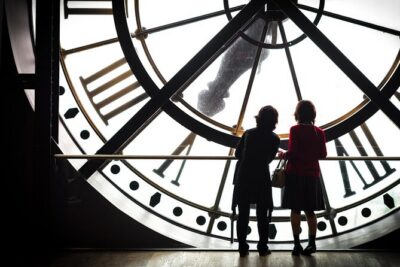
Paris in a Day: Louvre or Orsay, Eiffel Tower, City Walk & Cruise
Read our review →
Musée d’Orsay Skip-the-Line Tour with Expert Guide
Read our review →
The Musée d’Orsay Guided Tour Orsay Museum Semi-Private 6ppl Max
Read our review →
Louvre & Musée d’Orsay Guided Museum Tour Semi-Private 6ppl Max
Read our review →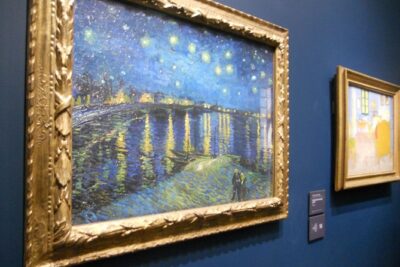
Orsay Museum – Exclusive Guided Tour (Reserved Entry Included)
Read our review →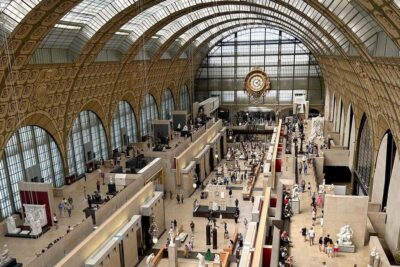
Orsay Museum and Rodin Museum Combo Entry Ticket
Read our review →Browse the lists this tour appears in