Reviewed · TICKETS
Paris: Paris Zoological Park Entrance Ticket
Paris Zoological Park gives you a world animal tour without leaving eastern Paris. In one visit, you can watch giraffes and zebras in the African zone, then move on to rainforest reptiles, Patagonia’s penguins, or European wolves and otters. The park’s five biozones make the visit easy to understand, especially for children.
I like the well-kept, open enclosures and the easy paths, with plenty of benches and shade when the sun gets strong. I also like the range: this is not just a giraffe-and-lion stop, but a place with caimans, sloths, anacondas, macaws, tarantulas, frogs, fish, and smaller mammals. The main drawback is that the park is not enormous, and some visitors find the café expensive or parts of the grounds less tidy than others.
Key points at a glance

- Five global biozones: Move from Europe to Madagascar, Africa, Patagonia, and the Amazon in one visit.
- A strong family outing: Children can see large mammals, colorful birds, reptiles, penguins, and fish without a complicated route.
- Allow three to four hours: You can see the major areas in a few hours, but animal lovers may happily spend most of the day.
- The African zone is a highlight: Lions, giraffes, zebras, and other animals give this section its big-ticket appeal.
- Good access and comfort: The park is wheelchair accessible, with shady seating and a separate entrance for ticket holders.
- Bring your own food budget: Entry is about $25 per person, while food and drinks are not included.
Five biozones make Paris Zoo easy to explore

The park was formerly called the Bois de Vincennes Zoological Park. After two years of refurbishment, it reopened with a layout built around five large animal regions. That organization gives you a sense of moving across continents rather than simply walking from one unrelated enclosure to another.
You do not need a guide or a special tour group to make sense of it. The paths are signposted, and the map is easy to follow. I find that useful in a zoo, because you can spend your time watching animals instead of stopping every few minutes to work out where you are.
The route links Europe, Madagascar, Africa, Patagonia, and the Amazon. Each zone has its own mix of animals and setting, so the visit keeps changing pace. Some areas focus on familiar headline animals, while others reward a slower look at birds, reptiles, amphibians, and small mammals.
The layout also works well for families. You can make a full circuit, pause on a bench, and continue without having to plan a strict sequence. If you are visiting with a toddler or young child, that flexibility matters more than a long list of formal activities.
More tickets and entry passes in Paris:
- Paris: Louvre Museum Timed-Entrance Ticket
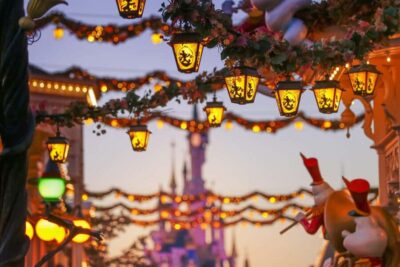
★ 4.6 · 71,977 reviews - Disneyland® Paris 1-Day Ticket
★ 4.6 · 49,412 reviews - Paris: Versailles Palace and Gardens Full Access Ticket
★ 4.6 · 41,579 reviews
The African zone brings the big animals
The African section is likely to be the main reason many people choose this park. You can expect lions, giraffes, zebras, and other animals associated with the continent. The open feel of the enclosures makes it easier to watch animals behaving naturally rather than simply catching a quick glimpse through a narrow viewing area.
The giraffes and zebras offer the classic zoo experience, while the lions provide the dramatic stop. You may find that animal activity varies by time of day, so it is worth pausing instead of walking past after one quick look.
The African area is also a good place to slow down with children. Young visitors can compare animal sizes, patterns, and movement without needing much explanation. Adults get a pleasant walk through a spacious section, with places to rest nearby.
The park does not have every famous African species. In particular, do not book this expecting elephants. Still, the combination of giraffes, lions, zebras, and additional animals gives this zone enough variety to carry its share of the visit.
Amazonia is more than a rainforest backdrop
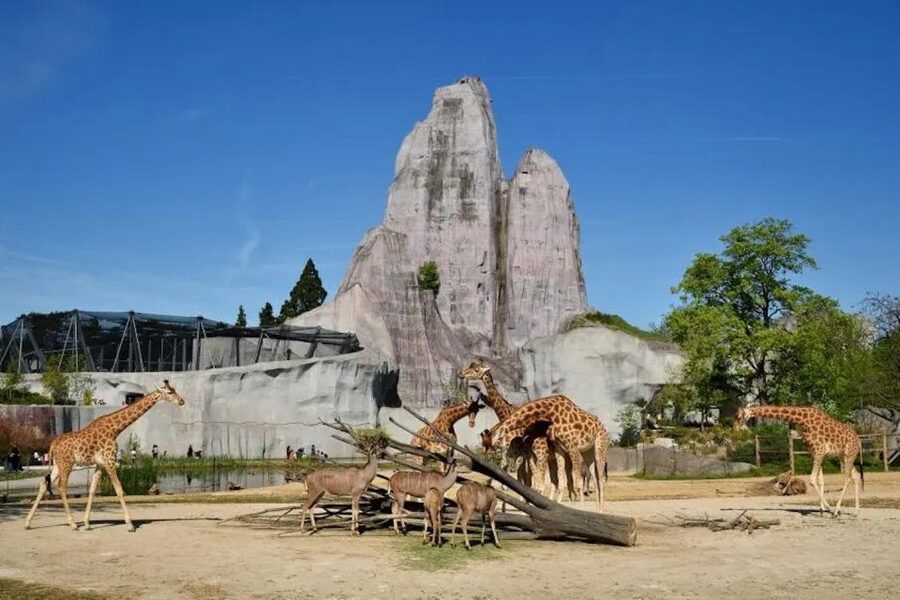
The Amazon area adds some of the park’s most unusual sights. Jaguars, monkeys, and macaws are part of the collection, but the reptiles and rainforest species may be what you remember most. Caimans, sloths, and anacondas give this section a stronger sense of surprise than a standard big-cat display.
This is a section where I would take my time. Look carefully into shaded spaces and enclosures, since reptiles and smaller animals do not always announce themselves. The variety makes the Amazon zone especially good for children who are fascinated by snakes, lizards, and creatures that look very different from the animals found in Europe.
There are also tarantulas, frogs, and fish in the wider collection. That matters because a zoo visit can become repetitive when every stop is another large mammal. Here, you get changes in size, color, movement, and habitat throughout the route.
The rainforest section may not appeal equally to everyone. Some people come mainly for giraffes and lions, and the quieter reptile displays will require more patience. If you like unusual animals, though, this is likely to be one of your favorite areas.
Patagonia brings penguins, pumas, and smaller species
Patagonia offers another change of mood. Penguins, pumas, and pudus are among the animals associated with this section. The penguins are an easy family favorite, while the pumas and smaller deer-like pudus add variety for adults who want to see less familiar species.
This zone also helps explain the value of the park’s regional structure. You are not simply ticking off animal names. You are seeing groups of animals connected to a particular part of the world, with the setting and signage helping place them in context.
A visit here can work well after the busier African section. The pace feels more relaxed, and you can take your time at the water-based displays. The park also includes seals, fish, and other aquatic life, giving you more than one reason to stop near the water.
Same city, a completely different afternoon:
- Paris: Evening River Cruise with Music
★ 4.4 · 22,721 reviews - Paris: Eiffel Tower Entry Ticket with Optional Summit Access
★ 4.4 · 20,035 reviews - Paris: Eiffel Tower Summit or Second Floor Access
★ 4.3 · 17,248 reviews - Paris: Louvre Guided Tour with Reserved Access & Boat Cruise
★ 4.3 · 16,353 reviews
Europe and Madagascar fill out the collection
The European zone includes wolves, lynxes, and otters. These animals may be closer to home for many visitors, but they are still worth seeing. European wildlife is often overlooked in favor of tropical species, and this section gives you a chance to notice animals that live in environments much closer to Paris.
Otters can be particularly engaging when active. Wolves and lynxes are more elusive, so do not judge the area too quickly if you do not spot them at once. Your experience will depend partly on the animals’ routines and where they happen to be resting.
Madagascar adds another regional chapter to the route. The available information does not list every animal in this zone, so I would treat it as an area to explore rather than arrive with a fixed checklist. Together, Europe and Madagascar broaden the park beyond the most obvious headline species.
The bird walk and smaller animals deserve real time
One of the park’s most praised features is the bird walk-through. It gives you a closer way to see birds than a distant enclosure usually allows, and it breaks up the longer stretches devoted to mammals.
You will also find macaws, lizards, snakes, tarantulas, frogs, and fish. These displays are easy to rush past, especially if children are focused on the lions or giraffes. I would save time for them, because they show how broad the collection really is.
The smaller animals are also useful on a hot or tiring day. You can spend less time exposed to the sun, then return to the outdoor areas once you are ready. The park has plenty of benches, including shaded places, so you do not need to treat the visit as a nonstop walk.
How long should you plan for the visit?
You can see the principal areas in about two to two and a half hours if you keep moving. I would allow at least three to four hours for a comfortable first visit, especially if you want to stop for feeding times, watch a presentation, or let children set the pace.
Animal lovers may prefer a full day. The park is large enough to fill one, particularly when you include the bird walk-through, aquatic displays, rainforest animals, and rest stops. Several people find that they need most of the day to enjoy everything without hurrying.
The ticket is listed as valid for 700 days, but that does not mean you stay inside for 700 days. It gives you a long booking window, subject to availability and the selected operating conditions. Check the available date and opening hours before you go.
The last admission is one hour before closing, and ticket offices also close one hour before the park shuts. If you arrive late, you may have less time than expected, so a morning or early afternoon start is the safer choice.
Comfort, shade, and facilities
This is a city zoo, but it does not feel like a hard concrete march from one enclosure to another. The paths are landscaped, the setting is pleasant, and there are many benches. Shade is especially helpful in warm weather, when you may otherwise lose energy before reaching the later zones.
The park is wheelchair accessible. That makes the route more practical for visitors with mobility needs, although the information provided does not describe every surface or facility in detail. If you need loaned or rented equipment, return it no later than 30 minutes before closing.
Food and drinks are not included in the ticket. Lunch options are available, and some are considered reasonably priced, but café food has also been described as overpriced and poor in quality. I would budget for food separately and consider bringing your own picnic supplies if that fits the park rules and your plans.
The gift shop is another optional expense. It can be a pleasant stop, but prices may feel high, so children may need a clear souvenir budget before you enter.
Getting there and finding the entrance

Paris Zoological Park is at the intersection of Avenue Daumesnil and Ceinture du Lac, 75012 Paris. Use the full park name when entering the destination into a ride-hailing app. A generic location code may send a driver to the long start of the road rather than the useful entrance area.
The separate entrance for ticket holders can help you avoid the regular ticket line. That is most useful during busy periods or when you are arriving with children who have little patience for a slow start.
The park is located beside a large green area, so you can pair the zoo with a quieter walk before or after your visit. That combination works well after several days of sightseeing in central Paris. The zoo provides the activity, while the nearby open space gives you room to decompress.
Is $25 good value?
At about $25 per person, this is a reasonable Paris activity if you plan to stay for several hours. The value comes from the range of animals and the quality of the visit, not simply from the size of the grounds. You get five regional zones, large mammals, rainforest creatures, birds, penguins, aquatic displays, and smaller animals in one admission.
The value is strongest for families and animal lovers who will spend three hours or more inside. If you only have two hours between other plans, it can still work, but you will need to keep moving and may not enjoy every zone fully.
The ticket includes entry only. Food, drinks, and souvenirs cost extra, and those add-ons can change the total quickly. I would compare the $25 entrance fee with your available time, then set aside a separate amount for lunch and treats.
The long ticket validity and free cancellation up to 24 hours before the visit also make it easier to fit into a changing Paris schedule. You can reserve now and pay later, which is useful when you are still arranging the rest of your trip.
Who should book this Paris zoo visit?
I would recommend it to families with children, couples who want a break from museums, and anyone who enjoys seeing animals in a well-organized setting. It is especially suitable if you want a half-day activity that does not require a guide or a complicated plan.
It also suits visitors who care about access and comfort. Wheelchair access, frequent benches, shaded areas, clear signs, and an easy-to-follow map all reduce the effort of the day.
You may want to choose another activity if your main goal is to see elephants or an especially huge zoo. This park is not enormous, and some parts may feel less polished than others. It is best understood as a varied city zoo with a strong regional layout, not as a vast safari park.
Should you book the Paris Zoological Park?
Book it if you want a relaxed family day with a surprising range of animals and you can spare at least three hours. The African zone gives you the headline animals, while Amazonia, the bird walk-through, Patagonia, Europe, and the smaller reptiles keep the visit from feeling predictable.
I would choose an earlier entry, wear comfortable shoes, bring a camera, and plan your food costs before arriving. Give the quieter exhibits a proper look, especially if you enjoy unusual species.
At $25, the park offers good value for a substantial visit. It is not perfect, and café prices and occasional untidy areas may bother you, but the accessible route, shaded seating, clean facilities, and broad animal collection make it a sound choice for a break from central Paris.
FAQ
Where is Paris Zoological Park located?
Paris Zoological Park is at the intersection of Avenue Daumesnil and Ceinture du Lac, 75012 Paris, in the Ile-de-France region.
How much does entry cost?
The listed price is $25 per person.
How long does a visit take?
You can spend about two to two and a half hours seeing the main areas, but three to four hours is a better plan. Animal lovers may use most of the day.
How long is the ticket valid?
The ticket is listed as valid for 700 days. You still need to check availability and select an available visit time or date.
What animals can I see?
Animals include lions, giraffes, zebras, wolves, lynxes, otters, jaguars, monkeys, macaws, penguins, pumas, pudus, caimans, sloths, anacondas, birds, reptiles, frogs, fish, and tarantulas.
What are the five biozones?
The park’s animal areas represent Europe, Madagascar, Africa, Patagonia, and the Amazon.
Is the park wheelchair accessible?
Yes, Paris Zoological Park is wheelchair accessible.
Is food included in the ticket?
No. Food and drinks are not included, so plan and budget for them separately.
When is the last admission?
The last admission is one hour before the park closes. The ticket offices also close one hour before closing.
Can I cancel my booking?
You can cancel up to 24 hours in advance for a full refund, according to the provided booking conditions.
Just added around Paris
- Paris: The Da Vinci Code Walking Tour with a Local Guide★ 4.3 · 5 reviews
- Paris: Flea Market Insider’s Tour in Extra-Small Group★ 4.6 · 73 reviews
- Paris: Private Fashion Tour (Chanel, Dior, Sex & the City)★ 5.0 · 3 reviews
- Paris: Floral Earrings workshop★ 5.0 · 3 reviews
- PARIS: Family e-bike longtail renting★ 5.0 · 3 reviews
- Paris: Fashion History Walking Tour in the Heart of Paris★ 4.9 · 22 reviews
- Paris: Famous Monuments Cycling Tour★ 4.7 · 20 reviews
- Paris: private city tour with seine river cruise★ 4.8 · 28 reviews
Tickets, compared.
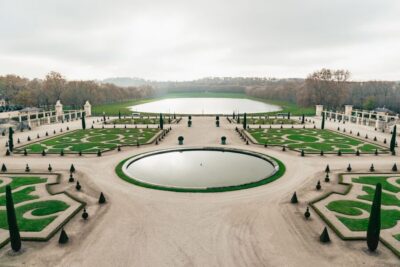
Versailles Palace and Gardens Full Access Ticket
Read our review →
Eiffel Tower Entry Ticket with Optional Summit Access
Read our review →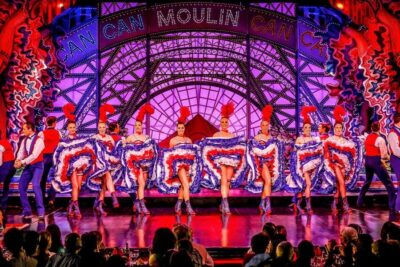
Moulin Rouge Cabaret Show Ticket with Champagne
Read our review →
Montparnasse Tower Observation Deck Entry Ticket
Read our review →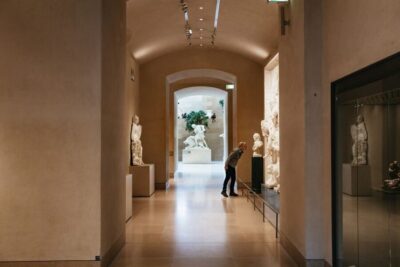
Louvre Museum Entry Ticket With Host and River Cruise
Read our review →