
Reviewed · PARIS WINE TASTINGS
Paris: Wine and Cheese Tasting
Three French wines, artisanal cheese, maps, and real soil samples make this more useful than a quick sip-and-smile tasting. You get a clear look at why a wine from one part of France can taste so different from one made elsewhere.
I like the small group, limited to eight, and the chance to taste bottles from independent producers rather than only famous supermarket labels. I also like the relaxed teaching style reported from hosts such as Camille, Julian, and Constance. The main consideration is that this takes place in a wine boutique, not a restaurant, so toilet access may be limited.
Key Points to Know
- Three French wines: The tasting focuses on wines from different parts of France, with the selection adjusted to the group’s interests.
- Cheese pairings: Hard and soft cheeses show how the same wine can change when paired with different textures and flavors.
- Real terroir lesson: Maps and soil samples make the idea of French wine regions easier to understand.
- Small-group format: With no more than eight people, you have room to ask questions.
- English or French: The live guide leads the session in either language.
- Flexible booking: You can cancel up to 24 hours before the activity for a full refund and reserve without paying immediately.
Inside the Paris Cave à Vin
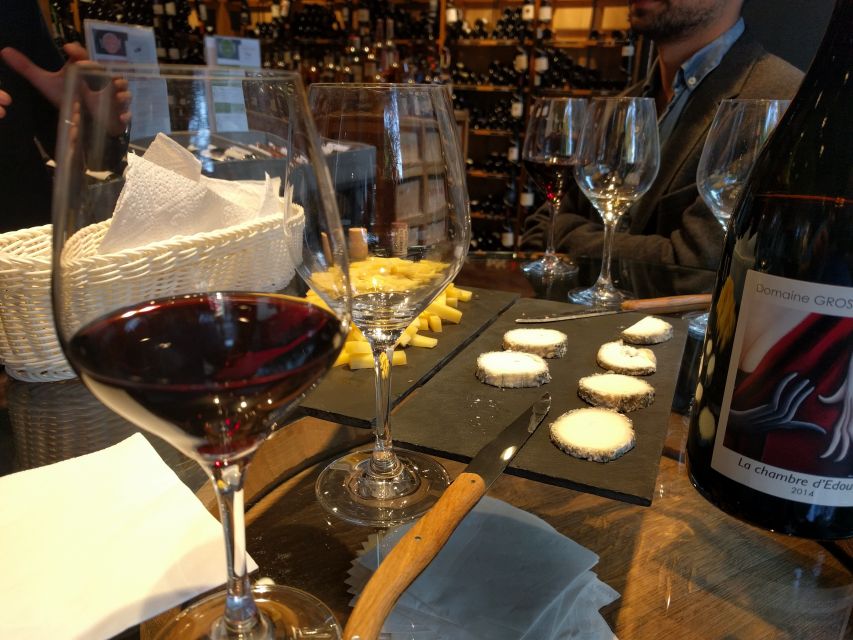
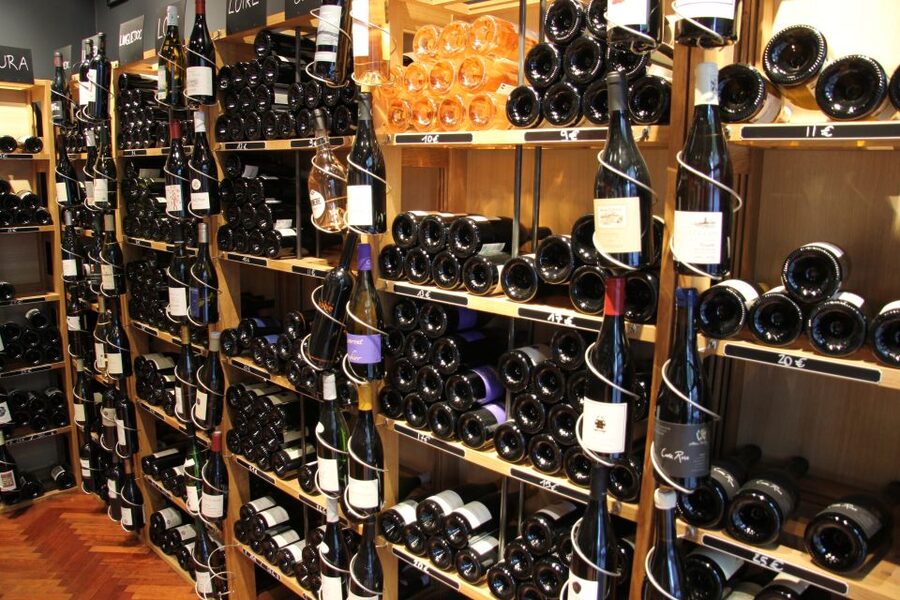
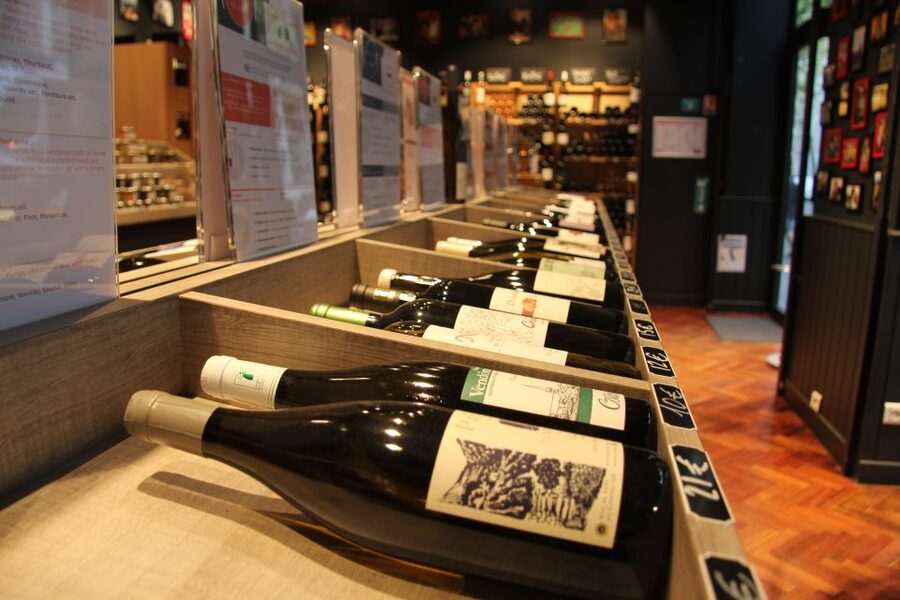
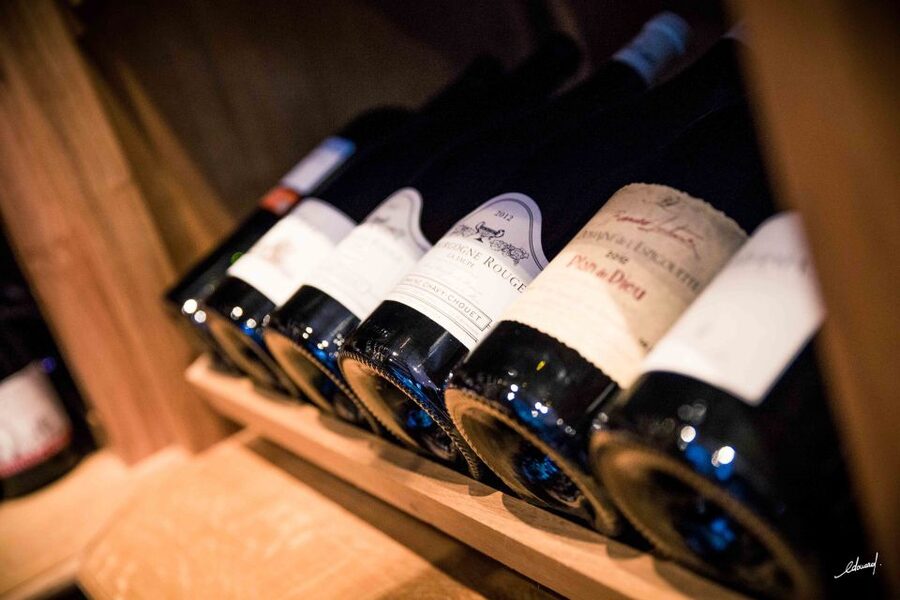
The experience begins at a cave à vin, a French wine shop lined with reds, whites, and rosés from across the country. This setting gives the tasting a useful sense of place. You are not sitting in a formal dining room with a fixed menu. You are in a working boutique where the bottles are part of the shop’s daily business.
That matters if you want to keep exploring after the tasting. Several participants chose to buy a bottle they had sampled, which is one of the better reasons to hold this experience early in your Paris visit. You can return to the shop with a clearer idea of what you like instead of guessing from a label.
The tasting area is prepared before you arrive. You settle in, meet your guide, and begin with an overview rather than rushing straight to the glasses. Hosts named in past sessions include Camille, Julian, Constance, Leia, and others. The strongest part of the teaching is its friendly, personal tone. You can ask basic questions without feeling out of place, even if you normally drink only a little wine.
The group limit of eight is important. Wine lessons can become dull when you are one face in a large crowd. Here, you have a better chance to ask why a bottle tastes dry, fruity, earthy, light, or full-bodied. The format also suits couples and small groups who want conversation rather than a lecture.
More cheese and wine tastings in Paris:
- Paris: Montmartre Cheese, Wine & Pastry Guided Walking Tour
★ 4.8 · 2,255 reviews - Private Montmartre Food Tour with Wine, Cheese & Pastries
★ 5.0 · 1,027 reviews - Paris Le Marais Food Tour With 10+ Tastings, Cheese, Wine & More
★ 5.0 · 985 reviews
Maps, Soil, and the Meaning of Terroir
The opening lesson explains France’s main wine regions and how geography affects what ends up in your glass. Maps help you place the wines, while soil samples give you something more concrete than a list of place names.
You will hear about grapes, climate, terrain, and the French idea of terroir. In simple terms, terroir refers to the combination of place and growing conditions that helps shape a wine’s character. Soil, weather, local traditions, and the grape itself all play a part.
This section is valuable because French wine labels can seem difficult at first. A bottle may be identified more by its region or appellation than by the grape written in large letters. Once you understand that regional identity matters, French wine becomes less mysterious.
The lesson also explains why France produces such a wide range of wine. The country has many growing areas, different soils, varied weather, and numerous grape varieties. You are not just memorizing regions. You are learning why a crisp white, a deep red, and a fresh rosé can all come from the same country yet taste entirely different.
The use of soil samples is a nice touch. You can look at the physical material connected to the growing area instead of hearing only an abstract explanation. If you are new to wine, this visual approach may help the information stick.
Three Wines From Independent Producers
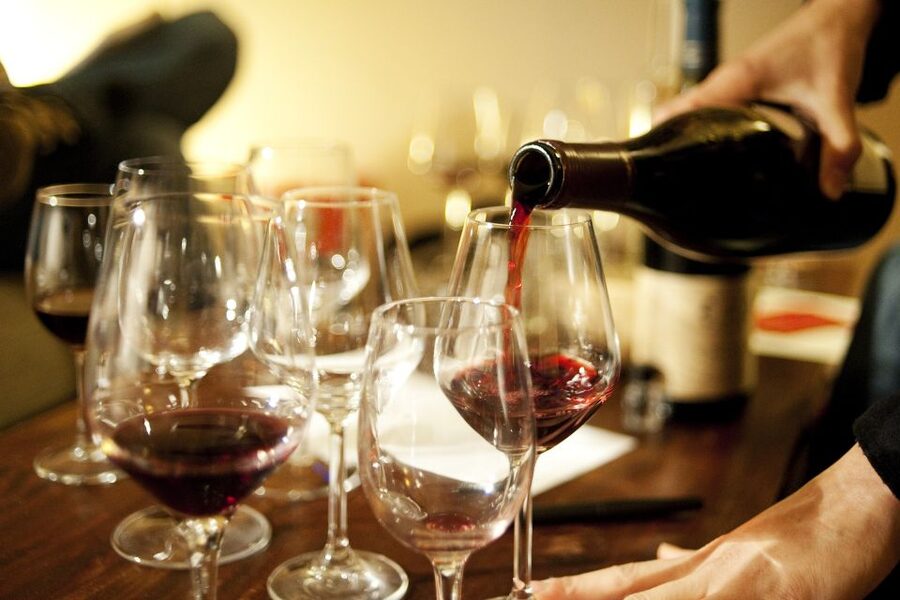
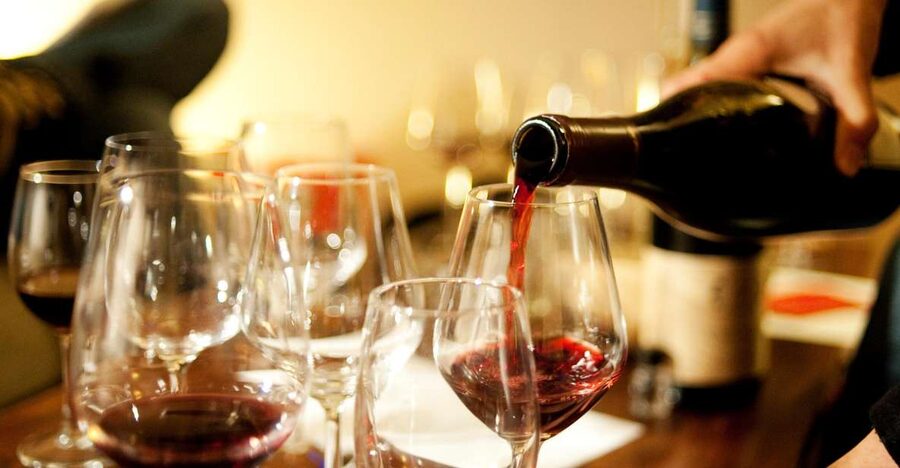
The advertised tasting includes three types of wine. The exact bottles are chosen by the wine expert, with the group’s interests taken into account. You might taste reds, whites, rosés, or a mix, depending on the session and the preferences shared at the start.
That flexibility is a strength. If you already know you prefer white wine, you can raise that early. If you want to try a grape you have never had, say so. The tasting is designed around small producers, so you have a better chance of finding a bottle that feels less familiar than the big names seen in many restaurants.
Past sessions have included an extra wine or a surprise taste, but you should treat that as a bonus, not part of the guaranteed format. The dependable plan is three wines, with the selection adjusted by the guide.
The guide will help you compare the wines rather than simply announce their names. You may discuss aroma, flavor, structure, and how the wine changes after a sip. You do not need a polished vocabulary. A good question can be as simple as asking why one wine feels sharper or sweeter than another.
If you are a basic wine drinker, this is where the session earns its keep. The lesson can help you understand the difference between grape varieties and give you a way to describe what you enjoy. If you already know a great deal about wine, you may find the introduction familiar, but the independent-producer focus can still make the tasting worthwhile.
Cheese Pairings That Change the Wine
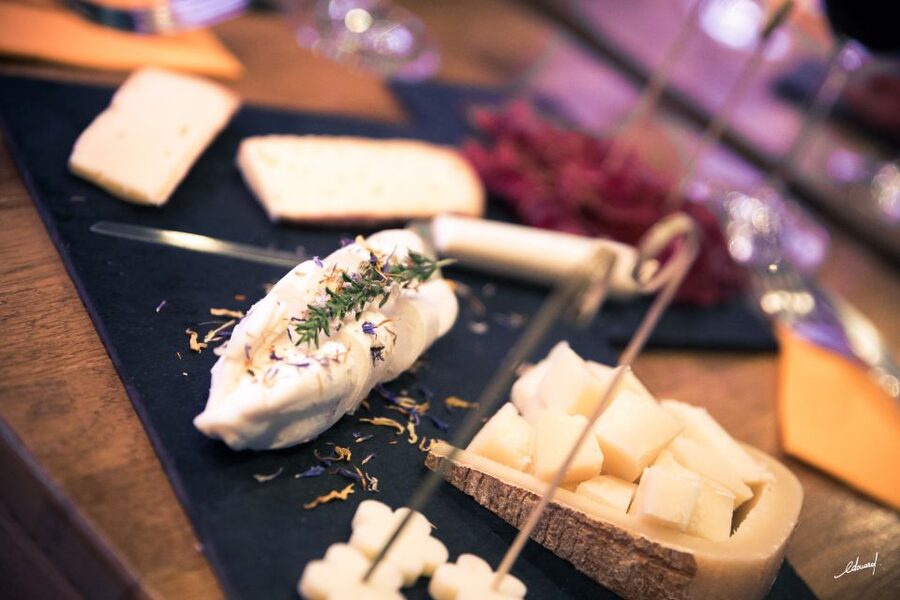
Cheese is not just a snack placed beside the glasses. It is used to show how food alters your impression of wine.
The experience description calls for a hard cheese and a soft cheese from a nearby artisanal cheese shop. The included items also describe three types of cheese, while past sessions commonly involved two cheeses. That means the exact cheese selection can vary, so do not expect a fixed restaurant-style menu.
You will taste the cheese with different wines and notice how the pairing shifts the balance. A cheese can make a wine seem rounder, sharper, fruitier, or less heavy. The point is not to find one correct combination. It is to see how a simple change on your plate affects what you taste in the glass.
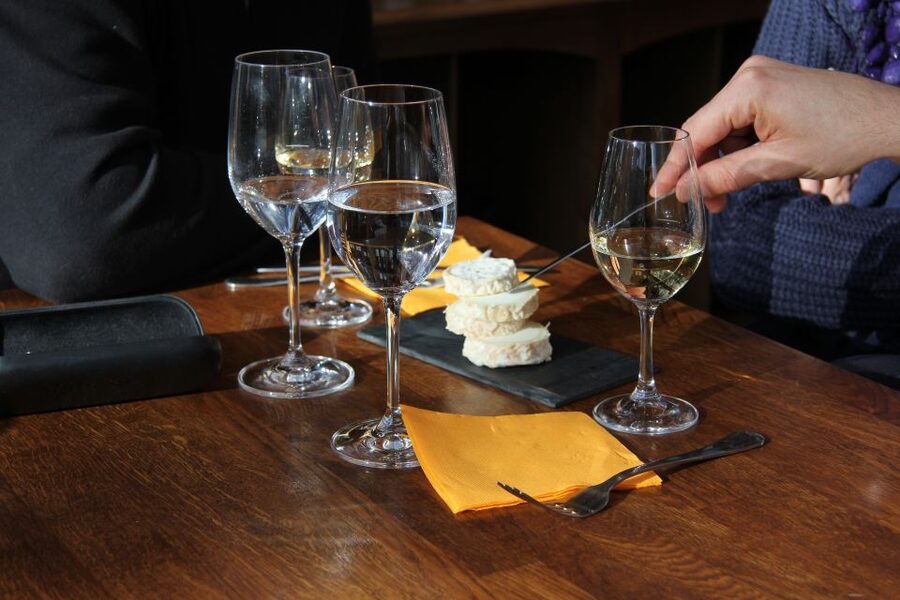
Fresh bread and water are provided as palate cleansers. They are small details, but they make the session more comfortable, especially when several wines are served close together. A spittoon is also available if you want to taste without swallowing every sample.
That last point is worth keeping in mind. At $76 per person, you are paying for instruction and tasting, not simply for the amount of wine you drink. Using the spittoon lets you focus on the lesson and keeps the experience manageable if you have other plans afterward.
More wine tastings in Paris:
- Authentic Parisian Gourmet Food Tour with 10 Local Dishes & Wines
★ 5.0 · 4,754 reviews - Loire Valley Castles Day Trip from Paris with Complementary Wine
★ 4.5 · 3,907 reviews - Montmartre Hill French Gourmet Food and Wine Tasting Walking Tour
★ 5.0 · 2,588 reviews - From Paris: Loire Valley Castles Day Trip With Wine Tasting
★ 4.6 · 1,727 reviews
What the 90 Minutes Feel Like
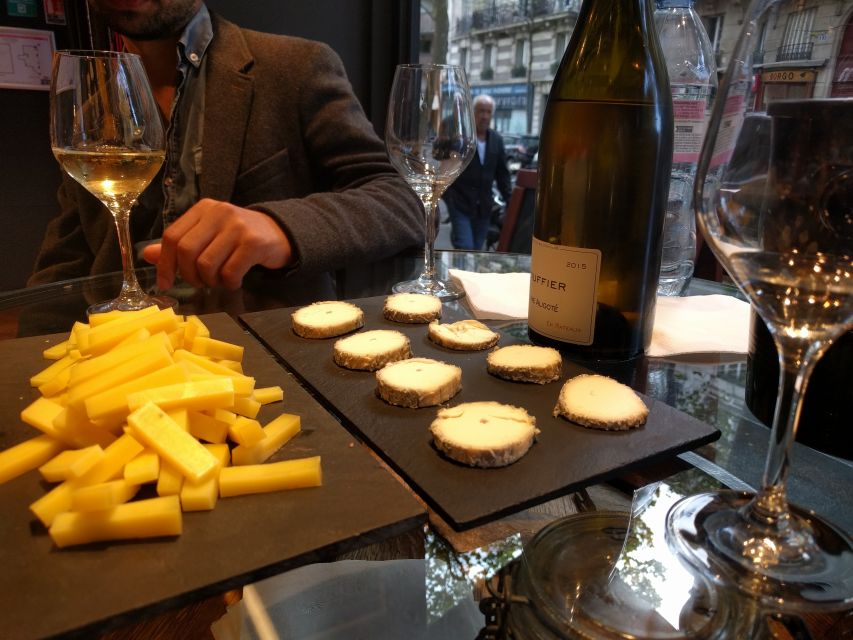
Ninety minutes is a sensible length for this format. It gives the guide time to explain French regions, pour several wines, discuss the cheese, and answer questions without turning the session into an all-day course.
The pace should feel measured rather than hurried. You begin with the shop and introduction, move into the regional explanation, then taste the wines and pair them with cheese. The group can discuss what it notices along the way.
Do not expect a full meal. The bread and cheese make the tasting more substantial than wine alone, but this is still a lesson with food pairings, not lunch or dinner. If you arrive hungry, plan another meal before or afterward.
The boutique setting also shapes the experience. It may feel more informal and personal than a polished restaurant tasting, but it may offer fewer comforts. Toilet access may not be readily available or easy to reach, so take care of that before arriving.
The meeting point can vary depending on the option booked. Check the exact location and starting time before setting out, especially if you are arranging this between museum visits or dinner reservations.
The Guides Make the Difference
The hosts are central to the quality of this activity. Camille has been praised for a warm manner and clear explanations, while Julian has helped people understand new wine varieties and suitable cheese pairings. Constance has led sessions in strong English and guided beginners through the tasting in a calm way.
Other hosts, including Leia, have also been credited with making the session friendly and informative. The repeated pattern is useful: the guide does not simply pour the wine and leave you alone. You get an explanation of where the wine comes from, how it is made, and how different grapes affect the result.
English and French are offered. If you are nervous about wine vocabulary, English-language guidance should make it easier to ask questions and follow the regional explanations. You can also request the French version if that suits your group.
I would not book this expecting a technical certification course. It is an accessible introduction with enough detail to improve your confidence. The guides appear to be at their best when helping ordinary wine drinkers understand what is in front of them.
Is $76 a Fair Price?
At $76, this is not the cheapest way to drink wine in Paris. You are paying for three wines, cheese, bread, water, a small group, and 90 minutes with a dedicated guide. The value depends on how much you want from the educational side.
If you only want a glass of French wine and a snack, spend less at a wine bar. If you want to understand French regions, compare pairings, and discover independent bottles you may later buy, the price makes more sense.
The small group helps justify the cost. A limit of eight allows for questions and makes it easier for the guide to respond to your tastes. The independent-producer selection also adds value, since you may encounter bottles that are not obvious choices from a standard tourist menu.
The activity has earned a 4.6 rating from 91 reviews, with repeated praise for friendly hosts, clear explanations, fresh cheese and bread, and the relaxed setting. I would place the greatest weight on the teaching and personal attention, not on the number of pours. In some sessions, the group received four wines or a surprise taste, but that should not be the reason you book.
Who Should Book This Tasting?
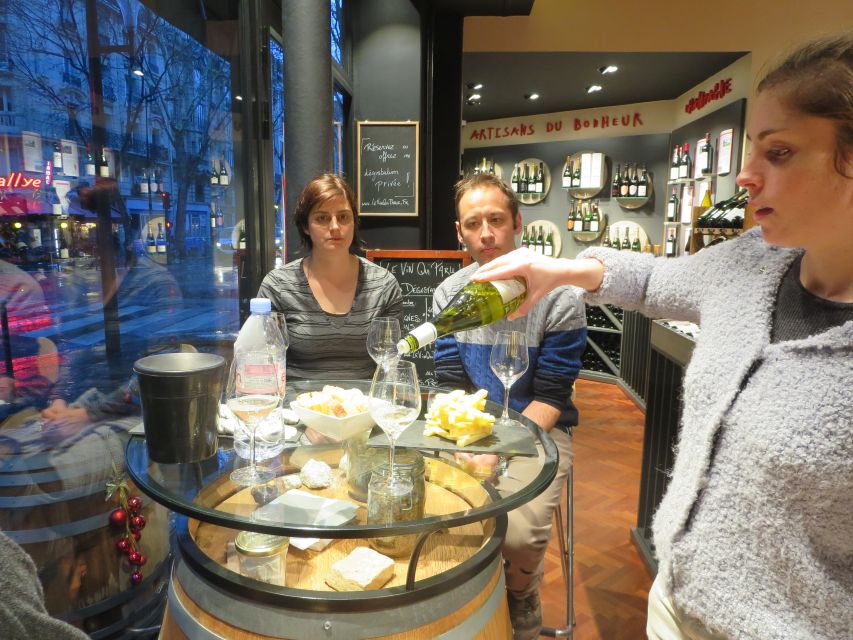
I would recommend this to anyone who wants a gentle introduction to French wine without committing to a full-day vineyard visit. It suits couples, solo visitors who enjoy small groups, and friends looking for an indoor Paris activity with a strong local food connection.
It is especially useful for:
- Wine beginners who want plain explanations and a way to compare grapes and regions.
- Food lovers who enjoy seeing how cheese changes the taste of wine.
- Curious shoppers who may want to take home a bottle from an independent producer.
- Visitors with limited time who can spare 90 minutes but not a whole afternoon.
- Non-experts who may feel more comfortable in a group of eight than in a formal wine class.
I would be less enthusiastic if you want a filling meal, a grand vineyard setting, or a long technical course. The shop environment is practical and intimate, not theatrical. You also need to be comfortable with the possibility that the cheese and wine selection will vary.
Practical Details Before You Go
The activity lasts 90 minutes, and starting times depend on availability. The guide speaks English or French, and the group is capped at eight participants.
You receive three wines, cheese, bread, and water. The description highlights a hard and a soft cheese, while the included details refer to three cheese types, so the exact serving can change. A spittoon is available.
The meeting point varies by booking option. Check your confirmation carefully rather than assuming every session meets at the same shop.
Cancellation is free up to 24 hours before the activity for a full refund. You can also reserve now and pay later, which helps if your Paris schedule is still shifting.
Should You Book It?
Book this if you want more than a pleasant drink. The best part is the combination of independent French wines, simple regional teaching, and cheese pairings that show you how tasting works.
Skip it if you are looking for a full meal, a vineyard tour, or guaranteed rare bottles. For most visitors, though, the small group and practical instruction offer good value. You should leave with a better sense of what you like, a few new French terms, and perhaps a bottle chosen with confidence rather than guesswork.
FAQ
How long does the Paris wine and cheese tasting last?
The experience lasts 90 minutes.
How many wines are included?
Three types of wine are included. Some sessions may include an additional pour or surprise tasting, but three wines are the stated format.
How many cheeses are included?
The experience includes cheese tasting. The description specifies a hard cheese and a soft cheese, while the included details refer to three types of cheese, so the exact selection may vary.
Where does the tasting take place?
It takes place at a Paris cave à vin, or wine cellar and boutique. The exact meeting point may vary depending on the option booked.
What languages are available?
The live guide leads the experience in English or French.
How large is the group?
The group is limited to eight participants.
Is bread and water provided?
Yes. Bread and water are included as palate cleansers.
Can I use a spittoon?
Yes. A spittoon is provided for anyone who prefers not to swallow the wine samples.
Can I cancel for a refund?
Yes. You can cancel up to 24 hours in advance for a full refund.
More food tours in Paris
- Paris: Seine Cruise & Crepe Tasting near the Eiffel Tower
★ 4.4 · 11,231 reviews - Normandy D-Day Small-Group Day Trip with Omaha Beach, Cemetery & Cider Tasting
★ 5.0 · 2,786 reviews - Paris: Illuminated Evening River Cruise & Waffle Tasting
★ 4.1 · 2,697 reviews - Devour Paris Ultimate Food Tour
★ 5.0 · 2,087 reviews
Just added around Paris
- Private Paris Marche d’Aligre Walking Tour with Tastings★ 5.0 · 8 reviews
- Private Louvre Museum Tour for Kids & Families with Alberto or his team in Paris★ 5.0 · 41 reviews
- Private Highlights of Paris Tuk-Tuk Experience★ 5.0 · 26 reviews
- Paris Latin Quarter Walking Tour: History & Culture – Small Group★ 5.0 · 14 reviews
- Private Highlights of Paris Bike Tour★ 4.5 · 15 reviews
- Paris Musee d’Orsay PRIVATE TOUR with a Local Private Guide★ 5.0 · 41 reviews
- Paris Revolutionary Walking Tour: Iconic French Sights & Stories★ 5.0 · 11 reviews
- Private Half Day Historic Tour★ 5.0 · 58 reviews
Paris Wine Tastings, compared.
Authentic Parisian Gourmet Food Tour with 10 Local Dishes & Wines
Read our review →
Loire Valley Castles Day Trip from Paris with Complementary Wine
Read our review →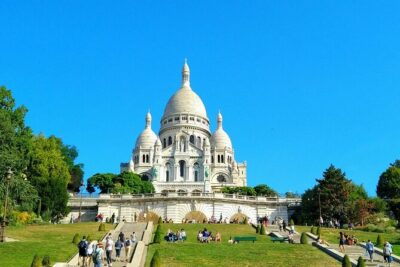
Montmartre Hill French Gourmet Food and Wine Tasting Walking Tour
Read our review →
Montmartre Cheese, Wine & Pastry Guided Walking Tour
Read our review →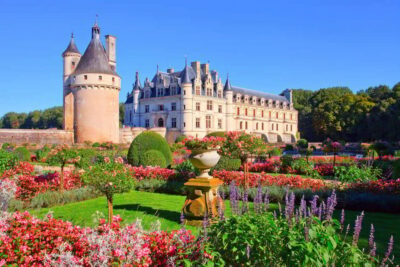
Loire Valley Castles Day Trip With Wine Tasting
Read our review →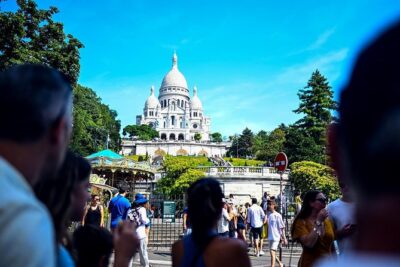
Private Montmartre Food Tour with Wine, Cheese & Pastries
Read our review →
Paris Cooking Class and Lunch with Wine plus Market Visit Option
Read our review →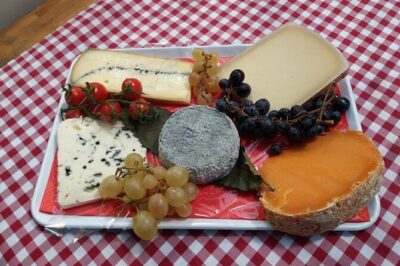
Paris Le Marais Food Tour With 10+ Tastings, Cheese, Wine & More
Read our review →Browse the lists this tour appears in