
Reviewed · MUSéE D’ORSAY TOURS
Paris: Musée d’Orsay Skip-the-Line Tour with Expert Guide
The best thing about this Musée d’Orsay tour is that it gives the museum a clear story. Instead of wandering through five levels and wondering which paintings matter most, you follow the rise of modern art from academic tradition to the bold experiments of Impressionism. Monet, Manet, Renoir, Degas, and Van Gogh become part of one connected tale.
I like the small-group format, capped at 20 people, and the use of headsets, which should make it easier to hear inside busy galleries. I also like that your ticket includes reserved entry and free time inside after the guided portion. The main drawback is time: 1 hour and 45 minutes is enough for a strong introduction, not a full museum visit.
Key points to know before booking
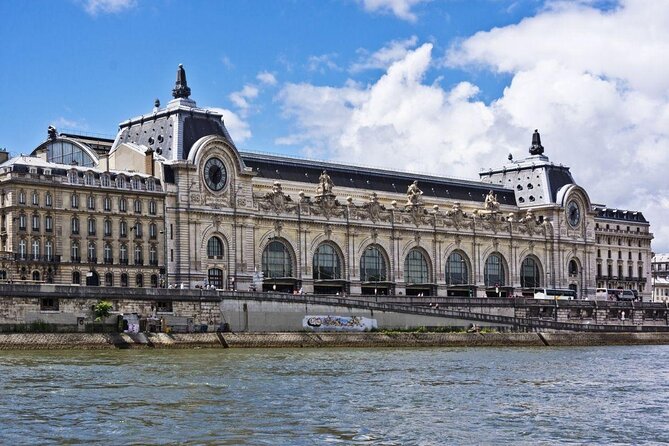
- The tour begins at 2 Rue de la Légion d’Honneur, outside Musée d’Orsay, and ends inside the museum.
- The focus is 19th-century art, especially the shift from academic painting to Impressionism and Post-Impressionism.
- Your guide leads you to major works by Monet, Manet, Renoir, Degas, Van Gogh, and other artists.
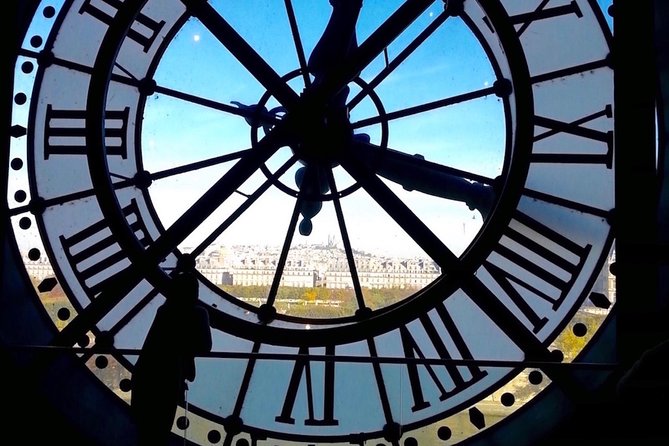
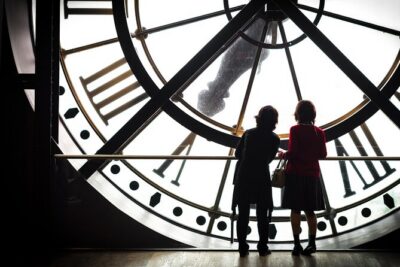
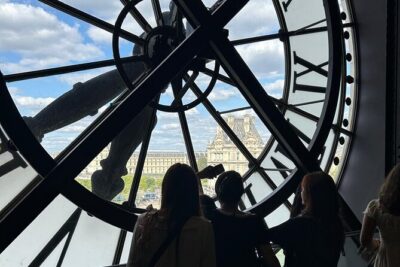
- The former railway station is part of the experience, with its Beaux-Arts design and famous giant clock.
- You get time to continue alone after the 1-hour guided visit.
- Book early if your dates are fixed, since the tour is commonly reserved well ahead of time and can fill 36 days before departure.
Why Musée d’Orsay works so well with a guide
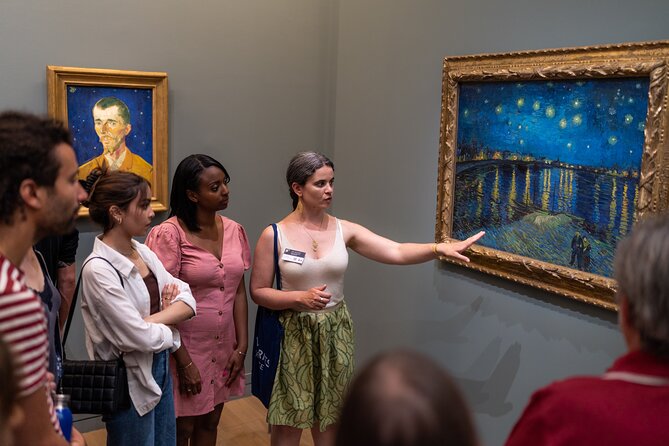
Musée d’Orsay is easier to handle than the Louvre, but that does not mean it is simple. The museum presents thousands of works across several levels, and its greatest strength can also be its problem: there is a lot to see, and the famous paintings compete for your attention.
A good guide gives you a route and a reason for that route. You might begin with the art that came before Impressionism, then see how artists broke away from old rules. That structure helps you understand why visible brushstrokes, outdoor scenes, unusual viewpoints, and modern subjects once caused such a fuss.
The strongest part of this tour is the link between the paintings. You are not simply shown a row of famous names. You are given the social and artistic setting that helps explain why Manet’s Olympia shocked viewers, why Monet’s changing light mattered, and why Van Gogh’s intense color still feels so immediate.
The guide also helps you notice less famous works. Several guides, including Cecilia, Claire, Julie, Caroline, Stephanie, Ivan, and Christina, have been praised for adding context, humor, and personal attention. Guide names can vary by departure, so do not book this expecting one particular person, but the experience clearly depends on the guide’s ability to tell the story in a lively way.
More Musée d’Orsay Tours:
- Paris in a Day: Louvre or Orsay, Eiffel Tower, City Walk & Cruise
★ 5.0 · 1,956 reviews - Musée d’Orsay Skip-the-Line Tour with Expert Guide
★ 4.8 · 1,088 reviews - The Musée d’Orsay Guided Tour Orsay Museum Semi-Private 6ppl Max
★ 5.0 · 904 reviews
Meeting at the former railway station
You meet at 2 Rue de la Légion d’Honneur, 75007 Paris, just outside the museum. The meeting point is near public transportation and is generally easy to locate, but give yourself extra time if you are coming by taxi. Paris traffic and the time needed to find a taxi can turn a short ride into a late arrival.
The tour includes a pre-reserved museum ticket and a special entry point. That matters most during busy periods, when the regular line can eat into your morning or afternoon. Skip-the-line access does not make the museum empty, but it gets you to the art faster.
Arrive early enough to find the group without rushing. Missing the start is costly because the cancellation policy allows a full refund only if you cancel at least 24 hours before the scheduled time. Missed tours and late cancellations are not refunded.
Once inside, take a moment to look at the building. Musée d’Orsay occupies a former railway station, and the enormous central hall gives the museum a sense of scale without the vast sprawl of the Louvre. The station’s clock and Beaux-Arts details are attractions in their own right, not just a backdrop for the paintings.
Following the story from academic art to Impressionism
The first hour is designed as a guided tour through the museum’s main artistic ideas. Your guide should help you understand what 19th-century artists were working from and what they were pushing against.
Traditional painting valued polished surfaces, carefully arranged subjects, and established themes. The Impressionists challenged those habits. They used freer brushwork, brighter color, and scenes from ordinary modern life. Their paintings could look unfinished or even careless to critics who expected every detail to be smooth and controlled.
That change did not happen in a single leap. The tour helps connect the earlier Realist and academic traditions with the later Impressionist movement. This is one reason the experience suits first-time visitors: you see not just individual masterpieces, but the argument between generations of artists.
The guide may also explain the lives and rivalries behind the work. That human detail keeps the art from feeling like a list of dates. You begin to see artists as people making risky choices, competing for attention, and testing what the public would accept.
The pace is described as relaxed, though one hour of gallery time requires selectivity. You will not stop at every important painting. Instead, the guide chooses examples that explain the wider movement. That is a good trade for a first visit, but you should stay afterward if you want time with additional works.
The paintings that give the tour its purpose
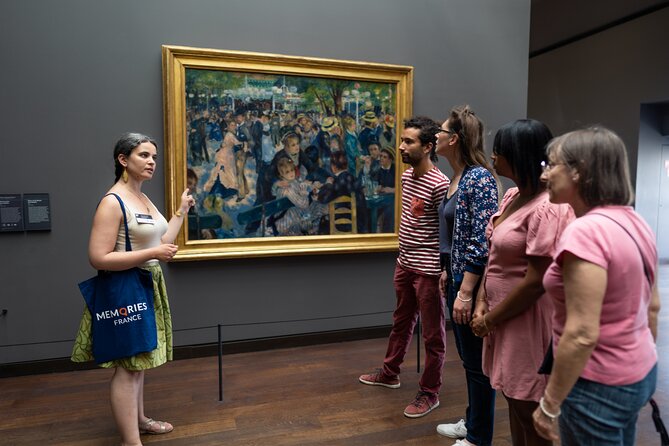
The route centers on well-known artists and paintings, including Monet, Manet, Renoir, Degas, and Van Gogh. The exact works shown can depend on gallery access and the guide’s choices, but the aim is clear: use major paintings to explain how modern art developed.
Monet’s work provides a useful way to discuss light, changing conditions, and the Impressionist interest in what the eye sees at a particular moment. His Water Lilies are familiar to many people, but a guide can help you look beyond the pretty surface and notice the way color and reflection replace traditional depth.
Manet’s Olympia opens a different door. The painting’s subject, direct gaze, and visual choices challenged the conventions of the time. It is also a useful place to discuss the complicated social world behind 19th-century Parisian art, including prostitution and sexual exploitation. Parents should know that the tour can include nude figures and mature subjects.
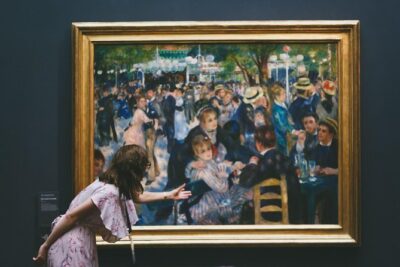
Renoir adds a lighter social mood, with scenes of leisure and dancing. The cheerful surfaces are not just decorative. They show how Impressionist painters turned contemporary city life into a serious subject.
Degas offers another angle through dancers and performers. His unusual compositions and off-center views make you think about photography, movement, and the act of looking. A guide can show how different his approach was from the carefully posed scenes favored by earlier painters.
Van Gogh brings the tour toward Post-Impressionism. His color, brushwork, and emotional force show that the Impressionist break opened several new paths rather than one fixed style. Starry Night Over the Rhône is especially memorable for its reflections and night sky, and it can be a rewarding painting to revisit after the guided explanation.
More skip-the-line tickets in Paris:
- Versailles: Skip-the-Line Tour of Palace with Gardens Access
★ 4.7 · 9,778 reviews - Versailles: Skip-the-Line Guided Palace Tour and Full Access
★ 4.6 · 5,214 reviews - Louvre Museum: Skip-the-Line Small Group Guided Tour
★ 4.6 · 3,960 reviews - From Paris: Versailles Skip-the-Line Tour & Gardens Access
★ 4.7 · 3,011 reviews
The giant clock and the building itself
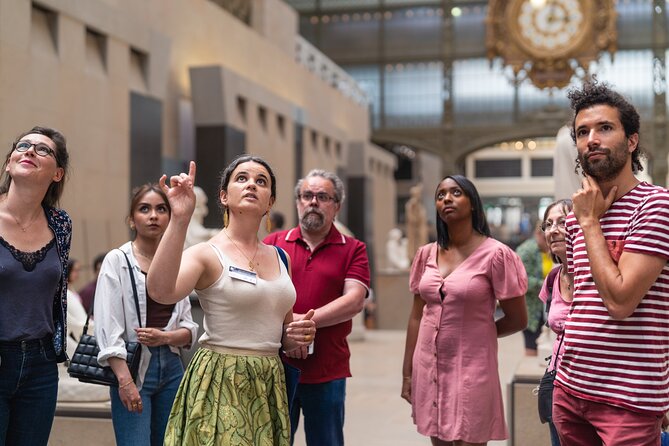
Do not treat the museum’s architecture as a quick prelude. The former station is one of the most distinctive cultural spaces in Paris, and the giant clock is an essential stop for photos.
The clock also gives you a sense of the building’s original purpose. This was designed for movement, arrival, and departure, but today the great hall slows people down in front of art. That contrast adds character to the visit.
The building can become crowded, especially later in the day. Crowds may make it harder to get close to a painting or hear without your headset. A guide who knows the rooms can position the group well, but no tour can remove the public from a popular museum.
The best practical plan is to enjoy the guided highlights, then return to the paintings that caught your eye. You can also use your remaining time to see works the group did not cover.
What the 1-hour-45-minute schedule really gives you
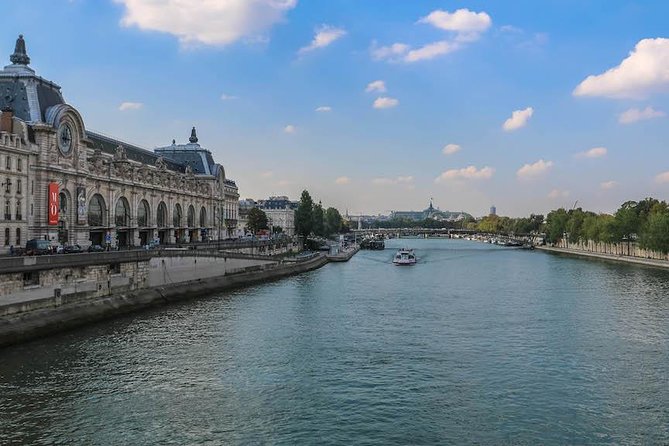
The tour is divided into about one hour of guided exploration followed by roughly 45 minutes that you can use independently inside the museum. Think of it as a focused introduction plus a useful second look.
The guided hour is quick enough to keep the story moving. Several people have praised guides for holding the attention of mixed-age groups, including teenagers and older adults. That matters in a museum, where a long lecture in one room can wear you down.
The free time is just as important as the guided portion. You can return to a favorite painting, take in the architecture, or look for artists and rooms that were not part of the main route. If you want a slow museum day, plan additional time beyond the tour itself.
This experience is best for someone who wants direction but does not want every minute controlled. You receive help with the major works, then get freedom to choose your next stop.
Price and value at $67.60
At $67.60 per person, this is more expensive than simply buying museum admission, assuming an ordinary entry ticket is available for your visit. You are paying for more than the door ticket: reserved entry, an English-speaking art guide, a small group, headsets, and a planned route through a large collection.
The value depends on how you use the time. If you are already comfortable reading museum labels and choosing a route, you may prefer a standard ticket and several unhurried hours alone. If you have limited time in Paris, or if Impressionist art is a major reason for visiting, the guide can prevent a scattered visit.
I see the price as reasonable for a first visit when the museum is busy. The combination of skip-the-line entry and an organized explanation saves effort, especially for families or couples with different levels of interest in art.
It is less appealing if you want an exhaustive survey. The short format means you will see selected highlights, not every major room. Budget for extra museum time if you want to make the ticket work harder.
Who should book this tour?
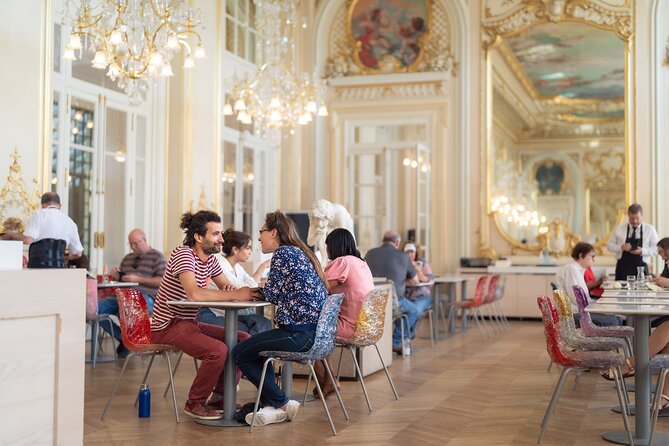
I would choose this tour for a first visit to Musée d’Orsay, especially if you want to understand Impressionism rather than simply photograph famous paintings. It also suits people who enjoy art but do not have the background to place Manet, Monet, Renoir, Degas, and Van Gogh in one clear sequence.
Families can benefit from the guide’s storytelling and steady movement. The subject matter is not always suitable for young children, though, because the collection includes nudity and discussions of prostitution and sexual exploitation.
It also works well for repeat visitors. One person who had already visited the museum found that the guided context changed the way the collection made sense. If you are returning to Paris with a special interest in painting, you may appreciate the connections between the museum’s works and the Seine and Oise locations where Impressionist artists painted.
You might skip it if you prefer to linger for ten minutes at each painting, sketch in silence, or follow a personal list. The guide’s route is selective, and the group must keep moving.
Booking details worth keeping in mind
The tour is offered in English and accepts mobile tickets. Confirmation is provided at booking, and most people can participate. The maximum group size is 20, with headsets included to help you follow the guide.
You can cancel for a full refund up to 24 hours before the local start time. Changes made inside that window are not accepted, and missing the tour does not qualify for a refund.
The tour ends inside Musée d’Orsay at the Esplanade Valéry Giscard d’Estaing. That is convenient because you can continue exploring without crossing Paris or arranging another transfer.
Should you book the Musée d’Orsay guided tour?
Book it if you want the museum’s main ideas explained in plain language, need reserved entry, and like the freedom to explore alone after a focused introduction. The strongest reasons are the clear story of Impressionism, the guide’s help with famous works, and the chance to see the building as well as the art.
Skip it if your main goal is a long, quiet visit or if you already know the collection well. At $67.60, the tour earns its price through structure and interpretation, not through sheer time inside the museum.
For most first-time visitors with limited Paris time, I would book it and protect another 45 minutes or more afterward for personal wandering. That gives you both: a useful route through the major works and enough freedom to make the museum your own.
FAQ
How long does the Musée d’Orsay tour last?
The tour lasts approximately 1 hour and 45 minutes. About one hour is guided, followed by roughly 45 minutes of free time inside the museum.
What is the price?
The listed price is $67.60 per person.
What language is the tour offered in?
The tour is offered in English.
Where does the tour begin?
The meeting point is outside Musée d’Orsay at 2 Rue de la Légion d’Honneur, 75007 Paris, France.
Where does the tour end?
The tour ends inside Musée d’Orsay at the Esplanade Valéry Giscard d’Estaing.
Is museum admission included?
Yes. The experience includes the museum ticket, pre-reserved entry, and access through a special entrance.
How large is the group?
The tour can have a maximum of 20 participants. Headsets are included.
Can I cancel for a refund?
Yes. You can cancel at least 24 hours before the scheduled start for a full refund. Cancellations or changes made less than 24 hours before the start are not refunded, and missed tours do not qualify for a refund.
Just added around Paris
- Paris: The Da Vinci Code Walking Tour with a Local Guide★ 4.3 · 5 reviews
- Paris: Flea Market Insider’s Tour in Extra-Small Group★ 4.6 · 73 reviews
- Paris: Private Fashion Tour (Chanel, Dior, Sex & the City)★ 5.0 · 3 reviews
- Paris: Floral Earrings workshop★ 5.0 · 3 reviews
- Paris: Fashion History Walking Tour in the Heart of Paris★ 4.9 · 22 reviews
- PARIS: Family e-bike longtail renting★ 5.0 · 3 reviews
- Paris: Famous Monuments Cycling Tour★ 4.7 · 20 reviews
- Paris: private city tour with seine river cruise★ 4.8 · 28 reviews
Musée d’Orsay Tours, compared.
Paris in a Day: Louvre or Orsay, Eiffel Tower, City Walk & Cruise
Read our review →
Musée d’Orsay Skip-the-Line Tour with Expert Guide
Read our review →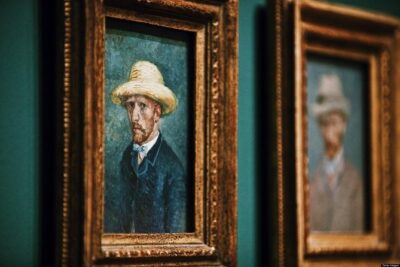
The Musée d’Orsay Guided Tour Orsay Museum Semi-Private 6ppl Max
Read our review →
Louvre & Musée d’Orsay Guided Museum Tour Semi-Private 6ppl Max
Read our review →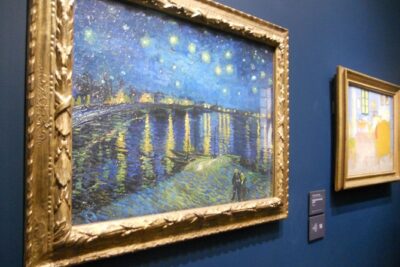
Orsay Museum – Exclusive Guided Tour (Reserved Entry Included)
Read our review →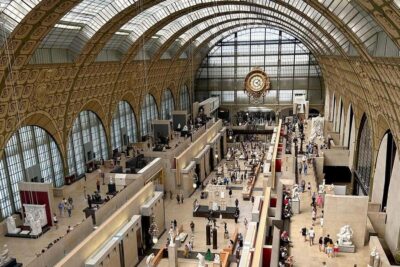
Orsay Museum and Rodin Museum Combo Entry Ticket
Read our review →Browse the lists this tour appears in