
Reviewed · NOTRE-DAME AND SAINTE-CHAPELLE TOURS
Paris Baking Insider Experience near Notre-Dame
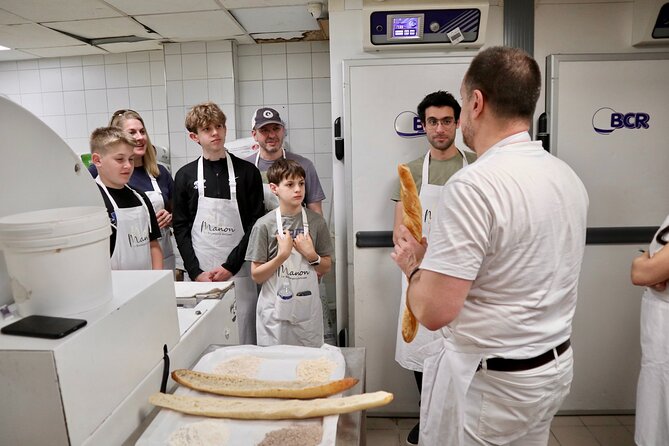
The most interesting part of this experience is getting past the bakery counter and into the working kitchen. You learn how French bread and pastries are shaped, laminated, baked, and judged, then taste the results. The small group, capped at eight, gives you a better chance to handle the dough and ask questions.
I like the mix of real bakery access and clear food lessons. You compare flours, yeast, and sourdough, then see why one baguette differs from another. I also like that children and adults can take part together, with guides such as David, Valentina, Clara, and Pierre praised for keeping everyone involved.
The main thing to know is that this is more of a guided bakery experience than a full recipe-based cooking course. Some dough and ingredients may be prepared ahead of time, so you might shape, roll, mix, and taste more than measure and knead from scratch.
Key things to know before you book
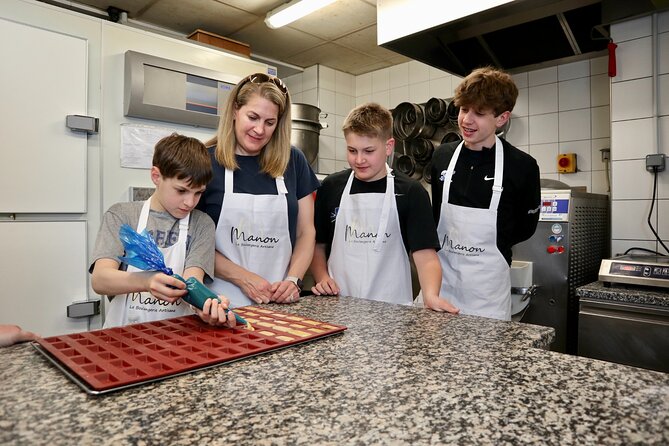
- You work inside a Parisian bakery: This is not just a pastry demonstration from across a counter. You enter the kitchen and take part in selected baking steps.
- Baguettes and croissants are central: You learn shaping and lamination, though the amount of hands-on work can vary.
- The group is limited to eight: That is a useful size for questions and individual turns.
- You leave with food: The experience includes tastings, and several sessions provide extra bread, cakes, or pastries to take away.
- It suits families and solo visitors: Guides are praised for including children, older participants, and people who arrive alone.
- Expect stairs and standing: The bakery is up 15 steps on the second floor, with no elevator, and the session lasts about two hours.
Inside the bakery on Rue de Bretagne
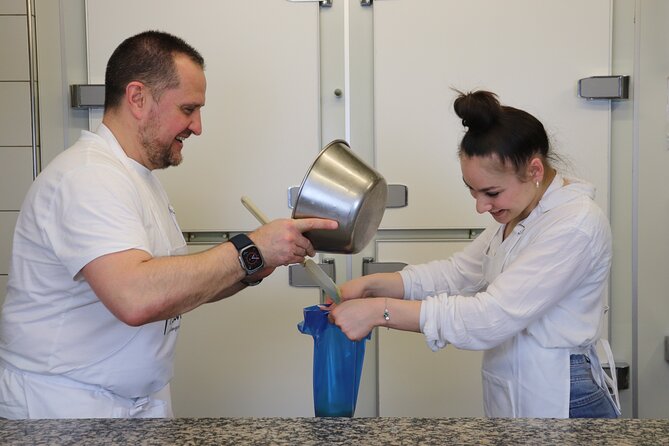
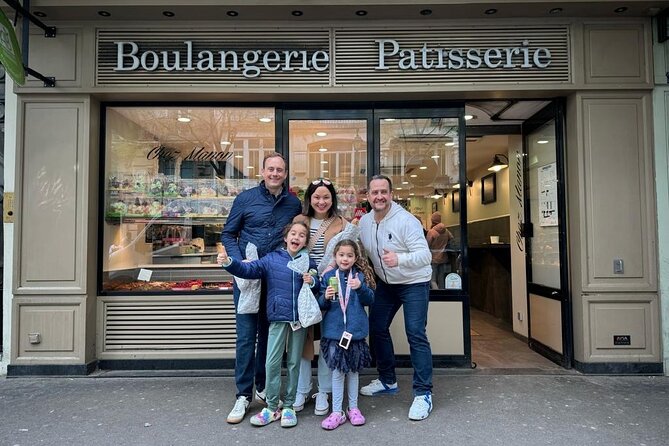
The meeting point is at 25 Rue de Bretagne in the 3rd arrondissement, an area with plenty of everyday Paris life and food shops. The activity begins and ends here, so you do not need to keep track of several stops or arrange a separate return transfer.
Once inside, you get a look at the work behind familiar French staples. The focus is not simply on eating a croissant or baguette. You learn what goes into the dough, how it changes during preparation, and how bakers shape it for the oven.
The setting matters. A bakery kitchen gives you the sights, smells, heat, flour, and quick movements that a standard classroom may not provide. It also means you should dress for work rather than a polished afternoon at a museum. One practical warning: the area near the ovens can get warm, and flour may be present on the floor.
The group limit of eight is one of the better features. You are not placed in a large crowd where one person works while everyone else watches. Still, the kitchen can feel crowded when several people gather around the same work surface. If personal space and long one-to-one instruction matter to you, keep that in mind.
More Notre-Dame and Sainte-Chapelle Tours:
- Paris Île de la Cité and Notre-Dame Walking Tour With Crypt
★ 5.0 · 2,272 reviews - Paris: Eternal Notre-Dame VR Experience Ticket
★ 4.4 · 1,150 reviews - Paris: Notre-Dame Cathedral Exterior Tour & Free Entrance
★ 3.7 · 1,010 reviews
What you learn about French bread and pastry
The lesson begins with the basics that many casual bread eaters never consider. You hear about different bread flours, the role of gluten, yeast, and sourdough, and how these choices affect flavor and texture.
That background gives the tasting more meaning. Instead of simply deciding that one loaf is good, you can think about crust, crumb, chew, aroma, and the effect of fermentation. You also learn why two baguettes can look similar but taste quite different.
Baguette shaping is another key part. You see more than one technique and get a chance to help form the dough. The point is not to turn you into a working baker in two hours. It is to give you enough practical understanding to recognize the stages and appreciate the skill involved.
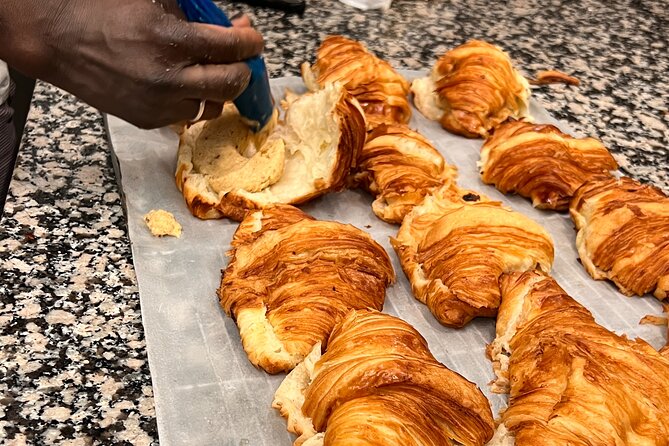
The croissant section introduces lamination, the process of folding butter into dough to create thin layers. This is one of the most useful things to see in person because the technique is hard to understand from a photograph. You may roll or shape croissant dough that has already been prepared, rather than make the full dough from flour and butter at the start.
That distinction is important. If you want exact quantities, timing charts, and a complete recipe to repeat at home, this may feel light. If you want a clear look at how a bakery handles bread and pastry, the format works better.
From prepared dough to hands-on shaping
The hands-on work is real, but it is selective. Depending on the session, you may shape baguettes, work with bread dough, roll prepared croissants, mix batter for small cakes, or help place ingredients into molds.
Several activities have included baguettes, croissants, and financiers, a small almond cake. Other sessions have included madeleines or a small pocket-style loaf. The precise baked items may vary, so do not book expecting a fixed menu of three identical products every time.
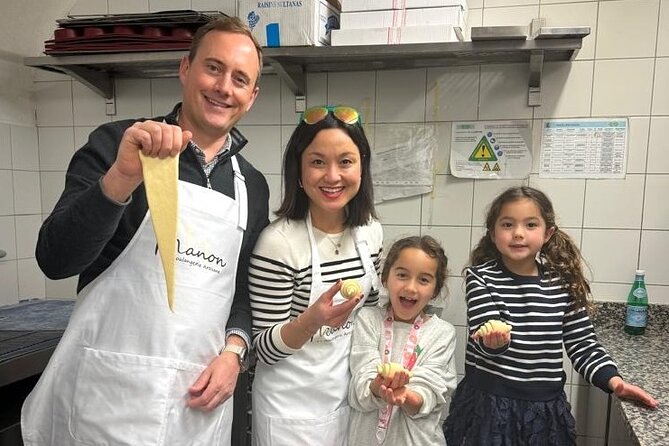
This is also why the experience suits beginners. You are not expected to know how to fold dough, score bread, or judge fermentation. The guide demonstrates the action, then helps you try it. Children can roll dough and take part in simple steps, while adults can ask more detailed questions about technique.
The guide makes a large difference. David has been praised for including children and adults and for explaining each process in a lively way. Valentina is noted for patience and good humor, especially with families. Clara has helped home bakers improve their technique, while Pierre has been described as engaging and helpful with couples and small groups.
You should understand the role of the guide, though. The guide may be leading the experience rather than working as the bakery owner or head baker. That is not a problem for a food-focused outing, but it helps set the right expectations. You are signing up for a guided introduction inside a bakery, not a professional certification class.
Tasting the work, not just watching it
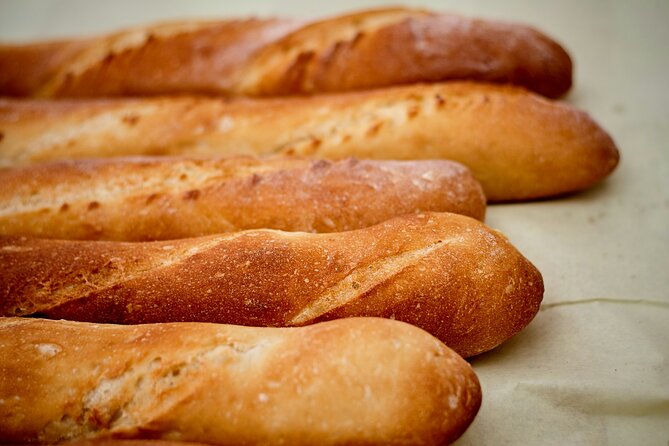
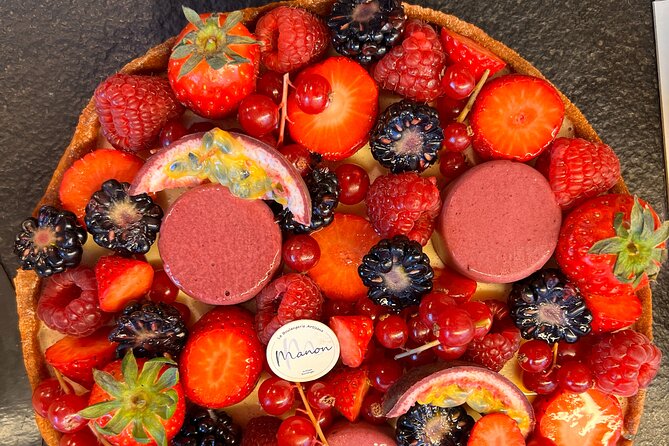
The tasting portion gives the activity its payoff. You sample the savory and sweet items made during the session and can compare the results with finished bakery products.
Some sessions have included enough bread and cakes to take extras home. You may want an extra bag, especially if you are carrying baguettes, small cakes, or other baked goods at the end. That is a much nicer souvenir than another refrigerator magnet, though it is less convenient on a long sightseeing day.
The tasting also helps explain why technique matters. A croissant is not only about its curved shape. Lamination affects the layers. Flour and fermentation affect bread flavor. A financier or madeleine shows how a small cake depends on batter, mold, and baking time.
The food is one of the strongest reasons to choose this activity, but allergies require care. One family reported a good experience with a severe nut allergy. At the same time, financiers are commonly made with almond ingredients, and the experience includes several pastry products. You should tell the provider about any allergy before booking and confirm what can safely be prepared.
Cleanliness has also been an important part of many sessions, with repeated hand washing and an emphasis on a clean working area. At least one account raised concerns about bakery hygiene and the condition of the workspace. Since you are entering a working kitchen, standards can feel different from a polished demonstration studio. If spotless presentation is a top priority, this is worth considering.
More pastry and macaron classes in Paris:
- Paris: Montmartre Cheese, Wine & Pastry Guided Walking Tour
★ 4.8 · 2,255 reviews - Private Montmartre Food Tour with Wine, Cheese & Pastries
★ 5.0 · 1,027 reviews - Paris French Sweets Tasting Tour with Pastries and Chocolates
★ 4.5 · 947 reviews - Paris Croissant Small-Group Baking Class with a Chef
★ 5.0 · 910 reviews
A useful two-hour break from major sights
At about two hours, the experience fits neatly into a day of sightseeing. You can schedule it between visits to museums, churches, or the historic center without giving up an entire afternoon.
The Rue de Bretagne meeting point is not the same as a bakery stop directly beside Notre-Dame, despite the experience being marketed for visitors exploring that part of Paris. Plan your route carefully and allow enough time to reach the address. The activity returns to the same meeting point, which keeps the logistics simple.
The bakery itself gives you a change of pace from monument viewing. Paris can fill a day with grand buildings and crowded walkways. Here, you use your hands, pay attention to smell and texture, and work with food that connects closely to daily French life.
That makes this a good choice for a family day. Children may not remember every flour lesson, but they are likely to remember rolling dough, watching bread being made, and eating the results. The activity has worked well for children around five and older, though young children cannot take part in the hands-on work if they are under five.
The session requires extended standing. The second-floor bakery is reached by 15 steps, with no elevator, so this is not a good fit if stairs or standing for two hours would be difficult.
Is $108.89 a fair price?
At $108.89 per person, this is not a cheap pastry stop. You can buy a baguette and croissant in Paris for a small fraction of the cost. The price pays for access, instruction, a small group, tastings, and the chance to take part in a working bakery process.
I think the value is strongest if you care about food and want more than a tasting. You get context about flour, yeast, sourdough, shaping, and lamination, plus direct contact with the dough. The food you eat and take home adds value, especially when several baked items are included.
The value is weaker if you expect a complete baking course with written recipes, precise measurements, and enough time to produce every dough from raw ingredients. The two-hour format simply does not allow for every stage of bread and pastry production. Some steps are prepared before you arrive, which keeps the session moving but limits what you personally make.
The price also makes the group size important. A maximum of eight is much better than a large tour for this kind of activity. You have a fair chance to handle the dough, but busy moments can still make the kitchen feel tight. I would book it for the access and atmosphere, not because it promises a full set of take-home recipes.
Who will enjoy this Paris baking experience?
I would recommend it most strongly to:
- Families looking for an activity that works for children and adults
- First-time bakers who want simple explanations and guided practice
- Home bakers who want to understand French bread and pastry methods
- Solo visitors who prefer a friendly, structured group activity
- Couples seeking a food experience beyond restaurant dining
- Anyone curious about the work behind a French boulangerie
It is less suitable for an advanced pastry student seeking professional-level instruction. It is also not ideal if you dislike standing, stairs, warm kitchens, flour on the floor, or shared work surfaces.
Your guide can shape the mood. The strongest sessions have been praised for patient instruction, humor, and making sure everyone gets a turn. That personal touch matters more here than a long lecture. You want someone who can explain why the dough behaves as it does, then help you fix your shape when it does not cooperate.
What to know before arriving
Wear comfortable clothes and shoes that can handle standing for two hours. Near the ovens, it can be warm, and flour may end up on your clothing.
Arrive ready to wash your hands several times. Hygiene is part of the process, especially when many people are working with food. Tell the provider about allergies in advance, particularly if nuts are a concern.
The experience is offered in English and includes a mobile ticket. Confirmation is provided when you book. Service animals are allowed, and the bakery is near public transportation.
Children must be accompanied by an adult. Children under five may join free, but they cannot take part in the hands-on baking for safety reasons. The activity accepts no more than eight people, which is useful for families hoping to keep the group manageable.
You can cancel for a full refund up to 24 hours before the start time. Changes or cancellations inside that window are not accepted for a refund, and the cut-off uses Paris local time.
Should you book it?
Book this if you want to see how French bread and pastries are made from inside a real bakery, try several practical steps, and eat what comes from the oven. The small group, family-friendly guides, and generous baked goods make it a pleasant change from museum and monument visits.
Skip it if you want a detailed recipe class or guaranteed full preparation of baguette and croissant dough from start to finish. For the right expectations, this is a lively, food-centered introduction to French baking, with enough hands-on work to make the lesson memorable and enough tasting to make the price feel worthwhile.
FAQ
Where does the Paris Baking Insider Experience meet?
It meets at 25 Rue de Bretagne, 75003 Paris, France. The activity ends back at the same meeting point.
How long does the baking experience last?
The experience lasts approximately two hours.
How many people can join the activity?
The maximum group size is eight people.
Is the experience offered in English?
Yes. The experience is offered in English, and a mobile ticket is available.
Can children join the baking experience?
Yes. Children may join when accompanied by an adult. Children under five can join free of charge, but they cannot take part in the hands-on baking for safety reasons.
Is the bakery accessible by elevator?
No. You must climb 15 steps to reach the second-floor bakery, and there is no elevator. You also need to stand for an extended period during the activity.
Just added around Paris
- Private Paris Marche d’Aligre Walking Tour with Tastings★ 5.0 · 8 reviews
- Private Louvre Museum Tour for Kids & Families with Alberto or his team in Paris★ 5.0 · 41 reviews
- Private Highlights of Paris Tuk-Tuk Experience★ 5.0 · 26 reviews
- Paris Latin Quarter Walking Tour: History & Culture – Small Group★ 5.0 · 14 reviews
- Private Highlights of Paris Bike Tour★ 4.5 · 15 reviews
- Paris Musee d’Orsay PRIVATE TOUR with a Local Private Guide★ 5.0 · 41 reviews
- Private Half Day Historic Tour★ 5.0 · 58 reviews
- Pere Lachaise Cemetery Paris – Exclusive Guided Walking Tour★ 5.0 · 72 reviews
Notre-Dame and Sainte-Chapelle Tours, compared.

Paris Île de la Cité and Notre-Dame Walking Tour With Crypt
Read our review →

Notre-Dame Cathedral Exterior Tour & Free Entrance
Read our review →
Paris Highlights Bike Tour: Eiffel Tower, Louvre and Notre-Dame
Read our review →
Early Access Paris Notre Dame Cathedral Walking Tour
Read our review →
Sainte-Chapelle, Conciergerie, Notre Dame Guided Tour
Read our review →
Notre Dame Outdoor Tour with Sainte-Chapelle / Crypt.
Read our review →
Notre Dame Outdoor Walking Tour and Entrance to Sainte Chapelle
Read our review →Browse the lists this tour appears in