
Reviewed · PARIS
Freemasons, myths and revelations about a secret society
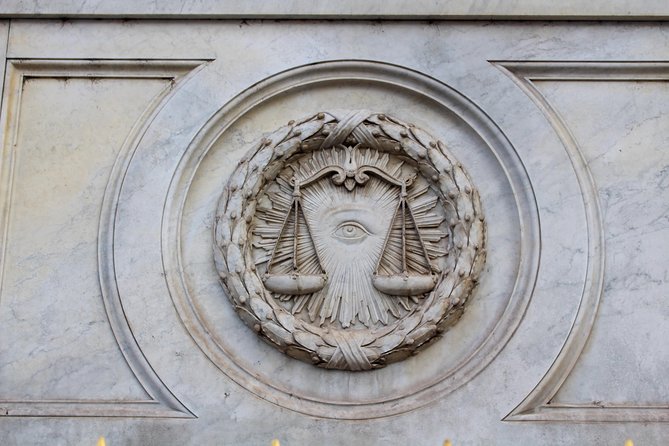
Paris has plenty of tours about kings, artists, and revolutionaries. This one follows a stranger trail: Masonic symbols, old inscriptions, and political connections hidden in plain sight between Saint-Germain-des-Prés and Place de la Concorde. The walk uses the city as its classroom while explaining how Freemasonry began in Britain in 1717 and took root in French public life.
I like two things here. First, the subject is unusual, and it gives you a fresh way to look at familiar streets. Second, the price is modest at $17.09, especially for nearly two hours with a guide and a group capped at 25 people. The main caution is that this is more a historical talk on foot than a parade of grand Masonic buildings. Some people may find the visual evidence thin.
Key points to know before booking
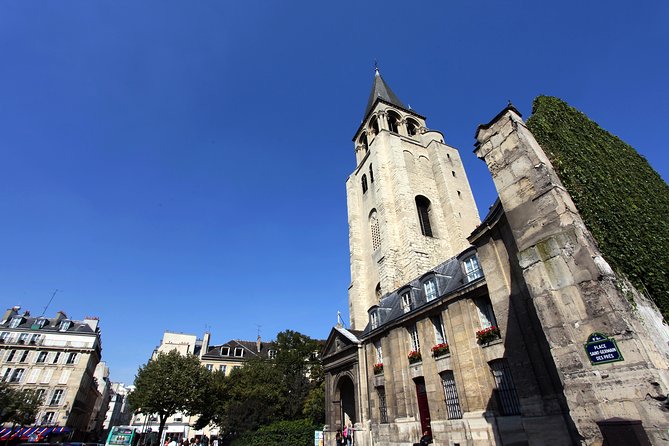
- The route begins at Saint-Germain-des-Prés: Meet outside the Church of Saint-Germain-des-Prés at 3 Place Saint-Germain des Prés.
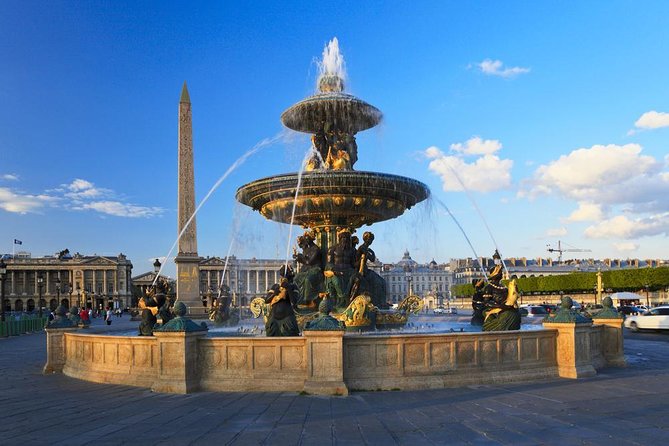
- The walk ends at Place de la Concorde: The route connects Saint-Germain with the Bourbon Palace area and may include views toward the Louvre’s square courtyard.
- The focus is explanation, not interior access: You’ll examine signs, façades, statues, inscriptions, and historical names rather than enter a Masonic lodge.
- Guide quality matters: Rita is specifically praised for lively, clear presentations, while one poor experience involved explanations that felt unstructured.
- It lasts about 1 hour 45 minutes: Wear comfortable shoes and arrive early, since the group may leave promptly.
- The group is limited to 25 people: That is small enough for questions, though the experience is still a walking tour rather than a private lesson.
What this Freemasonry walk is really about
The title promises myths and revelations, but the useful part is learning how to separate documented history from conspiracy stories. Freemasonry has long attracted speculation because members are introduced through cooptation and are expected not to reveal the identity of other members during initiation.
That secrecy has created a large cloud of fantasy around the order. The guide’s job is to give you a clearer framework: where Freemasonry began, how it organized itself, which public figures were associated with it, and why it mattered in the shaping of society.
You should not expect a dramatic secret room or a theatrical hunt for hidden codes. The experience is built around clues in ordinary Paris. A symbol on a façade, an old inscription, a statue, or the name of a historical figure becomes a starting point for a wider explanation.
I find that approach useful because Paris can feel familiar after a few days of museums and monuments. This walk asks you to look again at buildings you might otherwise pass without a glance. The tradeoff is simple: if you need a constant stream of spectacular sights, the subject may feel too abstract.
Other Paris outings people book alongside this one:
- Paris: Louvre Museum Timed-Entrance Ticket
★ 4.6 · 71,977 reviews - Disneyland® Paris 1-Day Ticket
★ 4.6 · 49,412 reviews - Paris: Versailles Palace and Gardens Full Access Ticket
★ 4.6 · 41,579 reviews
Starting beside Saint-Germain-des-Prés
The meeting point is the Church of Saint-Germain-des-Prés, at 3 Place Saint-Germain des Prés. That is a practical starting place, since the neighborhood is easy to reach by public transportation and already offers an atmospheric setting for a walk about secrecy, history, and old institutions.
The tour uses Saint-Germain as more than a backdrop. The neighborhood’s narrow streets and historic façades provide the setting for discussions of French Freemasonry and the people connected with it. You may be shown old inscriptions or signs that would be easy to miss on your own.
The strongest guides make this opening section work by linking the visible details to the larger story. A good explanation can turn a small architectural feature into a lesson about symbols, initiation, and the way private organizations interact with public life.
The quality of the presentation is important. Rita is singled out for her energy, warmth, and ability to answer questions. Other feedback describes guides as punctual, friendly, and well documented. That suggests the tour can be excellent when the guide tells the story in a clear order.
Still, the experience is not identical with every guide. One less successful visit was described as difficult to follow, with a guide who knew the subject but did not explain it in an accessible way. If you are bringing children around 12 and 15, keep this in mind. The subject can work for older children, but the guide needs to make the ideas concrete.
Looking for signs instead of grand monuments
The tour’s central activity is spotting Masonic references on the streets of Paris. You may see symbols on building fronts, old inscriptions, statues, and other details connected with the organization or its members.
This is a good format if you enjoy close looking. The pleasure comes from being shown something you might have walked past. The guide may use a binder or visual material to help identify symbols, then point them out on nearby façades.
But the walk has a clear limitation. The physical evidence appears to be scattered, and the route does not offer a long series of interiors or major buildings devoted to Freemasonry. One account described only a small number of buildings and statues receiving detailed attention during the 1-hour-45-minute walk.
That does not make the tour worthless. It tells you what kind of value you are buying. The walk is strongest as a guided interpretation of Paris, not as a concentrated architectural survey. If you have already read a book on Freemasonry, you may want more original material and more places to see.
I would choose this experience if you like urban details, social history, and the pleasure of having a specialist point out what your own eyes missed. I would skip it if you want access to private lodges, elaborate ceremonial spaces, or a museum-style display of objects.
The Bourbon Palace area and the public side of secrecy
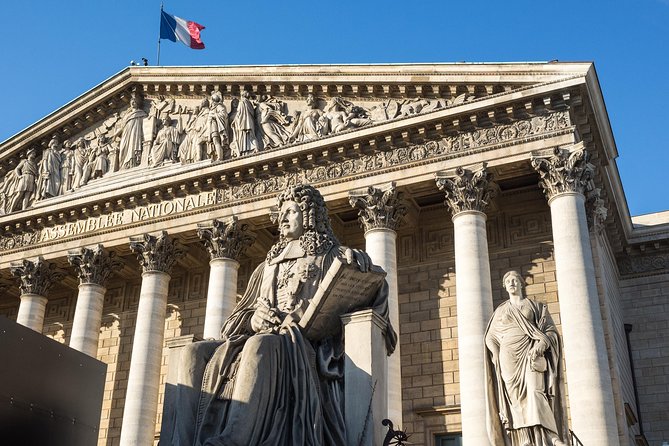
The route continues toward the Bourbon Palace area and finishes at Place de la Concorde. This part of the walk helps connect Freemasonry with France’s political and civic story.
The subject is not limited to symbols. The guide also discusses leading figures and the organization’s importance in the formation of society. That makes the final part more useful than a simple symbol-spotting game. You are encouraged to consider how a private association can influence public debate, institutions, and ideas.
The walk may also include the area around the Louvre’s square courtyard, according to the route descriptions supplied for the experience. This gives you a familiar Paris setting in which to hear about less familiar connections. The contrast is part of the appeal: famous public places can carry stories that are not obvious from their grand façades.
Do not expect every stop to be a formal monument dedicated to Freemasonry. The subject is often indirect. You may be looking at a statue or building that has a connection through a person, symbol, inscription, or historical event.
That indirect quality can be rewarding, but it requires attention. You are not simply following a guide from one headline sight to the next. You are listening, comparing details, and trying to understand why a particular clue matters.
Same city, a completely different afternoon:
- Paris: Evening River Cruise with Music
★ 4.4 · 22,721 reviews - Paris: Eiffel Tower Entry Ticket with Optional Summit Access
★ 4.4 · 20,035 reviews - Paris: Eiffel Tower Summit or Second Floor Access
★ 4.3 · 17,248 reviews - Paris: Louvre Guided Tour with Reserved Access & Boat Cruise
★ 4.3 · 16,353 reviews
How much history will you actually learn?
The tour covers several layers of the subject:
- The origins of Freemasonry in Great Britain in 1717
- The organization of Masonic groups
- Cooptation and the rules around member identity
- Initiation and the role of secrecy
- Important historical figures
- Myths and misconceptions surrounding the order
- The organization’s influence on society
That is a lot for less than two hours. The guide has to balance background information with the physical walk, and this is where structure makes a major difference.
At its best, the experience gives you a strong introduction and sends you home wanting to read more. Several descriptions of the walk praise the clear historical explanations, unusual discoveries, and numerous anecdotes. That is a good sign for anyone who wants a starting point rather than an academic course.
At its weakest, the tour can feel like a lecture delivered outdoors, with a binder of symbols and a list of names. One person felt the material could have been presented while seated indoors. That criticism is fair. If the guide does not connect each explanation to the place around you, the walking format loses much of its purpose.
Before booking, ask yourself how you learn best. If you enjoy stories, questions, and looking closely at streets and façades, you may find the format lively. If you prefer a structured timeline, projected images, and a large collection of objects, a museum visit or formal lecture may suit you better.
The guide can make or break the experience
This is a guide-led experience, and the range of reactions makes that especially important. Some guides are described as passionate, friendly, well prepared, and able to answer questions. Rita receives particularly warm praise for her energy and command of the subject.
You should arrive ready to take part. The best version of this walk seems to include exchanges with the guide rather than a speech delivered without interruption. Ask about a symbol, a historical figure, or the difference between a popular story and documented evidence.
At the same time, do not assume every guide will have the same style. One guide was considered inaccessible and unclear, while another included a political assertion that a participant felt was better left out. That does not prove the material is political in itself, but it does mean the tone can vary.
A group of up to 25 is a reasonable size for a public walking tour. It is not intimate in the way a private guide would be, but it should still allow some questions. Stay close to the group and listen for instructions when crossing streets or moving between stops.
Price, timing, and practical value
At $17.09 per person, this is an inexpensive way to spend nearly two hours in central Paris. You are paying for the guide and the interpretation, not for admission to a monument or a private collection.
That price makes the tour a sensible choice if you want a themed walk that adds context to areas you already plan to visit. It is also a low-risk introduction for anyone curious about Freemasonry but not ready to buy books or attend a longer seminar.
The walk takes about 1 hour 45 minutes, though descriptions of the experience sometimes round it up to two hours. Plan for the longer figure if you have a restaurant reservation or another timed activity afterward.
The start and finish are in different parts of central Paris. You begin at Saint-Germain-des-Prés and finish at Place de la Concorde, so the tour can double as a way to move through the city. Remember that the price does not cover personal expenses or tips.
A mobile ticket is provided, which is convenient. The tour requires good weather, and poor conditions can lead to a different date or a full refund. You can cancel for a full refund up to 24 hours before the start time. Last-minute changes or cancellations are not accepted under the stated policy.
Most people can participate, but this is still a walking tour. Good shoes and weather-appropriate clothing will make the experience easier.
Who should book this Paris history walk?
I would recommend it to you if you enjoy:
- Unusual themes that take you beyond the standard Paris checklist
- Social and political history
- Symbols, inscriptions, and overlooked details
- Guided walks with room for questions
- A modest price and a manageable time commitment
It is especially suitable if you already plan to visit Saint-Germain, the Bourbon Palace area, or Place de la Concorde. You can add a new layer to those neighborhoods without spending half a day inside a museum.
Families should consider the guide and the children’s attention span. The subject can be interesting for teenagers, but it is not a fast-moving mystery game. Younger children may find the discussion of organization, initiation, and historical influence hard to follow.
If you have studied Freemasonry already, temper your expectations. The walk may still offer a few Paris connections, but the basic material and small number of visible sites may feel familiar.
My verdict on the myths and revelations walk
Book this tour if you want a thoughtful street-level introduction to Freemasonry and you are happy to trade grand sights for stories, symbols, and historical context. At $17.09, the cost is reasonable, and the route links several central Paris areas in a useful way.
Skip it if your main goal is to enter secret buildings, see ceremonial objects, or collect a long list of dramatic discoveries. The route’s value depends heavily on the guide’s ability to organize the material and connect each clue to the street around you.
If you do book, arrive early, keep your mobile ticket ready, wear comfortable shoes, and approach the walk as a conversation about history rather than a treasure hunt. With a lively guide such as Rita, it can make ordinary Paris details feel newly significant. With a less clear presentation, it may feel more like an outdoor lecture than an active discovery.
FAQ
Where does the Freemasonry tour begin?
The tour begins at the Church of Saint-Germain-des-Prés, at 3 Place Saint-Germain des Prés, 75006 Paris.
Where does the tour end?
The tour ends at Place de la Concorde, 75008 Paris.
How long does the walk last?
The stated duration is approximately 1 hour 45 minutes. Some descriptions round the experience to about two hours.
How much does the tour cost?
The listed price is $17.09 per person.
Is the tour suitable for most people?
Yes. The activity information says most people can participate, and the tour is near public transportation. It is an outdoor walking experience, so comfortable shoes are sensible.
What happens if the weather is poor?
The experience requires good weather. If it is canceled because of poor weather, you will be offered another date or a full refund.
Just added around Paris
- Private 1 – hour Tour: Eiffel Tower,Champs-Elysées Arc DE Triomphe★ 5.0 · 7 reviews
- Private Tour to Mont St-Michel and Honfleur from Paris★ 4.5 · 5 reviews
- Paris with a Tuk Tuk – Private 2-Hour TukTuk Tour★ 4.5 · 34 reviews
- Private Tour of Saint Germain des Pres★ 5.0 · 44 reviews
- Tripa Paris Pubcrawl / Bar Tours★ 5.0 · 16 reviews
- Paris city tour with private guide★ 5.0 · 9 reviews
- Paris Private Tour with Tuktukyourcity★ 4.5 · 38 reviews
- Private Mont Saint-Michel Trip by Mercedes from Paris with Lunch★ 4.0 · 10 reviews