
Reviewed · GIVERNY AND MONET’S GARDEN DAY TRIPS
Giverny Small-Group Half Day Trip with Monet’s Gardens from Paris
Claude Monet’s garden at Giverny is one of those places where art and real life meet. You can stand beside the green Japanese bridge, look across the water-lily pond, and recognize the view from paintings hanging in Paris museums. The priority group entrance is a major help, since this pretty site can become crowded.
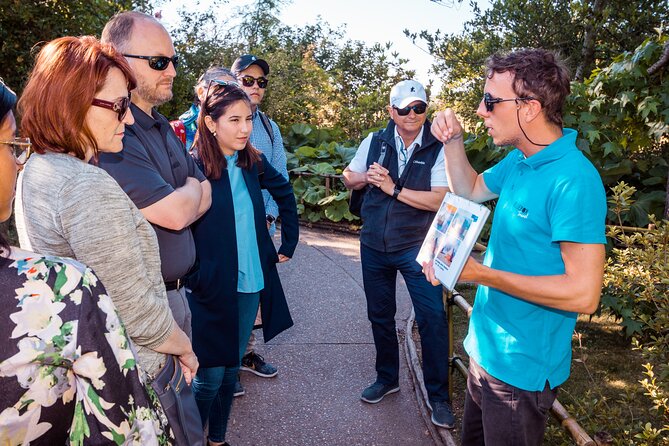
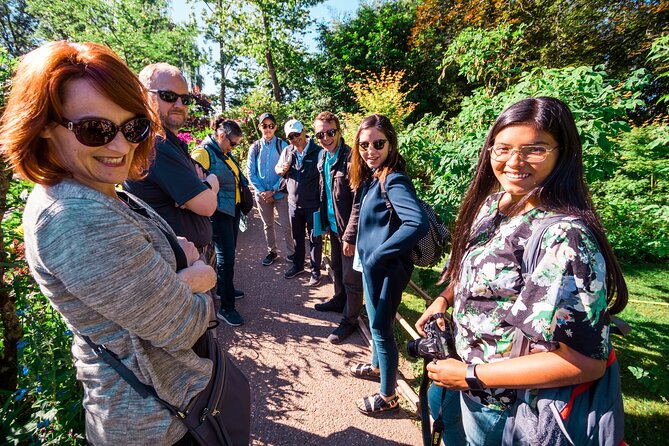
I like two things here. First, the small group of no more than eight keeps the outing personal and makes a minivan practical. Second, the tour gives you both useful context and time to wander alone. Guides such as Kenny, Frankie, Marius, Augustine, and Martijn have been praised for their warmth, storytelling, and art knowledge.
The tradeoff is simple: this is a half-day visit with roughly an hour of driving each way, so you have limited time in Giverny. Also, the guide may not stay beside you for every part of the garden or house. If you want a long, formal art lecture, this relaxed format may feel light.
Key points to know before you book
- Priority access through a special group entrance: This can save time at one of Normandy’s most popular sights.
- Two very different gardens: The Clos Normand is packed with seasonal flowers, while the Japanese garden centers on the famous pond and bridge.
- A small van makes the countryside easy: Transport from Paris is included, with a maximum of eight people.
- Free time is part of the design: You can take photos, revisit favorite corners, and explore Monet’s house at your own pace.
- The visit includes Monet’s grave: A quiet churchyard stop adds a personal and historical note.
- Best for independent walkers: Gravel paths and steps make this a poor fit if you have trouble walking without help.
Why Giverny is worth the trip from Paris
Giverny lies outside Paris in the Normandy countryside, and getting there takes time. That is the price of seeing the place where Monet lived for more than 40 years, raised eight children, and shaped the gardens that supplied subjects for more than 250 paintings.
I think the appeal is strongest for anyone who has seen Monet’s water lilies, Japanese bridge, or flower beds in a museum. At Giverny, you are not simply looking at a garden. You are seeing the setting Monet changed, planted, and painted over many seasons.
The trip lasts about four and a half hours. Reviews of the outing regularly point out that the drive is about one hour each way, leaving around two and a half hours for the estate and nearby churchyard. That makes this a focused visit, not a slow country day.
The payoff is convenience. You do not need to work out a train connection, local transport, or estate admission on your own. You also avoid the strain of driving in Paris and Normandy. A good guide can use the ride to explain Monet, Impressionism, French history, and the area around Giverny.
More Giverny and Monet’s Garden Day Trips:
- From Paris: Giverny Day Trip with Audio Guide or Live Guide
★ 4.3 · 2,372 reviews - From Paris: Giverny, Monet’s House, & Gardens Half-Day Trip
★ 4.5 · 2,174 reviews - Versailles Palace and Giverny Monet House Visit with Lunch
★ 4.0 · 1,948 reviews
The Clos Normand, Monet’s flower garden
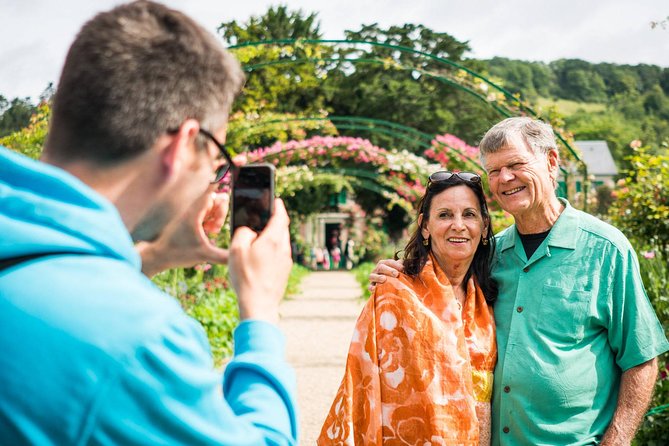
Your first substantial stop is the Clos Normand, the formal flower garden directly in front of Monet’s pink house with green shutters. This is the garden many people picture when they think of Giverny: straight paths, arches, dense planting, and color arranged with an artist’s eye.
The planting changes through spring, summer, and fall. You can expect hundreds of flower varieties, with purple irises lining paths and orange and yellow nasturtiums climbing over arches. Autumn can be especially rewarding. An October visit may bring dahlias and changing leaves around the pond, even after some summer flowers have faded.
This is a place where a guide’s comments can sharpen your attention. Instead of seeing a pretty mass of flowers, you begin to notice how Monet used color, height, repeated shapes, and views toward the house. Guides have been praised for pointing out the links between the garden and paintings without turning the visit into a lecture.
You will have about 90 minutes here, which is a useful amount of time. The guide can explain the main design ideas, then you can walk the paths, take pictures, and stop where you like. The garden is not a museum display behind glass. It is outdoors, seasonal, and dependent on the weather.
That last point matters. A gray day does not ruin Giverny, and autumn can bring its own soft colors, but the garden will look different from the bright spring photographs used in many brochures. If specific flowers matter to you, plan your expectations around the season rather than the idealized image.
The Japanese garden and Monet’s water lilies
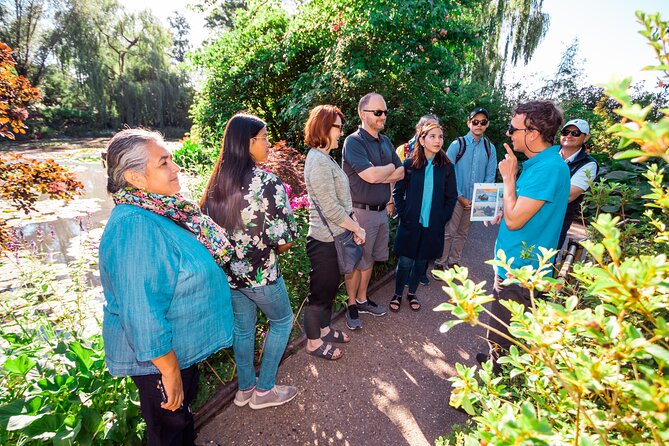
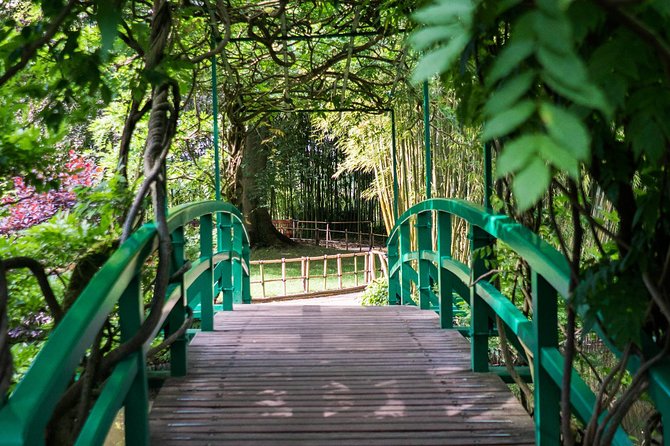
The Japanese garden is the emotional center of the visit. Its pond, green bridge, and water lilies provided the subject for Monet’s best-known series. Your guide takes you directly to this section and can show you the viewpoints connected to the paintings.
The real value here is comparison. You can look at the pond, then recall how Monet transformed the same scene through changing light, color, and brushwork. The view is familiar, yet never exactly the same as a painting. Weather, season, crowd levels, and the growth of the plants all change the effect.
You receive about 30 minutes in this garden. That is enough to see the bridge and pond, but it may feel short if you want to sit quietly or photograph every angle. The guide can help you get oriented and suggest good photo positions, then you have room to pause on your own.
The water garden is also where crowds can matter most. Giverny is popular, and narrow paths near the pond can feel busy. The special entrance helps you get onto the estate quickly, but it does not make the entire garden private. Going early can bring gentler light and fewer people, while a later afternoon visit may offer softer lighting and thinner crowds after some day visitors leave.
Monet’s colorful home and studio
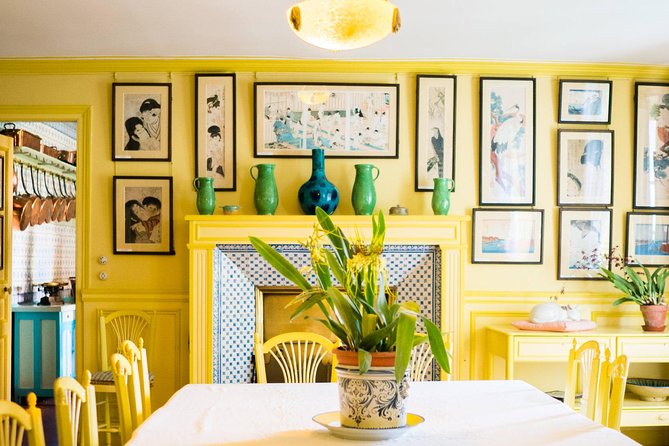
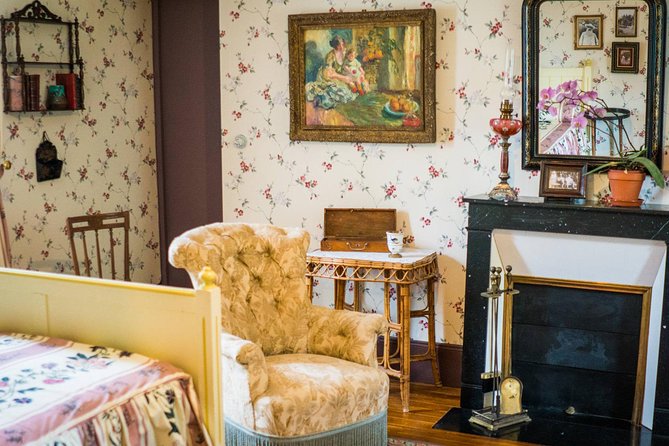
Monet’s house gives the garden a human scale. He lived here for more than four decades, and the rooms reflect his taste with bright paint, personal decoration, and strong color. You can see his studio and rooms connected with family life, rather than viewing him only as a distant museum figure.
Groups cannot enter the house together because the interior is tight. Instead, the guide provides context and you explore the rooms independently. I like this arrangement in theory because it prevents a small house from becoming clogged with a full tour group. It also means you need to pay attention to the meeting instructions and manage your own time.
You have about 30 minutes inside. That is enough for a clear look at the colorful rooms and studio, but not enough for a slow inspection of every detail. If Monet’s domestic life interests you as much as his paintings, you may wish the house portion were longer.
The house also helps explain the gardens. The flowers were not a separate attraction added for visitors. They were part of the setting Monet lived with every day and used as material for his work. Seeing the rooms and gardens together makes the property feel more personal.
More day trips from Paris:
- Normandy D-Day Sites & Cemetery Day Trip from Paris with Lunch
★ 5.0 · 6,877 reviews - Day Trip to Mont-Saint-Michel from Paris
★ 4.5 · 4,876 reviews - Loire Valley Castles Day Trip from Paris with Complementary Wine
★ 4.5 · 3,907 reviews - Normandy D-Day Small-Group Day Trip with Omaha Beach, Cemetery & Cider Tasting
★ 5.0 · 2,786 reviews
Monet’s grave at Sainte-Radegonde

The final stop is the cemetery beside Eglise Sainte-Radegonde de Giverny, where Monet is buried. The visit takes about 30 minutes and is free of charge.
This is a quieter stop after the estate. The churchyard puts Monet back into the village where he spent so much of his life. Guides often use the walk to share stories about his family, career, and life beyond the paintings.
The stop may appeal especially to history-minded visitors. One useful detail from the visit is a nearby memorial to a British flight crew killed when their plane crashed. It is an unexpected reminder that Giverny’s small churchyard holds more than one story.
Do not expect a major monument or a long formal ceremony. This is a brief, respectful visit. It adds context rather than spectacle, and it can be one of the most peaceful parts of the outing.
What the small group and minivan change
A maximum of eight people is the strongest practical feature of this tour. A small group can leave the Paris meeting point faster, fit comfortably in a minivan, and hear the guide without the noise of a large coach.
The ride is air-conditioned, and the driver also serves as your guide. Past guides have included Kenny, Lucy, Michael, Marceau, John, Marius, Nicholas, Frankie, Augustine, Laurent, and Martijn. Their styles differ, but the most praised qualities are clear explanations, friendly conversation, safe driving, and a good balance between information and personal time.
That balance is important. At the estate, group tours are not allowed to lead everyone through the house together. The guide also may take you to the water garden, explain the main points, and then let you explore independently. Some people love this freedom. Others may find it too hands-off.
One very negative experience described a guide who gave little information and left the group alone for much of the visit. That concern is worth taking seriously because the tour depends heavily on the individual guide. Most feedback is strongly positive, but you should book this outing expecting a guided introduction plus free time, not constant commentary at every flower bed.
The drive itself can be part of the experience. Guides have used the journey to discuss Monet, Impressionism, Normandy, and French history. Lucy was singled out for both her driving and her calm handling of Paris traffic. If you dislike navigating unfamiliar roads, this is a useful benefit.
Is $157.21 a fair price?
At $157.21 per person, this is not the cheapest way to reach Giverny. You are paying for round-trip transport from central Paris, an air-conditioned minivan, estate admission, priority group access, and a guide who drives you there and back.
The value improves if you care about time and simplicity. You avoid arranging transport, finding the estate entrance, and deciding how to connect the gardens, house, and churchyard. A group of eight also feels very different from a large bus tour.
The price is less compelling if you only want garden admission and are happy to arrange the journey yourself. You may also feel the cost is high if you expect a specialist art historian to guide every minute. The experience is best understood as a convenient small-group excursion with art and local history, not as a private academic seminar.
Tips are not included, and neither are food or drinks. The outing ends back near the Champs Elysées, where you will find many places to eat. Since the tour lasts only half a day, you can pair it with an afternoon or evening in Paris.
Timing, weather, and walking needs
The tour operates in all weather, so dress for the forecast. Gardens are exposed, paths can be wet, and the visit is less comfortable without suitable shoes and a rain layer.
The paths are gravel, and there are steps. Walkers are not very helpful on this outing, and it is not recommended if you have trouble walking independently. One guide did receive praise for helping a passenger with mobility needs, but you should not treat that as a guarantee of special equipment or full accessibility.
The minimum age is seven. Most people who can walk on uneven paths and manage steps should be able to participate, but the pace and surface may be tiring for young children or anyone with limited mobility.
The meeting point is La Flamme, 6 Av. de Wagram, in Paris. Check the location carefully, since one person had trouble with map directions that led several minutes away on foot. Using the restaurant name or a nearby landmark may help you get to the right spot.
Free cancellation is available up to 24 hours before the start time. Changes or cancellations inside that window are not accepted for a refund.
Who should book this Giverny outing?
I would choose this tour if you want to see Monet’s home and gardens without handling transport yourself. It works especially well for solo visitors, couples, and families with older children who like art, gardens, photography, or French history.
It is also a good choice if you want a small social setting. Several people enjoyed the easy conversation among a group of six or eight, while solo visitors found it comfortable to join without feeling lost.
I would look for another option if you want a full-day visit, a long meal in the village, or an academic art-history guide. You should also think twice if you need step-free access or dislike independent exploration after a short introduction.
Should you book it?
Book it if Giverny is high on your Paris wish list and you value a comfortable ride, priority entry, and a human guide who can connect the gardens with Monet’s work. The small van and free time make this much more relaxed than a large coach outing.
Go in with clear expectations. The drive takes about two hours round trip, the estate can be crowded, and the guide may not accompany you through every section. For most people who want an efficient and personal first visit to Monet’s world, $157.21 is a reasonable convenience fee.
FAQ
How long does the Giverny tour last?
The experience lasts approximately 4 hours and 30 minutes, including transport between Paris and Giverny.
Where does the tour begin?
It begins at La Flamme, 6 Av. de Wagram, 75008 Paris, France.
Where does the tour end?
The tour returns to the same meeting point in Paris.
How many people can join the group?
The group is limited to a maximum of eight participants.
Is transport from Paris included?
Yes. Round-trip transport in an air-conditioned minivan is included.
Are the Claude Monet Foundation gardens and house included?
Yes. Admission to the Clos Normand, Japanese garden, and Monet’s home is included.
Is Monet’s grave part of the visit?
Yes. The tour visits Monet’s grave at Eglise Sainte-Radegonde de Giverny. There is no admission charge for this stop.
Is the tour suitable for people with limited mobility?
The paths are gravel and include steps. Walkers are not very helpful, and the experience is not recommended for people who have trouble walking independently.
Can children join the tour?
Yes, but all participants must be at least seven years old.
Just added around Paris
- Paris: Flea Market Insider’s Tour in Extra-Small Group★ 4.6 · 73 reviews
- Paris: The Da Vinci Code Walking Tour with a Local Guide★ 4.3 · 5 reviews
- Paris: Private Fashion Tour (Chanel, Dior, Sex & the City)★ 5.0 · 3 reviews
- Paris: Floral Earrings workshop★ 5.0 · 3 reviews
- Paris: Fashion History Walking Tour in the Heart of Paris★ 4.9 · 22 reviews
- PARIS: Family e-bike longtail renting★ 5.0 · 3 reviews
- Paris: Famous Monuments Cycling Tour★ 4.7 · 20 reviews
- Paris: private city tour with seine river cruise★ 4.8 · 28 reviews
Giverny and Monet’s Garden Day Trips, compared.
Giverny Day Trip with Audio Guide or Live Guide
Read our review →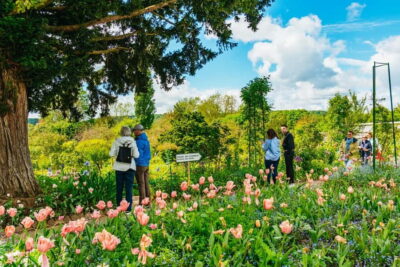
Giverny, Monet’s House, & Gardens Half-Day Trip
Read our review →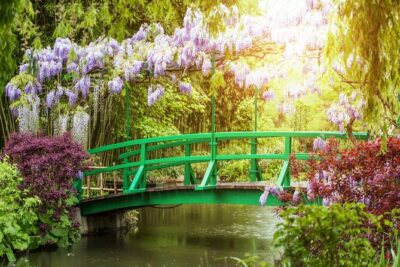
Giverny Monet’s Home and Gardens Half Day Tour from Paris
Read our review →
Giverny and Versailles Palace Guided Day Trip
Read our review →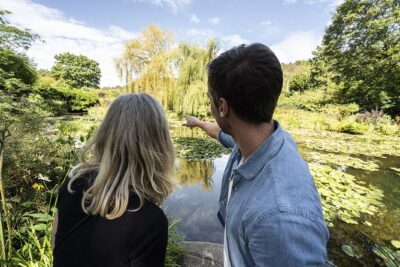
Giverny and Monet’s House Half Day Trip from Paris Guide or Audio
Read our review →
Giverny and Versailles Small Group Day Trip from Paris with Lunch
Read our review →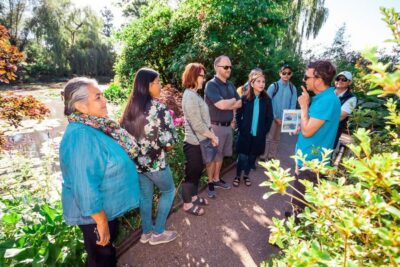

Giverny Monet’s Home & Versailles Palace Day Trip from Paris
Read our review →Browse the lists this tour appears in