
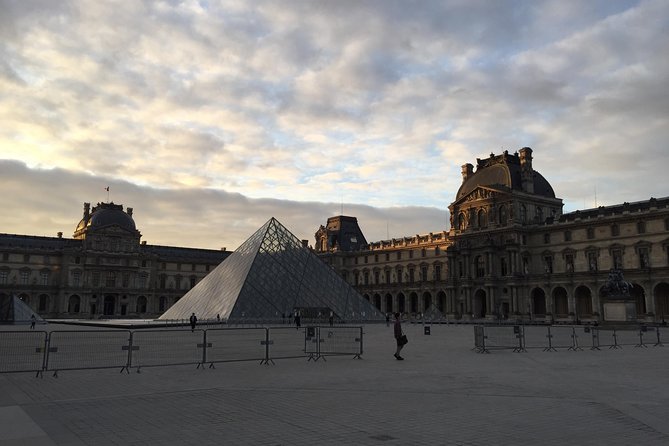
Reviewed · LOUVRE MUSEUM TOURS
Louvre Private Tour
The great strength of this Louvre visit is simple: you do not have to face the museum’s vast collection alone. Celia SO leads a private two-hour route through major galleries, explaining what you are seeing instead of leaving you to wander past famous paintings with no context.
I like the small private format, since your group can hear the guide and ask questions without a crowd around you. I also like the clear route through the Louvre, from the medieval remains and Greek sculpture to the Apollo Gallery, Italian paintings, French art, and Italian sculpture. The main catch is that the $146 price does not include your Louvre admission ticket, which you must buy separately.
Key points
- A private route through the Louvre: Only your group takes part, with a professional guide leading the visit.
- Major works in two hours: The route includes the Mona Lisa, Apollo Gallery, Greek sculpture, Italian paintings, and 19th-century French art.
- Headsets are provided: You can hear the guide clearly while moving through busy galleries.
- Tickets cost extra: Buy Louvre admission through louvre.fr before the tour.
- Celia SO is the named guide: Her approach combines art, Paris history, and practical suggestions for the rest of your visit.
- You may stay inside afterward: At the end, Celia shows you the exit or offers suggestions for exploring more of the museum.
Why a private Louvre tour helps
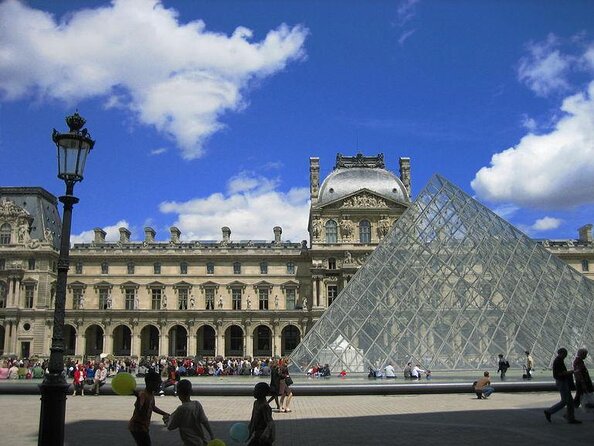
The Louvre is not merely a large museum. It is a maze of galleries spread through an enormous former royal palace, with more art than you could sensibly see in one day. A first visit can easily become a march toward the Mona Lisa, followed by a tired search for the exit.
This tour gives you a plan. In about two hours, you move through selected sections with a guide who explains the works and the people behind them. That matters because the Louvre’s best moments are not always the paintings you already know. A sculpture’s pose, a royal symbol, or a detail in a ceiling can make more sense when someone points it out.
The private setup is especially useful for couples, families, or a small group with mixed interests. You can ask about French history, Italian painting, sculpture, or the building itself without waiting for a public group to move along.
The tradeoff is time. Two hours is enough for a focused introduction, not enough for the whole Louvre. You will see important sections, but you will not cover every wing, period, or famous object. Think of this as a guided first chapter, not the entire book.
More Louvre Museum Tours:
- Paris: Louvre Museum Timed-Entrance Ticket
★ 4.6 · 71,977 reviews - Paris: Louvre Guided Tour with Reserved Access & Boat Cruise
★ 4.3 · 16,353 reviews - Louvre Museum Masterpieces Guided Tour with Access
★ 4.5 · 12,023 reviews
Meeting near the Louvre Pyramid
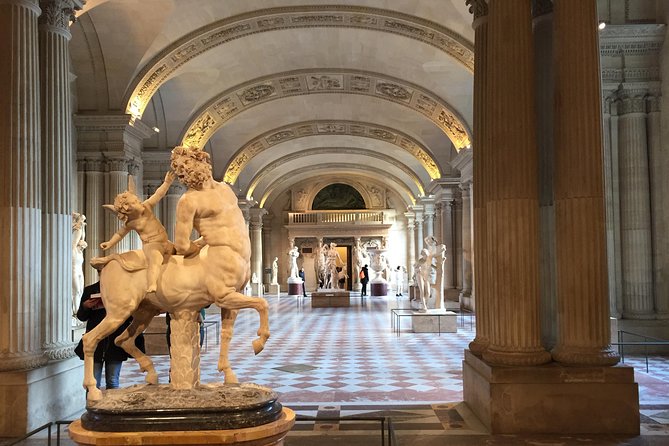
The meeting point is in front of the Louis XIV statue near the Louvre Pyramid entrance. Give yourself enough time to locate this spot, especially if you are arriving by public transportation or crossing the large plaza for the first time.
The tour begins with the security check. The experience is described as including skip-the-line admission, but your Louvre entrance ticket is not included in the $146 cost. You need to purchase that ticket through louvre.fr, and the tour information specifically notes that the guide takes you through the security process.
This distinction is worth taking seriously. Skip-the-line access can save useful time, but it does not mean you can ignore security or arrive without the required museum admission. Check your booking details and ticket arrangements before setting out.
The choice of departure times throughout the day adds flexibility. An early slot may suit you best if you want a calmer start and more energy for the art. A later time can work well if you are fitting the museum between other Paris plans. The exact feel of the visit will depend on the museum’s crowd level and which rooms are open.
Starting below ground at the medieval Louvre
The route begins with the Louvre’s medieval section. This is a smart place to start because it reminds you that the museum was not built as a museum in one grand stroke. The site developed over centuries, and the medieval remains help explain the building beneath the palace you see today.
You might find this section less instantly famous than the Mona Lisa, but it gives useful grounding. Before the Louvre became one of the world’s great collections, the site had an earlier defensive role. Seeing the remains helps you read the building as part of Paris, not just as a container for paintings.
This is also a good moment to ask Celia about the Louvre’s development and the connection between the palace and French royal power. Her tour style, based on the available information, combines art commentary with Paris and French history, so the opening section should help set the stage for everything that follows.
Greek sculpture and the art of the human form
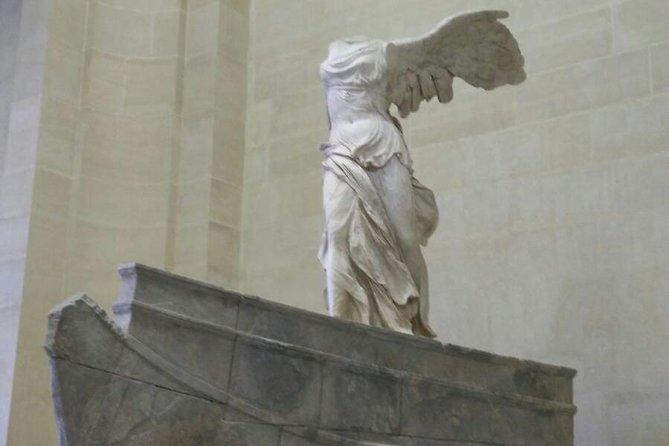
The next part includes Greek sculptures. These works offer a useful change of pace from painting. You are looking at bodies, movement, balance, and idealized form in three dimensions, often with missing pieces that have become part of how we see them today.
A guide can help you notice how a sculpture’s pose directs your eye. The angle of a shoulder, the turn of a head, or the way a figure appears to shift its weight can carry as much meaning as a painted expression.
Do not expect to linger over every sculpture in a two-hour visit. The value here is selection and explanation. Celia can point out what matters in the works chosen for the route, allowing you to leave with a way of looking rather than a blur of marble faces.
More private tours in Paris:
- Paris: Private Photoshoot at the Eiffel Tower
★ 4.7 · 2,636 reviews - Top Private Cruises in Paris with French Champagne and surprises
★ 5.0 · 1,553 reviews - Private Paris Airport Arrival Transfer – CDG & ORLY Airports
★ 4.5 · 1,119 reviews - Paris Private Arrival Transfer from Charles de Gaulle (CDG) or Orly (ORY)
★ 4.0 · 1,084 reviews
The Apollo Gallery and royal display
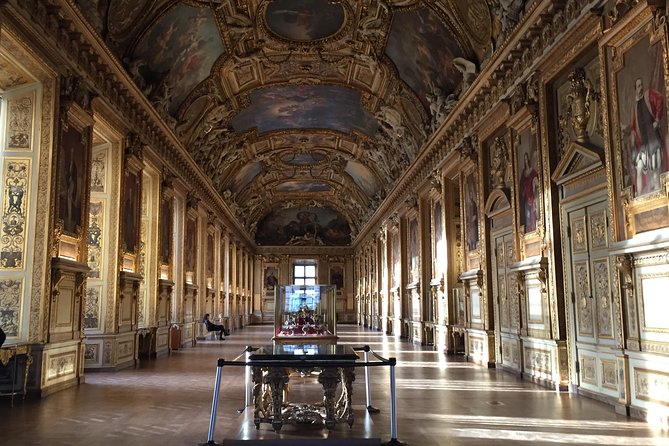
The Apollo Gallery is one of the tour’s most distinctive stops. It is not simply another room of paintings. The gallery is known for its grand decorative setting, and it shows how art, architecture, and royal ceremony worked together.
This part of the Louvre helps you understand that French rulers wanted visitors to feel power through scale and decoration. Look up as well as ahead. The room itself is part of the collection, with its ceiling, ornament, and carefully staged visual effect.
The Apollo Gallery also gives the tour a welcome change from the more familiar parade of framed pictures. If your group has limited time, this is the kind of room a guide can make especially memorable because the building and the objects need to be read together.
Italian paintings, including the Mona Lisa
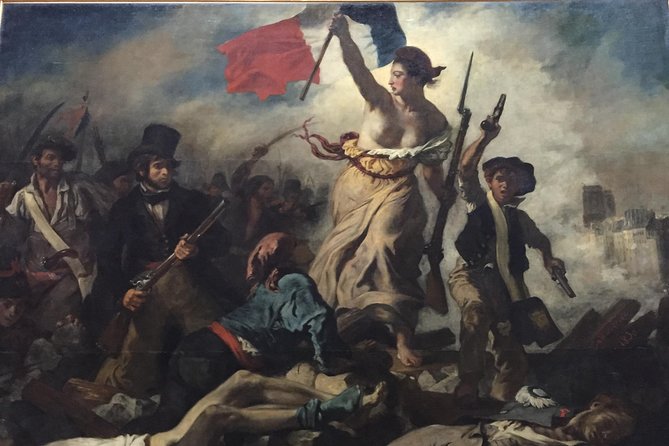
The Italian painting section is likely to be the busiest and most anticipated portion of the visit. The Mona Lisa is included among the highlights, but your time should not be reduced to a single painting.
The famous portrait attracts intense attention, and the viewing experience can be brief. A private guide helps you place it within the broader Italian collection, where you can consider composition, expression, technique, and the reasons certain works became cultural icons.
That wider context is important. The Mona Lisa may be the painting you came to see, but the surrounding Italian works give you a better sense of the Louvre’s artistic range. You might also find that another painting makes the strongest impression once you are no longer focused only on the museum’s best-known image.
Celia’s commentary is designed to cover both the artwork and the circumstances in which it was created. That makes the visit more useful than simply taking a photo and moving on. You can ask questions as you go, and the private format makes it easier to spend a little more time on a work that catches your attention.
The guide’s explanations have been praised for covering the history and the artists’ working periods in a clear, unhurried way. That suggests this is not a rapid checklist tour, even though the route has a lot to cover.
Nineteenth-century French paintings
The itinerary then moves to 19th-century French paintings. This section gives you a look at a period when French art changed quickly, with artists testing new subjects, styles, and ways of presenting modern life.
The exact rooms open during your visit may vary, and the tour can be modified if galleries close or special circumstances affect the route. That flexibility is practical, but it also means you should not treat the sequence as guaranteed down to every room.
A private guide is useful here because French painting can seem like a long procession of large canvases. Celia can help you compare the choices artists made, explain the stories behind selected works, and show you details that might otherwise disappear in the scale of the galleries.
This part may suit you particularly well if you want more than famous names. The tour promises commentary on French art and French history, so you should have room to connect the paintings with the society and events around them.
Finishing with Italian sculpture
The route finishes with Italian sculptures. Ending in three dimensions gives the tour a different final note from the painting galleries and returns you to the physical qualities of art: scale, material, posture, and the way a work occupies space.
Italian sculpture also helps round out the route. You have seen Greek sculpture earlier, so you can compare the two traditions with the guide’s help. The point is not to memorize a long list of names. It is to notice how artists in different periods handled the human figure and how the Louvre presents those works.
At the end, Celia shows you the exit, but you can also stay inside and continue exploring on your own. This is one of the more useful details of the experience. If you still have energy, you can use the remaining time to visit a section that was not part of the guided route.
Celia can also suggest what to see next. That advice is valuable because the museum can feel overwhelming once the formal tour ends. You can ask for a nearby gallery or a type of art that matches your interests rather than choosing at random.
What the headsets add
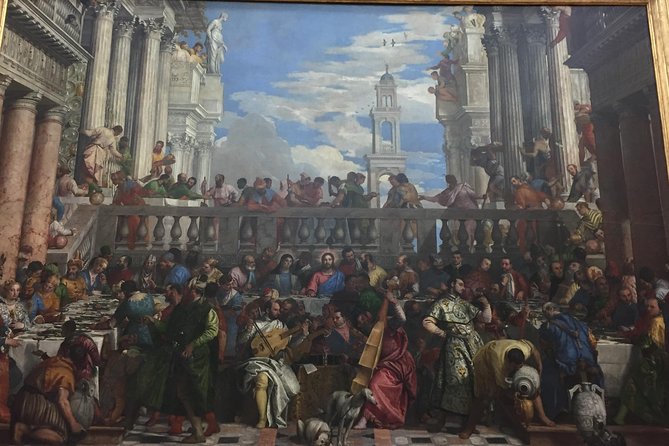
Headsets are included so you can hear the guide clearly. In a large museum, that small detail matters. You do not have to stand shoulder to shoulder with the guide or miss half a sentence when other people pass through the gallery.
The equipment should be especially helpful when your group spreads out around a painting or sculpture. One specific account describes Celia arriving with a left earphone for a friend with partial hearing loss, showing careful attention to an individual need. The tour information still advises a moderate level of physical fitness, so expect time on your feet and movement through the museum.
This is not presented as a special accessibility tour, and the available details do not specify wheelchair arrangements or other access services. If you have a particular mobility or hearing requirement, ask before booking rather than assuming the standard setup will cover it.
Is $146 a fair price?
At $146, the value depends on the size of your private group and how much you want guidance. This is not the cheapest way to enter the Louvre, especially since the museum ticket is extra. You should calculate the total cost before booking.
For a group of two, the per-person cost is higher. For a larger private group, the price can make more sense, particularly since group discounts are available. The experience also gives you a set route, a professional guide, headsets, and the convenience of skip-the-line access.
I would not choose it if you enjoy wandering without a plan or already know the Louvre well. You may prefer buying your own ticket and exploring at your own pace.
I would consider it good value if this is your first Louvre visit, your Paris time is limited, or you want art explained in plain language. The cost buys more than entry convenience. It buys help deciding what deserves your attention in a museum too large to absorb casually.
Who will get the most from this visit?
This tour suits you best if you:
- Want a private guide rather than a large public group
- Prefer a planned route through major Louvre sections
- Need clear explanations of art and French history
- Have about two hours for a focused museum visit
- Want to continue inside the Louvre after the guided portion
- Are visiting Paris for the first time and want a strong introduction
Families and mixed-interest groups may appreciate the private format because the guide can respond to questions and adjust the emphasis. Art students or repeat Louvre visitors may want a more specialized tour, since this route aims to cover major highlights across several periods.
Celia also has experience offering wider Paris guidance, including suggestions about what to see and eat. That can be useful if you want to connect the museum visit with the rest of your day, though the Louvre tour itself remains the main activity.
Practical points before you book
Plan to arrive at the Louis XIV statue near the Pyramid entrance, not simply at a vague point labeled Louvre. The museum complex is large, and a few extra minutes can prevent a rushed start.
Purchase your Louvre admission through louvre.fr, since it is not included. Keep your booking information available and remember that security screening remains part of the entry process.
Choose an early departure if you want to start your museum day with fresh attention. The earliest time has also suited visitors looking for a slow, clear visit, though no time can guarantee empty galleries.
Wear shoes suitable for moderate physical activity. The route covers several sections of a very large museum, and you will spend much of the two hours standing or walking.
The route may change if rooms close or special circumstances affect access. That is normal for a major museum and should not be treated as a promise that every listed room will be open.
The experience is non-refundable and cannot be changed after booking. That makes it important to settle your date, group size, and ticket plan first.
Should you book this Louvre private tour?
Book it if you want a focused introduction to the Louvre, prefer private attention, and value clear explanations over wandering alone. The combination of Celia SO’s art and Paris commentary, headsets, a major-highlights route, and the option to stay inside afterward gives you a practical first visit.
Skip it if you want the lowest possible cost, dislike fixed routes, or plan to spend a full day exploring one collection in detail. Remember that the $146 fee excludes museum admission.
For most first-time visitors with limited time, I would choose the private format over trying to conquer the Louvre without a plan. Two hours will not show you everything, but it can give you the bearings and confidence to enjoy the rest on your own.
FAQ
How long does the Louvre private tour last?
The tour lasts approximately two hours.
Where does the tour meet?
You meet in front of the Louis XIV statue near the Louvre Pyramid entrance in Paris.
Where does the tour end?
The guide shows you the exit at the end, or you may stay inside the Louvre to explore more on your own.
Is Louvre admission included in the $146 price?
No. Louvre entrance fees are not included. You may buy admission through louvre.fr.
Does the tour include skip-the-line access?
The experience includes skip-the-line admission arrangements, followed by the Louvre security check.
Is this a private tour?
Yes. Only your group takes part in the activity.
Are headsets provided?
Yes. Headsets are included so you can hear the professional guide clearly.
Which Louvre sections are included?
The route includes the Louvre medieval section, Greek sculptures, the Apollo Gallery, Italian paintings, 19th-century French paintings, and Italian sculptures. The Mona Lisa is also among the highlighted works.
Can the itinerary change?
Yes. The route may be modified if rooms close or for another special reason.
Are drinks included?
No. Drinks are not included.
Can I choose the departure time?
Yes. The experience offers a choice of departure times throughout the day.
Is the tour suitable for every fitness level?
The information advises a moderate physical fitness level, so expect walking and time spent on your feet inside the museum.
Is the booking refundable?
No. The experience is non-refundable and cannot be changed for any reason.
Just added around Paris
- Private Paris Marche d’Aligre Walking Tour with Tastings★ 5.0 · 8 reviews
- Private Louvre Museum Tour for Kids & Families with Alberto or his team in Paris★ 5.0 · 41 reviews
- Private Highlights of Paris Tuk-Tuk Experience★ 5.0 · 26 reviews
- Paris Latin Quarter Walking Tour: History & Culture – Small Group★ 5.0 · 14 reviews
- Private Highlights of Paris Bike Tour★ 4.5 · 15 reviews
- Paris Musee d’Orsay PRIVATE TOUR with a Local Private Guide★ 5.0 · 41 reviews
- Pere Lachaise Cemetery Paris – Exclusive Guided Walking Tour★ 5.0 · 72 reviews
- Paris Revolutionary Walking Tour: Iconic French Sights & Stories★ 5.0 · 11 reviews
Louvre Museum Tours, compared.
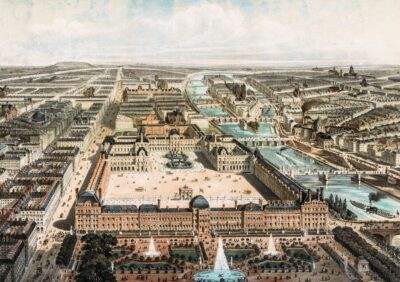
Louvre Guided Tour with Reserved Access & Boat Cruise
Read our review →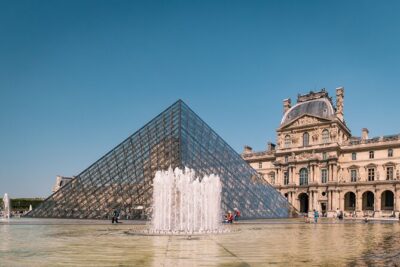
Louvre Museum Masterpieces Guided Tour with Access
Read our review →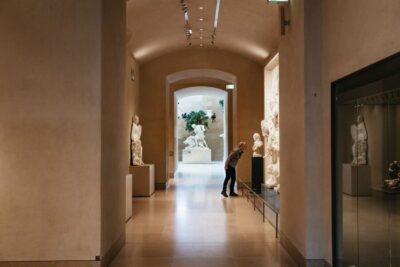
Louvre Museum Entry Ticket With Host and River Cruise
Read our review →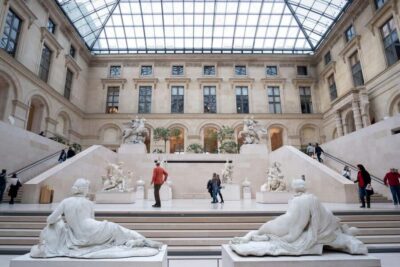
Priority Access Louvre with Host -Direct to Mona Lisa
Read our review →
Mona Lisa & Louvre Masterpieces Tour with Reserved Access
Read our review →
Louvre Museum – Exclusive Guided Tour (Entry Included)
Read our review →
Louvre Reserved Ticket and River Cruise Combo
Read our review →Browse the lists this tour appears in