
Reviewed · MUSéE D’ORSAY TOURS
The Musée d’Orsay in Focus: Impressionists & Beyond (Max 6)
The Musée d’Orsay makes the most sense when you can connect the paintings to the unruly world that produced them. In two hours, this small-group tour takes you from Monet and Renoir to Van Gogh while explaining how paint tubes, trains, electricity, and changing city life shook up 19th-century art.
I like the maximum group size of six, which gives you a much better chance to ask questions than on a large museum walk. I also like that the guide-led portion leaves you inside the museum, so you can keep looking at Post-Impressionist works after the formal tour ends. The main consideration is price: at $190.52 per person, this is a premium two-hour visit, best suited to people who want expert help rather than the lowest-cost entry.
Key points at a glance
- Small group of six or fewer: A quiet format with more room for questions and personal attention.
- English-speaking licensed guide: Guides such as Adam and Lilijana bring art, biography, and Parisian change together.
- Major names, not only famous paintings: Expect Monet, Renoir, Degas, and Van Gogh, plus less expected works.
- Skip-the-line access: Useful at a museum that can draw heavy demand, especially during busy Paris days.
- Two-part visit: Follow a focused tour, then continue exploring the museum at your own pace.
- Premium pricing: Admission and guide service are included, but the cost is high for a two-hour activity.
Why the Musée d’Orsay works so well for this tour
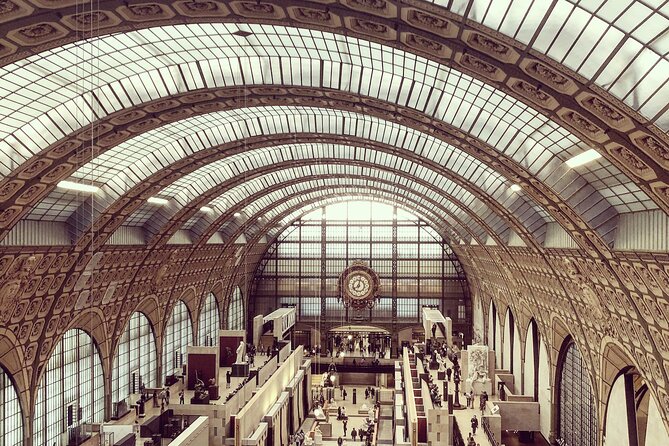
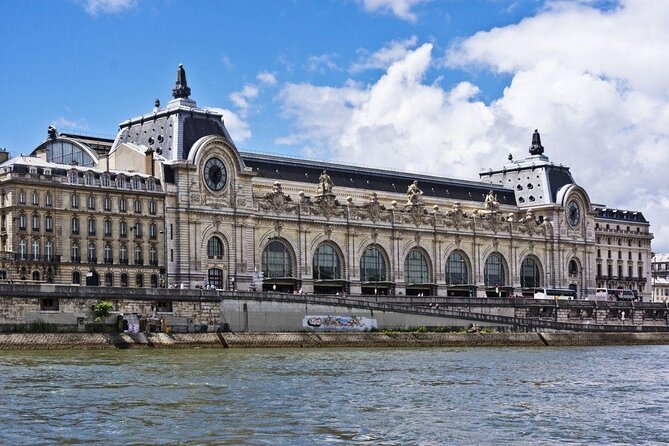
The Musée d’Orsay occupies a former railway station, and that setting fits the collection. The museum covers art made from 1848 to 1914, a period when Paris and the wider world changed at remarkable speed. Artists were no longer working in a calm, fixed tradition. They were responding to new streets, new machines, new lighting, and new ways of seeing.
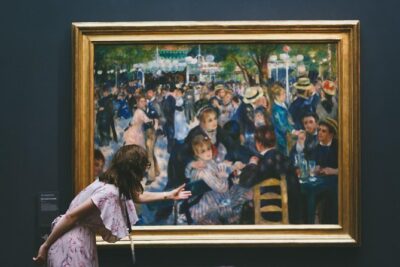
That is the useful frame for this experience. Instead of treating Impressionism as a parade of pretty outdoor scenes, your guide can show why the movement felt rebellious in its own time. The loose brushwork, unusual viewpoints, and changing light were not simply decorative choices. They challenged what many people thought a serious painting should look like.
I also appreciate the museum’s range. You are not confined to one narrow school or one painter. The collection moves from earlier 19th-century work through Impressionism and into Post-Impressionism, allowing you to see ideas develop rather than appear out of nowhere.
The museum has been ranked the best museum in the world for six consecutive years, according to the experience information. Rankings are always subjective, but the claim points to a real strength: this is one of Paris’s most rewarding places for tracing the shift from academic art toward modern painting.
More Musée d’Orsay Tours:
- Paris in a Day: Louvre or Orsay, Eiffel Tower, City Walk & Cruise
★ 5.0 · 1,956 reviews - Paris: Musée d’Orsay Skip-the-Line Tour with Expert Guide
★ 4.5 · 1,145 reviews - Musée d’Orsay Skip-the-Line Tour with Expert Guide
★ 4.8 · 1,088 reviews
Entering with a group capped at six
A group of six changes the mood of a museum visit. You are less likely to lose the guide in a crowd, and the guide can respond when you want to pause over a particular painting. That matters in a museum where a quick walk past famous canvases can leave you remembering names but not ideas.
The small format also helps with conversation. You can ask why one work caused a stir, how two artists knew each other, or what separates Impressionism from Post-Impressionism. The tour is designed to make you an active participant, not simply a person following an umbrella through the galleries.
The supplied price is $190.52 per person. That is a lot for two hours, even with museum admission included. You are paying for a licensed English-speaking guide, skip-the-line access, and a very small group, not just for the ticket.
For a first visit, that can be good value if you want structure and context. A major museum can easily consume half a day, yet many people leave with only a blur of famous names. A focused guide can help you use your time well. If you already know the Orsay and prefer to wander alone, the price may be harder to justify.
Following Monet, Renoir, Degas, and Van Gogh
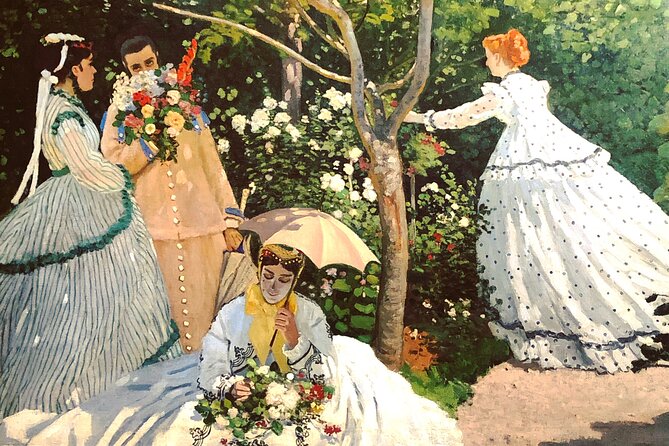
The tour’s main appeal is its choice of artists. Monet and Renoir help you understand Impressionism’s interest in light, modern life, and quick visual impressions. Degas adds another angle, with his attention to movement, performance, and unusual framing. Van Gogh then shows how later artists pushed color and brushwork in a more personal direction.
You should expect the guide to do more than identify each painter. The goal is to connect technique with personality, friendship, rivalry, and artistic change. The relationships among the artists are treated as part of the story, which can make the gallery sequence easier to remember.
Adam, one of the guides associated with the experience, received especially strong praise for his clear diction, broad general knowledge, and engaging manner. He also encouraged active participation rather than delivering a one-way lecture. That is helpful in a museum, where the best questions often come from something you notice in front of you.
He was also able to accommodate occasional seated breaks for two older clients and extended the visit beyond the booked time. That kind of flexibility cannot be promised on every departure, but it gives you a useful sense of the personal attention this small format can allow.
Lilijana is another named guide associated with the tour. Her approach was praised for combining cultural and biographical facts with an entertaining explanation of the works. The practical lesson is simple: guide quality matters greatly here, and both named guides are presented as strong communicators.
The value of stories behind the paintings
A painting becomes easier to recall when it is tied to a person, a dispute, or a change in daily life. This tour makes those links central. You learn about artists who broke rules, the movements they helped shape, and the social changes that altered what they painted.
The period covered by the museum included the invention of paint tubes, the spread of trains, and the arrival of electricity. Those inventions affected where artists could work, how quickly they could move, and what kinds of scenes they could observe. They also changed the rhythm of Paris.
That context helps explain why the art can look so different from earlier European painting. Artists had access to new colors and could carry paint outside more easily. Trains opened access to suburbs and the countryside. Electric light and modern city life offered new subjects and new moods.
You do not need a background in art to benefit. A good guide can give you just enough vocabulary to notice what is happening without turning the visit into a classroom. The strongest part of this experience is likely to be the bridge between what you see and why it mattered at the time.
Same city, a completely different afternoon:
- Paris: Louvre Museum Timed-Entrance Ticket
★ 4.6 · 71,977 reviews - Disneyland® Paris 1-Day Ticket
★ 4.6 · 49,412 reviews - Paris: Versailles Palace and Gardens Full Access Ticket
★ 4.6 · 41,579 reviews - Paris: Evening River Cruise with Music
★ 4.4 · 22,721 reviews
A focused two-hour route through the Orsay
The visit lasts about two hours and includes museum admission. The guide leads you through the collection, concentrating on major Impressionist and Post-Impressionist works while leaving room for unexpected pieces.
That balance is important. You will likely want to see the names you already recognize, but a good museum visit should also give you a few surprises. The experience specifically aims to include both world-famous masterpieces and less expected treasures.
Two hours is long enough for a thoughtful introduction, but not enough to cover every gallery. You should not book this expecting a complete survey of the museum. Think of it as a strong orientation with enough substance to make the rest of your visit more rewarding.
At the end, the tour finishes inside the Orsay rather than sending you back outside. You can continue looking at Post-Impressionist works at your own pace, revisit a painting that caught your attention, or explore another part of the collection. This is one of the tour’s best practical features because your museum ticket continues to have value after the guide leaves.
What skip-the-line access means for your day
The skip-the-line feature can save more than minutes. It protects the shape of your day. If you have timed plans for the Seine, a nearby museum, or an evening reservation, avoiding a long entrance wait gives you more control.
The exact entry process can vary by museum operations, so you should still arrive at the stated meeting point, the Musée d’Orsay Esplanade Valéry Giscard d’Estaing, with time to spare. The start and end point are both at the museum, but the tour ends inside the building.
The museum is near public transportation, which makes it practical to fit into a broader Paris itinerary. The experience information does not specify a particular metro or train route, so check your own route before setting out rather than relying on a last-minute search.
You should also plan for a moderate level of physical activity. Museum visits involve walking and standing, though one guide accommodated requests for occasional seats. Service animals are allowed.
Is $190.52 per person fair value?
The price is easier to defend when you use the tour as the beginning of a longer museum visit. You receive entry, a licensed English-speaking guide, a maximum group of six, and skip-the-line access. If you divide the cost by the two-hour guided period alone, it is expensive. If you also spend time inside afterward, the overall value improves.
The price may suit you if:
- You are visiting the Orsay for the first time.
- You want clear explanations in English.
- You prefer a small group to a crowded public tour.
- You care about the connections between artists and movements.
- You have limited time and want a planned route through the collection.
You may prefer a cheaper or self-guided visit if you already know Impressionist art well, have several hours to wander, or mainly want to look at paintings without commentary. The tour is not designed to replace a full independent museum day. It gives you a strong starting point.
Group discounts are available, though the exact discount is not specified. Since the standard group limit is six, this could be worth checking if you are booking with friends or family.
Who will get the most from this experience?
I would recommend this tour to a first-time Paris visitor who wants the Orsay to make sense quickly. It is also a good fit for someone who knows the big names but wants the stories and artistic links behind them.
Older visitors may appreciate the small group and the possibility of requesting occasional seats, though you should still expect moderate walking and standing. The clear spoken English praised in connection with Adam is another useful point for anyone who finds large, noisy tours difficult to follow.
Families and mixed-interest groups may also benefit. The guide can turn technical art ideas into stories about invention, city life, friendship, conflict, and change. That gives people who are not art specialists something concrete to follow.
The tour is less suited to a person who wants a silent, unhurried gallery visit from start to finish. You will be listening, moving with a group, and following a planned route for the first two hours.
Booking timing and cancellation
This experience is booked an average of 110 days ahead, which suggests that planning early is sensible, especially if you have fixed Paris dates. Confirmation is provided at booking, and the activity is offered in English.
Free cancellation is available up to 24 hours before the start time for a full refund. Changes or cancellations made less than 24 hours ahead are not accepted for a refund. The experience also requires a minimum number of participants, so if the operator cancels for that reason, you are offered another date or experience, or a full refund.
That policy gives you some flexibility, but the 24-hour cutoff is firm. Keep the local Paris time in mind when making changes.
My verdict on the Musée d’Orsay small-group tour
Book this if you want a focused, personal introduction to the Orsay and are willing to pay for expert guidance. The six-person limit, included admission, skip-the-line entry, and strong guide feedback make it more useful than a basic ticket for many first-time visitors.
The best reason to choose it is not simply the chance to see Monet or Van Gogh. It is the way the tour connects paintings to the inventions, friendships, arguments, and city changes that shaped them. Adam and Lilijana are named guides with particularly strong praise for clarity, warmth, and engaging explanations.
Skip it if your priority is the lowest possible price or a completely independent visit. Otherwise, book ahead, arrive ready to walk and listen, and keep time afterward to explore the museum on your own. That final stretch inside the Orsay is where the guided introduction can pay off.
FAQ
How long does the Musée d’Orsay tour last?
The guided experience lasts approximately two hours.
What is included in the price?
The price includes an English-speaking licensed tour guide and all museum entry tickets.
How large is the tour group?
The experience has a maximum of six travelers.
Is the tour offered in English?
Yes. The tour is offered in English and includes an English-speaking guide.
Where does the tour begin and end?
It begins at the Musée d’Orsay Esplanade Valéry Giscard d’Estaing in Paris and ends inside the Musée d’Orsay.
Can I cancel for a full refund?
Yes. You can cancel at least 24 hours before the experience start time for a full refund. Cancellations or changes made less than 24 hours before the start time are not refunded or accepted.
Just added around Paris
- Private Paris Marche d’Aligre Walking Tour with Tastings★ 5.0 · 8 reviews
- Private Louvre Museum Tour for Kids & Families with Alberto or his team in Paris★ 5.0 · 41 reviews
- Private Highlights of Paris Tuk-Tuk Experience★ 5.0 · 26 reviews
- Paris Latin Quarter Walking Tour: History & Culture – Small Group★ 5.0 · 14 reviews
- Private Highlights of Paris Bike Tour★ 4.5 · 15 reviews
- Paris Musee d’Orsay PRIVATE TOUR with a Local Private Guide★ 5.0 · 41 reviews
- Private Half Day Historic Tour★ 5.0 · 58 reviews
- Pere Lachaise Cemetery Paris – Exclusive Guided Walking Tour★ 5.0 · 72 reviews
Musée d’Orsay Tours, compared.
Paris in a Day: Louvre or Orsay, Eiffel Tower, City Walk & Cruise
Read our review →
Musée d’Orsay Skip-the-Line Tour with Expert Guide
Read our review →
The Musée d’Orsay Guided Tour Orsay Museum Semi-Private 6ppl Max
Read our review →
Louvre & Musée d’Orsay Guided Museum Tour Semi-Private 6ppl Max
Read our review →
Orsay Museum – Exclusive Guided Tour (Reserved Entry Included)
Read our review →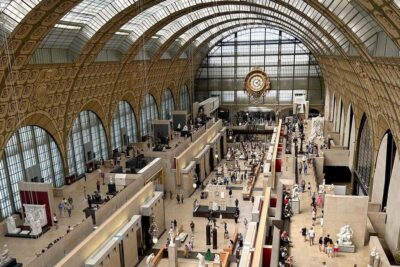
Orsay Museum and Rodin Museum Combo Entry Ticket
Read our review →Browse the lists this tour appears in