
Reviewed · PARIS ART MUSEUM TOURS
Musée de l’Orangerie Flexible Entrance Ticket in Paris with Audio
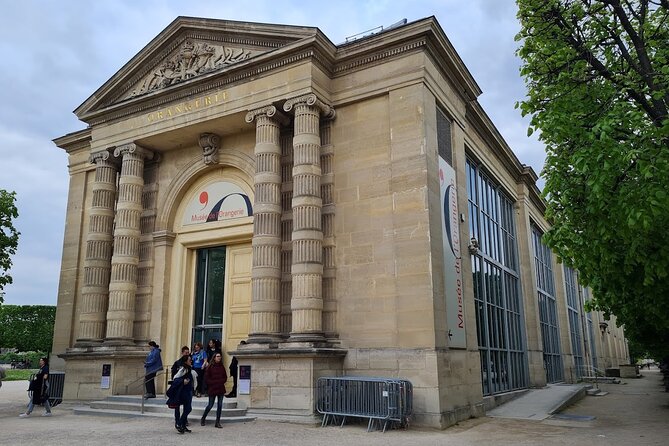
The main reason to visit the Musée de l’Orangerie is Monet’s Water Lilies, displayed in two calm, oval rooms designed for these huge paintings. I like the museum’s manageable size and the freedom to spend ten minutes or an entire morning with the art. You can also see works by Picasso, Renoir, Mondrian, Modigliani, and other major artists without tackling a giant museum.
The catch is the word flexible. An anytime ticket may not give you priority over visitors without timed reservations, and queues of an hour or two have been reported. I also like having an English audio guide on my phone, but this is a mobile download, not the museum’s headset tour, so you need a charged phone and the correct ticket email.
Key Points to Know Before You Go
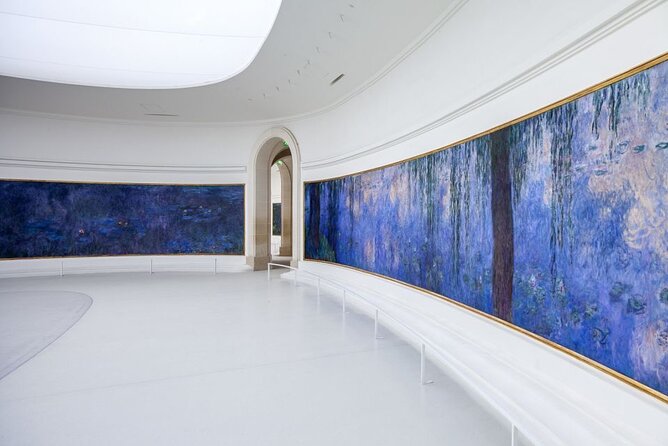
- Monet’s Water Lilies are the star: Two specially designed rooms hold the large paintings that make this small museum worth a visit.
- The museum takes about two to three hours: You can see the key rooms at a comfortable pace without committing a full day.
- Flexible entry may mean a long wait: A ticket without a specific time can place you in the same slow line as people buying tickets on arrival.
- The audio guide uses your mobile: It is an English guide accessed through a separate app, and headsets are not included.
- Use the actual PDF ticket: The immediate booking voucher is not accepted at the museum. Check your email and WhatsApp for the barcode ticket.
- Some works may be absent: Cézanne and Renoir works are scheduled to travel to Japan until January 2026.
Why Monet’s Water Lilies Deserve the Visit
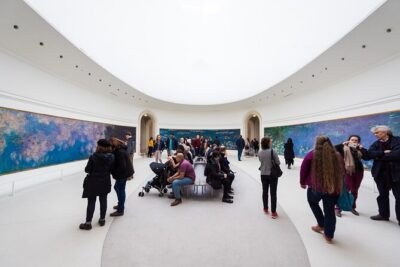
The Musée de l’Orangerie is best known for Claude Monet’s Water Lilies, or Nymphéas. These are not small garden scenes squeezed into a crowded gallery. The paintings are large, curved around the walls of two oval rooms, and intended to surround you with shifting water, sky, reflections, and color.
That setting changes the experience. You are not simply checking off a famous painting. You can sit, look across the room, and notice how Monet lets the subject become less literal. The pond, plants, and light may seem clear at first, then dissolve into broad strokes as you look longer.
I would give Monet’s rooms your first attention, even if you are mainly interested in Picasso or modern art. The museum’s special layout makes these paintings the emotional center of the visit, and the quieter scale of the building gives you a better chance to pause than you might have in Paris’s largest museums.
The Water Lilies are not guaranteed to affect everyone in the same way. If you prefer sharply defined subjects, this soft, atmospheric work may feel repetitive. Still, the size and arrangement of the paintings are difficult to understand from reproductions alone. Seeing them in person is the main reason to put this museum on your Paris plan.
More art museums in Paris:
- Paris: Orsay Museum and Rodin Museum Combo Entry Ticket
★ 4.4 · 470 reviews - Paris: Picasso Museum Ticket & Optional Seine River Cruise
★ 4.7 · 277 reviews - Paris: Rodin Museum Entry Ticket
★ 4.5 · 220 reviews
A Small Museum With a Broad Collection
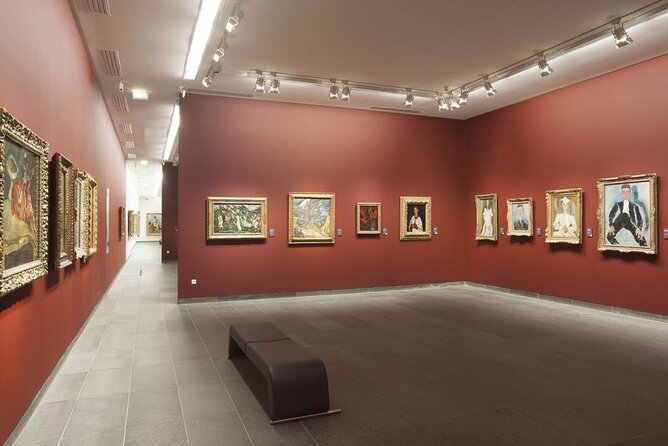
After Monet, continue to the lower-level galleries. The collection includes works by Pierre-Auguste Renoir, Pablo Picasso, Paul Cézanne, Henri Matisse, Amedeo Modigliani, and Piet Mondrian, among others.
This variety gives the museum more range than its Monet reputation suggests. You can follow changes in style from Impressionist brushwork to more fractured, modern forms. Picasso’s works are especially useful if you want to see how his approach changed over time, rather than treating him as a single-style artist.
The collection is not large. That is a benefit if your schedule is tight, but it can also feel limited if you expect a museum on the scale of the Louvre or Musée d’Orsay. A focused visit may take around two hours, while a slower visit with the audio guide can stretch toward three.
Some rooms or works may be unavailable during temporary closures or loans. Cézanne and Renoir works held by the museum are scheduled to travel to Japan for an exhibition until January 2026. If those artists are your main reason for visiting, check the current display before paying for a ticket.
What the Flexible Ticket Really Gives You
The ticket is advertised as flexible entry within opening hours, which can help when you are building a busy Paris day. You are not tied to one exact arrival time in the same way as a standard timed reservation.
That convenience has an important limit. A flexible ticket may not move you into the faster line for timed-ticket holders. When the museum is busy, people with anytime admission can be directed into a general queue that also includes people who still need to buy admission. Reports of waits lasting one to two hours make this the key issue to understand before booking.
The experience can vary by date and crowd level. In a quiet period, an anytime ticket may work well and let you walk in with little trouble. In a busy season, the same ticket can consume a large part of your day.
I would not treat flexible entry as a skip-the-line product. If the booking page offers a genuine timed reservation from the museum, that is usually the safer choice for a tightly planned itinerary. A timed ticket matters even more if you have a restaurant booking, train, day trip, or another scheduled activity afterward.
The museum may also require visitors to select a particular entry time while restoration work continues. That instruction conflicts with the broad anytime wording, so read the final ticket and any follow-up message carefully. The admission conditions printed on the actual ticket should guide your plans.
Getting the Correct Ticket on Your Phone

There are two separate pieces of information to keep straight. The confirmation received immediately after booking is a booking voucher, not the admission ticket accepted by museum staff.
The actual PDF ticket is sent separately through email and WhatsApp. It should contain the barcode or entry information needed at the museum. Save that PDF before leaving your hotel, and keep it available even if the mobile app or website stops working.
This detail matters because phone-based ticket problems have caused serious delays. An app may send you back to the home page, show an access error, or fail to display the ticket at the entrance. A saved PDF gives you a backup, though you should still make sure it is the correct admission document.
Allow time for ticket delivery. The promised process may be quick, but there have been cases of people waiting for the actual ticket or receiving it too late for the printed entry slot. If you buy close to your intended visit, do not assume the first confirmation email is enough.
At the entrance, staff may validate the ticket at a desk before you proceed to security. Keep your identification of the booking, the PDF, and the barcode together. This is not difficult when prepared, but it can become stressful if you are standing in a queue with only the initial voucher.
More self-guided and audio tours in Paris:
- From Paris: Giverny Day Trip with Audio Guide or Live Guide
★ 4.3 · 2,372 reviews - Giverny and Monet’s House Half Day Trip from Paris Guide or Audio
★ 4.0 · 1,319 reviews - Paris: Catacombs Entry & Seine River Cruise with Audio Guide
★ 4.4 · 1,150 reviews - Paris: Catacombs, Audio Guide, and River Cruise Option
★ 4.6 · 966 reviews
Using the English Audio Guide
The English audio guide is accessed through a separate mobile app. It is not a live guide, and no guide name is provided. The ticket includes access to the mobile audio content, while headsets are not included.
You will need your own phone and a way to listen. Downloading the material in advance is sensible, since museum Wi-Fi or mobile reception may not be reliable. Bring headphones if you prefer not to hold the phone to your ear, and start with a full battery.
Do not confuse this product with the museum’s on-site audio headset. Some visitors have expected a physical audio tour and found that the included mobile guide was different. The museum may offer its own audio option for a separate fee, but that is not the same as the app access included here.
The guide can add useful context, especially if you do not already know the artists or the purpose of Monet’s oval rooms. Still, it should be treated as a convenience rather than the main reason to pay a premium for the ticket. If the audio link fails, the museum itself remains the attraction.
Planning Two to Three Hours at the Museum
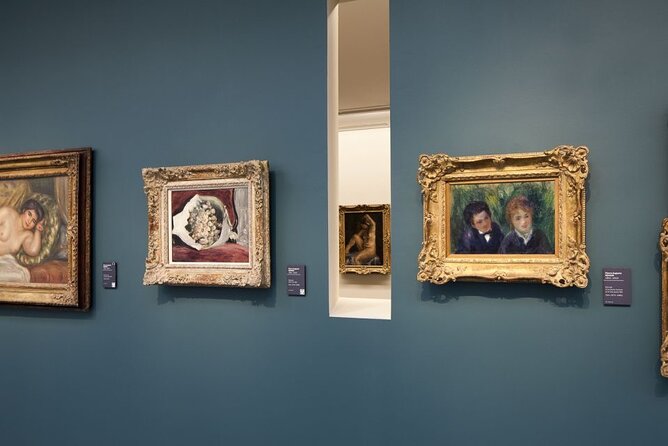
A sensible visit begins with Monet. Give yourself time in both oval rooms rather than rushing through them for photographs. Then move downstairs for the wider collection, where the change from Impressionism to later modern art gives the museum its second act.
Two hours is enough for a focused visit. Three hours works if you listen to much of the audio, read labels, and stop often. The museum is compact enough that you do not need to reserve an entire day, which makes it easy to pair with other central Paris sights.
The museum is near public transportation, so it fits reasonably well into a wider sightseeing plan. The supplied opening information lists Monday hours as 9:00 AM to 6:00 PM for the period from July 18, 2024, through February 5, 2027. Check the final operating schedule for your exact date, since museum hours and special closures can change.
The permanent collections are scheduled to be exceptionally closed on February 11, 12, and 13, 2026. On those dates, access is limited to Monet’s Water Lilies. That could suit someone making a short Monet-focused visit, but it will disappoint anyone expecting Picasso, Renoir, or the rest of the collection.
Is $27.67 a Fair Price?
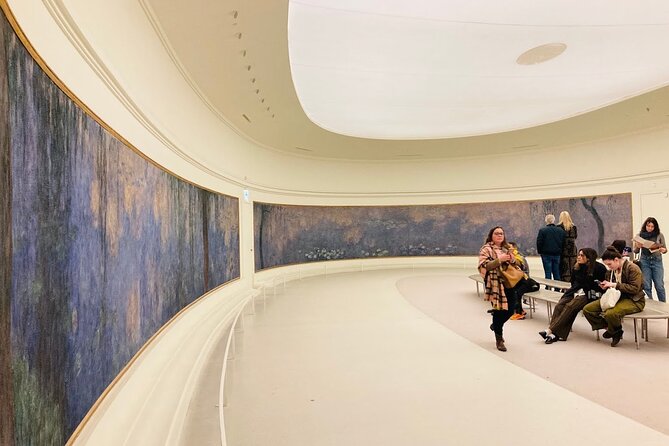
The listed price is $27.67 per person, including booking and service fees. That price can be reasonable if the flexible availability solves a real scheduling problem or if a direct museum ticket is unavailable for your date.
The value weakens when you can buy a timed ticket directly from the museum for less. Several people have paid a substantial markup and still waited in the regular anytime line. In that situation, the extra money buys little beyond a third-party booking arrangement.
The audio guide does not fully repair the value problem. You receive English mobile access, but not headsets, and some people may prefer the museum’s own audio option. If you already know Monet or plan to read the labels, you may not use much of the digital guide.
I would compare three things before paying: the direct museum price, the availability of timed entry, and the expected queue on your date. If the direct option is both cheaper and timed, it is the better purchase. If only flexible admission is available and you need a ticket in hand, this option may still be useful, but you should accept the risk of waiting.
Who Should Choose This Experience?
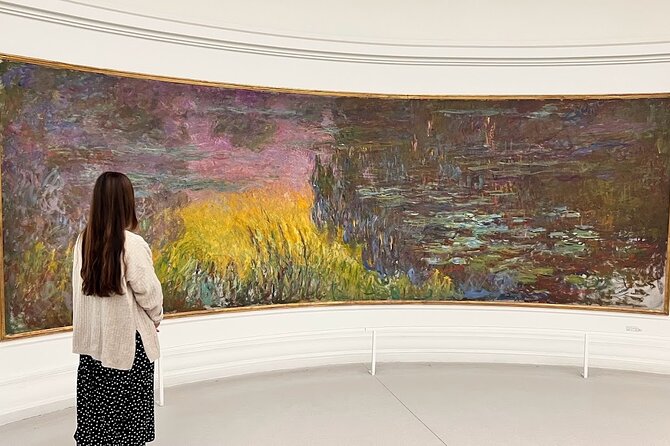
This ticket suits you if you want to see Monet’s Water Lilies, prefer a small museum to a massive one, and can keep your schedule loose. It also works for visitors who want an English introduction without hiring a private guide.
It is a good fit for an art-focused couple or solo visitor who can arrive early, wait if needed, and spend two or three hours inside. The museum itself is easy to manage, and most people can participate according to the supplied admission information.
I would be cautious if you have a packed itinerary. The uncertain queue defeats the purpose of a flexible ticket when you have a fixed lunch, show, or meeting. Families with tired children may also prefer a timed entry that reduces the chance of standing outside for a long stretch.
The experience depends less on physical endurance inside the museum than on patience before entry. Once admitted, you can go at your own pace. The difficult part is making sure the ticket works and understanding which queue the museum assigns to you.
Should You Book the Flexible Ticket?
Book it if Monet is high on your Paris list, you value a compact museum, and you can tolerate an unpredictable wait. The Water Lilies rooms are special, and the collection gives you a worthwhile look at several major artists in a short visit.
I would first search for a direct timed ticket. If one is available at a lower price, choose it. If not, this flexible ticket can fill the gap, but do not assume flexible means fast entry.
Save the actual PDF ticket, not just the booking confirmation. Download the English audio guide, bring headphones, charge your phone, and check for loaned works or special closures before you go. With those precautions, the Musée de l’Orangerie can be one of the more focused and rewarding art stops in Paris, even though the ticket arrangement is less reliable than the museum itself.
FAQ
Where is this experience located?
It takes place at the Musée de l’Orangerie in Paris, France.
How much does the ticket cost?
The listed price is $27.67 per person, including booking and service fees.
How long should I allow for the visit?
Plan on approximately two to three hours, depending on how long you spend with the paintings and audio guide.
What is the main artwork at the museum?
The main attraction is Claude Monet’s Water Lilies series, displayed in specially arranged rooms.
Which other artists can I see?
The collection includes works by Renoir, Picasso, Mondrian, Modigliani, Cézanne, and others, though some works may be away on loan.
Is the entry ticket timed?
The product is described as flexible entry, but museum procedures may require a specific time during restoration work. Check the final ticket and messages you receive.
Does flexible entry let me skip the line?
Not always. A flexible ticket may place you in a general queue, and waits can last an hour or two when the museum is busy.
Is an audio guide included?
Yes. An English audio guide is included through a separate mobile app.
Are headphones included?
No. Headsets are not included, so bring your own if you want to listen privately.
Is the first booking confirmation the museum ticket?
No. The immediate Viator booking voucher is not accepted as the admission ticket. You must check your email and WhatsApp for the actual PDF ticket.
Is the museum open on February 11, 12, and 13, 2026?
The permanent collections are scheduled to be closed on those dates. Access is limited to Monet’s Water Lilies.
Can I cancel or change the booking?
No. This experience is non-refundable and cannot be changed for any reason.
Just added around Paris
- Private Paris Marche d’Aligre Walking Tour with Tastings★ 5.0 · 8 reviews
- Private Louvre Museum Tour for Kids & Families with Alberto or his team in Paris★ 5.0 · 41 reviews
- Private Highlights of Paris Tuk-Tuk Experience★ 5.0 · 26 reviews
- Paris Latin Quarter Walking Tour: History & Culture – Small Group★ 5.0 · 14 reviews
- Private Highlights of Paris Bike Tour★ 4.5 · 15 reviews
- Paris Musee d’Orsay PRIVATE TOUR with a Local Private Guide★ 5.0 · 41 reviews
- Private Half Day Historic Tour★ 5.0 · 58 reviews
- Pere Lachaise Cemetery Paris – Exclusive Guided Walking Tour★ 5.0 · 72 reviews
Paris Art Museum Tours, compared.

Orsay Museum and Rodin Museum Combo Entry Ticket
Read our review →
Picasso Museum Ticket & Optional Seine River Cruise
Read our review →
Musée de l’Orangerie Access With Seine River Cruise
Read our review →
Louis Vuitton Foundation Exterior Walking Tour and Premium Entry
Read our review →
Rodin Museum Skip-the-line Entry Ticket with Audio
Read our review →
Paris Musée de l’Orangerie Dedicate Entrance Tickets
Read our review →Browse the lists this tour appears in