
Reviewed · MUSéE D’ORSAY TOURS
Musée d’Orsay Skip-the-Line Tour with Expert Guide
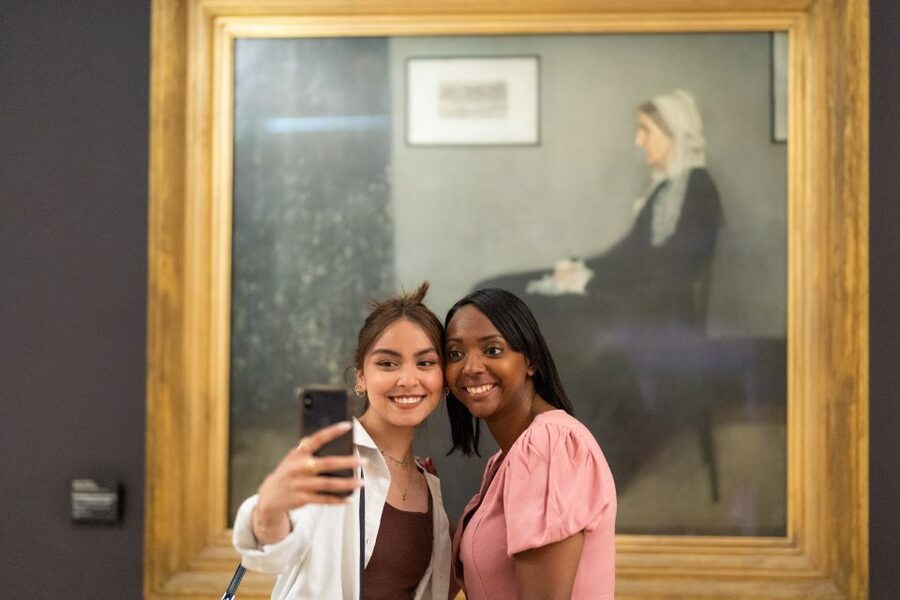
The Musée d’Orsay is art in a remarkable setting: a former Beaux-Arts railway station built for the 1900 World’s Fair. Inside, an expert guide leads you through Monet, Manet, Renoir, Degas, Van Gogh, and other artists who helped turn everyday life into modern art. I especially like the skip-the-ticket-line entry and the way the tour explains the scandals behind the paintings, not just their names and dates.
I also like the headsets, which matter when the galleries are crowded, and the freedom to remain inside after the guided portion ends. The catch is time. Ninety minutes passes fast, and some guides move briskly, so this works best as a focused introduction rather than a slow visit to every room.
Key points at a glance
- A former railway station: The museum’s grand Beaux-Arts structure is part of the experience, not just a container for the art.
- Major Impressionist highlights: Expect works connected with Monet, Manet, Renoir, Degas, Van Gogh, and the artists who challenged older rules.
- Stories behind the paintings: Your guide links brushwork and subject matter to social attitudes, artist rivalries, private lives, and public scandal.
- Useful crowd management: Guides such as Anthony, Avi, Perrine, and Sarah have been praised for finding good viewing spots in packed galleries.
- Stay after the tour: Once the guided visit ends, you can continue through the museum at your own pace.
- A focused English tour: The activity lasts about 1 hour 45 minutes, with the wider duration shown as 90 to 150 minutes depending on the start time.
Why the Musée d’Orsay deserves a place in your Paris plans
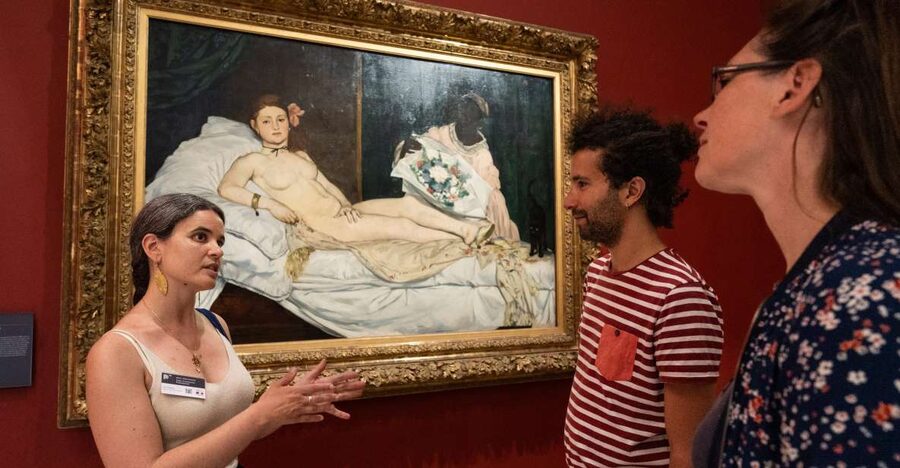
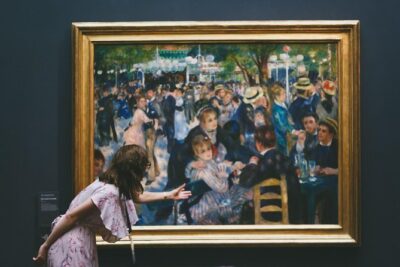
The Musée d’Orsay fills the gap between the older academic traditions seen at the Louvre and the more experimental art of the twentieth century. Its main collection centers on the period when artists began rejecting polished historical scenes in favor of modern streets, cafes, bedrooms, theaters, countryside, and ordinary people.
That shift sounds familiar now, but it was startling at the time. Painters used brighter colors, looser brushwork, and subjects drawn from daily life. The guide’s job is to help you see why those choices once caused outrage.
I find this especially useful if you know the paintings but not the story around them. A guide can point out how one artist influenced another, why a certain composition felt radical, or how a painting’s humor and social criticism would have landed with its first audience.
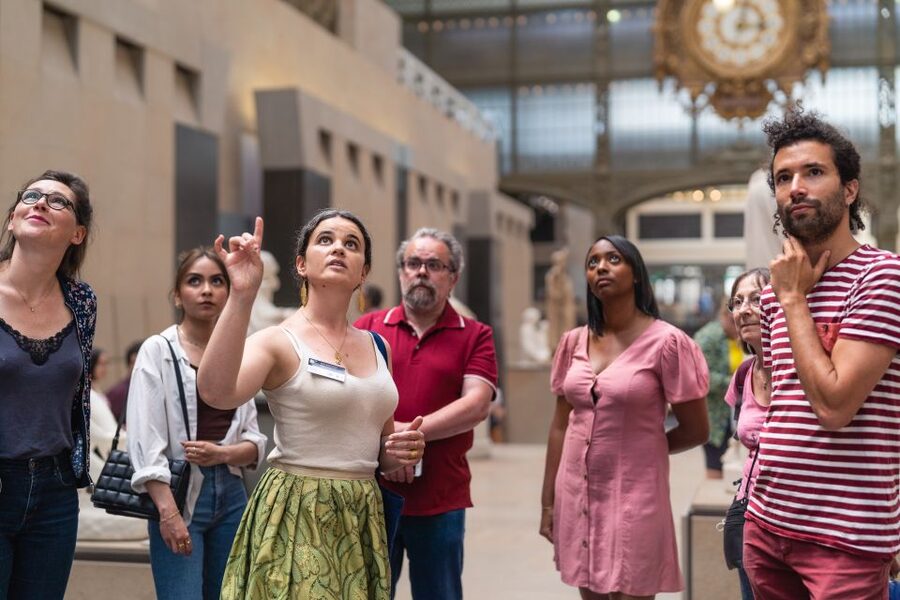
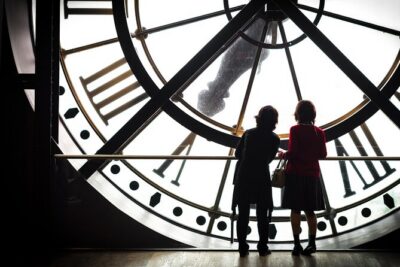
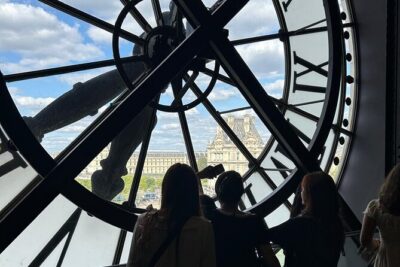
The museum itself also gives you an immediate sense of scale. The great former station hall, its clock, and the long views through the building make the visit feel different from a conventional gallery. You are not simply walking from white room to white room.
More Musée d’Orsay Tours:
- Paris in a Day: Louvre or Orsay, Eiffel Tower, City Walk & Cruise
★ 5.0 · 1,956 reviews - Paris: Musée d’Orsay Skip-the-Line Tour with Expert Guide
★ 4.5 · 1,145 reviews - The Musée d’Orsay Guided Tour Orsay Museum Semi-Private 6ppl Max
★ 5.0 · 904 reviews
Meeting your guide outside the museum
You meet opposite the main entrance to the Musée d’Orsay, beside the entrance to the Legion d’Honneur Museum. The guide wears a guide badge on an orange lanyard, which should make the meeting point easier to identify.
This detail matters because you should not join the regular museum lines. The tour includes a dedicated entrance and admission, so arriving at the wrong queue can waste time and create needless confusion.
The easiest public transport options listed are the RER Musée d’Orsay on Line C and Solferino Metro on Line 12. Give yourself enough time to locate the opposite-side meeting point, especially if you are arriving during a busy part of the day.
Large bags and luggage are not allowed. Pack lightly and avoid bringing anything you would normally need to leave at a luggage facility.
Inside the former railway station
Once inside, take a moment to look at the building before rushing toward the paintings. The station’s open design helps explain why the Musée d’Orsay feels so memorable. You can sense the original purpose of the space, even as the galleries guide you through a major change in art.
The tour is designed to give you an organized route through the museum’s principal works. That is valuable because the collection can feel overwhelming on a first visit. Instead of trying to read every label, you receive a clear path through the artists and ideas that shaped the period.
The guide will also point out less familiar works. This keeps the visit from becoming a simple parade of famous names. You may spend most of your time around celebrated paintings, but the surrounding works help show how styles developed and how different artists answered the same artistic problems.
How the guide brings Impressionism to life
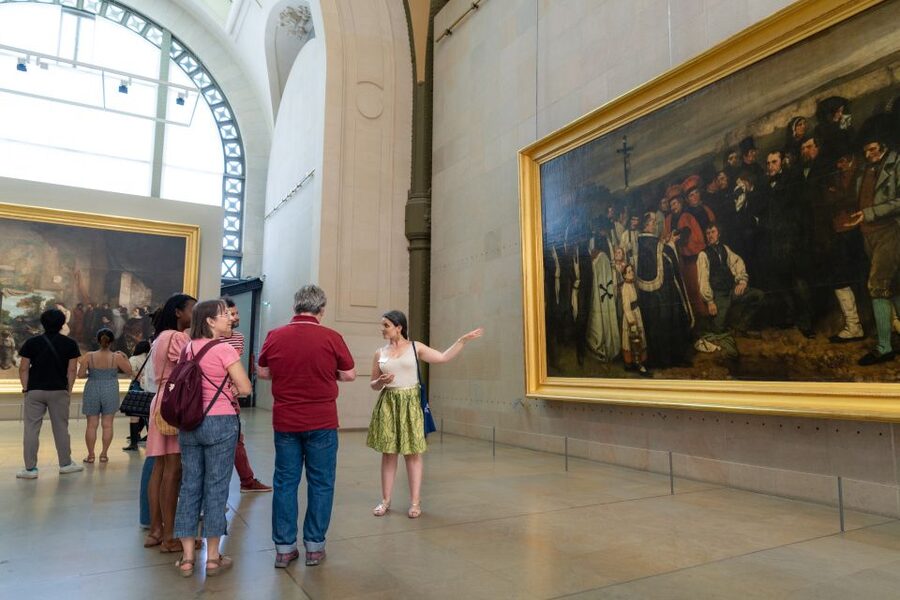
The strongest part of this experience is the storytelling. The guide does not only identify a painting and its creator. You learn about the rules the artists were pushing against, the public reaction to their work, and the relationships among painters who influenced one another.
The subject matter is often surprisingly lively. Artists painted modern people and places, used unusual viewpoints, and allowed brushstrokes to remain visible. Those choices could look unfinished or even insulting to viewers accustomed to carefully polished academic art.
Guides named Anthony, Avi, Perrine, Sarah, Simone, Sophia, Marjolein, Carolina, and others have received praise for making this material clear and engaging. The exact guide depends on your departure, but the recurring strength is the same: art history is presented through stories, context, humor, and close attention to the paintings.
Some guides also adjust their approach to the group. One family tour gave extra attention to Van Gogh and pointillism because of a child’s interests. That suggests you should ask questions early. A good guide may be able to spend a little more time on the artists or techniques that matter most to you, though the schedule remains limited.
More skip-the-line tickets in Paris:
- Versailles: Skip-the-Line Tour of Palace with Gardens Access
★ 4.7 · 9,778 reviews - Versailles: Skip-the-Line Guided Palace Tour and Full Access
★ 4.6 · 5,214 reviews - Louvre Museum: Skip-the-Line Small Group Guided Tour
★ 4.6 · 3,960 reviews - From Paris: Versailles Skip-the-Line Tour & Gardens Access
★ 4.7 · 3,011 reviews
The artists and works you are likely to encounter
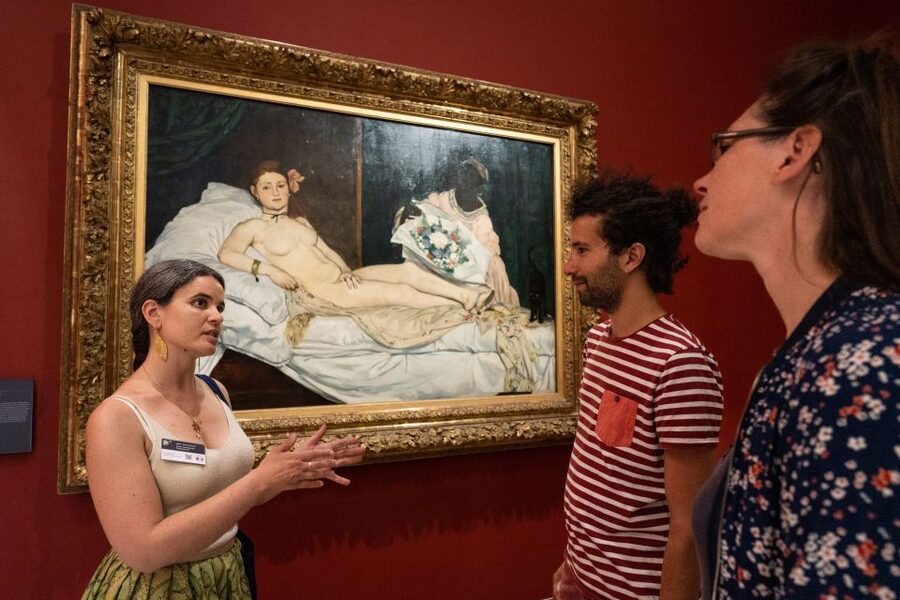
The tour focuses on the museum’s major highlights, including the Impressionists and the artists around them. Monet, Manet, Renoir, and Degas help explain the movement’s interest in modern life, changing light, movement, and informal scenes.
Van Gogh brings a different intensity. His paintings offer a useful way to discuss emotion, color, brushwork, and the way an artist’s personal life can shape how later generations view the work.
You will also encounter the broader transition into modern art. The point is not to memorize a list of painters. It is to see how one generation questioned accepted standards and opened the door for artists who followed.
The guide may draw your attention to details that are easy to miss in a crowded gallery: a line of brushwork, an odd angle, a social joke, or the way figures interact within a scene. Those small observations can change how you read a painting you thought you already knew.
Crowds, headsets, and the pace of the visit
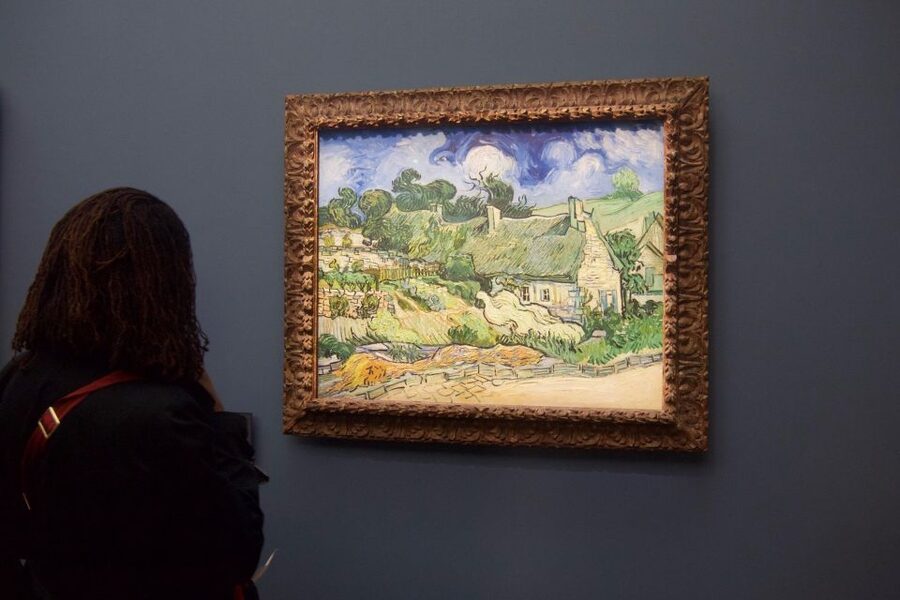
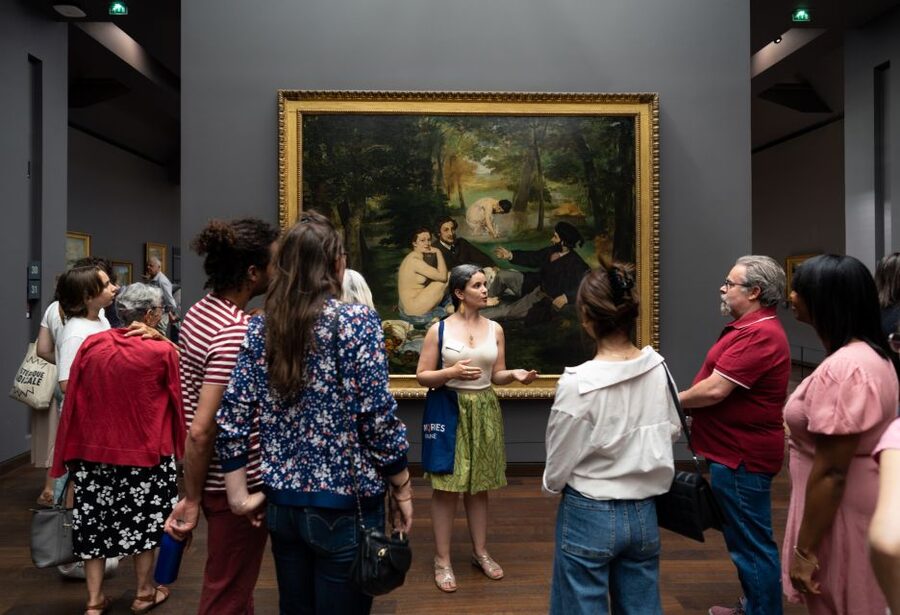
The Musée d’Orsay can be very crowded. That affects the experience more than the quality of the collection. You may need to wait for a clear view, and a large group can be difficult to keep together in narrow gallery areas.
This is where the guide adds practical value. Guides have been praised for moving groups through busy rooms, finding workable viewing positions, and keeping explanations audible. Headsets are provided when appropriate, and they are particularly helpful if you have trouble hearing in a noisy gallery.
The pace is the main tradeoff. A 90-minute visit can cover the essential works, but it does not leave much room for lingering. One guide may speak quickly or move rapidly between rooms, while another may pause longer for questions. If you want detailed time with every artist, plan to stay after the tour.
The guided portion is best viewed as a strong orientation. It helps you understand what you are looking at, then gives you the confidence to return to your favorite sections on your own.
Staying after the guided tour
You can remain in the museum after the tour ends. This is one of the best features of the booking because the guided route does not have to be your entire visit.
Use the remaining time to revisit paintings that caught your attention. You can also seek out works the guide passed quickly, explore the museum’s other galleries, or visit a temporary exhibition if one is available.
I recommend making a short mental list during the tour. Note the rooms, artists, or paintings you want to see again, then return to them while the information is still fresh. This turns a fast overview into a longer, more personal museum visit.
Do not expect the guide to provide a full museum survey in one sitting. The collection is too large for that. The value lies in gaining a framework, then using the rest of your time with purpose.
Is $82 a fair price?
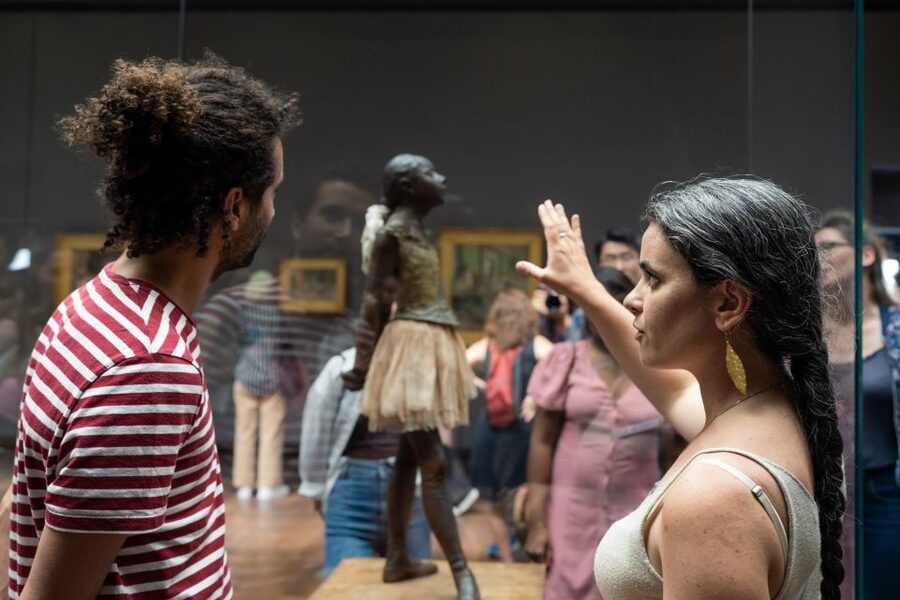
At $82 per person, this is not the cheapest way to enter the Musée d’Orsay. You are paying for more than admission. The price includes dedicated entry, all entrance fees, an English-speaking accredited local guide, headsets when needed, and a structured explanation of the art.
The value is strongest if you would otherwise wander without context or spend time in the wrong rooms. A good guide can help you see major works quickly, explain why they matter, and steer you through crowds. That saves both time and mental effort.
The value is weaker if you already know the collection well or prefer to read labels and set your own route. You may also feel rushed if your main goal is quiet contemplation of a few paintings.
For a first visit to the Musée d’Orsay, I consider the price reasonable if you care about understanding the art, not merely checking off famous paintings. Staying afterward makes the cost easier to justify because you can turn the guided visit into a longer museum outing.
Who will enjoy this tour most?
This tour suits first-time visitors, families, and anyone who wants art explained in plain language. It also works well for mixed-age groups. One guide successfully kept a group ranging from teenagers to people in their seventies engaged with clear presentations and a steady route.
It is a good choice if you enjoy social history, artist personalities, and the reasons behind artistic change. The stories about scandal, influence, private lives, and public taste give the paintings a human frame.
Families should note that the experience is not built only for specialists. A guide may adjust the route when a child has a strong interest in Van Gogh or another artist, but you should still expect a museum visit with regular walking and standing.
This is not suitable for wheelchair users according to the activity information. Large luggage is also not allowed, so plan your museum visit before collecting bags or heading to a train.
Booking details worth knowing
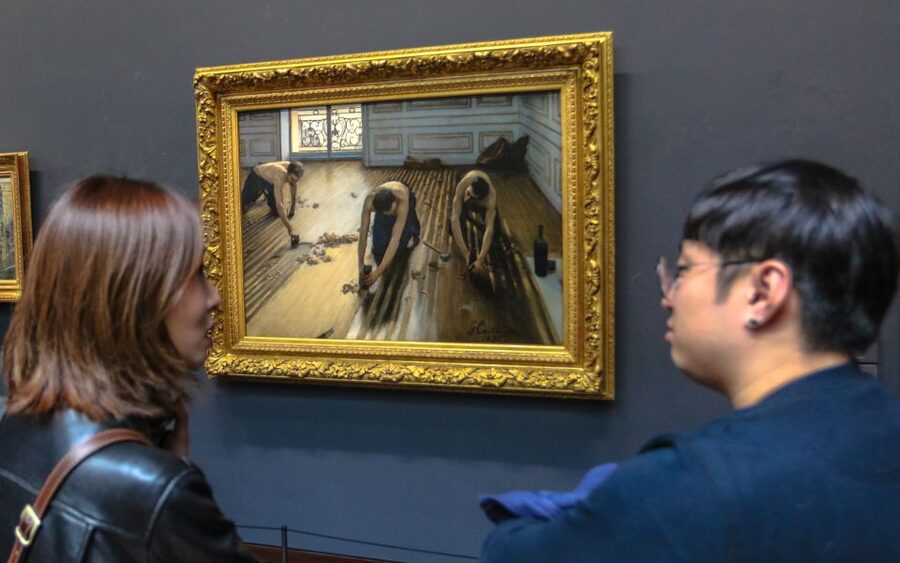
The experience is offered in English, with starting times shown when you check availability. The stated guided visit is 1 hour 45 minutes, while the overall duration range is listed as 90 to 150 minutes.
You can cancel up to 24 hours before departure for a full refund. Missed tours do not qualify for a refund, so arrive at the meeting point on time and do not enter the museum queue before finding the guide.
The provider is Memories France. Since guide assignments vary, names such as Anthony, Avi, Perrine, Sarah, and others should be treated as examples rather than a promise of who will lead your group.
Should you book the Musée d’Orsay guided tour?
Book it if you want a clear route through the Impressionist collection, help with the museum crowds, and stories that explain why these paintings changed art. The dedicated entry and chance to stay afterward make it a practical choice for a first visit.
Skip it if you already know the Musée d’Orsay well, dislike group pacing, or want to spend an hour studying just a few paintings. For most first-time visitors, though, the combination of expert guidance, major works, and extra time to explore makes this a useful way to meet one of Paris’s most rewarding museums.
FAQ
Where does the Musée d’Orsay tour meet?
Meet opposite the main entrance to the Musée d’Orsay, next to the entrance of the Legion d’Honneur Museum. Your guide will wear a guide badge on an orange lanyard.
Should I join the museum entrance line?
No. Do not get in the regular museum lines. The tour includes a dedicated entrance.
How long does the guided tour last?
The included guided tour lasts 1 hour 45 minutes. The activity duration is listed as 90 to 150 minutes, depending on the selected starting time.
Can I stay in the museum after the tour?
Yes. You can remain inside and continue exploring after the guided portion ends.
Is the tour offered in English?
Yes. The live tour guide language is English.
Which artists are covered?
The tour focuses on major works and artists connected with the Impressionist period, including Monet, Manet, Renoir, Degas, and Van Gogh.
Are headsets provided?
Headsets are provided when appropriate so you can hear the guide in the museum.
Are admission fees included?
Yes. Entrance fees are included in the tour price.
Can I bring luggage or a large bag?
No. Luggage and large bags are not allowed.
Is the tour suitable for wheelchair users?
No. The activity is listed as not suitable for wheelchair users.
Can I cancel the booking?
Yes. You can cancel up to 24 hours before departure for a full refund. Missed tours are not refundable.
Just added around Paris
- Paris: The Da Vinci Code Walking Tour with a Local Guide★ 4.3 · 5 reviews
- Paris: Flea Market Insider’s Tour in Extra-Small Group★ 4.6 · 73 reviews
- Paris: Private Fashion Tour (Chanel, Dior, Sex & the City)★ 5.0 · 3 reviews
- Paris: Floral Earrings workshop★ 5.0 · 3 reviews
- Paris: Fashion History Walking Tour in the Heart of Paris★ 4.9 · 22 reviews
- PARIS: Family e-bike longtail renting★ 5.0 · 3 reviews
- Paris: Famous Monuments Cycling Tour★ 4.7 · 20 reviews
- Paris: private city tour with seine river cruise★ 4.8 · 28 reviews
Musée d’Orsay Tours, compared.
Paris in a Day: Louvre or Orsay, Eiffel Tower, City Walk & Cruise
Read our review →
The Musée d’Orsay Guided Tour Orsay Museum Semi-Private 6ppl Max
Read our review →
Louvre & Musée d’Orsay Guided Museum Tour Semi-Private 6ppl Max
Read our review →
Orsay Museum – Exclusive Guided Tour (Reserved Entry Included)
Read our review →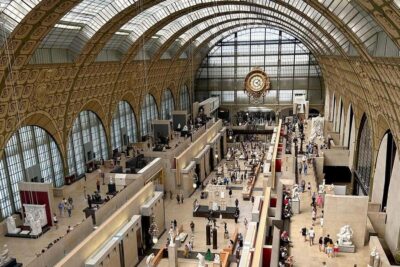
Orsay Museum and Rodin Museum Combo Entry Ticket
Read our review →
Browse the lists this tour appears in