
Reviewed · MUSéE D’ORSAY TOURS
Paris Musee d’Orsay PRIVATE TOUR with a Local Private Guide
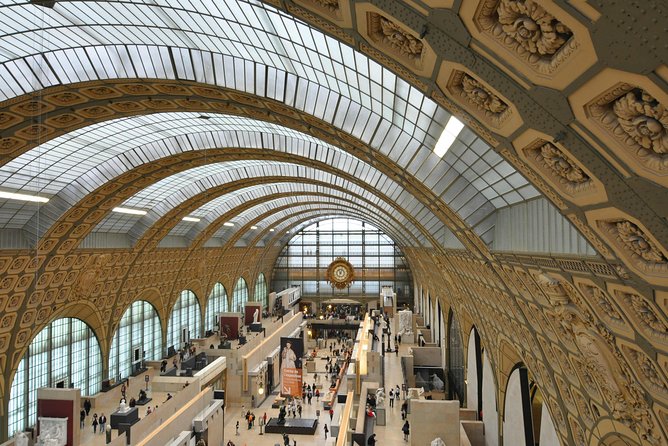
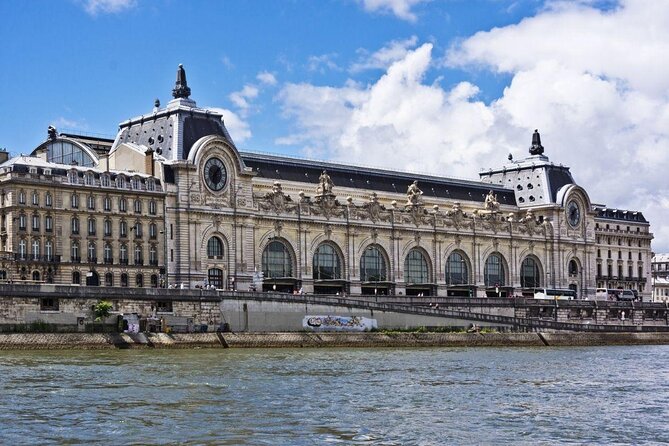
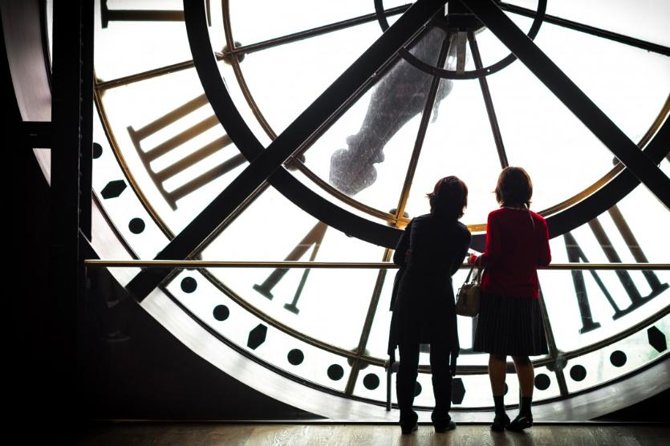
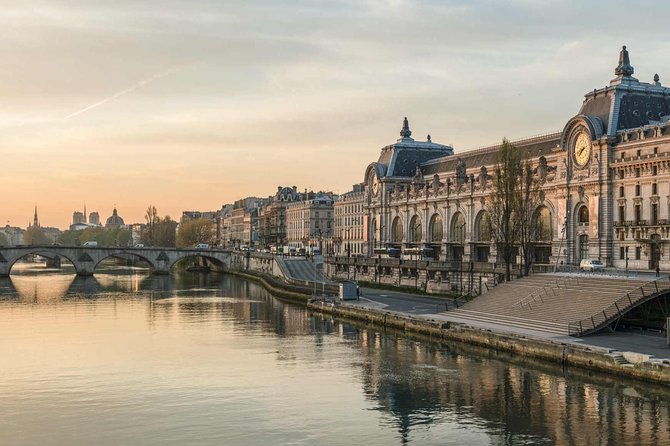
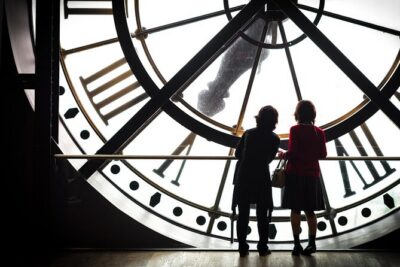
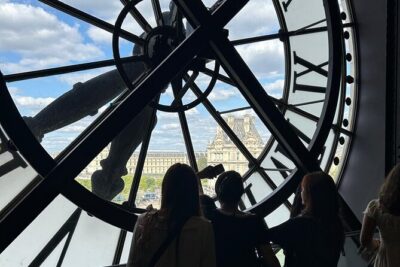
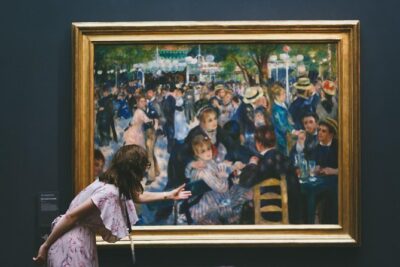
The old railway station is the first surprise here. The Musée d’Orsay’s huge clock, ironwork, and soaring former train hall give your visit a sense of occasion before you even reach the paintings. Inside, a private guide leads you to major works by Monet, Renoir, Degas, van Gogh, and others, explaining how Impressionism changed European art.
I like the personal focus: you can ask to concentrate on a favorite artist or style instead of following a fixed script. I also like the private format, especially for families or first-time museum visitors who want help making sense of a large collection. The main drawback is that the €16 entrance fee is extra, paid in cash to the host, and one delayed start left a group with less museum time.
- The former train station is part of the experience, not just a doorway to the galleries.
- Your guide can shape the visit around your interests, including Impressionism, Post-Impressionism, or sculpture.
- Anna and Julien have led particularly engaging visits, while Fernanda, Emmanuelle, Emmanuel, and Chrystelle have also guided groups.
- The advertised visit lasts about two hours, though one group reported spending closer to three hours with Julien.
- Admission costs €16 per person extra, paid directly to the host in cash.
- The private setup works well for families and small groups, with no unrelated participants joining you.
Why the Musée d’Orsay Works So Well With a Private Guide
The Musée d’Orsay is not a small, quick-stop museum. Its collection covers painting, sculpture, decorative arts, and photography from the mid-19th century into the early 20th century. You can wander happily for hours, but it is easy to miss why one painting matters beside another.
A private guide gives the visit a clear shape. Instead of trying to read every label, you can focus on the works that explain the larger story. Your guide may connect a Monet painting with Renoir, place van Gogh in the later Post-Impressionist movement, or show how sculpture by Rodin fits into the same period of artistic change.
That context is the real value. You are not simply ticking off famous names. You are learning how artists reacted to academic rules, changing city life, new ways of seeing, and one another. The guide’s job is to help you notice what your own eyes might miss.
This arrangement also suits people with different levels of interest. If you already know Impressionist painting, you can ask for less basic explanation and more discussion of technique or artistic influence. If you are new to the subject, you can ask your guide to build the story from the beginning.
The private format means the pace belongs to your group. You can stop for questions, spend longer with a favorite work, or move on when younger family members begin to fade. That flexibility is hard to get on a large group tour.
Meeting at Rue de la Légion d’Honneur
The tour begins at Rue de la Légion d’Honneur, near the Musée d’Orsay. The meeting point is close to public transportation, which makes it practical to reach from other parts of Paris.
You should arrive with enough time to find the guide and organize your entrance payment. The instructions call for the museum ticket to be paid directly to the host in cash, at €16 per person. That charge is separate from the tour price, so the advertised $79 is not the full cost of entry.
The guide meets you at the front of the museum and handles the start of the visit from there. Because this is a private activity, only your own party takes part. That matters if you want to ask plenty of questions or avoid the stop-and-go pace of a larger group.
Several start times are available. This is useful in Paris, where a museum visit must fit around meals, monuments, train schedules, and the rest of your day. Still, treat the starting time as important. One group arrived on time but waited about 20 minutes for the guide, and the tour ended at the scheduled time, reducing the time inside.
That was an isolated complaint among otherwise strong feedback, but it is a useful practical warning. If the museum is a key part of your day, confirm the meeting details and allow a little breathing room before your next appointment.
More Musée d’Orsay Tours:
- Paris in a Day: Louvre or Orsay, Eiffel Tower, City Walk & Cruise
★ 5.0 · 1,956 reviews - Paris: Musée d’Orsay Skip-the-Line Tour with Expert Guide
★ 4.5 · 1,145 reviews - Musée d’Orsay Skip-the-Line Tour with Expert Guide
★ 4.8 · 1,088 reviews
The Former Train Station Sets the Mood
The Musée d’Orsay occupies a former railway station, and the building deserves your attention before you reach the art. Its immense interior and famous clock create a striking contrast with the intimate paintings displayed in the galleries.
Your guide begins by helping you understand the building itself. This is more than a quick architectural note. The station’s original purpose helps explain the scale and design of the interior, while its later life as a museum gives the collection a memorable setting.
I recommend looking up and around as you enter. The building can be as impressive as the first painting you came to see. It also gives your guide an easy way to introduce the period covered by the museum and the changes taking place in Paris at the time.
The architectural introduction is especially useful for people who may otherwise rush straight toward the Impressionist rooms. The museum is not merely a container for famous canvases. The space shapes how you experience them.
Following Monet, Renoir, Degas, and van Gogh
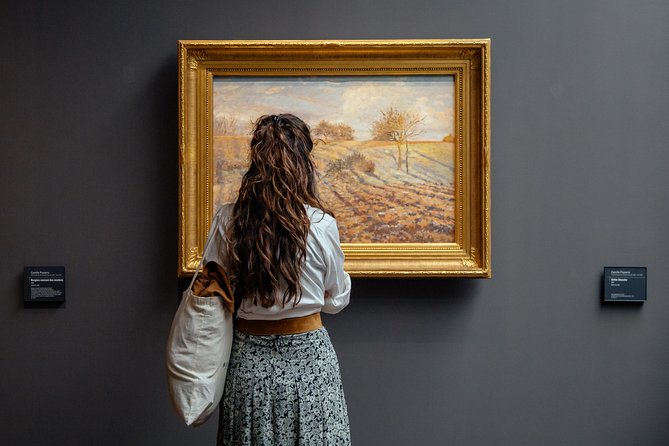
The central part of the tour focuses on major Impressionist and Post-Impressionist works. Monet, Renoir, Degas, and van Gogh are among the artists you can expect to see, though the exact route depends on your guide and your interests.
Your guide explains the artists in relation to one another. That approach is more useful than hearing isolated facts about each painter. You may begin with the Impressionists, then see how later artists pushed color, brushwork, composition, and subject matter in new directions.
Monet and Renoir offer a chance to compare different approaches within Impressionism. Degas brings another perspective, with an interest in movement, performance, and unusual viewpoints. Van Gogh helps show how painting moved beyond the Impressionist concern with immediate visual sensation toward a more personal and forceful style.
The guide can also explain the position of each work in the broader development of modern art. One French-language review praised the way the guide presented chronology, symbolism, and each work’s place in art history. That is exactly the kind of structure that helps a museum visit make sense.
You are not required to know the technical vocabulary in advance. A good private visit should make the paintings easier to look at, not make you feel as if you are taking an exam. The strongest guide feedback describes clear storytelling, patience, and careful answers to questions.
Sculpture and the Parts You Might Otherwise Miss
Painting gets most of the attention at the Musée d’Orsay, but the collection also includes important sculpture. One visit led by Julien included Rodin, Monet, and Renoir, with the group especially pleased by the sculpture as well as the paintings.
That is a good reason to tell your guide what interests you before the tour begins. If you only want the best-known Impressionist canvases, your guide can keep the route focused. If you have already seen the main paintings, you can ask for more sculpture or less familiar parts of the collection.
A private guide can also help you balance famous works with pieces that explain the period better. The most recognizable painting is not always the one that provides the clearest lesson. Sometimes a less familiar work shows a technique, subject, or artistic change more plainly.
The two-hour format requires choices. You will not examine every gallery in detail. Think of the tour as a guided introduction to the museum’s central ideas, followed by time to return to anything that caught your attention.
More private tours in Paris:
- Paris: Private Photoshoot at the Eiffel Tower
★ 4.7 · 2,636 reviews - Top Private Cruises in Paris with French Champagne and surprises
★ 5.0 · 1,553 reviews - Private Paris Airport Arrival Transfer – CDG & ORLY Airports
★ 4.5 · 1,119 reviews - Paris Private Arrival Transfer from Charles de Gaulle (CDG) or Orly (ORY)
★ 4.0 · 1,084 reviews
How the Two-Hour Format Really Feels
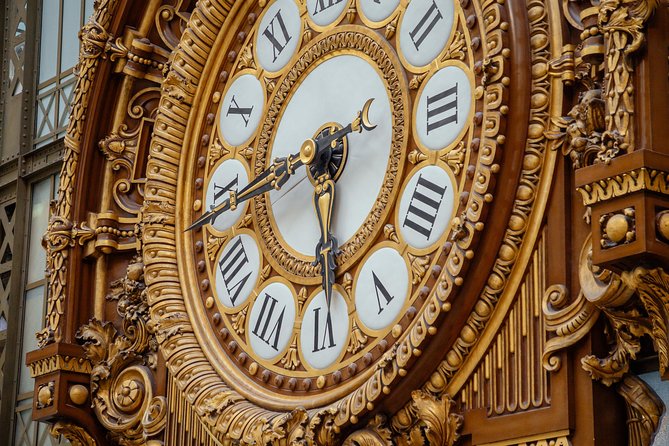
The scheduled duration is about two hours. That is long enough for a focused route through key works, but not long enough for a complete museum visit.
For many people, that is the right length. Art museums can become tiring, especially after a morning of sightseeing. A concise private visit gives you a strong framework without using the entire day.
Families may appreciate the shorter format. One guide, Julien, received praise for keeping a tired family engaged after a demanding morning at the Eiffel Tower. That detail matters because museum visits are not always happening under ideal conditions. A warm personality and good storytelling can make the difference between attention and exhaustion.
Some groups have spent around three hours with their guide, but you should plan around the stated two-hour duration. If the tour runs longer, treat that as a bonus rather than something guaranteed.
At the end of the guided portion, you can continue exploring at your own pace. This is one of the best features of the arrangement. The guide gives you a route and a set of ideas, then you can return to works you want to study or wander through another section of the museum.
What the Guides Bring to the Visit
The guide assigned to you is not specified in advance in the information provided, but several names appear in the guide feedback. Anna led repeat visits for one group, including a Louvre tour on the previous day. Her strengths were careful communication, strong explanations, and attention to the group’s interests.
Julien received repeated praise for his storytelling, patience, warmth, and ability to explain the development of Impressionist art. He also handled questions well and included both major paintings and Rodin sculpture.
Fernanda was described as effective for a group with limited time. Emmanuelle and Emmanuel were praised for clear explanations of artists, works, and museum highlights. Chrystelle was noted for being friendly and well informed about Impressionism.
You should not assume you will receive a particular guide unless the provider confirms it. Still, the range of names and positive comments suggests that the experience depends heavily on the individual guide. When you book, use the opportunity to state your interests clearly. Mention favorite artists, children in the group, previous museum visits, or a wish to focus on sculpture.
Price, Extra Admission, and Overall Value
The tour costs $79, but the museum entrance is not included. You also pay €16 per person directly to the host in cash. That makes the total cost higher than the headline price, so you should calculate the full amount for your group before booking.
The value comes from the private attention rather than from admission alone. If you are already comfortable navigating art museums and reading the labels, you may prefer to visit independently. If you have limited time or want a clear explanation of what you are seeing, the guide can make the museum much easier to appreciate.
The price is easier to justify for a family or small group that can share the private guide. You receive a route shaped around your own interests, rather than paying for several separate audio guides or trying to coordinate everyone without help.
Group discounts are available, though no specific discount amount is provided. Check the final booking price carefully, including the number of people and the extra €16 admission charge.
The experience is also described as carbon neutral. That will not change what you see inside the museum, but it may matter if you compare similar activities and want that factor included in your decision.
Who Should Book This Musée d’Orsay Tour?
I would recommend it most strongly to first-time visitors who want help finding the major works without spending half the day studying museum maps. It also suits couples or families who prefer conversation and questions over a fixed lecture.
You will get the most from it if you tell the guide what you want. A request to focus on Monet and Renoir will produce a different visit from a request for van Gogh, Rodin, or the development of modern art.
This is less useful for someone who wants a quiet, independent museum morning. It is also not the best choice if you need guaranteed access to every gallery or a long, detailed study of one artist. The two-hour plan is selective by design.
Most people can participate, and the museum is near public transportation. The activity is private, so your own group controls the conversation and pace. The main practical concern is the non-refundable booking policy, which means you should be certain about your date before paying.
Final Verdict: A Smart First Visit, With One Important Cost
Book this tour if you want the Musée d’Orsay to feel organized and understandable rather than overwhelming. The building, the Impressionist collection, and the chance to continue wandering afterward make a good combination.
I especially like the ability to set your own focus and the repeated praise for guides such as Anna and Julien. Their storytelling, patience, and attention to questions appear to be the best part of the experience.
Just remember three things: the tour is about two hours, the €16 museum ticket is extra and paid in cash, and punctuality may not always be perfect. For a private introduction to Monet, Renoir, Degas, van Gogh, and Rodin, the $79 price can be reasonable, particularly when shared by a small group.
FAQ
How long does the private Musée d’Orsay tour last?
The scheduled tour lasts approximately two hours. After the guided portion, you can continue exploring the museum independently.
Is the Musée d’Orsay entrance ticket included?
No. Admission is separate and costs €16 per person. The fee must be paid directly to the host in cash.
Is this a private activity?
Yes. Only your group participates in the activity, with no unrelated participants joining the tour.
Where does the tour begin and end?
The meeting point is on Rue de la Légion d’Honneur, 75007 Paris. The activity ends back at the meeting point.
Can I choose the tour’s focus?
Yes. The guide can tailor the visit to your interests, such as a favorite artist or artistic style. The tour includes major Impressionist and Post-Impressionist works, including artists such as Monet and van Gogh.
Can I cancel or change the booking?
No. The experience is non-refundable and cannot be changed for any reason. Cancellations or amendment requests do not receive a refund.
Just added around Paris
- Private Paris Marche d’Aligre Walking Tour with Tastings★ 5.0 · 8 reviews
- Private Louvre Museum Tour for Kids & Families with Alberto or his team in Paris★ 5.0 · 41 reviews
- Private Highlights of Paris Tuk-Tuk Experience★ 5.0 · 26 reviews
- Paris Latin Quarter Walking Tour: History & Culture – Small Group★ 5.0 · 14 reviews
- Private Highlights of Paris Bike Tour★ 4.5 · 15 reviews
- Private Half Day Historic Tour★ 5.0 · 58 reviews
- Pere Lachaise Cemetery Paris – Exclusive Guided Walking Tour★ 5.0 · 72 reviews
- Paris Revolutionary Walking Tour: Iconic French Sights & Stories★ 5.0 · 11 reviews
Musée d’Orsay Tours, compared.
Paris in a Day: Louvre or Orsay, Eiffel Tower, City Walk & Cruise
Read our review →
Musée d’Orsay Skip-the-Line Tour with Expert Guide
Read our review →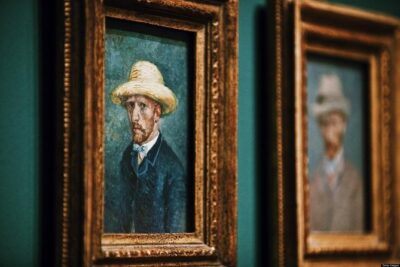
The Musée d’Orsay Guided Tour Orsay Museum Semi-Private 6ppl Max
Read our review →
Louvre & Musée d’Orsay Guided Museum Tour Semi-Private 6ppl Max
Read our review →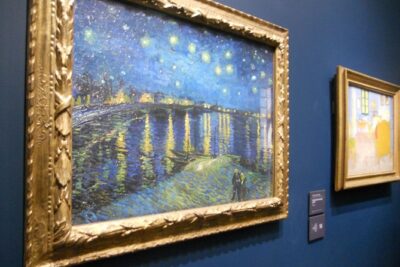
Orsay Museum – Exclusive Guided Tour (Reserved Entry Included)
Read our review →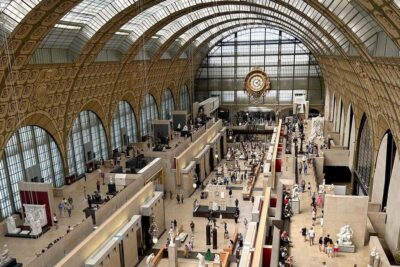
Orsay Museum and Rodin Museum Combo Entry Ticket
Read our review →Browse the lists this tour appears in