
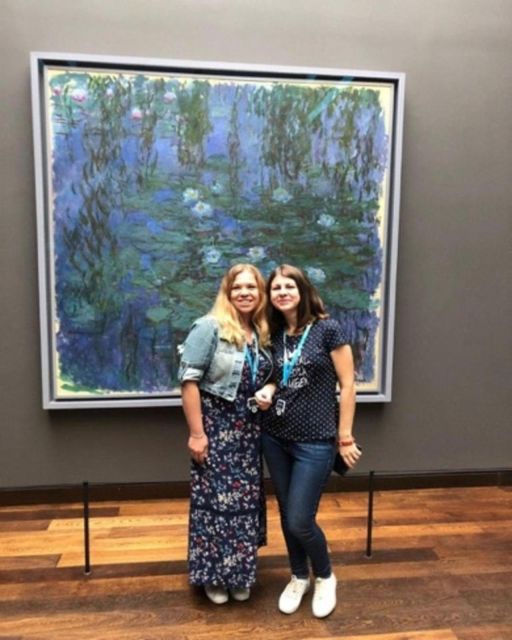
Reviewed · MUSéE D’ORSAY TOURS
Musée d’Orsay: Impressionists with skip-the-line ticket
The Musée d’Orsay gives you two experiences at once: a major art museum and a grand old railway station. This small-group tour takes you past the entry queue and into works by Monet, Renoir, Degas, Van Gogh, and Cézanne. I like the compact group of six, and I like that the guide connects paintings with the era’s railways, photography, cinema, and city planning. That makes the art easier to place in its time.
I also like the use of headsets, especially when the galleries are busy. The main caution is the price, $104 per person for two hours. That can be fair if you want a strong introduction and skip the wait, but it is a lot if you prefer to wander at your own pace. The meeting point can also be tricky if the elephant statues are moved.
Key points to know before you book

- The building is part of the tour: Musée d’Orsay occupies a former railway station built for electrical trains, so you study the architecture as well as the art.
- The group is limited to six: This allows the guide to speak directly with you and answer questions without the feel of a large museum herd.
- The collection reaches beyond Impressionism: Expect Realist paintings, Symbolist works, sculpture, Arts and Crafts, photography, early cinema, and 19th-century design.
- The tour lasts two hours: It offers a focused introduction, not enough time for every gallery or every famous painting.
- You skip the waiting line: A separate entrance is included, which matters at a museum that can draw long queues.
- Find the yellow sign: Meet the guide with the My Super Tour sign beneath the elephant statue outside the main entrance, but allow extra time if the statues have been removed.
Why the old railway station matters
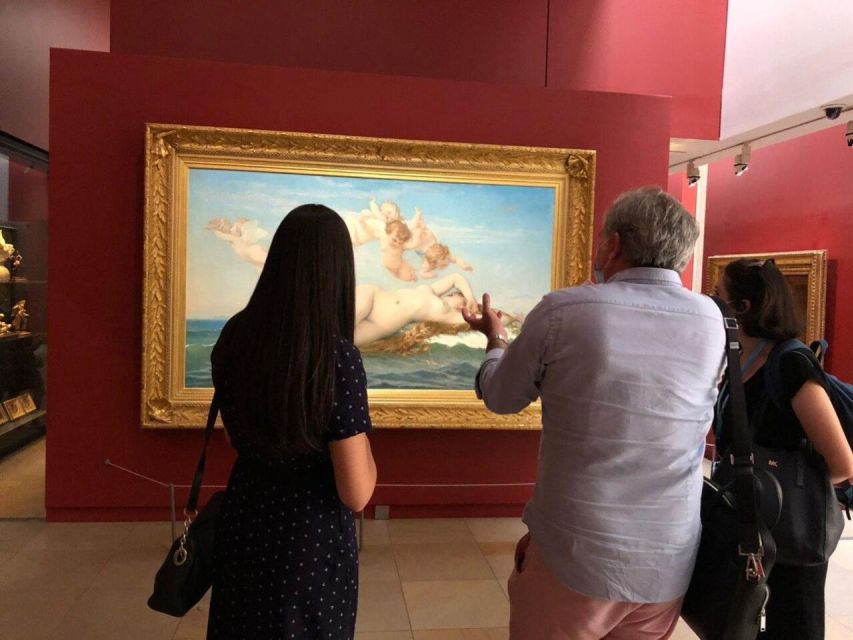
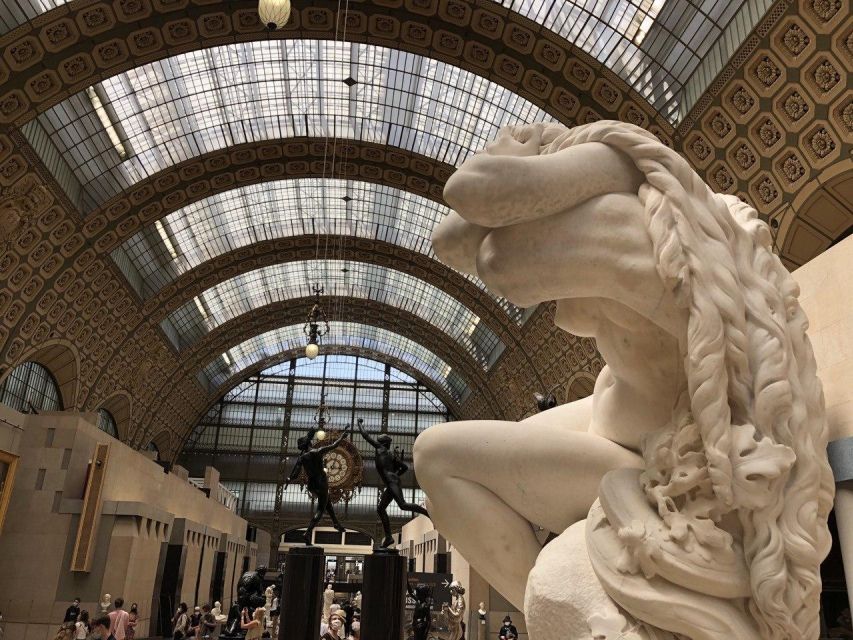
Musée d’Orsay is unusually satisfying because you begin with the building itself. The museum occupies the former Gare d’Orsay, a railway station transformed into a museum in 1986. The station was built for electrical trains, part of the period when new machines and transport systems were changing Paris.
That setting gives the tour a useful frame. You are not looking at 19th-century paintings inside a neutral white box. You are walking through a structure created by the same age that produced department stores, new streets, iron engineering, photography, and faster rail travel.
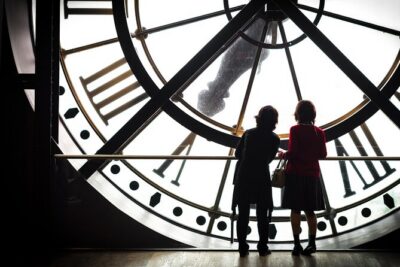
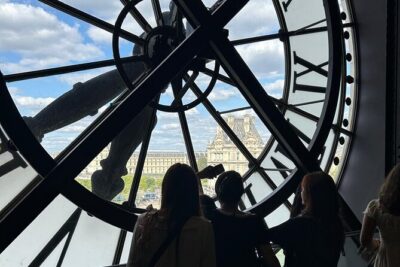
The great clock and long central space help you understand the station’s original purpose. The architecture also gives the guide a natural way to explain the era’s shifting tastes. Neoclassical order, neo-Gothic details, romantic drama, eclectic design, Arts and Crafts, and academic traditions all appear in the wider story.
I find this approach more useful than treating Impressionism as a sudden, isolated style. The movement grew out of a century full of arguments about tradition, modern life, technology, and what counted as a proper subject for art.
The tour also connects the station with nearby Paris. You may hear about the Palais Garnier opera house and the urban changes around the Opera district. These links matter because the city itself was changing as rapidly as the art on the walls.
More Musée d’Orsay Tours:
- Paris in a Day: Louvre or Orsay, Eiffel Tower, City Walk & Cruise
★ 5.0 · 1,956 reviews - Paris: Musée d’Orsay Skip-the-Line Tour with Expert Guide
★ 4.5 · 1,145 reviews - Musée d’Orsay Skip-the-Line Tour with Expert Guide
★ 4.8 · 1,088 reviews
How the two-hour route works
The experience is designed as a guided overview. In two hours, you move through the museum’s main themes rather than stopping for a long lecture at every painting. A good guide keeps the pace moving while giving you enough background to see why each work matters.
The small group helps here. With no more than six participants, you should be able to hear the guide’s explanations through the supplied headset and ask questions without shouting across a gallery. The headsets are a practical touch, not a fancy extra. Museum rooms can be noisy, and clear sound keeps you from missing the point while standing a few steps away from the guide.
The exact order can vary, but the visit brings together several connected subjects:
- Impressionist painting by Monet, Manet, and Renoir
- Cézanne’s still lifes
- Degas’s ballet dancers
- The artistic relationship and rivalry between Van Gogh and Gauguin
- Rodin’s sculpture
- Realist painters such as Millet and Courbet
- 19th-century architecture and urban planning
- Arts and Crafts and early modern design
- The first photographs and films
You should think of the tour as a guided map. It helps you understand where to return later if you have additional museum time.
Monet, Manet, and Renoir in one museum
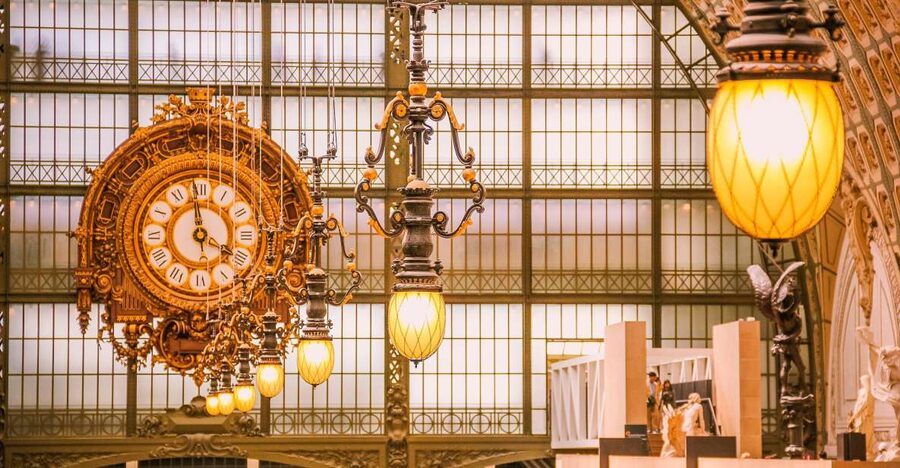
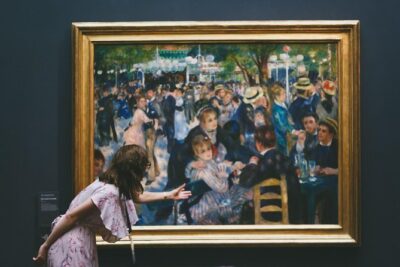
The Impressionist section is the main reason many people choose Musée d’Orsay, and the tour gives it proper attention. Monet, Manet, and Renoir show different answers to the same broad question: how should an artist paint modern life?
A guide can help you notice more than the pleasant first impression of color and light. You may be directed toward brushwork, changing viewpoints, ordinary urban subjects, and the tension between new painting and established academic rules.
Manet is especially useful in this story because his work connects older traditions with modern subjects. Monet and Renoir then show how artists pushed further toward broken color, changing light, and scenes that feel less formally arranged.
You do not need a background in art to follow this section. The value of the guide is that you get a few clear ideas to carry from one picture to the next. Instead of seeing a wall of attractive paintings, you begin to notice how artists were testing new ways to show time, movement, and city life.
Keep in mind that two hours is not enough for a slow study of every major Impressionist canvas. If one painting catches your attention, note its location and return after the guided portion if your admission time allows. The tour is best for orientation and context, not for quiet, private contemplation of each work.
Cézanne’s still lifes and Degas’s dancers
Cézanne’s still lifes may seem quieter than the Impressionist scenes, but they are important stops. A bowl, table, or arrangement of fruit becomes a way to study structure, balance, and the way the eye sees objects from different angles.
This is a good place to listen closely. Cézanne’s paintings reward a little patience, and a guide can point out features you might otherwise overlook. His work also helps explain how 19th-century experiments led toward later modern art without claiming that every painting has to be understood as a prediction of the future.
Degas’s ballet dancers offer a different kind of movement. His subjects are not simply posed performers. The unusual viewpoints and off-center arrangements make you feel that you have caught a moment rather than been given a formal stage picture.
The contrast between Cézanne and Degas gives the tour welcome variety. One asks you to study the construction of objects. The other asks you to notice bodies, gesture, rehearsal, and the cut-off edge of the scene.
More skip-the-line tickets in Paris:
- Versailles: Skip-the-Line Tour of Palace with Gardens Access
★ 4.7 · 9,778 reviews - Versailles: Skip-the-Line Guided Palace Tour and Full Access
★ 4.6 · 5,214 reviews - Louvre Museum: Skip-the-Line Small Group Guided Tour
★ 4.6 · 3,960 reviews - From Paris: Versailles Skip-the-Line Tour & Gardens Access
★ 4.7 · 3,011 reviews
Van Gogh, Gauguin, and the pressure of artistic change
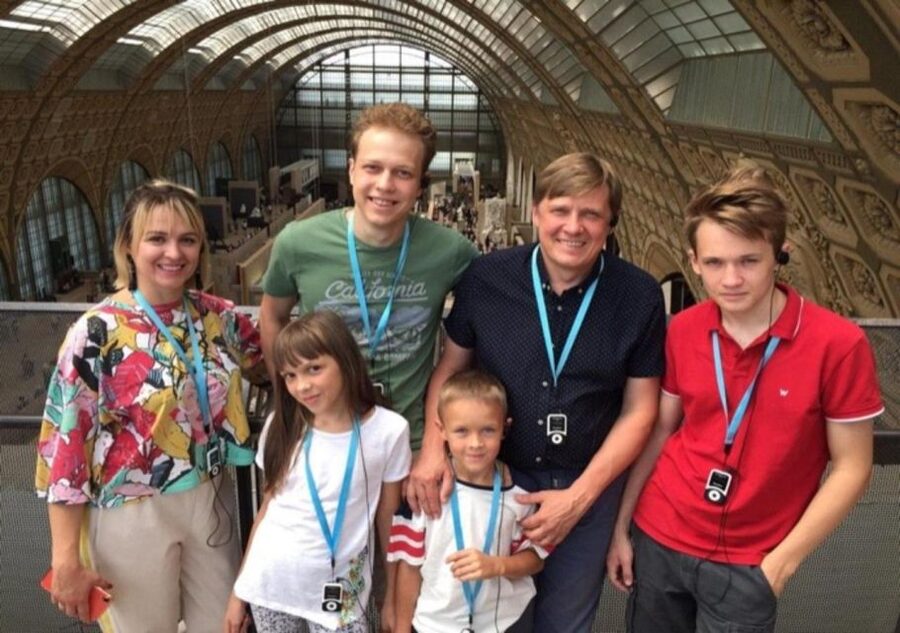
The section on Van Gogh and Gauguin adds personal drama without reducing the paintings to biography. Their artistic connection and competition make a useful comparison. You can look at how each artist used color, line, and expressive force in different ways.
This is one of the places where a guide earns the fee. It is easy to glance at a Van Gogh and simply label it emotional or energetic. A strong explanation gives you something more precise to watch for, such as the handling of paint, the intensity of color, or the way the picture turns the subject into a personal statement.
The comparison with Gauguin keeps the story from becoming one-sided. You see two artists searching for new answers, but not in the same direction. The tour presents their concurrence as part of the larger push away from strict academic rules.
Do not expect a full study of either artist in two hours. Expect a clear introduction and enough context to make a later solo visit more rewarding.
Courbet, Millet, and Rodin bring art down to earth
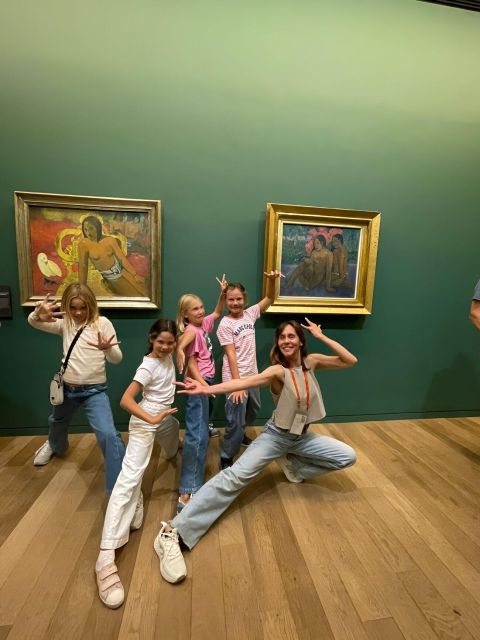
Realism is another important part of the visit. Millet and Courbet turned attention toward rural workers, physical labor, ordinary bodies, and subjects that academic painting often treated as less noble.
Courbet’s The Origin of the World is included among the works discussed. It remains provocative because of its direct subject and refusal to soften what it shows. The painting is not just a shock stop. It opens questions about censorship, the body, the viewer, and the limits set by 19th-century taste.
Rodin shifts the focus from painted surface to sculpture. His work brings weight, texture, and the human body into the story. A guide can help you look at how a sculpture occupies space, how the surface catches light, and how an unfinished or rough section can become part of the artistic effect.
These stops are useful for anyone who thinks the museum is only about pastel Impressionist scenes. The collection is broader and sometimes more challenging than that label suggests.
Photography, cinema, and the age of invention
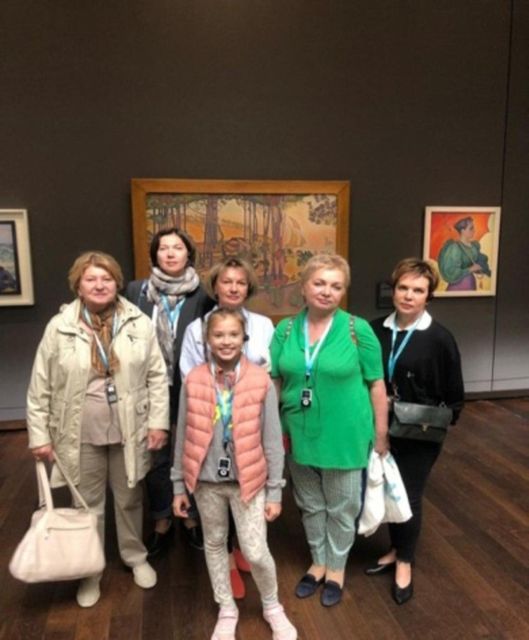
The tour also reaches beyond painting. Musée d’Orsay presents the beginnings of photography and early cinema, including the first photographs and films created by the Lumière brothers.
This section gives the 19th century a different sense of speed. Artists were no longer the only people shaping how the world was recorded. Cameras could capture faces, streets, events, and movement in ways that paintings could not.
The first model of the Statue of Liberty is another memorable link to industrial and technical development. It helps show how art, engineering, national identity, and public monuments overlapped during the period.
I appreciate this wider scope because it prevents the tour from becoming a list of famous painters. You see a century in motion, with new tools changing both daily life and visual culture.
What makes the small group worthwhile
A six-person limit is one of the strongest features of this booking. Large museum tours can make you work hard just to stay near the guide. Here, the format should make it easier to hear, see, and ask a question at the right moment.
The guides also bring different strengths. Sacha has been praised for clear English and for combining art with Parisian history. Deli is associated with an enthusiastic overview of the Impressionist artists and careful attention to group needs. Maria was described as a particularly fortunate guide after a meeting-point problem was resolved.
Those names do not guarantee who will lead your departure, but they give you a sense of the guide-led nature of the experience. The available languages are English and Russian, and the professional licensed guide is included.
The headsets matter more than you might expect. You can remain close to a painting while still hearing the explanation, rather than trying to read lips from the back of a crowd.
The price, timing, and practical trade-offs
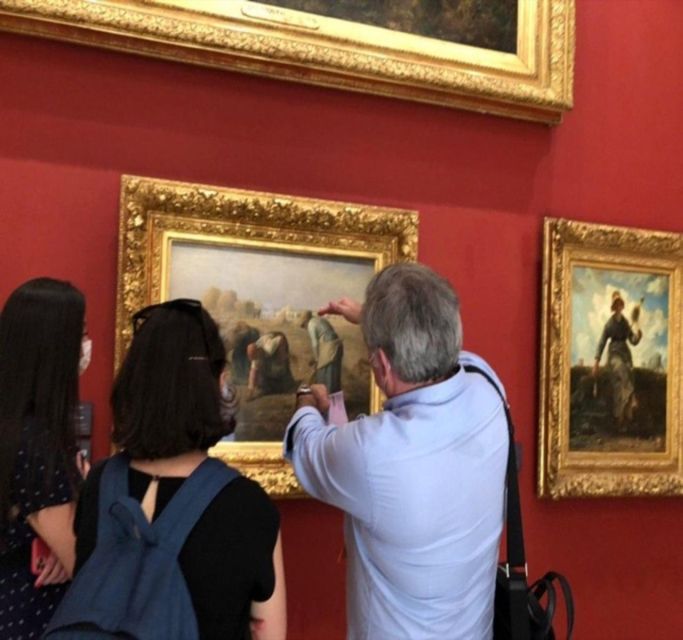
At $104 per person, this is a premium two-hour museum visit. The price includes admission, the licensed guide, skip-the-line access, and headsets. Its value depends on how you like to visit museums.
I think the price is easier to justify if you have limited time in Paris, want a strong first introduction, or feel uncertain about how to approach a large collection. Skipping the line can also protect a tightly planned day, though the tour does not promise unlimited time inside afterward.
The price is harder to justify if you already know the museum well, prefer audio guides or printed information, or want to spend an entire afternoon with a handful of paintings. In that case, a standard ticket and self-guided visit may suit you better.
The duration is fixed at two hours, with starting times listed according to availability. Plan to arrive early. The meeting point is under the elephant statue in front of the main entrance, and the guide carries a yellow My Super Tour sign. One practical warning is worth remembering: the elephants may be moved, so the landmark is not foolproof. If you cannot spot the guide, contacting the tour headquarters may be necessary.
The tour is not suitable for wheelchair users. That is an important limitation for anyone who needs accessible arrangements.
Free cancellation is available up to 24 hours in advance, and you can reserve now while paying later. Those terms give you some flexibility, but check the booking details for your chosen time before making plans around it.
Who should choose this Musée d’Orsay tour?
I would choose this for a first visit to Musée d’Orsay, especially if you want to understand how Impressionism fits into the wider 19th century. It is also a good match for anyone who enjoys architecture, urban history, photography, sculpture, and technology along with painting.
Families and mixed-interest groups may appreciate the range of subjects. The former station, the Statue of Liberty model, early film, ballet dancers, and dramatic paintings give the guide several ways to keep the visit moving.
Art specialists may find the two-hour format too brisk. So may repeat visitors who already have a personal list of works to study. The tour does not replace time alone in the galleries. It gives you a framework, then leaves you better prepared to explore.
Should you book it?
Book this tour if you value clear explanations, a small group, and a fast start inside one of Paris’s most popular museums. The strongest reasons are the guide’s broad subject range, the building-centered approach, the headsets, and the chance to connect Impressionism with Realism, sculpture, photography, and early cinema.
Skip it if $104 feels high for two hours or if you want to set your own pace. If you do book, arrive early, watch for the yellow sign, and allow for the possibility that the elephant landmark has been moved. For a first-time visitor with limited Paris time, this is a focused and useful way to make sense of Musée d’Orsay.
FAQ
How long does the Musée d’Orsay tour last?
The tour lasts two hours. Starting times vary, so check availability when choosing your booking.
What languages are available?
The live guide conducts the tour in English or Russian.
How large is the group?
The group is limited to six participants.
What is included in the price?
The $104 price includes the entrance ticket, skip-the-line access, a professional licensed guide, and headsets for hearing the guide more clearly.
Where is the meeting point?
Meet under the elephant statue in front of the main entrance of Musée d’Orsay. Look for the guide holding a yellow My Super Tour sign. The elephants may occasionally be moved, so allow extra time to locate the meeting point.
Is the tour suitable for wheelchair users?
No. The activity is listed as not suitable for wheelchair users.
Just added around Paris
- Paris: The Da Vinci Code Walking Tour with a Local Guide★ 4.3 · 5 reviews
- Paris: Flea Market Insider’s Tour in Extra-Small Group★ 4.6 · 73 reviews
- Paris: Private Fashion Tour (Chanel, Dior, Sex & the City)★ 5.0 · 3 reviews
- Paris: Floral Earrings workshop★ 5.0 · 3 reviews
- Paris: Fashion History Walking Tour in the Heart of Paris★ 4.9 · 22 reviews
- PARIS: Family e-bike longtail renting★ 5.0 · 3 reviews
- Paris: Famous Monuments Cycling Tour★ 4.7 · 20 reviews
- Paris: private city tour with seine river cruise★ 4.8 · 28 reviews
Musée d’Orsay Tours, compared.
Paris in a Day: Louvre or Orsay, Eiffel Tower, City Walk & Cruise
Read our review →
Musée d’Orsay Skip-the-Line Tour with Expert Guide
Read our review →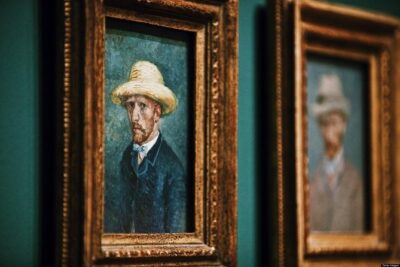
The Musée d’Orsay Guided Tour Orsay Museum Semi-Private 6ppl Max
Read our review →
Louvre & Musée d’Orsay Guided Museum Tour Semi-Private 6ppl Max
Read our review →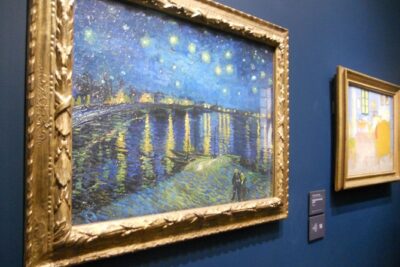
Orsay Museum – Exclusive Guided Tour (Reserved Entry Included)
Read our review →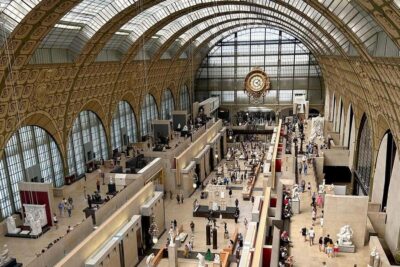
Orsay Museum and Rodin Museum Combo Entry Ticket
Read our review →Browse the lists this tour appears in