
Reviewed · PARIS ART MUSEUM TOURS
Paris: Centre Pompidou Skip-the-Line Guided Museum Tour
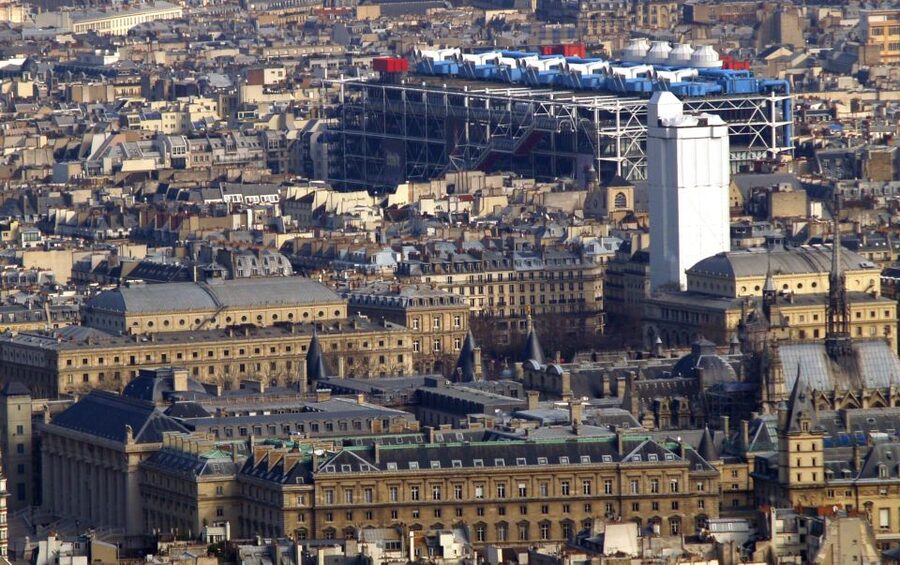
The best part of this Pompidou Centre tour is the way it joins the building and its art. You begin outside, studying Renzo Piano’s famously inside-out design, then move through Cubism, Fauvism, Dada, Surrealism, Pop Art, and later movements with a guide who gives the works a clear social setting. The rooftop view adds a welcome change of pace.
I like the small group, limited to eight people, and the chance to discuss difficult modern art instead of simply walking past it. I also like the broad route through the collection, from Picasso and Matisse to Salvador Dalí, Marcel Duchamp, Andy Warhol, and Jackson Pollock. The main drawback is the price, $371 per person, which only makes sense if you place a high value on expert guidance and a personal visit.
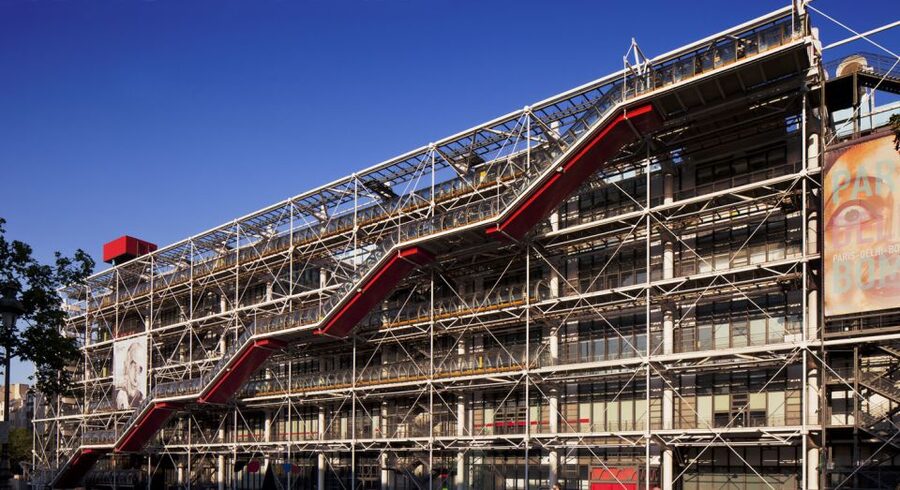
- Inside-out architecture: Learn why the Pompidou Centre puts its pipes, escalators, and structural systems on the outside.
- A guided route through art history: Move from Cubism and Fauvism to Dada, Surrealism, Pop Art, Fluxus, and Minimalism.
- Small-group attention: The semi-private format allows up to eight participants, while a private option offers more personal focus.
- Major artists in context: See works by Picasso, Matisse, Dalí, Duchamp, Warhol, Pollock, Mondrian, O’Keeffe, and others.
- A Paris view from above: Finish near the top of the museum with a panorama across the city.
- Guides who make a difference: Dunya, Belen, and Tanya have each been praised for making modern art easier to understand and connecting it to current social ideas.
Why the Pompidou Centre Works Best With a Guide
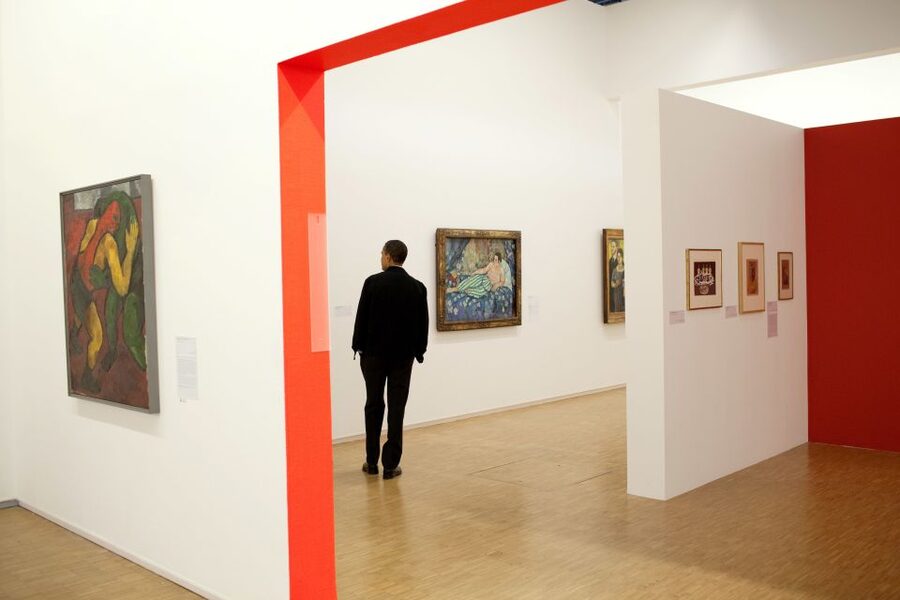
The Pompidou Centre can feel like a lot to take in. Its National Museum of Modern Art collection contains nearly 3,200 works, covering a long stretch of art history and many movements that can seem baffling at first glance.
I find a guide especially useful here because modern art rarely explains itself in a single image. A Picasso painting may make more sense once you understand Cubism. A Dada work becomes sharper when you know it grew from disgust with the violence of World War I. Warhol’s art carries more weight when you see it as part of a changing culture of mass production and celebrity.
This tour gives you a route through those changes. You are not promised every important work in the museum, and collections can change during the year, but you get a guided introduction to major ideas and artists. That is a good fit if you want a framework for the museum rather than a long, unguided walk through its galleries.
The English-speaking guides named in the feedback include Dunya, Belen, and Tanya. Their strongest quality is not simply identifying artists and dates. Tanya, in particular, was praised for connecting art and artists to social contexts in a modern, current way. Belen was described as highly expert in several areas of art, while Dunya was credited with making modern and contemporary art much easier to understand.
You should still keep your expectations realistic. A 2.5-hour tour cannot cover the entire collection in detail. Think of it as a smart introduction that helps you return to the museum later with better questions.
Starting Outside on Rue Beaubourg
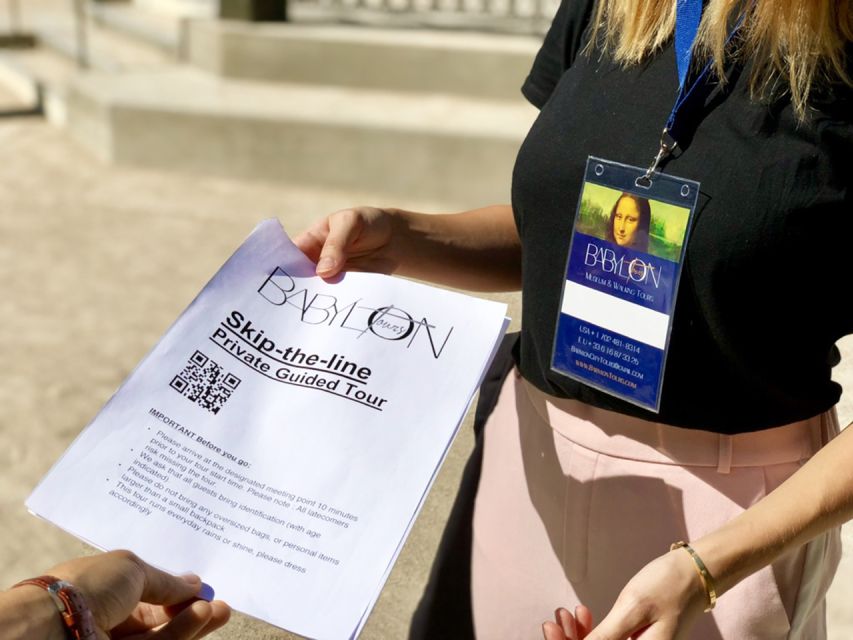
You meet your guide by the blue parking sign at the corner of Rue Beaubourg and Rue Rambuteau. This is an outdoor meeting point, so arrive with enough time to locate the corner before the start time.
The tour begins outside the building rather than with a rushed dash to the ticket entrance. That choice matters. The Pompidou Centre is one of Paris’s most unusual museum buildings, with service pipes, escalators, and structural elements displayed on its exterior instead of hidden behind walls.
Renzo Piano designed the building as an inside-out structure. Its colored exterior systems are not just decoration. They reflect the building’s practical workings and leave the interior more open for changing exhibitions and large-scale displays.
Your guide uses the exterior to explain how the museum came about and why it looks so different from traditional Paris institutions. This architectural introduction helps you understand the building before you begin judging the art inside it.
You will also want to keep your group in sight at this point. The meeting instructions are specific, but busy city corners can still cause confusion. If an urgent issue comes up, contact the guide using the details sent by Babylon Tours. Check your spam folder if the message is missing.
More art museums in Paris:
- Paris: Orsay Museum and Rodin Museum Combo Entry Ticket
★ 4.4 · 470 reviews - Paris: Picasso Museum Ticket & Optional Seine River Cruise
★ 4.7 · 277 reviews - Paris: Rodin Museum Entry Ticket
★ 4.5 · 220 reviews
From Picasso and Matisse to the Shock of Dada
Inside, the route begins with modern art and its major turning points. The guide discusses Cubism in front of a Picasso painting, giving you a chance to see how artists broke familiar objects into shifting planes and viewpoints.
The next stop includes Fauvism and a Matisse. This is useful because Matisse helps show how color itself became a subject. Instead of treating color as a quiet tool for making a scene look natural, artists used it to create mood, energy, and structure.
The tour then places art against the two World Wars. That historical setting is not an extra lecture tacked onto the visit. It helps explain why artists abandoned older styles and adopted stranger, harsher, or more playful forms.
Dada is one of the clearest examples. The movement reacted to the gore and absurdity of World War I, using dark humor, chance, protest, and deliberate nonsense. Marcel Duchamp is among the important artists connected with this period, and seeing his work in the museum gives you a useful anchor for the movement.
This portion of the tour is especially helpful if you normally find modern art irritating or confusing. The guide does not need to convince you that every piece is beautiful. Instead, the goal is to show what problem the artist was addressing and why the work caused a stir.
Some museum spaces are silent rooms, where talking is not allowed. Your guide will need to adjust the discussion in those areas, and you should respect the quiet rules. That may mean looking closely first and hearing the explanation elsewhere.
Salvador Dalí and the Surrealist Imagination
Surrealism brings a different mood. The tour includes works by Salvador Dalí and explains how artists explored dreams, the unconscious, and images that do not follow ordinary logic.
Dalí is a useful artist to see with a guide because his work can attract attention at a surface level. The more interesting question is what happens when familiar objects are placed in impossible settings or given unsettling meanings.
The Pompidou route also shows how modern art moved between serious theory, personal fantasy, humor, and provocation. You may not respond equally to every movement, but the sequence helps you see that modern art was not one single style. It was a series of arguments about what art could be.
That variety is one reason I prefer this visit to a tour focused only on famous paintings. You see how artists challenged materials, subjects, institutions, and even the idea of artistic skill itself.
Warhol, Pollock, Mondrian, and the Wider Collection
The tour continues into Pop Art, including works by Andy Warhol. Pop Art brought ordinary commercial images, advertising, packaging, and celebrity culture into serious museum discussion.
Warhol is easier to understand when you consider repetition and mass production. His work asks how an image changes when it is copied again and again, and how commercial culture shapes what people want to look at.
The collection also includes movements such as Bauhaus and Abstract Expressionism. You might see work connected with artists including Georgia O’Keeffe, Jackson Pollock, and Piet Mondrian, along with major French artists and other international figures.
This broader selection keeps the tour from becoming a short list of French names. The Pompidou’s collection places French art in conversation with artists from elsewhere, which helps you see Paris as part of a wider exchange rather than an isolated center.
Abstract Expressionism can be a sticking point for some people. Large, loose, energetic paintings may appear simple until you consider gesture, scale, emotion, and the physical act of painting. A guide can point out these choices, though your own response may still be mixed. That is perfectly fair. The tour gives you context, not a required opinion.
Same city, a completely different afternoon:
- Paris: Louvre Museum Timed-Entrance Ticket
★ 4.6 · 71,977 reviews - Disneyland® Paris 1-Day Ticket
★ 4.6 · 49,412 reviews - Paris: Versailles Palace and Gardens Full Access Ticket
★ 4.6 · 41,579 reviews - Paris: Evening River Cruise with Music
★ 4.4 · 22,721 reviews
Contemporary Galleries and Dubuffet’s Winter Garden
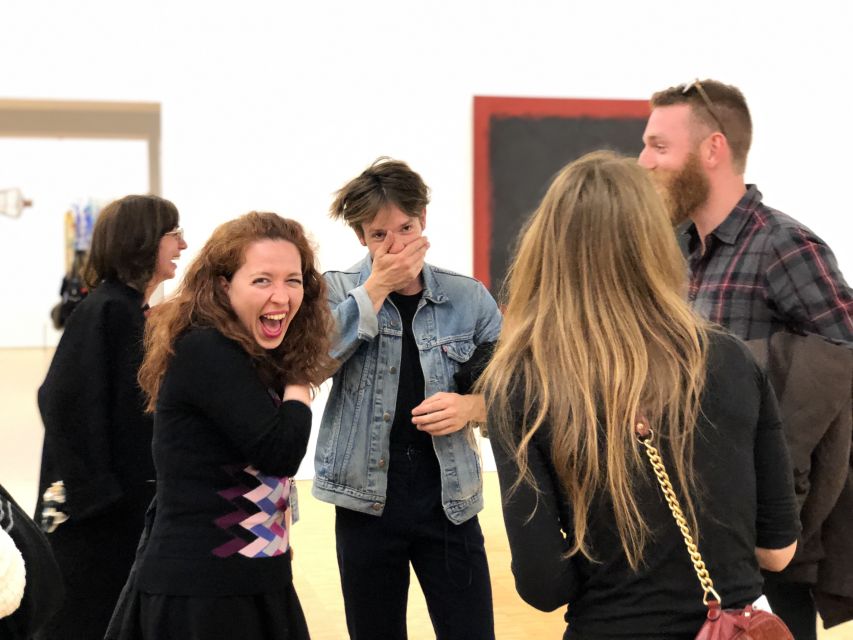
The later galleries bring the story into more recent art. You learn about movements such as Fluxus and Minimalism, which questioned traditional artistic objects and the role of the artist.
These sections can feel less familiar than Picasso or Dalí. Fluxus, for example, is tied to experimentation and everyday actions, while Minimalism often reduces form and materials to a small number of basic elements. A guide is valuable here because the work may not look like what you expect from a museum.
One notable stop is Jean Dubuffet’s Winter Garden installation. It gives the contemporary section a physical, environmental quality. Instead of viewing only framed works on walls, you encounter an installation that changes how you move through and experience the space.
Collections can vary throughout the year, so the exact works and room order are not guaranteed. Temporary exhibits are also not included in the admission for this tour. If a special exhibition is high on your list, check separately before booking.
The museum can also close areas without much warning. If opening is delayed by more than an hour, an alternative is offered, but refunds or discounts are not provided for occasional changes of this kind. That policy is worth keeping in mind when planning a tightly timed Paris day.
The Top Floor View Gives the Tour a Pause
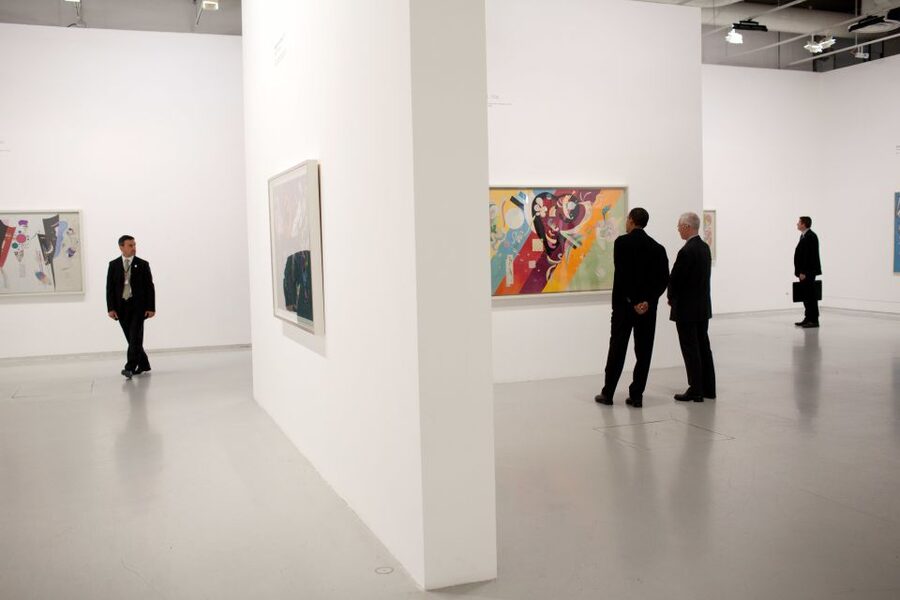
The tour reaches the top floor, where you can take in a distinctive panorama of Paris. After several galleries filled with arguments, symbols, and unfamiliar forms, the view gives you a chance to reset.
I like this part because it connects the museum to the city around it. You are not only studying a collection inside a building. You are looking back at Paris from an institution that deliberately broke with traditional museum design.
The view is part of the tour, not a separate rooftop visit. Weather, museum operations, or access restrictions could affect what is available, so treat it as an important feature rather than an absolute guarantee.
Is $371 a Fair Price?
At $371 per person, this is a costly museum visit. The value depends on how you use the guide.
If you already know modern art well and are comfortable making your own way through the Pompidou Centre, the price may feel excessive. You can visit a museum without paying for a private or semi-private explanation, and the tour does not include food, drinks, hotel pickup, or temporary exhibits.
I see stronger value for someone who wants a focused introduction during a first Paris visit. The group size is limited to eight, the entry is skip-the-line, and the guide leads you through several major movements instead of leaving you to sort out the collection alone.
The price also makes more sense for a private booking, when you want the guide to adjust the pace and discussion to your own group. The experience information uses both semi-private and private group wording, so check the exact option before paying. The semi-private tour requires at least two participants. If that minimum is not met, an alternative date or full refund is offered.
This is not the cheapest way to see the Pompidou Centre. It is a premium guided visit for people who want interpretation, a tight route, and time for questions.
Practical Details That Affect Your Visit
The tour lasts 2.5 hours, and starting times vary. Choose a time that leaves room around it, since the meeting point is outside and museum operations can occasionally change.
Bring a valid passport or photo ID. Full names for all participants, a mobile phone number, and an email address are required so the operator can reach you during your trip.
Large bags, suitcases, and luggage are not allowed. Plan to arrive without bulky belongings rather than assuming you can store them at the museum.
The tour is offered in English. It is listed as wheelchair accessible, but the detailed information also says the semi-private option is not suitable for people with mobility impairments and that wheelchair-suitable tours are available only upon request. If access is important for you, arrange this before booking instead of relying on the general accessibility label.
Cancellation is free up to 24 hours before the tour for a full refund. You can also reserve now and pay later, which helps if your Paris schedule is still changing.
Who Should Book This Pompidou Tour?
I would choose this tour for a first visit to the Pompidou Centre, especially if modern art feels unfamiliar or intimidating. It also suits couples, families with older children, and small groups who prefer conversation to a recorded audio guide.
The experience is a good match if you want to understand why the art changed, not just identify the names on the labels. Dunya, Belen, and Tanya have each been praised for making the subject accessible, and the strongest praise focuses on guides who explain art in social and modern terms rather than reciting facts.
I would skip it if you want a quiet, independent museum visit or if $371 per person would put pressure on the rest of your Paris budget. You may also prefer a regular museum entry if your main goal is a temporary exhibition, since temporary exhibits are not included.
Should You Book It?
Book this Pompidou Centre tour if you value a small group, skip-the-line access, a clear route through modern art, and a guide who can connect artists to the events and ideas around them. The architecture lesson and rooftop view make it more than a standard gallery walk.
Skip it if you are happy to explore alone, need guaranteed access for a mobility impairment without arranging it in advance, or want the lowest-cost museum option. For the right visitor, the high price buys something useful: a way into art that can otherwise feel distant, strange, or simply hard to read.
FAQ
How long does the Pompidou Centre tour last?
The tour lasts 2.5 hours.
What language is the tour offered in?
The live guided tour is offered in English.
How many people can join the small group?
The semi-private group is limited to a maximum of eight participants.
Is a private tour option available?
Yes. You can choose a private tour option for a more personal experience.
Where do I meet the guide?
Meet the guide by the blue parking sign on the corner of Rue Beaubourg and Rue Rambuteau.
Where does the tour finish?
The activity ends back at the meeting point.
What artists might I see during the tour?
The route may include works by Salvador Dalí, Marcel Duchamp, Pablo Picasso, Henri Matisse, Andy Warhol, Jean Dubuffet, Georgia O’Keeffe, Jackson Pollock, and Piet Mondrian. Collections can change during the year.
Are temporary exhibitions included?
No. Temporary exhibits are not included in the tour.
Can I bring luggage or a large bag?
No. Large bags and suitcases are not allowed.
What identification should I bring?
Bring a valid passport or photo ID.
Can I cancel for a refund?
Yes. You can cancel up to 24 hours in advance for a full refund.
Is the tour suitable for wheelchair users?
Wheelchair-suitable tours are available upon request only. The semi-private tour is not suitable for people with mobility impairments, so contact the operator before booking if you need accessible arrangements.
More skip-the-line tickets in Paris
- Versailles: Skip-the-Line Tour of Palace with Gardens Access
★ 4.7 · 9,778 reviews - Versailles: Skip-the-Line Guided Palace Tour and Full Access
★ 4.6 · 5,214 reviews - Louvre Museum: Skip-the-Line Small Group Guided Tour
★ 4.6 · 3,960 reviews - From Paris: Versailles Skip-the-Line Tour & Gardens Access
★ 4.7 · 3,011 reviews
Just added around Paris
- Paris: The Da Vinci Code Walking Tour with a Local Guide★ 4.3 · 5 reviews
- Paris: Flea Market Insider’s Tour in Extra-Small Group★ 4.6 · 73 reviews
- Paris: Private Fashion Tour (Chanel, Dior, Sex & the City)★ 5.0 · 3 reviews
- Paris: Floral Earrings workshop★ 5.0 · 3 reviews
- Paris: Fashion History Walking Tour in the Heart of Paris★ 4.9 · 22 reviews
- PARIS: Family e-bike longtail renting★ 5.0 · 3 reviews
- Paris: Famous Monuments Cycling Tour★ 4.7 · 20 reviews
- Paris: private city tour with seine river cruise★ 4.8 · 28 reviews
Paris Art Museum Tours, compared.
Orsay Museum and Rodin Museum Combo Entry Ticket
Read our review →
Picasso Museum Ticket & Optional Seine River Cruise
Read our review →
Musée de l’Orangerie Access With Seine River Cruise
Read our review →
Louis Vuitton Foundation Exterior Tour with Entry
Read our review →
Orangerie Museum Skip-the-Line Entry and Guided Tour
Read our review →
Musee d’ Orsay and l’Orangerie Combo With Seine River Cruise
Read our review →Browse the lists this tour appears in