
Reviewed · SEINE RIVER CRUISES
Paris: Seine River and Canal Saint-Martin Cruise
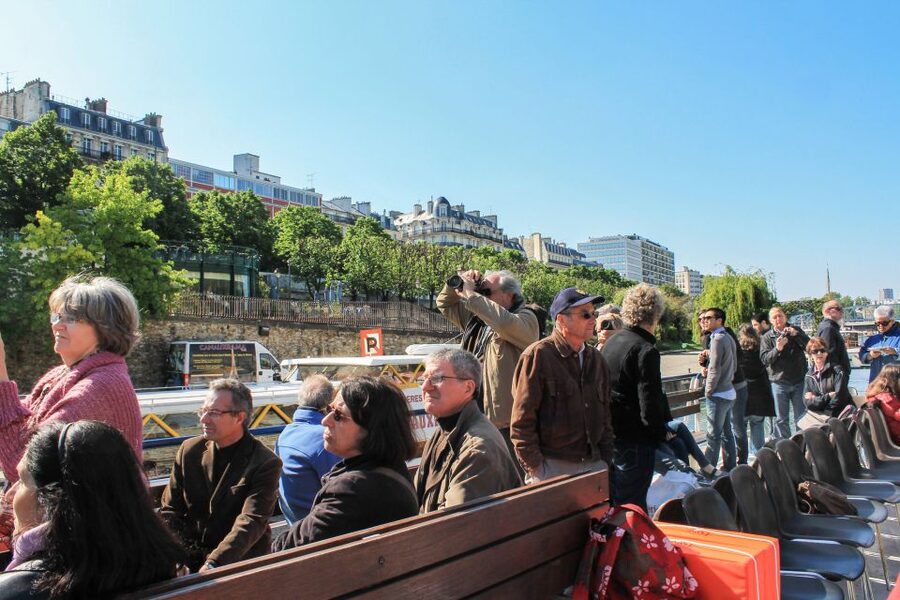
Paris saves one of its strangest boat rides for below street level. This 2.5-hour cruise leaves the Seine near the Musée d’Orsay, slips beneath Bastille through a 1.24-mile tunnel, then follows Canal Saint-Martin through a chain of locks toward Parc de la Villette. The underground passage and working locks are the real stars.
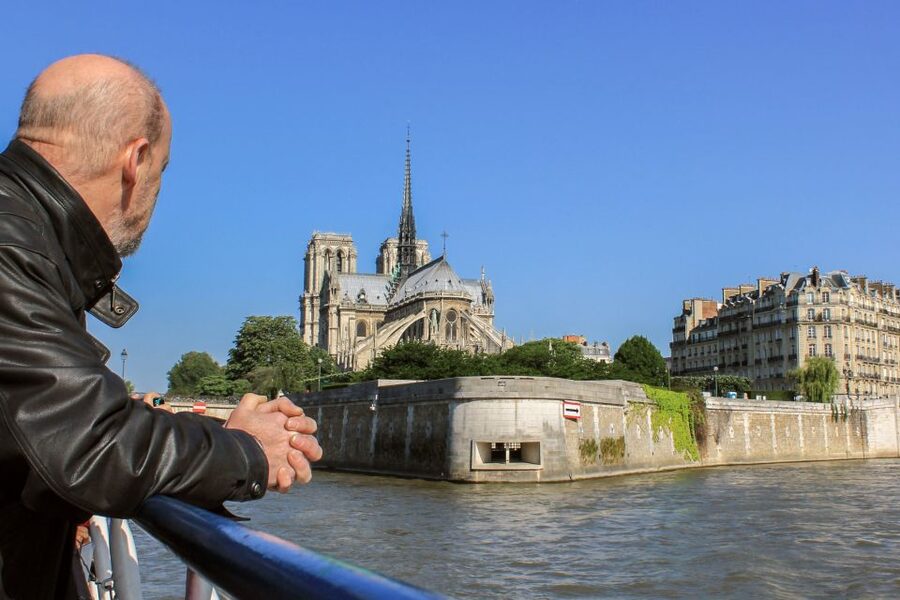
I like the contrast between famous Paris and quiet Paris: you see Notre-Dame, the Louvre, and Pont des Arts, then trade grand monuments for chestnut trees, fishermen, and small footbridges. I also like the live commentary, which explains how the locks work and adds stories about places such as the old Montfaucon gibbet and Hotel du Nord. The main catch is the one-way route, so you need to arrange your return from northeastern Paris.
Key points to know before booking
- The route begins beside the Musée d’Orsay: Find the boat at Port de Solférino, reached by the wooden main staircase.
- The Bastille tunnel lasts about 1.24 miles: Small openings in the roof let in patches of daylight as the boat passes underground.
- You pass through a series of working locks: The water level changes as steel gates close and water moves in or out.
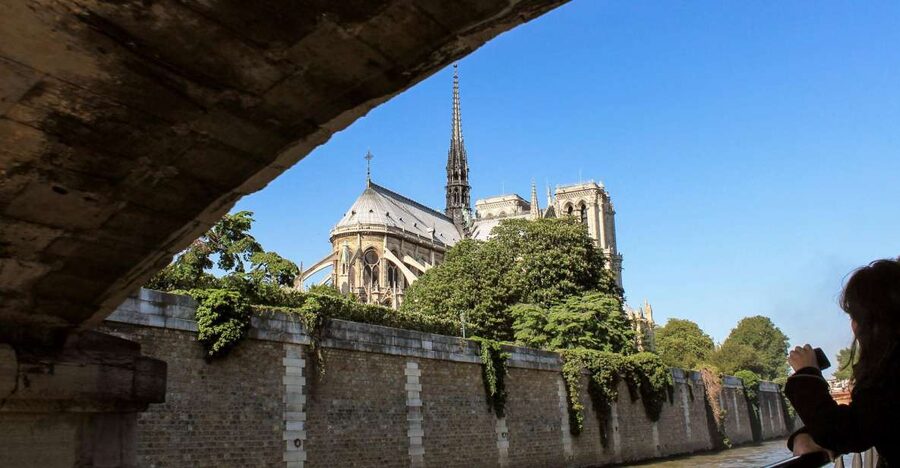
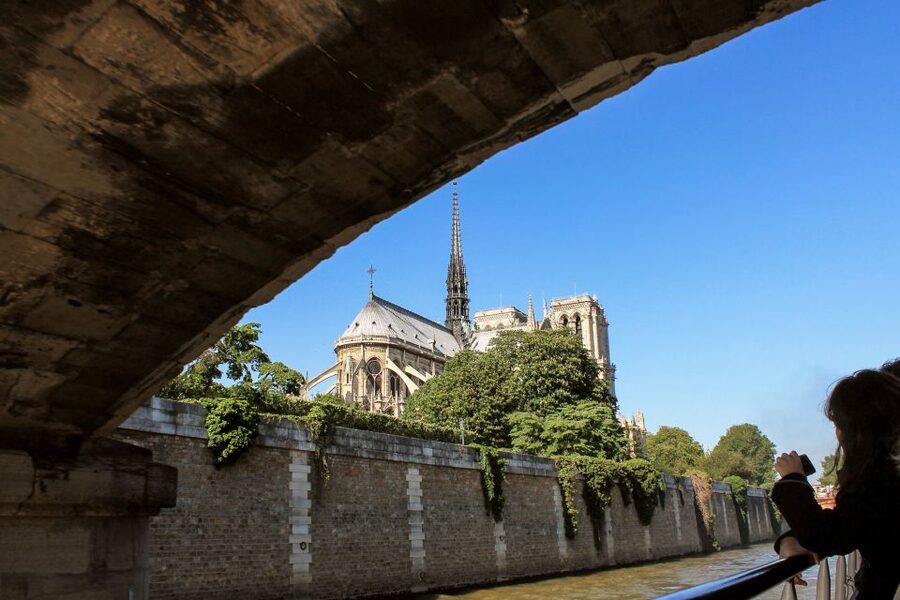
- The Seine sights come first: Look for the Tuileries Garden, Louvre, Notre-Dame Cathedral, and Pont des Arts.
- The boat finishes near Parc de la Villette: This is not a simple return cruise, so plan how you will get back.
- French and English commentary is included: Guides such as François and Carl have been praised for lively explanations and clear translation.
Why this is not an ordinary Seine cruise
A standard Seine sightseeing boat gives you the classic postcard views. This trip gives you those views for only part of the route, then turns into something far more unusual. You begin among central Paris landmarks and end in a quieter part of the city, where the canal feels less polished and more local.
The change happens gradually. On the Seine, you can admire the Tuileries Garden, the Musée du Louvre, Notre-Dame, and Pont des Arts from the water. This is useful if your feet need a break, especially after a morning of museums and city walking.
Then the boat heads toward the entrance to Canal Saint-Martin. Bastille Square rises above the water, and the route moves into the long underground section. At this point, the trip stops being a simple sightseeing circuit. You are following a piece of Paris infrastructure that most people pass over without realizing it is there.
The canal cruise is best for you if you enjoy understanding how a city works, not just seeing its monuments. It is also a fine choice for families, since the tunnel and locks offer something more hands-on than another view of a cathedral facade.
More Seine river cruises:
- Paris: Evening River Cruise with Music
★ 4.4 · 22,721 reviews - Paris: Louvre Guided Tour with Reserved Access & Boat Cruise
★ 4.3 · 16,353 reviews - Paris: Big Bus Hop-On Hop-Off Tour with Optional Cruise
★ 4.4 · 13,279 reviews
Starting at Port de Solférino near the Musée d’Orsay
Your starting point is Port de Solférino, just below the Musée d’Orsay. Use the wooden main staircase to reach the water. This detail matters because the departure area is not always obvious from the street, and the nearby Batobus terminal can cause confusion.
Give yourself extra time to find the boat. The clearest practical instruction is to go down the wooden steps and turn left. Do not assume that the dock directly opposite the museum is the correct one. Some people have found the meeting point poorly marked, although the boat captain has helped passengers who were looking for the departure.
The cruise has two possible departure times, listed as 10 a.m. and 3 p.m. Being early is worthwhile, particularly for the morning trip. A prompt arrival gives you a better chance of choosing a seat with a useful view, and you will not begin the outing with a frantic search along the riverbank.
The boat operates in rain or shine. Paris weather can change quickly, so take a light waterproof layer and do not book this expecting a fully indoor escape. The experience is available daily from May through August, with departures outside those months subject to availability.
The Seine section, from grand monuments to street-level Paris
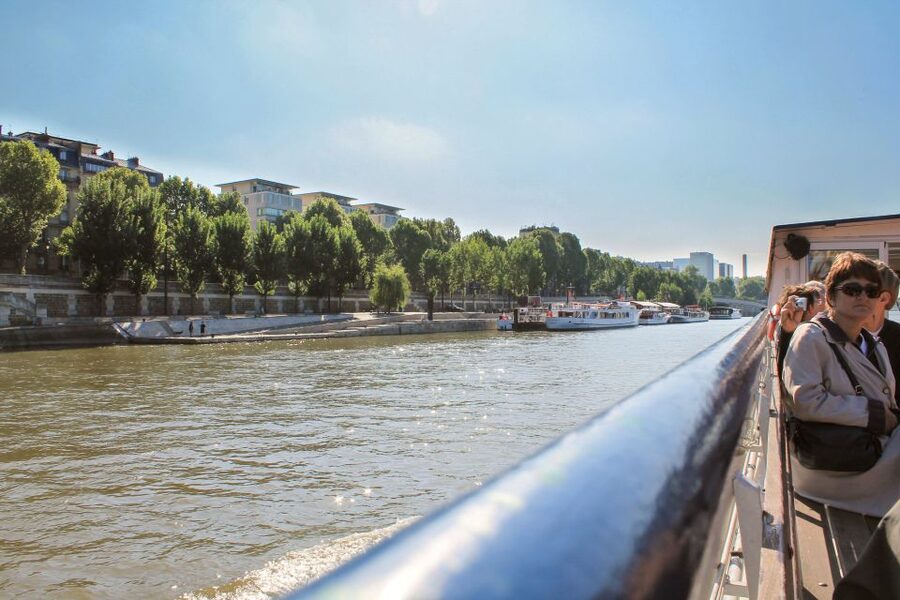
The first part is a gentle introduction. From the water, the Tuileries Garden and Louvre form a long sweep of formal Parisian scenery. You also pass Notre-Dame Cathedral and Pont des Arts, giving you a different angle on places you may already have visited on foot.
I like this part because the boat slows the city down. You are not squeezing through a museum queue or dodging pedestrians on a bridge. Instead, the landmarks pass at a steady pace while the guide points out buildings and explains pieces of the city’s past in French and English.
The commentary is a major part of the value. Several guides have been praised for making the route engaging, and François and Carl are specifically noted for their work. Carl, in particular, has been credited with translating the French explanations clearly into English. Still, the quality of spoken English can vary by guide, and a strong French accent may make some details harder to catch.
Do not expect a nonstop parade of major monuments. This is only a short stretch of the Seine before the canal begins, and the purpose is to connect two very different waterways. If you want nothing but the Eiffel Tower and the most famous river views, a regular Seine sightseeing boat may be a better fit.
Under Bastille, where Paris turns quiet and eerie
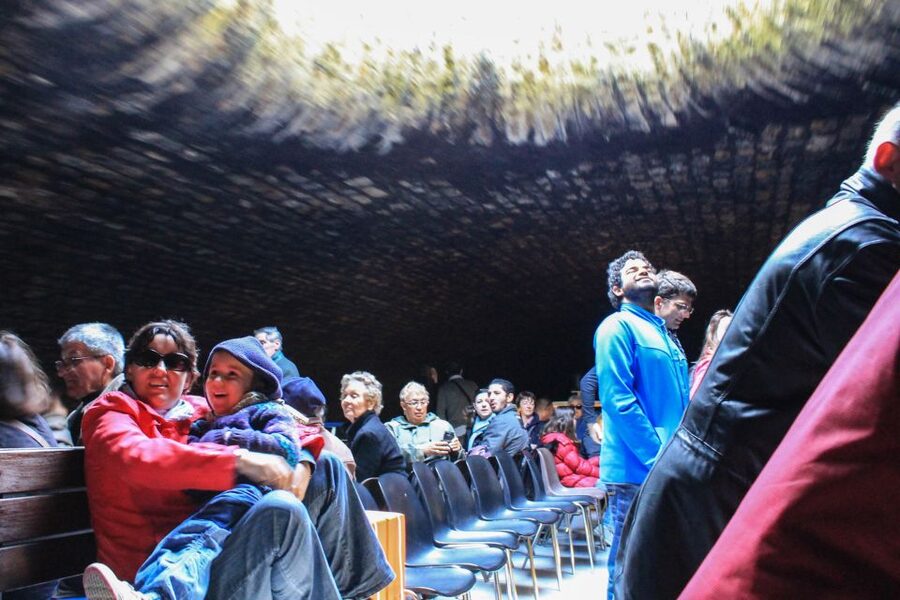
The most unusual section comes as you enter the 1.24-mile tunnel beneath Bastille. The canal passes through a subterranean vault, with openings in the roof allowing narrow shafts of daylight to reach the water.
The effect is atmospheric without needing any extra decoration. The city above continues its normal day while the boat moves through a dim, enclosed passage below. It is one of those Paris moments that feels slightly secret, although the route is an established part of the canal system.
The tunnel also gives the cruise a useful sense of place. You understand that Canal Saint-Martin is not merely a pretty strip of water lined with trees. It is a functioning route built into the city, with engineering that changes the way you move through Paris.
You may want to keep your camera ready, but do not expect every photograph to work in the low light. The best reason to enjoy this section is the experience itself, not a perfect picture. Children often find the passage especially memorable because it feels so different from the open river.
Same city, a completely different afternoon:
- Paris: Louvre Museum Timed-Entrance Ticket
★ 4.6 · 71,977 reviews - Disneyland® Paris 1-Day Ticket
★ 4.6 · 49,412 reviews - Paris: Versailles Palace and Gardens Full Access Ticket
★ 4.6 · 41,579 reviews - Paris: Eiffel Tower Entry Ticket with Optional Summit Access
★ 4.4 · 20,035 reviews
Canal Saint-Martin and the mechanics of nine locks
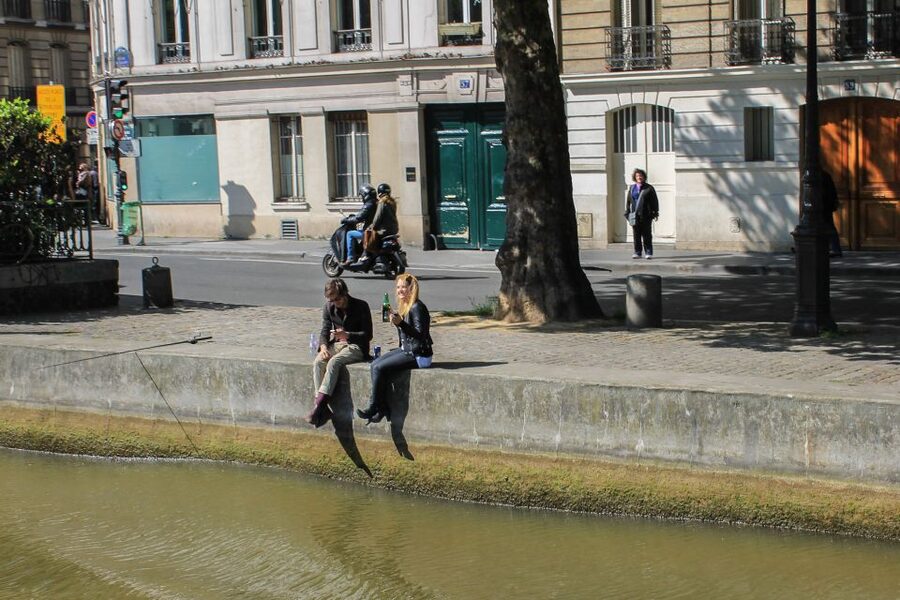
Once the boat comes back into daylight, Canal Saint-Martin changes mood again. Chestnut trees line parts of the water, pedestrians cross romantic footbridges, and fishermen sit along the banks. The canal feels calmer and more intimate than the Seine.
Then come the locks. The boat moves through a series of lock chambers, with steel doors closing at either end. Water is let in or released so the boat can reach the next level. The process takes time, which explains why this is a 2.5-hour cruise rather than a quick transfer across town.
I like the locks because they give the outing a clear rhythm. You are not simply floating past scenery. You watch the gates close, wait for the water to change, and then move forward. If you have never passed through a lock, the process is surprisingly absorbing.
The practical downside is that the locks make the cruise slower. If you are looking for a fast way to reach Parc de la Villette, this is not it. If you enjoy machinery, waterways, and the small drama of seeing a boat lifted or lowered, the delay becomes part of the entertainment.
The route includes nine locks, according to the commentary described on the cruise. Listen closely as the guide explains what is happening. A seat with a broad view of the water helps, and you can move around the boat for photographs, subject to available space and safety.
Old stories along the canal
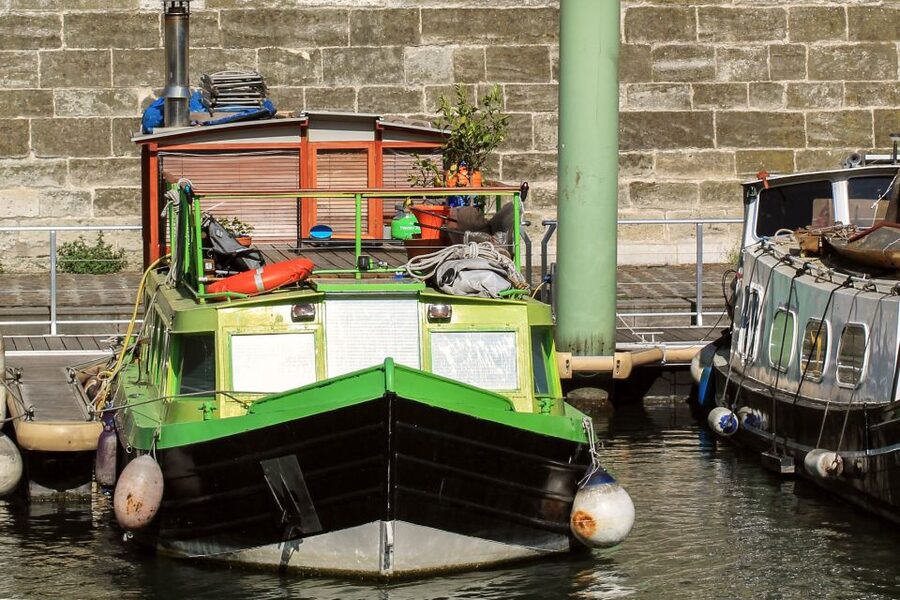
The canal is not only about trees and bridges. Near the Temple area, the guide points out the bust of Frédéric Lemaître, the Récollets Lock, and the Hotel du Nord. These details reward anyone who enjoys the city’s literary and theatrical side.
The commentary also reaches the Dead Lock, near the site of the old Montfaucon gibbet. The story is darker than the pretty canal scenery, and it gives the route a more complicated character. This is not a polished sightseeing set with only pleasant facts. Paris has long carried difficult stories alongside its beauty.
There is also a playful literary note involving the ghost of François Villon. You should take that in the spirit intended, as part of the canal’s legends and atmosphere rather than a promise of anything supernatural.
This section is where the guide matters most. Without explanation, you might see a lock, a bridge, or a canal-side building and move on. With good commentary, the same details become clues to how Paris grew and how its waterways shaped the city.
Bassin de la Villette and the finish at Parc de la Villette
The final stretch passes Bassin de la Villette and the arcing footbridge on rue de Crimée. The canal opens out, and the surroundings become less central and more spacious.
The cruise ends near Parc de la Villette, with views toward the Cité des Sciences, the Music Museum, and the park’s themed gardens. This is a useful endpoint if you want to continue exploring the northeastern part of Paris. Families may especially appreciate having a large park and science-focused attractions nearby.
The important planning point is that this is a one-way outing in practical terms. The route runs from the Musée d’Orsay toward Parc de la Villette, and you should not assume that the boat will return you to the original dock. Some activity information describes the finish as returning to the meeting point, but repeated practical instructions for this cruise identify the canal-side finish near Parc de la Villette. Plan your transport back before you board.
That return journey is the main weakness of the experience. You may need another form of transport to reach central Paris, and the exact route will depend on where you want to go next. The cruise provider does not present the end as a central Paris drop-off, so leave room in your schedule rather than booking a tight dinner reservation immediately afterward.
Is $27 a fair price for 2.5 hours?
At $27 per person, this is a good-value outing if you want more than a standard Seine view. You are paying for 2.5 hours on the water, bilingual commentary, the tunnel beneath Bastille, the locks, and a route that covers two very different parts of Paris.
The value is strongest when you treat the cruise as a half-day activity, not as transportation. The boat moves slowly, and the locks take time. That would be a drawback if you only wanted quick landmark photos. It makes sense if you want a relaxed break from walking while still seeing and learning about the city.
Food and drink planning matters. Bring water, especially on a warm day. A small cup of coffee may be available during the trip, but you should not count on a full snack or meal service. Packing a small snack is sensible, particularly for children.
The boat operates in all weather, so the price does not buy you a weather-dependent experience. You can cancel up to 24 hours before departure for a full refund, and the reserve-now, pay-later option keeps your plans flexible.
Who will enjoy this cruise most?
I would choose this for a repeat visitor who has already seen the main central sights and wants a different view of Paris. It is also a good match for anyone who likes canals, bridges, locks, urban engineering, or local stories.
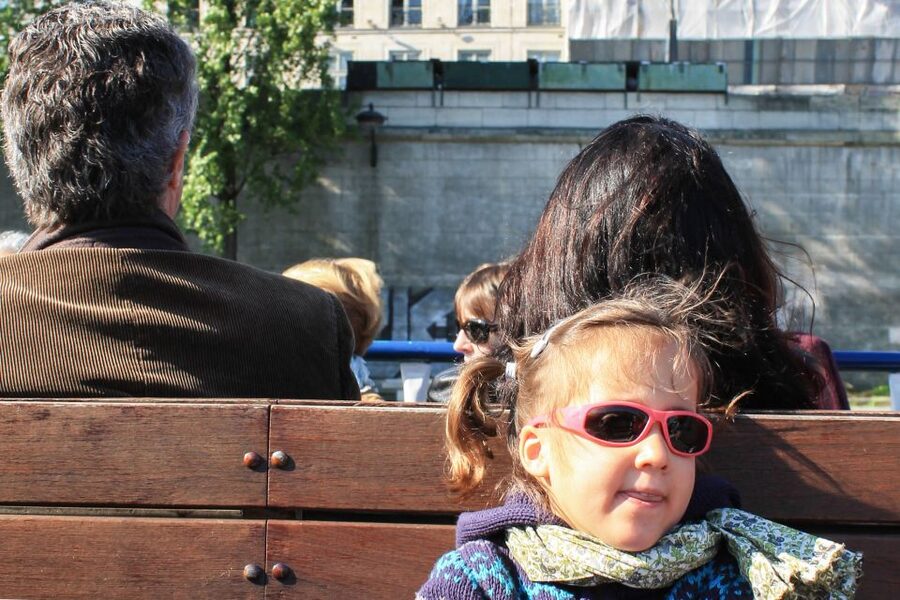
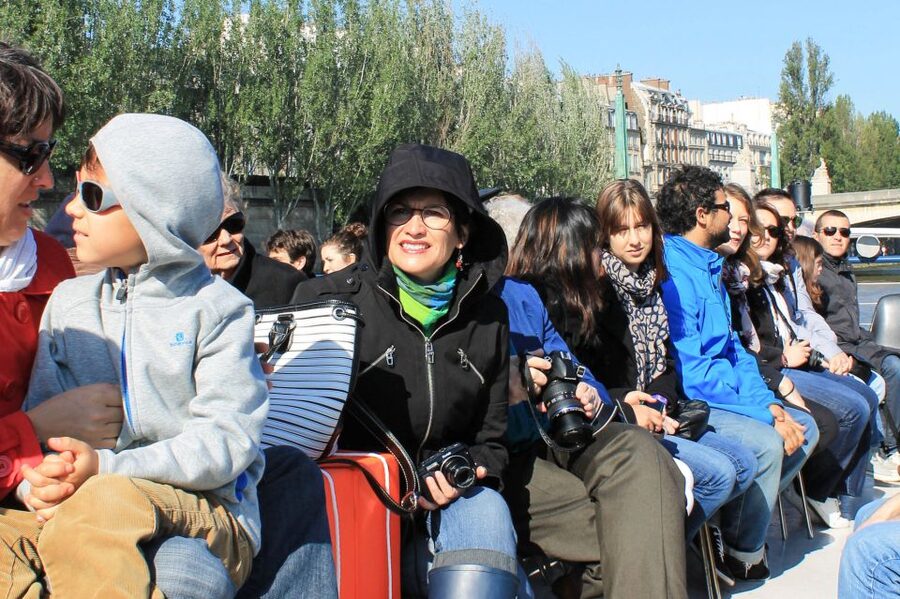
Families can do well here. The trip lasts long enough to feel like a real outing, and the tunnel and moving lock gates give children something concrete to watch. Parc de la Villette at the end offers more room to explore, though you should plan the return journey before setting off.
It also suits anyone with tired feet. You get a seated break from the city while still taking in the Seine and canal scenery. The boat allows you to move around for pictures, which helps during a long ride.
I would hesitate if you use a wheelchair, since the activity is not suitable for wheelchair users. I would also think twice if your Paris schedule is very tight, if you dislike long boat rides, or if you need to finish back in the city center.
Practical tips for a smoother ride
- Arrive early, especially for the 10 a.m. departure, and use the wooden staircase at Port de Solférino.
- Check the dock carefully. Go down the steps and turn left rather than stopping at the nearby Batobus terminal.
- Bring water and a small snack. Do not rely on onboard food service.
- Wear a layer suitable for rain or sun. The cruise runs in all weather.
- Keep your camera available for the tunnel openings, locks, bridges, and changing views along the canal.
- Listen for the lock explanations. The mechanics are one of the best parts of the trip.
- Plan your return from Parc de la Villette before departure.
- If English is important to you, remember that commentary is translated live from French, and clarity can vary by guide.
Should you book the Seine and Canal Saint-Martin cruise?
Book it if you want Paris with fewer famous crowds and more character. The combination of Seine landmarks, a long underground passage, nine locks, canal-side trees, and Parc de la Villette gives you a genuinely varied 2.5 hours.
Skip it if you want a short circular cruise, a guaranteed return to central Paris, or a boat focused only on the major monuments. The one-way finish takes planning, and the locks make the ride slower than a conventional sightseeing trip.
For $27, I think the experience earns its place in a Paris plan, especially on a weekend or after several busy days of museums and walking. Just arrive early, bring water, and treat the journey back from Parc de la Villette as part of the plan rather than an unpleasant surprise.
FAQ
How long is the cruise?
The cruise lasts 2.5 hours.
Where does the cruise begin?
It begins at Port de Solférino, just below the Musée d’Orsay. You reach the port using the wooden main staircase.
Where does the cruise finish?
The route continues toward Parc de la Villette, near the Cité des Sciences, Music Museum, and themed gardens.
Is the cruise a round trip?
You should plan for it as a one-way cruise from the Musée d’Orsay area to Parc de la Villette, then arrange other transportation back.
What languages are available?
Live commentary is provided in French and English.
Does the cruise run in bad weather?
Yes. The cruise takes place rain or shine.
Is the cruise suitable for wheelchair users?
No. The activity is not suitable for wheelchair users.
What departure times are available?
Two departures are possible, at 10 a.m. or 3 p.m. Availability can vary, particularly outside the daily May through August operating period.
Just added around Paris
- Paris: The Da Vinci Code Walking Tour with a Local Guide★ 4.3 · 5 reviews
- Paris: Flea Market Insider’s Tour in Extra-Small Group★ 4.6 · 73 reviews
- Paris: Private Fashion Tour (Chanel, Dior, Sex & the City)★ 5.0 · 3 reviews
- Paris: Floral Earrings workshop★ 5.0 · 3 reviews
- PARIS: Family e-bike longtail renting★ 5.0 · 3 reviews
- Paris: Fashion History Walking Tour in the Heart of Paris★ 4.9 · 22 reviews
- Paris: Famous Monuments Cycling Tour★ 4.7 · 20 reviews
- Paris: private city tour with seine river cruise★ 4.8 · 28 reviews
Seine River Cruises, compared.
Louvre Guided Tour with Reserved Access & Boat Cruise
Read our review →
Big Bus Hop-On Hop-Off Tour with Optional Cruise
Read our review →
Tootbus Hop-on Hop-off with optional river cruise
Read our review →
Seine Cruise & Crepe Tasting near the Eiffel Tower
Read our review →
Louvre Museum Entry Ticket With Host and River Cruise
Read our review →
Eiffel Tower Access by Elevator & Seine River Cruise
Read our review →Browse the lists this tour appears in