
Reviewed · WINE TOURS
Bubbles and Bites: Viator’s Perfect Champagne Pairing Formula
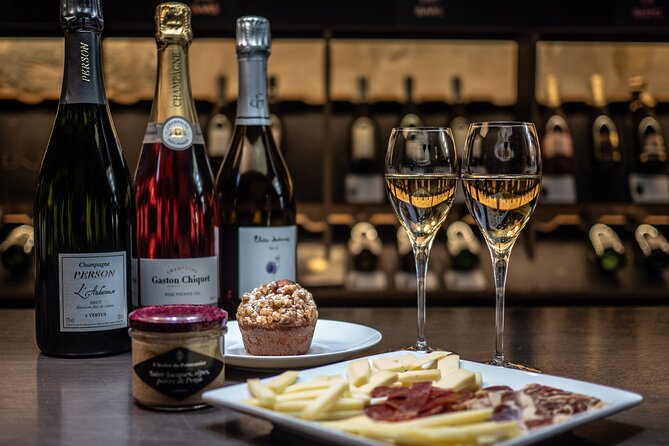
The best part of this experience is the setting: a romantic wine cave in Saint-Germain-des-Prés, where three Champagnes are served with French cheese, terrine, and pastries. I like the intimate group size, capped at six, and the useful tutored format, which gives you more than a quick drink at a crowded bar.
I also like that the pours are selected to show differences in grapes, regions, and terroir rather than simply serving three similar bottles. The possible drawback is that the quality of the instruction may depend on who is handling the tasting that day, so this suits you best if atmosphere and sampling matter as much as a formal wine lesson.
Key points to know before you book
- Three 80 ml Champagne pours are included, along with cheese, terrine, and pastries.
- The group has a maximum of six people, so the room may feel nearly private.
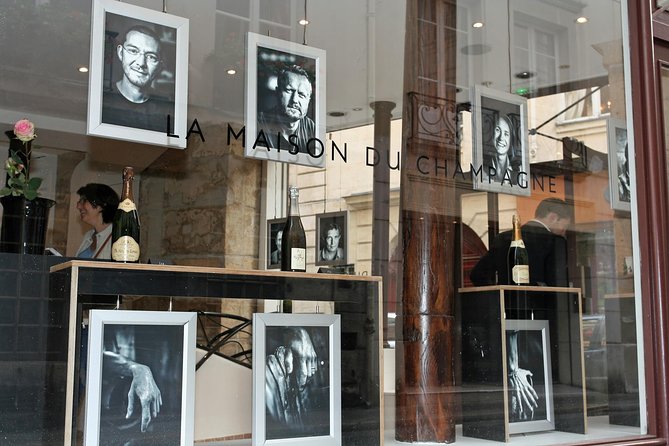
- The tasting takes place at 22 Rue de Savoie in Saint-Germain-des-Prés.
- The lesson covers grapes, Champagne regions, production, and terroir, making it suitable for beginners.
- Additional Champagne can be purchased after the tasting.
- Arrive 10 minutes early, and avoid perfume, aftershave, lipstick, gum, coffee, and other strong flavors.
A Champagne lesson in a Saint-Germain wine cave
Paris has no shortage of places to drink Champagne. What makes this experience different is the combination of instruction, food, and a small room in one of the city’s most pleasant central neighborhoods.
You make your own way to Dilettantes at 22 Rue de Savoie, in Saint-Germain-des-Prés. The tasting ends at the same address, so there is no sightseeing transfer or complicated route to follow. That keeps the experience simple: arrive, settle in, taste, and continue your evening in the Left Bank.
The venue is described as a romantic wine cave, which gives the event a more intimate feel than a large wine bar or restaurant table. With a maximum of six participants, you may find yourself sharing the room with only a few other people. One particularly strong experience had just two participants, making it feel close to a private tasting.
That small size matters. You can see the bottles, ask questions, and pay attention to the differences in each glass without fighting for space. It also makes this a sensible choice for a date, anniversary, or quiet start to an evening out.
The tradeoff is that a tiny group does not automatically guarantee a polished wine class. The person managing the shop and pouring the Champagne may also be handling other tasks. If you want a formal sommelier-style presentation with detailed, uninterrupted teaching, the experience may feel less consistent than a dedicated wine school.
More wine tastings in Paris:
- Paris: Moulin Rouge Cabaret Show Ticket with Champagne
★ 4.7 · 16,088 reviews - Authentic Parisian Gourmet Food Tour with 10 Local Dishes & Wines
★ 5.0 · 4,754 reviews - Loire Valley Castles Day Trip from Paris with Complementary Wine
★ 4.5 · 3,907 reviews
Three glasses, three different Champagne styles
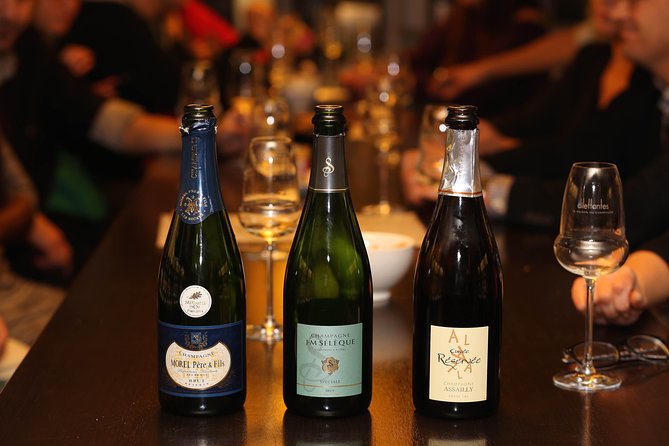
The tasting includes three small glasses, each measuring 80 ml. That is enough to compare the wines without turning the session into a long drinking event, though it is less than a full restaurant pour.
The three selections are presented as hand-picked Champagnes chosen for quality and authenticity. You will learn about the grapes used in Champagne, the areas where the wines are produced, and the role of terroir. The purpose is not just to tell you that one bottle tastes different from another. It is to help you connect the flavor in your glass with the place, grapes, and production choices behind it.
For a beginner, this is a useful approach. Champagne can seem like one broad category, especially if your experience is limited to a celebratory flute. Comparing three selections side by side helps you notice that the region produces wines with different aromas, textures, and levels of freshness.
The session is also suited to people who already know a little about wine. You may not receive the depth of a full professional certification class, but the focus on regions and grapes gives you a framework for choosing bottles later. The experience is strongest when you treat it as a guided introduction, not a technical examination.
The supplied information describes the session as lasting about one hour and 30 minutes, while the tasting description also refers to two hours. Plan on roughly an hour and a half to two hours, and avoid scheduling a tight appointment immediately afterward.
Why the food pairings matter
The Champagne is served with French nibbles, including cheese, terrine, and pastries. These are not just snacks to keep you comfortable while drinking. Food changes how wine tastes, and the pairing gives you a chance to see how Champagne works at the table.
Cheese can make a wine seem rounder and softer. Terrine adds savory, rich flavors. Pastries bring a different kind of contrast, especially when the wine’s acidity cuts through buttery or sweet notes. You do not need to know the technical language to notice the effect.
I like this part because it turns the tasting into a small French meal rather than three isolated sips. The food also makes the experience more suitable for an early evening appointment or a special date. It provides enough substance to make the Champagne feel balanced, though it should not be treated as a full lunch or dinner.
The food selection is described generally, so you should not book this expecting a detailed menu or a choice of specific dishes. If you have allergies or strict dietary needs, the available information does not confirm substitutions. Ask the provider before booking if that is important to you.
What the tasting can teach you about Champagne
The word terroir refers to the effect of place on an agricultural product. In Champagne, that can include the soil, climate, vineyard location, grape variety, and choices made during production. You will not leave as a vineyard expert, but you should come away with a clearer idea of why two bottles from the same broad region can taste different.
The tasting also introduces the main grape varieties used in Champagne. The experience is built around three different varietals, giving the host a natural way to explain how grape choice affects aroma, body, and acidity.
This is where the quality of the guide matters most. A good host can make the subject clear without burying you in wine terms. The best version of this experience includes a tour through different Champagne regions and grapes, along with an explanation of small-batch bottles that may not be familiar to visitors.
At least one session was described as especially strong in this respect, with a clear explanation of regions and grapes and a selection of small-batch Champagnes that felt distinctive to Paris. That is a useful promise for wine lovers who want something beyond a standard supermarket label.
Still, the instruction can be uneven. A less engaged host may pour the wine, answer only basic questions, and give little context. One poor account described the attendant as distracted by other duties and said the guests learned almost nothing. I would keep that possibility in mind if education is your main reason for booking.
Same city, a completely different afternoon:
- Paris: Louvre Museum Timed-Entrance Ticket
★ 4.6 · 71,977 reviews - Disneyland® Paris 1-Day Ticket
★ 4.6 · 49,412 reviews - Paris: Versailles Palace and Gardens Full Access Ticket
★ 4.6 · 41,579 reviews - Paris: Evening River Cruise with Music
★ 4.4 · 22,721 reviews
The atmosphere: intimate, romantic, and not overly formal
The wine cave setting gives the tasting a sense of occasion without requiring formal dress or a major time commitment. You are not spending half a day in the Champagne countryside. You are getting a compact Paris activity that fits neatly between sightseeing and dinner.
The atmosphere is especially well suited to couples. The combination of a small room, sparkling wine, French food, and Saint-Germain surroundings has an obvious romantic appeal. It also works for friends who want a relaxed shared activity rather than another museum or monument.
Because the group is limited to six, conversation may be easier than at a large public tasting. You can ask what a term means, compare impressions, or discuss which bottle you prefer. The experience may feel nearly private if the session does not fill.
That intimacy can also make the host’s performance more noticeable. In a large group, a brief presentation may be acceptable. In a room with only two or three participants, you will expect the host to pay attention and guide the discussion. The difference between a memorable class and a simple pour can come down to that personal attention.
Preparing your senses before you arrive
The provider takes aroma seriously. You are asked not to wear perfume or aftershave, and entry can be refused if a strong scent affects the group. This is stricter than many casual tastings, but the rule has a practical reason: wine aromas are part of the experience.
Avoid lipstick, gum, coffee, soft drinks, and other strongly flavored drinks before the session. You are also advised not to brush your teeth immediately before arriving because toothpaste can leave bitterness and acidity on your palate.
These instructions are easy to follow and worth taking seriously. Wear clean clothing without fragrance, drink water if needed, and arrive with a neutral palate. Do not treat the tasting like a stop you can squeeze in immediately after a heavily flavored meal or a coffee break.
You must arrive 10 minutes before the scheduled start. The meeting point is central and near public transportation, but transportation to and from the activity is not included. You are responsible for getting to 22 Rue de Savoie and making your own way onward afterward.
The minimum age is 18. Most people can participate, according to the supplied conditions, but the experience is still a seated tasting centered on alcohol, so it is not designed for children or anyone avoiding alcoholic drinks.
Is $91.92 a fair price?
At $91.92 per person, this is not a cheap way to drink Champagne. You receive three 80 ml glasses and food pairings, so the value does not come from volume alone.
You are paying for the setting, the small group, the guided explanation, and the chance to compare several hand-selected bottles in one sitting. If the session is well led and feels nearly private, the price can make sense for a special occasion. The food adds practical value, too, since you are not paying for drinks alone.
The value is weaker if you are mainly looking for a large amount of Champagne or a casual drink. A wine bar may give you more total wine for less money. This experience is aimed at comparison and atmosphere rather than quantity.
I would also consider what kind of wine instruction you want. If you enjoy learning through tasting and appreciate small-batch selections, the price is easier to justify. If you already have strong Champagne knowledge and expect advanced technical detail, the short format may feel limited.
Additional Champagne can be purchased after the class. That is useful if one of the bottles suits your taste, but it also means you should set your own spending limit before you arrive.
Booking, timing, and cancellation details
Confirmation is sent within 48 hours of booking, subject to availability. The activity is available with a mobile ticket, so you can keep the booking on your phone rather than printing it.
The activity is non-refundable and cannot be changed for any reason. If your Paris plans are uncertain, this is a reason to wait before booking. The strict policy also makes arriving on time important, especially since the host asks you to arrive 10 minutes before the start.
The session ends back at the meeting point. Since the activity is located in Saint-Germain-des-Prés, you can plan another nearby stop afterward, but the experience itself does not include transportation or visits to Champagne vineyards.
Who will enjoy this Champagne tasting most?
I would recommend it most strongly to:
- Couples seeking a romantic Paris activity
- First-time Champagne drinkers who want a simple introduction
- Wine lovers interested in grapes, regions, and terroir
- Visitors who prefer small groups to large organized tours
- Anyone wanting a food-and-drink experience that lasts less than an afternoon
I would be more cautious if you need a guaranteed expert lecture, have a strict dietary requirement, dislike non-refundable bookings, or want full-sized glasses and a substantial meal.
The experience has enough structure for beginners but remains compact. You do not need previous wine knowledge. You only need curiosity, a willingness to taste three different Champagnes, and the patience to listen for the differences.
Should you book it?
Book this tasting if you want a polished Paris evening built around Champagne, French bites, and a small group. The strongest version gives you a romantic setting, unusual small-batch bottles, and a useful introduction to regions and grapes. The near-private format is a real advantage.
Do not book it solely for an advanced wine class or a large amount of Champagne. The teaching may vary, and the three pours are modest. At $91.92, the experience works best as a special occasion activity where atmosphere and comparison matter as much as the wine itself.
FAQ
Where does the Champagne tasting take place?
The meeting point is 22 Rue de Savoie, 75006 Paris, France, in the Saint-Germain-des-Prés neighborhood. The activity also ends back at this meeting point.
How long does the tasting last?
The experience is listed as approximately one hour and 30 minutes. The tasting description also refers to two hours, so allow roughly one and a half to two hours.
How much Champagne is included?
You receive three small glasses, with each pour measuring 80 ml.
What food is served?
The Champagne is paired with French nibbles such as cheese, terrine, and pastries.
How many people can join?
The group has a maximum of six travelers.
What should I avoid before the tasting?
Avoid perfume, aftershave, lipstick, gum, coffee, soft drinks, and other strongly flavored drinks. You are also advised not to brush your teeth immediately before arriving.
Is the activity refundable or changeable?
No. The experience is non-refundable and cannot be changed for any reason.
Just added around Paris
- Private Paris Marche d’Aligre Walking Tour with Tastings★ 5.0 · 8 reviews
- Private Louvre Museum Tour for Kids & Families with Alberto or his team in Paris★ 5.0 · 41 reviews
- Private Highlights of Paris Tuk-Tuk Experience★ 5.0 · 26 reviews
- Paris Latin Quarter Walking Tour: History & Culture – Small Group★ 5.0 · 14 reviews
- Private Highlights of Paris Bike Tour★ 4.5 · 15 reviews
- Paris Musee d’Orsay PRIVATE TOUR with a Local Private Guide★ 5.0 · 41 reviews
- Private Half Day Historic Tour★ 5.0 · 58 reviews
- Pere Lachaise Cemetery Paris – Exclusive Guided Walking Tour★ 5.0 · 72 reviews
Wine Tours, compared.
Moulin Rouge Cabaret Show Ticket with Champagne
Read our review →
Authentic Parisian Gourmet Food Tour with 10 Local Dishes & Wines
Read our review →
Loire Valley Castles Day Trip from Paris with Complementary Wine
Read our review →
Montmartre Hill French Gourmet Food and Wine Tasting Walking Tour
Read our review →
Montmartre Cheese, Wine & Pastry Guided Walking Tour
Read our review →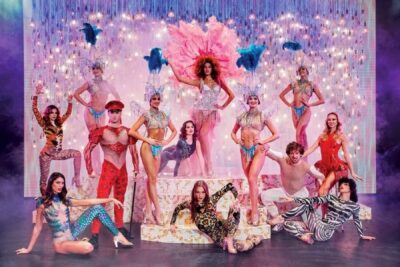
Paradis Latin Cabaret Show with Optional Champagne
Read our review →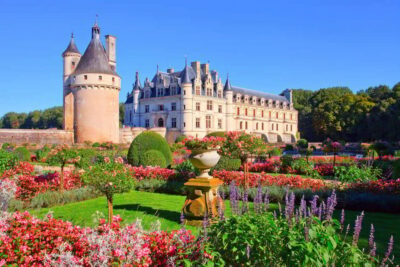
Loire Valley Castles Day Trip With Wine Tasting
Read our review →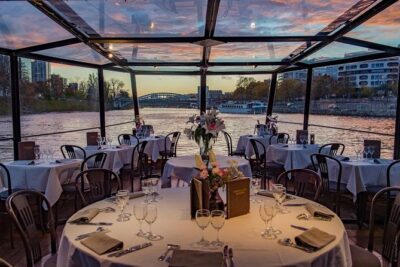
Paris 3-Courses Gourmet Dinner Seine River Cruise with Champagne
Read our review →Browse the lists this tour appears in