
Reviewed · PARIS FOOD TOURS
Discover Paris’ Marché d’Aligre: 2-Hour Market Tour
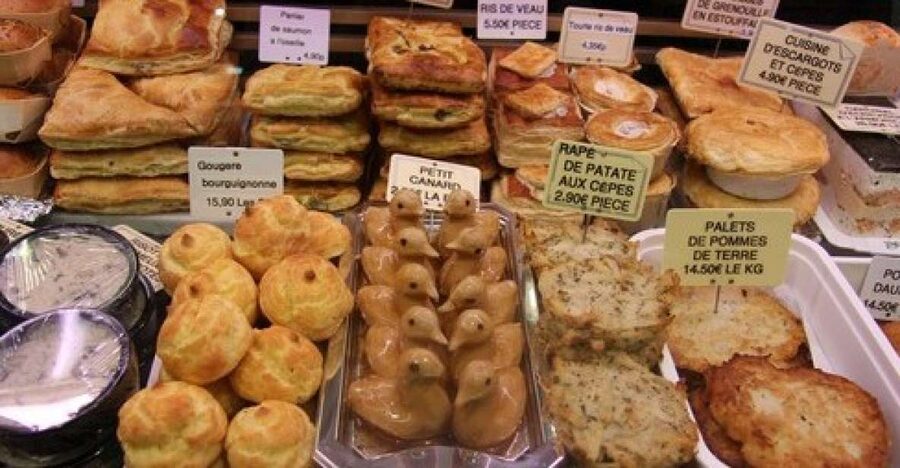
Marché d’Aligre gives you a close look at everyday Paris, not just the polished streets around the big sights. You move between the Marché Couvert Beauvau, an old covered market, an outdoor street market, North African shops, and a flea market full of odd little finds. The tastings and mint tea help turn a simple walk into a lesson in how Parisians shop and eat.
I like the intimate group of no more than eight, and I like that food tastings are included rather than added one by one. Past guides Christine and Caroline were singled out for making the market easy to understand and for sharing useful Paris tips. The main caution is price: at $129 per person for two hours, this is not a cheap market stroll, and the flea market may feel modest if you expect a major antiques fair.
Key points to know before booking
- Two market worlds in one stop: Visit the indoor Marché Couvert Beauvau and the outdoor stalls of Marché d’Aligre.
- A taste of local shopping: Tastings may include specialty foods such as bread, cheese, coffee, or other market goods.
- A small group of eight maximum: The format gives you more room to ask questions and keep up with the guide.
- A covered-market story: Learn how this site connects to Paris’s old network of covered passages.
- Mint tea included: End at a corner café with a cup of mint tea.
- The flea market is part of the walk: Expect browsing and unusual objects, but not necessarily a grand antiques haul.
Starting at 100 Rue du Faubourg Saint-Antoine
The meeting point is 100, rue du Faubourg Saint-Antoine, in Paris’s 12th arrondissement. The nearest Metro stop is Ledru-Rollin, using exit 2. Since transportation is not included, you will need to make your own way there and arrive ready to walk for the full two hours.
This is a useful starting point for a market tour because the experience is tied to a real neighborhood rather than a purpose-built attraction. You are not being driven from one sight to another. You meet near the market, then spend your time looking closely at food, shopfronts, stalls, and the people who use them.
The group limit matters here. Markets can be noisy and crowded, so a maximum of eight makes it easier to hear the guide and gather around a stall. It also gives you a better chance to ask practical questions, such as what a food is, how it is used, or how a Parisian might choose between two similar products.
The tour is offered in English or French. Past guides Christine and Caroline received especially warm praise for their personal approach. Caroline was remembered for explaining fresh food shopping, arranging tastings, and adding suggestions for other places to visit in Paris. Christine was praised for helping people feel more at home in the city. Guide assignments can change, so treat those names as examples of the experience rather than a guarantee.
More food tours in Paris:
- Bateaux Parisiens Seine River Gourmet Dinner & Sightseeing Cruise
★ 4.5 · 6,930 reviews - Paris : 3-Course Gourmet Dinner Cruise on Seine River
★ 4.3 · 5,205 reviews - Authentic Parisian Gourmet Food Tour with 10 Local Dishes & Wines
★ 5.0 · 4,754 reviews
Marché Couvert Beauvau and the covered-passage story
One of the most interesting parts of the visit is the Marché Couvert Beauvau, the indoor market connected to Marché d’Aligre. The tour presents it as one of the last 20 remaining examples from the original network known as les passages couverts, the covered passages built behind Paris’s grand boulevards.
That detail gives the building more meaning than a quick stop at a food hall. You get to see how Paris once created sheltered shopping routes, then consider what has survived as the city changed. The covered setting also lets the market operate with a different feel from the open-air stalls outside.
Inside, you can expect rows of food sellers and specialty products. The listed selection includes tapenades, spices, flowers, and coffee. These are small details, but they are exactly what makes a market visit useful. You can compare the smells, colors, packaging, and displays with the more familiar food shops near your hotel.
A guide adds context that you may miss on your own. Rather than simply pointing at a jar of tapenade, the guide can explain what it is and why it belongs in the market. The same goes for spice blends, coffee, and other goods whose purpose may not be obvious if you do not shop in French markets.
The indoor market is also a good part of the route if the weather is poor. The tour is short, though, so do not expect a long cooking class or a detailed history lecture. Its strength is the combination of place, food, and practical explanation.
Outdoor stalls and the daily Paris shopping routine
From the covered market, the route continues into the outdoor part of Marché d’Aligre. This is where the experience feels most connected to ordinary Paris life. You see food arranged for people who are buying ingredients, not simply posing for a photograph.
A past tour included a look at fresh food shopping, a visit to a bakery, and a conversation with a butcher. The tastings included a warm croissant, coffee, baguette, and truffle cheese. Those particular items may not appear on every departure, but they show the kind of experience the tour aims to provide.
The croissant was especially memorable because it was served warm and compared with the pastries available at a hotel breakfast. That is a useful lesson for you: market tours are often about the difference between a generic version of a food and one bought fresh from a local shop. The value is not just in eating. It is in learning what to look for when you return to the market on your own.
Truffle cheese was another highlight from a past tour. The guide explained that it is traditionally eaten around Christmas, giving the tasting a bit of seasonal and cultural context. You should not assume that exact cheese will be served during your visit, but the example shows how the guide may use a tasting to explain French habits rather than simply hand you a sample.
This section should suit anyone who wants help understanding French food shopping. You may find it less satisfying if you want a formal culinary class, a long sit-down meal, or a large number of tastings. The tour is built around moving through the market, so the food comes in small portions along the way.
Specialty foods, coffee, and mint tea
Food is one of the clearest reasons to consider this tour. Specialty tastings are included in the price, which makes the $129 fee easier to judge. You are paying for a guide, a small group, and several food-related stops rather than only for access to the market.
The tastings can help you make sense of products that are easy to overlook. Tapenades, spices, coffee, bread, cheese, and pastries tell you something about the market’s range. Flowers are part of the market scene too, adding another layer to the visit beyond food.
At the end, mint tea is served in a corner café. This is a pleasant change of pace after walking through the stalls. It also gives you a chance to ask the guide about Paris, neighborhoods, or places to follow up on during the rest of your trip. Christine and Caroline were both praised for offering useful ideas beyond the market itself.
Keep your expectations in proportion. A two-hour tour cannot cover every seller or explain every product. It is better understood as a guided introduction, with enough tastes and conversation to help you return later with more confidence.
More two-hour experiences in Paris:
- The Père Lachaise Cemetery: Guided 2-Hour Small-Group Tour
★ 4.7 · 1,065 reviews - Paris: 2-Hour Perfume Creation Workshop
★ 4.8 · 731 reviews - Paris Louvre: 2-Hour Private Tour for Groups or Families
★ 4.6 · 639 reviews - Paris Montmartre: 2-Hour City Tour in German
★ 4.9 · 299 reviews
The connecting flea market and what to expect
The flea market is included as part of the route. After looking at food stalls and the covered market, you browse objects and merchandise that have little to do with grocery shopping. This contrast is part of the appeal of Marché d’Aligre.
You might find unusual, amusing, or simply puzzling items. The flea market adds character, but it should not be the main reason you book. One published assessment called it unexceptional, and that is fair guidance. If you are seeking a huge collection of valuable antiques or a major bargain-hunting destination, this walk may disappoint.
If you enjoy looking at everyday objects and strange finds, the flea market works well as a short final section. The guide can help you understand the market as a whole, including the way food sellers, specialty shops, and secondhand stalls share the same neighborhood.
The best approach is to see the flea market as a bonus. The covered market, outdoor food stalls, and tastings carry most of the experience. The flea market gives you something different to browse before the tour ends.
What $129 means for two hours
At $129 per person, this is a premium price for a short activity. You should compare it with what you actually want from a market visit. If you only need directions to Marché d’Aligre and plan to browse at your own pace, you can visit without paying for a tour.
The fee makes more sense if you value interpretation and food tastings. You receive a live guide in English or French, a group limited to eight, specialty-food samples, and mint tea. You also avoid the uncertainty of walking into a market without knowing which stalls or products deserve your attention.
The personal element is the strongest part of the value. Past participants praised guides who explained the food, introduced the market’s character, and offered advice for the rest of a Paris visit. That kind of local orientation can be useful early in a trip, when you are still learning how the city shops and eats.
Still, two hours is a firm limit. You will not get an all-day food crawl, a full neighborhood tour, or a major flea-market expedition. If the price feels high, book only when the small group and included tastings matter to you.
The activity offers free cancellation up to 24 hours before the start time, and you can reserve now and pay later. Starting times vary, so you need to check availability when choosing a date.
Who will enjoy Marché d’Aligre most?
I would recommend this experience to you if you want to see a less polished, more everyday side of Paris. It suits first-time visitors who want a friendly introduction to French markets, as well as repeat visitors who have already seen the major monuments.
It is also a good choice for food-curious people who want explanation with their samples. You may especially enjoy it if you want to learn how to recognize the role of a bakery, butcher, cheese seller, coffee stall, or spice shop in local shopping.
The small group makes it a better fit for people who like conversation and questions. If you prefer to wander alone, shop without a schedule, or spend a long time at one stall, a self-guided visit may suit you better.
Families and mixed-interest groups may appreciate the variety. One person can enjoy the food, another can look at the flea-market objects, and everyone gets a short story about the market’s past. But the tour still involves walking and standing, so the two-hour format should match your group’s energy.
Should you book this Marché d’Aligre tour?
Book it if you want a guided introduction to Paris market life, included tastings, and a small group where the guide can speak with you directly. The strongest elements are the covered market, the practical food explanation, and the chance to taste items such as bread, coffee, cheese, or pastries.
Skip it if $129 feels too high for two hours, or if your main goal is an exceptional flea market. The flea market is not the star, and food selections can vary. For the right traveler, though, this is a useful way to spend part of a Paris morning or afternoon, especially early in your visit when local shopping advice can shape the rest of your trip.
FAQ
Where does the Marché d’Aligre tour meet?
The meeting point is 100, rue du Faubourg Saint-Antoine, 75012 Paris. The nearest Metro station is Ledru-Rollin, using exit 2.
How long does the market tour last?
The tour lasts two hours. Starting times vary, so you need to check availability for your chosen date.
What languages are available?
The live guide speaks English or French.
How many people are in the group?
The tour is limited to a maximum of eight participants.
Are food and drinks included?
Specialty-food tastings and mint tea at a corner café are included. Transportation is not included.
Can I cancel the booking?
Yes. You can cancel up to 24 hours in advance for a full refund. You can also reserve now and pay later.
More shopping and flea market tours in Paris
- Versailles Palace Bike Tour with Market & Marie-Antoinette hamlet
★ 5.0 · 2,680 reviews - Versailles Bike Tour with Market, Gardens & Guided Palace Tour
★ 5.0 · 1,121 reviews - Paris Cooking Class and Lunch with Wine plus Market Visit Option
★ 5.0 · 1,024 reviews - Paris Evening Cooking Class French Dinner and Market Visit Option
★ 5.0 · 430 reviews
Just added around Paris
- Paris: The Da Vinci Code Walking Tour with a Local Guide★ 4.3 · 5 reviews
- Paris: Flea Market Insider’s Tour in Extra-Small Group★ 4.6 · 73 reviews
- Paris: Private Fashion Tour (Chanel, Dior, Sex & the City)★ 5.0 · 3 reviews
- Paris: Floral Earrings workshop★ 5.0 · 3 reviews
- Paris: Fashion History Walking Tour in the Heart of Paris★ 4.9 · 22 reviews
- PARIS: Family e-bike longtail renting★ 5.0 · 3 reviews
- Paris: Famous Monuments Cycling Tour★ 4.7 · 20 reviews
- Paris: private city tour with seine river cruise★ 4.8 · 28 reviews
Paris Food Tours, compared.
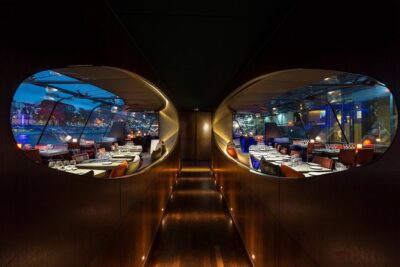
Bateaux Parisiens Seine River Gourmet Dinner & Sightseeing Cruise
Read our review →
3-Course Gourmet Dinner Cruise on Seine River
Read our review →
Authentic Parisian Gourmet Food Tour with 10 Local Dishes & Wines
Read our review →
Bateaux Parisiens Seine River Gourmet Lunch & Sightseeing Cruise
Read our review →
Montmartre Hill French Gourmet Food and Wine Tasting Walking Tour
Read our review →
Gourmet Dinner Cruise on Seine River with Live Music
Read our review →
Paris 3-Courses Gourmet Dinner Seine River Cruise with Champagne
Read our review →Browse the lists this tour appears in