
Reviewed · PARIS PERFUME AND CRAFT WORKSHOPS
Fragonard Paris: Mini Perfume Workshop in Chinese
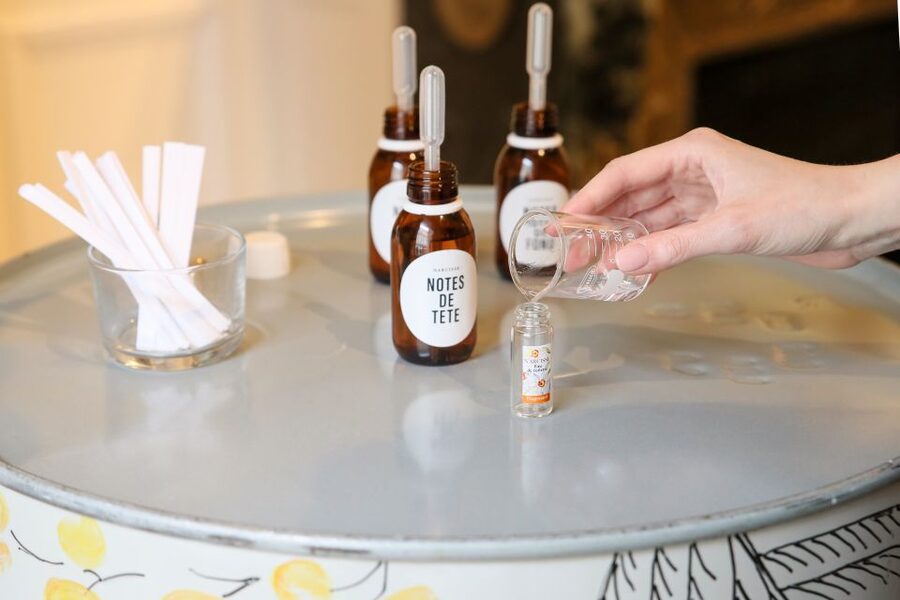
The most unusual part of this Paris activity is that you do not just smell finished perfumes. You learn how fragrance is built, then make a 12 ml bottle of light perfume to take with you. The workshop is held in Chinese, which makes the technical parts easier to follow.
I like the mix of a private mansion museum and a hands-on class. I also like the compact format: about 45 minutes gives you a quick look at perfume history without taking half a day. The main limitation is the short schedule, so this suits curious beginners more than anyone hoping for a long, detailed perfume course.
Key points to know before booking
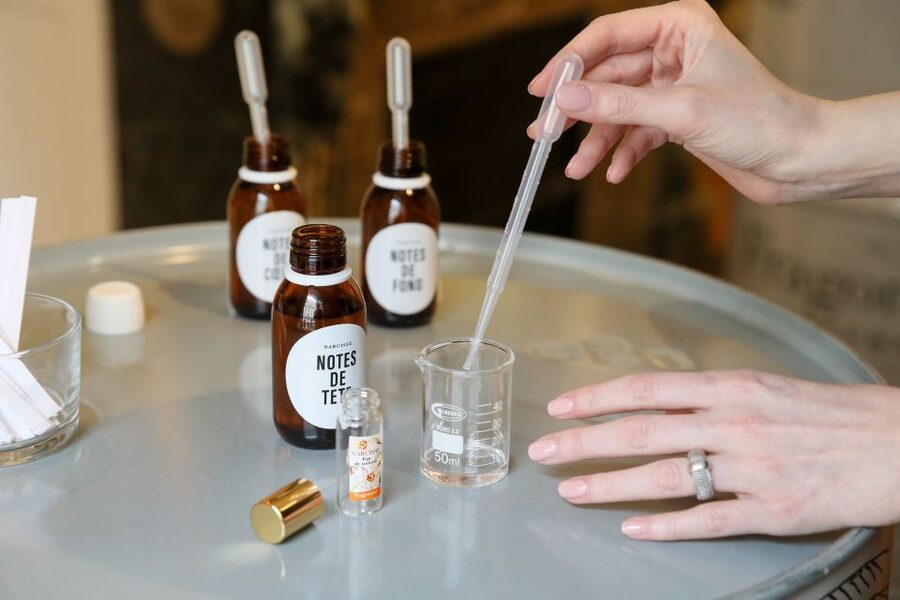
- A personal 12 ml fragrance: Create your own light perfume with advice from the instructor.
- A 3,000-year story: See perfume bottles and objects linked to ancient Egypt, Rome, and later European perfume culture.
- Chinese instruction: Both the museum visit and workshop are conducted in Chinese.
- A central Paris setting: The museum is next to the Garnier Opera House, making it easy to pair with nearby sightseeing.
- A short, focused visit: The program lasts 45 minutes, with about 20 minutes in the museum and about 15 minutes preparing your perfume.
- A few firm rules: Children must be at least 8, every classroom participant must pay, and large bags are not allowed.
A small perfume class beside the Garnier Opera House
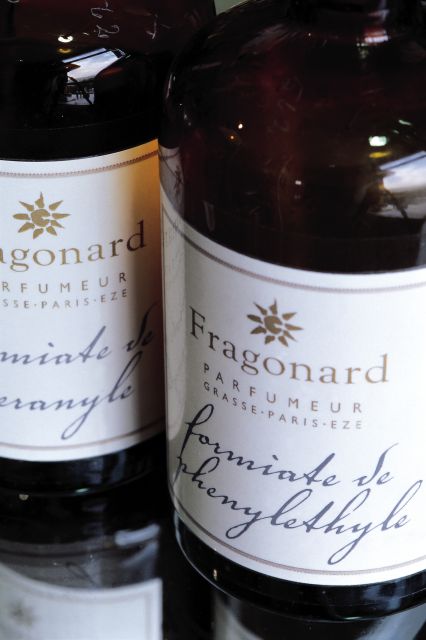
Fragonard’s Flower Palace Perfume Museum sits in a historic private mansion near the Garnier Opera House. That location matters. You are not heading to an industrial site on the edge of Paris. You can place this short activity between major sights in the Opera district.
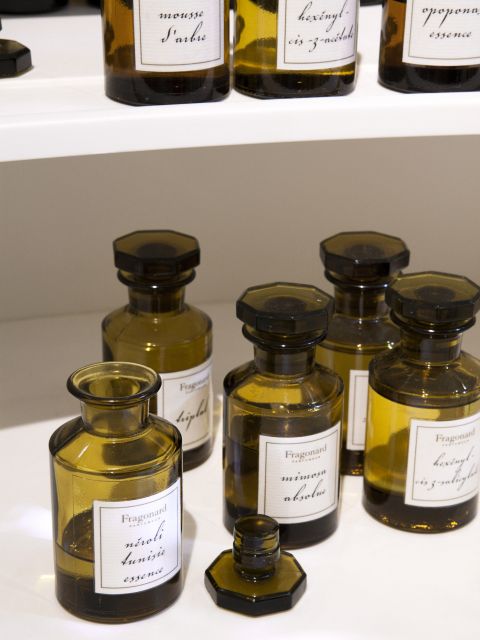
The setting also gives the visit some character before the workshop begins. The mansion contains a collection of perfume bottles and objects connected with the development of fragrance. You get a look at the physical tools and containers used to present perfume, not only the liquid inside the bottle.
The company behind the museum is Maison Fragonard, operated by the Glas family since 1926. This gives the visit a direct connection to a long-running French perfume business rather than a general museum devoted only to decorative bottles.
The class is conducted in Chinese. That includes the museum explanation and the perfume workshop. If you understand Chinese better than French or English, the language choice can make the lesson much more useful, especially when the instructor explains scent families and the order in which notes appear.
More perfume and craft workshops in Paris:
- Fragonard Paris: Mini Perfume Workshop
★ 4.5 · 1,924 reviews - Paris: 2-Hour Perfume Creation Workshop
★ 4.8 · 731 reviews - Paris: Perfume Creation Workshop
★ 4.8 · 289 reviews
What the 45-minute schedule actually gives you
This is a compact experience. Plan on roughly 45 minutes from entry to finish. About 20 minutes are spent touring the museum with the guide, followed by approximately 15 minutes preparing your perfume. The remaining time allows for entry, movement through the site, and the workshop introduction.
You should think of this as a focused introduction, not a full perfume-design course. There is enough time to learn a few basic ideas and make a small bottle, but not enough time for a slow, experimental session with many rounds of testing.
That short length is useful if your Paris schedule is tight. You can fit it around the Opera Garnier, department stores, or other central sights without giving up an entire afternoon. The tradeoff is that you will need to pay attention and make choices fairly quickly once the workshop begins.
The activity costs $36 per person. For that price, you receive entry to the museum, a Chinese-language museum guide, a Chinese-language workshop guide, and your own 12 ml light perfume. The value is strongest if you want both cultural context and a physical souvenir. If you only want to buy perfume, a shop visit would be a simpler choice. If you want a long technical lesson, this class may feel brief.
The museum: bottles, history, and changing ideas about scent
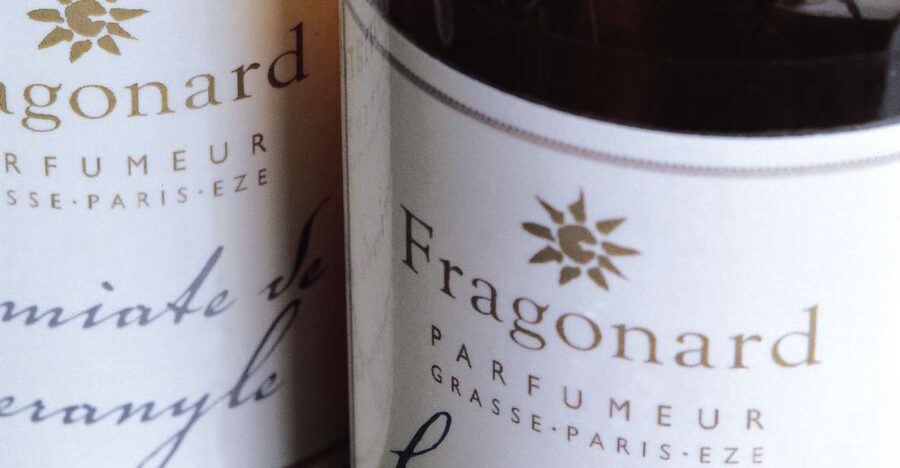
The museum presents perfume across more than 3,000 years. Its story reaches from the Pharaohs to later European perfume makers, including the development of French fragrance culture.
The bottle collection is one of the more interesting parts of the visit. Perfume containers can reveal how people used scent, how luxury was displayed, and what materials and designs were valued in different periods. The museum also shows examples connected with ancient art and goldsmithing.
That combination helps you see perfume as more than a pleasant smell. It is also a product shaped by social habits, craftsmanship, trade, and fashion. A small bottle could be practical, ceremonial, decorative, or a sign of status. The objects give the instructor something concrete to explain while you move through the museum.
The supplied information describes examples ranging from Pharaoh-era objects to later, rare bottles. The exact collection on display can change, so you should treat the museum as a historical introduction rather than expect a fixed list of famous pieces.
The museum portion lasts about 20 minutes. That is enough for an overview, but it will not cover every period in detail. I would pay attention to the broad changes: how perfume was used, how containers developed, and how fragrance became tied to French luxury.
Learning the perfume pyramid with your nose
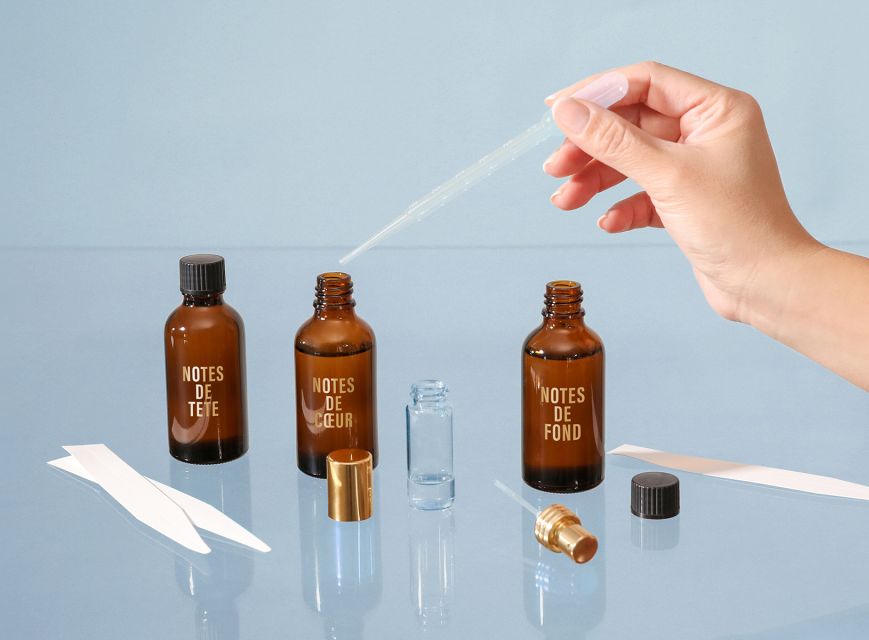
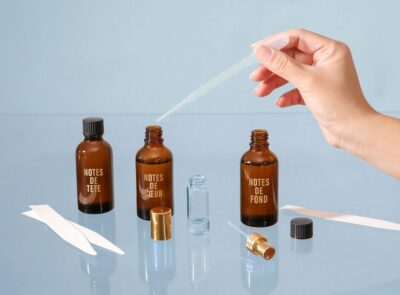
The class introduces the basic idea of the perfume pyramid. You learn to distinguish the front, middle, and rear parts of a fragrance, often called the top, heart, and base notes.
The first impression is the front of the perfume. The middle develops after the initial scent settles, and the rear note lasts longer and gives the fragrance its remaining character. You are guided through these changes by smell rather than by a long lecture.
This is the part that makes the activity more useful than a simple museum tour. You begin to understand why a perfume can smell one way when first sprayed and different a little later. You also get a simple framework for comparing fragrances after the class.
The information provided refers to identifying floral notes of the year through sensory work, though the precise scents used in your session are not specified. The instructor advises you as you make your selection. You should expect guidance, but not a private consultation built around a detailed personal scent profile.
For beginners, that is probably the right level. You do not need prior knowledge of perfume. The class gives you a few terms and a way to think about fragrance without turning the visit into a chemistry lesson.
Same city, a completely different afternoon:
- Paris: Louvre Museum Timed-Entrance Ticket
★ 4.6 · 71,977 reviews - Disneyland® Paris 1-Day Ticket
★ 4.6 · 49,412 reviews - Paris: Versailles Palace and Gardens Full Access Ticket
★ 4.6 · 41,579 reviews - Paris: Evening River Cruise with Music
★ 4.4 · 22,721 reviews
Creating your own 12 ml light perfume
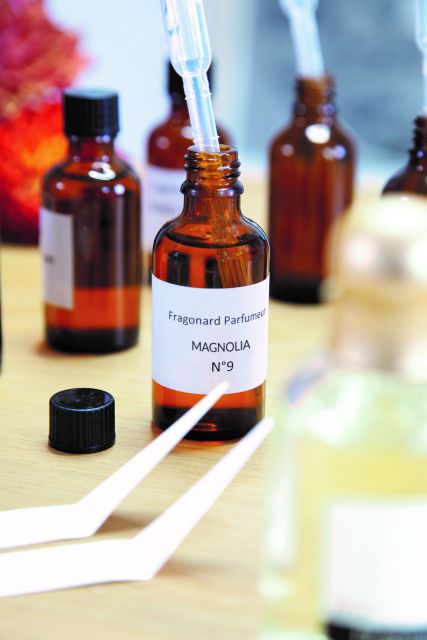
The hands-on part lasts about 15 minutes. You prepare a 12 ml spray of light perfume according to your own preference, with suggestions from the instructor.
The bottle is small, but that is part of the appeal. It is easy to carry during the rest of your Paris visit, and it gives you a personal reminder of the class. You leave with something connected to your own choices rather than a standard souvenir purchased from a shelf.
Do not expect unlimited time to test every possible combination. The session is designed for a quick introduction, so you will likely need to make decisions within the guidance of the class. That can be fun, but anyone who wants to study ingredients slowly should choose a longer workshop if one is available.
The result is described as a light perfume rather than a large bottle of concentrated fragrance. That makes it a modest keepsake, not a replacement for a full-size perfume purchase. Its value comes from the process and the connection to the museum.
I would keep an open mind about the final scent. Your finished perfume may not smell exactly as you imagined at the first spray because fragrance changes as it develops. The lesson about the perfume pyramid helps you understand that change instead of treating it as a mistake.
Why the Chinese-language format matters
The Chinese instructor is one of the clearest reasons to choose this particular session. Perfume vocabulary can be difficult even when you understand the general language used in a tour. Terms about notes, layers, flowers, and development are easier to grasp when explained in the language you use most comfortably.
The Chinese service covers both parts of the experience: the museum tour and the workshop. You do not have to switch languages halfway through the activity.
This is especially useful for families or groups who want to discuss their choices during the class. It also makes the experience more approachable for children over 8, provided a paid adult takes full responsibility for them.
No instructor name is provided for this session, so you should not book expecting a particular named teacher. The important point is that the scheduled instruction is in Chinese and includes advice while you prepare your perfume.
Who will get the most from this short visit
I would recommend this activity to several types of visitors:
- You want a compact cultural stop near the Garnier Opera House.
- You are interested in French perfume but do not know much about how it is made.
- You prefer instruction in Chinese.
- You want a small, personal souvenir rather than another mass-produced gift.
- You are visiting Paris with a child aged 8 or older who enjoys smells, bottles, history, or creative activities.
- You like the idea of a museum visit followed by something practical.
It is less suitable if you dislike making quick choices or want an advanced lesson about raw materials, blending formulas, or fragrance chemistry. The 45-minute timetable keeps the activity accessible, but it also limits the depth.
It may also be a poor fit if you are traveling with large luggage. Large bags are not allowed in the classroom, and all people who enter the classroom must have their own booking and payment. An unpaid companion cannot simply sit in on the class.
Practical planning for the Opera district
Bring your passport or another accepted form of identification. You also need your ticket barcode, which the front desk scans for entry.
Do not arrive with a suitcase or large bag. The activity specifically excludes large luggage, and the classroom rule is firm. If you are checking out of a hotel or arriving from a train station, arrange luggage storage before coming to the museum.
The activity operates only on open dates and is offered weekly according to the available schedule. Check the starting time carefully before building the rest of your day around it. Since the visit is short, arriving late could cost you a meaningful part of the museum tour or perfume preparation.
The ticket allows free cancellation up to 24 hours before the start time for a full refund. You can also reserve now and pay later, which is useful when your Paris schedule is still changing. These terms make it easier to hold a place without committing the full cost immediately.
The activity has a 4.1 rating from 7 reviews, and one verified booking from Germany dated August 5, 2025 gave it 5 out of 5 with the brief comment very good. That is a small sample, so I would treat the rating as a helpful signal rather than a guarantee. The strongest practical takeaway is that the experience is built around a simple, enjoyable format, not an extensive course.
How to decide if $36 is fair
At $36, the cost is reasonable if you place value on the combination of entry, instruction, and the 12 ml bottle. You are paying for a short museum visit plus a guided creative activity in a central Paris location.
The value becomes clearer when you compare it with what you would otherwise do. A standard museum visit may give you history but no personal product. A perfume purchase may give you a bottle but no explanation of how notes change. This activity connects the two.
The price is less attractive if you mainly want a large amount of perfume. The included bottle is only 12 ml, and the class lasts less than an hour. You should book it for the experience and the small keepsake, not for the quantity of fragrance.
I also like that the workshop offers a direct way to explore the business of perfume. You learn how luxury goods depend on scent, presentation, history, and personal preference. That is a useful angle for anyone curious about why perfume occupies such an important place in French culture.
Should you book the Fragonard mini workshop?
Book it if you want a short, Chinese-language introduction to French perfume with a museum visit and a hands-on result. The central location, modest time commitment, and personal 12 ml bottle make it easy to fit into a busy Paris itinerary.
Skip it if you want a long blending session, a large bottle, or a detailed study of fragrance ingredients. The class is best understood as a polished introduction: a little history, a little scent education, and a small perfume made with guidance.
For families, couples, and first-time perfume shoppers, $36 is a fair price when the language and timing suit you. Bring ID, leave large bags elsewhere, and arrive ready to make a quick choice with your nose.
FAQ
Where is the Fragonard mini perfume workshop located?
It is held at the Flower Palace Perfume Museum next to the Garnier Opera House in Paris.
How long does the experience last?
The full activity lasts 45 minutes.
How much perfume do I make?
You prepare your own 12 ml spray of light perfume.
Is the activity conducted in Chinese?
Yes. The museum guide and workshop instructor provide the activity in Chinese.
What does the museum visit cover?
The museum presents perfume history spanning more than 3,000 years, along with perfume bottles and objects connected with ancient art and goldsmithing.
Can children attend?
Children must be at least 8 years old. A paid adult must take full responsibility for participating children.
Does every person in the classroom need a booking?
Yes. Everyone entering the classroom must book and pay for the activity. Unpaid companions may not enter the classroom.
What should I bring?
Bring your passport or ID card. You should also have your ticket barcode available for scanning at the front desk.
Can I cancel the booking?
Yes. You can cancel up to 24 hours in advance for a full refund. You can also reserve now and pay later.
Just added around Paris
- Paris: The Da Vinci Code Walking Tour with a Local Guide★ 4.3 · 5 reviews
- Paris: Flea Market Insider’s Tour in Extra-Small Group★ 4.6 · 73 reviews
- Paris: Private Fashion Tour (Chanel, Dior, Sex & the City)★ 5.0 · 3 reviews
- Paris: Floral Earrings workshop★ 5.0 · 3 reviews
- PARIS: Family e-bike longtail renting★ 5.0 · 3 reviews
- Paris: Fashion History Walking Tour in the Heart of Paris★ 4.9 · 22 reviews
- Paris: Famous Monuments Cycling Tour★ 4.7 · 20 reviews
- Paris: private city tour with seine river cruise★ 4.8 · 28 reviews
Paris Perfume and Craft Workshops, compared.
Paris Create your Own Perfume Workshop with a Perfumer
Read our review →
Fragonard Paris – Mini Perfume workshop – only in Spanish
Read our review →Browse the lists this tour appears in