
Reviewed · GIVERNY AND MONET’S GARDEN DAY TRIPS
From Paris: Giverny and Monet’s Home Day Trip
The star of this half-day trip is Monet’s garden, where the lily ponds, Japanese bridge, willows, and flower-filled Clos Normand show you the real scenes behind some of Impressionism’s best-known paintings. I especially like the comfortable minibus ride from Paris and the useful background many drivers provide before you enter the grounds.
I also like the freedom to explore the house and gardens on your own, plus the chance to see Giverny village and its former American artists’ colony. The main drawback is crowding. On busy days, Monet’s home and garden can feel packed, and the $152 price is high if you want only a ride and admission rather than a fully guided visit.
Key points at a glance
- Monet’s lily ponds in real life: See the water garden, willow trees, wisteria, azaleas, and Japanese bridge that inspired his paintings.
- A comfortable escape from Paris: The deluxe minibus saves you the train connection and gives you a scenic drive through Normandy.
- Useful commentary on the road: Drivers such as Sebastien, Michelle, Matthieu, and Honoré have added context about Monet, French art, villages, and Normandy.
- Self-guided time at Giverny: Your driver brings you to the entrance, then you explore the house, gardens, shop, and village independently.
- Crowds are the big concern: The site can be difficult for photography and slow to navigate during busy periods.
- Best for art and garden lovers: This is a strong choice if Monet matters to you, but less attractive if you expect a full guided tour or a long village visit.
Why Giverny feels different from a museum visit
A painting in Paris shows you Monet’s color and brushwork. Giverny lets you see the source material: the pond, the bridge, the flowers, the reflections, and the shifting balance between wild-looking growth and careful planting.
That change of setting matters. In a museum, you stand in front of a framed canvas. At Giverny, you look across the water and begin to understand why Monet returned to the same subjects again and again. The visit connects the paintings to a real place rather than treating them as isolated works of art.
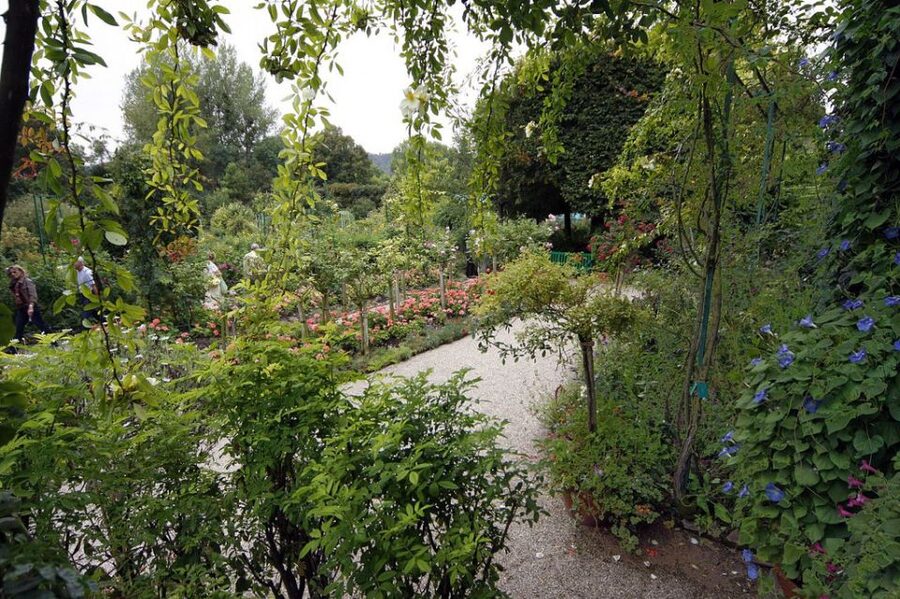
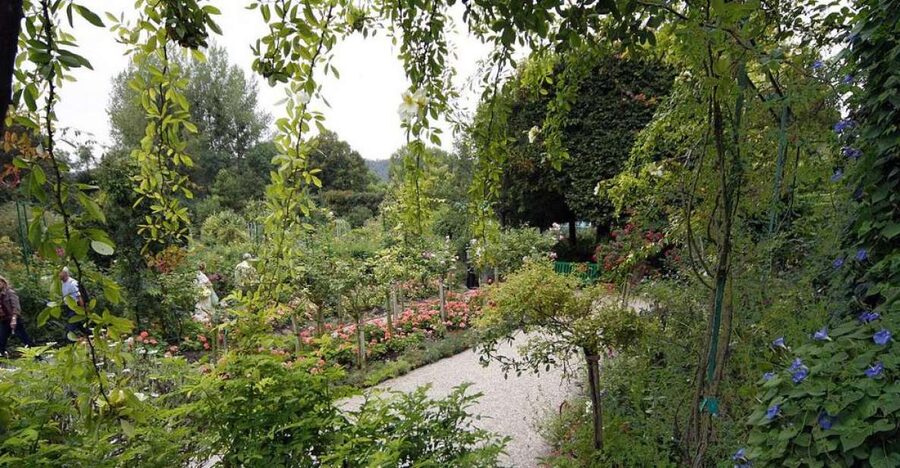
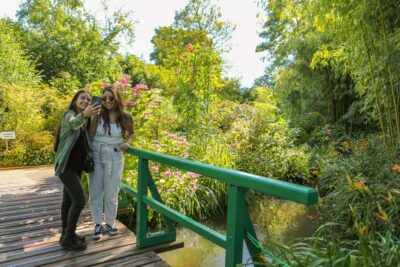
The gardens are larger than many first-time visitors expect. You move through the Clos Normand, the main flower garden near the house, then reach the water garden with its Japanese bridge and lily ponds. Depending on the season, the planting can include brilliantly colored shrubs, climbing plants, wisteria, azaleas, and archways covered with greenery.
I would not expect the garden to feel peaceful at every moment. Giverny is one of Normandy’s most popular cultural stops, and the paths can become crowded. Still, even with people around you, the setting remains visually striking.
More Giverny and Monet’s Garden Day Trips:
- From Paris: Giverny Day Trip with Audio Guide or Live Guide
★ 4.3 · 2,372 reviews - From Paris: Giverny, Monet’s House, & Gardens Half-Day Trip
★ 4.5 · 2,174 reviews - Versailles Palace and Giverny Monet House Visit with Lunch
★ 4.0 · 1,948 reviews
The drive from Paris to Normandy
The meeting point is at 41 Avenue de la Bourdonnais in Paris, near the Eiffel Tower area. You can reach it from École Militaire on Metro line 8, Trocadéro on lines 6 and 9, or Pont de l’Alma on RER C.
The drive takes you out of central Paris and into the countryside around Giverny. That transition is part of the appeal. You leave behind traffic, stone boulevards, and city noise, then pass through a more rural part of Normandy before reaching the village.
The deluxe minibus is a practical choice for this outing. You avoid arranging a train to Vernon and then finding onward transport to Giverny. That convenience is especially useful if you do not want to manage transfers or if train service does not fit your schedule.
The driver-guide is one of the stronger parts of the experience. Sebastien has been praised for safe driving, clear English, and friendly conversation. Michelle has provided detailed background on French art and Monet’s life. Matthieu has been described as polite, helpful, and well informed, while Honoré added material about art and Normandy. The exact driver depends on the departure date, but the best version of this trip gives you context before you arrive.
Some guides also point out extra sights on the return journey. These have included small villages, a church built into a cave, thatched-roof houses, and other local features. Do not count on a formal sightseeing route, but keep your eyes open during the drive.
Entering Monet’s house and gardens
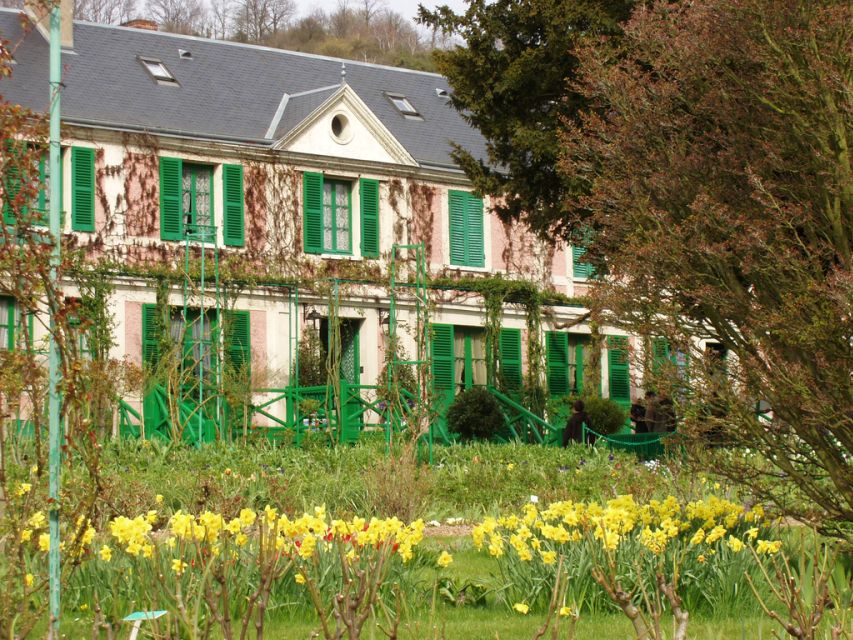
Your ticket is prepaid, which saves time at the entrance. The visit is not a guided tour inside the property. In practice, the driver usually brings you to the entrance, gives you advice, and leaves you to explore independently.
That arrangement suits me because I can spend extra time with the parts I care about. You can move through the house, pause in the garden, visit the water ponds, and stop at the shop without staying with a group. It also means you need to manage your own time carefully.
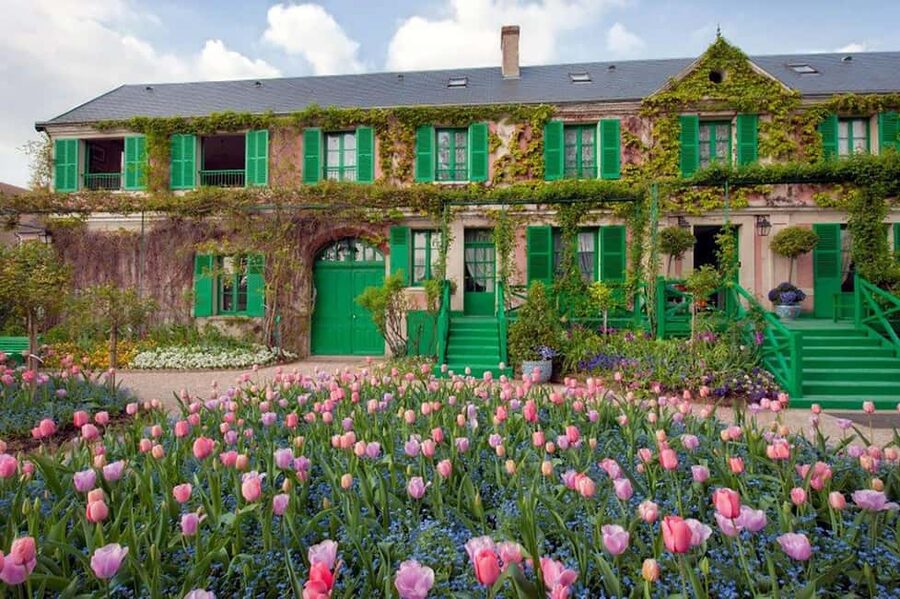
Monet’s house has a comfortable, personal feel rather than the grand scale of a palace. One of its most interesting features is the collection of Japanese engravings. These works help explain Monet’s interest in Japanese visual ideas, especially the use of asymmetrical compositions, framed views, and garden scenes.
The house itself is not enormous, and crowds can make the rooms slow to pass through. If you want quiet time indoors, go directly to the house after entering rather than assuming you can return later without a wait.
The Clos Normand flower garden
The Clos Normand is the first major garden area you are likely to see. Its archways, climbing plants, shrubs, and flowerbeds create the ordered but abundant look associated with Monet’s paintings.
The garden changes with the season. Spring can bring strong color from early flowers and azaleas, while summer offers fuller growth and the famous water-lily setting. Autumn has its own appeal, with changing tones and softer light. The experience is not exactly the same from one month to another, so the date of your visit matters.
This is a place for slow looking. The best approach is not to rush through for a quick photograph. Notice how the garden is arranged in bands of color, how the paths frame the flowers, and how the archways create views through the planting.
You should also expect other people to have the same idea. During busy periods, it can be hard to take a photograph without a crowd in the background. Patience helps, as does waiting for a brief gap rather than trying to push through the busiest section.
More day trips from Paris:
- Normandy D-Day Sites & Cemetery Day Trip from Paris with Lunch
★ 5.0 · 6,877 reviews - Day Trip to Mont-Saint-Michel from Paris
★ 4.5 · 4,876 reviews - Loire Valley Castles Day Trip from Paris with Complementary Wine
★ 4.5 · 3,907 reviews - Normandy D-Day Small-Group Day Trip with Omaha Beach, Cemetery & Cider Tasting
★ 5.0 · 2,786 reviews
The water garden, bridge, and lily ponds
The water garden is the emotional center of the visit. Weeping willows shade the ponds, while the Japanese bridge crosses the water beneath wisteria. The lily ponds are instantly recognizable, yet seeing them in person gives the familiar images a new scale and texture.
The bridge is smaller and more intimate than some people expect. Its importance comes from the way it frames the pond and vegetation, not from its size. Look toward the water from different angles, since the reflections and plant life change as you move.
This section can be especially crowded. The bridge is a natural stopping point, so people gather there for photographs. If you want a cleaner view, you may need to wait patiently or accept a picture with other people in the scene.
I find this part most rewarding after seeing some of Monet’s paintings in a museum. The setting helps you understand that the paintings were not simple snapshots. Monet was studying light, reflection, color, and atmosphere over time. A visit to the garden cannot recreate those canvases, but it makes their visual choices easier to grasp.
Time to explore Giverny village
Giverny is more than Monet’s property. The village attracted American artists between 1883 and 1920, creating an important artists’ colony around the place where Monet lived and worked.
You have some opportunity to walk around the village, but this is not primarily a village walking tour. The main stop is the house and gardens, and free time can be limited. Some people have found time for a cafe, a snack, or a drink near the site, while others have wished for another 30 to 60 minutes to explore more slowly.
If you want to see the wider village, plan your priorities before leaving Paris. You may want to spend the first part of your visit inside the property, then use any remaining time for the shop or a short walk. A nearby church where Monet and his family were buried has also been recommended as a worthwhile extra stop, but your available time may not allow every addition.
The Nympheas studio now houses the Foundation’s shop. It is a convenient place to buy a souvenir connected with Monet and the gardens. I would treat it as an optional final stop rather than a central part of the outing.
How much time do you really get?
The advertised duration is 270 minutes, or four and a half hours. That includes the drive between Paris and Giverny, so your time at the property is shorter. Past visits have often allowed about two hours at the house, gardens, and shop, though exact timing can vary with traffic and the group schedule.
Two hours is enough for a focused visit. You can see the house, walk through both garden sections, take photographs, and make a short shop or cafe stop. It is not enough for a leisurely meal, a long village walk, repeated photography sessions, and a slow museum-style visit all at once.
This is the key time decision. If your goal is to see the garden and understand its connection to Monet’s art, the outing works well. If you want to sit quietly by the pond, wander every lane in Giverny, and study each room in the house, you may find the schedule tight.
Traffic can also affect the day. The minibus drivers have been praised for handling Paris traffic and narrow village roads, but road conditions are never fully predictable. I would avoid scheduling another important activity immediately after the return.
Price and practical value
At $152 per person, this is not a budget outing. The cost covers deluxe minibus transportation, an English-speaking driver, and a prepaid ticket for Monet’s house and gardens. It does not include a guided tour inside the property.
The price makes more sense if you value convenience. You get transport from central Paris, a direct route, a driver who can explain the area, and admission handled in advance. For someone who would otherwise need to arrange the train to Vernon and onward transport, that simplicity has real value.
The price is harder to justify if you want a full art-history tour or a longer stay in Giverny. You are paying for transport and access, not a dedicated guide walking through every room and flowerbed with you. The strongest drivers add useful commentary, but the experience still becomes self-guided once you enter.
The booking terms are flexible: you can cancel up to 24 hours before departure for a full refund, and you can reserve now and pay later. The trip runs rain or shine, so bring clothing suited to the forecast and shoes you can use on garden paths.
The property is not suitable for wheelchair users, so accessibility needs should be checked before booking. This is also not the best choice if you dislike crowds or need a completely relaxed pace.
Who should book this Giverny trip?
I would choose this outing for someone staying in Paris who wants an easy half-day escape and has a real interest in Monet, gardens, or Impressionist art. It is also a good fit if you prefer a small minibus to public transport and want an English-speaking driver to handle the route.
Families and mixed-interest groups can enjoy it too, since the garden gives you something visual even if you are not an art specialist. Still, anyone hoping for a long village lunch or an extended countryside walk should look for a longer excursion.
For photographers, timing and patience are essential. The garden offers strong subjects, but crowds can make clean compositions difficult. For serious garden lovers, the seasonal planting is a major reason to go, though the exact flowers will depend on the date.
For art fans, try to visit the Musée d’Orsay or another Monet collection before or after Giverny if your schedule allows. Seeing the paintings and then standing in the garden, or doing the reverse, makes both experiences more meaningful.
Should you book it?
Book this trip if you want the simplest practical route from Paris to Monet’s home, especially if arranging trains feels like a chore. The minibus, prepaid entry, scenic drive, and strong driver commentary make it an efficient way to see Giverny in half a day.
Skip it if $152 feels too high for transport and admission, or if you want a fully guided visit with plenty of free time. In that case, an independent journey or a longer Giverny excursion may suit you better.
For most Monet fans, the garden is worth the effort. Just arrive ready for crowds, accept that the visit is self-guided, and use your limited time wisely.
FAQ
Where does the Giverny trip meet in Paris?
The meeting point is 41 Avenue de la Bourdonnais, 75007 Paris. The nearest listed transport stops are École Militaire on Metro line 8, Trocadéro on lines 6 and 9, and Pont de l’Alma on RER C.
How long does the experience last?
The stated duration is 270 minutes, or four and a half hours. This includes transportation between Paris and Giverny.
What transportation is used?
The trip uses a deluxe minibus. A driver accompanies the group from Paris to Giverny and back.
Is a guided tour of Monet’s house included?
No. The ticket to Monet’s house and gardens is included, but there is no guided tour inside the property. You explore the site independently after entering.
What language does the driver speak?
The driver speaks English, and English is the listed language for the activity.
What can I see at Monet’s property?
You can see Monet’s house, Japanese engravings, the Clos Normand flower garden, the water garden, lily ponds, weeping willows, and the Japanese bridge. The Nympheas studio contains the Foundation’s shop.
Is the trip suitable for wheelchair users?
No. The activity is listed as unsuitable for wheelchair users.
Can I cancel the booking?
Yes. You can cancel up to 24 hours in advance for a full refund. A reserve-now, pay-later option is also available.
Just added around Paris
- Paris: The Da Vinci Code Walking Tour with a Local Guide★ 4.3 · 5 reviews
- Paris: Flea Market Insider’s Tour in Extra-Small Group★ 4.6 · 73 reviews
- Paris: Private Fashion Tour (Chanel, Dior, Sex & the City)★ 5.0 · 3 reviews
- Paris: Floral Earrings workshop★ 5.0 · 3 reviews
- Paris: Fashion History Walking Tour in the Heart of Paris★ 4.9 · 22 reviews
- PARIS: Family e-bike longtail renting★ 5.0 · 3 reviews
- Paris: Famous Monuments Cycling Tour★ 4.7 · 20 reviews
- Paris: private city tour with seine river cruise★ 4.8 · 28 reviews
Giverny and Monet’s Garden Day Trips, compared.
Giverny Day Trip with Audio Guide or Live Guide
Read our review →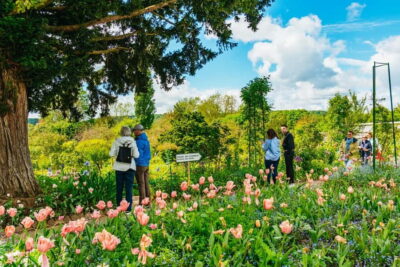
Giverny, Monet’s House, & Gardens Half-Day Trip
Read our review →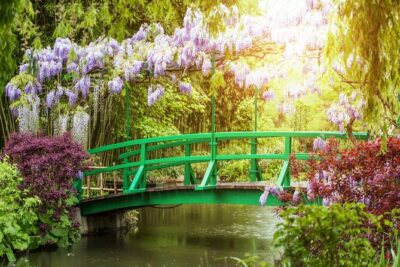
Giverny Monet’s Home and Gardens Half Day Tour from Paris
Read our review →
Giverny Small-Group Half Day Trip with Monet’s Gardens from Paris
Read our review →
Giverny and Versailles Palace Guided Day Trip
Read our review →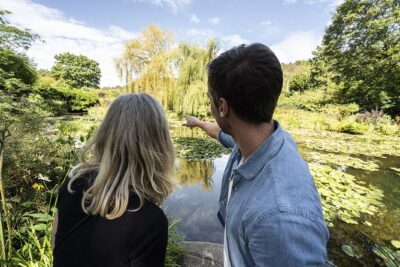
Giverny and Monet’s House Half Day Trip from Paris Guide or Audio
Read our review →
Giverny and Versailles Small Group Day Trip from Paris with Lunch
Read our review →
Browse the lists this tour appears in