

Reviewed · LOUVRE MUSEUM TOURS
Louvre and Musée d’Orsay with Reserved Entry Ticket
The smart idea here is the chronological route: you begin with Ancient Greek art at the Louvre, move through the great European masters, and finish with the artistic rule-breakers of the Musée d’Orsay. That gives you a clear story instead of two giant museums and a pile of famous names.
I like the small group limit of six, which gives your guide room to adjust the pace and answer questions. I also like the handoff from the Louvre to the Orsay, a simple 10-minute walk that connects the former royal palace with a former railway station. The drawback is the cost, $258 per person, and the amount of walking packed into 5.5 hours.
Key points to know before booking
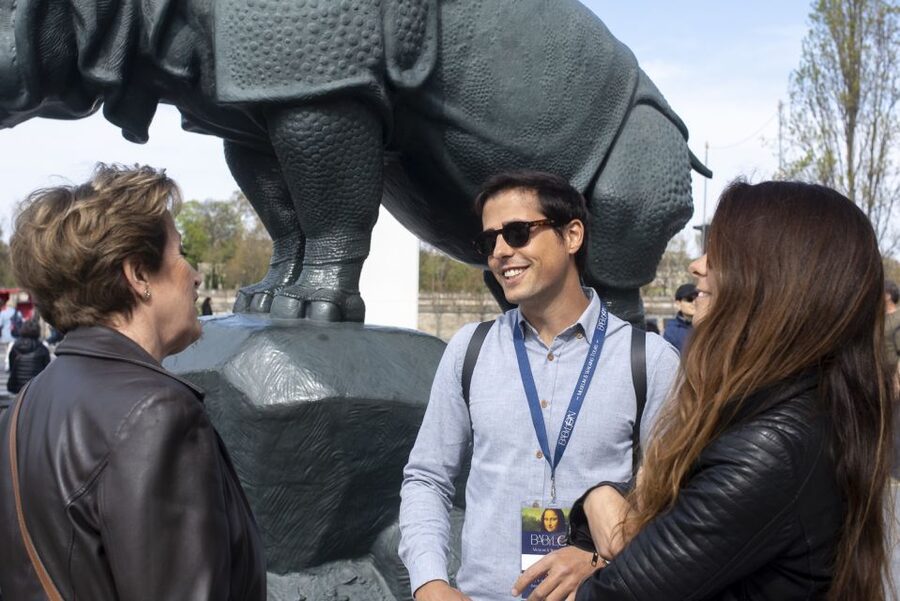
- Two museums, one art story: Start with Ancient Greece and the Louvre, then move into 19th-century French art at the Musée d’Orsay.
- Six people maximum per guide: The semi-private format is designed for personal questions and a more flexible pace.
- The Mona Lisa is included: Your guide leads you to Leonardo da Vinci’s famous painting and other major Louvre works.
- A 10-minute museum-to-museum walk: You are accompanied between the Louvre and Musée d’Orsay, but no separate transfer is provided.
- Guides bring different strengths: Dunya is praised for balancing both museums, Alex for storytelling and adapting to group interests, and Daniel for his strong art background.
- Expect serious walking: Large galleries, stairs, and the distance between museums make this a poor fit for anyone with limited mobility.
A clear route through two enormous Paris museums
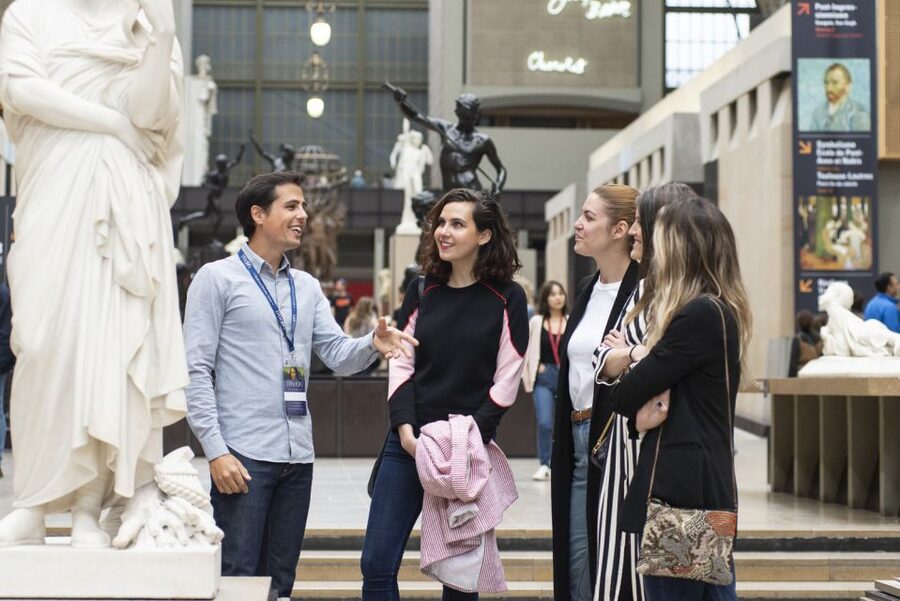
The Louvre and Musée d’Orsay are close on a map, but they offer very different experiences. The Louvre is vast, with more than 35,000 works and over 650,000 square feet of exhibition space. The Orsay is far smaller and more focused, centered on 19th-century French art.
That contrast makes this tour useful. Instead of asking you to find your way through two confusing buildings, the guide supplies a connecting thread. You begin with the ancient world, see how European art changed over time, and finish with artists who broke from older rules.
You should think of this as an introduction, not a complete museum visit. No guide can cover everything in the Louvre in a single morning or afternoon. The value lies in choosing important works and explaining why they matter, rather than marching you past hundreds of paintings with dates and names that quickly blur together.
The tour lasts 5.5 hours, including a lunch break. Check the available starting times when you book, since the meeting point can vary by the option you select.
More Louvre Museum Tours:
- Paris: Louvre Museum Timed-Entrance Ticket
★ 4.6 · 71,977 reviews - Paris: Louvre Guided Tour with Reserved Access & Boat Cruise
★ 4.3 · 16,353 reviews - Louvre Museum Masterpieces Guided Tour with Access
★ 4.5 · 12,023 reviews
Starting at the Louvre, from Greek myths to Leonardo
The Louvre is a difficult museum to tackle without a plan. Its former palace rooms, immense size, and huge range of art can leave you spending too much time on the first famous gallery you find.
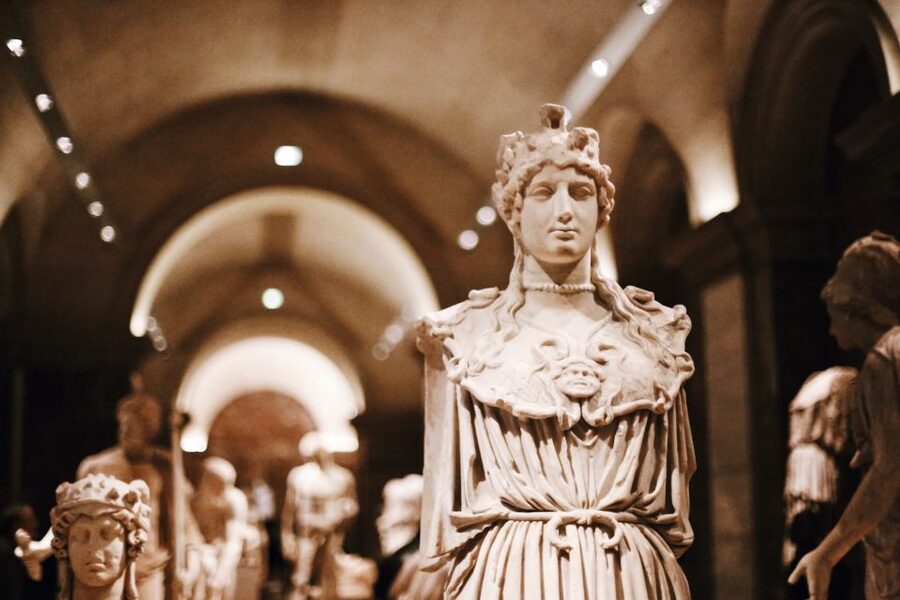
Here, your guide begins with Ancient Greek mythology and antiquities. That opening gives you a useful foundation for understanding later European art. You can see how artists treated the human body, gods, heroes, and ideal beauty before the tour moves toward the Renaissance and later periods.
The building itself is part of the experience. You will learn about the Louvre’s time as a palace, not just its current role as a museum. That matters because the grand rooms and formal architecture make more sense when you know they were designed for royal life and display.
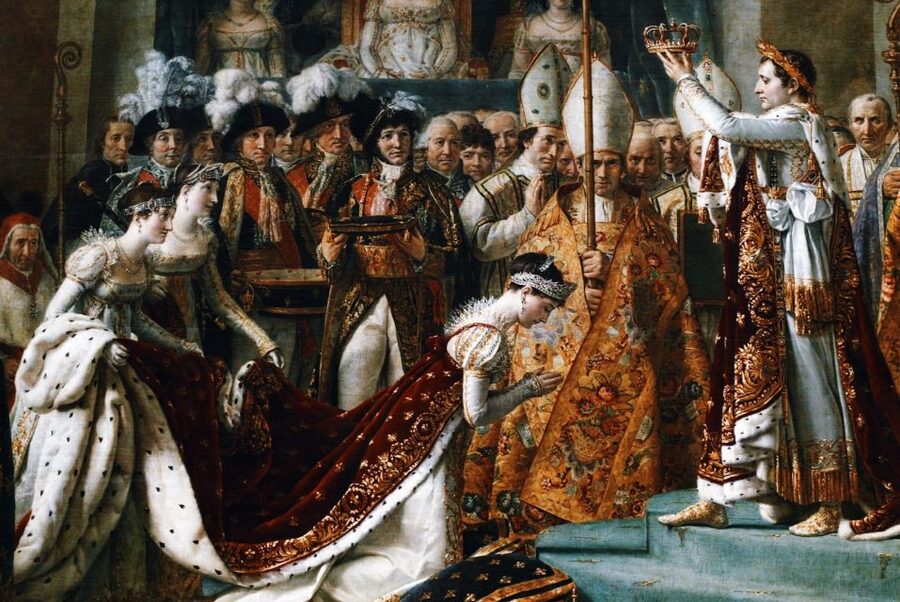
Your guide then leads you to selected masterpieces. Leonardo da Vinci’s Mona Lisa is the obvious stop, but the point is not simply to take a quick look and move on. The guide explains why particular works changed art or influenced the way people thought about civilization and artistic skill.
The Mona Lisa can be a crowded, highly managed moment. You may have limited time in front of it, and the painting is smaller than many first-time visitors expect. A guide cannot remove the crowd, but a good one can make the stop more useful by placing the portrait within Leonardo’s work and the wider development of Renaissance art.
This is where the quality of the guide matters most. Alex is praised for connecting artists and periods through strong storytelling, while also taking account of what a private group wants to see. Dunya is praised for keeping a good balance between the two museums. Daniel is described as having an especially strong command of art. The guide assigned to your booking may differ, but these names give you a sense of the standard to expect from the provider.
Why the Louvre’s reserved entry matters
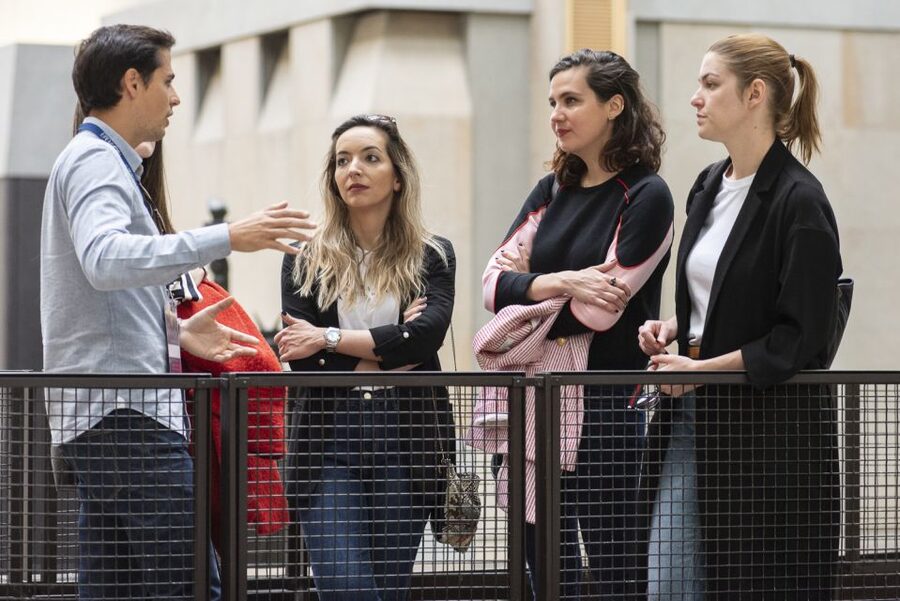
Reserved entry is not the same as walking straight into an empty museum. Security and museum procedures still take time, and conditions can change. Still, having an arranged entry can save you from one of the most frustrating parts of visiting the Louvre, figuring out the access process while the clock is running.
The benefit becomes greater when you are trying to visit two major museums in one day. A long wait at the first entrance can cut into your time at the Orsay, where the tour continues after lunch.
The reserved ticket includes the museum entrance fee. Temporary exhibits are not included, so you should not assume that every special display is covered by the booking.
The Louvre can also have room closures or changes without advance notice. If a museum opening is delayed by more than an hour, an alternative is provided, but refunds or discounts are not promised in that situation. That is worth remembering if you are building a tightly timed Paris schedule around this experience.
The break between museums
After the Louvre, you have a lunch break before continuing to the Musée d’Orsay. Food and drinks are not included, so you pay for lunch yourself.
The walk from the Louvre to the Orsay takes about 10 minutes, and your guide accompanies you. No separate vehicle transfer is needed for this short connection, though the meeting details and exact route may vary.
This pause is useful because the Louvre portion involves a great deal of standing and walking. It also gives you a chance to reset before the Orsay. Keep lunch practical rather than planning a long, elaborate meal. The schedule has another museum ahead, and the total tour time is already substantial.
More Musée d’Orsay Tours:
- Paris in a Day: Louvre or Orsay, Eiffel Tower, City Walk & Cruise
★ 5.0 · 1,956 reviews - Paris: Musée d’Orsay Skip-the-Line Tour with Expert Guide
★ 4.5 · 1,145 reviews - Musée d’Orsay Skip-the-Line Tour with Expert Guide
★ 4.8 · 1,088 reviews - The Musée d’Orsay Guided Tour Orsay Museum Semi-Private 6ppl Max
★ 5.0 · 904 reviews
The Musée d’Orsay and the break from tradition
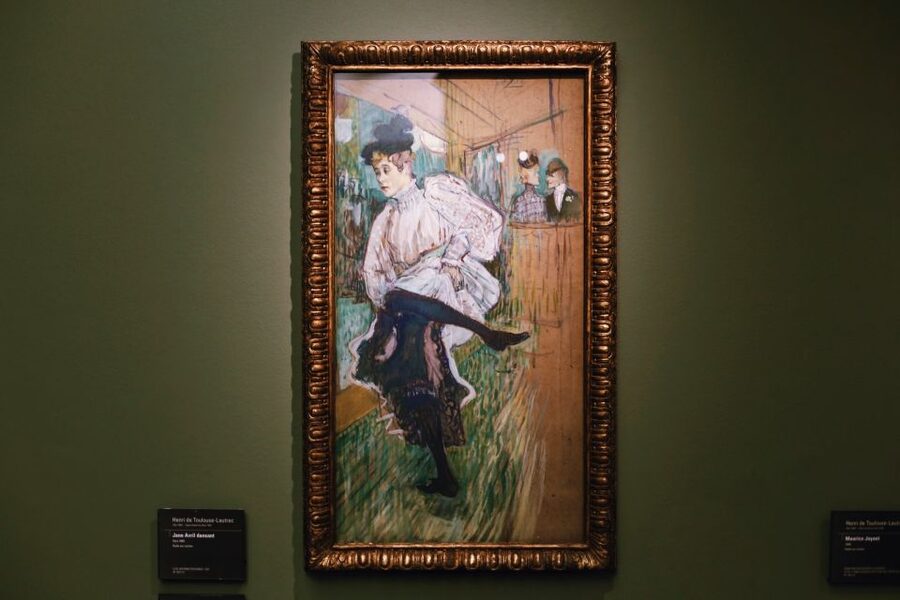
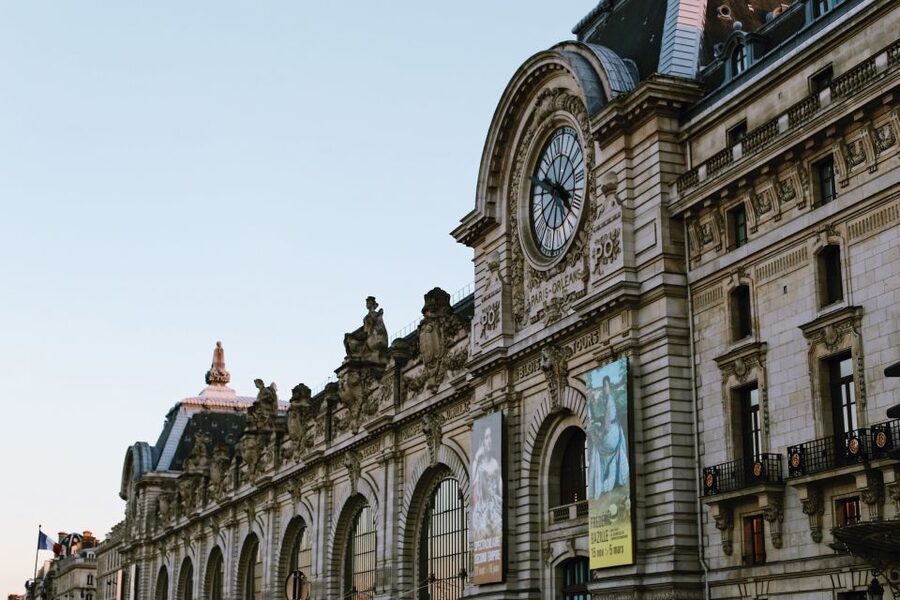
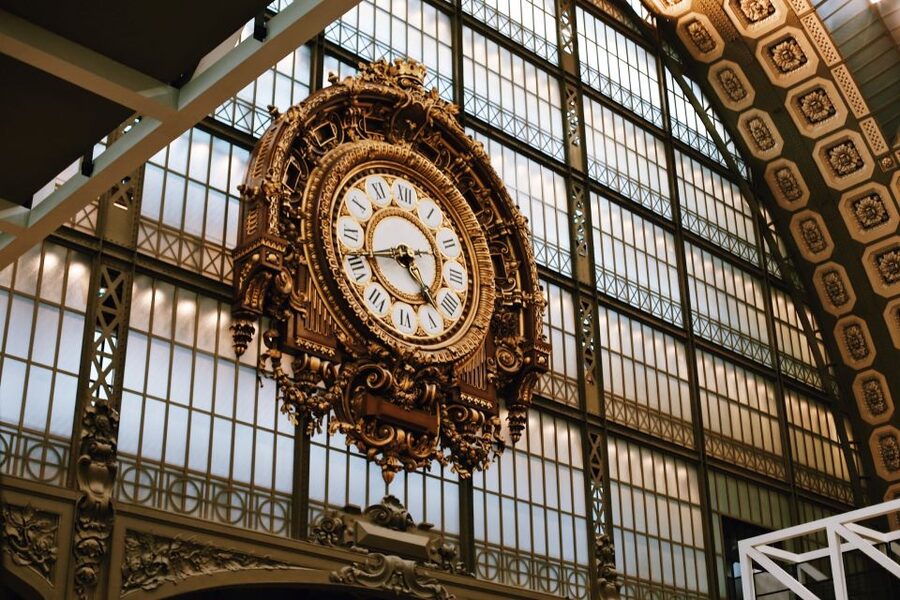
The Musée d’Orsay occupies a former Gare d’Orsay railway station, a beautiful Beaux Arts building with a very different feel from the Louvre. The building itself gives the second half of the tour a fresh start.
The Orsay focuses on 19th-century French art, including the painters who pushed against established academic rules. You will look at artists such as Manet, Renoir, Cézanne, Gauguin, and Van Gogh, with attention to their individual styles and working methods.
This section helps explain why Impressionism was not simply a pleasant style of loose brushstrokes. It grew from artists questioning older ideas about finish, subject matter, light, and public taste. The tour also covers the people who helped open the door to Impressionism and post-Impressionism.
You might find the Orsay easier to enjoy after the Louvre because its collection is more concentrated. Instead of moving from ancient sculpture to Renaissance painting to royal interiors, you spend this portion with a connected group of 19th-century artists.
The tour’s chronological structure works particularly well here. You have already seen earlier approaches to composition and ideal beauty. At the Orsay, you can better understand what Manet, Renoir, Cézanne, Gauguin, and Van Gogh were changing.
How much personal attention can you expect?
The maximum group size is six guests per guide. That is a meaningful limit in museums where a large group can easily become separated or difficult to hear.
A small group also gives you a better chance to ask about a particular painter or work. Alex is specifically praised for taking a private group’s interests into account, so you may have some room to steer the conversation. The tour still follows a planned route, but it should not feel like a lecture delivered without regard for the people standing in front of the guide.
Private and small-group options are available. A private guide is included only if you select that option, so check the exact booking choice and price before paying.
The semi-private tour requires at least two participants to operate. If that minimum is not met, an alternative date or full refund is offered. The language choices are English, Spanish, German, Italian, French, and Russian.
The walking demands are real

You should book this only if you are comfortable walking for several hours in large museums. The tour includes extended time on your feet, movement between galleries, and the walk from the Louvre to the Orsay.
The information provided describes the semi-private option as unsuitable for people with walking disabilities or wheelchair users. Wheelchair tours can be requested, but access is not automatic, so you should ask before booking rather than assume the standard route can be adapted.
Wear comfortable shoes and travel light. Bags larger than 55 by 35 by 20 centimeters are not permitted, and luggage or oversize bags are not allowed. Bring a passport or other identification, as it is listed among the required items.
These rules are not minor details. A large suitcase can stop you at the door, and discomfort from poor footwear can make the second museum far less enjoyable.
Is $258 a fair price?
At $258 per person, this is an expensive museum visit. You are paying for reserved entry to both museums, an expert-led route, a maximum group size of six, and the convenience of linking two major sights in one half-day.
The price makes more sense if you value explanation and structure. A first visit to the Louvre can easily become inefficient, especially if you have limited time in Paris. The guide saves you from building your own route through the museum and supplies context that wall labels cannot always provide.
It is less attractive if you already know both museums well, prefer to wander alone, or want a full day at one collection. You will see only a selected portion of each museum, and lunch, transportation to the Louvre, and any special exhibits cost extra.
The strongest value is for a first-time visitor who wants the major works without treating the museums as a checklist. The small group format also helps justify the price. A six-person limit offers a more personal experience than a large coach-style museum tour, though it remains far more expensive than buying ordinary admission and exploring independently.
Who will enjoy this tour most?
I would recommend it to you if you want a guided introduction to art and have only one day available for these two museums. The chronological approach gives you a useful framework, while the guides add stories and connections that help the paintings stay in your memory.
It is also a good match for families or mixed-interest groups who need someone to make decisions about what to see. You avoid the pressure of choosing among thousands of works, and you can ask questions as the route unfolds.
It may not suit you if your main goal is quiet, unhurried viewing. The schedule covers a lot of ground, and the Louvre alone can occupy an entire day for a serious art fan. If you want to study a single artist or collection at length, buy admission and set your own pace.
The experience is available in six languages, but you should select carefully at booking. The assigned meeting point may vary by option, so read the instructions closely and provide a working mobile number and email address.
Should you book the Louvre and Orsay tour?
Book it if you want a guided art timeline, reserved entry, and a small group capped at six. The combination of the Louvre’s ancient and Renaissance works with the Orsay’s Impressionist and post-Impressionist art makes the route easy to follow and useful for a first visit.
Skip it if $258 feels too high for a selected museum route, or if you have mobility limits that make the walking difficult. You will not see every gallery, lunch is not included, and temporary exhibits cost extra.
For the right visitor, the best reason to book is not simply seeing the Mona Lisa. It is having Dunya, Alex, Daniel, or another guide help you understand how art changed from Greek ideals to Leonardo, Manet, Renoir, Cézanne, Gauguin, and Van Gogh in one well-planned stretch.
FAQ
How long does the tour last?
The tour lasts 5.5 hours, including a lunch break. Starting times vary, so check availability for the date you want.
Which museums are included?
The tour includes the Louvre Museum and the Musée d’Orsay. Reserved entry tickets and museum entrance fees are included.
Is lunch included?
No. The tour includes a lunch break, but food and drinks are not included.
How many people are in each group?
The tour has a maximum of six guests per guide. Private and small-group options are available.
Which languages are offered?
Live guides are available in English, Spanish, German, Italian, French, and Russian.
Is transportation between the museums included?
No separate transfer is provided. The Louvre and Musée d’Orsay are about a 10-minute walk apart, and your guide accompanies you between them.
Can I bring luggage into the museums?
No. Luggage and large bags are not allowed. Items larger than 55 by 35 by 20 centimeters are not permitted.
Is the tour suitable for wheelchair users?
The standard semi-private tour is not available for wheelchair users or people with walking disabilities. Wheelchair tours can be requested, so ask about access before booking.
Just added around Paris
- Paris: The Da Vinci Code Walking Tour with a Local Guide★ 4.3 · 5 reviews
- Paris: Flea Market Insider’s Tour in Extra-Small Group★ 4.6 · 73 reviews
- Paris: Private Fashion Tour (Chanel, Dior, Sex & the City)★ 5.0 · 3 reviews
- Paris: Floral Earrings workshop★ 5.0 · 3 reviews
- Paris: Fashion History Walking Tour in the Heart of Paris★ 4.9 · 22 reviews
- PARIS: Family e-bike longtail renting★ 5.0 · 3 reviews
- Paris: Famous Monuments Cycling Tour★ 4.7 · 20 reviews
- Paris: private city tour with seine river cruise★ 4.8 · 28 reviews
Louvre Museum Tours, compared.
Louvre Guided Tour with Reserved Access & Boat Cruise
Read our review →
Louvre Museum Masterpieces Guided Tour with Access
Read our review →
Louvre Museum Entry Ticket With Host and River Cruise
Read our review →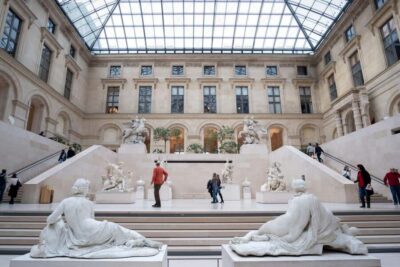
Priority Access Louvre with Host -Direct to Mona Lisa
Read our review →
Mona Lisa & Louvre Masterpieces Tour with Reserved Access
Read our review →
Louvre Museum – Exclusive Guided Tour (Entry Included)
Read our review →
Louvre Reserved Ticket and River Cruise Combo
Read our review →Browse the lists this tour appears in