
Reviewed · PARIS CATACOMBS TOURS
Paris: Catacombs Restricted Access Tour
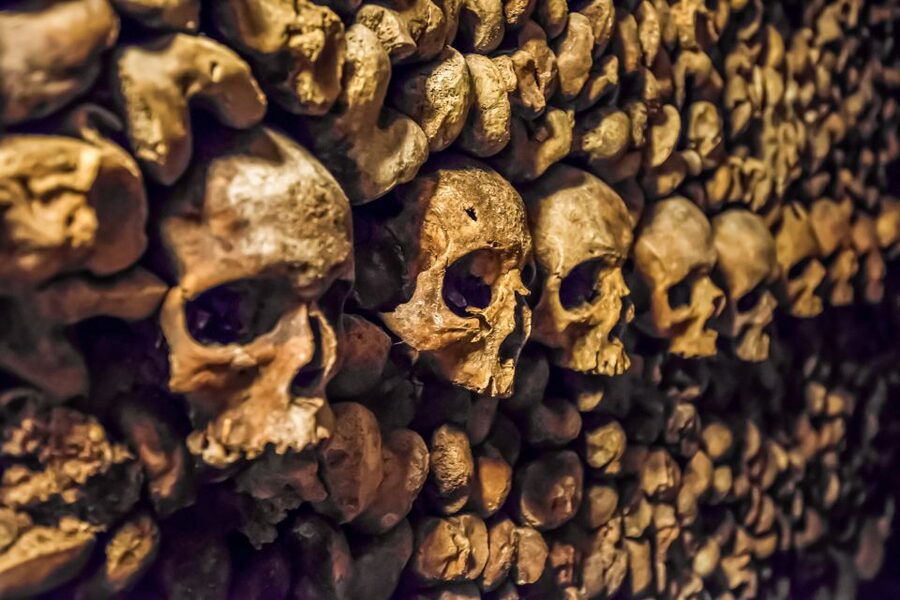
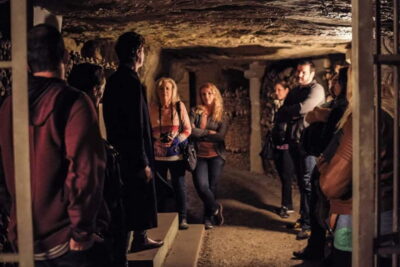
Paris keeps one of its strangest worlds beneath the pavement: the Catacombs, a former limestone quarry turned ossuary for more than six million people. This two-hour tour adds official fast-track entry, a small group of six or fewer, and access to rooms closed to regular visitors. I especially like the chance to see more than the standard route and to hear the site explained by guides such as Remy, Anthony, David, and Marion, who are praised for their stories and clear English. The drawback is the price: at $187 per person, you pay a premium for extra access and a personal guide.
I also like the practical comfort of avoiding the main entry queue and the chance to ask questions as you walk. Just remember that this is a demanding underground visit, with 130 steps down, 112 steps back up, slippery patches, narrow passages, and a steady temperature of about 14°C.
Key points to know before you book
- Extra rooms are the main reason to pay more: The guide can take your group through sections not open to regular visitors.
- The group is capped at six people: You get more room to ask questions and a better chance to hear the guide underground.
- The entry point is simple to find: Meet outside the main gate at Place Denfert Rochereau, directly across from Metro exit Sortie 1.
- The Catacombs tell two stories at once: You see the limestone quarries that shaped Paris, then the ossuary created when city cemeteries became unsafe.
- The physical demands are real: Expect 130 steps down, 112 up, narrow tunnels, slippery surfaces, and no wheelchair access.
- The cost buys more than a ticket: At $187, the value rests on fast-track entry, restricted areas, and the quality of your live guide.
Why this Paris tour goes beyond a room of bones
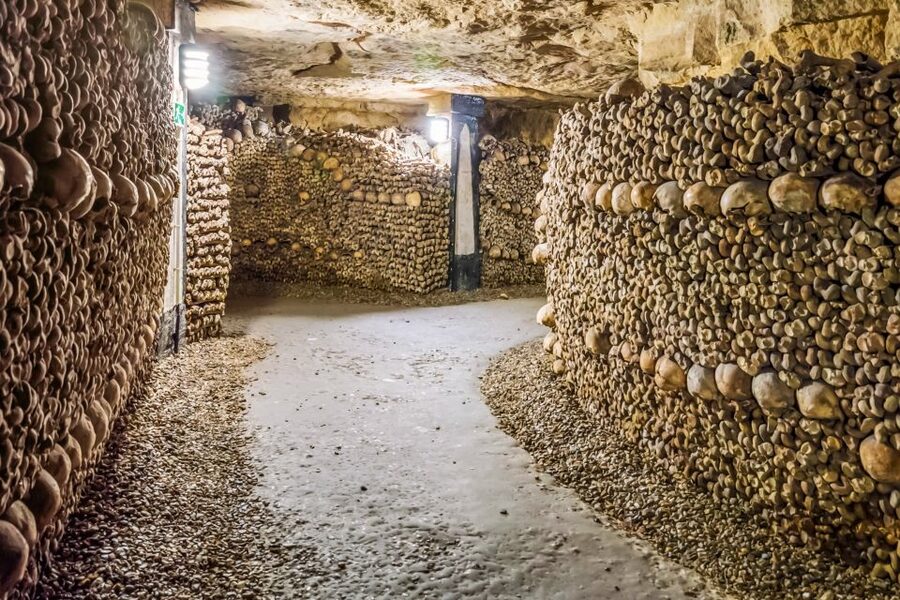
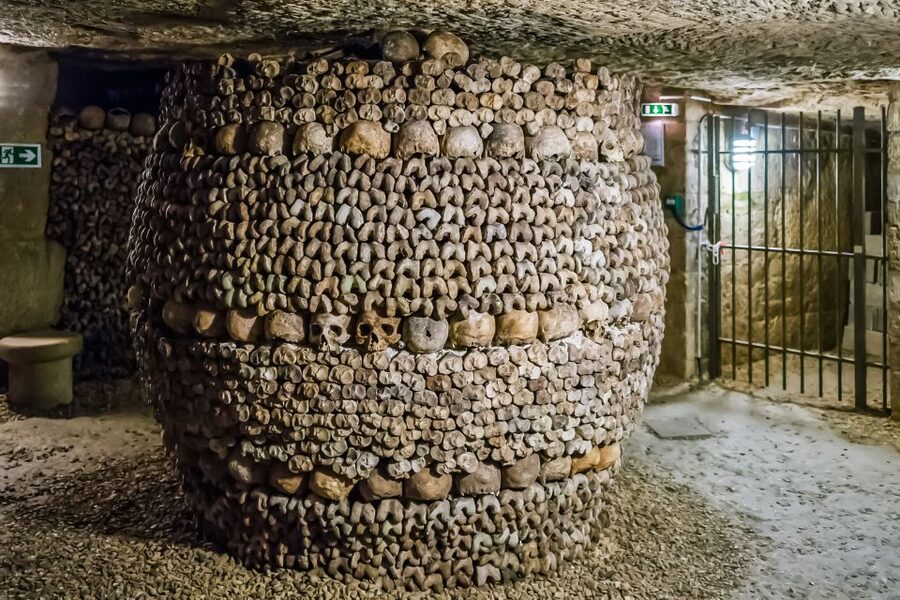
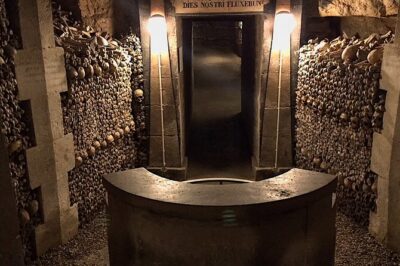
The famous part of the Catacombs is the ossuary, with bones arranged in long walls and occasional macabre patterns. But the full experience is more interesting when you understand how the site came to be.
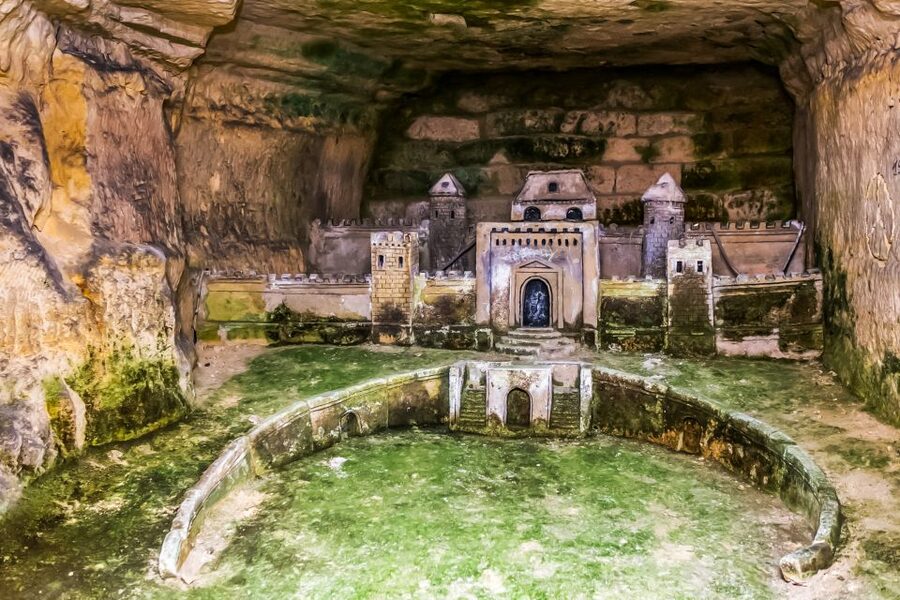
The tunnels began as limestone quarries. Paris used this stone for major buildings and bridges, leaving a huge underground network beneath the city. The galleries extend for more than 200 miles, although this public visit covers only a small, managed section.
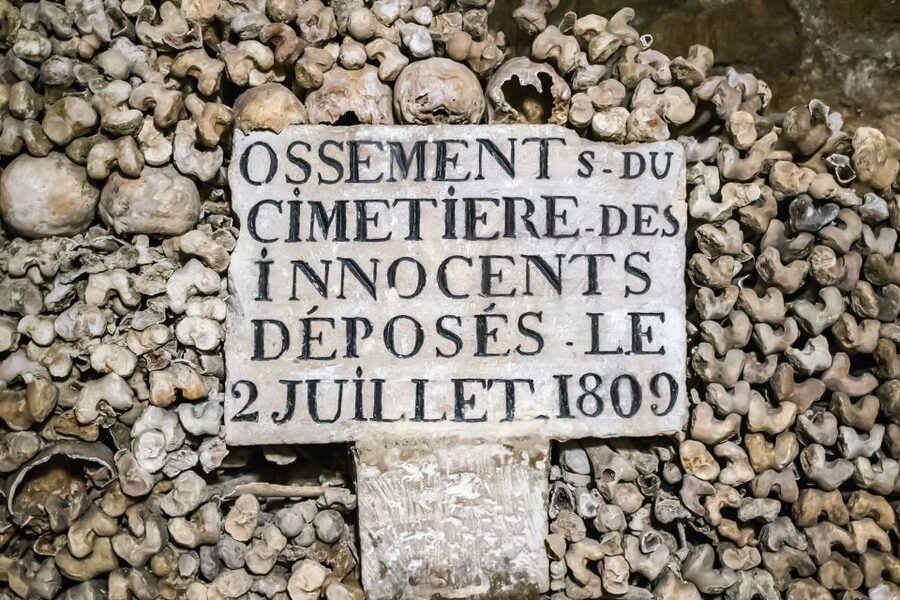
In the 18th century, crowded cemeteries in central Paris created a serious health and sanitation problem. Graves were packed too tightly, bodies were disturbed, and some remains were left exposed. The city moved the bones underground in a discreet operation, creating the ossuary that later became known as the Empire of Death.
That context changes what you see. The bones are not simply a spooky decoration. They are evidence of a public health crisis, an urban planning problem, and a major shift in how Paris dealt with death. Your guide can connect the tunnels to French history, city growth, the French Revolution, and the daily work of the people who built and maintained this hidden world.
The tour also touches on stories linked to the Catacombs, including claims that the Man in the Iron Mask lies here and that both executioners and their victims from the Revolution were brought underground. Some stories belong to legend, so listen for the difference between what is documented and what has grown through years of retelling.
More Catacombs tours in Paris:
- Paris: Catacombs Entry & Seine River Cruise with Audio Guide
★ 4.4 · 1,150 reviews - Paris: Catacombs, Audio Guide, and River Cruise Option
★ 4.6 · 966 reviews - Paris: Catacombs Ticket and Seine River Cruise
★ 4.1 · 853 reviews
Meeting at Denfert Rochereau without wasting time
The meeting point is outside the main entrance at 1 avenue du Colonel Henri Roi-Tanguy, on Place Denfert Rochereau in the 14th arrondissement. The easiest route is Metro lines 4 or 6 to Denfert Rochereau. Use Sortie 1, and the Catacombs entrance is directly across the street.
The key instruction is simple: do not join the regular ticket line. Go straight to the entrance door and look for your guide. This matters because the Catacombs can draw long queues, and standing in one before a two-hour walking tour is a poor use of your Paris morning or afternoon.
The small group format also helps at this stage. With six people or fewer, your guide can spot the group quickly and give you a short introduction before entry. The site allows only 200 people underground at one time, so staff may briefly hold entry if the maximum has been reached. The expected delay for this small group should be no more than about five minutes.
Arrive with only what you need. Large bags and luggage are not allowed, so leave your suitcase at your accommodation or make other arrangements before coming to the square.
The 130-step descent into old Paris
After entry, the tour begins with a long staircase down. You descend 130 steps to reach the underground galleries, which sit about 20 meters, or 65 feet, below street level in places.
This is not a quick lift ride into a museum. The descent gives you a clear sense that you are leaving ordinary Paris behind. The temperature drops to around 14°C, or 57°F, even during summer. A light jacket or warm layer is a good idea, and sturdy shoes matter more than stylish ones.
The tunnels are narrow in places, and the floor can be slippery. Walk at a steady pace, keep your hands free, and take care on the stairs. The visit is not suitable for wheelchair users or people with limited mobility. It is also a poor match if you have serious cardiac or respiratory problems or strong claustrophobia.
Once underground, the guide’s role becomes especially useful. An audio guide can tell you facts, but it cannot easily respond when you ask why a wall is shaped a certain way, how a quarry passage relates to the ossuary, or whether a particular story is accepted as fact. A live guide can also keep the group together in a place where corridors and rooms can feel similar.
From limestone quarry to the Empire of Death
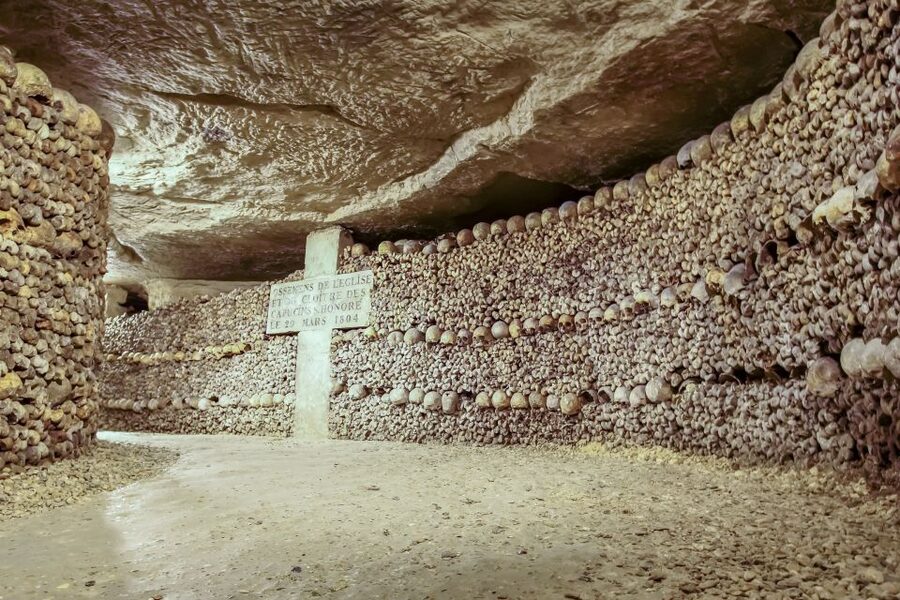
The first major part of the visit helps you read the underground setting. These passages were not originally designed as a cemetery. They were cut into the earth to remove limestone for Paris above.
That detail gives the tour a useful two-level view of the city. The grand streets, bridges, and buildings you see in daylight depended partly on work carried out beneath them. The Catacombs are therefore both a burial site and a record of Parisian construction.
The guide can also explain the practical problem that led to the ossuary. Cemeteries inside the city became overcrowded and unsanitary. Poor burials and disturbed graves created fear and disease concerns, leading officials to transfer remains underground during the 18th century.
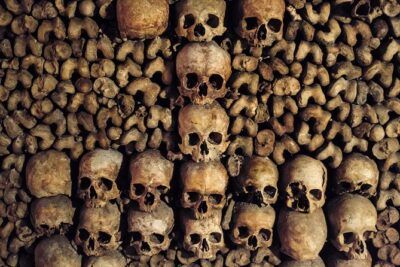
The bones were not left in random heaps. In the public sections, you see carefully arranged walls of skulls and bones. The design is stark, but it reflects an effort to organize a huge number of remains in a confined space. The setting asks you to think about how a city treats its dead when space runs out.
I find this part more rewarding when you approach it with respect rather than treating it as a horror attraction. Films such as As Above So Below have helped popularize the Catacombs as a frightening maze, but the real story is more grounded and more revealing. It is about sanitation, engineering, religion, death, and the growth of a crowded capital.
Same city, a completely different afternoon:
- Paris: Louvre Museum Timed-Entrance Ticket
★ 4.6 · 71,977 reviews - Disneyland® Paris 1-Day Ticket
★ 4.6 · 49,412 reviews - Paris: Versailles Palace and Gardens Full Access Ticket
★ 4.6 · 41,579 reviews - Paris: Evening River Cruise with Music
★ 4.4 · 22,721 reviews
The restricted rooms make the upgrade worthwhile
The strongest feature of this tour is access to sections closed to the general public. Your guide has special access to underground gates and can take the group into rooms and passages that a standard self-guided visit does not include.
The exact rooms can vary, so you should not expect a fixed list of secret chambers. The important point is that you see more than the regular public route. These less crowded areas can also make the visit feel calmer, with more space to listen and ask questions.
Past visitors have singled out the extra rooms as the part that makes the higher price worthwhile. Guides including Remy, Maria, Marion, John, Leo, Roman, Paula, Amber, and David have been praised for showing additional spaces and explaining the site with humor and care. Your guide will depend on the date, so treat those names as examples rather than a guarantee.
The restricted access is not simply a photo opportunity. It gives your guide more material to explain. You may hear about the people who quarried the stone, those who arranged and maintained the ossuary, the early visitors who came underground, and the secret societies associated with the wider Catacomb network.
Do not confuse this official tour with unauthorized exploration. The larger quarry network is far beyond the public route, and this activity takes place in managed areas with controlled entry. That is a good thing. The underground environment is easy to underestimate, and a guide helps keep the visit safe and focused.
What the guide adds over walking alone
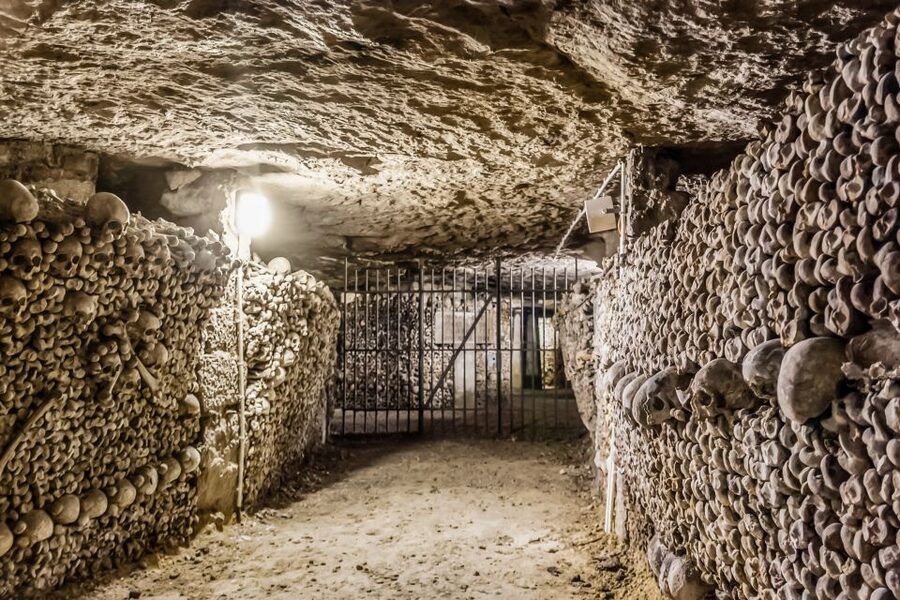
The public route can show you the bones, but it cannot provide the same conversation. This tour is best when you want the story behind the walls rather than a quick look followed by an exit.
The strongest guide feedback centers on three qualities: clear explanations, a lively style, and a real sense of care for the site. Anthony is praised for combining safety with respect for the people buried there. David is described as friendly, entertaining, and full of facts about both the Catacombs and Paris. Remy is repeatedly singled out for stories, humor, and a strong command of the site.
That range matters because two hours underground can feel long if the guide simply recites dates. The better approach is a mix of facts, anecdotes, photographs, and answers to questions. Some guides have used images on a tablet or phone to show areas and details you may not see directly during the walk.
A small group also changes the tone. With six people or fewer, you are not standing at the back of a large crowd trying to hear a voice echo through a stone passage. You can ask about a particular arrangement of bones, stop for clarification, and keep a more direct connection with the guide.
There is still one uncertainty: guide quality can vary from person to person, and the specific guide cannot be promised. The strong pattern of praise for several different guides is encouraging, but the tour’s value depends partly on who leads your departure.
Is $187 a fair price?
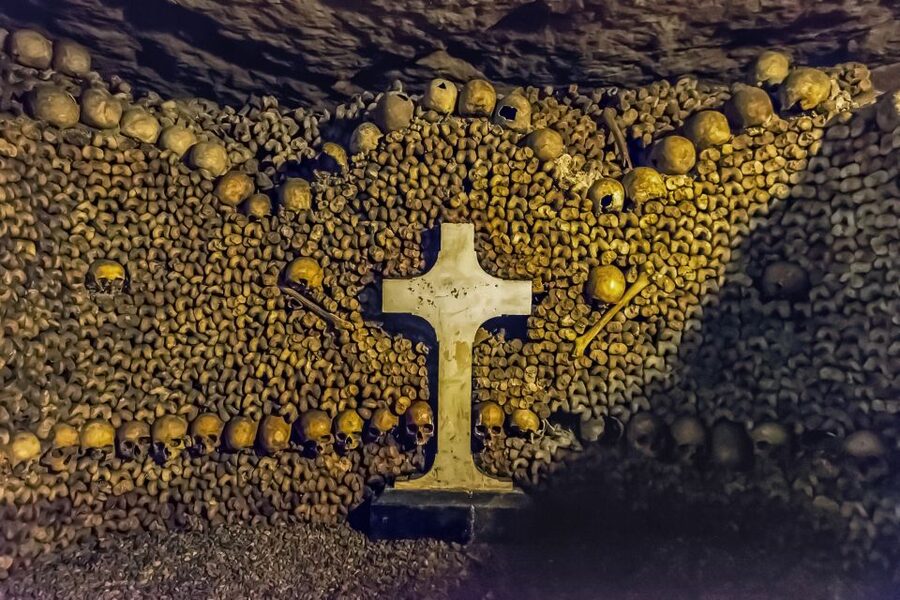
At $187 per person, this is an expensive two-hour activity. If you only want to see the standard ossuary, a regular ticket or another lower-cost option may suit you better.
The price makes more sense if you value three things:
- Official fast-track entry instead of waiting in a long line
- Access to closed sections of the Catacombs
- A live English-speaking guide in a group of six or fewer
You are paying for time, access, and interpretation. Fast entry can matter on a short Paris visit, when every hour is already claimed by museums, meals, and neighborhoods. The small group helps you use the two hours well, and the extra rooms provide something beyond the standard route.
I would not call it a bargain. I would call it a targeted splurge for someone who has a strong interest in unusual Paris sites, underground history, or guided experiences. If you are comparing this with an audio-guided visit, ask yourself how much you value questions and restricted access. If both matter, the premium is easier to defend.
Who should book this Catacombs visit?
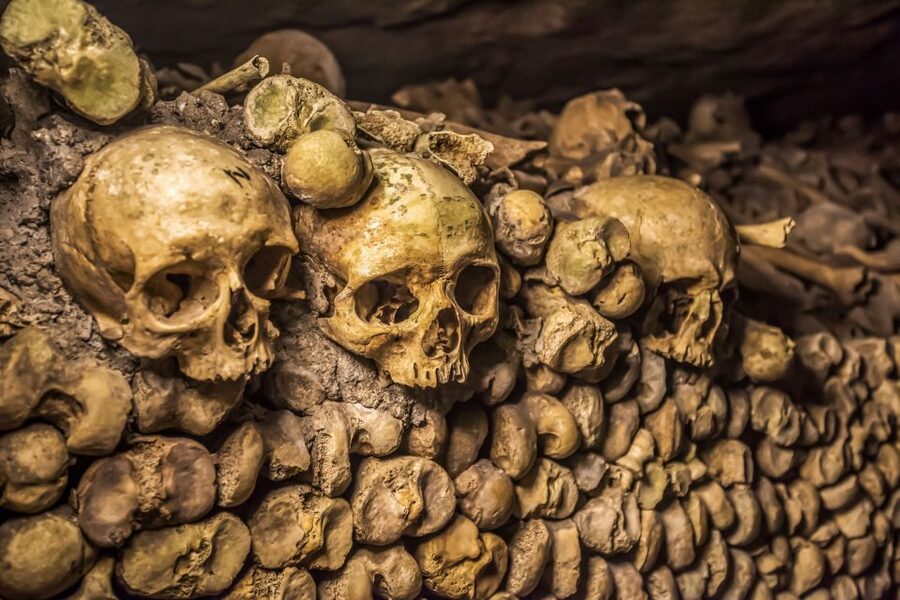
This tour suits you best if you:
- Want a deeper look at an unusual side of Paris
- Prefer a live guide to reading signs or following an audio recording
- Have limited time and want to avoid the main entry queue
- Like small groups and the chance to ask questions
- Are curious about quarrying, urban sanitation, burial customs, and French history
- Can manage long staircases and narrow underground passages
It is less suitable if you dislike enclosed spaces, have limited mobility, or want a light and cheerful sightseeing stop. The subject is death, and the setting is dark, cool, and sometimes cramped. Families with older children may find it memorable, but the tone is serious and parents should judge the subject matter for their own children.
Wear shoes with good grip and bring a warm layer, even in July or August. Do not bring large bags or luggage. Build a little flexibility into your day in case staff briefly pause entry because the underground visitor limit has been reached.
Cancellation is allowed up to 24 hours before departure for a full refund. Missed tours are not refundable, so take the meeting point and departure time seriously.
Final call: book it for access, not just the bones
I would book this tour if the Catacombs are high on your Paris list and you want more than the standard route. The restricted rooms and small group are the real advantages, while the fast-track entry helps protect your sightseeing time.
I would skip it if $187 feels too steep for two hours or if you are mainly interested in seeing the famous bone walls once. The physical demands also deserve respect. For the right person, this is a thoughtful, unusual Paris visit with strong guides and a clear sense of place. For everyone else, a less costly standard entry may be enough.
FAQ
Where does the Catacombs tour meet?
Meet outside the main entrance to the Catacombs at 1 avenue du Colonel Henri Roi-Tanguy, 75014 Paris, on Place Denfert Rochereau. Go directly to the entrance door rather than waiting in the public line.
How do I reach the meeting point by Metro?
Take Metro line 4 or line 6 to Denfert Rochereau. Exit at Sortie 1, and the Catacombs entrance is directly across the street.
How long does the tour last?
The guided visit lasts two hours. Starting times vary, so check availability when choosing your date.
How large is the group?
The group is limited to six participants or fewer.
Is the tour offered in English?
Yes. The activity includes a live English-speaking guide.
How many stairs are there?
You descend 130 steps to enter the Catacombs and climb 112 steps to exit.
Is the tour suitable for wheelchair users or people with limited mobility?
No. The Catacombs have extensive stairs, narrow areas, and slippery sections, so the tour is not suitable for wheelchair users or people with limited mobility.
What should I wear and bring?
Wear sturdy shoes and bring warm clothing. The tunnels stay near 14°C, or 57°F, and can be slippery. Large bags and luggage are not allowed.
Can I cancel the tour?
Yes. You can cancel up to 24 hours before departure for a full refund. Missed tours are not refundable.
Just added around Paris
- Paris: The Da Vinci Code Walking Tour with a Local Guide★ 4.3 · 5 reviews
- Paris: Flea Market Insider’s Tour in Extra-Small Group★ 4.6 · 73 reviews
- Paris: Private Fashion Tour (Chanel, Dior, Sex & the City)★ 5.0 · 3 reviews
- Paris: Floral Earrings workshop★ 5.0 · 3 reviews
- Paris: Fashion History Walking Tour in the Heart of Paris★ 4.9 · 22 reviews
- PARIS: Family e-bike longtail renting★ 5.0 · 3 reviews
- Paris: Famous Monuments Cycling Tour★ 4.7 · 20 reviews
- Paris: private city tour with seine river cruise★ 4.8 · 28 reviews
Paris Catacombs Tours, compared.

Catacombs Entry & Seine River Cruise with Audio Guide
Read our review →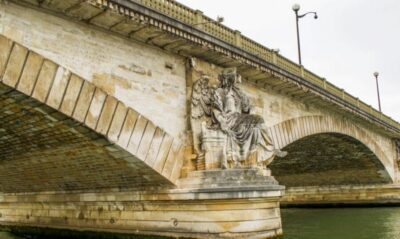
Catacombs, Audio Guide, and River Cruise Option
Read our review →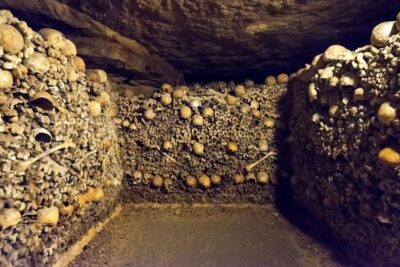
Catacombs of Paris Semi-Private VIP Restricted Access Tour
Read our review →Browse the lists this tour appears in