Reviewed · TOURS
Paris: French Revolution Tour Relive the 14th July 1789
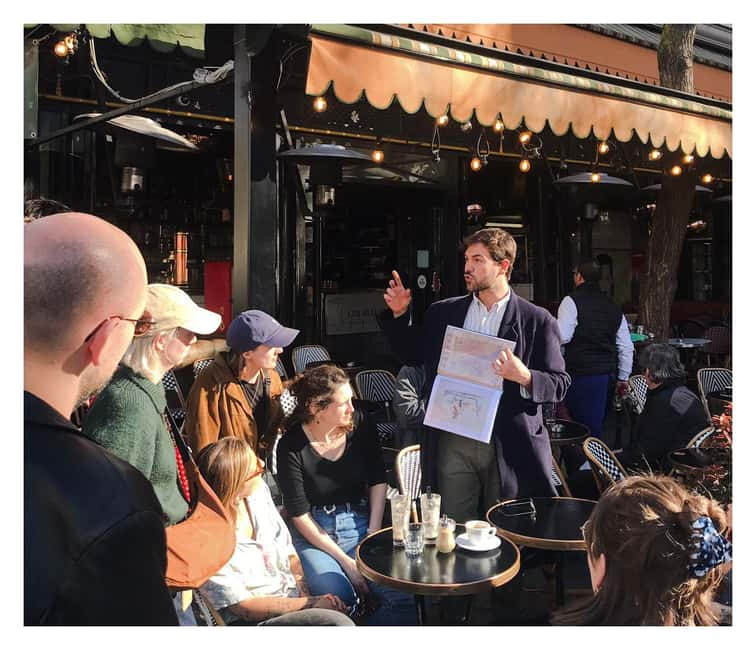
The French Revolution began far from the grand boulevards most visitors know. This 90-minute walk takes you through Faubourg Saint-Antoine, an old working neighborhood where artisans, laborers, and angry Parisians helped set the events of 14 July 1789 in motion. I like the street-level focus, and I like that guide Robin uses old images and small architectural clues to make the past easier to see.
The route also gets you away from the usual sightseeing circuit and into parts of the 11th arrondissement that many visitors skip. The main consideration is its narrow focus: the tour follows the build-up to the storming of the Bastille and the events of that day, rather than covering the entire Revolution, the Reign of Terror, or Napoleon in detail.
Key points at a glance
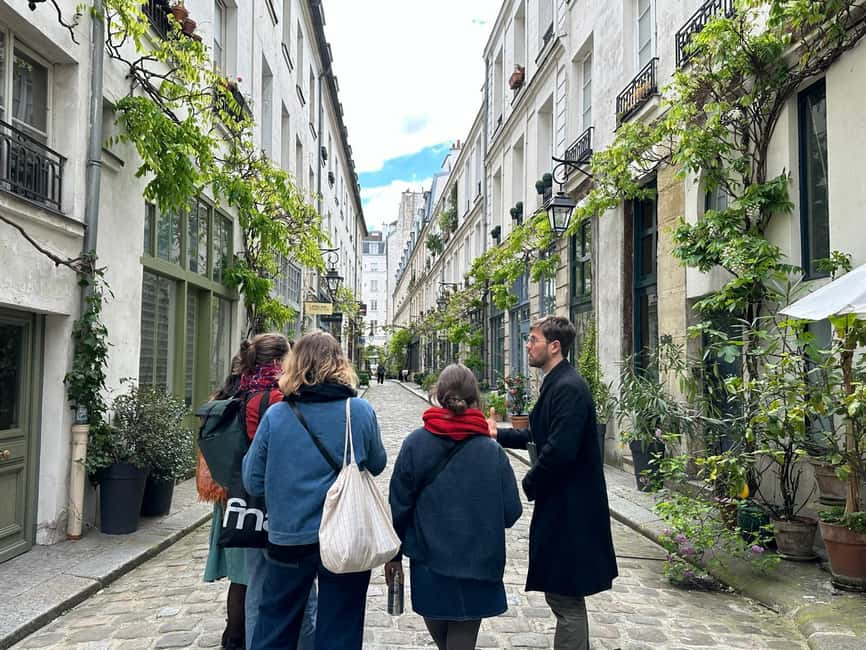
- A working-class Paris route: Follow the streets of Faubourg Saint-Antoine, where social pressure and daily hardship helped fuel the uprising.
- A time-focused story: The tour reconstructs the events leading to and including 14 July 1789, rather than offering a broad survey of every phase of the Revolution.
- Robin’s teaching style: Robin is described as a history professor and an engaging guide who welcomes questions and explains difficult subjects in plain language.
- Small-group format: The experience is designed for intimate groups, with the published information giving limits between 10 and 15 participants.
- An alternative side of Paris: See La Folie Titon, Passage de Lhomme, and other less familiar corners before finishing at Place de la Bastille.
- Good value for history fans: At $37, the tour offers 90 minutes of guided interpretation, a reasonable price if you want context rather than a quick photo stop.
Why the French Revolution makes sense on foot
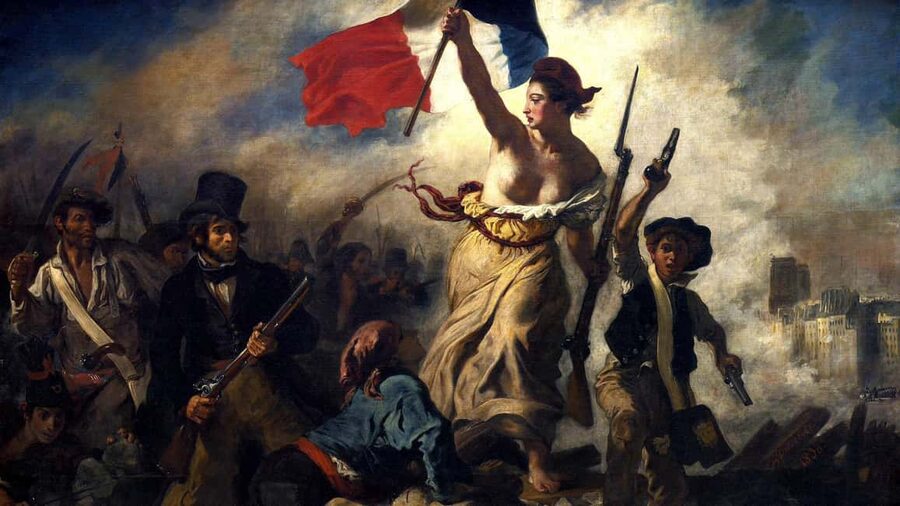
The French Revolution is often presented as a list of dates: 1789, the Bastille, the Republic, the Terror, Napoleon. That approach can leave you knowing the sequence without understanding the pressure behind it.
This walk takes a more useful route. Instead of beginning with a grand monument, it begins in the neighborhoods where ordinary Parisians lived and worked. You see the setting connected with artisans and the working population, then follow the story toward the Bastille.
I like this approach because it connects politics to streets, homes, jobs, and food. The tour explains not only what happened, but why people were angry enough to revolt. You get a clearer sense of how social conditions helped push Paris toward open rebellion.
The route is also practical for a first visit. Several people who took it wished they had scheduled it earlier, since the background helped put other Paris sights into context. If the Revolution is part of your reason for visiting Paris, I would place this walk near the start of your trip.
Other Paris outings people book alongside this one:
- Paris: Louvre Museum Timed-Entrance Ticket
★ 4.6 · 71,977 reviews - Disneyland® Paris 1-Day Ticket
★ 4.6 · 49,412 reviews - Paris: Versailles Palace and Gardens Full Access Ticket
★ 4.6 · 41,579 reviews
Starting near Faubourg Saint-Antoine
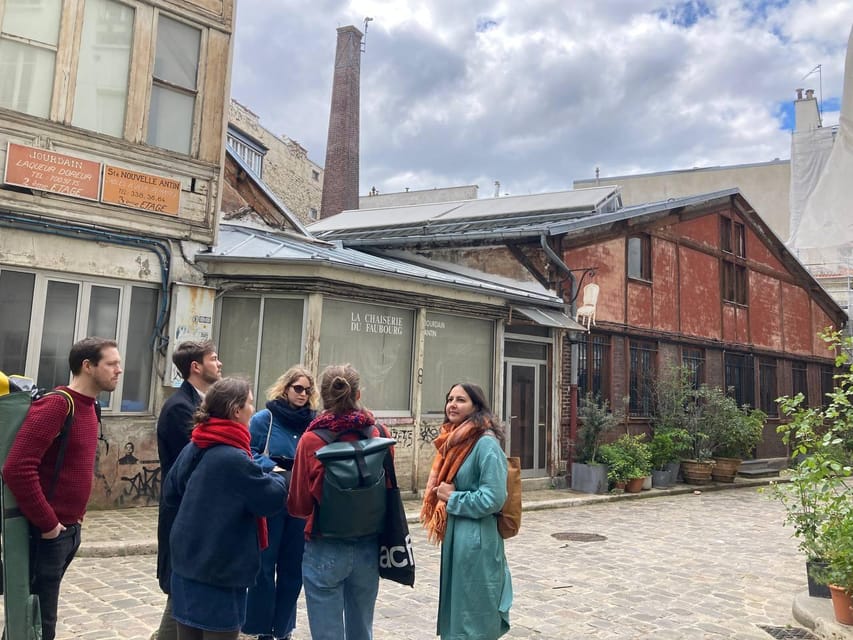
The meeting point is between Café les Blouses Blanches and Mon Café, at 1 Place du Dr Antoine Béclère. This is not the kind of arrival point you choose for a grand monument or a famous museum. That is part of the appeal, but you should allow enough time to identify the cafes and the correct square.
From here, the guide begins the walk through the Faubourg Saint-Antoine area. The name matters because this district was tied to skilled trades and working families. Its importance in the story is social as much as geographic.
Robin’s style seems especially suited to this opening section. He explains how people lived and why they revolted, rather than treating the neighborhood as a backdrop. The result is a more grounded introduction to the Revolution.
You should expect a walking history lesson, not a costumed performance or a museum visit. The emphasis is on conversation, explanation, and what you can still notice in the streets.
La Folie Titon and the roots of unrest
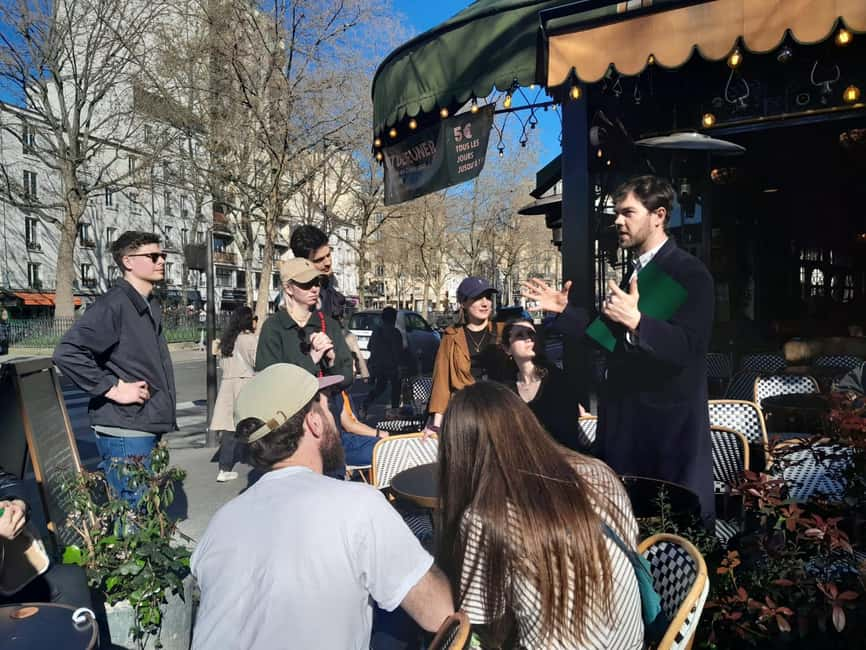
La Folie Titon is one of the less familiar stops on the route. Its value is not simply that it is another place connected with the period. It helps show how revolutionary events reached beyond the most famous Paris landmarks.
This is where the tour’s local focus pays off. Robin points out details that you might otherwise pass without a second thought, including features that help connect the present neighborhood with its 18th-century past.
The walk also gives room for the social story. You hear about the conditions facing the working population and the tensions that built before the Bastille was attacked. That wider setting matters. The storming of the fortress was not an isolated burst of drama. It came after fear, anger, and political uncertainty had been growing.
I would particularly recommend this part to anyone who already knows the basic Bastille story. You may learn less from another retelling of the famous event than from seeing the surrounding causes in the places where they mattered.
Passage de Lhomme and the value of small details
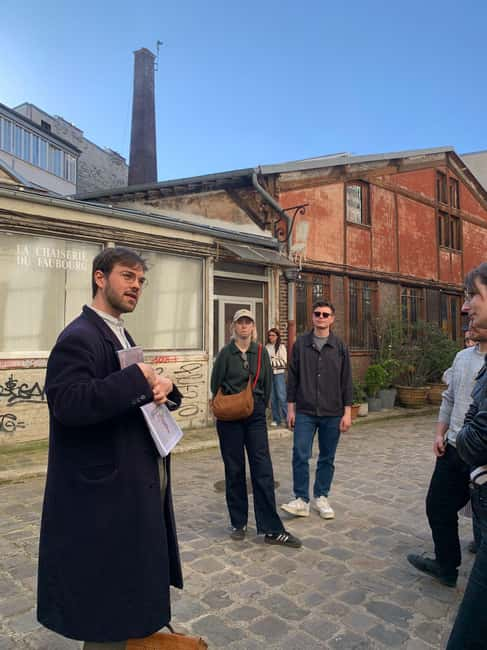
Passage de Lhomme is another stop that rewards close attention. This kind of passage is easy to overlook if you are hurrying toward a major sight, yet it gives the walk a more personal scale.
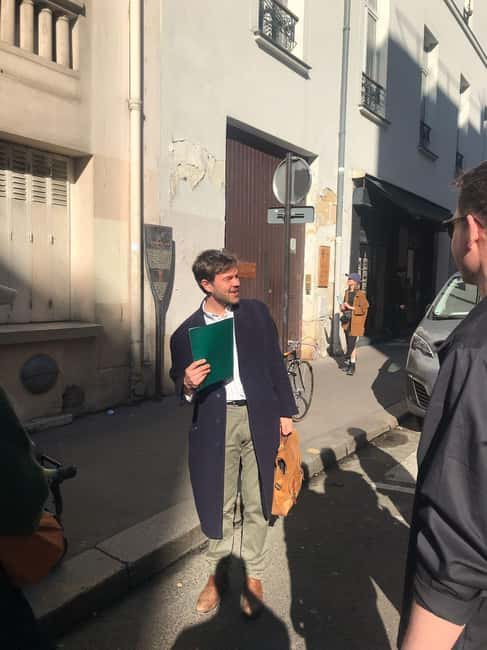
The guide uses the route to point out features that are not obvious without explanation. Old buildings, street patterns, and modest corners can carry useful clues about the people who once lived and worked here. Robin has also used historical images to help participants picture how the area looked in the past.
I like that the route does not depend only on dramatic monuments. You learn to look at Paris in a more patient way. The city becomes a set of layers, with newer facades and modern streets sitting over older stories.
This is also where the small group helps. A maximum of roughly 10 to 15 people gives the guide a better chance to answer questions and keep everyone close enough to hear. The published details vary between a limit of 10 and a limit of 12 to 15, so I would confirm the exact number when booking.
Same city, a completely different afternoon:
- Paris: Evening River Cruise with Music
★ 4.4 · 22,721 reviews - Paris: Eiffel Tower Entry Ticket with Optional Summit Access
★ 4.4 · 20,035 reviews - Paris: Eiffel Tower Summit or Second Floor Access
★ 4.3 · 17,248 reviews - Paris: Louvre Guided Tour with Reserved Access & Boat Cruise
★ 4.3 · 16,353 reviews
Walking toward the Place de la Bastille
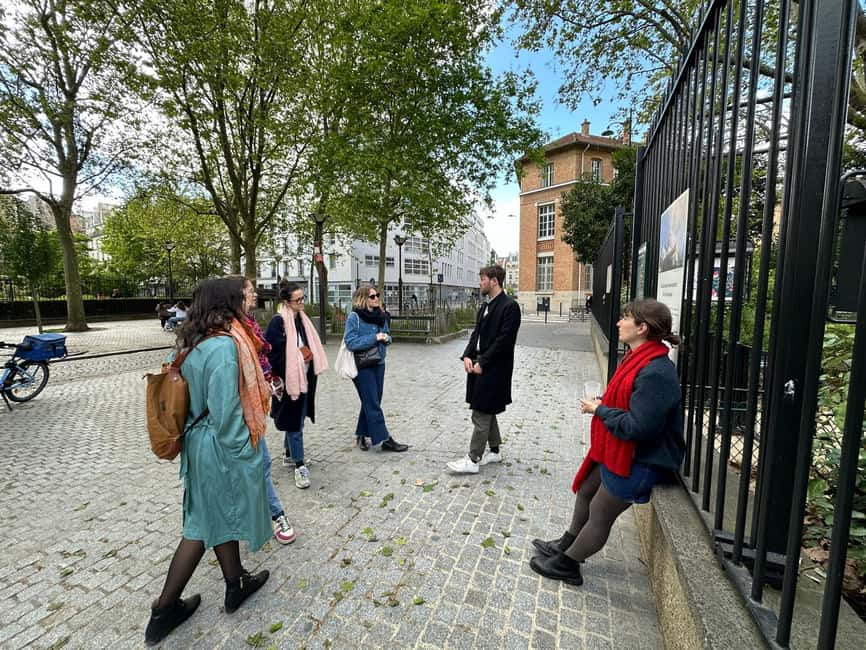
The final section leads toward Place de la Bastille, the natural payoff for a tour centered on 14 July 1789. The square is one of the best-known revolutionary locations in Paris, but reaching it after walking through the surrounding neighborhoods gives it more meaning.
You arrive with a sense of what came before: the neighborhood, the people, the tensions, and the movement toward confrontation. That is more satisfying than simply arriving at Bastille, taking a photograph, and moving on.
The route includes a viewpoint and a photo stop before finishing at 28 Place de la Bastille. The supplied itinerary describes several visits, guided walking sections, and a final viewpoint, though it does not provide the exact names of every stop. You should think of the route as a connected neighborhood walk rather than a series of formal attractions with entrance gates.
One practical point: the tour ends at Bastille, not where it starts. That is useful if you plan to continue sightseeing in eastern Paris afterward. It also means you should not expect to return to the meeting point.
Robin’s approach to teaching the story
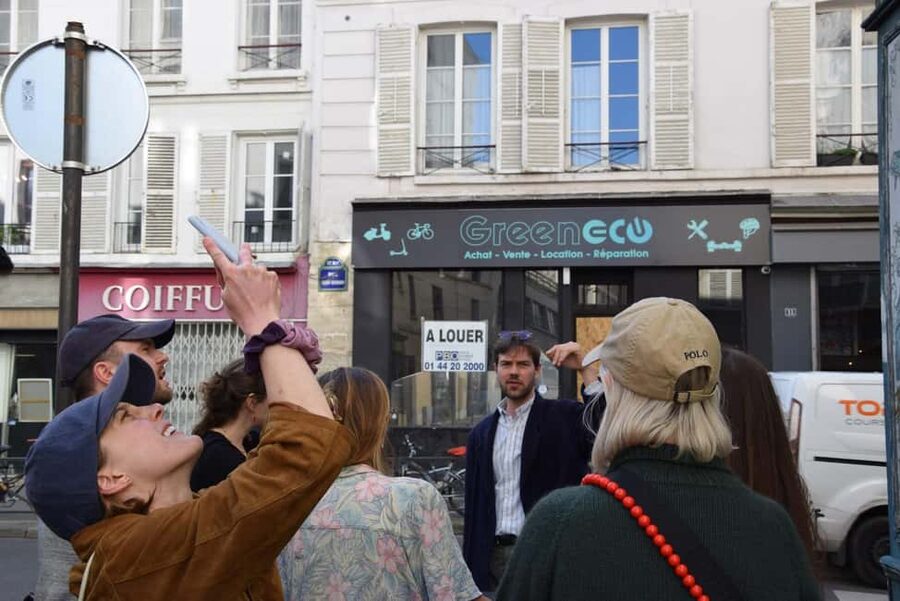
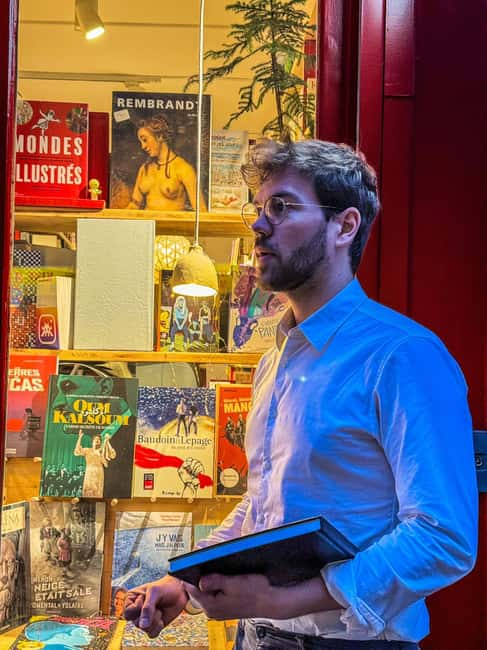
Robin is the central strength of this experience. He is described as a history professor and a guide with a clear talent for storytelling. His explanations bring the period down to street level without making the subject feel dry or academic.
The best sign is the consistent praise for his ability to answer questions, invite discussion, and keep the walk moving. He uses humor, old photographs, and lesser-known details. That mix works well for a subject that can otherwise become a blur of political names and dates.
I also like the emphasis on participation. You are not expected to remain a silent listener for 90 minutes. The group is encouraged to ask questions and exchange ideas, which makes the experience feel more like a conversation than a lecture.
Robin’s strength appears to be context. He does not focus only on the Revolution itself. He also explains Paris, the neighborhood, and the social conditions that shaped the uprising. That is why the walk can work for both dedicated history fans and people who simply want a better understanding of the city.
The languages offered are English, French, and German. If the subject is important to you, choose the language in which you can follow a detailed spoken explanation most comfortably.
What the 90-minute length gives you
Ninety minutes is enough time to build a clear story without turning the tour into an all-day commitment. You can fit it into a morning or afternoon, then continue exploring Bastille and the surrounding streets when it ends.
The tradeoff is that the tour must be selective. It focuses mainly on the events surrounding 14 July 1789. It does not promise a full account of the Republic, the Reign of Terror, or Napoleon, despite the wider historical period mentioned in the description.
One person specifically wished the experience continued beyond 1789. I consider that a fair expectation to manage before booking. If you want a complete course on the French Revolution, this walk will feel like an introduction. If you want to understand the local causes and setting of Bastille Day, its tight focus is an advantage.
The pace should suit most people who are comfortable walking for an hour and a half. The experience includes guided walking throughout, with visits and stops along the way. No extra fees are listed.
Is $37 a fair price?
At $37 per person, this is not the cheapest way to walk through Paris. You can of course stroll around Bastille on your own for free. The question is what you want from the visit.
I think the price is fair if you value interpretation. Robin’s role is to show you what to notice, connect separate locations, and explain why the neighborhood mattered. Without that help, many of the streets would simply look like ordinary Paris.
The small group also adds value. A large walking group can make it hard to hear, ask questions, or stay engaged. A limit of 10 to 15 participants keeps the format more personal, although you should confirm the exact group size because the published information gives slightly different limits.
There are no additional fees listed, and you can cancel up to 24 hours ahead for a full refund. The reserve-now, pay-later option is useful if your Paris plans are still shifting.
Who will enjoy this walk most
I would choose this tour if you like:
- French political and social history
- Neighborhood walks away from the biggest sights
- Guides who explain causes, not just dates
- Small groups with time for questions
- Seeing Paris through old photographs and local details
- Building historical context early in a trip
It is also a good choice for repeat visitors. If you have already visited the Louvre, Notre-Dame, or the Eiffel Tower, this gives you a different side of Paris.
Families and mixed-age groups may enjoy it too, especially if younger participants respond well to stories rather than museum labels. The guide’s humor and direct style can make a difficult subject easier to follow.
I would hesitate only if you want a fast overview of all French history, a formal museum experience, or a tour centered on the post-1789 Revolution. This is a focused walking lesson about the road to Bastille.
How to fit it into your Paris plans
I would schedule the walk early in your stay if the French Revolution is part of your sightseeing plan. The background can help you understand later visits to Paris museums, monuments, and historic districts.
The ending at Place de la Bastille also makes planning simple. You can continue exploring from there rather than doubling back to the starting point. The tour does not provide a restaurant or cafe itinerary, so plan your next stop separately.
Wear comfortable shoes and prepare for a steady outdoor walk. The supplied details do not specify accessibility conditions, so contact the provider if you need information about surfaces, stairs, or mobility support.
Should you book the Paris French Revolution Tour?
Book it if you want the French Revolution explained through the streets where its pressure built. The strongest reasons are the Faubourg Saint-Antoine setting, the close look at lesser-known places such as La Folie Titon and Passage de Lhomme, and Robin’s clear, discussion-friendly teaching.
Do not book it expecting a full account of every stage from 1789 through Napoleon. The tour’s real strength is narrower and more useful: it makes the approach to 14 July 1789 understandable, local, and memorable.
For $37, I think it is a strong choice for history fans, repeat visitors, and anyone who wants Paris beyond the standard postcard route. Schedule it early, confirm the group limit and language, and you will get the most from the walk.
FAQ
How long is the Paris French Revolution Tour?
The tour lasts approximately 90 minutes.
Where does the tour begin?
It begins at 1 Place du Dr Antoine Béclère, between Café les Blouses Blanches and Mon Café.
Where does the tour finish?
The walk finishes at 28 Place de la Bastille.
What places are included on the route?
The route includes Faubourg Saint-Antoine, La Folie Titon, Passage de Lhomme, several less familiar stops, a viewpoint, and Place de la Bastille.
What languages are available?
The live tour guide is available in English, French, and German.
How many people can join the tour?
The activity is described as a small-group tour. The published information gives limits ranging from 10 participants to 12 to 15 participants, so confirm the exact limit when booking.
How much does the tour cost?
The listed price is $37 per person.
Can I cancel the booking?
You can cancel up to 24 hours in advance for a full refund.
Does the tour cover the entire French Revolution and Napoleon?
No. The main focus is the events leading up to and including 14 July 1789. It does not provide a full tour of every later phase of the Revolution or Napoleon’s rise.
Just added around Paris
- Private Paris Marche d’Aligre Walking Tour with Tastings★ 5.0 · 8 reviews
- Private Louvre Museum Tour for Kids & Families with Alberto or his team in Paris★ 5.0 · 41 reviews
- Private Highlights of Paris Tuk-Tuk Experience★ 5.0 · 26 reviews
- Paris Latin Quarter Walking Tour: History & Culture – Small Group★ 5.0 · 14 reviews
- Private Highlights of Paris Bike Tour★ 4.5 · 15 reviews
- Paris Musee d’Orsay PRIVATE TOUR with a Local Private Guide★ 5.0 · 41 reviews
- Private Half Day Historic Tour★ 5.0 · 58 reviews
- Pere Lachaise Cemetery Paris – Exclusive Guided Walking Tour★ 5.0 · 72 reviews
Tours, compared.
Louvre Guided Tour with Reserved Access & Boat Cruise
Read our review →
Big Bus Hop-On Hop-Off Tour with Optional Cruise
Read our review →
Louvre Museum Masterpieces Guided Tour with Access
Read our review →
Skip-the-Line Tour of Palace with Gardens Access
Read our review →
Mona Lisa & Louvre Masterpieces Tour with Reserved Access
Read our review →
Paris Big Bus Hop-On Hop-Off Tour with Optional River Cruise
Read our review →
Louvre Museum – Exclusive Guided Tour (Entry Included)
Read our review →