
Reviewed · PARIS
Paris: Plein Air Sketching Course, Drawing & Watercolor
Paris: Plein Air Sketching Course, Drawing & Watercolor
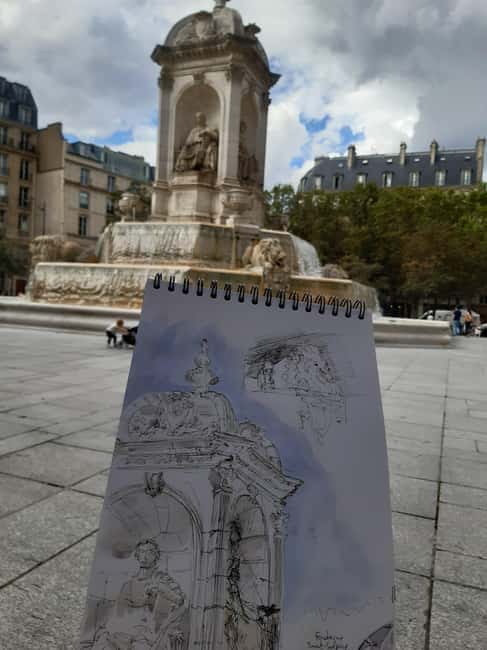
The best part of this class is that Paris becomes your subject, not just your backdrop. With artist Pauline Fraisse, you start at a cafe at 9:30 a.m., make a few drawings, then head into a different Paris neighborhood each week to work on perspective, composition, figures, and watercolor.
I like the small group and the bilingual teaching. You get room to ask questions, and Pauline can move between French and English without leaving anyone behind. I also like the practical exercises: one session helped students use an ink pen and set time limits, a good push if you tend to fuss over every line.
The main consideration is weather. This is sold as a plein air class, but very hot or seriously bad conditions can move the lesson indoors to the studio. That is sensible for the teacher, but disappointing if your main goal is outdoor drawing.
Key points before you book
- A real Paris art lesson: Pauline Fraisse teaches composition, proportion, perspective, figure drawing, and watercolor techniques.
- Different neighborhood each week: The exact meeting point arrives by email a few days before class, so check your inbox and spam folder.
- Small, bilingual group: The class is taught in French and English, with a maximum listed group size of six.
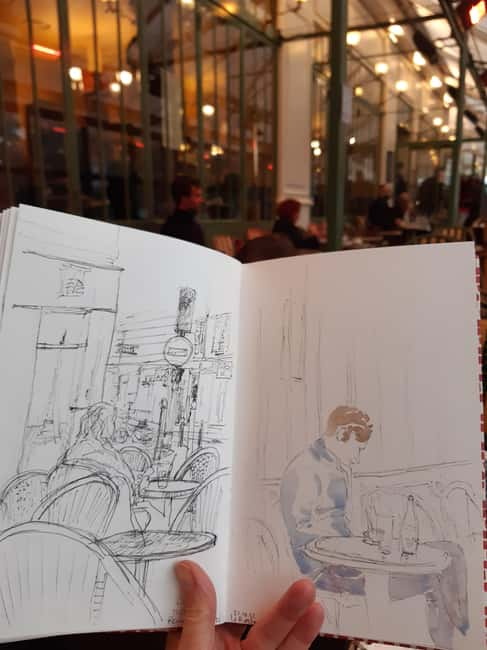
- Cafe-to-street format: You begin drawing at a cafe, then work around the neighborhood, with cafe or museum time possible in poor weather.
- Bring your own tools: A basic pencil and paper are enough to begin, while watercolor artists can bring a fuller kit.
- Good for mixed skill levels: Pauline’s exercises can be adjusted for beginners, returning students, and more experienced artists.
Paris becomes your drawing model
This is not a bus tour with a sketchbook tucked into your bag. The class asks you to slow down and look at the city in a more exact way. A street corner is no longer just pretty. You begin noticing how buildings angle toward one another, how people sit or walk through a scene, and how much of a view you can place on one sheet of paper.
The three-hour format gives you enough time to settle in without taking over your day. You meet at 9:30 a.m. at a cafe, begin with drawing there, and then move around the neighborhood. The class may include standing, sitting on benches, sitting on the floor, and walking, so this is an active art lesson rather than a seated studio lecture.
The neighborhood changes from week to week. That keeps the course from feeling repetitive if you take more than one class, though it also means you will not know the exact setting until the meeting-point email arrives. If you are building a tightly scheduled Paris morning, leave some flexibility for the meeting location.
I find this changing format especially useful for visitors who want an art activity tied to the city itself. You are not simply learning watercolor in a room that could be anywhere. You are practicing on Parisian streets, in cafes, or possibly in a museum when the weather requires it.
Other Paris outings people book alongside this one:
- Paris: Louvre Museum Timed-Entrance Ticket
★ 4.6 · 71,977 reviews - Disneyland® Paris 1-Day Ticket
★ 4.6 · 49,412 reviews - Paris: Versailles Palace and Gardens Full Access Ticket
★ 4.6 · 41,579 reviews
What happens from the cafe onward
The cafe is more than a place to meet. It gives you a calm first subject and a chance to get your hand moving before tackling a larger street scene. Plan to buy your own drink or snack. Cafe costs are not included, and you should budget for them even if the main lesson later takes place outdoors.
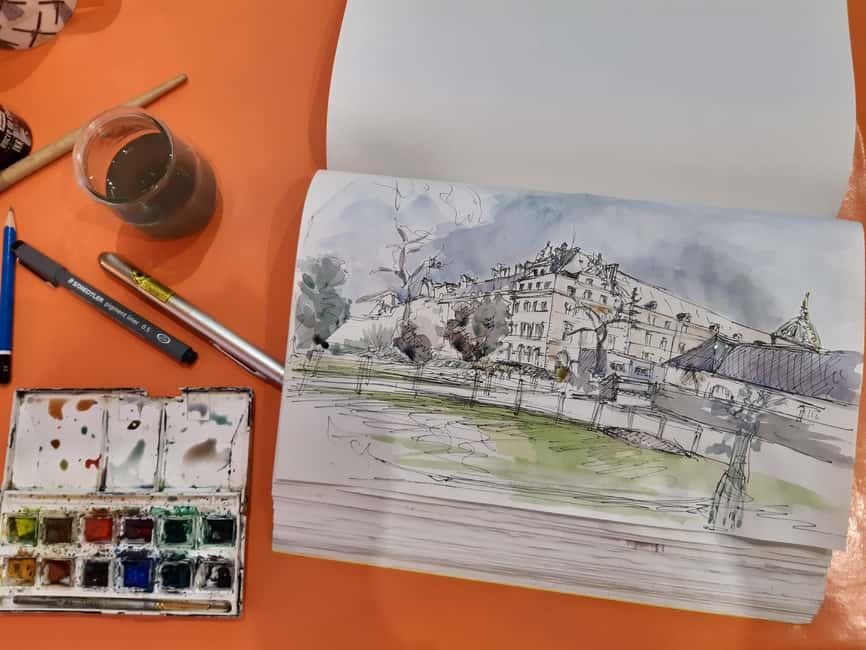
From there, Pauline leads the group around the neighborhood. The exact route and subjects depend on the area chosen for that week. You might work on a building, a street view, a passing figure, or a small detail that can be completed within the class period. The supplied information does not promise a fixed list of sights, so book this for the teaching and the act of seeing, not for a guaranteed stop at a famous monument.
The exercises focus on the building blocks of travel sketching:
- Composition, deciding what belongs on the page and what can be left out
- Perspective, placing streets, buildings, and objects so they feel correctly arranged
- Proportion, judging the size and relationship of forms
- Figure drawing, adding people with quick, useful marks
- Watercolor, when you bring the needed paints, brush, and water container
This is valuable because sketching in a city involves decisions. You rarely have unlimited time, perfect light, or a clean studio surface. Pauline’s instruction helps you make a workable drawing before the moment passes.
One particularly useful exercise has students use an ink pen and impose a time limit on each piece. That can feel uncomfortable if you normally begin with a careful pencil outline. It is also a good way to learn that a travel sketch does not need to be perfect to be successful.
Pauline Fraisse’s teaching style
Pauline is the named instructor and the person you will meet at the cafe. She is described as blond with mid-length hair and carries a sketchbook, making her easier to recognize at the meeting point.
The teaching suits a mixed group. Beginners can receive help with basic proportion and perspective, while experienced artists can use the exercises to sharpen habits they already have. One class included both English-speaking and French-speaking participants, and Pauline handled the two languages so the whole group could take part.
That matters more than it may sound. Art instruction can become awkward when one language dominates. Here, the stated teaching languages are French and English, and the available feedback points to clear inclusion for both groups.
Pauline’s role is not just to demonstrate a finished drawing. She gives the group exercises, looks at individual work, and adjusts guidance to different abilities. That is the difference between buying a Paris sketchbook and receiving actual instruction.
Still, keep your expectations realistic. Three hours is enough for useful practice, not a full art-school course. You will not leave with mastery of watercolor or perspective after one morning. You should leave with methods you can keep using on your own walks.
Why beginners can feel comfortable
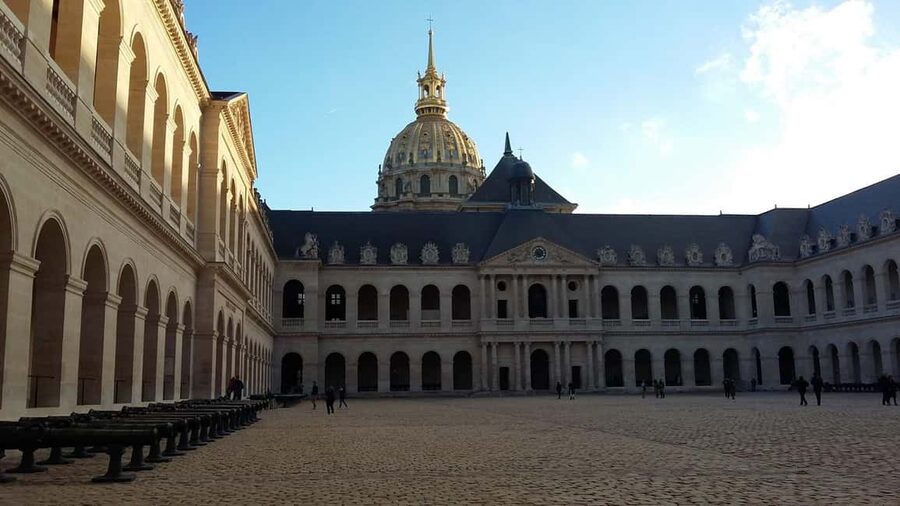
You do not need to arrive with a polished portfolio. The class specifically welcomes beginners as well as experienced artists, and the exercises can be done with simple materials.
A beginner can start with:
- A paper sketchbook
- One or more pencils
- A pencil sharpener
- Colored pencils, if desired
- A water-resistant black pen, if available
The recommended sketchbook size is A4, roughly the size of standard photocopy paper. That gives you enough room to work on a street scene without carrying a large artist’s pad.
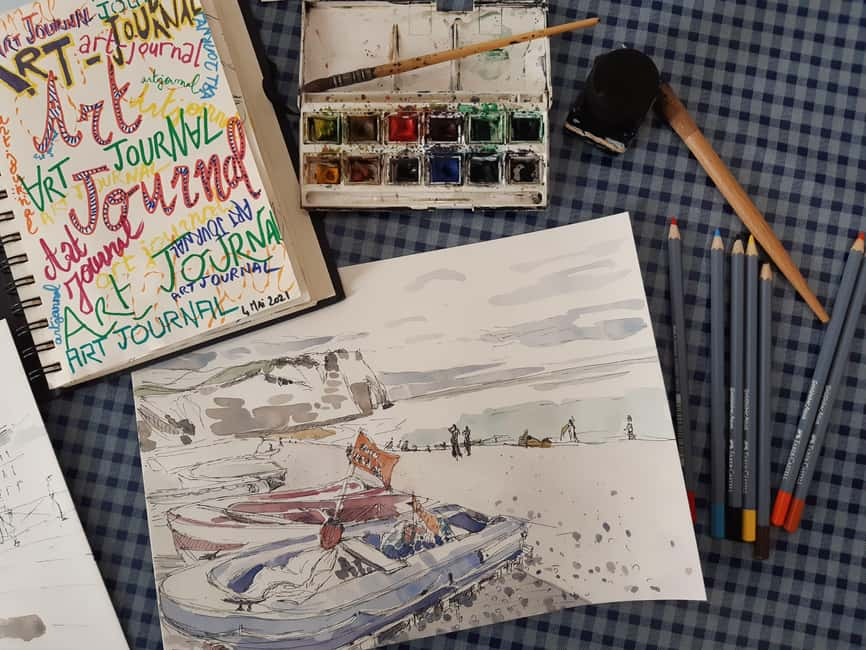
If you already use watercolor, bring a watercolor box, a brush, a small water jar with a lid, and a rag or paper towel. Optional tools include a nib holder with India ink, felt pens, colored pencils, and a glue stick.
The supply list may look long, but you do not need every item. The key point is that art supplies are not included. You can keep the setup simple, or order supplies through Pauline’s website up to five working days before the class. A list of Paris art-supply shops is also available through the website’s frequently asked questions.
I would not buy an expensive new kit just for this class. A basic sketchbook, pencil, and pen let you participate. Bring watercolor only if it is a medium you already enjoy or specifically want to practice.
Same city, a completely different afternoon:
- Paris: Evening River Cruise with Music
★ 4.4 · 22,721 reviews - Paris: Eiffel Tower Entry Ticket with Optional Summit Access
★ 4.4 · 20,035 reviews - Paris: Eiffel Tower Summit or Second Floor Access
★ 4.3 · 17,248 reviews - Paris: Louvre Guided Tour with Reserved Access & Boat Cruise
★ 4.3 · 16,353 reviews
Weather can change the whole experience
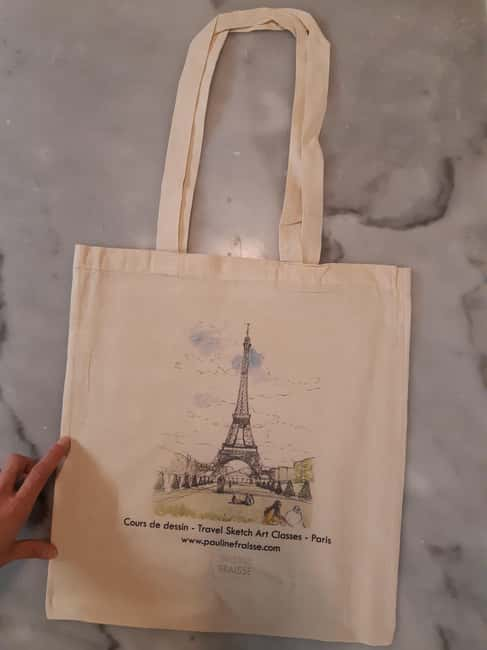
Outdoor teaching depends on conditions. In ordinary rain or wind, the class may use a covered cafe location. One session moved to a boat cafe, giving the group shelter while keeping the setting connected to the city.
That is a useful compromise. You can still work from life, but you are not balancing wet paper on your knees in a downpour. Bring weather-appropriate clothing, comfortable walking shoes, and a water bottle. In warm months, add sunglasses, a hat, and sunscreen. In winter, wear warm layers.
High heat or extremely bad weather may send the class to Pauline’s studio. A class held indoors can still cover the same drawing skills, but it changes the character of the morning. If you are booking this mainly for outdoor sketching, look at the forecast and accept that the location can change.
There is a clear example of why this matters. A participant booked the class specifically for outdoor work, but a hot day led to an indoor session. The instructor judged the heat too severe, even though shade was available. The decision may be reasonable from a health and teaching standpoint, but you should know that plein air is the plan, not an absolute guarantee.
Museum drawing is another possible backup or supplement. If the class goes indoors to a museum, entry tickets are extra. You may also need to pay for cafe drinks and snacks. Keep a little cash or card budget available rather than assuming the $112 price covers every expense.
The value of a $112 three-hour class
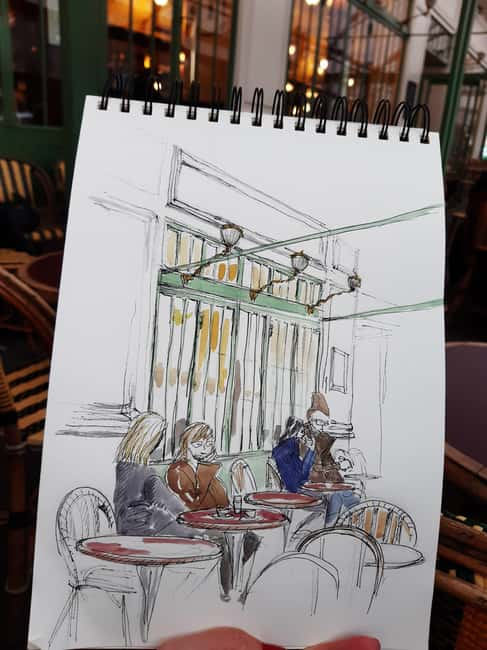
At $112 per person, this is not a casual drop-in activity. You are paying for a professional artist, a small group, and focused instruction in a Paris setting. The price makes more sense if you value personal feedback and want to improve a particular skill.
The small group is important here. With a listed limit of six, Pauline can see what you are doing and offer individual help. One piece of feedback describes a group of six to seven, so actual group size may occasionally vary slightly. Even so, this is designed as an intimate workshop, not a large public demonstration.
For a complete beginner, the value comes from structure. You do not have to decide what to draw, how long to spend on it, or how to correct a crooked perspective line. Pauline gives you a starting point and a method.
For an experienced artist, the value is more specific. You can use the session to practice quick figure marks, work without overplanning, or switch from pencil to ink. If you already take art classes, this outdoor format adds a useful challenge.
The price does not include supplies, cafe purchases, or museum admission. Add those costs before comparing it with other Paris activities. It is a better buy for someone who will use the teaching than for someone who simply wants a short sightseeing stop.
A good match for families and mixed-language groups
Children and teenagers under 18 can join if an accompanying adult also takes part. Children under 7 are not suitable for the class.
That makes this possible for an artistic parent and older child, but it is not a drop-off program. The adult needs to participate, manage the child, and be ready for walking and periods of standing or sitting outdoors.
The mixed-language format also makes this workable for couples or families with different language preferences. Pauline teaches in French and English, and the group can include both. You should still be comfortable with a lesson that moves between the two languages rather than expecting a private session in one language.
The course is best for people who enjoy making things slowly. If your family needs constant movement or a fixed list of famous attractions, three hours of concentrated drawing may feel long. If you like sitting in a cafe, noticing small details, and carrying home work you made yourself, it can be a memorable change of pace.
Practical meeting advice in Paris
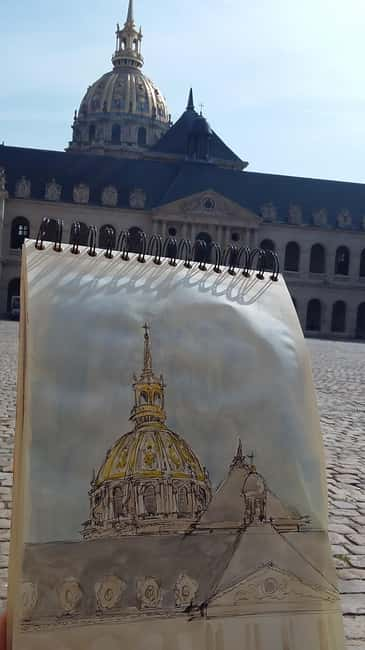
You receive the exact meeting point a few days before the workshop. Do not rely on the general neighborhood information when planning your route. Check your email, including the spam folder, and contact Pauline if the message does not arrive.
Save Pauline’s phone number before class. The instructions specifically recommend contacting her if you are running late. The meeting point begins at 9:30 a.m., so give yourself enough time to reach an unfamiliar cafe in Paris.
Look for Pauline holding a sketchbook. Since the neighborhood changes, this simple identification detail is more useful than expecting a permanent studio entrance.
Wear shoes you can walk and stand in. You may sit on a bench, the floor, or at a cafe, and none of those positions will feel comfortable for everyone. A small bag is better than a heavy art case, especially if you are carrying water, paper, and extra layers.
The class ends after three hours, but the exact amount of walking and outdoor time can vary with the neighborhood and weather. Keep the rest of your morning or early afternoon reasonably open.
Who should book this Paris sketching class?
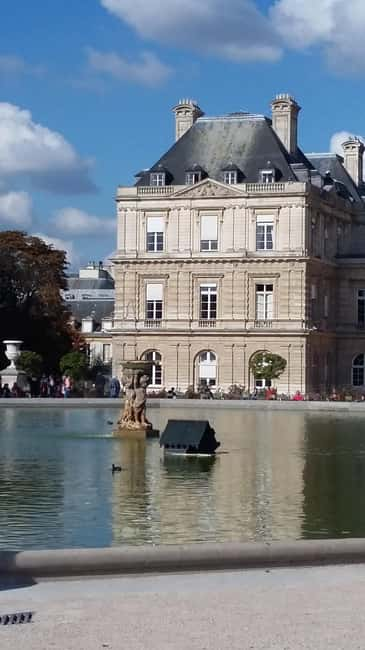
I would recommend it to you if you want instruction rather than a simple craft activity. It suits beginners who need a friendly starting point, experienced artists who want to practice quick urban sketches, and families with children aged 7 and older who are willing to participate together.
It is also a good fit if you speak French or English, or if your small group includes both languages. Pauline’s bilingual teaching gives the activity a wider reach than many local art lessons.
I would hesitate if your main goal is guaranteed sunshine, a fixed famous location, or a fully supplied workshop. Weather can send the class indoors, the neighborhood changes, and you must bring or arrange your own materials.
The cancellation terms are helpful for uncertain plans: you can cancel up to 24 hours ahead for a full refund, and reserve now while paying later. That flexibility does not remove the need to check the weather and prepare your supplies, but it lowers the risk of fitting the class into a changing Paris schedule.
Should you book it?
Book this class if you want to see Paris through a sketchbook and are willing to work at it. The strongest reasons are Pauline’s personal teaching, the small bilingual group, and exercises that move beyond simply copying a view.
Come prepared with simple art supplies, comfortable shoes, and a little money for a cafe or possible museum. Treat the outdoor setting as a likely part of the experience, not an unbreakable promise. If that sounds like the kind of morning you want, $112 buys a focused lesson and a more attentive way to experience the city.
FAQ
Where does the Paris sketching class meet?
The class meets in a different Paris neighborhood each week. You receive the exact meeting point by email a few days before the workshop.
What time does the class begin?
The meeting point is at a cafe at 9:30 a.m. The class lasts three hours.
Who teaches the class?
Paris artist Pauline Fraisse teaches the class. She can be recognized at the meeting point by her blond, mid-length hair and the sketchbook she carries.
Is the class taught in English?
Yes. The class is taught in both French and English.
Do I need previous drawing experience?
No. Beginners and experienced artists are welcome. The class works on composition, perspective, proportion, figure drawing, and watercolor techniques at different skill levels.
What art supplies should I bring?
Bring a sketchbook, pencil or pencils, a sharpener, and a water-resistant black pen. For watercolor work, bring a watercolor box, brush, small lidded water jar, and rag or paper towels. Other tools such as colored pencils and felt pens are optional.
Can children join?
Children and teenagers under 18 can join when an accompanying adult also participates. Children under 7 are not suitable for the class.
What happens in bad weather?
The class may use a cafe or museum for indoor drawing when conditions are poor. In very high heat or extremely bad weather, it may move to Pauline’s studio. Cafe purchases and museum tickets are not included.
Just added around Paris
- Private 1 – hour Tour: Eiffel Tower,Champs-Elysées Arc DE Triomphe★ 5.0 · 7 reviews
- Private Tour to Mont St-Michel and Honfleur from Paris★ 4.5 · 5 reviews
- Paris with a Tuk Tuk – Private 2-Hour TukTuk Tour★ 4.5 · 34 reviews
- Private Tour of Saint Germain des Pres★ 5.0 · 44 reviews
- Tripa Paris Pubcrawl / Bar Tours★ 5.0 · 16 reviews
- Paris city tour with private guide★ 5.0 · 9 reviews
- Paris Private Tour with Tuktukyourcity★ 4.5 · 38 reviews
- Giverny Private Trip with Monet’s House, Gardens & Impressionism Museum★ 4.5 · 12 reviews