Reviewed · GUIDED
Paris: Roland-Garros Stadium Guided Backstage Tour
Roland-Garros is more than a clay court on a television screen. This 90-minute tour takes you through the player corridor, into restricted stadium areas, and toward Philippe Chatrier Court, where the French Open’s biggest matches unfold. You also get a close look at the court’s retractable roof and views across the grounds and Paris.
I like the walk in the players’ footsteps, especially the passage leading toward the court. I also like the mix of sport and architecture: the presidential tribune, media areas, trophies, and stories about champions such as Rafael Nadal, Steffi Graf, Björn Borg, and Chris Evert. The main drawback is that some areas can close for stadium work, and larger groups may make it hard to hear every word.
Key points to know before you book

- The player corridor is the emotional high point: Follow the route used by competitors before they step onto the clay.
- Philippe Chatrier Court gets the star treatment: See the stadium’s main court and learn how its retractable roof works.
- The tour reaches areas regular ticket holders do not see: These can include the presidential tribune, media rooms, trophy displays, and player facilities, depending on the day.
- The stories range beyond modern champions: Your guide covers Nadal, Graf, Borg, and Chris Evert, along with France’s Four Musketeers.
- Guides make a real difference: Guides such as Amir, Mathieu, Lionel, Aida, and Fatah have been singled out for their energy, patience, and tennis knowledge.
- The $24 price is strong value: At 90 minutes, it is an affordable way to see the venue outside the French Open tournament.
Why Roland-Garros feels different from an ordinary stadium tour
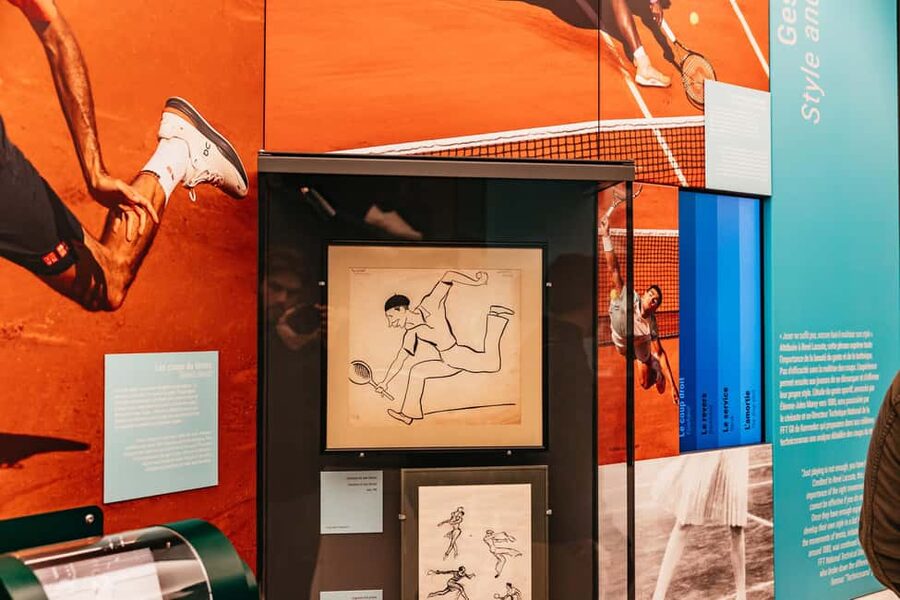
Many sports venues show you seats, a field, and a display case. Roland-Garros gives you a more personal connection to the players because the tour follows the movement of a match day. You are not just looking at Court Philippe Chatrier from a distance. You walk through the spaces that connect the working parts of the tournament with the court itself.
That matters at Roland-Garros. Tennis is an individual sport, so the player’s approach to the court carries a certain drama. The corridor is a simple architectural space, but it gives you a clear sense of the moments before a competitor walks into a packed stadium.
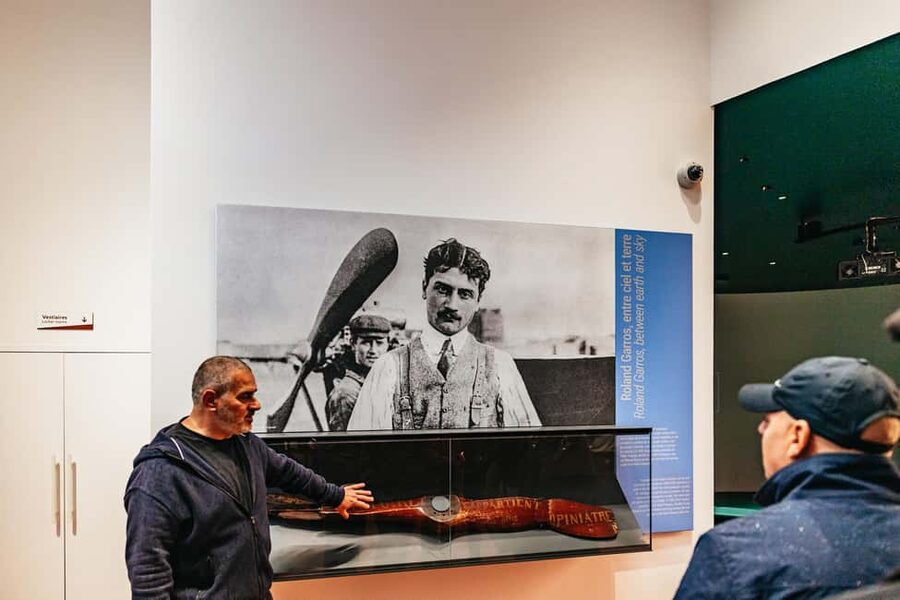
The tour also places the French Open in a wider story. You hear about the Four Musketeers of French tennis: Jean Borotra, Jacques Brugnon, Henri Cochet, and René Lacoste. Their names may be less familiar than Nadal’s, but they help explain why this venue has such a strong place in French sporting culture.
You do not need to follow every tournament to enjoy this context. The tour explains the people, court, and venue in plain terms. Still, the experience is at its best if you have watched tennis and can picture the players arriving for a major match.
More guided tours in Paris:
- Paris: Louvre Guided Tour with Reserved Access & Boat Cruise
★ 4.3 · 16,353 reviews - Louvre Museum Masterpieces Guided Tour with Access
★ 4.5 · 12,023 reviews - Louvre Museum – Exclusive Guided Tour (Entry Included)
★ 5.0 · 6,296 reviews
Meeting at Avenue Gordon-Bennett and entering through Gate 36
The meeting point is inside the Grande Boutique on Avenue Gordon-Bennett, at Gate 36. This is worth noting carefully because the stadium has several entrances, and an incorrect starting point can cost you time before the tour begins.
The shop opens from 9:30 AM to 6:30 PM, so you can visit before or after the tour. The activity includes admission and a live guide, but shopping is separate from the guided visit. One useful extra is a reported 10 percent shop discount connected with the tour, though you should confirm the current terms when you arrive.
Your guide may lead in English, French, or Spanish. Several guides have received praise for their style. Amir has been described as friendly and engaging, while Mathieu is known for sharing insider stories. Lionel brought strong enthusiasm to the visit, and Aida was praised for her lively approach. The guide assigned to your departure may differ, but these comments show the level of personal presentation you can expect.
Groups can vary in size. A larger group can make the tour lively, but it can also make the guide harder to hear, particularly when people are moving from one stop to another. Stay close to the guide and ask for a repeat if needed. One English-language visitor noted that information sometimes began before the whole group had gathered, so positioning yourself near the front is sensible.
Entering Philippe Chatrier Court
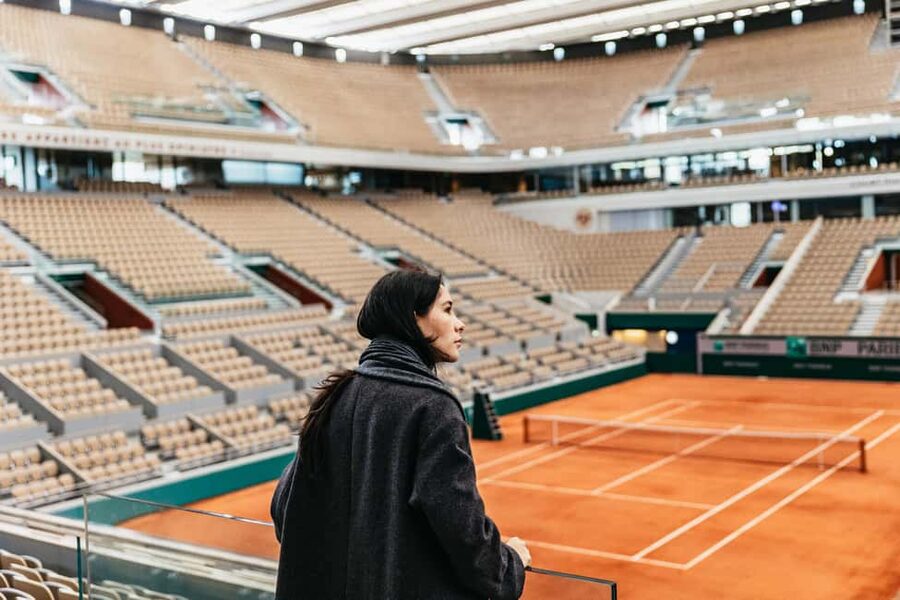
The main court is the tour’s central scene. Philippe Chatrier is the largest and most famous court at Roland-Garros, and the visit gives you a close view of its clay playing surface, seating bowl, and modern roof system.
The retractable roof is the main architectural talking point. It allows the tournament to continue during poor weather, while preserving the open-air character associated with clay-court tennis. Your guide explains the technical and design choices behind the rebuilt court, giving you more to notice than the rows of seats.
The views are a major benefit. From inside the stadium, you can look across the clay courts and toward the surrounding city. The sight is different from watching a broadcast, where the camera chooses one angle and hides the wider setting. Here, you can take in the scale of the venue and see how the court fits into Paris.
Conditions can change with the stadium calendar. Some visitors have found the main court without clay at certain times of year, which reduces the visual effect but does not cancel the architectural part of the visit. Stadium activity can also close specific areas. The tour provider warns that not every space is guaranteed on every date, so book this with some flexibility.
A small detail adds extra interest for tennis fans: the plaque honoring Rafael Nadal. Nadal won the French Open 14 times, and his link with this court is one of the strongest personal stories in the stadium. An exhibition honoring him has also been seen during visits, though displays and access can change.
Walking the route used by French Open players

The corridor to the clay court is where the tour becomes more than a building visit. You follow the same basic approach taken by competitors before they appear in front of the crowd.
You can picture the contrast: a quiet passage, then the noise and space of the main court. The guide uses this route to explain what happens behind the scenes during the French Open and to connect the physical venue with its famous names.
For a tennis fan, this is likely the most memorable part of the experience. It also works for a companion who does not know the sport well because the route tells a clear story. You are moving from preparation to performance, not simply stopping at unrelated rooms.
The route may include player facilities, including locker areas, but access depends on stadium work and the schedule. Renovations have occasionally prevented entry to locker rooms. In other visits, people have seen lockers associated with stars such as Nadal and Roger Federer. Treat this part as possible rather than guaranteed.
That distinction is important. The tour offers access to areas beyond ordinary public circulation, but Roland-Garros remains an active sports venue. A tournament, renovation, maintenance work, or other event can change the route.
Same city, a completely different afternoon:
- Paris: Louvre Museum Timed-Entrance Ticket
★ 4.6 · 71,977 reviews - Disneyland® Paris 1-Day Ticket
★ 4.6 · 49,412 reviews - Paris: Versailles Palace and Gardens Full Access Ticket
★ 4.6 · 41,579 reviews - Paris: Evening River Cruise with Music
★ 4.4 · 22,721 reviews
Presidential seats, media rooms, and the working tournament
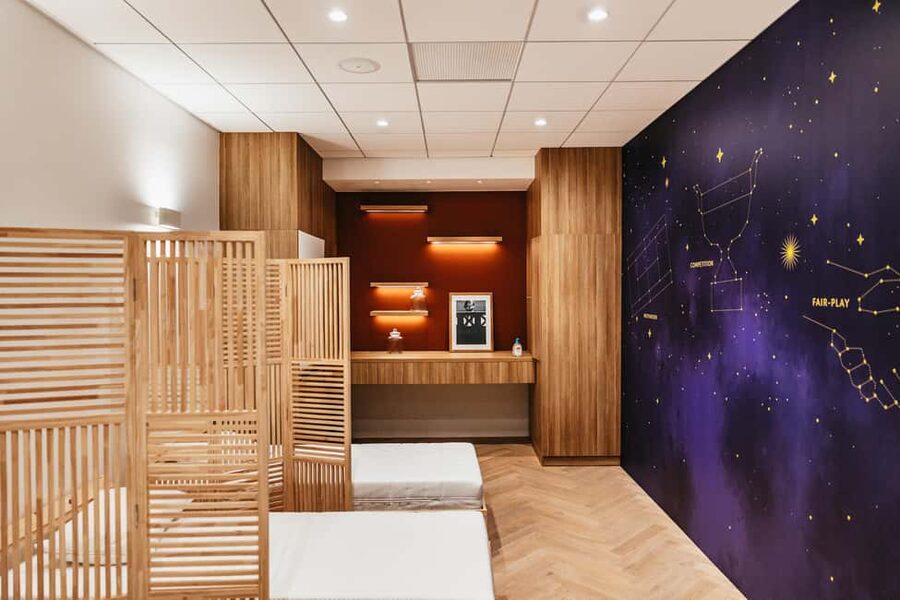
The presidential tribune gives you a look at some of the best seats in the stadium. It is a useful stop because it shifts the focus from players to the people who watch, organize, and present the event.
The media areas show another side of the French Open. Depending on access that day, you might see the press room and imagine the interviews and match reports produced during the tournament. One guide has even used mock interviews to make the media rooms more entertaining, a nice touch for families and anyone who wants something more active than a talk.
Trophy displays behind glass add another visual stop. You can take photographs, although the exact presentation may change. These areas help explain why Roland-Garros is not only a tennis court but also a large annual production involving players, journalists, officials, and spectators.
The tour is fairly well organized and moves at a steady pace. That efficiency helps you see a lot in 90 minutes, but it leaves limited time for long reading sessions. If you want to study every panel in a Nadal exhibition or museum-style display, you may feel rushed. The guided stories come first.
The tennis stories that give the tour its character
The best guides do more than list dates and winners. They connect players to places inside the stadium and add small details about how the tournament works.
Rafael Nadal naturally receives plenty of attention because of his record at Roland-Garros. Steffi Graf, Björn Borg, and Chris Evert broaden the story and remind you that the venue’s identity is not tied to one era or one country.
The Four Musketeers provide an important French chapter. Borotra, Brugnon, Cochet, and Lacoste helped establish French tennis on the international stage. Lacoste is also a familiar name through the clothing brand, which gives this part of the talk an easy point of connection even for people who do not know the player.
These stories are one reason I would not limit the tour to serious tennis followers. You get an introduction to French sporting culture, the design of the stadium, and the personalities linked to the court. A tennis expert may already know much of the basic material, but the chance to hear it in the place where it happened adds meaning.
Guide quality remains a real factor. Amir, Mathieu, Lionel, Aida, and other guides have been praised for answering questions and keeping the tone lively. English delivery can vary depending on the guide, and one visitor needed occasional repetition from a French guide. Do not hesitate to ask. The guides are expected to work in English, French, or Spanish, but speaking pace and group noise can affect how much you catch.
Is 90 minutes enough for $24?
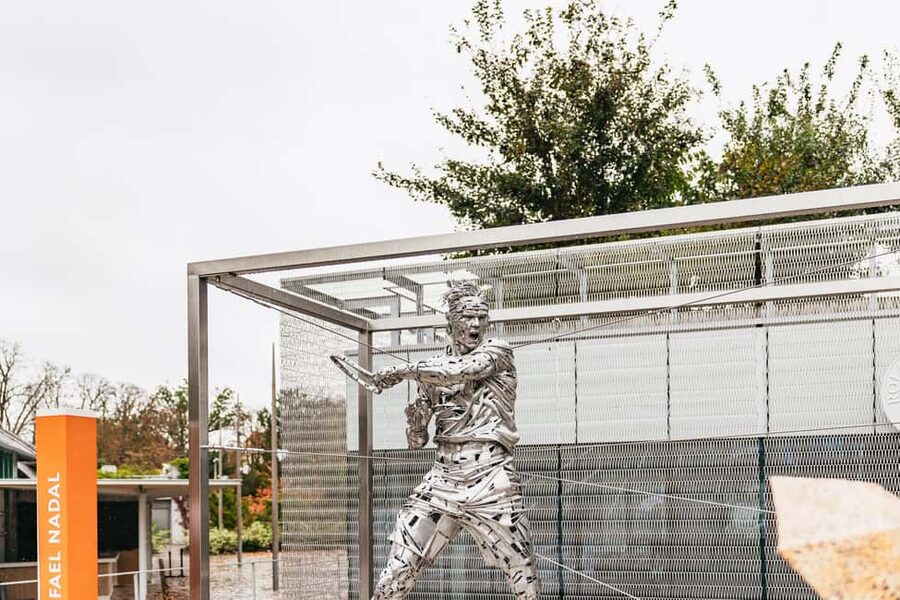
At $24 per person, the tour offers good value if you care about tennis, sports venues, or unusual Paris sights. A 90-minute visit gives you the main court, behind-the-scenes spaces, guided stories, and a view of the stadium’s design without taking up an entire day.
The price also compares well with the cost and difficulty of attending the French Open itself. Tournament tickets can be limited and expensive, while this visit lets you see the venue in a calmer setting. You do not get the atmosphere of a live match, of course, but you gain access to areas that are usually hidden from regular spectators.
The value is strongest for fans who may never attend a French Open final. You can stand inside the same stadium linked with Nadal’s victories and walk the player route without needing a tournament ticket.
There are limits. The visit may last closer to an hour on some days, according to one account, and a museum or exhibition stop may feel brief. Large groups may make the commentary difficult to hear. A missing clay surface or closed locker room can also reduce the sense of a full-access visit.
Even with those cautions, the combination of location, guide, and access makes the fee reasonable. It is not simply a walk around empty seats.
Practical details that affect your visit
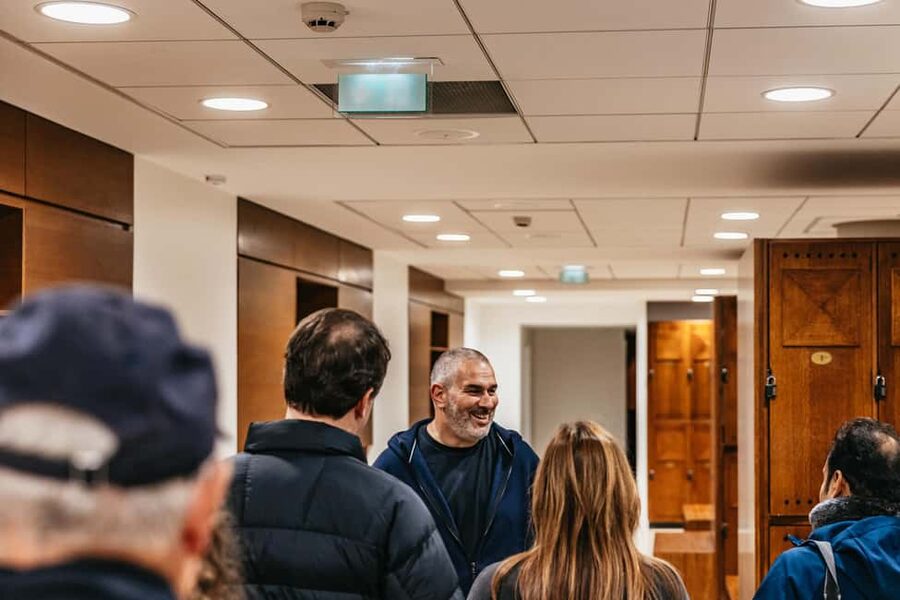
The tour is wheelchair accessible, and an earlier visit included help for a participant who needed to use elevators. If mobility is a concern, tell the guide what you need at the start so the group can move at a comfortable pace.
You should allow time to find Gate 36 and the Grande Boutique on Avenue Gordon-Bennett. The meeting point has caused confusion for some people, so check the entrance details before leaving your hotel.
The activity runs for 90 minutes, with starting times subject to availability. Cancellation is free up to 24 hours before the visit, and you can reserve now and pay later. Those options are useful if your Paris schedule is still changing.
The stadium shop can be visited before or after the tour and is open from 9:30 AM to 6:30 PM. The information provided does not promise a café or cold drinks during the visit, and one person specifically wished there had been somewhere to buy a cold drink. Bring what you need before entering.
Who should book the Roland-Garros tour?
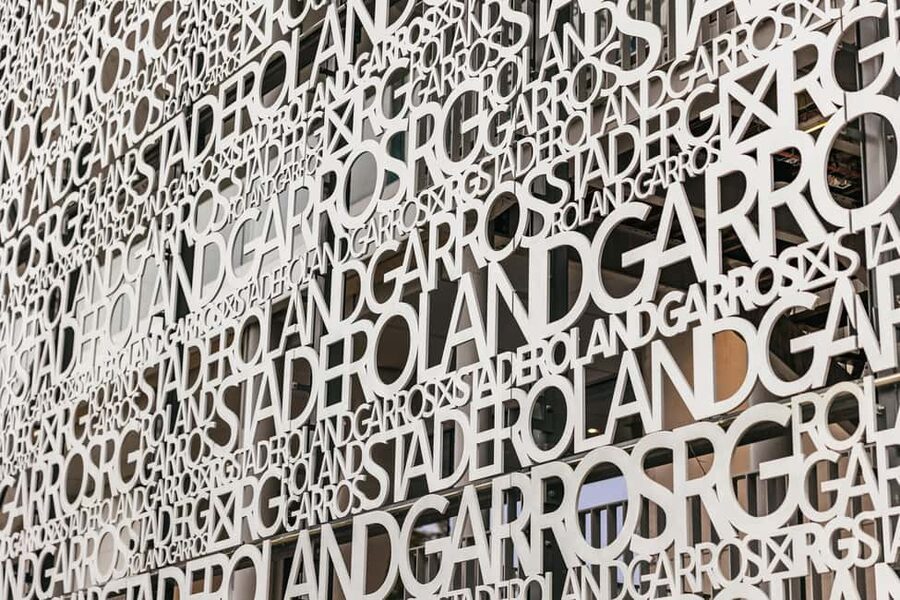
You should book this if tennis is a major reason for your Paris trip, if you have followed the French Open for years, or if seeing famous sports venues matters to you. Fans of Nadal will find the plaque and his connection to the court especially meaningful.
It also suits couples and families with mixed interests. The architecture, city views, media spaces, and French tennis stories give non-fans enough to enjoy. Children who know the sport may especially like the player route and mock interview element if it is included by the guide.
I would be more cautious if your main goal is a quiet museum visit or a guaranteed look inside every restricted room. Access can change, the group may be large, and commentary may be harder to hear at busy moments.
Should you book it?
Yes, if you want a practical and affordable look at one of Paris’s great sporting venues. The strongest parts are the walk to Philippe Chatrier Court, the roof and stadium design, and the chance to connect famous champions with the actual spaces they used.
Book with realistic expectations. You may not see every locker room, the court may not have clay, and the route can change because Roland-Garros is still an active venue. For $24 and 90 minutes, though, this is a smart choice for tennis fans and a worthwhile offbeat stop for anyone curious about French culture beyond museums and monuments.
FAQ
Where does the Roland-Garros tour begin?
Meet inside the Grande Boutique on Avenue Gordon-Bennett at Gate 36.
How long does the tour last?
The scheduled duration is 90 minutes.
What languages are available?
Live guides are available in English, French, and Spanish.
Is Philippe Chatrier Court included?
Yes. The guided visit includes Philippe Chatrier Court and information about its retractable roof.
Can I see the player corridor?
The tour includes the corridor leading players toward the clay court, allowing you to follow their route into the stadium.
Are locker rooms guaranteed to be open?
No. Some areas may be closed because of renovations, stadium activity, or other operational needs. Locker-room access can vary on the day.
Is the tour wheelchair accessible?
Yes, the activity is listed as wheelchair accessible.
Can I cancel for a refund?
You can cancel up to 24 hours in advance for a full refund. You can also reserve now and pay later.
Just added around Paris
- Paris: The Da Vinci Code Walking Tour with a Local Guide★ 4.3 · 5 reviews
- Paris: Flea Market Insider’s Tour in Extra-Small Group★ 4.6 · 73 reviews
- Paris: Private Fashion Tour (Chanel, Dior, Sex & the City)★ 5.0 · 3 reviews
- Paris: Floral Earrings workshop★ 5.0 · 3 reviews
- Paris: Fashion History Walking Tour in the Heart of Paris★ 4.9 · 22 reviews
- PARIS: Family e-bike longtail renting★ 5.0 · 3 reviews
- Paris: Famous Monuments Cycling Tour★ 4.7 · 20 reviews
- Paris: private city tour with seine river cruise★ 4.8 · 28 reviews
Guided, compared.
Louvre Guided Tour with Reserved Access & Boat Cruise
Read our review →
Louvre Museum Masterpieces Guided Tour with Access
Read our review →
Louvre Museum – Exclusive Guided Tour (Entry Included)
Read our review →
Skip-the-Line Guided Palace Tour and Full Access
Read our review →
Louvre Priority Access with Mona Lisa Escort or Guided Option
Read our review →
Louvre Museum: Skip-the-Line Small Group Guided Tour
Read our review →