
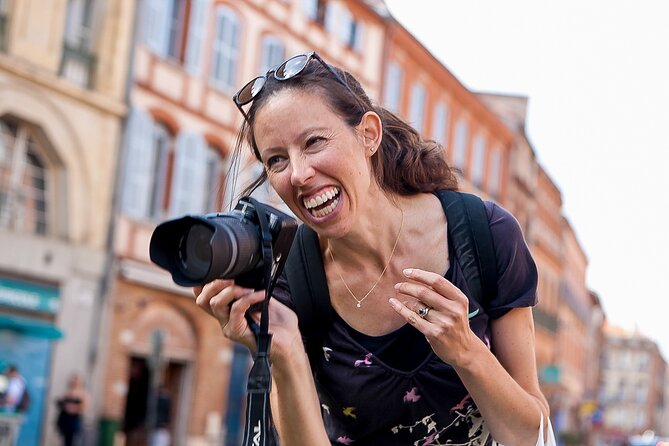
Reviewed · PARIS
Photo weekend for beginners
The best thing about this two-day Paris photo weekend is that you do not sit in a classroom memorizing camera terms. You spend the full course working outdoors and indoors, testing settings as you learn them. By the end, you should be ready to use Manual mode and the main semi-automatic modes with purpose.
I like the small group, capped at eight people, and the way the course moves from camera controls to finished pictures. I also like that instructor Alexis is praised for clear teaching and patient guidance, including helping students find buttons on their cameras they had never used.
The main drawback is the pace. Two days from 10 a.m. to 6 p.m. means a lot of information, from shutter speed and histograms to white balance and composition. If you prefer a relaxed sightseeing walk, this may feel intense. If you want to finally understand your camera, the full schedule is the point.
Key points to know before booking
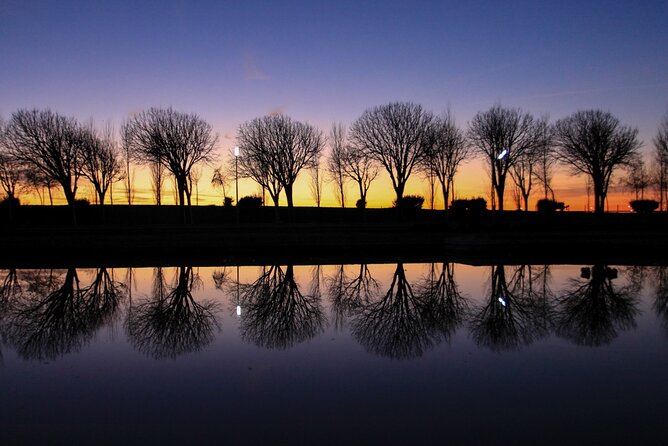
- Two full days of hands-on practice: You learn in real conditions rather than only hearing technical explanations.
- A maximum of eight participants: The small group gives you a better chance to ask questions and get help with your own camera.
- Alexis teaches practical camera control: The course covers settings many beginners avoid, including Manual mode, focus selection, and exposure tools.
- The course begins at the Carrousel du Louvre: Start time is 10 a.m., and the activity returns to the same meeting point.
- Written and video materials are included: You receive a booklet, post-course video materials, and a memorial diploma.
- The price is $370.43 per person: That buys about 16 hours of instruction, but camera rental, if needed, is not included.
Why this Paris photography course works for beginners
Many beginner photo courses explain aperture, shutter speed, and ISO in isolation. You leave knowing definitions but still hesitate when the light changes or a moving subject appears.
This course takes a more useful route. You learn one control, use it in the field, see the result, and then adjust. That immediate practice helps turn a camera dial into a decision you understand.
The teaching method is built around real shooting conditions. That means you work with the light, weather, focus problems, and exposure choices that affect ordinary photographs. You are not only trying to produce a technically correct image. You are learning how to make the camera respond to what you see.
The course is intended for beginners, but it is not limited to people who have just opened the box. You may already own a camera and use automatic mode most of the time. You may know a few terms but struggle to connect them. This weekend is aimed at that gap between owning a camera and controlling it.
The small group matters here. With no more than eight participants, your questions are less likely to disappear into a crowd. It also means instruction can relate to the controls on your own camera, which is useful when menu layouts and buttons vary by model.
Other Paris outings people book alongside this one:
- Paris: Louvre Museum Timed-Entrance Ticket
★ 4.6 · 71,977 reviews - Disneyland® Paris 1-Day Ticket
★ 4.6 · 49,412 reviews - Paris: Versailles Palace and Gardens Full Access Ticket
★ 4.6 · 41,579 reviews
Day one: taking control of aperture, speed, and focus
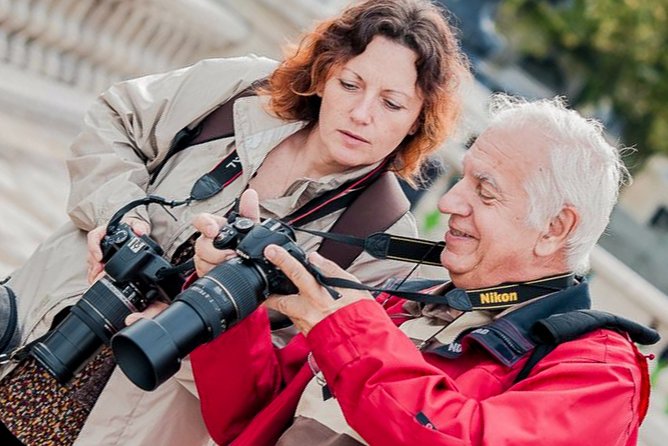
The first day runs from 10 a.m. to 6 p.m. and concentrates on the main settings that shape how a photograph looks.
You begin with aperture, the opening that controls how much light enters the camera and affects depth of field. A wider opening can help separate a subject from its background, while a smaller opening can keep more of the image sharp. The important lesson is not simply which number to choose. It is learning to choose the result you want.
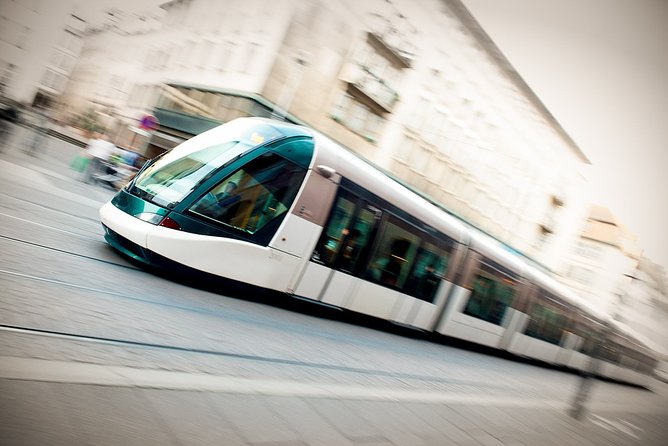
Next comes shutter speed and motion. A fast shutter can help freeze movement, while a slower speed changes how motion appears in the frame. You practice making that choice rather than letting the camera decide without explanation.
Focus gets its own attention. The course covers point focus and continuous focus, along with selecting the focus point so the camera aims at the subject you intend. This is one of those small controls that can make a big difference. A camera may focus accurately, but still focus on the wrong part of the scene if you do not tell it where to look.
By the end of the first day, the goal is to work in Manual mode as well as Aperture Priority, often marked A or Av, and Speed Priority, often marked S or Tv. You also practice in daytime and nighttime conditions, indoors and outdoors.
That range is valuable because camera settings are not fixed recipes. A setting that works in bright outdoor light may not work indoors. A choice that freezes movement may not give you the look you want in a darker scene. The course gives you several situations in which to test the difference.
The first day may be the hardest mentally. Beginners often have to hold several ideas at once: aperture affects depth of field, shutter speed affects motion, and both affect exposure. Do not expect to remember every number immediately. The useful result is learning how to make a reasoned adjustment instead of pressing buttons at random.
Day two: turning camera settings into finished photographs
The second day also runs from 10 a.m. to 6 p.m. It takes the settings from day one and applies them to complete images.
The focus shifts to ambient light. You work through bright scenes, dark scenes, backlighting, and different weather conditions such as sun and cloud. These are the situations that often produce disappointing results on an automatic setting. A face may be too dark in backlight, or a bright sky may cause the rest of the picture to lose detail.
You also study exposure control in greater detail. This includes metering modes, exposure lock, histograms, exposure compensation, luminosity values, and stops. That may sound technical, but each tool answers a practical question: is the camera reading the scene correctly, and if not, how can you adjust it?
The histogram is especially useful for beginners who want a clearer way to judge exposure. The camera screen can make a picture look fine even when highlights are lost or shadows are too dark. Learning to read the histogram gives you another check before moving on.
Exposure lock is helpful when the part of the scene you want to photograph is not the part the camera uses for its meter reading. The course connects these tools to real shooting rather than treating them as menu items to memorize.
Color comes next, including white balance and saturation. White balance helps the camera interpret the color of light, while saturation affects the strength of colors in the image. These controls can be confusing when first introduced, so practicing them in the field is more useful than reading a short definition.
The day finishes with composition. This is where technical control meets personal judgment. You learn to consider how elements sit within the frame, not just whether the image is correctly exposed.
The course description does not list exact photographic stops for the weekend. That is worth noting. You should book this for the structured instruction and practice, not because you expect a sightseeing tour built around a published list of Paris landmarks.
Starting at the Carrousel du Louvre
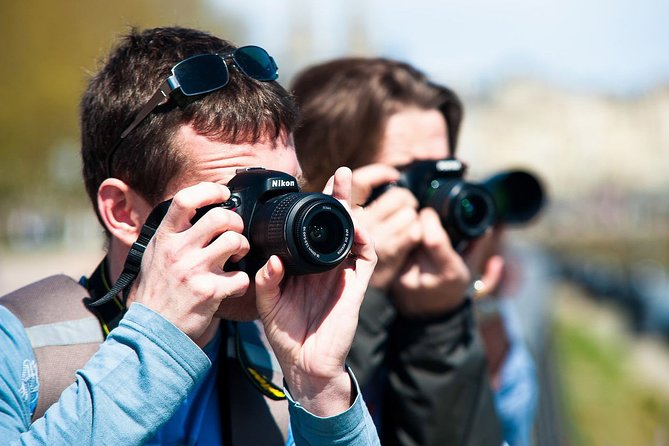
The meeting point is 115 Place du Carrousel, 75001 Paris, and the start time is 10 a.m. The location is near public transportation, which makes it practical for reaching the course without a complicated transfer.
Both days begin and end at the meeting point. That simplifies the schedule, especially if you are fitting the course into a short Paris stay. You do not need to arrange a separate return location at the end of each session.
Arrive ready to begin at 10 a.m. The published hours are long, so plan your other sightseeing around the course rather than trying to squeeze major attractions into the same daytime window. This is a photography class first, not a quick activity between museum visits.
The Carrousel du Louvre also puts you in a useful central starting area, but the course information does not promise a fixed route or a particular set of landmarks. Keep your expectations focused on learning photography in Paris, not on ticking off famous views.
Same city, a completely different afternoon:
- Paris: Evening River Cruise with Music
★ 4.4 · 22,721 reviews - Paris: Eiffel Tower Entry Ticket with Optional Summit Access
★ 4.4 · 20,035 reviews - Paris: Eiffel Tower Summit or Second Floor Access
★ 4.3 · 17,248 reviews - Paris: Louvre Guided Tour with Reserved Access & Boat Cruise
★ 4.3 · 16,353 reviews
What the small group means for your experience
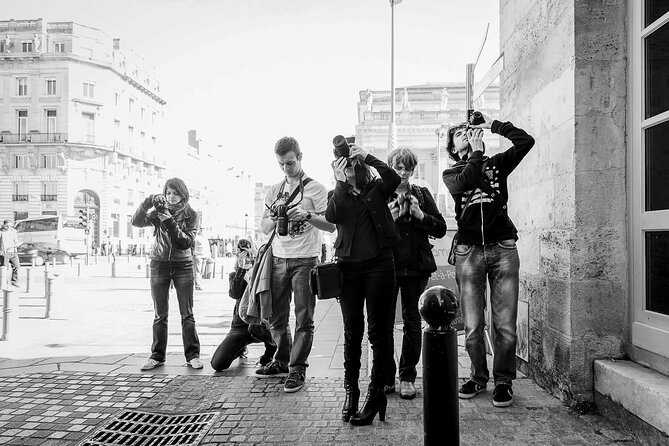
A group limit of eight is one of the strongest practical features. Photography questions are often personal. You may need help finding aperture control, changing the focus point, or understanding why your camera chose a particular exposure.
A large group can make that kind of help slow and general. With eight or fewer participants, the instructor has a better chance to see what you are doing and explain the adjustment in terms you can use.
The instructor named in the supplied information is Alexis. The teaching style described is direct and accessible, with attention to questions and experiments. One particularly useful part of the course is discovering controls you may have ignored, including buttons you have never pressed before.
That does not mean the weekend will feel effortless. You need to be willing to ask questions and try settings that may initially produce poor results. Mistakes are part of the process, especially when you move away from full automatic mode.
Included materials and camera questions
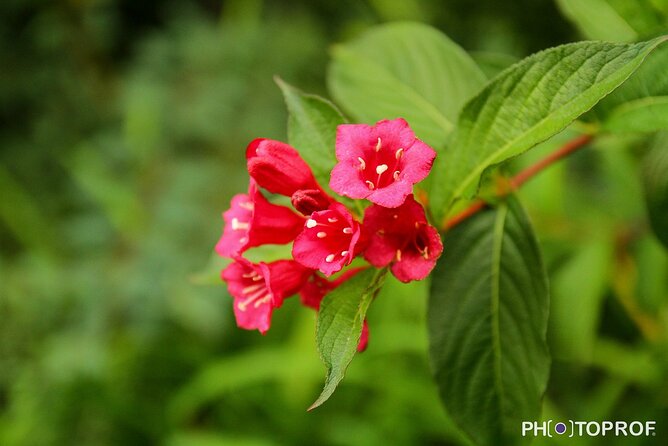
The course includes a written booklet, video course materials provided after the session, and a memorial diploma. The booklet gives you something to consult when you return home and forget which setting affected which part of the image.
The post-course videos are also useful because the amount of material covered in 16 hours is substantial. You can revisit explanations instead of relying on memory from a busy weekend.
A camera loan is not included. The course information says a loan is not necessary, but you should clarify your equipment needs before booking if you do not have a camera available. The instruction is designed around learning camera controls, so bring the camera you want to understand if you have one.
You should also expect to spend time operating your own equipment. The exact camera model matters less than your willingness to practice with it. The goal is to leave knowing where the key controls are and what they do.
Is $370.43 a fair price?
At $370.43 per person, this is not a cheap add-on activity. The right comparison is not with a short walking tour. It is with a full weekend course offering about 16 hours of instruction, a group capped at eight, written support, later video materials, and a diploma.
The price makes more sense if you own a camera you want to use for years. Learning to control aperture, shutter speed, focus, exposure, white balance, and composition can save you from buying equipment without knowing how to use it.
It is less appealing if you only want a few attractive Paris snapshots or a casual introduction lasting two or three hours. You are paying for a concentrated course, and the schedule reflects that.
The value also depends on your learning style. If you learn best by changing a setting and seeing the result, the field-based format suits you. If you prefer a slow lecture with plenty of time between topics, the two-day plan may feel crowded.
The course has a five-star rating based on three reviews, but that is a small sample. I would treat it as a positive sign, not a guarantee. The strongest pattern is the teaching itself: practical explanations, useful exchanges with Alexis, and help making sense of unfamiliar camera controls.
Who should book this course?
This is a good choice if you have a camera but rely on automatic mode. It also suits you if you know basic terms but cannot yet predict what will happen when you change a setting.
You will get the most from it if you are prepared for long days and active practice. The course is not designed for passive observation. You will need to adjust settings, examine results, and ask for help.
It may also suit a photographer who has recently upgraded to a more advanced camera. The course can help you find controls and understand the relationship between them, even if you already know a little about photography.
I would be cautious about booking it if your main goal is sightseeing. The schedule leaves little daytime space for unrelated activities, and the exact route is not specified. You should also check the weather forecast and cancellation terms, since the activity requires good weather.
Free cancellation is available up to 24 hours before the start time for a full refund. Changes or cancellations inside that period are not refunded, and a weather or minimum-participant cancellation gives you the choice of another date or a full refund.
My verdict: a serious weekend for camera control
Book this PhotoProf weekend if you want to stop guessing and start making deliberate choices with your camera. The strongest features are the small group, field practice, clear progression from basic controls to finished images, and the chance to work with instructor Alexis.
Do not book it as a light sightseeing activity. Two days from 10 a.m. to 6 p.m. is demanding, and the subject matter becomes technical. But if you are ready to put in the hours, $370.43 buys a focused course that can remain useful long after your Paris visit.
FAQ
Where does the photography course start?
It starts at 115 Place du Carrousel, 75001 Paris, France.
What time does the course begin?
The course starts at 10 a.m. on both days.
How long does the experience last?
It lasts approximately two days. Each day runs from 10 a.m. to 6 p.m.
How many people can join the course?
The group has a maximum of eight participants.
Do I need to bring a camera?
A camera loan is not included. The course information says a loan is not necessary, but you should confirm your equipment situation before booking.
What materials are included?
You receive a written course booklet, video course materials after the session, and a memorial diploma.
Can I cancel for a full refund?
Yes. You can cancel at least 24 hours before the start time for a full refund. Cancellations made less than 24 hours before the start time are not refunded. If poor weather or an insufficient number of participants cancels the activity, you are offered another date or a full refund.
Just added around Paris
- Private Paris Marche d’Aligre Walking Tour with Tastings★ 5.0 · 8 reviews
- Private Louvre Museum Tour for Kids & Families with Alberto or his team in Paris★ 5.0 · 41 reviews
- Private Highlights of Paris Tuk-Tuk Experience★ 5.0 · 26 reviews
- Paris Latin Quarter Walking Tour: History & Culture – Small Group★ 5.0 · 14 reviews
- Private Highlights of Paris Bike Tour★ 4.5 · 15 reviews
- Paris Musee d’Orsay PRIVATE TOUR with a Local Private Guide★ 5.0 · 41 reviews
- Private Half Day Historic Tour★ 5.0 · 58 reviews
- Pere Lachaise Cemetery Paris – Exclusive Guided Walking Tour★ 5.0 · 72 reviews