
Reviewed · LOUVRE MUSEUM TOURS
Paris: Louvre Museum Tour Mona Lisa & Iconic Masterpieces
The Louvre is so large that a first visit can feel like a treasure hunt without a map. This two-hour tour gives you a sensible route to the Mona Lisa, Venus de Milo, and Winged Victory of Samothrace, while explaining what you are seeing instead of leaving you to read every wall label.
I like the pre-reserved entry and the fact that you can remain in the museum after the guided portion. I also like the storytelling: guides including Sophie, Gabriela, Megan, Lucia, and René have been especially praised for making art history clear and entertaining. The main drawback is the pace. Two hours only covers the highlights, and the Louvre may feel crowded, especially in summer.
Key points at a glance
- Meet by the Kiosque des Noctambules: The colorful Murano-glass structure faces the Comédie Française, about five minutes from the Louvre entrance.
- See three essential works: The route includes the Mona Lisa, Venus de Milo, and Winged Victory of Samothrace.
- Learn the stories behind the art: Your guide puts the paintings, sculptures, and palace in context rather than simply pointing them out.
- Use reserved entry wisely: You avoid the main ticket line, though security can still take up to 20 minutes at busy times.
- Stay after the tour: You can continue exploring the museum on your own, but once you leave the galleries and reach the pyramid area, you cannot re-enter the rooms.
- Expect a real walking tour: There are many steps, large bags are not allowed, and the tour is not suitable for wheelchair users.
Why a guided Louvre visit makes sense
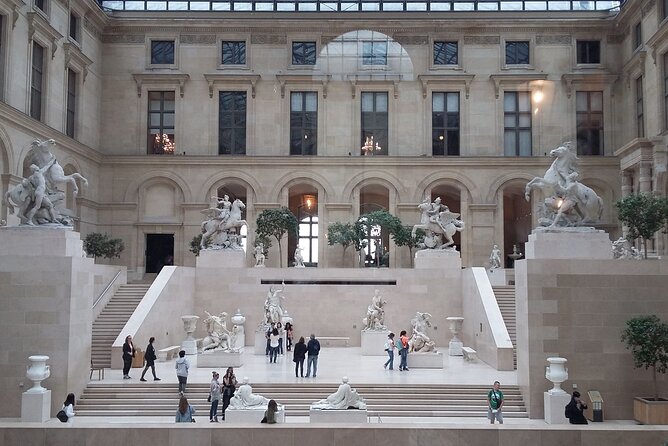
The Louvre is not one museum in the ordinary sense. It is a former royal residence with collections ranging from ancient civilizations to paintings of the mid-19th century. You could spend a full day there and still miss entire sections.
That scale is the reason I find a guided highlights tour useful. Instead of starting with a map and trying to guess what matters, you follow a planned route through major galleries. The guide supplies the links between the building, the collection, and the famous works.
The tour is not designed for a quiet, slow study of one painting. It is a first visit with a clear purpose: see the icons, learn their stories, and leave with enough orientation to decide what deserves more of your time afterward.
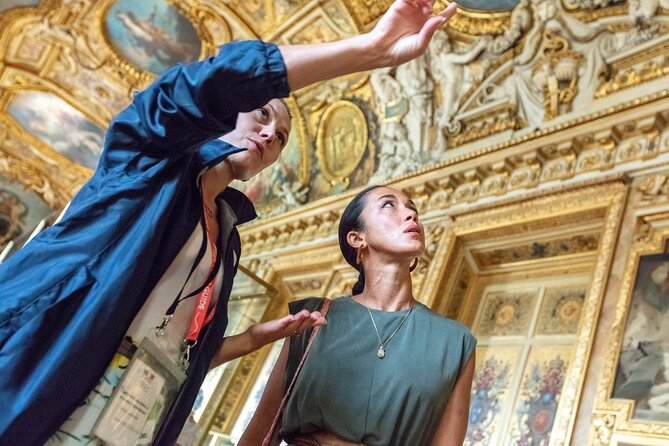
You receive a headset, which matters in crowded rooms. A group of up to 20 people is not tiny, but the audio equipment lets you hear the guide without standing shoulder to shoulder around every painting.
More Louvre Museum Tours:
- Paris: Louvre Museum Timed-Entrance Ticket
★ 4.6 · 71,977 reviews - Paris: Louvre Guided Tour with Reserved Access & Boat Cruise
★ 4.3 · 16,353 reviews - Louvre Museum Masterpieces Guided Tour with Access
★ 4.5 · 12,023 reviews
Finding the Kiosque des Noctambules
Do not walk straight to the Louvre entrance. The meeting point is the Kiosque des Noctambules, a bright public artwork decorated with Murano glass beads and located across from the Comédie Française.
The nearest Metro stop is Palais Royal, Musée du Louvre. Use the Place Colette exit. From there, the meeting point is about a five-minute walk from the museum entrance.
This detail deserves attention because the meeting place is outside the museum and the guide arrives at the scheduled start time, not early. Look for the guide holding a GetYourGuide flag. Allow enough time to find the kiosk, especially if you are navigating the area for the first time.
Late arrival is a serious problem. The group booking does not allow a ticket to be issued after the tour has moved on, so arriving at the exact meeting time is not a good plan. I would aim to be in the area 10 to 15 minutes early.
Entering through the pyramid
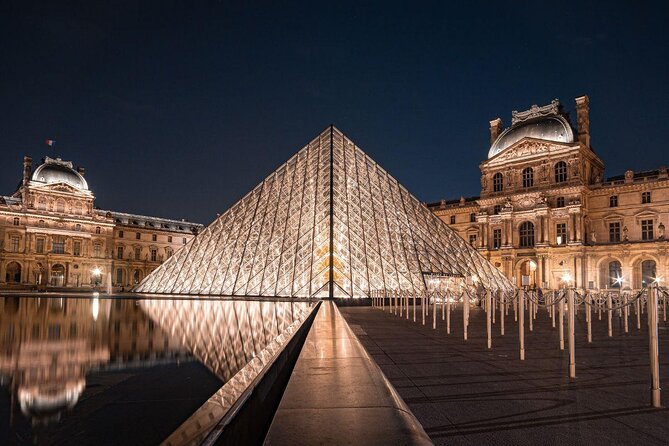
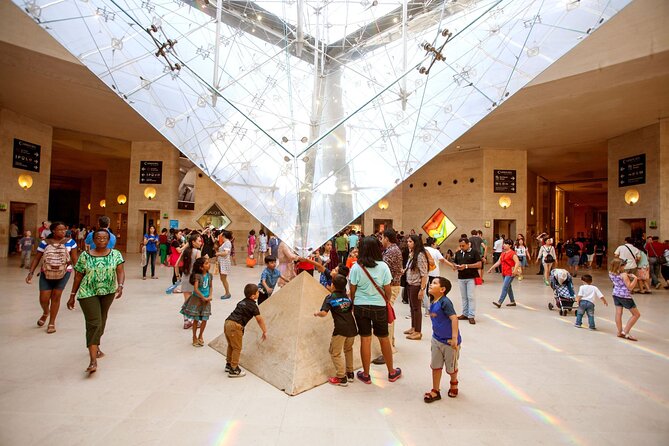
The Louvre pyramid is one of Paris’s most familiar sights, but the useful part here is not just the photo opportunity. The pre-reserved museum ticket helps you avoid the regular ticket line and gets the group moving toward security and the galleries.
Reserved entry does not mean instant entry. Security checks remain, and at peak times you may wait up to 20 minutes. Summer brings larger crowds, so build that possibility into your schedule rather than booking a tight restaurant reservation or train connection immediately afterward.
Once inside, the guide gathers the group and begins the route. The tour does not attempt to cover every wing. That is a strength, not a flaw. A good Louvre plan needs limits, or the museum’s size swallows the entire visit.
The Louvre palace beneath your feet
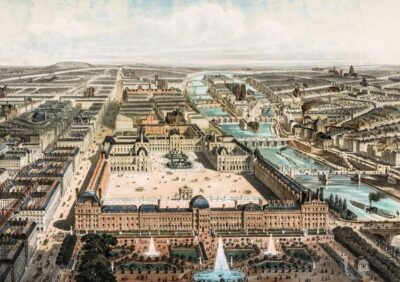
Before or alongside the art, you get a sense of the building itself. In the basement, you can see foundations from the castle that once occupied the site.
This part helps explain why the Louvre can feel less like a single gallery and more like a city built over several centuries. The museum began as a royal fortress and later became a palace before turning into a public museum. Looking at the old foundations gives you a physical connection to that change.
I like this stop because it breaks up the parade of famous objects. You are not only being taken from one masterpiece to the next. You are also seeing the building as part of the story.
More art museums in Paris:
- Paris: Louvre Museum Entry Ticket With Host and River Cruise
★ 4.6 · 9,926 reviews - Les Invalides: Napoleon’s Tomb & Army Museum Entry
★ 4.6 · 9,185 reviews - Louvre Museum – Exclusive Guided Tour (Entry Included)
★ 5.0 · 6,296 reviews - Paris: Louvre Museum Hosted Entry and Mona Lisa Audioguide
★ 4.6 · 5,235 reviews
Venus de Milo and the ancient Greek collection
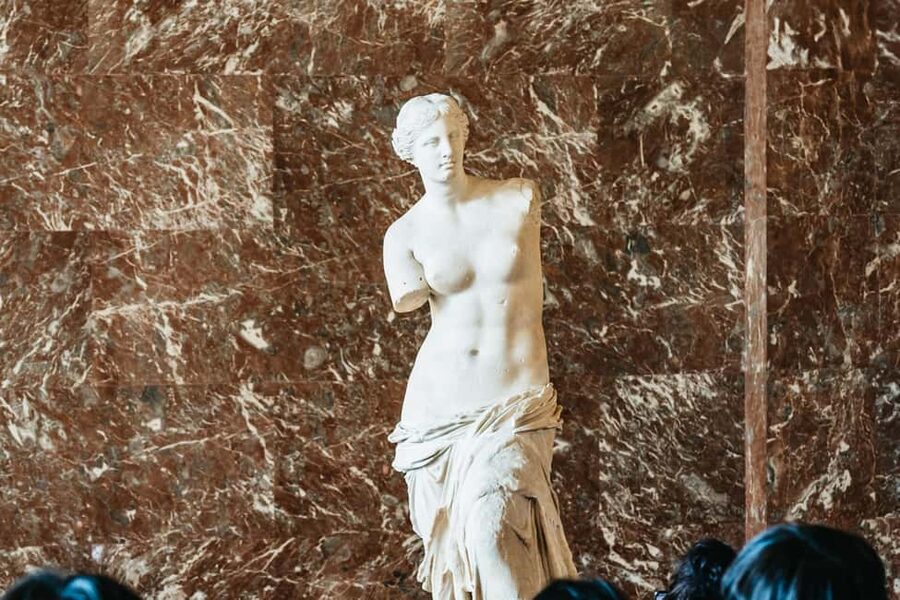
The Venus de Milo is one of the tour’s major stops. This ancient Greek sculpture has influenced generations of artists, and its missing arms have helped make it instantly recognizable.
Your guide can give you more than the standard facts about the statue. The useful part of seeing it with a guide is learning how it fits into Greek sculpture and how artists have responded to its form. The surrounding collection also gives you a chance to see ancient works beyond the three headline objects.
Do not expect a long private audience with Venus. The Louvre can be crowded, and the route keeps moving. Still, the guide gives you a framework for looking at the sculpture instead of treating it as a quick photo stop.
Winged Victory on the Daru staircase
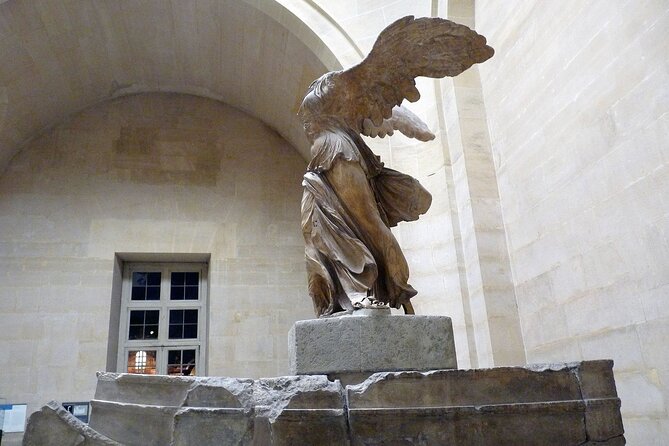
Winged Victory of Samothrace, also called Nike, is another essential stop. The Hellenistic statue is carved as the Greek goddess of victory, with its wings and flowing clothing creating a powerful sense of movement.
The setting matters here. The sculpture is placed at the top of the Daru staircase, where its scale and position make it hard to miss. Your guide can point out details that are easy to overlook when you are simply passing through the hall.
This is one of the moments when the route’s structure pays off. You see a major sculpture in its architectural setting, then move on with a clearer idea of how ancient Greek art differs from later Renaissance painting.
Meeting the Mona Lisa
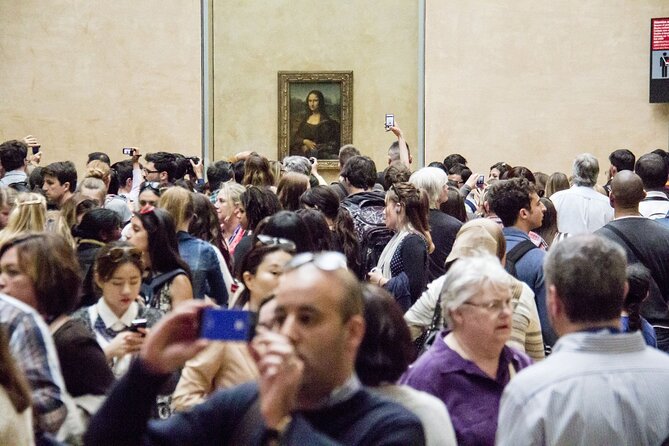
The Mona Lisa is the stop most people have in mind when they book. The portrait is protected behind barriers and attracts a large crowd, so do not expect the calm, close-up viewing experience you might have in a smaller gallery.
The guide helps by explaining the painting’s background and the strange story of its fame. The portrait’s theft in 1911 played a major role in turning it into a worldwide celebrity. That story is often as memorable as the painting itself.
A well-run group can help you reach the viewing area efficiently, but crowd conditions change. The guide may position the group near the front of the viewing rope, as has happened on some visits, but no tour can promise an empty room or unlimited time in front of the portrait.
This is also where the headset earns its keep. You can listen to the explanation while people move around you, rather than trying to hear a quiet speech over the crowd.
Renaissance paintings and lesser-known works
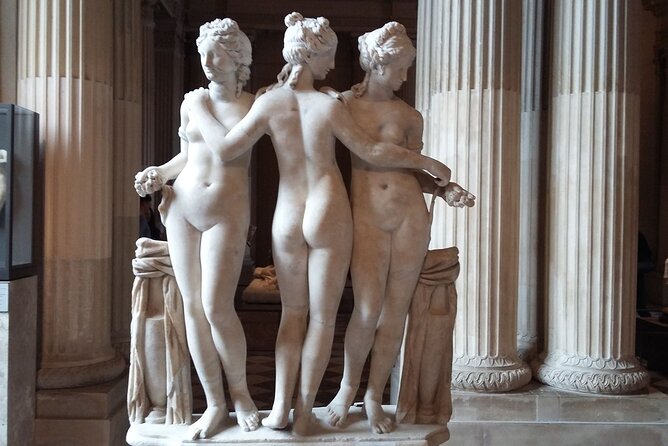
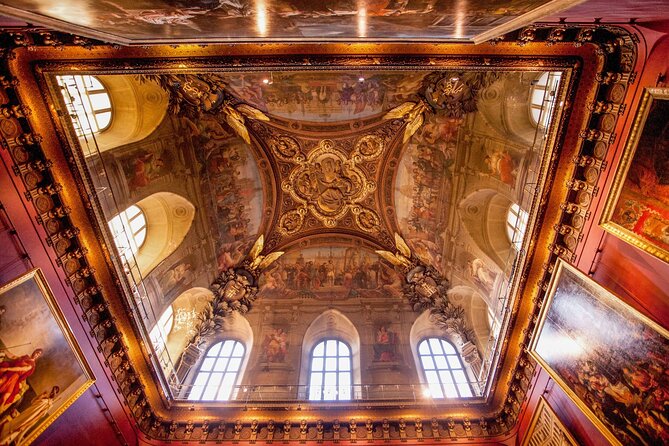
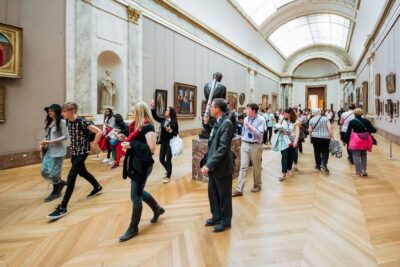
The tour also includes Renaissance treasures, paintings from the 13th through 19th centuries, and works from the former Royal Collection. The exact sequence can vary with crowd levels, room closures, and the guide’s judgment on the day.
That flexibility is useful. A guide can adjust the route when one corridor is jammed and still keep the main themes intact. You may also pause at a work you would have walked past on your own.
This is where guides such as Gabriela, Sophie, Megan, and Lucia have received repeated praise for their approach. Their strength is not just listing dates and names. They explain why a work matters, add short stories, and keep the group involved. Several visitors found the information substantial without feeling like a school lecture.
The tour can also work for someone who is not especially interested in art. You will still see famous paintings and sculptures, but the guide’s stories give you a reason to look closely. For someone already passionate about art, the two-hour limit may feel too short.
What the two-hour format really gives you

Two hours sounds generous until you consider the distances inside the Louvre, the security process, crowded galleries, and the time needed to gather a group. Think of this as a strong introduction, not a complete museum visit.
The most successful approach is to treat the tour as your orientation session. Afterward, remain inside and return to the areas that caught your attention. You can spend more time with a painting, seek out another collection, or simply walk through the palace rooms at your own pace.
There is one important rule: once you have exited the wings and returned beneath the pyramid, you cannot re-enter the galleries. Plan your independent exploration before leaving the museum’s interior.
Some people wish the guided portion lasted longer. That is understandable, especially when the guide is engaging. Still, keeping the main route to two hours makes this easier to fit into a busy Paris day.
Is $79 good value?
At $79 per person, this is not the cheapest way to enter the Louvre. You are paying for the museum ticket, reserved access, the guide, the headset, and the time saved by following a route instead of organizing everything yourself.
I think the price makes the most sense for a first visit, a short stay in Paris, or a day when official museum tickets are difficult to find. One person used the tour during a 14-hour layover, and the efficient entry and direct route made the visit practical.
The value is less clear if you have already visited the Louvre several times and know exactly which rooms you want to see. In that case, a standard ticket and your own plan may give you more freedom.
The tour also includes an optional upgrade with a morning visit to the Orsay Museum. That may suit you if you want a full art-focused day, but check the schedule carefully before combining both museums. The Louvre itself can easily fill the afternoon.
Crowds, stairs, and what to bring
Wear comfortable shoes. The route involves substantial walking and many steps, and the building is too large for a quick, effortless stroll.
This experience is not suitable for people with mobility impairments or wheelchair users. Non-folding wheelchairs and electric wheelchairs are not permitted on the tour. Large bags, luggage, selfie sticks, and double baby strollers are also not allowed inside.
Small children must have their own place on the booking. The group can include up to 20 people, so it is manageable but not private. If you want a quiet visit with lots of time for questions, a small-group or private experience would be a different product, not an upgrade included here.
English and Portuguese tours are available. The included headsets help, but you still need to stay near the group and keep track of the guide in crowded rooms.
Who should book this Louvre tour?
I would choose this tour if you are visiting the Louvre for the first time and want the famous works explained in plain language. It is also a good fit if you have limited time, dislike museum logistics, or want a guide to make the palace and art collection feel organized.
Families with older children may appreciate the stories and clear route, provided everyone can manage the walking and stairs. Art lovers can use it as an introduction, then stay on to explore specific rooms independently.
I would think twice if you want to linger for ten minutes at every painting, avoid groups, or need step-free access. The schedule is brisk, summer crowds can slow entry, and the Mona Lisa viewing area will not feel peaceful.
Should you book it?
Book this tour if the Louvre feels intimidating, if you want the major sights in two hours, or if reserved entry is worth paying for. The strongest part is the guide’s storytelling, with names such as Sophie, Gabriela, Megan, Lucia, and René repeatedly associated with clear explanations, humor, and careful group handling.
Skip it if you already have a detailed Louvre plan and prefer complete independence. For most first-time visitors, though, $79 is a reasonable trade for a guided route through the museum’s biggest highlights, followed by time to continue on your own.
FAQ
Where do I meet the Louvre guide?
Meet at the Kiosque des Noctambules, the colorful Murano-glass structure facing the Comédie Française. It is about a five-minute walk from the Louvre entrance. The nearest Metro stop is Palais Royal, Musée du Louvre, using the Place Colette exit.
Can I go directly to the Louvre entrance?
No. You must meet the guide at the Kiosque des Noctambules at the selected time. Look for the guide holding a GetYourGuide flag.
How long is the guided tour?
The guided tour lasts two hours. Afterward, you may stay in the museum and continue exploring on your own.
Which languages are available?
The tour is available with a live guide in English or Portuguese.
Does the tour include the Mona Lisa?
Yes. The route includes the Mona Lisa, Venus de Milo, and Winged Victory of Samothrace, along with other paintings, sculptures, and historical areas of the Louvre.
Is the tour suitable for wheelchair users?
No. The tour includes many steps and is not suitable for wheelchair users or people with mobility impairments. Non-folding wheelchairs and electric wheelchairs are not permitted.
Just added around Paris
- Paris: The Da Vinci Code Walking Tour with a Local Guide★ 4.3 · 5 reviews
- Paris: Flea Market Insider’s Tour in Extra-Small Group★ 4.6 · 73 reviews
- Paris: Private Fashion Tour (Chanel, Dior, Sex & the City)★ 5.0 · 3 reviews
- Paris: Floral Earrings workshop★ 5.0 · 3 reviews
- Paris: Fashion History Walking Tour in the Heart of Paris★ 4.9 · 22 reviews
- PARIS: Family e-bike longtail renting★ 5.0 · 3 reviews
- Paris: Famous Monuments Cycling Tour★ 4.7 · 20 reviews
- Paris: private city tour with seine river cruise★ 4.8 · 28 reviews
Louvre Museum Tours, compared.
Louvre Guided Tour with Reserved Access & Boat Cruise
Read our review →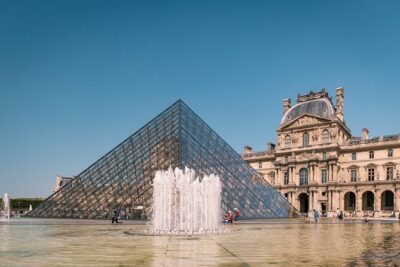
Louvre Museum Masterpieces Guided Tour with Access
Read our review →
Louvre Museum Entry Ticket With Host and River Cruise
Read our review →
Priority Access Louvre with Host -Direct to Mona Lisa
Read our review →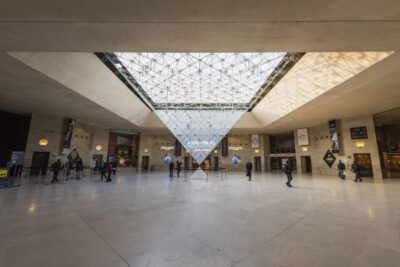
Mona Lisa & Louvre Masterpieces Tour with Reserved Access
Read our review →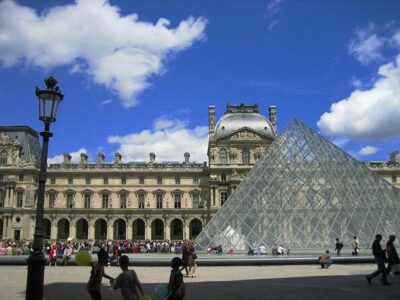
Louvre Museum – Exclusive Guided Tour (Entry Included)
Read our review →
Louvre Reserved Ticket and River Cruise Combo
Read our review →Browse the lists this tour appears in