
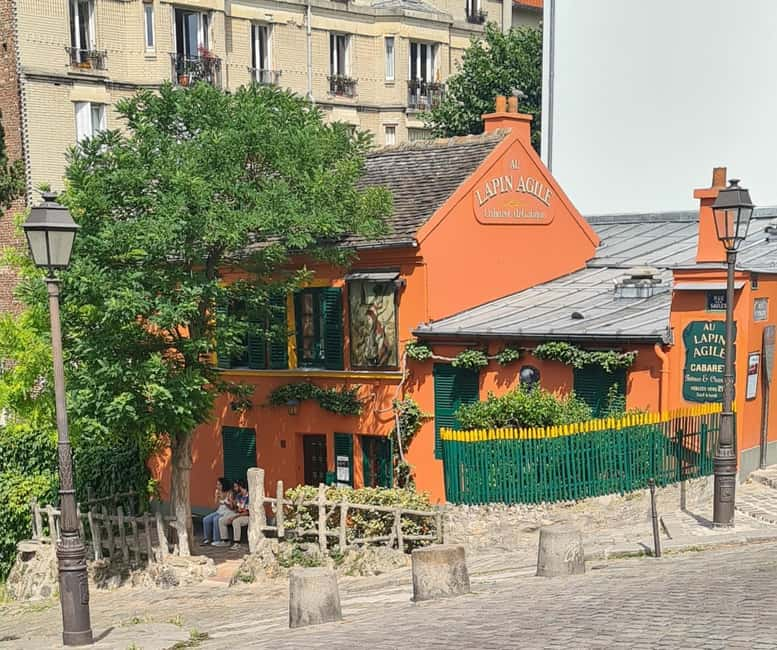
Reviewed · MONTMARTRE AND SACRé-CœUR TOURS
Paris: Montmartre Drawing tour with a local artist
Montmartre becomes more interesting when you stop trying to see everything and spend time drawing one small part of it. This three-hour walk combines local art history with guided exercises near the vineyards, Sacré-Coeur, Bateau Lavoir, and Moulin de la Galette. You do not need formal training, and the group is limited to 10 people.
I like the careful preparation: you receive a sketchbook, drawing supplies, and a foldable stool, with paper suited to different materials. I also like the guide’s gentle approach for beginners, with useful feedback available without forcing you to show off your artistic skills.
The main consideration is that this is a drawing class as well as a walking tour. If you want total freedom to sketch whatever catches your eye, some exercises may feel too directed. One participant also found that French was used at times during an English-language booking.
Key points to know before you book
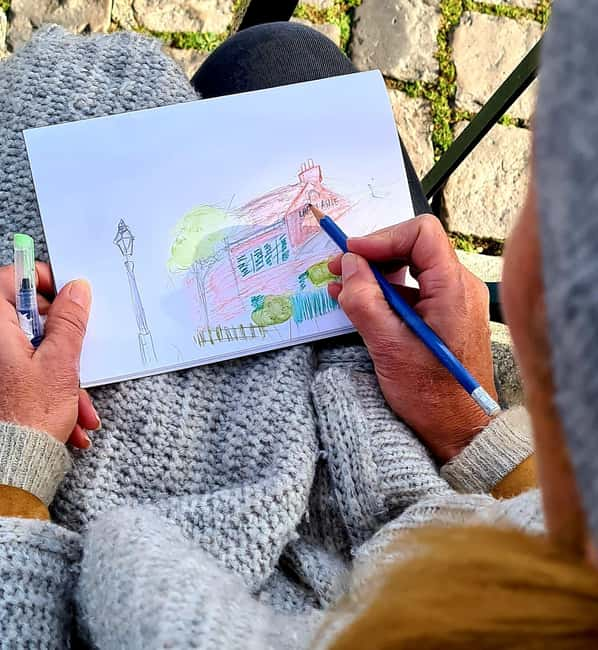
- You draw at real Montmartre landmarks: The route includes the local vineyards, Sacré-Coeur, Bateau Lavoir, and Moulin de la Galette.
- You receive the basic kit: A sketchbook is yours to keep, while pencils, markers, watercolor, and a foldable stool are supplied during the session.
- The group stays small: With no more than 10 participants, the instructor can offer individual advice.
- The class suits beginners: Exercises have clear aims and are designed for different skill levels.
- Bad weather does not cancel the activity: Rain or cold shifts the drawing work into a cozy cafe along the route.
- The walk is not wheelchair accessible: Expect movement through Montmartre and standing or walking between drawing stops.
Why drawing changes your view of Montmartre
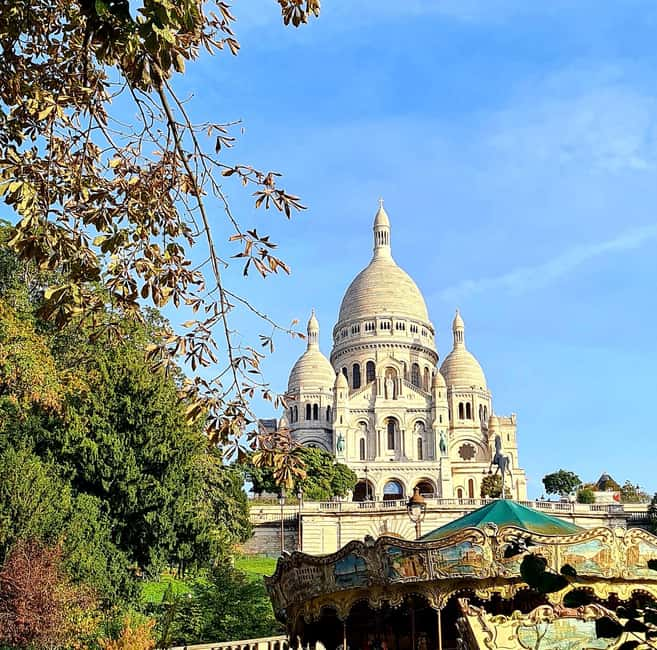
Montmartre is easy to experience as a checklist: climb toward Sacré-Coeur, glance at the artists’ square, take a photograph, and move on. A pencil slows you down. You begin noticing the angle of a roof, the curve of a street sign, the pattern of a fountain, or the shape of a tree against the hill.
That is the useful idea behind this tour. You are not simply being led from one sight to another. You are asked to look closely, then turn what you see into a quick drawing. The result does not need to be good. The activity gives you a reason to pay attention.
The instructor also places the neighborhood in its artistic setting. You hear stories about the painters connected with Montmartre and visit places linked with that creative past. The art history is part of the walk, but it does not replace the practical work with pencil, marker, and watercolor.
You should expect a relaxed class rather than a formal art course. The exercises are accessible to all levels, and you can ask for specific advice. If you already draw often, the session may feel introductory, but you can use the time to experiment with materials and study Montmartre from a slower angle.
More Montmartre and Sacré-Cœur Tours:
- Montmartre Hidden Gems and Scenic Highlights Walking Tour
★ 5.0 · 2,684 reviews - Montmartre Hill French Gourmet Food and Wine Tasting Walking Tour
★ 5.0 · 2,588 reviews - Paris: Montmartre Cheese, Wine & Pastry Guided Walking Tour
★ 4.8 · 2,255 reviews
Meeting at Abbesses and getting started
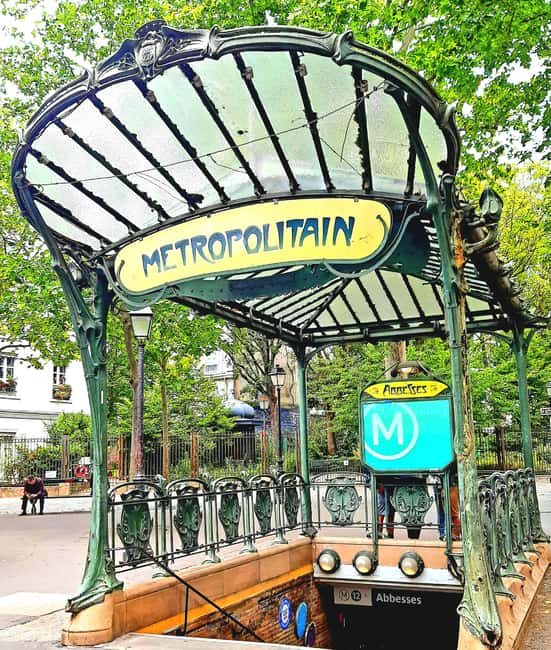
The meeting point is directly in front of the entrance to Abbesses metro station on line 12. This is a useful place to begin because you can arrive by public transportation and meet the instructor without searching through a large square or confusing street corner.
After a personal welcome, you receive your sketchbook. The instructor lends you the rest of the equipment, including pencils, markers, watercolor, and a folding stool. The prepared sketchbooks are not just a souvenir. Different types of paper are used for different drawing materials, which helps prevent watercolor from soaking through a page or markers from becoming difficult to control.
The stool matters more than it may seem. Montmartre is hilly, and drawing while standing can become tiring, especially during a three-hour activity. Having a seat lets you focus on the exercise instead of looking for a wall, step, or cafe chair.
Wear comfortable shoes and clothing suited to the weather. You will walk between stops, and the tour continues in rain or cold. If conditions become unpleasant, the drawing activities move into a cozy cafe along the route.
The Montmartre vineyards and the value of small exercises
The vineyards give the walk an early reminder that Montmartre is more than its grand views and famous white basilica. This part of the neighborhood has a local, slightly unexpected character, and it offers a subject that can be approached through shape, line, and texture.
Here, or at another early stop, the instructor introduces one of the drawing tasks. The exercises have specific educational goals, so you may be asked to focus on a particular object or visual detail rather than attempt a complete scene.
That structure is helpful if you are unsure how to begin. A blank page can be intimidating, even when you are only drawing for fun. Short assignments give you a starting point and help you try more than one method during the walk.
The tradeoff is freedom. One parent traveling with a daughter wanted to draw the surrounding scenes and found the focus on selected objects and technique frustrating. If you want an informal sketching stroll with no instruction, this may feel more like a lesson than you expected.
I suggest deciding what you want before booking. If you like having a prompt, feedback, and a bit of artistic direction, the exercises should keep the time moving. If you mainly want to sit wherever you like and draw whatever appears in front of you, an independent sketching afternoon may suit you better.
Sacré-Coeur as a drawing subject
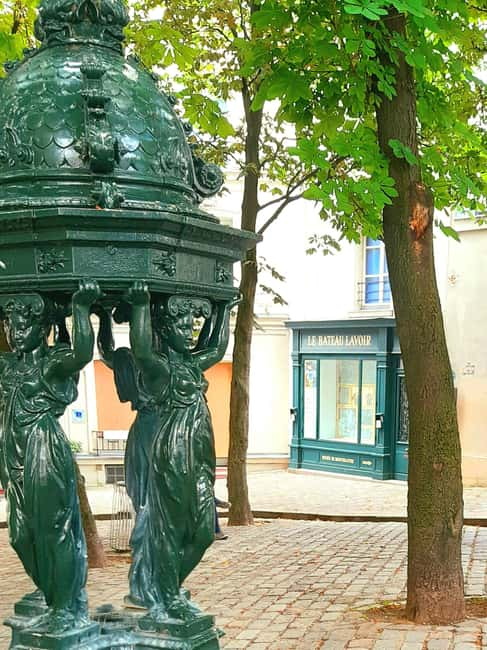
The Sacré-Coeur area brings the most recognizable Montmartre view into the session. You may be tempted to rush toward the basilica, take photographs, and continue. Drawing asks you to break the view into manageable parts.
The instructor may guide you toward a detail rather than ask you to reproduce the entire building. That approach makes sense for a short activity. Three hours is enough for several studies, but not for a polished architectural drawing of every major stop.
The basilica also gives you a chance to compare materials. Pencil can help with outlines and shading. Markers produce stronger lines. Watercolor adds broad areas of color without requiring every detail to be exact.
You do not need to arrive with your own supplies. Everything used during the workshop is provided, and the sketchbook is yours to keep. That makes the tour easier to pack for, particularly if you are spending a few days in Paris and do not want to carry an art kit from home.
Same city, a completely different afternoon:
- Paris: Louvre Museum Timed-Entrance Ticket
★ 4.6 · 71,977 reviews - Disneyland® Paris 1-Day Ticket
★ 4.6 · 49,412 reviews - Paris: Versailles Palace and Gardens Full Access Ticket
★ 4.6 · 41,579 reviews - Paris: Evening River Cruise with Music
★ 4.4 · 22,721 reviews
Bateau Lavoir and Montmartre’s artists
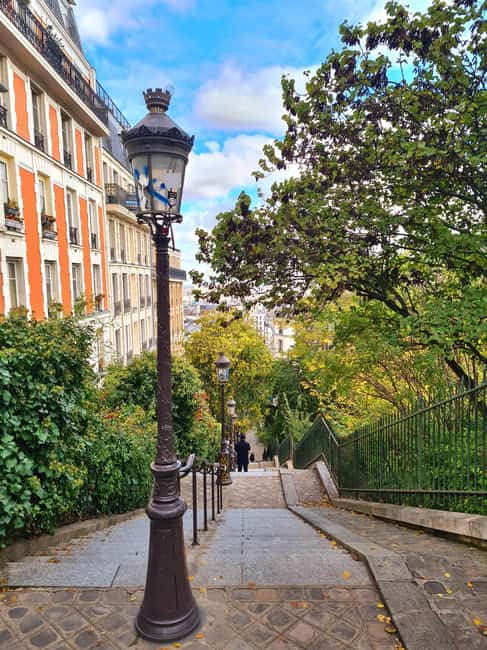
Bateau Lavoir is one of the key artist sites on the route. The stop connects the practical activity with the people who helped make Montmartre famous as an artists’ district.
The instructor shares anecdotes about the painters associated with the neighborhood, giving you context for the studios, streets, and working spaces you pass. This makes the art history feel tied to actual places rather than delivered as a list of names.
The route is also designed to move away from the most obvious path at times. That does not mean you avoid all famous sights. Instead, the walk places those sights alongside less direct streets and smaller details that are easy to miss when you are following a standard sightseeing route.
For me, this is one of the stronger reasons to choose the experience. You get a guided introduction to Montmartre, but your attention stays on the neighborhood itself. You are not only hearing about past artists. You are practicing the same basic habit they needed: looking carefully at the place around them.
Moulin de la Galette and changing techniques
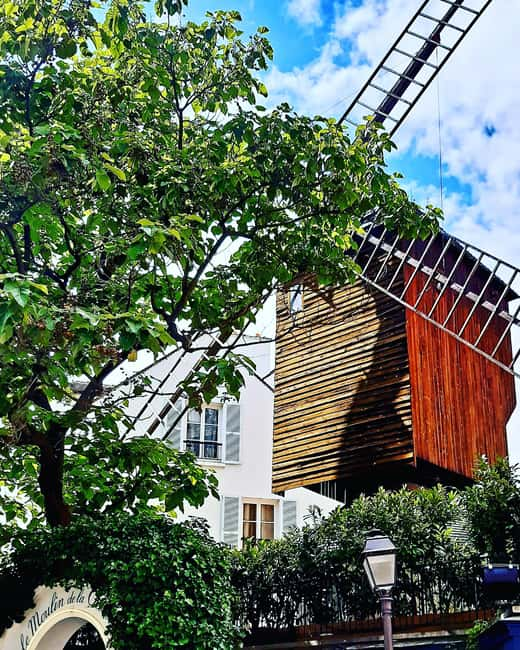
The Moulin de la Galette adds another well-known Montmartre reference to the walk. It is also a useful setting for trying a new technique or making a quick study with a different tool.
You might work with a narrow line in pencil, a bolder marker, or a loose wash of watercolor. The point is not to produce a finished painting at every stop. These exercises let you compare how each material changes the way you see and record a subject.
The instructor can provide individual suggestions, which is valuable in a group of no more than 10 people. A beginner can get help with basic choices, while someone with more experience can request feedback on technique or composition.
The level of correction depends partly on what you want from the session. One participant felt the guide concentrated too much on technique and correction. Another appreciated receiving suggestions while still being left alone to work. It is sensible to say early on how much instruction you want. The guide appears prepared to offer feedback, but you do not have to treat every exercise as an exam.
Language, group size, and teaching style
The activity is offered in English and French. You should confirm your preferred language when booking, then mention it again at the start if the group includes both languages.
A bilingual group can mean that some comments take longer or that casual exchanges move between languages. One English-booked participant found the amount of French disappointing. This is the main language caution to keep in mind.
The maximum group size of 10 is a real advantage for an activity involving individual work. You are not trying to get help from an instructor across a crowd. The guide can look at your page, suggest a change, or leave you to work if that is what you prefer.
The teaching style described by the strongest feedback is kind and non-judgmental. That matters for a beginner activity, since many people hesitate to draw in public because they think other people are watching. You can treat the work as a private experiment, even while sitting with the group.
What the $93 price includes
At $93 per person, this is not the cheapest way to see Montmartre. You are paying for a three-hour guided walk, instruction from an artist, a small group, and the use of several drawing materials. The sketchbook is also included for you to take home.
The value depends on how much use you make of the teaching. If you only want to see Sacré-Coeur, the vineyards, Bateau Lavoir, and Moulin de la Galette, a regular walking tour will probably cost less. If you want to learn a few drawing methods while hearing about Montmartre’s artists, the supplies and personal guidance make the price easier to justify.
You also avoid buying a collection of materials for a one-time activity. The foldable stool is a small but thoughtful inclusion, and the prepared paper adds practical value for anyone trying watercolor or markers.
Transportation to the start and end points is not included. You must make your own way to Abbesses metro station and handle your return journey after the walk. The activity lasts three hours, but no exact end point beyond the route is provided, so keep your schedule flexible afterward.
Weather and physical comfort
The tour operates in all weather. In rain or cold, especially during winter, the drawing exercises take place in a cozy cafe along the route. This means bad weather changes the setting rather than automatically ending the experience.
You should still wear weather-appropriate clothing and comfortable shoes. Montmartre involves walking, and the activity is not suitable for wheelchair users. The supplied stool offers a place to sit during drawing tasks, but it does not remove the need to move between stops.
If you prefer a completely indoor art class, this is not the right format. The walking element is central to the experience. The cafe option is a practical backup, not the main reason to book.
Who will enjoy this Montmartre walk
I would recommend it most strongly to:
- Beginners who want a friendly starting point: You receive prompts, materials, and advice without needing previous training.
- Creative couples, friends, and families: The activity gives you something to do together beyond taking photographs.
- Visitors who want local context: The route connects places, artists, and stories in a way that a standard sightseeing walk may not.
- People who like small groups: Ten participants or fewer gives you more room to ask questions and receive help.
- Anyone wanting a Paris keepsake: The sketchbook gives you a personal record of the walk, even if the drawings are rough.
I would be cautious if you want a free-form art outing. You can draw your own way to some extent, but the instructor uses structured exercises and may comment on your technique.
Book at least 24 hours before the start if you need the full refund cancellation option. You can also reserve now and pay later, which helps if your Paris schedule is still changing.
Should you book the Montmartre drawing tour?
Book this experience if you want to see Montmartre through a pencil, marker, or watercolor brush rather than only through a camera. The small group, supplied equipment, prepared sketchbook, and thoughtful weather plan make it easy for beginners to join.
The strongest reasons to choose it are the combination of art history and hands-on work, plus the personal guidance available during the walk. The main risks are equally clear: you may find the exercises too controlled, and a mixed-language group may include some French discussion even if you book in English.
If that sounds acceptable, $93 is a fair price for three hours of instruction, neighborhood exploration, and materials you can use during the session. If your ideal afternoon is simply sitting anywhere in Montmartre and sketching whatever you see, skip the class and bring your own notebook. If you want a gentle push to look harder and draw more confidently, this is a good choice.
FAQ
Where does the Montmartre drawing tour meet?
The meeting point is directly in front of the entrance to Abbesses metro station on line 12.
How long does the activity last?
The drawing walk lasts three hours.
What languages are available?
The instructor offers the activity in English and French.
What drawing supplies are provided?
You receive a sketchbook to keep. Pencils, markers, watercolor, and a foldable stool are loaned during the workshop.
Do I need drawing experience?
No. The exercises are designed for all levels, and the instructor provides individualized advice.
What happens if it rains or the weather is cold?
The activity continues. Drawing exercises move into a cozy cafe along the route during rain or cold weather.
Is the tour suitable for wheelchair users?
No. The activity is listed as unsuitable for wheelchair users.
Just added around Paris
- Private Paris Marche d’Aligre Walking Tour with Tastings★ 5.0 · 8 reviews
- Private Louvre Museum Tour for Kids & Families with Alberto or his team in Paris★ 5.0 · 41 reviews
- Private Highlights of Paris Tuk-Tuk Experience★ 5.0 · 26 reviews
- Paris Latin Quarter Walking Tour: History & Culture – Small Group★ 5.0 · 14 reviews
- Paris Musee d’Orsay PRIVATE TOUR with a Local Private Guide★ 5.0 · 41 reviews
- Private Highlights of Paris Bike Tour★ 4.5 · 15 reviews
- Private Half Day Historic Tour★ 5.0 · 58 reviews
- Pere Lachaise Cemetery Paris – Exclusive Guided Walking Tour★ 5.0 · 72 reviews
Montmartre and Sacré-Cœur Tours, compared.

Montmartre Hidden Gems and Scenic Highlights Walking Tour
Read our review →
Montmartre Hill French Gourmet Food and Wine Tasting Walking Tour
Read our review →
Montmartre Cheese, Wine & Pastry Guided Walking Tour
Read our review →
Montmartre Highlights Walking Tour with a Local Guide
Read our review →
Sacré-Coeur and Montmartre Tour with Expert Guide
Read our review →
Private Montmartre Food Tour with Wine, Cheese & Pastries
Read our review →
Paris Montmartre Food Tour – A Full French Meal by Do Eat Better
Read our review →
Hidden Montmartre: Paris’ Secret Streets Walking Tour
Read our review →Browse the lists this tour appears in