
Reviewed · MUSEUMS
Paris Museum Pass: 2, 4, or 6 Days
The Paris Museum Pass turns Paris sightseeing into a simple game: show one pass, enter another museum, and keep moving. I especially like the wide choice of more than 60 museums and monuments and the way it encourages you to try smaller places you might otherwise skip. The Arc de Triomphe, Musée Rodin, Orsay, Sainte-Chapelle, and Versailles are all useful targets.
I also like the chance to save time at ticket lines, especially at the Orsay and Arc de Triomphe. The catch is important: this is not a magic no-reservation card. The Louvre and several other popular sights still require free time slots, and the pass uses consecutive calendar days, not a flexible total of hours.
Key points to know before you buy
- More than 60 included sights: Use the pass at major museums, royal palaces, churches, monuments, and several lesser-known institutions in Paris and beyond.
- The Louvre still needs planning: You must reserve a Louvre time slot in advance, using the link provided with your voucher.
- Two, four, or six consecutive days: The clock begins with the calendar day you first use the pass, even if you enter your first museum at 2 p.m.
- Priority entry varies by attraction: The pass often saves time, but it does not guarantee an immediate entrance during crowded periods.
- Pickup is near the Louvre: Collect the physical pass at the tour office from 9 a.m. to 4 p.m., seven days a week.
- The value depends on your pace: You are most likely to come out ahead if you visit several paid sights in a short period.
What the Paris Museum Pass actually gives you
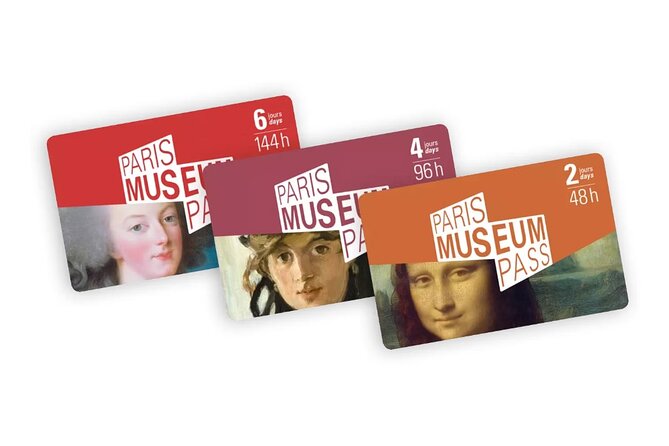
The pass costs $129 per person as advertised, with options valid for two, four, or six days. It gives you admission to permanent exhibitions at more than 60 participating museums and monuments in Paris and the surrounding Île-de-France region.
That list is the real strength. You are not limited to one museum company or one type of attraction. On a single trip, you might visit a major art museum in the morning, a medieval chapel after lunch, and a historic monument before dinner.
The pass is also useful for people who do not want every hour fixed in advance. Once you have collected it, you can decide to pop into a museum for 45 minutes without buying another ticket. That freedom has real value in Paris, where your best plan can be undone by rain, tired feet, a delayed train, or a line that looks longer than expected.
The pass covers permanent exhibitions. Temporary exhibitions, special events, gardens, audio guides, and add-on experiences may not be included. Check each attraction before you go, particularly if you have a specific exhibition in mind.
More Paris museum and city passes:
- The Paris Pass®: 40+ Attractions Including Eiffel Tower
★ 3.6 · 344 reviews - Paris Pass with over 90 Top Attractions including Notre Dame Tour
★ 3.0 · 121 reviews - Paris: City Pass – Eiffel, Louvre & 27+ Must-See Sights
★ 3.4 · 101 reviews
Collecting the pass near the Louvre
You must pick up the physical pass at the tour office near the Louvre. The office is open from 9 a.m. to 4 p.m. every day, and the location is about a 10-minute walk from the Louvre.
That location is handy if the Louvre is your first major stop. It is less convenient if you are staying across town or arriving late in the afternoon. A smart move is to collect the pass before your first planned museum day if your schedule allows it.
The pass office also provides information, which can help you sort out reservations and participating sights. Still, do not treat pickup as a substitute for planning. The most popular museums have their own booking systems, and you may need to reserve before you arrive in Paris.
The physical pickup is one of the clearest weak spots. A digital pass would be easier, especially for a short visit or a late arrival. You also need to remember the office hours. If you reach the area after 4 p.m., you cannot simply begin using the pass that evening.
Using two, four, or six consecutive calendar days
The three duration choices suit different kinds of trips.
A two-day pass works best for a tightly planned weekend. You need to group sights by neighborhood and keep moving. It can be good value if you visit the Arc de Triomphe, Orsay, the Louvre, Sainte-Chapelle, and another museum or monument during those two days.
A four-day pass gives you breathing room. You can mix major museums with smaller stops instead of trying to fill every hour with famous names. This is often the most comfortable choice for a first visit if museums are central to your plans.
A six-day pass is for a museum-focused stay or a longer Paris visit that includes day trips. It gives you time for Versailles, Fontainebleau, Saint-Denis, or another out-of-town site without sacrificing several central Paris museums.
The key rule is easy to miss: the days are consecutive calendar days. If you first use the pass at 2 p.m., that day counts as day one. You do not receive 48, 96, or 144 flexible hours from the moment of first entry.
For that reason, do not activate a two-day pass late in the evening unless you already plan to use it that day. Pick it up early, but begin using it when you are ready to start the sequence.
The Louvre: the pass saves money, not all the waiting
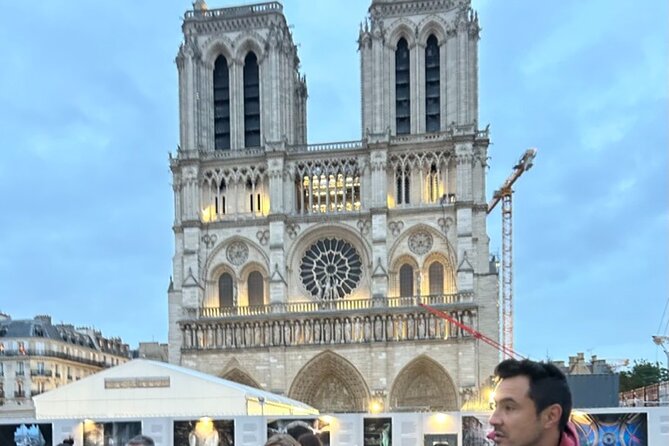
The Louvre is the biggest reason many people consider the pass, but it is also where expectations need adjusting.
You must reserve a time slot in advance to enter the Louvre with the pass. The booking link is provided on your voucher. Your museum pass does not replace that reservation.
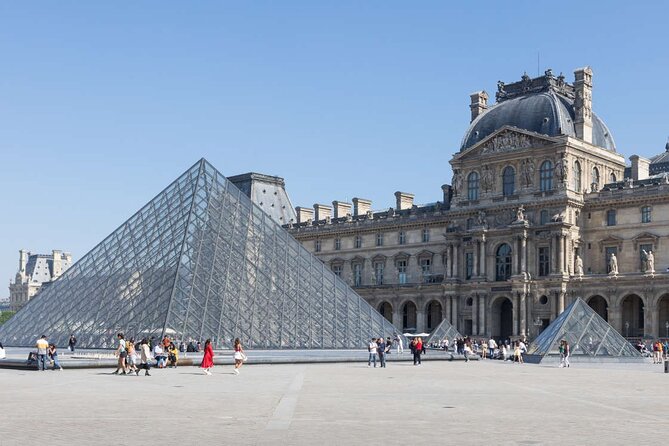
Once you have a confirmed slot, the pass can help you avoid buying a separate ticket. But the Louvre remains one of the busiest museums in Europe. Renovation work and heavy demand can affect access, and entry is not guaranteed simply because you hold the pass.
I would reserve the Louvre before leaving home if possible. Build the rest of your day around that appointment rather than assuming you can wander in whenever you like. Give yourself extra time for security and the walk through the complex.
The pass is most useful here as a payment shortcut and possible line saver. It is not a promise of an empty entrance or a quiet gallery. If the Louvre is your one essential museum, buying a timed individual ticket may be simpler. If you also plan several other attractions, the pass becomes more attractive.
Same city, a completely different afternoon:
- Paris: Louvre Museum Timed-Entrance Ticket
★ 4.6 · 71,977 reviews - Disneyland® Paris 1-Day Ticket
★ 4.6 · 49,412 reviews - Paris: Versailles Palace and Gardens Full Access Ticket
★ 4.6 · 41,579 reviews - Paris: Evening River Cruise with Music
★ 4.4 · 22,721 reviews
Orsay, Orangerie, and the best art stops
The Musée d’Orsay is one of the strongest reasons to buy the pass. It gives you access to one of Paris’s finest collections of Impressionist and Post-Impressionist art inside a former railway station.
The pass has saved people a long wait here, particularly outside the busiest summer periods. But priority entry can vary. During a crowded August visit, the pass line still took about half an hour in direct sun, while people with timed tickets moved faster.
That is a useful warning. A pass can be better than a walk-up ticket line, yet still be slower than a reserved entry. If Orsay is a top priority, check its current reservation rules and arrive with a plan.
The Musée national de l’Orangerie is smaller and easier to fit into a busy day. Its great attraction is Monet’s Water Lilies, but you still need a reservation. Do not assume that the pass alone will get you inside.
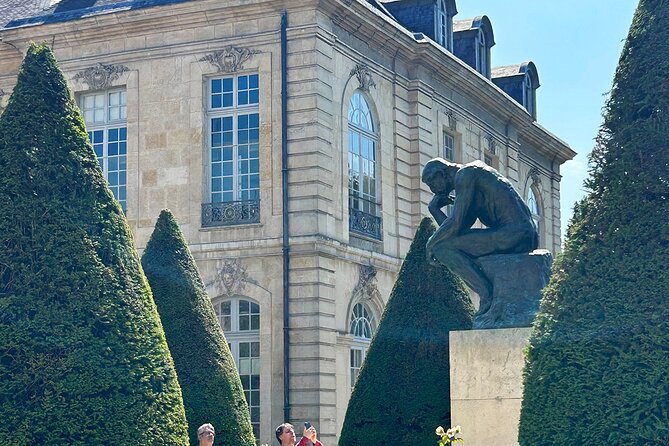
The Musée Rodin makes a fine contrast to Orsay and the Louvre. It offers art in a more manageable setting, and it is a good choice when you want a shorter visit. The Musée Gustave Moreau and Musée Delacroix offer smaller-scale stops for days when a giant museum feels like too much.
Other included art and culture sites include the Picasso Museum, the National Museum of Modern Art, the Guimet Museum of Asian art, the Museum of Decorative Arts, and the Cinémathèque française. You do not need to visit all of them. The value comes from choosing the ones that match your interests and location.
Monuments that make the pass pay off
The Arc de Triomphe is one of the pass’s most useful inclusions. You get more than a look at the monument from street level. The climb leads to a high viewpoint over the avenues radiating from the Étoile.
The pass has allowed many people to bypass long ticket lines here. That matters because the attraction is often a relatively short visit, and nobody wants to spend more time buying a ticket than seeing the view.
Sainte-Chapelle is another major inclusion. Its stained glass is the reason to go, but the entrance system can be crowded. The pass does not always provide a shorter line, so reserve ahead when required and allow extra time.
The Conciergerie, Panthéon, Paris sewer museum, and Archaeological Crypt beneath Notre-Dame give you a different side of the city. These places are useful when you want more than paintings and royal interiors.
The towers of Notre-Dame are listed among the included sites, but access can be difficult when demand is high. Always check current conditions before building your day around them.
The pass also includes the Hôtel des Invalides, Napoleon’s tomb, the Army Museum, the Museum of the Order of the Liberation, the Paris Mint, the Postal Museum, and the Museum of Plans-Reliefs. These attractions are easy to overlook, yet they can turn a free afternoon into a worthwhile one.
Versailles and the out-of-town choices
The Palace of Versailles is the best-known destination outside central Paris on the list. The pass includes the national châteaux of Versailles and Trianon, but the gardens may require an additional payment at the garden gates.
Plan Versailles carefully. It is not a quick museum stop. You need transport time, walking time, and enough energy for a huge palace complex. Check reservation requirements before going, since time slots may affect your ability to enter.
Other royal and historic sites include Fontainebleau, Château de Vincennes, Château de Rambouillet, Château de Maisons-Laffitte, Château de Malmaison, Château de Pierrefonds, and Château d’Écouen. The Château de Chantilly is also included, along with its Musée Condé.
Saint-Denis Basilica Cathedral gives you a chance to see the royal burial church outside the center. Villa Savoye, designed by Le Corbusier, suits visitors interested in modern architecture. The Musée de l’Air et de l’Espace is a good choice for aviation fans.
These sites make the six-day option more interesting. They also expose a practical issue: the pass may cover admission, but not the time and transport needed to reach each place. A free entry is not automatically a good deal if you spend half a day getting there for a brief visit.
Reservations are the part you must manage
The pass removes many ticket purchases, but it does not remove the need to check each museum’s entry rules.
A reservation is mandatory for the Louvre, the Orangerie, the Museum of the Art and History of Judaism, the Hôtel de la Marine, and the Cité de l’architecture et du patrimoine. Use the booking links and instructions supplied with your voucher.
Other sites may release limited time slots or change their procedure during busy periods. The practical lesson is simple: make a list of your must-see sights, check each official booking page, and reserve the most important ones first.
This matters most in summer. A pass may let you enter a museum for free, but it cannot create a time slot after all the free spaces are gone. Sainte-Chapelle and Versailles also deserve early checking because they can fill at popular times.
Do not book an audio guide automatically. Check the available languages first. The pass covers admission, not every extra service inside the attraction.
Adding the Seine cruise
A Seine river cruise is available when you choose the pass option that includes it. It gives you a different view of central Paris and works well after a day on foot.
The cruise is not part of every option, so check your selection before booking. You also need to identify the correct boat company and meeting point. Several companies operate on the Seine, and it is easy to walk to the wrong departure location.
An evening cruise can be especially appealing for city views, but the useful point is that the cruise adds variety to a museum-heavy schedule. It gives your feet a break and lets you see landmarks from the river.
Treat it as an included extra, not the main reason to buy the museum pass. If you are interested in the cruise, confirm the operator name and departure details before setting out.
Working out the dollar value
At $129 per person, the pass needs a plan. You do not have to race through ten museums to justify it, but you should compare the individual admission prices of the sights you truly want.
The pass begins to make financial sense when you visit several expensive museums and monuments during the same two, four, or six-day period. It can also save money when you add a major palace or an out-of-town château.
Time has value too. Skipping a ticket-buying line at Orsay or the Arc de Triomphe can be worth more than a small cash saving, especially on a short visit. The pass also makes spontaneous short visits practical.
The calculation is weaker if your list contains only free churches, walks, parks, and one or two museums. It is also weaker if your top choices are so crowded that you still need individual timed tickets.
Children under 18 enter public museums free, and European Union citizens under 26 can also enter free. The pass is not needed for those visitors, although museums may still require a reserved time slot.
Who should buy the Paris Museum Pass?
I would recommend it to you if you enjoy art, history, architecture, and royal sites, and you plan to visit several paid attractions close together.
It suits a first visit with a strong museum list, a four-day cultural stay, or a six-day trip that includes Versailles and other sites outside Paris. It also suits curious visitors who like the freedom to step into a museum without making another purchase.
I would be cautious if you have only two days and want a relaxed trip. The pass can tempt you to overpack your schedule. It is also less useful if you only want the Louvre and one other attraction.
Families should calculate carefully because younger children may already enter free. And if you dislike collecting physical tickets or managing reservations on different websites, the pass will not remove all the administration.
Final verdict: a strong tool with a few sharp edges
The Paris Museum Pass is at its best when you use it actively. Plan several paid sights, reserve the major time slots, start early in the pass period, and group attractions by area.
I like it for the Arc de Triomphe, Orsay, Rodin, Sainte-Chapelle, the Louvre, Versailles, and the many smaller museums that become easy additions. The biggest benefit is often time and freedom, not just admission savings.
Book it if you can name at least several included sights you genuinely want to see. Skip it if your Paris plan is mostly leisurely walks, free churches, cafés, and one major museum. And if you buy it, remember the golden rule: reserve first, then count on the pass.
FAQ
How long is the Paris Museum Pass valid?
You can choose a pass valid for two, four, or six consecutive calendar days.
Does the pass include the Louvre Museum?
Yes, the Louvre is included, but you must reserve a time slot in advance. The reservation link is provided with your voucher.
Does the pass guarantee entry to the Louvre?
No. Due to renovation work and high visitor numbers, entry to the Louvre cannot be guaranteed.
Where do I collect the pass?
You collect it at the tour office near the Louvre, about a 10-minute walk away. The office is open seven days a week from 9 a.m. to 4 p.m.
Does the pass include temporary exhibitions?
The pass includes access to permanent exhibitions. Extra exhibitions and services may require separate arrangements or payment.
Do I need reservations for other museums?
Yes. Reservations are mandatory for the Orangerie Museum, the Museum of the Art and History of Judaism, the Hôtel de la Marine, and the Cité de l’architecture et du patrimoine, as well as the Louvre.
Is a Seine river cruise included?
A river cruise is included only when you select the option that offers it.
Do children need the Paris Museum Pass?
Children under 18 can enter public museums free, so they generally do not need the pass. Museums may still require them to have a reserved time slot.
More art museums in Paris
- Louvre Museum Masterpieces Guided Tour with Access
★ 4.5 · 12,023 reviews - Paris: Louvre Museum Entry Ticket With Host and River Cruise
★ 4.6 · 9,926 reviews - Les Invalides: Napoleon’s Tomb & Army Museum Entry
★ 4.6 · 9,185 reviews - Louvre Museum – Exclusive Guided Tour (Entry Included)
★ 5.0 · 6,296 reviews
Just added around Paris
- Paris: The Da Vinci Code Walking Tour with a Local Guide★ 4.3 · 5 reviews
- Paris: Flea Market Insider’s Tour in Extra-Small Group★ 4.6 · 73 reviews
- Paris: Private Fashion Tour (Chanel, Dior, Sex & the City)★ 5.0 · 3 reviews
- Paris: Floral Earrings workshop★ 5.0 · 3 reviews
- Paris: Fashion History Walking Tour in the Heart of Paris★ 4.9 · 22 reviews
- PARIS: Family e-bike longtail renting★ 5.0 · 3 reviews
- Paris: Famous Monuments Cycling Tour★ 4.7 · 20 reviews
- Paris: private city tour with seine river cruise★ 4.8 · 28 reviews
Museums, compared.


Louvre Museum Masterpieces Guided Tour with Access
Read our review →
Louvre Museum Entry Ticket With Host and River Cruise
Read our review →
Les Invalides: Napoleon’s Tomb & Army Museum Entry
Read our review →
Louvre Museum – Exclusive Guided Tour (Entry Included)
Read our review →
Louvre Museum Hosted Entry and Mona Lisa Audioguide
Read our review →
Louvre Museum Tour Mona Lisa & Iconic Masterpieces
Read our review →
Louvre Museum: Skip-the-Line Small Group Guided Tour
Read our review →Browse the lists this tour appears in