
Reviewed · LOUVRE MUSEUM TOURS
Paris: Semi-Private Tour of the Louvre Museum and Mona Lisa
The Louvre is too large to tackle casually, especially when your main goals are the Mona Lisa, Napoleon’s coronation, and the French Crown Jewels. This 150-minute small-group tour gives you a clear route through the museum, with no more than six people and an English-speaking art guide to explain what you are seeing.
I like the tiny group, which makes it easier to hear the guide and keep moving through packed galleries. I also like the chance to remain inside after the tour, so you can revisit a favorite room or see more on your own. The tradeoff is the price, $123 per person, and skip-the-line access does not remove the security wait, which can reach 20 minutes in high season.
I especially like that the route goes beyond the Mona Lisa. You will see ancient Greek and Roman statues, Raphael, Botticelli, Bernini, da Vinci, the Raft of the Medusa, the Wedding Feast at Cana, Napoleon’s coronation, and the French Crown Jewels. Guide Marion has received particular praise for keeping the stories lively and navigating crowded rooms with confidence.
Key points to know before booking
- A six-person limit keeps the tour personal: You can usually hear the guide without fighting through a large group.
- The Mona Lisa is only one part of the route: The tour also covers major paintings, royal treasures, statues, and the Louvre’s foundations.
- The planned visit lasts 150 minutes: The museum is enormous, so this is a highlights tour, not a complete visit.
- You can stay after the guide leaves: Once you exit the artwork area, you cannot re-enter, so save any final questions and last looks for the right moment.
- Security still takes time: Skip-the-ticket-line entry is helpful, but high-season security lines can last up to 20 minutes.
- Pack light: Bags larger than 55 by 35 by 20 centimeters, umbrellas, tripods, luggage, and large backpacks are not allowed, and there is no coat check available for this tour.
Meeting at the Louvre Pyramid
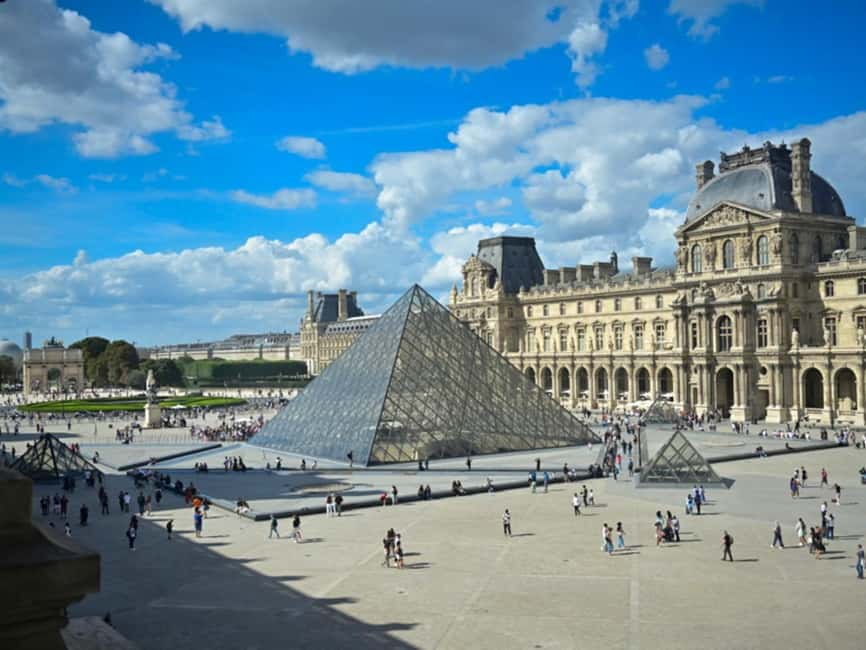
Your meeting point is the equestrian statue of Louis XIV in front of the Louvre Pyramid. Arrive 10 minutes early and look for a representative holding a sign marked The Tour Guy.
That detail matters. The area around the Pyramid can feel like a small city before opening time, with several entrances, signs, and tour groups competing for attention. Arriving early gives you time to find the statue without beginning the visit in a panic.
Bring a passport or identity card. Comfortable shoes are important because the museum is vast, and even a carefully planned route involves a good deal of walking and standing.
The tour is conducted in English. Its small size, limited to six participants, is one of the strongest reasons to consider it. A guide can keep the group together more easily, answer questions, and point out details without shouting across a crowd.
More Louvre Museum Tours:
- Paris: Louvre Museum Timed-Entrance Ticket
★ 4.6 · 71,977 reviews - Paris: Louvre Guided Tour with Reserved Access & Boat Cruise
★ 4.3 · 16,353 reviews - Louvre Museum Masterpieces Guided Tour with Access
★ 4.5 · 12,023 reviews
Entering through centuries of Louvre history
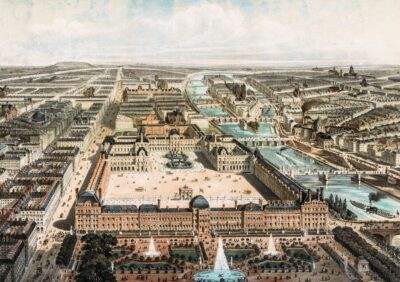
The Louvre is not simply a container for paintings. Its story begins with the building itself, and the tour starts with the ancient foundations of the former palace.
Seeing these remains gives you a useful sense of place. Before the Louvre became a museum, it served as a fortified and royal complex. Ancient stonework and Greek and Roman sculptures help establish the long timeline behind the collections.
I like beginning here because it prevents the museum from becoming a checklist of famous pictures. You start to see the Louvre as an old palace shaped by different rulers, building campaigns, and artistic tastes.
The foundations may not have the instant drama of the Mona Lisa, but they add meaning to everything that follows. The sculptures are also a welcome change of pace after the modern glass pyramid and the crowded entrance areas.
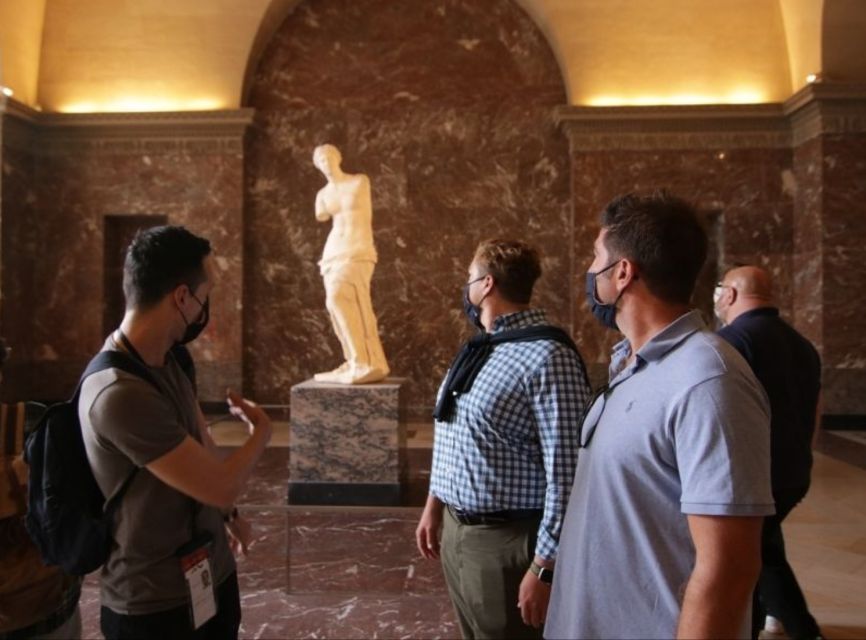
Greek and Roman statues with room for context
The ancient sculpture galleries can feel overwhelming without guidance. There are bodies, faces, fragments, gods, heroes, and royal figures arranged across large rooms, and it is easy to look without knowing what deserves your attention.
Your guide’s job is to create a path through that abundance. The tour includes Greek and Roman statues, with explanations that help connect the works to the wider traditions of Western art.
The value here is not just naming each statue. A good explanation can show you how artists treated the human body, movement, drapery, and expression. You may also begin to notice how later artists borrowed from ancient models.
This is one place where a small group helps. You can stop briefly for a question without holding up dozens of people, and the guide can adjust the amount of detail to the group’s interest.
Raphael, Botticelli, Bernini, and da Vinci
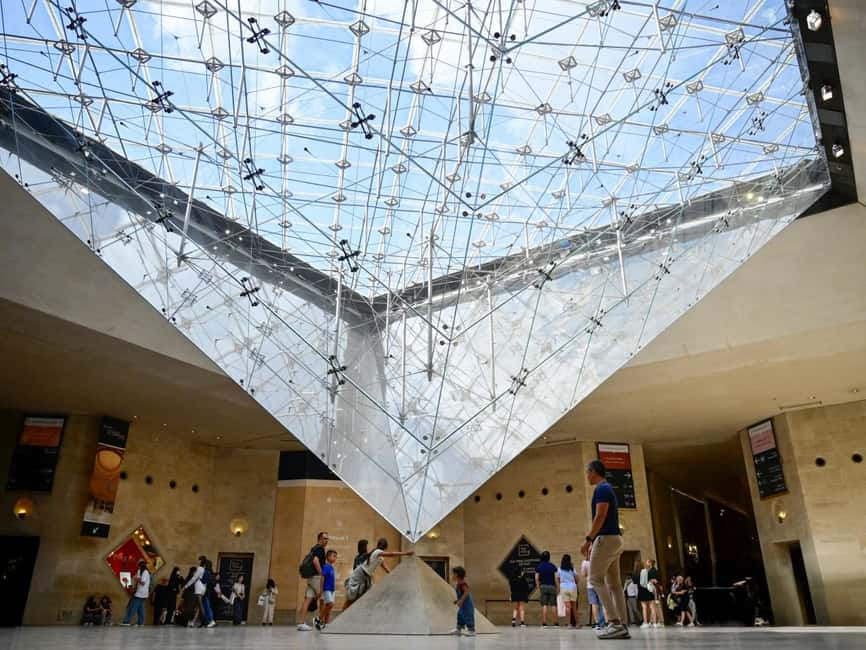
The painting route includes major works by Raphael, Botticelli, Bernini, and Leonardo da Vinci. That mix gives you a broad look at changing artistic styles rather than one narrow period.
Raphael and Botticelli offer different ways to think about balance, beauty, and storytelling. Bernini represents the force of Baroque sculpture, where figures seem full of movement and emotion. Da Vinci brings the technical curiosity and subtle observation that make his work so closely studied.
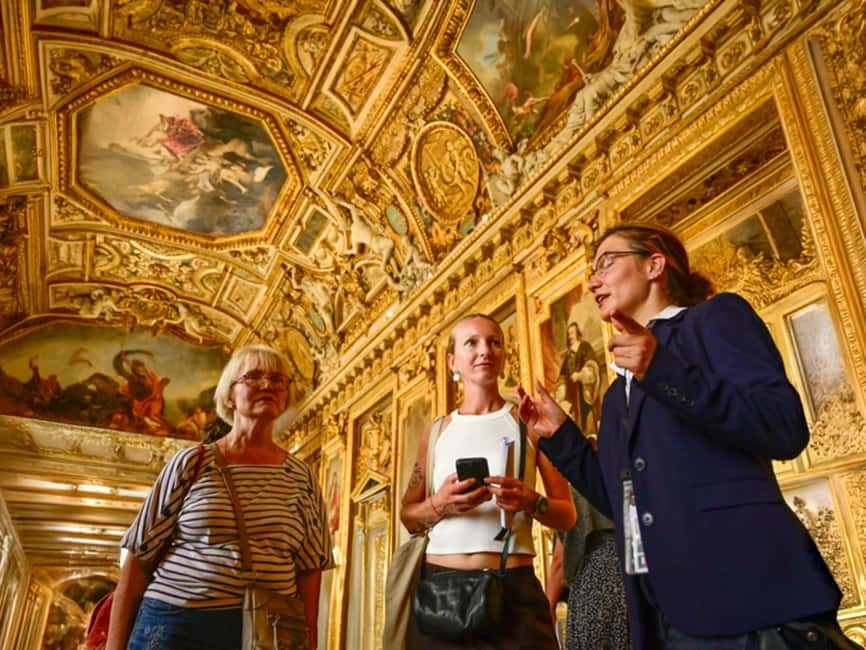
Your guide is there to explain what is easy to miss at a distance. Brushwork, composition, gesture, and small visual clues often disappear when you are surrounded by other people and focused only on famous names.
This is also where the guide’s personality matters most. Marion has been praised for telling stories continuously and keeping the group engaged for as long as three hours. The scheduled experience is 150 minutes, but a guide who enjoys the subject can make the time feel full rather than rushed.
More art museums in Paris:
- Paris: Louvre Museum Entry Ticket With Host and River Cruise
★ 4.6 · 9,926 reviews - Les Invalides: Napoleon’s Tomb & Army Museum Entry
★ 4.6 · 9,185 reviews - Louvre Museum – Exclusive Guided Tour (Entry Included)
★ 5.0 · 6,296 reviews - Paris: Louvre Museum Hosted Entry and Mona Lisa Audioguide
★ 4.6 · 5,235 reviews
Meeting the Mona Lisa
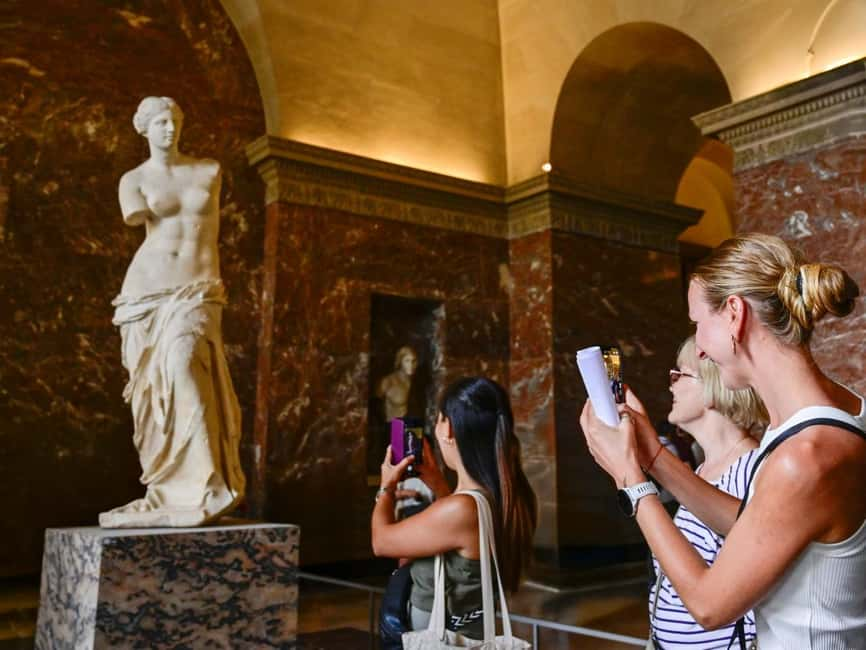
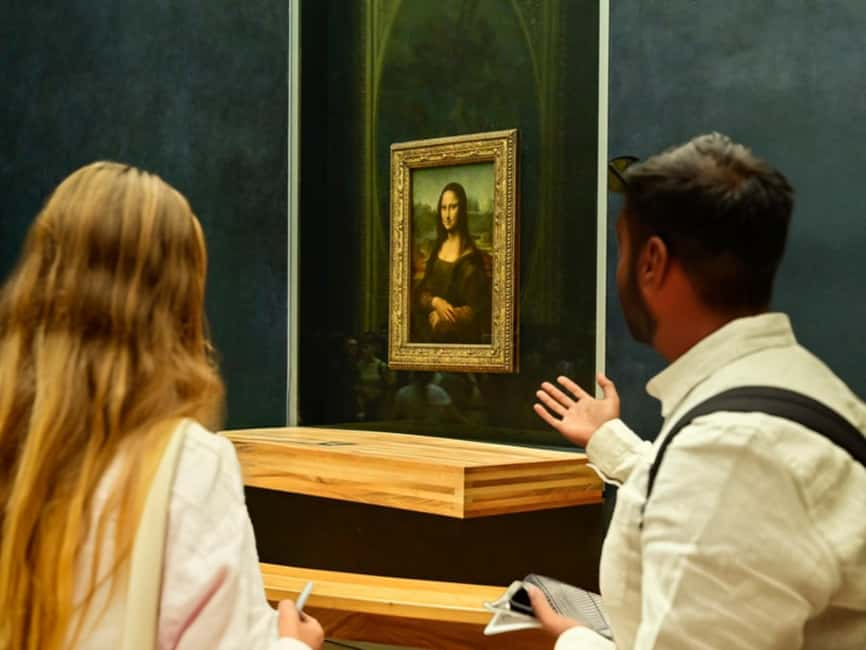
The Mona Lisa is the obvious reason many people visit the Louvre, and the tour makes sure you get to her.
Do not expect a quiet, private encounter. This is one of the museum’s busiest stops, and the painting is viewed from behind a barrier. You may have to wait your turn for a clear look, then move along as other people approach.
Even so, having a guide helps. You can learn why the portrait became so famous, what makes the smile so difficult to read, and how the painting fits into da Vinci’s work. The point is not simply to take a quick photograph or confirm that you saw it. The point is to look with a little more care.
The Mona Lisa is smaller than many first-time visitors expect. That surprise is part of the experience. The surrounding crowd and the painting’s scale can make the moment feel less grand than the reputation suggests, but the historical importance remains enormous.
Photography rules can vary by room, and photography and filming are strictly prohibited in temporary exhibition rooms. Follow the guide and museum staff rather than assuming every gallery has the same policy.
The Wedding Feast at Cana
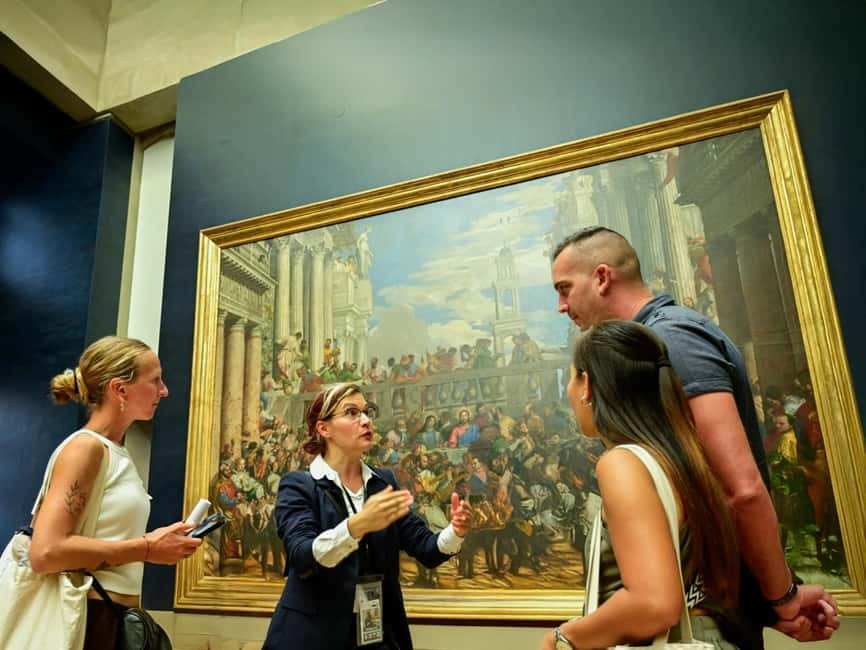
Across from the Mona Lisa, the Wedding Feast at Cana fills an entire wall. Its size is a useful contrast to the small Leonardo portrait nearby.
This huge painting is designed for spectacle. There are many figures, gestures, architectural details, and layers of activity to examine. From a distance, the whole composition reads as a grand scene. Up close, smaller details begin to compete for your attention.
A guide can make a large work manageable by giving you a few points to follow. Look at the arrangement of the figures, the sense of ceremony, and the way the painting turns a religious subject into a richly staged public event.
The pairing of the two paintings is one of the most memorable parts of a Louvre visit. One is intimate and famously mysterious. The other is enormous, crowded, and theatrical.
Napoleon’s coronation and the Raft of the Medusa
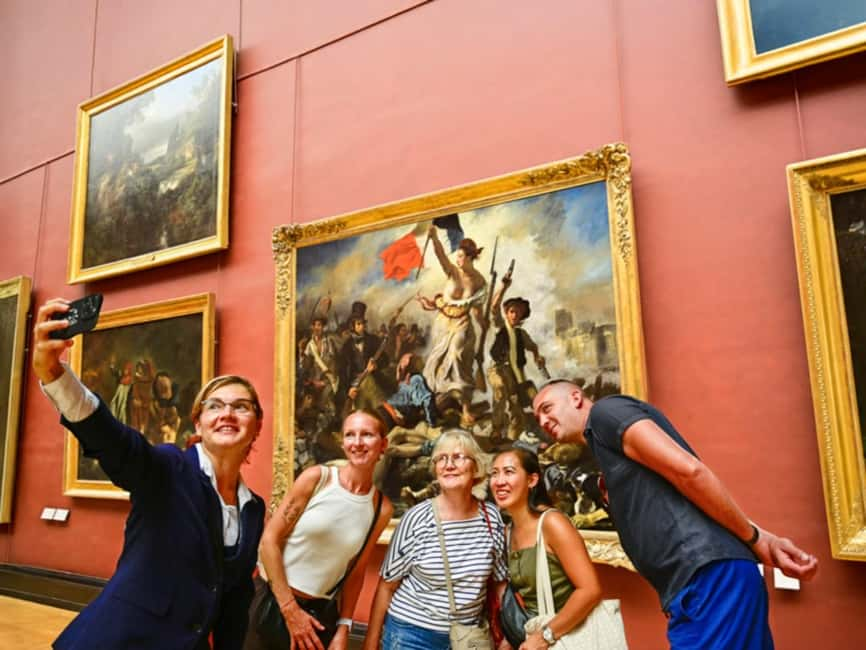
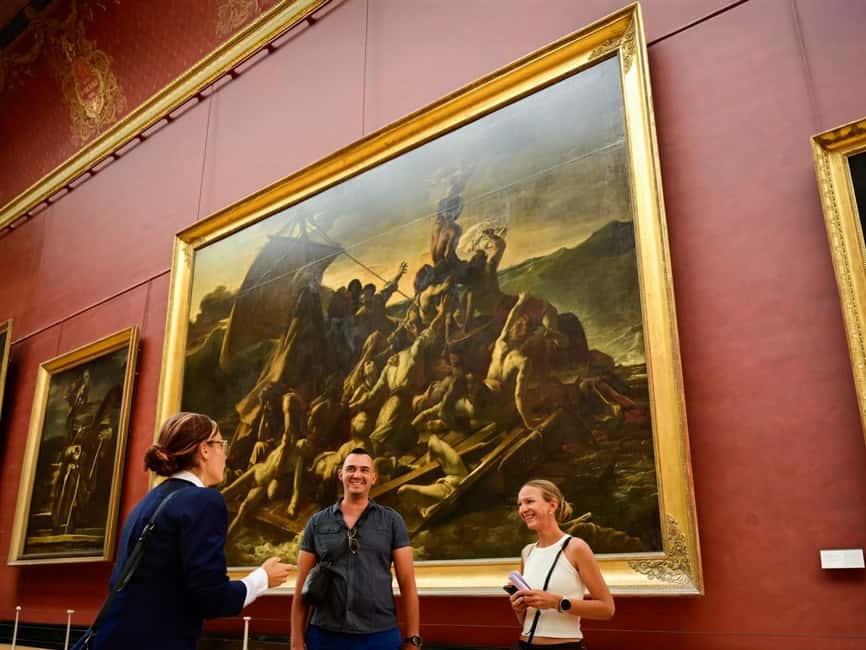
The route also includes two works with very different emotional force: the Coronation of Napoleon and the Raft of the Medusa.
Napoleon’s coronation is grand political theater. Its scale and formal arrangement reflect power, ceremony, and the careful construction of an official image. A guide can point out how the scene presents authority and how painting served the ambitions of the French state.
The Raft of the Medusa is darker and more desperate. Its dramatic figures and turbulent composition convey disaster, suffering, and the struggle for survival. It is not decorative history painting. It asks you to confront a human tragedy.
Seeing these works together gives you a better understanding of how the Louvre’s collection moves between celebration and criticism, royal display and public anguish. The tour does not leave you with only polished court art.
French Crown Jewels and royal display
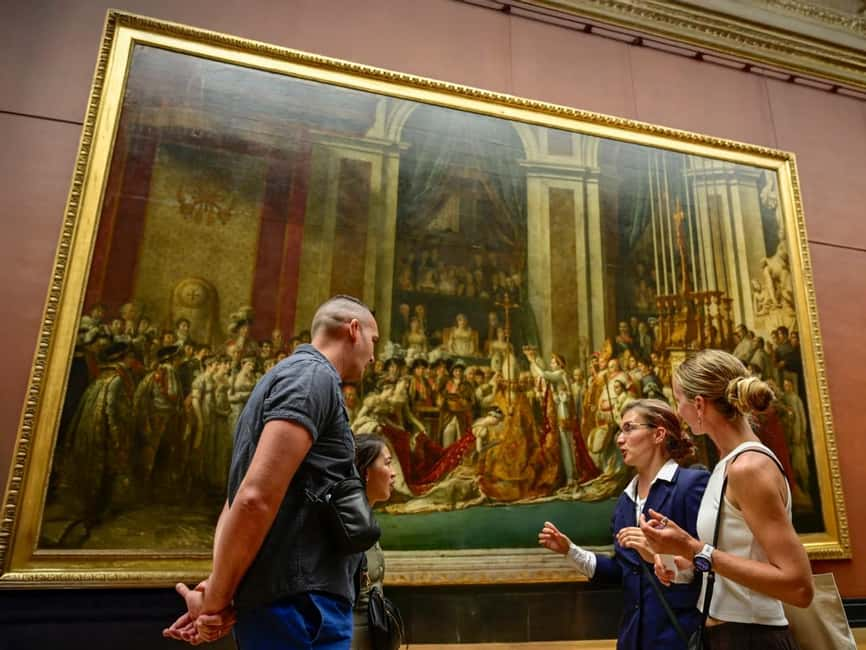
The French Crown Jewels provide another change of mood. These objects are small compared with the huge canvases, but their materials and symbolism draw people in quickly.
Jewels and ceremonial pieces tell a different kind of story. They show how rulers used precious objects to project wealth, authority, and continuity. Unlike a painting, a crown or jewel was made to be worn, displayed, and understood as a sign of power.
The benefit of seeing them with an art historian is that you can place the objects in their political setting. Without that context, the display can become a sparkling pause between paintings. With it, you see how royal collections helped shape the identity of France.
What the 150-minute format really gives you
Two and a half hours is enough for a strong introduction to the Louvre’s headline works. It is not enough to cover the entire museum, and no honest tour can do that.
You will spend the time moving between selected rooms rather than wandering wherever curiosity takes you. That structure is helpful if you have limited time in Paris or feel overwhelmed by the museum’s scale.
The drawback is that you may pass galleries that interest you personally. A visitor focused on Egyptian antiquities, decorative arts, or a particular period should not expect this route to cover everything.
The best plan is to treat the guided visit as your foundation. Listen closely, note the rooms and works you want to revisit, then remain inside afterward to explore independently. You can keep going after the guide says goodbye, but once you leave the area containing the artwork, you cannot re-enter.
Is $123 a good value?
At $123 per person, this is not a budget museum visit. The Louvre’s size makes the cost easier to understand, though. You are paying for skip-the-ticket-line entry, a live English-speaking guide, art-history explanations, and a group capped at six.
The small group is the main value. Large Louvre tours can leave you at the back of a crowd, straining to hear the guide. A six-person group gives you a better chance to follow the commentary and ask a question without turning the visit into a public meeting.
The price makes the most sense for a first visit, a short stay in Paris, or anyone who wants help choosing what matters. If you already know the Louvre well and prefer to wander alone, a guided ticket may feel less worthwhile.
You also need to account for the security wait. Skip-the-line access refers to the ticket line, not every entrance procedure. In the busiest season, security can take up to 20 minutes, so do not schedule a tight appointment immediately afterward.
Bags, mobility, and practical limits
Pack as lightly as possible. Large bags, backpacks, luggage, umbrellas, tripods, and items larger than 55 by 35 by 20 centimeters cannot be brought into the Louvre. There is no coat check on site, and the lockers are not accessible to this small-group tour.
Weapons, sharp objects, baby strollers, and smoking are not allowed. Comfortable shoes are essential, and you should bring a passport or identity card.
This experience is not suitable for people with mobility impairments or wheelchair users. The museum’s scale, walking, standing, and crowd conditions can make the route difficult if you need step-free or fully adapted access.
Free cancellation is available up to 24 hours before the tour for a full refund. You can also reserve now and pay later, which helps if your Paris schedule is still changing.
Who should book this Louvre tour?
I would choose this tour if you are visiting the Louvre for the first time and want the major works explained rather than simply photographed. It is also a good fit if you have only part of a day and want a reliable route through the museum’s most famous rooms.
Families with older children and adults who enjoy stories about art, rulers, and artists should find the format useful. The small group is especially appealing if you dislike large tour crowds or want the freedom to ask a few questions.
I would hesitate if you need wheelchair access, plan to carry luggage, or want a slow, highly specialized visit focused on one department. I would also skip it if you already have a firm personal route and prefer complete independence.
Should you book it?
Book this Louvre tour if you want the Mona Lisa, major Renaissance and French paintings, ancient sculpture, royal treasures, and a guide who can connect them in one visit. The six-person limit and the option to stay inside afterward make the $123 price easier to justify.
Just set the right expectations. You will not see everything, you may wait at security, and the Mona Lisa will be crowded. But with a strong guide, a compact group, and a route that includes far more than one famous smile, you get a useful first look at one of Paris’s most demanding museums.
FAQ
How long does the Louvre tour last?
The scheduled duration is 150 minutes, or two and a half hours. One guide has been known to continue explaining the artworks for longer, but you should plan around the stated 150-minute duration.
How many people are in the group?
The group is limited to six participants.
Is the tour conducted in English?
Yes. The experience includes a live English-speaking guide with art-history expertise.
Where do I meet the guide?
Meet at the equestrian statue of Louis XIV in front of the Louvre Pyramid. Arrive 10 minutes early and look for a representative holding a sign marked The Tour Guy.
Can I stay inside the Louvre after the tour?
Yes. You may remain inside after the guide leaves and continue exploring. Once you exit the area where the artwork is located, you cannot re-enter.
Can I bring a large backpack or luggage?
No. Large bags, backpacks, luggage, umbrellas, tripods, and items larger than 55 by 35 by 20 centimeters are not permitted. There is no coat check on site, and the lockers are not accessible to this small-group tour.
Just added around Paris
- Private Paris Marche d’Aligre Walking Tour with Tastings★ 5.0 · 8 reviews
- Private Louvre Museum Tour for Kids & Families with Alberto or his team in Paris★ 5.0 · 41 reviews
- Private Highlights of Paris Tuk-Tuk Experience★ 5.0 · 26 reviews
- Paris Latin Quarter Walking Tour: History & Culture – Small Group★ 5.0 · 14 reviews
- Private Highlights of Paris Bike Tour★ 4.5 · 15 reviews
- Paris Musee d’Orsay PRIVATE TOUR with a Local Private Guide★ 5.0 · 41 reviews
- Private Half Day Historic Tour★ 5.0 · 58 reviews
- Pere Lachaise Cemetery Paris – Exclusive Guided Walking Tour★ 5.0 · 72 reviews
Louvre Museum Tours, compared.

Louvre Guided Tour with Reserved Access & Boat Cruise
Read our review →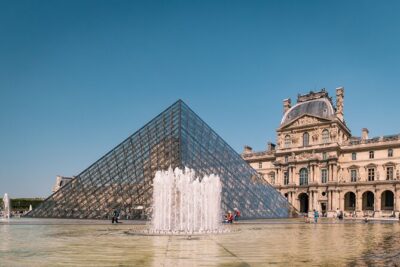
Louvre Museum Masterpieces Guided Tour with Access
Read our review →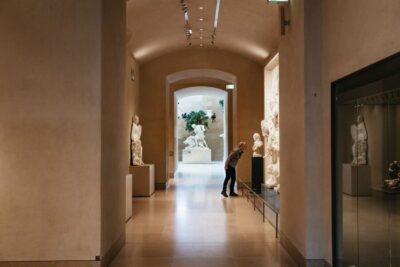
Louvre Museum Entry Ticket With Host and River Cruise
Read our review →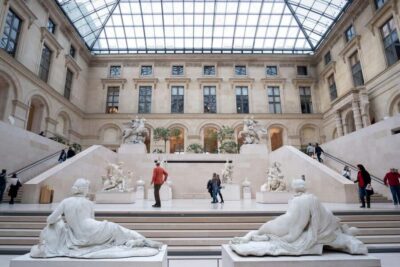
Priority Access Louvre with Host -Direct to Mona Lisa
Read our review →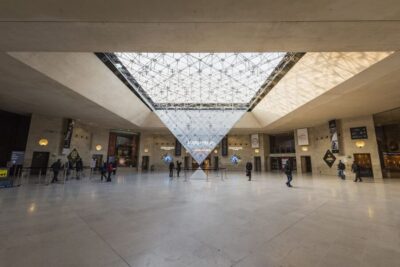
Mona Lisa & Louvre Masterpieces Tour with Reserved Access
Read our review →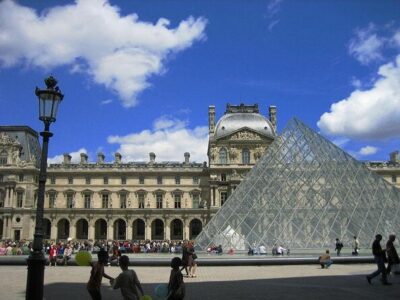
Louvre Museum – Exclusive Guided Tour (Entry Included)
Read our review →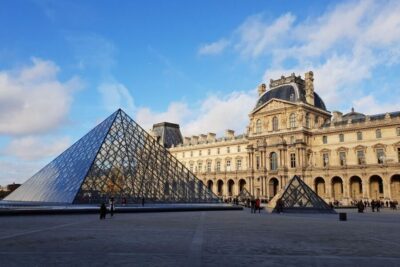
Louvre Reserved Ticket and River Cruise Combo
Read our review →Browse the lists this tour appears in