
Reviewed · PARIS WALKING TOURS
Paris and the Art of Music, 1.30 hour Walking Tour
Paris’s music story is tucked into its streets, churches, cafés, and quiet squares. This two-hour walk links those places to Mozart, Stravinsky, Edith Piaf, Maurice Chevalier, George Gershwin, and Cole Porter, giving you a cultural route through Saint-Germain rather than a standard parade of famous sights.
I like the small group limit of eight, which leaves room for questions and personal interests. I also like the way the route moves across several eras, from medieval troubadours to French cabaret and modern popular song. The main drawback is price: at $99 per person, you are paying for a specialized guided walk, not entry to a concert or museum. It makes the most sense if music adds real value to your Paris visit.
Key points to know before you book
- Saint-Germain-des-Prés anchors the route: Visit Paris’s oldest church and hear how troubadours performed there during the Middle Ages.
- The route covers several music eras: Stops connect religious music, Renaissance court music, revolutionary street musicians, cabaret, and 20th-century popular song.
- Saint-Sulpice has a remarkable organ: Its 7,000 pipes and 100-stop design make it one of only three organs of its kind in the world.
- The group stays small: With no more than eight participants, the guide can adjust the conversation to your interests.
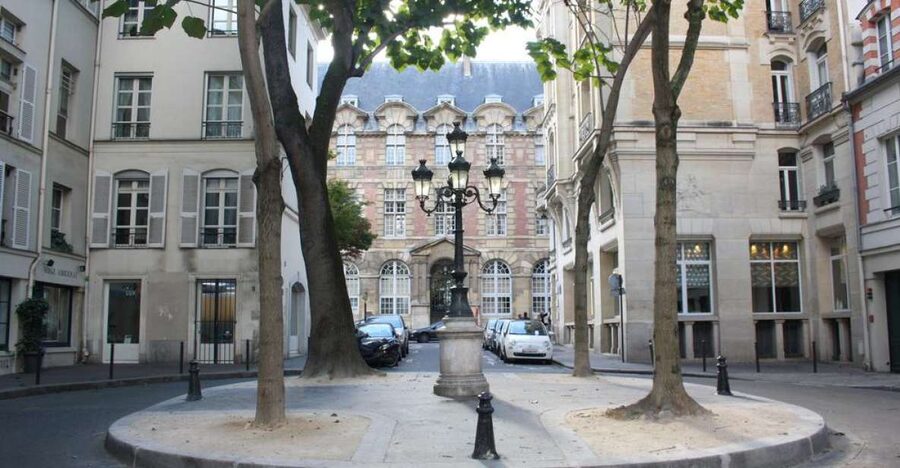
- You finish in Furstenberg Square: This tiny, romantic square is linked with Edith Piaf and Maurice Chevalier.
- Comfortable shoes matter: This is a walking tour, and large bags or luggage are not allowed.
Starting at Relais Odeon Café

The walk begins at Relais Odeon Café, 132 Boulevard Saint-Germain, near the Odéon Metro station on Line 4. This puts you right in the middle of the Left Bank, a useful location if you are already visiting Saint-Germain-des-Prés, the Latin Quarter, or Luxembourg Gardens.
The meeting point has a fitting feel for a music-themed walk. Parisian cafés have long served as places for conversation, performance, and artistic exchange, though the tour itself focuses on specific historical sites rather than café culture in general.
You should arrive ready to walk for two hours. Wear comfortable shoes, and leave suitcases and large bags elsewhere. Hotel pickup and drop-off are not included, so you will need to make your own way to Odéon.
The guide speaks English or Spanish. Since the group is capped at eight, you are not likely to be lost in a large crowd. That small size also matters because the route has many names and periods to cover. A good guide can spend more time on Mozart, Piaf, opera, cabaret, or American composers depending on what interests you most.
More walking tours in Paris:
- Paris Top Sights Half Day Walking Tour with a Fun Guide
★ 5.0 · 2,893 reviews - Montmartre Hidden Gems and Scenic Highlights Walking Tour
★ 5.0 · 2,684 reviews - Montmartre Hill French Gourmet Food and Wine Tasting Walking Tour
★ 5.0 · 2,588 reviews
Saint-Germain-des-Prés and medieval troubadours
One of the first major stops is the Benedictine Abbey of Saint-Germain-des-Prés, founded in the sixth century. It is also described as Paris’s oldest church, giving the building importance beyond its connection with music.
Here, the focus turns to medieval troubadours. These performers brought song and poetry into public and religious life, and the church provides a strong setting for understanding how music once moved through Paris. You are not simply looking at an old church façade. You are hearing how performance fit into the daily and spiritual life of the city.
This stop works best for anyone who enjoys the link between architecture and sound. Churches were some of the most important performance spaces in earlier centuries, and their size, stone walls, and religious purpose shaped the music heard inside them.
The route does not promise a live musical performance, so you should come for the stories and setting rather than a concert. The value is in learning to look at familiar Parisian buildings as places where music was made, heard, and shared.
Luxembourg Gardens and Renaissance court music
The walk continues toward the Luxembourg Gardens and Luxembourg Palace, associated with Marie de Medici. During the Renaissance, the palace was connected with court music, offering a change in mood from the medieval religious world of Saint-Germain-des-Prés.
The gardens give the tour some breathing room. You move from church interiors and old streets into one of Paris’s best-known formal outdoor spaces. The connection here is not simply to a famous garden, but to the role of music in court life. Music served ceremony, prestige, entertainment, and political display.
I find this kind of stop useful because it widens the meaning of a music tour. Parisian music was not limited to composers and concert halls. It belonged to royal courts, churches, cafés, cabarets, and public streets.
The gardens are also a practical part of the route. You can expect a change from dense city blocks to a more open setting, though the tour remains a walking experience rather than a long garden visit. If your main goal is a relaxed stroll through Luxembourg Gardens, this tour gives you historical context but may not allow as much free time as a separate garden visit.
Carrefour de Buci and the cabaret years
At Carrefour de Buci, the subject shifts to the cabarets of the period between World War I and World War II. This colorful crossroads helps show how Paris became a meeting place for performers, writers, musicians, and audiences from many backgrounds.
This section should appeal to you if your musical interests lean toward popular entertainment rather than only classical music. The route connects the streets of Saint-Germain with the world of cabaret, where performers developed distinctive stage identities and where music became closely tied to nightlife.
The stop also helps connect French and international figures. The tour includes Edith Piaf and Maurice Chevalier, as well as George Gershwin and Cole Porter. Those names point to the way Paris attracted artists from outside France and gave them a place within its cultural life.
The setting is still an active Paris crossroads, so do not expect a preserved cabaret museum. What you get is a street-level explanation of how the area functioned and why it mattered. The pleasure comes from recognizing that ordinary-looking streets once supported a busy performance culture.
Same city, a completely different afternoon:
- Paris: Louvre Museum Timed-Entrance Ticket
★ 4.6 · 71,977 reviews - Disneyland® Paris 1-Day Ticket
★ 4.6 · 49,412 reviews - Paris: Versailles Palace and Gardens Full Access Ticket
★ 4.6 · 41,579 reviews - Paris: Evening River Cruise with Music
★ 4.4 · 22,721 reviews
Cour du Commerce Saint-André and Paris’s oldest café
Cour du Commerce Saint-André is one of the most picture-perfect sections of the walk. This eighteenth-century street arcade has a compact, sheltered feel and offers a break from the wider boulevards nearby.
It is also home to Paris’s oldest café, described as a meeting point for street musicians during the French Revolution. That detail gives the stop unusual range. You are looking at an eighteenth-century setting while hearing about music in a period of political upheaval and public change.
I especially like this part of the itinerary because it joins place, politics, and everyday performance. Street musicians were not operating in a grand concert hall. They were part of the city itself, using public spaces and cafés as places to meet and play.
The arcade is likely to be one of the most memorable visual stops, but keep your expectations in check. The tour passes through the historic setting and explains its role. It is not described as a café tasting or a seated café visit, so the main experience is historical rather than culinary.
Saint-Sulpice and the enormous 7,000-pipe organ
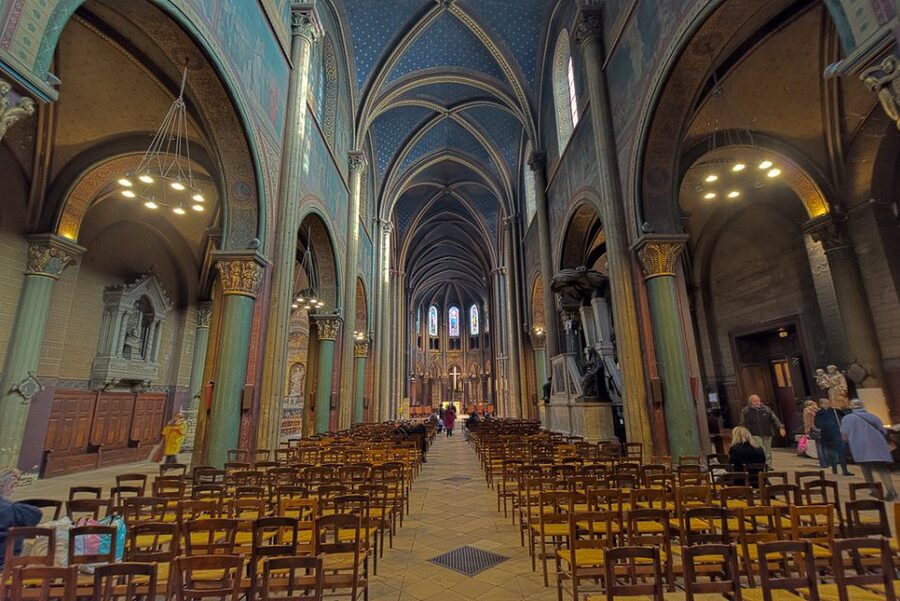
Saint-Sulpice Church brings the walk back to religious music, this time in a grand seventeenth-century Baroque setting. The church is known for its 7,000-pipe organ, one of only three 100-stop organs in the world.
That statistic gives you a clear reason to pay attention here. The organ is not a minor decorative detail. It is a huge musical instrument built into the church, and it reflects the scale and ambition of classical religious music.
The guide also places Saint-Sulpice in modern popular culture. The church appeared in a supporting role in The Da Vinci Code, so you may recognize it from the film or book connection. Still, the music story is the stronger reason to visit. The movie reference adds a familiar hook, but the organ and Baroque interior provide the real substance.
Saint-Sulpice is a good example of the tour’s basic method. You see a major Paris landmark, then learn to view it through music rather than through a standard architectural checklist. If you have already visited the church, the musical focus can give you a fresh reason to return.
Mozart, Stravinsky, Piaf, and international Paris
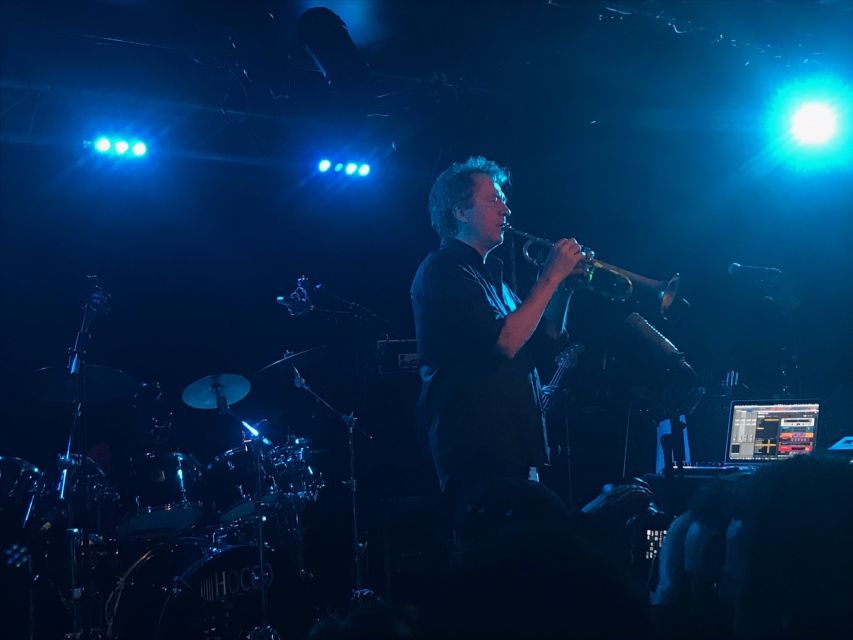
The route also follows places linked with Mozart and Stravinsky, along with Edith Piaf, Maurice Chevalier, George Gershwin, and Cole Porter. These artists represent different periods, countries, and musical worlds.
Mozart brings the eighteenth-century European classical tradition into the story. Stravinsky points to Paris as a home for modern artistic experimentation. Piaf and Chevalier represent French popular song and stage performance, while Gershwin and Porter show how American composers and performers connected with the city.
You will not get a full biography of each figure in two hours. Instead, the guide uses locations to show how artists lived, studied, or performed in Paris. That approach keeps the tour moving, though anyone seeking detailed composer analysis may find the time too short.
The small-group design helps here. One recent participant had the guide tailor the material to personal interests, and another described a three-person outing through a lovely quarter with an impressive command of the subject. Those details suggest that the experience can feel quite personal when the group is small, especially if you ask focused questions.
Finishing at Furstenberg Square
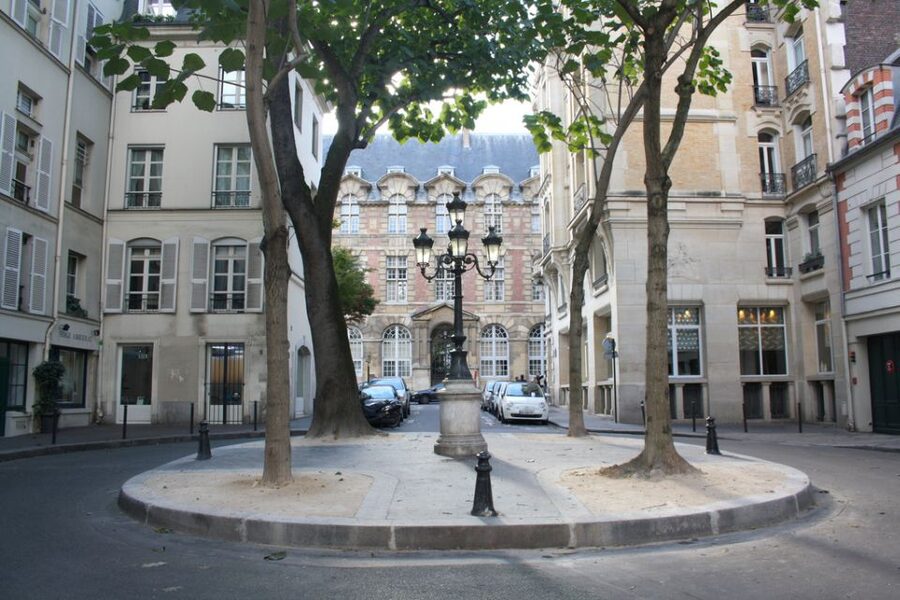
The tour ends at Furstenberg Square, one of the smallest and most romantic squares in Paris. It is associated with both Edith Piaf and Maurice Chevalier, making it a fitting final stop after the route’s movement through church music, court performance, cafés, and cabaret.
The square gives the walk a calm finish. Rather than ending at a major transport hub or a crowded monument, you finish in a compact place with a strong sense of atmosphere.
This is also a useful point for continuing your own evening in Saint-Germain. The tour does not include hotel transport, so you will need to make your own arrangements after the final stop. Its central location should make it practical to continue exploring the neighborhood, provided you check your route in advance.
Is $99 a fair price?
At $99 per person, this is not a bargain walking tour. The price is easier to justify if you would otherwise spend time searching out these sites and trying to connect their music stories yourself.
You are paying for three things:
- A focused theme rather than a general Paris overview
- A local guide who can connect distant periods and performers
- A small group with room for personal questions
You are not paying for admission to a concert, food, hotel transport, or a private tour. If you only want to see Saint-Germain-des-Prés, Luxembourg Gardens, or Saint-Sulpice, visiting those places on your own will cost less.
The price works best for a music lover, a repeat visitor who has already seen the major monuments, or anyone who prefers a guided neighborhood walk with a clear cultural focus. It is less convincing for a first-time visitor who still needs a basic introduction to Paris. In that case, a general city or neighborhood tour may cover more essential sights for less money.
Timing, language, and group size
The experience is advertised as a two-hour walk. The title may show a shorter 1.30-hour reference, so check the current start time and duration when booking, but the detailed tour information describes two hours.
Tours are offered with a live guide in English or Spanish. The group limit is eight people, which is small enough for a conversation rather than a lecture. One outing had only three participants, creating an almost private-tour feel, though you should not assume every departure will be that small.
Free cancellation is available up to 24 hours before the start time. Cancel later than that and the payment is not refunded. You can also reserve now and pay later, which helps if you are still arranging your Paris schedule.
Who should take this music walk?
I would choose this tour if you enjoy:
- Classical music, French chanson, cabaret, or musical theater
- Walking through historic neighborhoods instead of visiting only museums
- Stories that connect famous people with real streets and buildings
- Small groups and the chance to ask the guide questions
- Returning to Saint-Germain with a more specific purpose
I would skip it if you want a live performance, a museum interior tour, or a broad first look at Paris. The route is specialized, and its value depends on caring about music or wanting to understand the city through its performers.
You should also be comfortable walking for two hours. Comfortable shoes are essential, and large bags or luggage are not allowed.
Should you book Paris and the Art of Music?
Book it if music is one of the reasons you came to Paris, or if you already know the city’s major sights and want a more personal route through Saint-Germain. The best parts are the unusual links between places: troubadours at Saint-Germain-des-Prés, revolutionary street musicians near Paris’s oldest café, court music at Luxembourg, cabaret at Carrefour de Buci, and the massive organ at Saint-Sulpice.
At $99, this is a selective purchase rather than an automatic one. You will get the most from it when you value a guide’s interpretation and can take part in the conversation. If that sounds like your kind of Paris, the small group and adaptable commentary make the cost easier to defend.
FAQ
How long is the walking tour?
The detailed activity information describes a two-hour guided walking tour. The title also includes a 1.30-hour reference, so check the current schedule when booking.
What languages are available?
The live guide speaks English or Spanish.
Where does the tour begin?
It begins at Relais Odeon Café, 132 Boulevard Saint-Germain, 75006 Paris, near Odéon Metro station on Line 4.
Where does the tour finish?
The walk finishes at Furstenberg Square.
What is included in the price?
The price includes the two-hour walking tour and an expert English- or Spanish-speaking local guide.
Is hotel pickup included?
No. Hotel pickup and drop-off are not included.
Can I bring luggage or a large bag?
No. Luggage and large bags are not allowed. Comfortable shoes are recommended.
How large is the group?
The group is limited to eight participants.
Can I cancel for a full refund?
Yes, you can cancel up to 24 hours in advance for a full refund. Cancellations made less than 24 hours before the tour are not refunded.
Just added around Paris
- Private Paris Marche d’Aligre Walking Tour with Tastings★ 5.0 · 8 reviews
- Private Louvre Museum Tour for Kids & Families with Alberto or his team in Paris★ 5.0 · 41 reviews
- Private Highlights of Paris Tuk-Tuk Experience★ 5.0 · 26 reviews
- Paris Latin Quarter Walking Tour: History & Culture – Small Group★ 5.0 · 14 reviews
- Private Highlights of Paris Bike Tour★ 4.5 · 15 reviews
- Paris Musee d’Orsay PRIVATE TOUR with a Local Private Guide★ 5.0 · 41 reviews
- Private Half Day Historic Tour★ 5.0 · 58 reviews
- Pere Lachaise Cemetery Paris – Exclusive Guided Walking Tour★ 5.0 · 72 reviews
Paris Walking Tours, compared.
Paris Top Sights Half Day Walking Tour with a Fun Guide
Read our review →
Montmartre Hidden Gems and Scenic Highlights Walking Tour
Read our review →
Montmartre Hill French Gourmet Food and Wine Tasting Walking Tour
Read our review →
Paris Île de la Cité and Notre-Dame Walking Tour With Crypt
Read our review →
Montmartre Cheese, Wine & Pastry Guided Walking Tour
Read our review →
Paris in a Day: Louvre or Orsay, Eiffel Tower, City Walk & Cruise
Read our review →
Montmartre Highlights Walking Tour with a Local Guide
Read our review →
Browse the lists this tour appears in