
Reviewed · MONTMARTRE AND SACRé-CœUR TOURS
Montmartre Highlights – Bohemian Streets & Sacré-Coeur Basilica
Montmartre is Paris at its most theatrical, and this walking tour gives you the full climb: Moulin Rouge and Pigalle, the old artists’ quarter, Place du Tertre, and Sacré-Coeur Basilica. I like the small group limit of 15 and the way guides such as Sacha, Max, Catherine, and Katrina bring in maps, old photographs, artist stories, and a good bit of humor. You finish with one of the best city views in Paris.
I also like the choice of morning, afternoon, or evening departures, plus the practical finish at Place du Tertre, where cafés and restaurants are close by. The catch is clear: this is a hilly walk, with stairs and steep streets, so it can be tiring for older visitors or anyone with limited fitness.
Key points to know before booking
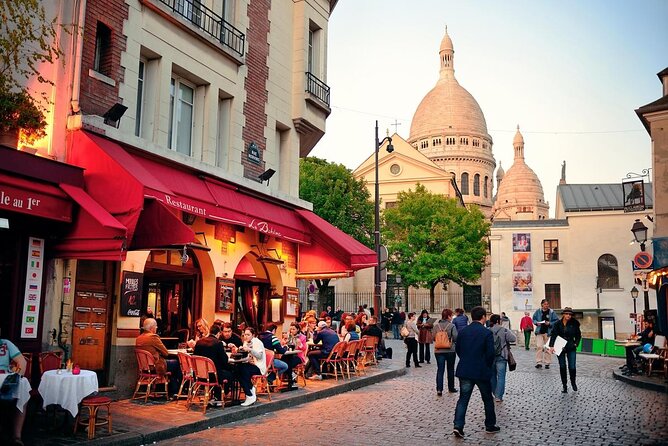
- The walk connects two sides of Montmartre: the cabarets and sex shops of Pigalle with the quiet village feel around Place du Tertre.
- The group is capped at 15 people, small enough to hear the guide and ask questions.
- Guides use live commentary, and some carry maps or old photographs to explain how the area changed.
- Sacré-Coeur is free to enter, and the tour ends near its famous hilltop views across Paris.
- Expect plenty of uphill walking, steps, and uneven city streets rather than a gentle stroll.
- The $47.79 price is mainly for interpretation, not meals, transport, or paid entry to attractions.
Why Montmartre works best with a guide

You can walk Montmartre alone, but it is easy to see only the postcard version: white domes, artists at easels, and crowded lanes. A guide helps connect the pieces. The district was once outside Paris proper, later absorbed into the city, and became a meeting place for painters, writers, performers, and less respectable nightlife.
That mix is the real appeal. In a single walk, you move from the Moulin Rouge to churches, from Pigalle’s red-light streets to old village corners, and from famous names such as Van Gogh and Picasso to small places where artists lived or spent time.
The guides give the area a human scale. Sacha is known for using a notebook with maps and photographs, while Max has been praised for explaining the area’s past through stories rather than a dry list of dates. Catherine and Katrina are also noted for an upbeat, personal approach. The exact guide depends on the departure, but the format is consistent: live English commentary throughout the walk.
The loudspeaker matters, especially on crowded streets. You do not need to stand shoulder to shoulder with the guide to hear, although you still need to stay close enough to follow the group.
More Montmartre and Sacré-Cœur Tours:
- Montmartre Hidden Gems and Scenic Highlights Walking Tour
★ 5.0 · 2,684 reviews - Montmartre Hill French Gourmet Food and Wine Tasting Walking Tour
★ 5.0 · 2,588 reviews - Paris: Montmartre Cheese, Wine & Pastry Guided Walking Tour
★ 4.8 · 2,255 reviews
Starting at Blanche and the Moulin Rouge
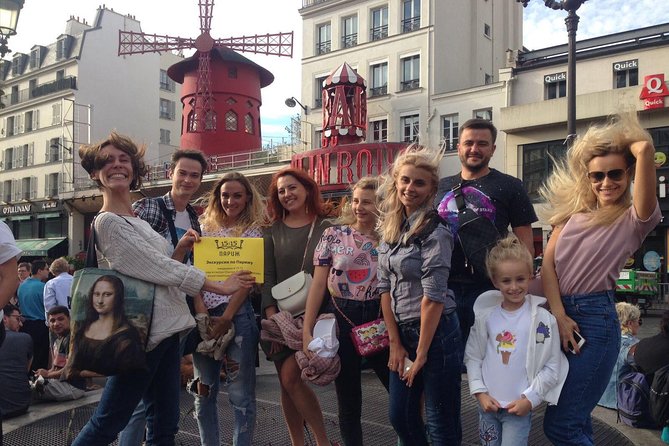
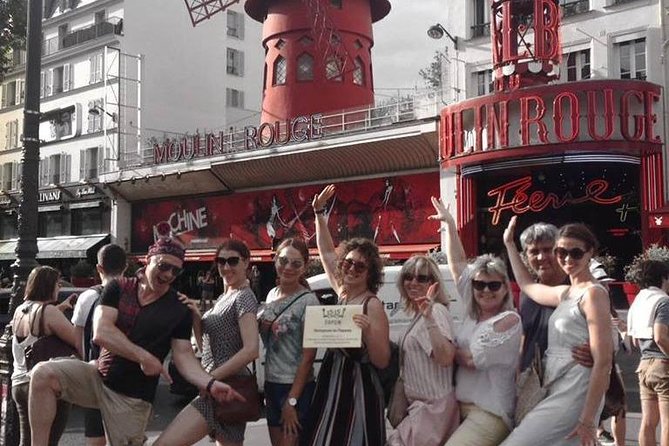
The tour begins at Blanche, in the 18th arrondissement, right by the Moulin Rouge. This is a useful starting point because it puts you directly into the energetic lower section of Montmartre instead of easing you in with a quiet residential street.
The Moulin Rouge is viewed from outside. You do not receive a cabaret show or interior admission, and that is important when judging the price. What you do get is the story behind the red windmill and the role of the venue in popularizing the French Cancan for Parisian audiences.
Your guide also helps place the cabaret in its neighborhood. The Moulin Rouge is not an isolated sight. It belongs to a part of Paris shaped by nightlife, performers, artists, and visitors looking for entertainment. A 15-minute stop is enough for an introduction and photographs, but not for an extended look inside.
If you want to attend a show, that is a separate plan. This tour gives you context from the pavement and then moves on.
Pigalle, where nightlife meets old Montmartre
From the Moulin Rouge, the walk explores Pigalle, one of Paris’s best-known red-light districts. You will pass cafés, cabarets, sex shops, and traces of an older neighborhood that once attracted painters and writers.
This section gives the tour some edge. Montmartre is often presented as a sweet village of cobbled streets and artists’ portraits. Pigalle shows another side, one built around music halls, nightlife, and adult entertainment. The contrast makes the district more interesting than a simple art-themed walk.
The stop is listed at about 30 minutes, but the route itself involves walking through the area rather than remaining at one fixed point. Your guide’s commentary is the main reason to spend time here. The tour explains how the district’s public image formed and points out places that are easy to miss if you are moving quickly toward Sacré-Coeur.
This is also a good reason to choose your departure time with care. Morning light gives you a calmer feel, while an evening start may suit you if you want to see Pigalle closer to its nightlife hours. The exact mood will change with the time of day, but the route remains a walking introduction rather than a night out.
Following the artists through Montmartre
The central part of the tour follows streets linked with painters and writers who lived or worked in Montmartre around the late 19th and early 20th centuries. Names connected with the walk include Monet, Manet, Van Gogh, Pissarro, Rodin, Picasso, and Zola.
The value here is not simply hearing a famous name. A good guide shows how the district functioned as a place where artists lived, met, argued, worked, and went out. The stories make the streets easier to read. A plain building or small lane can become more meaningful when you know who once lived nearby or which café culture shaped the area.
Sacha has been praised for bringing visual material, including maps and photographs, to help compare Montmartre in earlier periods with the neighborhood you see today. Catherine has also used older images to show how places changed. These tools are especially useful if you do not already know Paris well.
The guides also add stories about the artists’ personalities and daily lives. That gives the walk more color without turning it into a formal museum lecture. One caution: some guides may offer a great deal of detail. If you prefer a lighter introduction, the amount of information can feel heavy at times.
For art lovers, this is likely the strongest part of the experience. For everyone else, it provides a useful explanation of why Montmartre became so famous in the first place.
More city highlights tours in Paris:
- Bateaux Parisiens Seine River Gourmet Dinner & Sightseeing Cruise
★ 4.5 · 6,930 reviews - Paris Seine River Hop-On Hop-Off Sightseeing Cruise by Batobus
★ 4.0 · 3,411 reviews - Paris Top Sights Half Day Walking Tour with a Fun Guide
★ 5.0 · 2,893 reviews - Bateaux Parisiens Seine River Gourmet Lunch & Sightseeing Cruise
★ 4.5 · 2,680 reviews
Place du Tertre and the village feel
The route ends at Place du Tertre, the main square of the upper district. This is where Montmartre feels most like a village, even though central Paris is only a short distance away.
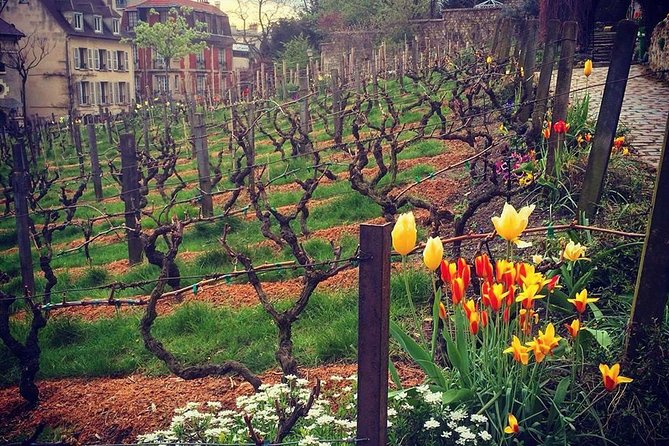
The square is known for painters and caricaturists, and the surrounding streets retain a quieter, more old-fashioned character than Pigalle below. The tour description points to vineyards, bocce fields, and tucked-away parks as reminders of the area’s rural past.
Do not expect complete solitude. Place du Tertre is one of Montmartre’s best-known spots, and it can be busy. Still, the shift from nightlife district to village square is one of the walk’s best pieces of storytelling. You see how close together Montmartre’s different identities are.
The tour ends here rather than returning you to Blanche. That is convenient if you want to continue exploring, stop for a drink, or eat nearby. It also means you should plan your onward route from Place du Tertre instead of assuming you will finish at the starting point.
Sacré-Coeur and the high view across Paris
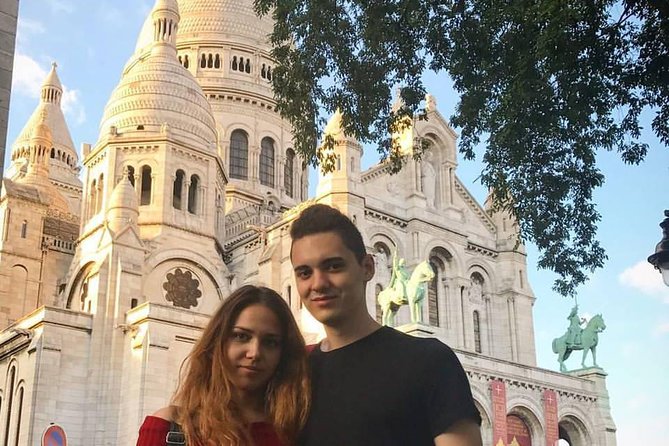
The final major stop is the Basilique du Sacré-Coeur de Montmartre, one of Paris’s largest churches. Entry is included at no extra charge, and the visit is planned for about 15 minutes.
Inside, the major feature is the enormous wall fresco, listed at 480 square meters. The impressive cupola is another highlight. Your guide gives you enough background to understand why the basilica matters, then you have the chance to appreciate the interior before heading outside.
The church sits at the top of Montmartre, so the setting is as important as the building. From the hill, you get a broad view across Paris. This is the moment when the climb pays off, especially if the weather is clear.
The visit is relatively brief. If you want a long, quiet look inside the basilica or plan to visit other religious sites nearby, you will need to return on your own. The tour’s purpose is to introduce Sacré-Coeur as part of Montmartre’s story, not to spend most of the two hours inside.
The uphill route can be demanding. One person in the group may manage it comfortably while another needs pauses, particularly on the steps and steeper streets. A moderate level of fitness is advised, and comfortable shoes are more important here than fashionable ones.
What two hours really gives you
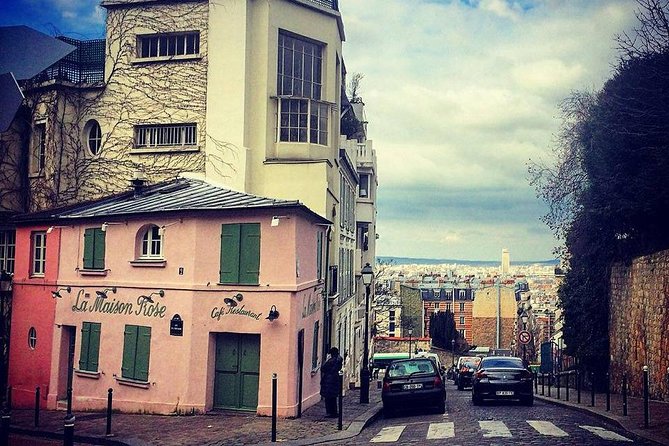
Two hours is enough for a strong first look, but not enough to explore every lane or museum in Montmartre. The route covers several major themes at a brisk pace: cabaret history, Pigalle, artists, Place du Tertre, and Sacré-Coeur.
That makes the tour useful early in a Paris visit. You get your bearings quickly and can return later to places that caught your interest. You might come back for a slower walk around the artists’ streets, a meal near the square, or more time near the basilica.
The short format also suits visitors with limited time. You do not lose half a day, and the tour finishes in a practical location. On the other hand, anyone hoping for a slow photography walk or lengthy church visit may find the schedule too tight.
The group maximum of 15 is a real advantage. Montmartre’s streets can be crowded, and a large group would make it harder to hear or keep up. A smaller party lets the guide respond to questions and adjust the pace when possible, although the physical climb still remains.
Is $47.79 good value?
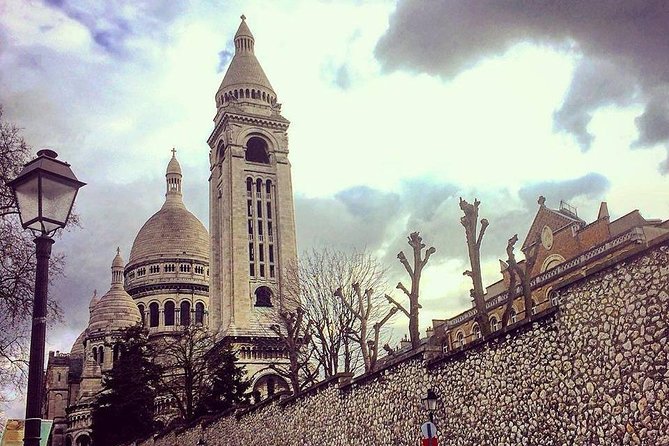
At $47.79 per person, you are paying for the guide’s time, route planning, and interpretation. The tour includes the professional guide and walking tour, but not meals or paid admission to the Moulin Rouge. Sacré-Coeur entry is free.
I consider the price reasonable if you want Montmartre explained rather than simply photographed. The guide ties together places that would otherwise feel disconnected, and the small group makes the commentary more useful than a large public walk.
The value is weaker if you already know Montmartre well or prefer to explore without a schedule. You can visit the basilica, Place du Tertre, Pigalle, and the Moulin Rouge area independently. You will not receive the same flow of stories, artist connections, or historical explanation, but you will have more freedom.
Group discounts may be available, and mobile tickets make the booking process simple. The experience is offered in English, with morning, afternoon, and evening start times.
The walking demands and practical details
Plan for hills, stairs, and a fair amount of time on your feet. Several people have found the route strenuous, including older visitors and anyone dealing with a health issue. One guide was specifically praised for keeping a reasonable pace and being patient with an 80-year-old participant, but you should still judge your own ability honestly.
Public transportation is nearby, and the meeting point is at Blanche. The finish at Place du Tertre is surrounded by cafés and restaurants, so you can rest and eat afterward.
Service animals are allowed. The tour requires good weather and a minimum number of participants. If poor weather or insufficient enrollment cancels the experience, you can choose another date or receive a full refund. You can cancel for a full refund up to 24 hours before the start time, but cancellations or changes inside that period are not refunded or accepted.
The tour is usually booked well ahead, with an average booking time of 55 days. That does not guarantee every departure will sell out, but it is a useful sign to reserve early if your Paris dates are fixed.
Who will enjoy this Montmartre walk?
I would recommend it to a first-time Paris visitor who wants a clear introduction to Montmartre without spending an entire day. It also fits anyone interested in art, cabaret history, city views, or the contrast between Paris nightlife and old village streets.
It suits curious families and mixed-age groups if everyone can manage the hills. The guides’ use of stories, humor, maps, and photographs keeps the walk from feeling like a string of monuments.
I would be cautious about booking it for anyone with limited mobility, low stamina, or a need for frequent rest. The tour does not hide the physical work involved, and the route includes steep sections. An evening departure may also be less suitable if you specifically want daylight for the hilltop view.
Should you book it?
Book this tour if you want Montmartre to make sense quickly. The best reasons are the small group, lively English commentary, strong guide lineup, and the unusual range of the route, from Moulin Rouge and Pigalle to artists’ streets, Place du Tertre, and Sacré-Coeur.
Skip it if you want a slow solo wander, a Moulin Rouge performance, or a long interior visit at the basilica. For most first-time visitors who can handle the climb, $47.79 buys a useful two-hour orientation and a much better understanding of why Montmartre feels unlike any other part of Paris.
FAQ
How long does the Montmartre tour last?
The walking tour lasts approximately two hours.
Where does the tour begin?
The tour begins at Blanche in Paris’s 18th arrondissement.
Where does the tour end?
It ends at Place du Tertre, the main square of Montmartre, near restaurants, cafés, painters, and caricaturists.
Is the tour offered in English?
Yes. The tour is offered in English with live commentary from a professional guide.
What is the maximum group size?
The group is limited to a maximum of 15 people.
Does the tour enter Sacré-Coeur Basilica?
Yes. You visit the basilica, and admission is free.
Is Moulin Rouge admission included?
No. The Moulin Rouge is viewed from outside, and admission is not included.
Are meals included?
No. Meals are not included. The tour ends near cafés and restaurants at Place du Tertre.
How physically demanding is the walk?
You should have a moderate level of fitness. The route includes uphill walking, steps, and steep streets.
Can I cancel for a refund?
You can cancel at least 24 hours before the start time for a full refund. Cancellations or changes made less than 24 hours before the start time are not accepted or refunded.
Just added around Paris
- Private Paris Marche d’Aligre Walking Tour with Tastings★ 5.0 · 8 reviews
- Private Louvre Museum Tour for Kids & Families with Alberto or his team in Paris★ 5.0 · 41 reviews
- Private Highlights of Paris Tuk-Tuk Experience★ 5.0 · 26 reviews
- Paris Latin Quarter Walking Tour: History & Culture – Small Group★ 5.0 · 14 reviews
- Private Highlights of Paris Bike Tour★ 4.5 · 15 reviews
- Paris Musee d’Orsay PRIVATE TOUR with a Local Private Guide★ 5.0 · 41 reviews
- Private Half Day Historic Tour★ 5.0 · 58 reviews
- Pere Lachaise Cemetery Paris – Exclusive Guided Walking Tour★ 5.0 · 72 reviews
Montmartre and Sacré-Cœur Tours, compared.

Montmartre Hidden Gems and Scenic Highlights Walking Tour
Read our review →
Montmartre Hill French Gourmet Food and Wine Tasting Walking Tour
Read our review →
Montmartre Cheese, Wine & Pastry Guided Walking Tour
Read our review →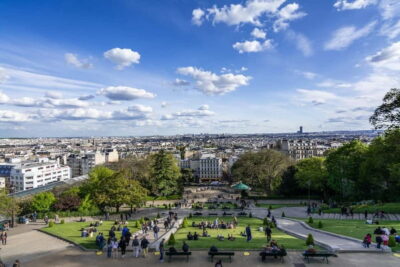
Montmartre Highlights Walking Tour with a Local Guide
Read our review →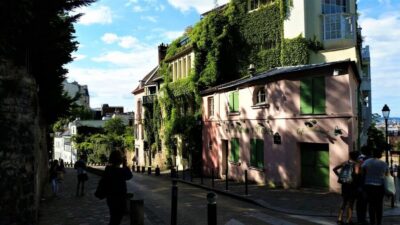
Sacré-Coeur and Montmartre Tour with Expert Guide
Read our review →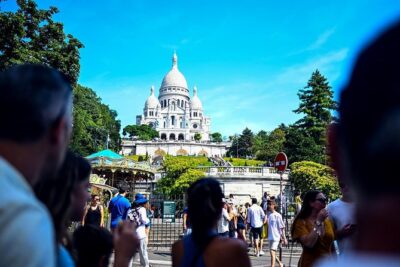
Private Montmartre Food Tour with Wine, Cheese & Pastries
Read our review →
Paris Montmartre Food Tour – A Full French Meal by Do Eat Better
Read our review →
Hidden Montmartre: Paris’ Secret Streets Walking Tour
Read our review →Browse the lists this tour appears in