
Reviewed · MONTMARTRE AND SACRé-CœUR TOURS
Montmartre Semi Private Tour: from Moulin Rouge, to Sacré-Cœur
Montmartre is best understood on foot, and this two-hour walk takes you from the flashing red windmill of Moulin Rouge up through cobbled lanes, old cabarets, artists’ addresses, and the white domes of Sacré-Cœur. The route has a nice human scale, with a maximum group of six promised for the semi-private experience.
I like the mix of famous sights and small details, especially the stop for a warm slice of bread from a local bakery and the chance to see places linked to Van Gogh, Renoir, Picasso, and Utrillo. I also like that the tour ends at Sacré-Cœur, where you can continue inside the basilica or stay outside for one of Paris’ finest open views.
The main thing to check is the group-size wording. The tour description guarantees a maximum of six, while the additional booking information lists a maximum of 15 for the activity. If a very small group is the reason you are booking, confirm that point before paying. Sacré-Cœur’s interior is not included, and gratuities are optional.
Key points at a glance
- Start beneath the Moulin Rouge windmill: Learn why this 1889 cabaret became a symbol of Montmartre.
- Walk through an old artists’ quarter: Pass former homes connected with Van Gogh, Renoir, Picasso, and Utrillo.
- See Montmartre’s village side: Follow cobbled streets, Rue des Martyrs, historic vineyards, and small local shops.
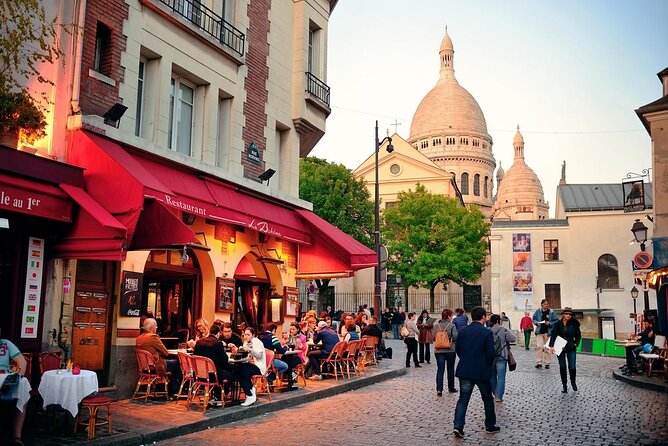
- Pause at Au Lapin Agile: Visit the exterior of Montmartre’s oldest cabaret, linked with Edith Piaf and early twentieth-century artists.
- Taste fresh bakery bread: Enjoy a warm slice before the uphill walk to Sacré-Cœur.
- Finish above Paris: End at the basilica with time for photos, views, and an optional visit inside.
Why this two-hour walk gets Montmartre right
Montmartre can feel confusing at first. The Moulin Rouge sits down in the Pigalle area, while Sacré-Cœur crowns the hill above it. Between those two points are steep streets, stairways, postcard views, famous cafés, and ordinary residential corners that are easy to miss if you follow only the largest signs.
This tour gives that climb a clear story. You begin with cabaret and nightlife, then move into Montmartre’s village character and artistic past before reaching the basilica. I like that progression because it helps you see the neighborhood as more than a photo stop at the church.
The tour lasts about two hours. That is enough time for a guided introduction without taking up half your day in Paris. You will not see every street or enter every attraction, but you should get a useful first look at the quarter and know where to return later.
The small-group format is the biggest selling point. With six people, you can usually hear the guide more easily, ask questions, and pause for a photograph without holding up a large crowd. The listed price is $112.94 per person, so you are paying for the personal format rather than for admissions or a long sightseeing program.
That price is not a bargain walk. It makes more sense if you value a local guide, a guaranteed small group, and a route that links the major landmarks with specific stories. If you only want to reach Sacré-Cœur and take in the view, you can do that for much less on your own.
More Montmartre and Sacré-Cœur Tours:
- Montmartre Hidden Gems and Scenic Highlights Walking Tour
★ 5.0 · 2,684 reviews - Montmartre Hill French Gourmet Food and Wine Tasting Walking Tour
★ 5.0 · 2,588 reviews - Paris: Montmartre Cheese, Wine & Pastry Guided Walking Tour
★ 4.8 · 2,255 reviews
From Moulin Rouge to the streets of Montmartre
The meeting point is outside Moulin Rouge at Blanche, in the 18th arrondissement. This is a practical place to begin because the red windmill is hard to mistake, and the nearby area is served by public transportation.
Your first stop lasts about 15 minutes. The guide introduces the cabaret’s place in Parisian culture and explains its connection to 1889, the year of the Paris World Fair and the Eiffel Tower. Moulin Rouge became famous for its risqué cancan dance, theatrical shows, and lavish interior.
You will view the building from outside. Admission to a performance is not part of the tour, so do not expect a cabaret show or an interior visit. That is not a serious drawback for a walking tour, but it matters if you hoped to combine sightseeing with a live performance.
I find the opening stop useful because it gives you a quick sense of Montmartre’s public face: bright, theatrical, and built around entertainment. The rest of the walk then moves away from the neon and into quieter streets.
Cobblestones, bakeries, and the old village feel
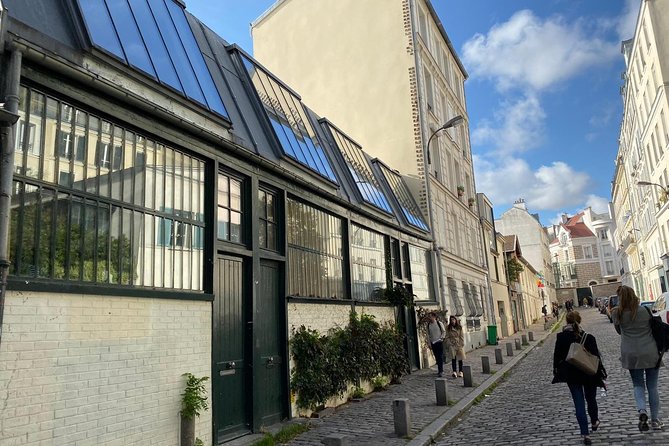
From Moulin Rouge, the route turns toward Montmartre’s older streets. The neighborhood’s charm comes from contrast. One moment you are near a famous nightlife address, and soon you are looking at small shops, steep lanes, old apartment buildings, and signs of daily Paris life.
Rue des Martyrs is one of the notable streets along the way. Its name refers to the tradition that the first bishop of Paris was crucified here. The tour uses this street and its surroundings to connect the present-day neighborhood with stories from earlier centuries.
You will also hear about Montmartre’s vineyards. Vines still form part of the quarter’s identity, even though this is not a countryside wine tour. The vineyard references help explain why Montmartre once felt separate from central Paris and why its village atmosphere survived as the city grew around it.
The walking itself is part of the experience. Expect cobblestones and an uphill route. Comfortable shoes will make a difference, and you should be ready for a few changes in pace as the group stops for explanations and photos. The tour is only two hours, but the climb toward Sacré-Cœur gives it more physical effort than a flat city walk.
Following the artists’ addresses
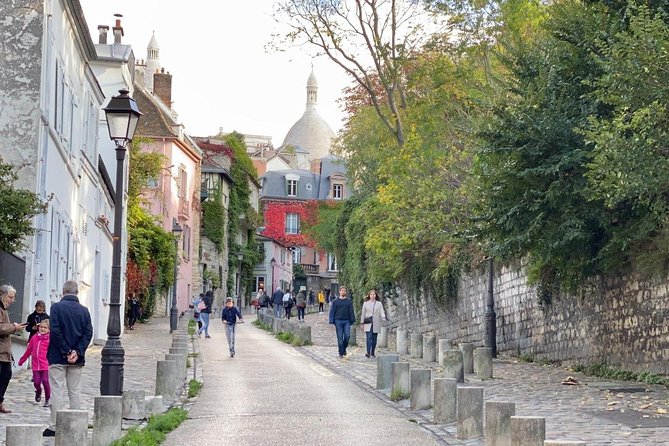
Montmartre’s art story is one of the strongest parts of this tour. You pass former homes connected with Vincent van Gogh, Theo van Gogh, Renoir, and Picasso. The route also points out the apartment where Picasso lived and the place where Renoir first squatted and later stayed.
These details are more useful than a general claim that Montmartre attracted artists. A specific address gives you something concrete to look for as you walk. You can picture the neighborhood before it became one of Paris’ most visited quarters, when painters shared modest rooms, worked nearby, and met in cafés and cabarets.
The tour also takes you toward Place du Tertre, the square known for its outdoor artists. This is one of Montmartre’s most recognizable scenes, with painters displaying work and making portraits. It can feel busy and commercial, but it remains an important part of the area’s identity.
I would keep your expectations measured here. A short walk cannot provide a full art-history lesson, and the square is not a quiet museum. Its value is in seeing how Montmartre still presents itself as an artists’ quarter, even as shops and visitors have changed the mood.
The supplied experience information includes a particularly enthusiastic account from an art lover who appreciated seeing the artists’ square and the former homes of Van Gogh, Picasso, and Renoir in one route. That is exactly where this tour makes its strongest case. If those names matter to you, the addresses turn a general neighborhood stroll into a more focused visit.
More Moulin Rouge and Cabaret Shows:
- Paris: Moulin Rouge Cabaret Show Ticket with Champagne
★ 4.7 · 16,088 reviews - Paris: Dinner Show at the Moulin Rouge
★ 4.8 · 3,333 reviews - Paris: Crazy Horse Cabaret Show
★ 4.7 · 2,726 reviews - Seine Dinner Cruise, Eiffel Tower Access and Moulin Rouge Show
★ 4.0 · 2,310 reviews
Au Lapin Agile and Montmartre’s cabaret past
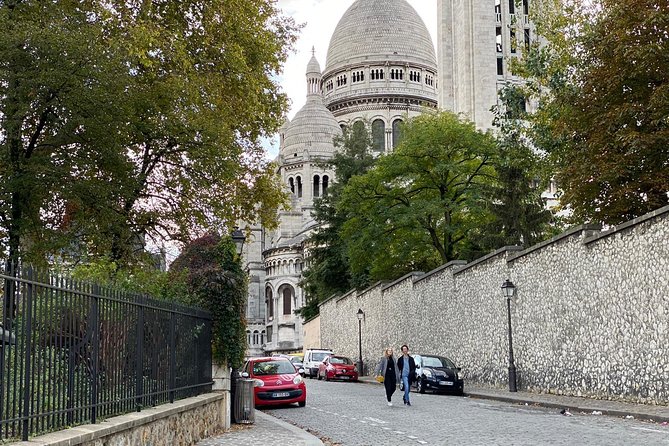
Another stop is Au Lapin Agile, described as Montmartre’s oldest cabaret. Founded in 1860, it was associated with artists and performers including Edith Piaf, and its exterior inspired work by Picasso and Utrillo.
You will stop by the cabaret rather than attend a show. That distinction is worth keeping clear. The tour offers context and a look at the setting, not evening entertainment.
Au Lapin Agile adds another layer to the walk. Moulin Rouge represents grand spectacle and mass appeal. Au Lapin Agile suggests something smaller, older, and more closely tied to the neighborhood’s artistic circles. Seeing both places helps you understand why Montmartre became linked with both popular entertainment and avant-garde art.
This is also a good example of the tour’s overall approach. You are not simply moving from one major monument to another. You are connecting addresses, streets, food, and local stories as you climb.
A warm slice of bread before the final climb
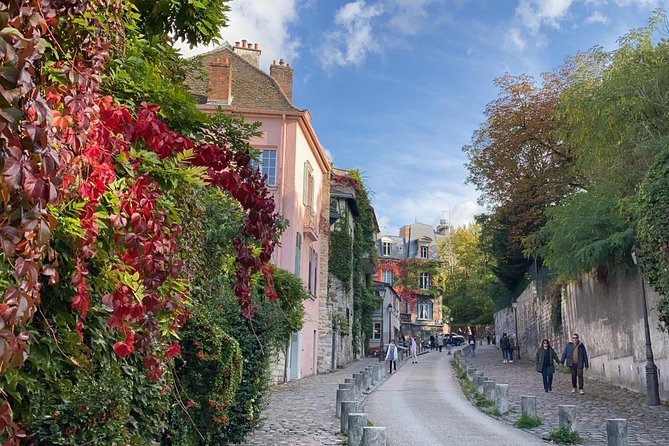
Before reaching the top, the group stops at a neighborhood bakery for a slice of freshly baked bread. It is a modest inclusion, but I like it. Food gives a walking tour a sense of place, and a piece of bread is far more connected to ordinary Paris than a generic packaged snack.
The stop also comes at a sensible point. Montmartre rises toward Sacré-Cœur, and the final section is uphill. A small bite will not replace lunch, but it gives you a quick taste and a short pause before the last stretch.
Do not treat the bakery stop as a full food tour. The experience promises one warm slice, not a series of tastings or a sit-down meal. If you need lunch, plan another meal after the walk.
This is one reason the tour works well early in a Paris visit. You get a neighborhood orientation, a small food experience, and a list of places you may want to revisit. You can return later for a longer meal, a cabaret performance, or more time around the artists’ square.
Sacré-Cœur and the view over Paris
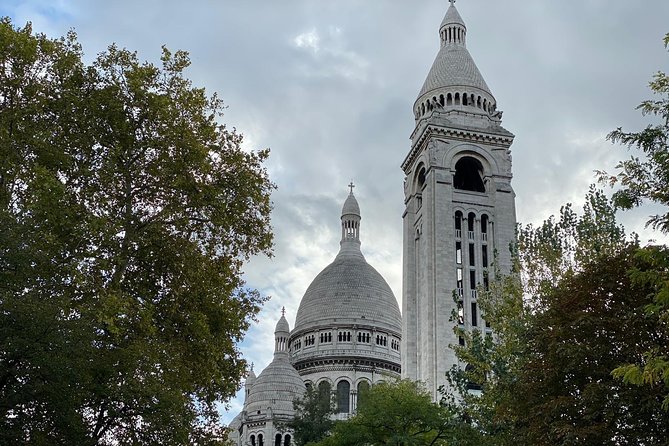
The final stop is the Basilica of the Sacred Heart of Montmartre, known in French as Sacré-Cœur. The tour ends at 35 Rue du Chevalier de la Barre, near the basilica.
You will see the church from outside as part of the guided experience. Admission inside is not included, but you are free to walk in after the tour. That arrangement gives you control over your time. You can take photos, enjoy the view, and then decide if you want to enter.
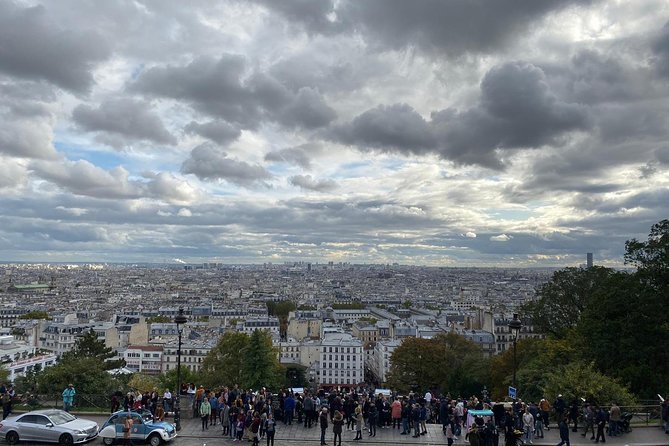
The hilltop setting is the reward for the walk. From around Sacré-Cœur, you get broad views across Paris. The basilica’s white exterior gives the summit a very different feel from the Moulin Rouge area below, and the route makes that change easy to appreciate.
The ending is also practical. You are not required to retrace your steps to the starting point. If you want more time at Sacré-Cœur, you can stay. If you have another appointment, you can leave from the summit.
One caution: the basilica and its surroundings can attract many people, so the final stop may feel less intimate than the earlier streets. The small group helps during the walk, but it cannot make the hilltop private.
Is $112.94 a fair price?
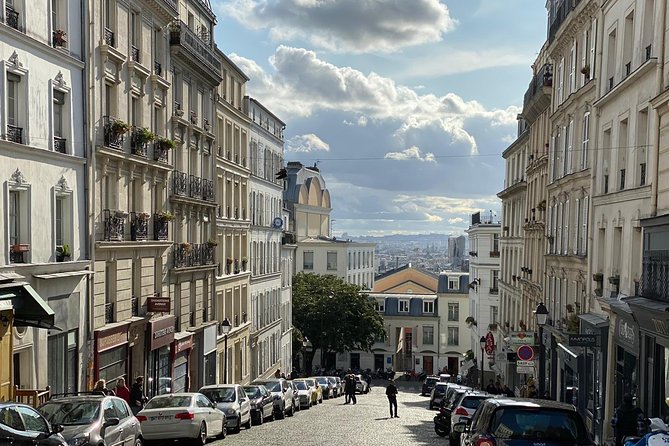
At $112.94 per person, this is a premium two-hour walking tour. The cost covers a professional local guide, a guaranteed semi-private format of up to six according to the main tour description, and the bakery bread. It does not cover Moulin Rouge admission, entry inside Sacré-Cœur, or gratuities.
I see the value in the guide and the route design. Montmartre’s best details are scattered, and a guide can connect them more efficiently than a random walk. The artists’ homes, vineyard references, cabarets, and bakery stop give the experience more shape than a basic transfer to Sacré-Cœur.
The price is harder to justify if you are comfortable exploring on your own or if your main goal is only the basilica. You can walk the streets without booking a tour, and the major outdoor sights do not require admission.
Before booking, pay attention to the group-size language. The experience promises a maximum of six, while the general activity details list a maximum of 15 travelers. That could reflect different booking categories or a broader system limit, but it is worth confirming if the smaller group is central to your decision.
The tour is offered in English and includes mobile ticketing. Confirmation is received at booking, and free cancellation is available until 24 hours before the start time. Public transportation is nearby, and most people can participate, though the cobblestones and uphill route make sensible footwear a good idea.
Who should book this Montmartre walk?
I would choose this tour if you want an organized first introduction to Montmartre and care about its artistic past. It suits you especially well if Van Gogh, Renoir, Picasso, cabarets, and old Paris streets are more interesting than simply checking off Sacré-Cœur.
It also works for a short Paris stay. In two hours, you cover the main north-south route from Moulin Rouge to the basilica without spending an entire morning or afternoon. The ending point lets you continue sightseeing on your own.
Families and mixed-interest groups may like the simple rhythm: famous cabaret, old streets, artists’ addresses, a bakery bite, and a major church. The walk is not built around long indoor visits, so you are not committing to a slow museum program.
I would hesitate if you dislike hills, cobblestones, or scheduled group walks. I would also skip it if you want a full Moulin Rouge performance, an interior tour of Sacré-Cœur, or a substantial food experience. Those are not included.
Should you book it?
Book this tour if you want Montmartre explained through its people and places, not just photographed from the church steps. The strongest features are the small-group format, the artists’ former homes, Au Lapin Agile, the bakery stop, and the downhill-to-uphill story that links Moulin Rouge with Sacré-Cœur.
Skip it if you only need transportation to the basilica or prefer wandering without a guide. At $112.94, the value depends on how much you want personal context and a carefully arranged route. For an art-minded visitor seeking a focused introduction to Montmartre, it is a well-targeted choice, provided you confirm the final group size.
FAQ
Where does the Montmartre tour start?
The tour starts outside Moulin Rouge at Blanche, 75018 Paris, France.
Where does the tour end?
It ends at the Basilica of Sacré-Cœur of Montmartre, at 35 Rue du Chevalier de la Barre, 75018 Paris.
How long does the tour last?
The experience lasts approximately two hours.
What language is the tour offered in?
The tour is offered in English.
What is included in the tour?
The experience includes a professional local guide, the walking route through Montmartre, a warm slice of freshly baked bread from a local bakery, views of Moulin Rouge, artists’ former homes, Place du Tertre, Au Lapin Agile, and the exterior of Sacré-Cœur.
Is admission to Moulin Rouge included?
No. The tour views Moulin Rouge from outside, and admission to the cabaret is not included.
Is entry inside Sacré-Cœur included?
No. The tour includes Sacré-Cœur from outside. You may walk inside after the guided experience.
How many people are in the group?
The tour description guarantees a semi-private group of no more than six people. The additional activity information lists a maximum of 15 travelers, so confirm the group-size details before booking if this matters to you.
Can I cancel for a full refund?
Yes. You can cancel at least 24 hours before the experience begins for a full refund. Changes or cancellations made less than 24 hours before the start time are not accepted for a refund.
Just added around Paris
- Private Paris Marche d’Aligre Walking Tour with Tastings★ 5.0 · 8 reviews
- Private Louvre Museum Tour for Kids & Families with Alberto or his team in Paris★ 5.0 · 41 reviews
- Private Highlights of Paris Tuk-Tuk Experience★ 5.0 · 26 reviews
- Paris Latin Quarter Walking Tour: History & Culture – Small Group★ 5.0 · 14 reviews
- Private Highlights of Paris Bike Tour★ 4.5 · 15 reviews
- Paris Musee d’Orsay PRIVATE TOUR with a Local Private Guide★ 5.0 · 41 reviews
- Private Half Day Historic Tour★ 5.0 · 58 reviews
- Pere Lachaise Cemetery Paris – Exclusive Guided Walking Tour★ 5.0 · 72 reviews
Montmartre and Sacré-Cœur Tours, compared.

Montmartre Hidden Gems and Scenic Highlights Walking Tour
Read our review →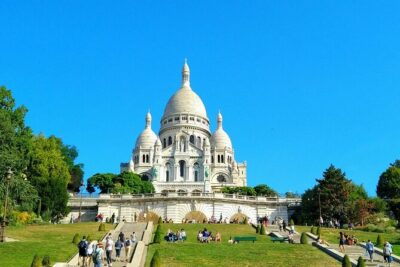
Montmartre Hill French Gourmet Food and Wine Tasting Walking Tour
Read our review →
Montmartre Cheese, Wine & Pastry Guided Walking Tour
Read our review →
Montmartre Highlights Walking Tour with a Local Guide
Read our review →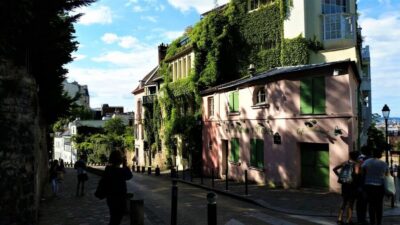
Sacré-Coeur and Montmartre Tour with Expert Guide
Read our review →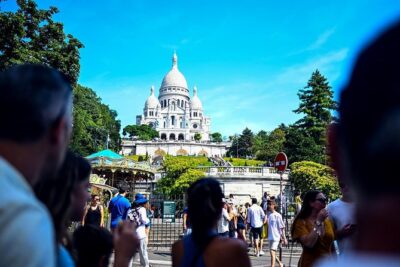
Private Montmartre Food Tour with Wine, Cheese & Pastries
Read our review →
Paris Montmartre Food Tour – A Full French Meal by Do Eat Better
Read our review →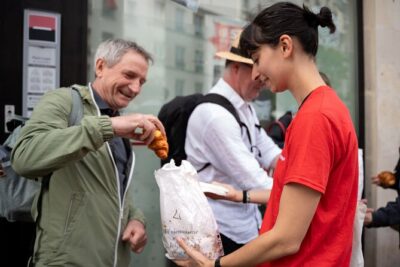
Hidden Montmartre: Paris’ Secret Streets Walking Tour
Read our review →Browse the lists this tour appears in