
Reviewed · MUSéE D’ORSAY TOURS
The Musée d’Orsay Guided Tour Orsay Museum Semi-Private 6ppl Max
The best thing about this Musée d’Orsay tour is its small-group format. With no more than six people advertised, you can ask why Manet shocked Paris, how Monet changed the way we see light, and what Van Gogh was doing differently. Guides such as Liliya, Eduardo, Christophe, Ivana, and Ana have been singled out for clear storytelling, strong art knowledge, and an easy pace.
I like two things right away: reserved museum entry, which can save precious Paris time, and a chronological route that connects Realism, Impressionism, and Post-Impressionism instead of treating each painting as an isolated masterpiece. The main trade-off is price: at $144.21 per person, this costs much more than entering the museum alone. The tour also involves plenty of walking and is not suitable for wheelchair users.
Key points to know before booking
- Six-person format: The tour is advertised as semi-private, with a maximum of six, so you should be able to hear the guide and ask questions.
- A clear artistic timeline: You move from Millet and Manet through Monet, Renoir, Degas, and Van Gogh.
- Reserved entry included: This helps reduce time spent waiting, though security lines and delays can still happen.
- Guides shape the experience: Liliya, Eduardo, Christophe, Ivana, Ana, Daniel, and others have been praised for storytelling and family-friendly pacing.
- Flexible scheduling: Morning, afternoon, and evening departures are available, subject to the chosen date.
- A full museum visit: The tour lasts about two to two and a half hours, then ends at the Musée d’Orsay.
Why the Musée d’Orsay works so well with a guide
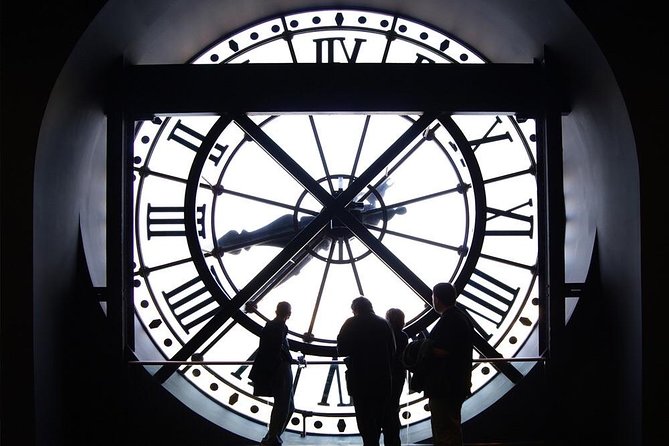
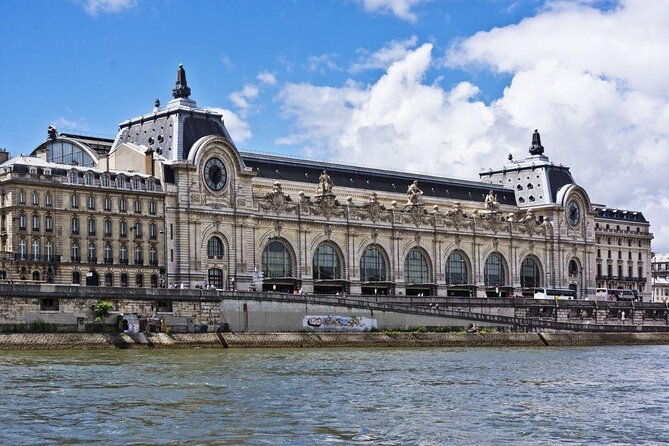
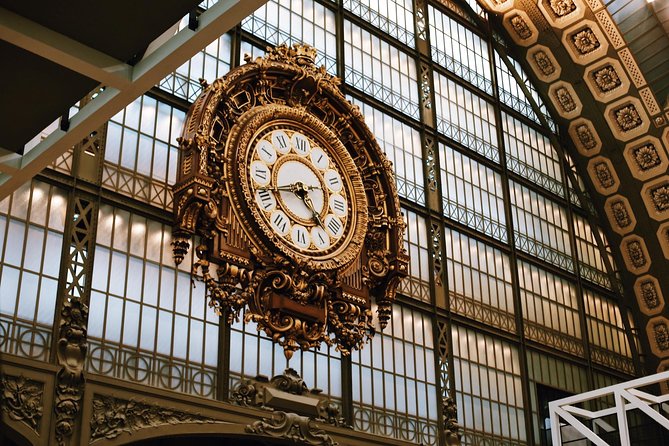
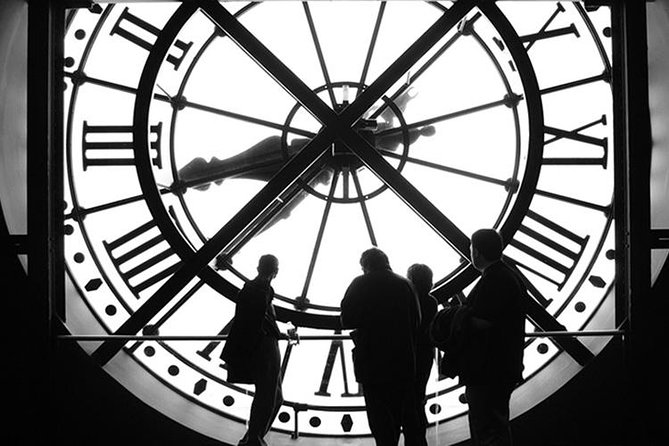
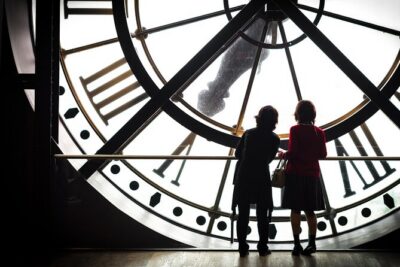
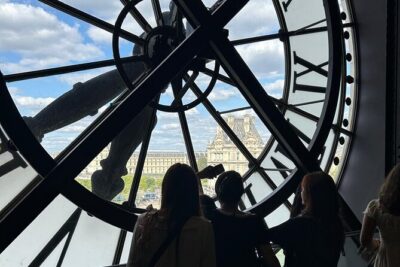
The Musée d’Orsay is not simply a large room filled with famous French paintings. It occupies a former railway station, a Beaux-Arts building whose grand clock, high iron-and-glass interior, and broad galleries give the visit a special sense of place.
That setting can also make the museum feel confusing. The collection covers a major shift in Western art, from academic painting and Realism to Impressionism and the work that came after it. If you walk in without a plan, you may see plenty of beautiful art without understanding why the later paintings were so radical.
This tour gives you a route through that change. Instead of beginning and ending with Monet and Van Gogh, the guide sets up the artists who came before them. Millet’s The Gleaners helps explain Realism and the interest in ordinary rural life. Manet’s Luncheon on the Grass then shows how a painting could provoke the public by challenging accepted ideas about subject matter and presentation.
That context matters. A guide can point out how artists changed their brushwork, color choices, subjects, and treatment of light. You are not only looking at famous names. You are seeing how one generation pushed against the rules of the generation before it.
More Musée d’Orsay Tours:
- Paris in a Day: Louvre or Orsay, Eiffel Tower, City Walk & Cruise
★ 5.0 · 1,956 reviews - Paris: Musée d’Orsay Skip-the-Line Tour with Expert Guide
★ 4.5 · 1,145 reviews - Musée d’Orsay Skip-the-Line Tour with Expert Guide
★ 4.8 · 1,088 reviews
From Millet and Manet to the Impressionists
The route generally begins with the forces that shaped Impressionism. Millet’s The Gleaners is an important stop because it gives dignity and attention to rural workers. The painting is not a polished scene from mythology or ancient history. Its subject is everyday labor, presented on a scale that made a social point.
Then comes Manet, whose Luncheon on the Grass remains one of the museum’s best-known paintings. It caused a scandal partly because of its subject and partly because of the way Manet handled it. Your guide should help you see the tension between traditional artistic references and Manet’s modern, direct approach.
This is one of the tour’s strongest teaching points. The Impressionists did not appear out of nowhere. They inherited ideas from earlier painters, then changed the rules. A good guide makes that chain easy to follow, even if you arrive knowing little about art history.
The guides praised most highly tend to explain rather than lecture. Liliya, for example, has been especially appreciated for turning scandals, rivalries, and personal stories into a clear narrative. Ivana organized the tour around the development of art from Academism and Realism to Impressionism, Cubism, and Neo-Impressionism. That structure is useful because it gives you a mental map of the collection.
Monet, Renoir, and the appeal of Impressionism
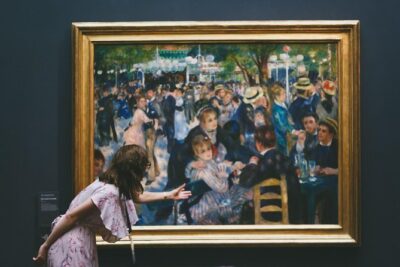
The Impressionist rooms are the heart of the experience. Renoir’s Dance at Le Moulin de la Galette offers a lively scene of Parisian social life, with figures, light, movement, and changing color all competing for your attention.
A guide can help you slow down in front of a painting like this. You may first notice the crowd and the cheerful setting. Then you begin to see the patches of light, the loose brushwork, and the way Renoir suggests faces and clothing without describing every detail. That is the difference between merely recognizing a famous painting and understanding what the artist was attempting.
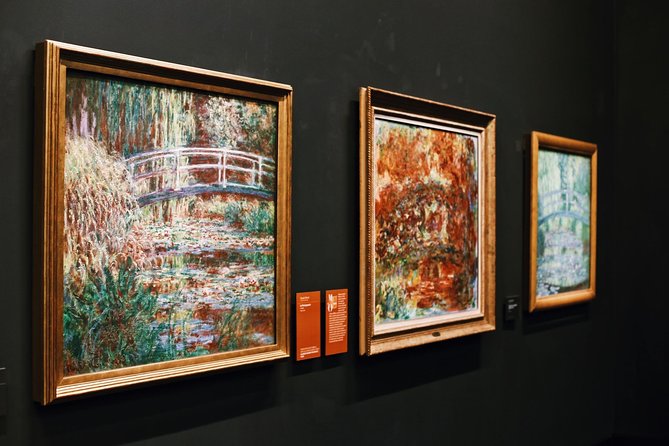
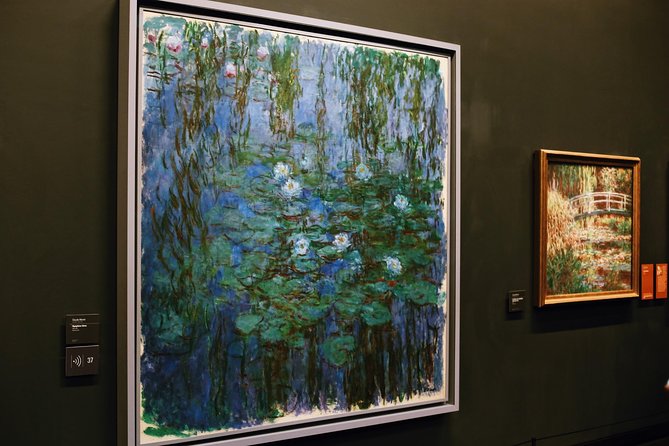
Monet’s Poppy Field and Waterlilies provide a different lesson. His work asks you to look at atmosphere, color, and the changing effects of light rather than at sharply outlined objects. The paintings may seem simple at first glance, but the tour explains why that surface simplicity was so new.
This is where the small group helps. In a large crowd, the guide may have to speak loudly and move quickly. In a group of six, you can ask about a particular color, composition, or technique and get an answer without holding up a long line of people. The smaller setting also makes it easier to hear in galleries where speaking must be quiet.
Do keep expectations realistic. The exact paintings and rooms can change during the year. Works may be on loan, under restoration, or temporarily unavailable. The tour lists the major works as typical highlights, not a permanent guarantee.
Degas and the movement of the human body
Degas’s ballerinas give the tour another way to discuss modern painting. His dancers are not simply pretty figures arranged for decoration. The compositions often feel like a moment caught in passing, with unusual cropping and angles that suggest photography and modern city life.
Your guide may use Degas to explain how artists began to frame scenes in less formal ways. Look for how the dancers are positioned, where the image seems to continue beyond the frame, and how rehearsal or preparation can be as important as performance.
This stop can work especially well for families and younger visitors because the subject is easy to recognize, while the artistic choices invite questions. Lily and Christophe have both been praised for keeping children and teenagers involved, adjusting the pace, and answering questions rather than simply delivering a fixed speech.
The experience is not designed only for art specialists. It suits a first visit to Paris, a family with mixed ages, or anyone who wants a practical introduction before exploring museums alone. If you already have advanced art training, you may prefer a private tour so you can shape the discussion around your own interests.
More art museums in Paris:
- Paris: Louvre Museum Timed-Entrance Ticket
★ 4.6 · 71,977 reviews - Louvre Museum Masterpieces Guided Tour with Access
★ 4.5 · 12,023 reviews - Paris: Louvre Museum Entry Ticket With Host and River Cruise
★ 4.6 · 9,926 reviews - Les Invalides: Napoleon’s Tomb & Army Museum Entry
★ 4.6 · 9,185 reviews
Van Gogh and what came after Impressionism
The tour continues beyond the Impressionists to Post-Impressionism, with Van Gogh’s Bedroom in Arles as a major focus. This painting gives the guide a chance to explain how Van Gogh used color, line, and perspective in a personal way rather than simply copying the world in front of him.
The room appears familiar, but the treatment is not neutral. Colors feel heightened, lines can seem unstable, and the space has an emotional force. A guide can show you how those choices differ from Monet’s interest in light or Renoir’s interest in people and social life.
The museum’s Van Gogh collection is one reason many people choose the Musée d’Orsay over other Paris museums. But the value of this tour is that Van Gogh is not presented as an isolated genius. You see his place in a larger sequence of artistic experiments.
The guide may also point out works by later movements, including Neo-Impressionism and Cubism, depending on the route and current collection. That broader view helps you understand that Impressionism was not the final destination. It opened doors for artists who wanted to break apart color, form, and perspective in new ways.
The guides make the biggest difference
The provider assigns different English-speaking guides, so the tone can vary. That is worth considering when you book. The strongest feedback centers on guides who tell stories, invite questions, and explain visual details in plain language.
Liliya has been praised for making art history feel like a story rather than a list of dates. Eduardo is described as passionate, engaging, and good at showing the timeline leading into Impressionism. Christophe has received praise for his pace, attention to children, and willingness to answer difficult questions.
Other well-regarded names include Ivana, Ana, Daniel, Beatrice, Valerie, Achille, Hugo, Zdravko, Florent, Nancy, Sunday, Alexandra, and Kotryna. Several guides are described as artists or as having formal art-history backgrounds. You cannot assume which guide you will receive, but the range of positive comments suggests that the human element is a major part of the product.
One useful detail: several guides leave time at the end for you to explore on your own. That matters because two and a half hours can introduce the museum without exhausting every room. You get a guided framework first, then a chance to return to a painting you want to study longer.
What the $144.21 price buys you
At $144.21 per person, this is a premium museum visit. The admission fee alone does not explain the cost. You are paying for reserved entry, an English-speaking professional guide, a planned route, and a group small enough for personal questions.
I think the price makes the most sense if you have limited time in Paris, feel uncertain about art, or want to make one museum visit count. A family of four may find the cost worthwhile if managing lines, crowds, and the museum’s size would otherwise be stressful. The kid-friendly option may also be useful if your children need a more flexible pace.
The value is weaker if you enjoy wandering alone, already know the collection well, or are mainly interested in temporary exhibitions. Temporary exhibitions are not included, and the tour focuses on the permanent collection’s major works.
A group discount is listed, but no discount amount is provided. The tour can also be upgraded to a private format. If you want control over the route, have a specialized interest, or need a slower pace, the private option may justify its higher cost.
Timing, entry, and practical details
You can choose from morning, afternoon, or evening departures. An evening tour may suit you if you want to keep the middle of the day open for another part of Paris. A morning visit can be a good fit if you prefer to tackle the museum before a full day of sightseeing.
The meeting point is the Musée d’Orsay at 75007 Paris, and the activity ends there. Hotel pickup and drop-off are not included. Plan to reach the museum by taxi, Uber, or public transportation, and allow enough time to find the meeting point.
Reserved entry reduces the need to wait in the regular admission line, but it does not mean every delay disappears. Security checks can still create lines, especially during busy periods. The museum may also close without much warning, and if opening is delayed by more than an hour, an alternative may be offered. Refunds or discounts are not provided for these museum-related disruptions.
Bring only a small handbag or thin backpack. Large bags and suitcases are not allowed inside. You should also provide a mobile phone number with your country code, since the operator says it is important for tour communication.
The experience requires moderate physical fitness and is not available for wheelchair users or people with walking disabilities. Some rooms require very quiet speech or restricted conversation, so the guide may explain the rules before entering.
One detail deserves clarification before you pay: the tour is repeatedly described as capped at six people, while another booking note says a maximum of eight. Ask the operator to confirm the actual group limit for your date if the six-person size is central to your decision.
Who should book this Orsay experience
I would choose this tour for a first visit to the Musée d’Orsay, especially if you want to understand Impressionism rather than simply photograph its famous paintings. It is also a strong choice for families, since the guides have shown an ability to keep children, teenagers, and adults involved.
The tour suits you if you like asking questions, prefer a clear route, and do not want to spend time guessing which rooms matter most. It is less suitable if you want complete freedom, plan to focus on a temporary exhibition, or need step-free access.
Free cancellation is available until 24 hours before the start time. After that cutoff, changes and refunds are not accepted. The tour also needs at least two people to operate, so a cancellation for low enrollment may result in an alternative date or a full refund.
Should you book it?
Book this Musée d’Orsay tour if the six-person setting, reserved entry, and art-history explanation are worth the premium price to you. The best part is not simply reaching Monet or Van Gogh faster. It is learning why those paintings mattered, how they grew from earlier movements, and what came next.
Skip it if you prefer a self-guided visit and have plenty of time. But for a short Paris stay, a family visit, or a first encounter with Impressionism, this is a practical way to turn a large museum into a clear, manageable story.
FAQ
How long does the Musée d’Orsay guided tour last?
The experience lasts approximately two to two and a half hours. The listed tour duration is 2.5 hours.
What is included in the price?
The price includes the semi-private museum tour, a professional guide, admission, and reserved entry to the Musée d’Orsay. Hotel transportation, gratuities, and temporary exhibitions are not included.
How many people are in the group?
The tour is advertised with a maximum of six people. One additional booking note gives a maximum of eight, so confirm the limit for your selected date if group size is important to you.
Is the tour offered in English?
Yes. The experience is offered in English.
Which artworks are usually included?
Typical highlights include Manet’s Luncheon on the Grass, Renoir’s Dance at Le Moulin de la Galette, Monet’s Poppy Field and Waterlilies, Van Gogh’s Bedroom in Arles, Degas’s ballerinas, and Millet’s The Gleaners. Works may be unavailable if they are on loan or being restored.
Is the tour suitable for wheelchair users?
No. The tour is not available for people with walking disabilities or those using a wheelchair. A moderate level of physical fitness is required.
Can I cancel for a full refund?
Yes, if you cancel at least 24 hours before the experience starts. Cancellations made less than 24 hours in advance are not refunded, and changes within that period are not accepted.
Just added around Paris
- Paris: The Da Vinci Code Walking Tour with a Local Guide★ 4.3 · 5 reviews
- Paris: Flea Market Insider’s Tour in Extra-Small Group★ 4.6 · 73 reviews
- Paris: Private Fashion Tour (Chanel, Dior, Sex & the City)★ 5.0 · 3 reviews
- Paris: Floral Earrings workshop★ 5.0 · 3 reviews
- Paris: Fashion History Walking Tour in the Heart of Paris★ 4.9 · 22 reviews
- PARIS: Family e-bike longtail renting★ 5.0 · 3 reviews
- Paris: Famous Monuments Cycling Tour★ 4.7 · 20 reviews
- Paris: private city tour with seine river cruise★ 4.8 · 28 reviews
Musée d’Orsay Tours, compared.
Paris in a Day: Louvre or Orsay, Eiffel Tower, City Walk & Cruise
Read our review →
Musée d’Orsay Skip-the-Line Tour with Expert Guide
Read our review →
Louvre & Musée d’Orsay Guided Museum Tour Semi-Private 6ppl Max
Read our review →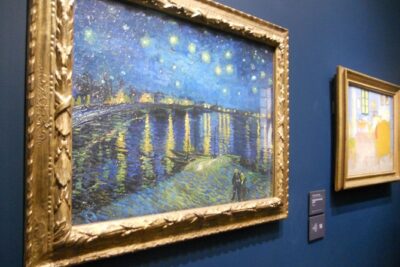
Orsay Museum – Exclusive Guided Tour (Reserved Entry Included)
Read our review →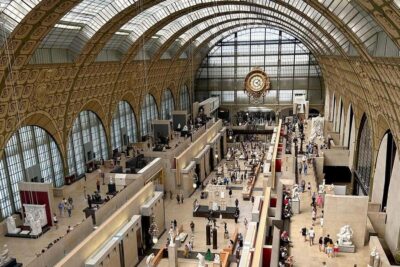
Orsay Museum and Rodin Museum Combo Entry Ticket
Read our review →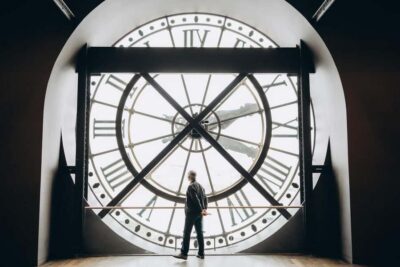
Browse the lists this tour appears in