
Reviewed · LES INVALIDES AND NAPOLEON TOURS
Pairs: The Opera to Hotel des Invalides Guided Walking Tour
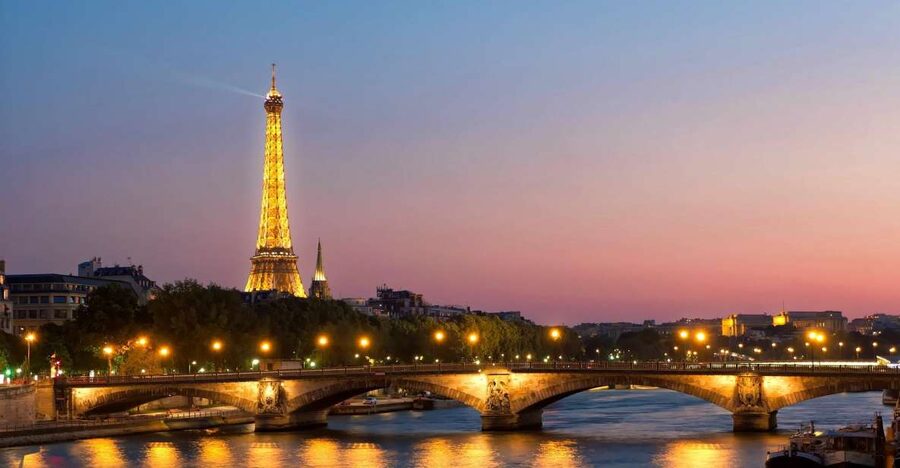
The most interesting thing about this tour is its grand story line: Napoleon III’s Paris, told along one of the city’s most impressive east-to-west walks. You begin at Palais Garnier, pass luxury shops and royal squares, then reach the Seine and Pont Alexandre III, with views toward the Eiffel Tower and the dome of Invalides, where Napoleon rests.
I like the efficient route and the Spanish-speaking guide, especially if you want a quick introduction to central Paris without spending half a day indoors. I also like the mix of architecture, revolution-era history, imperial ambition, and river views. The main consideration is that this is a sightseeing walk, not a ticketed museum tour, and the two-hour schedule may leave you wanting more time at Palais Garnier, Concorde, or the Grand Palais.
Key points at a glance
- Palais Garnier begins the story: See the opera house linked with The Phantom of the Opera and learn why it was built after a tragic event in the emperor’s life.
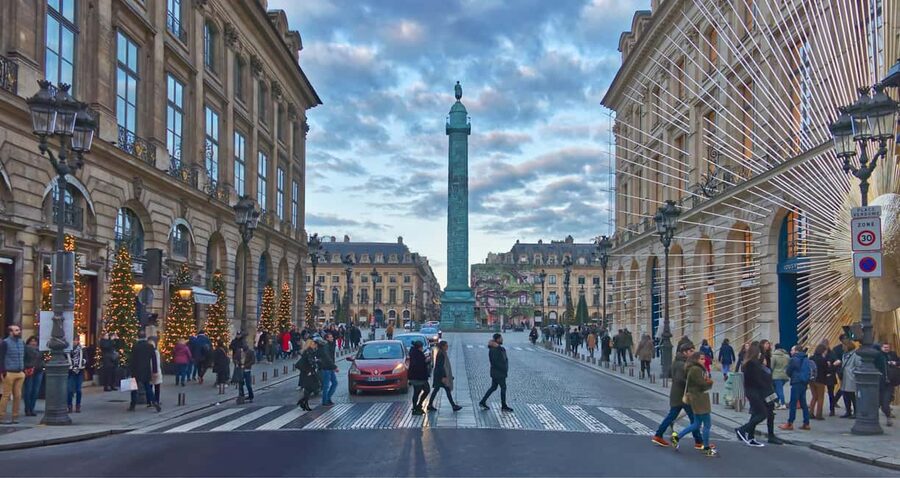
- Place Vendôme brings Parisian luxury: Walk past famous watch, jewelry, and fashion houses, with the Ritz Hotel as the visual centerpiece.
- Place de la Concorde reveals the Revolution: See the Egyptian Luxor Obelisk on the former site of the guillotine.
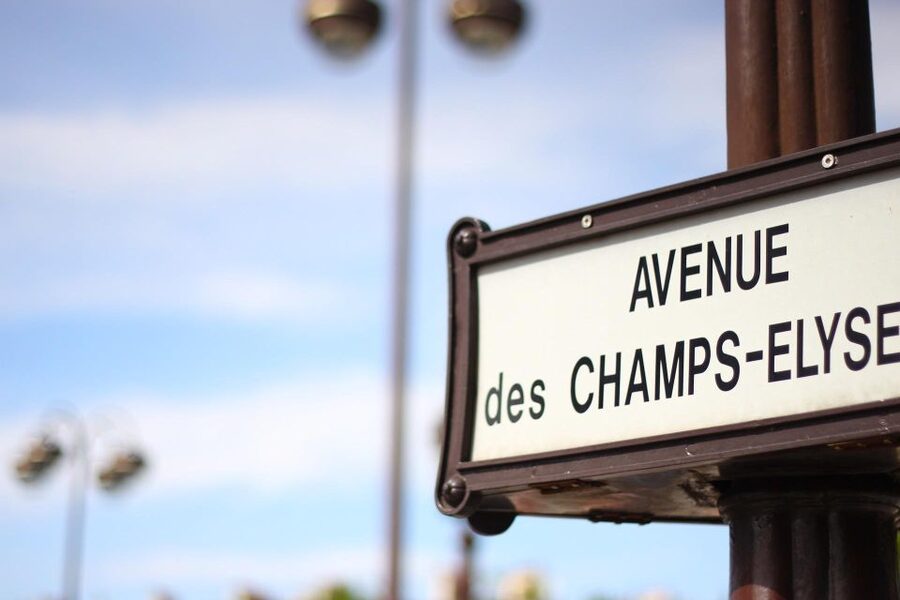
- The Champs-Élysées changes the scale: Follow Paris’s grand boulevard toward the Grand Palais and Petit Palais.
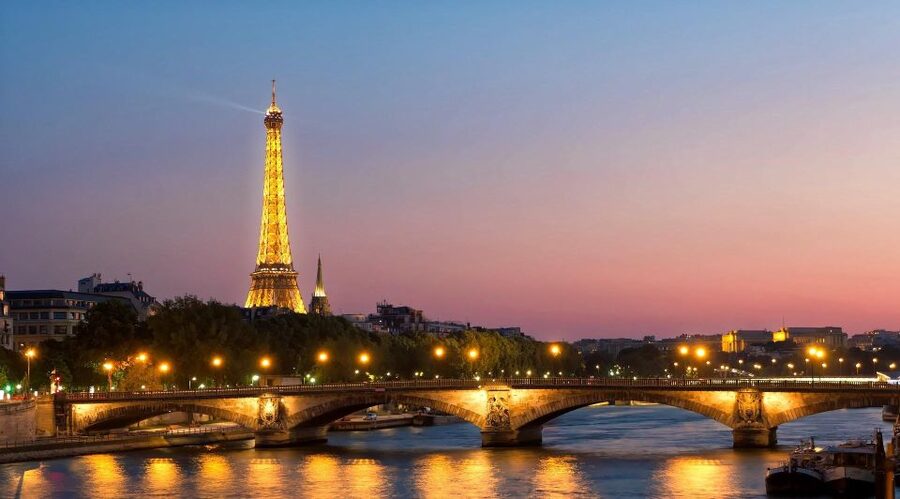
- Pont Alexandre III supplies the finale: Look across the Seine toward the Eiffel Tower and Invalides.
- Spanish is the working language: A live Spanish-speaking guide leads the walk, with Spanish audio support included.
What this two-hour Paris walk is really about
This experience is best understood as a guided orientation to monumental Paris. It does not take you through a string of paid attractions. Instead, it connects famous public spaces and explains how they fit together.
That distinction matters. At $37 per person, you are paying mainly for the route, the guide’s commentary, and the convenience of seeing several major sights in one compact outing. Entrance tickets, transport, and refreshments are extra. If you want a full interior visit to Palais Garnier, you will need to arrange a separate ticket or choose a dedicated opera-house experience.
The route also gives you a useful sense of Parisian scale. You begin at Place de l’Opéra, in the busy heart of the city, and finish beside the Seine at Pont Alexandre III. Along the way, the city shifts from opera and luxury retail to royal ceremony, revolutionary violence, imperial avenues, exhibition palaces, and grand bridges.
The only listed guest feedback praises the kindness and knowledge of the person leading the experience. That is important here because the route depends on explanation. Without a guide, you will see beautiful buildings. With a good guide, you can connect them to the ambitions of Napoleon III, the French monarchy, the Revolution, and Paris’s changing public life.
More Les Invalides and Napoleon Tours:
- Les Invalides: Napoleon’s Tomb & Army Museum Entry
★ 4.6 · 9,185 reviews - Paris: Aura Invalides Immersive Experience Entry Ticket
★ 4.7 · 3,360 reviews - Paris Entrance Ticket to the Aura Invalides Immersive Show
★ 4.0 · 174 reviews
Meeting at Place de l’Opéra
The meeting point is outside the Opera metro station, in front of Café de la Paix and Palais Garnier. Look for a small white flag marked with the company’s red flame symbol.
This is a practical meeting spot, but Place de l’Opéra can be crowded and visually busy. Give yourself enough time to come out of the correct metro exit and identify the guide. The nearby opera palace and café make the location easier to recognize, though the large number of people around the square can make a last-minute search stressful.
The tour is offered in Spanish, and the guide leads the walk live. Spanish audio support is also included. No guide name is provided in the tour details, so you should not expect to request a particular person when booking.
Palais Garnier and the Phantom of the Opera
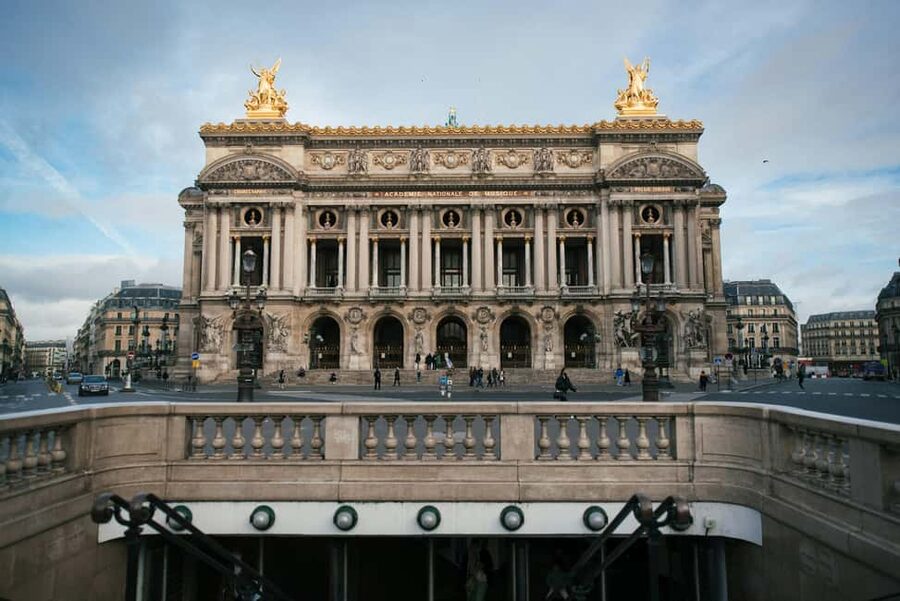
Palais Garnier is a strong place to begin. Its scale and decoration immediately announce the grand, theatrical character of this part of Paris. The building was dedicated to music and opera, and it is closely linked with The Phantom of the Opera.
The tour presents the opera house as part of the emperor’s Paris, including the tragic event that helped inspire its construction. That opening gives the walk a clear human angle. You are not simply looking at a grand façade. You are hearing why an imperial city wanted a new opera house and how personal tragedy shaped the project.
The supplied schedule allows for a visit, guided commentary, free time, and walking, but entrance tickets are not included. Read that detail carefully. You may receive an exterior explanation and time to look around, but a paid interior admission is not part of the $37 price unless the operator provides different instructions after booking.
That is the first important value question. If your priority is the lavish interior of Palais Garnier, book a dedicated admission or private tour instead. If you mainly want the building as the opening chapter of a broader city walk, this experience gives you more variety.
Rue de la Paix and Place Vendôme
From the opera district, the route continues along Rue de la Paix toward Place Vendôme. This is one of the most polished stretches of central Paris, lined with luxury watch, jewelry, and fashion names.
You do not need to shop to appreciate the area. The point is to see how Paris presents wealth and prestige through architecture, storefronts, and carefully planned public space. The contrast with the revolutionary drama at Concorde later in the walk is part of the appeal.
Place Vendôme also gives the guide a chance to explain how royal and imperial Paris used formal squares to project power. The Ritz Hotel is the main visual landmark mentioned for this stop, and it provides an easy reference point as you take in the square.
This part of the route may appeal most to you if you enjoy design, fashion, luxury brands, and urban history. If you prefer small streets, local markets, or neighborhood life, Rue de la Paix may feel polished rather than personal. The tour does not pretend to offer everyday Paris here. It shows you the city’s ceremonial and affluent face.
More walking tours in Paris:
- Paris Top Sights Half Day Walking Tour with a Fun Guide
★ 5.0 · 2,893 reviews - Montmartre Hidden Gems and Scenic Highlights Walking Tour
★ 5.0 · 2,684 reviews - Montmartre Hill French Gourmet Food and Wine Tasting Walking Tour
★ 5.0 · 2,588 reviews - Paris Île de la Cité and Notre-Dame Walking Tour With Crypt
★ 5.0 · 2,272 reviews
Place de la Concorde and the Luxor Obelisk
The walk then reaches Place de la Concorde, one of Paris’s most loaded public spaces. Today, the Egyptian Luxor Obelisk draws the eye from the center of the square. During the French Revolution, the same area was used for the guillotine.
That sharp contrast makes Concorde one of the strongest stops. You can look at a graceful monument while thinking about a period of public fear, political upheaval, and execution. The surrounding Tuileries Gardens add another layer, linking the square to the old royal world that the Revolution challenged.
The guide’s job here is to help you see beyond the postcard view. The obelisk is not simply an exotic decoration. The square is also a record of how Paris has reused public spaces and attached new political meanings to them.
Keep in mind that this is a walking explanation, not an extended historical seminar. The two-hour duration puts a limit on how much detail the guide can provide at each stop. If you want a close study of the Revolution, this tour should be a starting point rather than your main history activity.
The Champs-Élysées and two exhibition palaces
The route continues along the Champs-Élysées, often described as the world’s most beautiful boulevard. That claim is a matter of taste, but the avenue’s scale is hard to miss.
Here, the story shifts from royal and revolutionary Paris to the city’s imperial and modern ambitions. The boulevard connects monumental spaces and gives you a sense of how Paris was shaped for ceremony, public display, and movement.
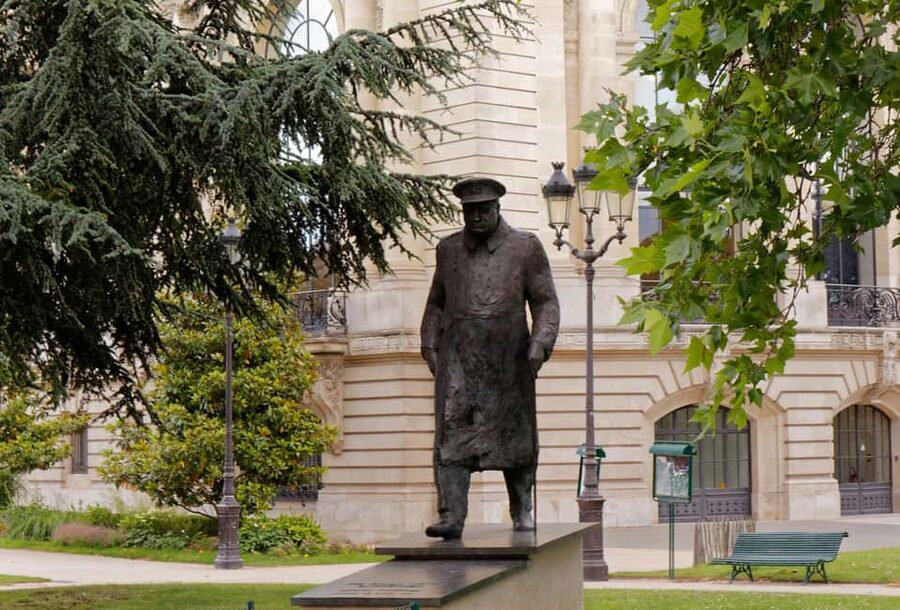
A particularly useful stop comes between the Grand Palais and Petit Palais. Both are tied to the 1889 World Fair, and the guide presents them as part of a unique exhibition era. Their presence shows how Paris used architecture and public events to announce its cultural importance.
You may find this section visually rewarding even if you do not enter either building. The exteriors are enough to make the point about scale and design, while the guide supplies the historical link. Still, admission is not included, and the short route does not promise time for an interior visit.
The Champs-Élysées can also be busy and exposed. You will be walking in a major urban corridor rather than through a quiet old quarter. Wear comfortable shoes and expect the pace to favor steady progress over long pauses.
Pont Alexandre III and the view toward Invalides
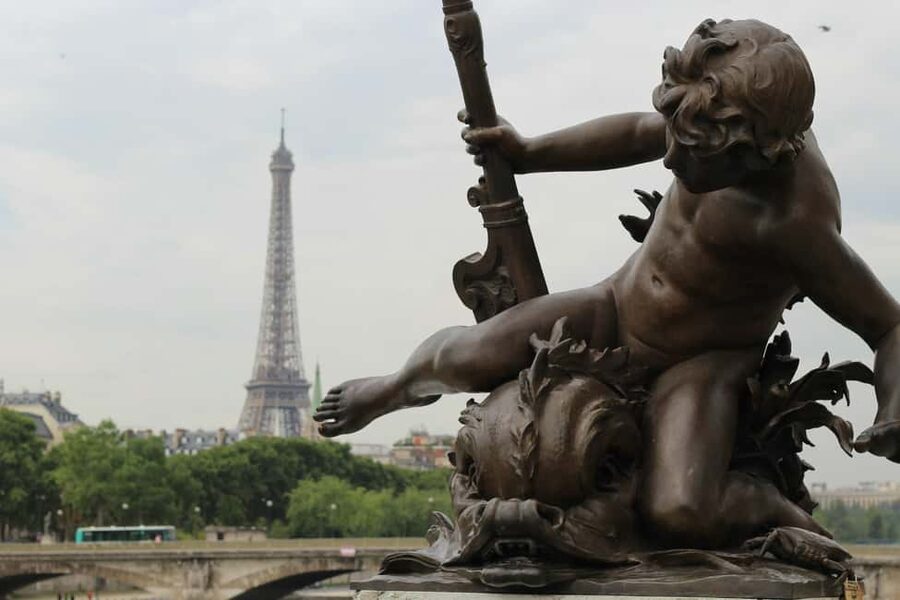
The final major stop is Pont Alexandre III, a monumental bridge named as an architectural tribute to a Russian tsar. This is where the route reaches the Seine and opens toward some of Paris’s most recognizable views.
From the bridge, you can see the Eiffel Tower and look toward Invalides. The tour’s theme includes the place where Napoleon rests, but the route finishes at Pont Alexandre III rather than inside the Invalides complex. That means you should not assume that a tomb or museum admission is included.
The bridge works well as a finish because it gathers several themes in one view: imperial ceremony, international friendship, the Seine, Parisian monuments, and the long sight lines created by the city’s grand planning. After the enclosed streets near the Opera, the river gives you room to pause and take photographs.
This is also a useful point for continuing your day. The tour provider offers recommendations for dancing, eating, and nightlife after the walk. Specific venues are not listed, so treat that as a helpful extra rather than the main reason to book.
How much value do you get for $37?
The price is reasonable if you want a compact guided introduction in Spanish and plan to continue exploring on your own afterward. The route covers several expensive-looking parts of Paris without charging admission to each place, and the guide helps connect sights that can otherwise feel unrelated.
The value is less clear if you expect interior access. Food, drinks, transport, and entrance tickets are excluded. You are paying for the live guide, the organized route, and the explanations, not for a bundle of admissions.
I would compare the price with your own plans. If you already intend to visit Palais Garnier, Invalides, or a Seine attraction separately, this walk can help you understand the city before or after those visits. If you want a one-stop ticket that includes attractions, it is not that kind of product.
A two-hour duration is another advantage. It is short enough to fit around lunch, an evening reservation, or a museum visit. The tradeoff is pace. You will cover a lot of ground, and free time at each location may be limited.
Who should book this experience?
I would recommend this walk to you if:
- You prefer Spanish-language guiding.
- You want a broad first look at central Paris.
- You enjoy architecture, royal history, revolutionary history, and imperial city planning.
- You want to connect the Opera district with the Seine in one outing.
- You would rather walk between sights than spend the whole experience inside one building.
- You need a two-hour activity that can fit into a busy Paris schedule.
I would look elsewhere if your main goal is entering Palais Garnier, touring Napoleon’s tomb, or spending a long time at the Grand Palais or Petit Palais. Those interests call for separate admission-based visits.
The tour is listed as wheelchair accessible. Since the walk crosses major public spaces and covers a substantial route, you may still want to confirm the exact meeting and street conditions before booking if you have specific mobility needs. The activity does not include transport.
Practical advice before you go
Arrive at the Opera metro meeting point early enough to find the correct exit. The guide carries a small white flag with a red flame, and the meeting point is in front of Café de la Paix and Palais Garnier.
Wear shoes suited to two hours of city walking. The route includes streets, broad squares, the Champs-Élysées, and a bridge. Paris weather can change quickly, and much of the experience takes place outdoors.
Bring your own plan for the end of the tour. The finish at Pont Alexandre III is scenic, but the activity does not include food or drinks. You may want to continue toward Invalides, the Eiffel Tower, the Seine, or another central Paris stop, depending on your schedule.
Spanish is the listed language for both the live guide and the audio support. If you need another language, this is probably not the right choice based on the information available.
You can cancel up to 24 hours before the start for a full refund, and you can reserve now while paying later. Those terms are useful if your Paris plans are still shifting.
Should you book the Opera to Invalides walk?
Book it if you want a Spanish-language introduction to monumental Paris at a moderate price, especially if you like moving through the city rather than sitting in a museum. The sequence from Palais Garnier to Place Vendôme, Concorde, the Champs-Élysées, and Pont Alexandre III gives you a clear visual story in only two hours.
Skip it if you need guaranteed entry to Palais Garnier or Invalides, or if you prefer a slower, more specialized tour. The experience is strongest as an overview and orientation. Add separate tickets for the interiors that matter most to you, and this walk can be a useful way to put Paris’s grand avenues and famous monuments into context.
FAQ
Where does the tour begin?
It begins outside the Opera metro station, in front of Café de la Paix and Palais Garnier.
How do I identify the guide?
The guide will carry a small white flag with the company’s red flame symbol.
Where does the tour finish?
The tour finishes at Pont Alexandre III.
How long does the experience last?
The walking tour lasts two hours.
What language is the tour in?
The live tour guide speaks Spanish, and Spanish audio support is included.
Is Palais Garnier entrance included?
Entrance tickets are not included. The tour includes a guided visit and free time as part of the walk, but you should not assume that an interior admission ticket is covered.
Is entry to Invalides included?
No entrance tickets are included. The route ends at Pont Alexandre III and provides views toward Invalides, where Napoleon rests.
Are food and drinks included?
No. Food and drinks are not included in the price.
Is transport included?
No. Transport is not included.
Is the tour wheelchair accessible?
Yes, the activity is listed as wheelchair accessible.
Can I cancel the booking?
Yes. You can cancel up to 24 hours in advance for a full refund.
Can I pay later?
Yes. The reserve-now, pay-later option lets you hold your place without paying immediately.
Just added around Paris
- Paris: The Da Vinci Code Walking Tour with a Local Guide★ 4.3 · 5 reviews
- Paris: Flea Market Insider’s Tour in Extra-Small Group★ 4.6 · 73 reviews
- Paris: Private Fashion Tour (Chanel, Dior, Sex & the City)★ 5.0 · 3 reviews
- Paris: Floral Earrings workshop★ 5.0 · 3 reviews
- Paris: Fashion History Walking Tour in the Heart of Paris★ 4.9 · 22 reviews
- PARIS: Family e-bike longtail renting★ 5.0 · 3 reviews
- Paris: Famous Monuments Cycling Tour★ 4.7 · 20 reviews
- Paris: private city tour with seine river cruise★ 4.8 · 28 reviews
Les Invalides and Napoleon Tours, compared.

Les Invalides: Napoleon’s Tomb & Army Museum Entry
Read our review →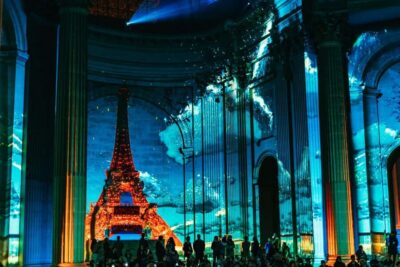
Aura Invalides Immersive Experience Entry Ticket
Read our review →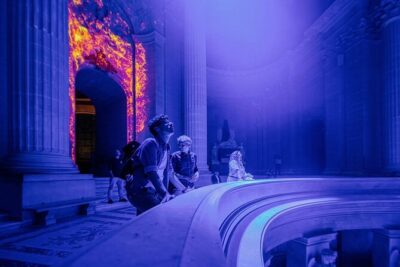
Paris Entrance Ticket to the Aura Invalides Immersive Show
Read our review →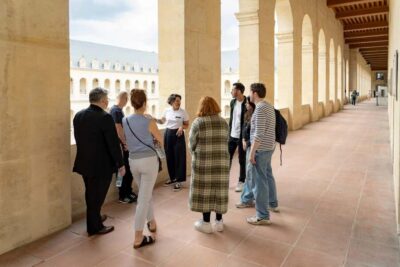
Napoleon’s Tomb & Invalides Small Group Guided Tour
Read our review →
Browse the lists this tour appears in