
Reviewed · CONCERTS
Paris: Classical Music Concert in Saint-Julien-le-Pauvre
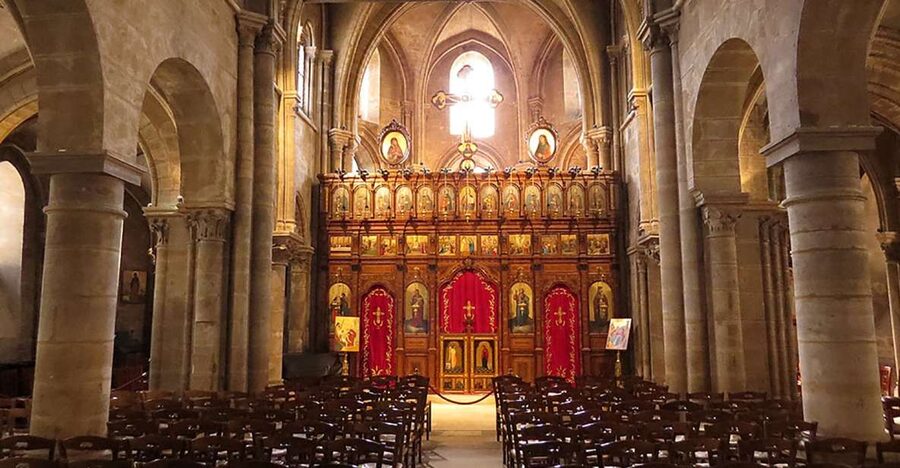
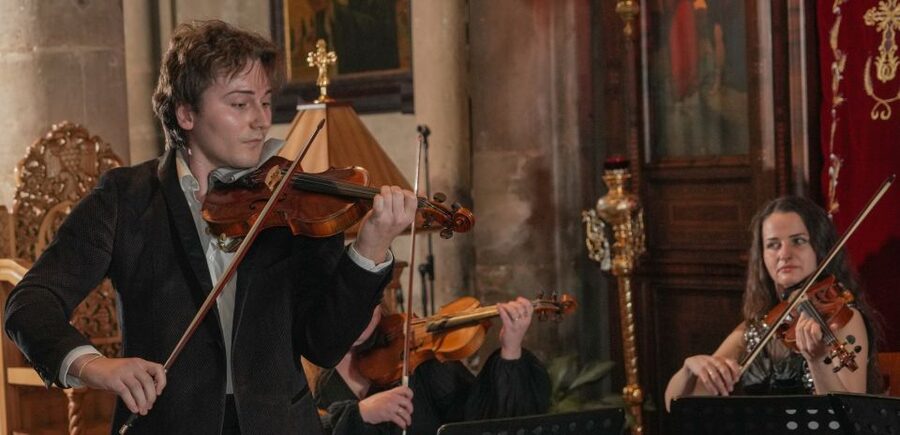
A 12th-century church, a small ensemble, and Vivaldi’s Four Seasons make a fine Paris evening. This 65-minute concert at Saint-Julien-le-Pauvre keeps things simple: enter an ancient stone building, take your seat, and hear familiar classical works played live by Ensemble Royal and two guest soloists.
I like the intimate setting, where the church’s acoustics give the music a close, direct sound. I also like the location, just beside Notre-Dame in the Latin Quarter, so you can pair the concert with dinner or a walk along the Seine. The main consideration is comfort and sightlines: chairs may feel hard, and people seated toward the back may hear the musicians better than they see them.
Key points to know before booking
- A short program of famous works: Expect pieces by Vivaldi, Mozart, Handel, and Saint-Saëns rather than an evening of obscure modern music.
- A medieval church venue: Saint-Julien-le-Pauvre gives the concert an atmosphere that a modern hall cannot match.
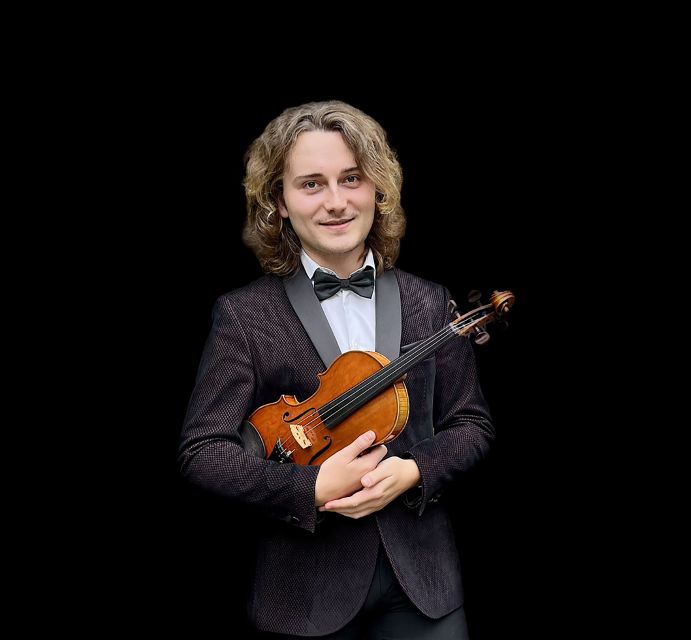
- Two featured soloists: The program includes a guest violinist and a singer, with past performances featuring Dorian Rambaud and Olga Voljnovic.
- Excellent central location: The church is close to Notre-Dame, the Seine, restaurants, and the narrow streets of the Latin Quarter.
- Good value for a compact evening: At $46 per person, the ticket covers the concert itself, with no food or drinks included.
- A few practical limits: Some seats have a restricted view, announcements may be difficult to understand, and the seating is not designed for luxury.
Inside Saint-Julien-le-Pauvre
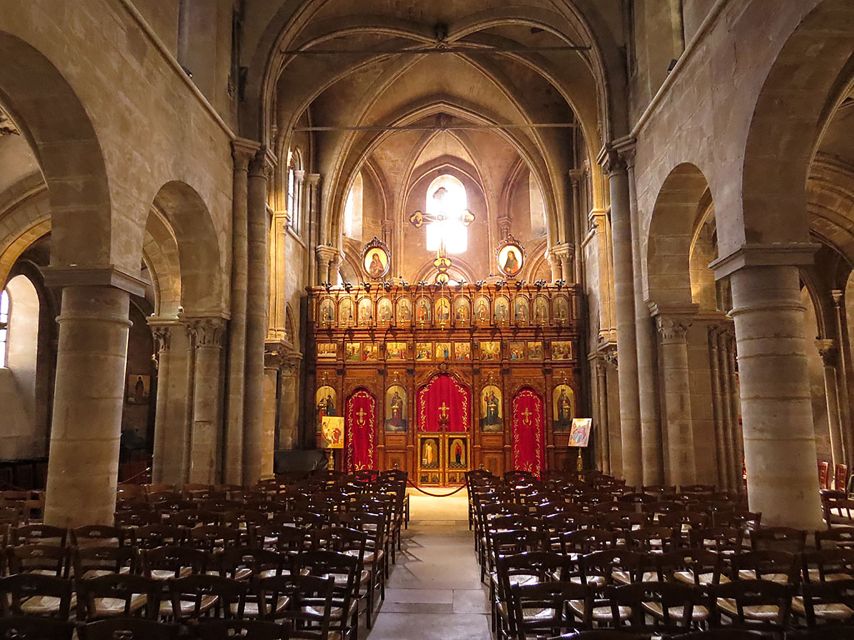
The venue does much of the work before the first note. Saint-Julien-le-Pauvre is one of Paris’ oldest religious buildings, with medieval stonework and the quiet, slightly worn character you want from a historic church. It is not a grand concert hall, and that is precisely the point.
You sit close to the performers in a small space rather than looking down from a distant balcony. The church’s stone surfaces carry the sound, giving strings and voices a lingering quality. Several people have singled out the acoustics, and that praise makes sense: music in a stone church has a natural echo that adds warmth without needing a large orchestra.
The setting also changes the pace of your evening. Outside, the Latin Quarter can feel crowded and noisy. Inside, the light, architecture, and silence create a clear break from the city. I like that contrast. You do not need a long transfer or a complicated plan to find it. The church is right in the center of the Left Bank, near Notre-Dame and the Seine.
Take care when arriving. There is another church across the road that can look more traditionally churchlike, and one concertgoer nearly made a last-minute dash after confusing the two buildings. Go to Saint-Julien-le-Pauvre itself and meet the staff directly in front. They will guide you to your seat.
More concerts and classical music in Paris:
- Paris: Classical Music Concert Tickets in Parisian Churches
★ 4.7 · 405 reviews - Paris: Romantic Piano Concert at Saint-Julien-le-Pauvre
★ 4.7 · 126 reviews - Harlem in Paris : the Birth of Jazz in France (Small Group Walking Tour)
★ 5.0 · 37 reviews
What the 65-minute program includes
The exact running order can vary, but the advertised selection gives you a clear idea of the evening. You can expect familiar pieces with strong melodies and immediate appeal:
- Vivaldi’s Spring and Summer
- Mozart’s Lacrimosa from the Requiem
- Handel’s Largo from Xerxes
- Saint-Saëns’ The Swan
This is a welcoming program for someone who knows classical music well and for someone who simply wants to hear the pieces they recognize from films, concerts, or childhood music lessons. The selection also gives the performers room to show different colors: lively string passages from Vivaldi, solemn choral feeling in Mozart, calm lyricism from Handel, and the gentle flow of Saint-Saëns.
The advertised highlights mention Spring and Summer, but past performances have also included other parts of The Four Seasons. Do not assume every season will appear at every sitting. The important point is that Vivaldi’s music is a central feature, with a solo violinist taking a prominent role.
The program also includes a vocal soloist. Past performances have featured soprano Olga Voljnovic, while violinist Dorian Rambaud has received particular praise for his playing. The exact performers may depend on the date, so check the booking details if a specific artist matters to you.
One practical virtue is the length. Sixty-five minutes is long enough to feel like a proper concert but short enough to fit into a busy Paris itinerary. You can visit Notre-Dame, walk beside the Seine, have dinner in the Latin Quarter, and still avoid committing your whole evening to a formal production.
Some performances may run beyond the scheduled hour. One concertgoer described a program lasting about 90 minutes, but you should treat that as a pleasant possibility, not a promise. If you have a fixed dinner reservation or a train to catch, leave extra time.
The sound of strings, soprano, and stone
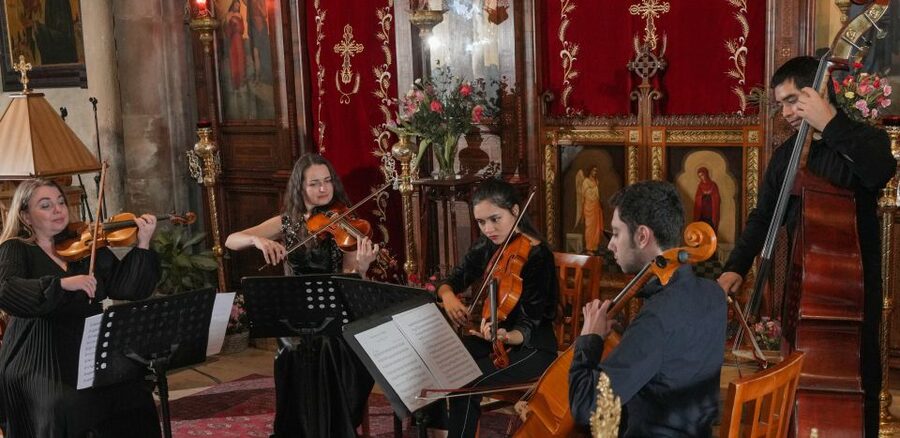
The strongest part of this experience is the music itself. The small format puts attention on the players. You hear the bow work, the changes in attack, and the contrast between the ensemble and the featured violinist.
Vivaldi is especially well suited to this space. Spring can sound bright and playful, while Summer brings sharper energy. A skilled solo violinist gives the pieces a sense of conversation, with the instrument moving between the ensemble and the room. Past performances have been praised for the solo violin work, with Dorian Rambaud receiving especially warm attention.
The soprano adds a different kind of drama. In Mozart’s Lacrimosa, the church’s reverberation can make the vocal line feel solemn and spacious. That effect is one reason to choose this concert instead of simply listening to classical music through headphones. You are not only hearing the notes. You are hearing how the room shapes them.
There is a tradeoff. Reverberation can soften the edges of fast passages, and not every word of a spoken introduction may be clear. A few audience members found the announcement microphone fuzzy or difficult to understand. That matters less if you are coming for the music rather than a detailed lecture, but you should not expect a full concert commentary in polished English.
The ensemble has also earned praise for its energy and coordination. The performers are described as young and highly talented, with the soloists often receiving special attention. The format feels more personal than a large symphony performance. You see the musicians working together at close range, and the applause comes from a small room rather than a vast auditorium.
Choosing your seat and managing expectations
The church’s intimacy is a plus, but it also means that seating position matters. From the back, you may have a limited view of the musicians. You will still hear the music, but if watching the violinist’s bowing or the soprano’s performance is important to you, try to arrive with enough time to follow the staff’s seating directions and choose carefully if seating is open.
The chairs are functional rather than plush. One older concertgoer found the seating uncomfortable, and that is worth remembering if you have back or joint problems. The event lasts about an hour, not an entire night, so most people can manage it, but this is not a soft-seat theater experience.
The church is wheelchair accessible, which makes the central venue easier to consider for more visitors. Still, the supplied information does not give detailed seating or restroom specifications, so you may want to confirm any particular access needs before booking.
The atmosphere is quiet and respectful, but this is still a working religious building. You are entering a historic church, not a purpose-built performance center. You may find uneven visual conditions, simple seating, and a less polished presentation than at a major Paris concert hall. For me, those limits are part of the character, as long as you know what you are buying.
Same city, a completely different afternoon:
- Paris: Louvre Museum Timed-Entrance Ticket
★ 4.6 · 71,977 reviews - Disneyland® Paris 1-Day Ticket
★ 4.6 · 49,412 reviews - Paris: Versailles Palace and Gardens Full Access Ticket
★ 4.6 · 41,579 reviews - Paris: Evening River Cruise with Music
★ 4.4 · 22,721 reviews
Why the Latin Quarter location adds value
A concert here is easy to combine with other parts of central Paris. Saint-Julien-le-Pauvre sits close to Notre-Dame, making it a natural evening stop after visiting the cathedral and the Île de la Cité. The Seine is nearby, and the Latin Quarter begins around you with narrow streets, old buildings, and a broad choice of traditional restaurants.
I would avoid treating the concert as an isolated ticket. Plan the whole evening around the neighborhood. Visit Notre-Dame or walk along the river first, arrive at the church for the performance, then wander toward dinner afterward. The music provides a calm middle section between sightseeing and the evening meal.
The setting also makes this a good choice for a first Paris night. You get a cultural experience without needing to understand French theater etiquette or find a distant venue. The host or greeter speaks French and English, and the meeting point is straightforward: go to the front of Saint-Julien-le-Pauvre.
The area is busy at popular times, so give yourself enough time to identify the correct church. The location is excellent, but the surrounding streets can make a quick arrival less relaxing if you are cutting it close.
Is $46 a fair price?
At $46 per person, the ticket is not the cheapest way to hear music in Paris, but it offers more than a standard short performance in a plain room. You are paying for live playing by Ensemble Royal, two soloists, and the setting of a medieval church in one of the city’s most central areas.
The value is strongest if you already plan to visit the Latin Quarter. There is no separate transportation expense to a far-off concert venue, and the 65-minute length leaves room for dinner or another activity. You also get a recognizable program rather than a gamble on unfamiliar works.
The value is weaker if you want a full-scale orchestra, a long concert, or formal program notes. Food and drinks are not included, and this is a compact performance rather than a grand evening at a major opera house. You should also remember that the concert ticket does not turn the church into a museum visit. The musical program is the main event.
For an evening of well-known classical pieces in a memorable setting, I consider the price reasonable, particularly for first-time Paris visitors who want something beyond the usual monuments. If you are on a tight budget, compare it with free church concerts or public performances, but those options may not offer this same listed ensemble, soloist format, or fixed booking time.
Who will enjoy this concert most
This experience fits several kinds of visitors:
- Classical music newcomers: The familiar repertoire gives you an easy entry point without requiring background knowledge.
- Experienced listeners: You can focus on the solo playing, vocal work, acoustics, and closeness of the venue.
- Couples seeking a quiet evening: The church and music create a more reflective setting than a busy restaurant or bar.
- Families with older children: The 65-minute format is manageable, especially for children who enjoy live music.
- Sightseers with limited time: The central location and short duration fit neatly into a packed Paris schedule.
- Visitors who prefer small venues: You get a close view and a more personal atmosphere than at a large hall, although rear seats may limit that advantage.
I would be less likely to recommend it to someone who wants a full orchestra, a comfortable theater seat, or a detailed spoken introduction in English. It also may not suit anyone who needs a guaranteed clear view from every seat.
A simple plan for the evening
Give yourself time to reach the church without rushing. The meeting point is directly in front of Saint-Julien-le-Pauvre, where staff will direct you inside and show you to your seat. Because another church is nearby, check the name carefully before settling in.
Once seated, take a moment to look around. The medieval interior is part of the experience, and the concert works best when you allow the room to become part of the listening. You do not need to know the background of every piece. The program is built around music that can speak for itself.
After the final applause, stay in the Latin Quarter. Walk toward the Seine, browse the old streets, or choose one of the nearby restaurants. The concert is short enough that you can make dinner the second half of the evening rather than trying to squeeze it in beforehand.
Cancellation is flexible, with a full refund available when you cancel at least 24 hours ahead. You can also reserve now and pay later, which helps if your Paris schedule is still changing.
Should you book it?
Book this concert if you want famous classical music in a genuinely historic room, especially if Notre-Dame and the Latin Quarter are already on your plan. The setting, acoustics, central location, and strong solo performances give the evening real character.
Go in with sensible expectations. Seating is basic, the rear view may be limited, and announcements may not always be easy to understand. But if those points do not bother you, $46 buys a focused, atmospheric concert rather than a generic tourist show.
I would choose it for a first Paris visit, a quiet date night, or the end of a long sightseeing day. Vivaldi, Mozart, Handel, and Saint-Saëns in an old stone church is a hard combination to improve upon without spending much more.
FAQ
How long does the concert last?
The scheduled duration is 65 minutes. Some performances may run longer, but you should plan around the stated 65-minute length and leave extra time if you have another reservation.
Where does the concert take place?
It takes place at Saint-Julien-le-Pauvre church in Paris’ Latin Quarter, close to Notre-Dame and the Seine.
What music is performed?
The advertised program includes Vivaldi’s Spring and Summer, Mozart’s Lacrimosa from the Requiem, Handel’s Largo from Xerxes, and Saint-Saëns’ The Swan. The exact program can vary.
Who performs the concert?
The performers are Ensemble Royal, joined by two guest soloists. Past performances have featured violinist Dorian Rambaud and soprano Olga Voljnovic.
Is the concert suitable for someone who does not know classical music?
Yes. The program focuses on well-known works with memorable melodies, so you do not need prior knowledge to follow the evening.
Is the venue wheelchair accessible?
Yes, the activity information states that the venue is wheelchair accessible.
Can I cancel my booking?
You can cancel up to 24 hours before the activity for a full refund. A reserve-now-and-pay-later option is also available.
Just added around Paris
- Paris: The Da Vinci Code Walking Tour with a Local Guide★ 4.3 · 5 reviews
- Paris: Flea Market Insider’s Tour in Extra-Small Group★ 4.6 · 73 reviews
- Paris: Private Fashion Tour (Chanel, Dior, Sex & the City)★ 5.0 · 3 reviews
- Paris: Floral Earrings workshop★ 5.0 · 3 reviews
- Paris: Fashion History Walking Tour in the Heart of Paris★ 4.9 · 22 reviews
- PARIS: Family e-bike longtail renting★ 5.0 · 3 reviews
- Paris: Famous Monuments Cycling Tour★ 4.7 · 20 reviews
- Paris: private city tour with seine river cruise★ 4.8 · 28 reviews
Concerts, compared.

3-Course-Dinner Cruise on the Seine with live music
Read our review →
4-Course Dinner Cruise on Seine River with Live Music
Read our review →
Gourmet Dinner Cruise on Seine River with Live Music
Read our review →
Seine River Cruise with 3-Course Dinner & Live Music
Read our review →
Classical Music Concert Tickets in Parisian Churches
Read our review →
Seine River Champagne Dinner Cruise with Live Music
Read our review →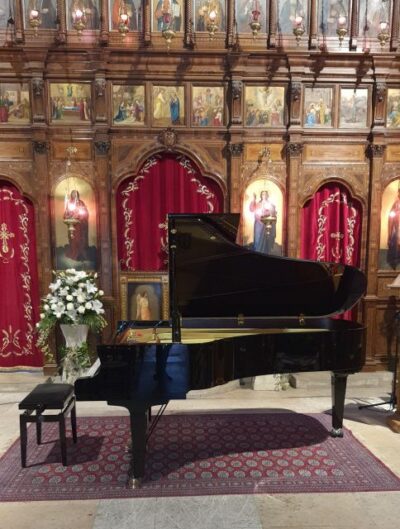
Romantic Piano Concert at Saint-Julien-le-Pauvre
Read our review →Browse the lists this tour appears in