
Reviewed · PARIS WALKING TOURS
Paris: French Revolution Walking Tour
The French Revolution feels different when you are standing on the old streets where fear, hunger, politics, and anger turned into open revolt. This two-hour walk links Parisian places with the events of 1789 and the years of executions, faction fights, and sudden reversals that followed.
I like the way the tour turns a complicated subject into a clear story, and I like the attention given to small physical clues, churches, streets, and objects that can be missed when you explore Paris alone. Guides such as François and Louis are especially good at making a difficult subject easy to follow.
The main limitation is time. Two hours can introduce the Revolution well, but it cannot cover every major site, including the Place de la Concorde and Champs de Mars. The walking route also is not strictly chronological, so you will need to follow the guide’s explanation rather than expect a simple start-to-finish timeline.
Key points to know before you book
- Start at Place du Châtelet: Meet in front of the Fontaine au Sphinx, not at a hotel or museum.
- Follow the Revolution through central Paris: The walk uses streets, churches, and landmarks connected with the upheaval.
- Expect vivid storytelling: Guides often recreate the mood and tension of the period without reducing the subject to a dry lecture.
- English only: The tour is led in English and is wheelchair accessible.
- A strong guide matters: François, Louis, Fran, Sam, Guillaume, Amber, and Ilan have all led highly praised outings.
- Two hours keeps it focused: You get a brisk introduction, not a full study of every revolutionary site.
Why revolutionary Paris works best on foot
The French Revolution is often taught as a chain of names and dates: Louis XVI, Marie Antoinette, the Bastille, the guillotine, Robespierre, and the Terror. In Paris, those events become easier to grasp because the story is tied to real streets and public spaces.
This walk begins near Place du Châtelet, at the Fontaine au Sphinx. From there, the guide leads you through the heart of Paris, using the city itself as the map. You are not simply hearing that Paris was crowded, tense, and politically divided. You are looking at the places where people gathered, argued, marched, worshiped, celebrated, and faced punishment.
That physical connection is the tour’s main strength. A book can explain the storming of the Bastille, but a walk can show how the event fits into the shape of the city. It can also explain why a church, square, or narrow street mattered at a particular moment.
I would not book this as a casual stroll with a few historical comments added along the way. The subject is serious. You will hear about conspiracy, murder, massacre, royal executions, and the hard fight for freedom. The tone can be lively and sometimes dramatic, but the material itself includes some grim episodes.
More walking tours in Paris:
- Paris Top Sights Half Day Walking Tour with a Fun Guide
★ 5.0 · 2,893 reviews - Montmartre Hidden Gems and Scenic Highlights Walking Tour
★ 5.0 · 2,684 reviews - Montmartre Hill French Gourmet Food and Wine Tasting Walking Tour
★ 5.0 · 2,588 reviews
Meeting at the Fontaine au Sphinx
Your starting point is in front of the Fontaine au Sphinx on Place du Châtelet. This is a practical central location, but you should allow time to find the exact meeting spot. One person had trouble locating the guide because there was no obvious tour logo or clear visual sign, so do not arrive at the last minute.
The meeting point also gives you an immediate sense of how the tour works. You are in the middle of Paris, surrounded by traffic, pedestrians, and city noise. A clear-speaking guide matters here, and this is one reason the English ability of the guides is important. François was praised for being easy to hear even with noisy streets, while other guides were described as calm, friendly, and able to answer questions.
The outing is guided in English. The provider includes the walking tour and guide, but not hotel pickup or drop-off. Plan to reach Place du Châtelet on your own.
From royal power to public anger
The early part of the story explains why the Revolution happened at all. You can expect the guide to connect royal authority, social inequality, financial pressure, and public anger rather than presenting 1789 as one sudden explosion.
This background is valuable because the Bastille did not appear out of nowhere. The walk sets up the chain of pressure that made Paris unstable, then shows how events moved from political debate to street action.
One of the strongest parts of the experience is the guide’s ability to condense a tangled subject into a short, readable story. François was praised for explaining both the events and the newer interpretations surrounding them, while another guide was commended for presenting a clear account of the days leading up to the storming of the Bastille.
That approach suits you if your school lessons left you with scattered facts but no real sense of cause and effect. You do not need a strong background in French history. At the same time, the tour should still interest you if you already know the basic outline, since the focus is on setting, local details, and competing views of what happened.
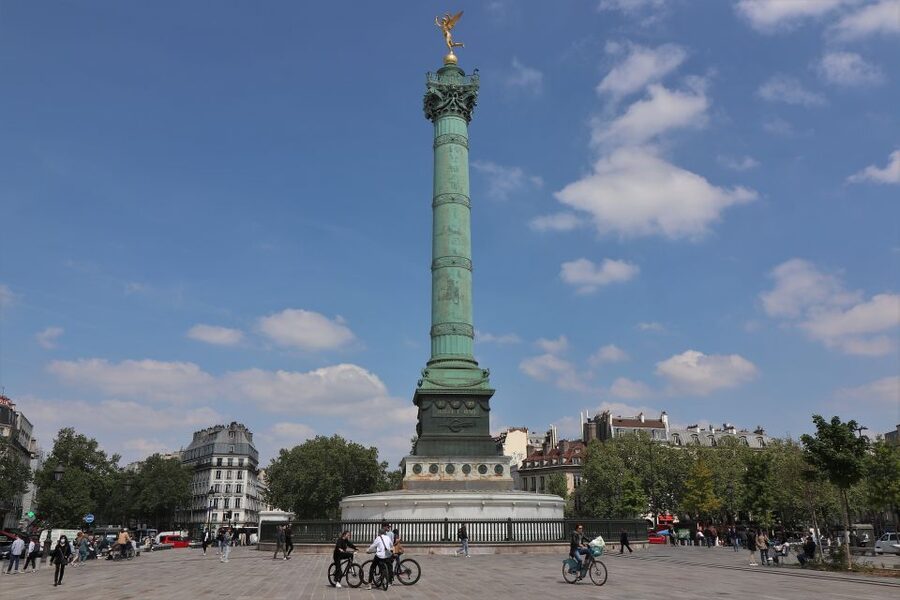
The Bastille and the route of 14 July 1789
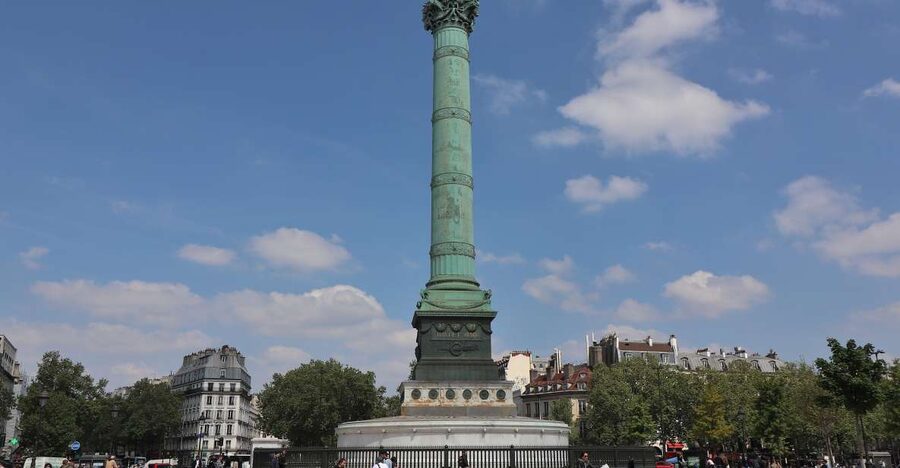
The Bastille is the natural dramatic center of a French Revolution walk. The route uses the events of 14 July 1789 to show how a political crisis became a direct confrontation in the streets.
You will not simply hear that the prison fortress was stormed. The guide explains the movement of the day and the mood that drove people toward it. One particularly effective approach is to build the story day by day, helping you feel the growing pressure before the final action.
The walk’s route is not always chronological. That can sound like a flaw, but it makes sense when the guide is connecting places rather than marching through dates. Still, you should expect to do some mental sorting. If you want a strict timeline, you may need to ask questions as the walk progresses.
The route of the journée, or day of action, was a highlight for one participant who wanted to understand the events of 14 July. Another person liked the way churches and their changing role were included. These details help widen the story beyond the famous prison and its fall.
Same city, a completely different afternoon:
- Paris: Louvre Museum Timed-Entrance Ticket
★ 4.6 · 71,977 reviews - Disneyland® Paris 1-Day Ticket
★ 4.6 · 49,412 reviews - Paris: Versailles Palace and Gardens Full Access Ticket
★ 4.6 · 41,579 reviews - Paris: Evening River Cruise with Music
★ 4.4 · 22,721 reviews
Churches, streets, and overlooked clues
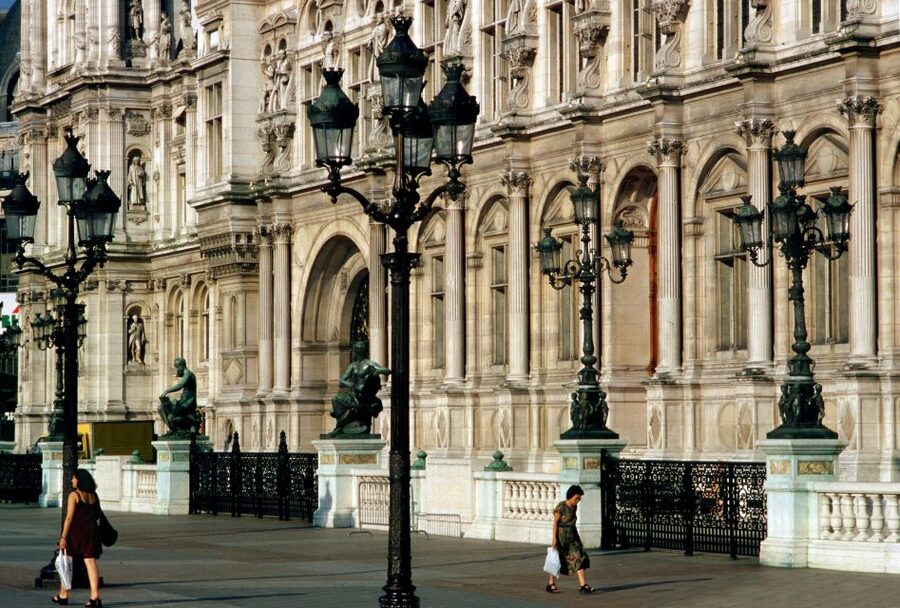
A good historical walk does not need every stop to be famous. The more useful stops are often the ones that explain how ordinary city spaces became part of a national crisis.
This tour looks at churches and other features along the route, asking what happened to them during the Revolution and how people used them before and after the upheaval. You may also be shown small objects or details that are easy to pass without a guide. The exact stops can vary, but the aim is consistent: connect the political story to the physical city.
This is where the walk feels less like a standard list of monuments. You are not rushing from one grand building to the next. Instead, you are asked to notice how Paris holds several layers of memory in the same streets.
The Marais is also part of the historical setting. The neighborhood adds useful context because the walk is not limited to royal symbolism. You get a look at the older city and the places where revolutionary Paris was lived, argued over, and reshaped.
Louis XVI, Marie Antoinette, and the guillotine
The story eventually reaches the monarchy’s collapse and the executions of Louis XVI and Marie Antoinette. The guide explains how royal authority moved from being challenged to being condemned, and how the guillotine became a symbol of revolutionary justice and terror.
This section is likely to appeal to you if you know the names but not the sequence of decisions that led to the blade. It also helps show why the Revolution cannot be reduced to a simple tale of good citizens defeating bad rulers. The period involved fear, factional politics, war, revenge, and changing ideas about who had the right to rule.
The tour also includes darker stories of murder, massacre, and a prophecy connected with the death of an important revolutionary. Those details give the walk its mystery and drama, but they are not used as empty shock value. The better guides place them within the wider political struggle.
François was praised for offering a nuanced account rather than repeating old legends as settled fact. That matters here. Revolutionary stories often grow more dramatic with retelling, so a guide who separates established events from later interpretation makes the experience more useful.
Guides who make the difference
This tour depends heavily on the person holding the group together. A flat delivery would make two hours feel long, while a strong guide can make a complex subject feel surprisingly manageable.
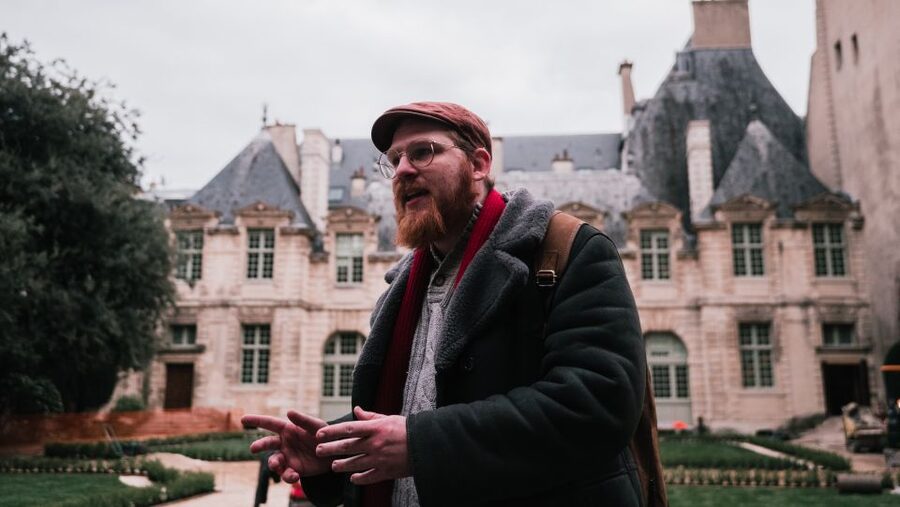
François received repeated praise for clear English, careful explanation, patience with questions, and a balanced account of the Revolution. He was also described as able to shift direction when the group raised a new question, which is useful when several people arrive with different levels of background.
Louis was praised for his warmth and command of the subject. Fran was described as passionate, engaging, and able to bring scenes to life while still presenting newer theories with care. Sam was noted for being relaxed and willing to answer questions beyond the central theme.
Other named guides include Guillaume, Amber, and Ilan. The exact guide depends on the date and schedule, so you should not book expecting a particular person unless the reservation system confirms it. The consistent pattern is that the best experience comes from a guide who can tell a strong story and still leave room for questions.
The group size is not specified, though one outing was described as a nice-sized group. You may find the social feel varies by departure.
Pace, comfort, and accessibility
Two hours is a sensible length for this subject. It gives the guide enough time to build the story without turning the walk into an all-day commitment. Several outings were described as well paced, and one included a comfort break in the middle.
You should still wear comfortable shoes. The tour covers central Paris on foot, and you may be standing while listening at several stops. The walking portion is wheelchair accessible, though the practical ease of any city walk can depend on street conditions and the exact route on the day.
The guide generally keeps the group moving while allowing pauses for questions and rest. One person praised a guide for noticing when the group needed a break. That kind of awareness matters more than speed on a history walk.
Because the streets can be noisy, stay close enough to hear. Guides with clear voices make a real difference, especially if you are near traffic or a busy public square.
What the $46 price buys you
At $46 per person, this is not the cheapest way to spend two hours in Paris. You are paying for a focused English-speaking guide rather than transport, entry tickets, food, or hotel service.
The value depends on how much context you want. If you are already planning to visit several Revolution-related places on your own, the guide can help connect them and point out details you would likely miss. If you only want a broad introduction, the two-hour format gives you a useful start without requiring a full day.
The price also makes more sense if you treat the walk as an orientation for the rest of your Paris stay. Afterward, places such as the Marais, churches, and central squares should feel less like disconnected sights. You will have a framework for understanding the arguments and violence that changed the city.
There is no hotel pickup, so factor in your own transport to Place du Châtelet. The booking terms allow cancellation up to 24 hours before the tour for a full refund, and you can reserve now and pay later. Those policies help if your Paris schedule is still shifting.
Who should book this walk
I would recommend it to you if you want history tied to place, especially if your knowledge of the French Revolution is basic or uneven. Families with older children and teenagers can also enjoy it, since the storytelling gives the subject more life than a textbook, though the material includes executions and mass violence.
It suits curious first-time visitors, history fans, and anyone who wants to see a less polished side of Paris. The experience is not only about grand royal buildings. It is about tension in the streets, arguments over power, and the way political change altered everyday spaces.
You may want another option if you need a complete tour of every major revolutionary site. The Place de la Concorde and Champs de Mars were specifically identified as places that would have required a longer outing, so this walk does not try to cover everything.
It may also disappoint you if you prefer a quiet, self-guided stroll. The subject is delivered with energy and drama, and the streets can be noisy. The reward is a more animated understanding of Paris, but the experience is not designed as a slow architectural walk.
Should you book the French Revolution Walking Tour?
Book it if you want a clear, lively introduction to the Revolution and like the idea of learning through streets, churches, and public spaces. The strongest guides, especially François, Louis, and Fran, can make a difficult story readable while keeping enough care and balance for serious history fans.
Skip it if you want a strict chronological route or a full survey of every major site connected with the period. For most visitors, though, $46 is fair for a well-led two-hour walk that changes how you see central Paris. Arrive early at the Fontaine au Sphinx, wear good shoes, stay near the guide, and come ready for a story that is dramatic because the real events were dramatic enough.
FAQ
How long does the French Revolution Walking Tour last?
The tour lasts two hours.
How much does the tour cost?
The listed price is $46 per person.
Where does the tour meet?
Meet your guide in front of the Fontaine au Sphinx on Place du Châtelet.
Is the tour offered in English?
Yes. The live guide leads the tour in English.
What is included in the price?
The price includes the walking tour and guide.
Does the tour include hotel pickup and drop-off?
No. Hotel pickup and drop-off are not included.
Is the tour wheelchair accessible?
Yes, the activity is listed as wheelchair accessible.
Can I cancel or pay later?
You can cancel up to 24 hours in advance for a full refund. You can also reserve your place and pay later.
Just added around Paris
- Private Paris Marche d’Aligre Walking Tour with Tastings★ 5.0 · 8 reviews
- Private Louvre Museum Tour for Kids & Families with Alberto or his team in Paris★ 5.0 · 41 reviews
- Private Highlights of Paris Tuk-Tuk Experience★ 5.0 · 26 reviews
- Paris Latin Quarter Walking Tour: History & Culture – Small Group★ 5.0 · 14 reviews
- Private Highlights of Paris Bike Tour★ 4.5 · 15 reviews
- Paris Musee d’Orsay PRIVATE TOUR with a Local Private Guide★ 5.0 · 41 reviews
- Private Half Day Historic Tour★ 5.0 · 58 reviews
- Pere Lachaise Cemetery Paris – Exclusive Guided Walking Tour★ 5.0 · 72 reviews
Paris Walking Tours, compared.

Paris Top Sights Half Day Walking Tour with a Fun Guide
Read our review →
Montmartre Hidden Gems and Scenic Highlights Walking Tour
Read our review →
Montmartre Hill French Gourmet Food and Wine Tasting Walking Tour
Read our review →
Paris Île de la Cité and Notre-Dame Walking Tour With Crypt
Read our review →
Montmartre Cheese, Wine & Pastry Guided Walking Tour
Read our review →
Paris in a Day: Louvre or Orsay, Eiffel Tower, City Walk & Cruise
Read our review →
Montmartre Highlights Walking Tour with a Local Guide
Read our review →
Browse the lists this tour appears in