
Reviewed · MUSEUMS
Entry Ticket for Paradox Museum Paris
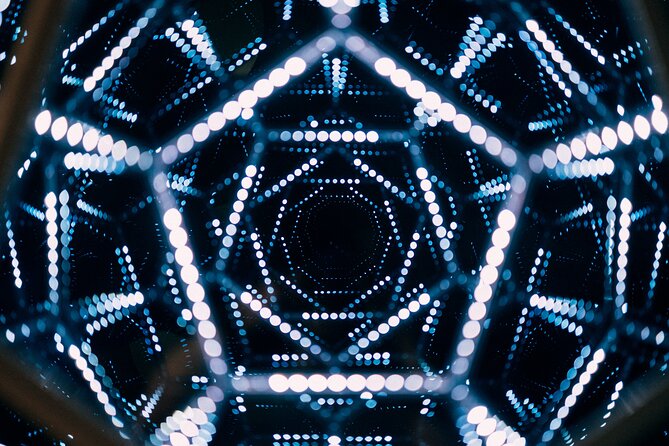
Paris is full of grand museums, but Paradox Museum Paris asks a simpler question: can you trust your own eyes? More than 90 interactive exhibits use visual tricks, altered perspective, and tactile effects to make ordinary rooms feel impossible. You may laugh at your reflection, question the angle of a floor, or watch your brain make a very confident mistake.
I like the freedom to choose your visit time and move at your own pace. I also like that this is not a quiet, glass-case museum. You are expected to touch, test, pose, and take photos. The main drawback is that the quality of the visit may depend on how much help is available. Some exhibits make more sense with explanation, and staff coverage can be limited.
Key points to know before you go
- More than 90 exhibits: Expect optical illusions, perspective tricks, tactile effects, and science-based puzzles rather than traditional museum displays.
- A flexible visit: Your mobile ticket lets you book a time and explore independently, with about 90 minutes usually enough for the full visit.
- Excellent family appeal: The Ames Room and hanging rooms are especially good for shared laughs and memorable photos.
- Built for pictures: Many displays invite you to create images that look impossible, though you may need to take some photos yourself.
- Good rainy-day planning, with a catch: The attraction requires suitable weather under its policy, so check the terms if your Paris plans are unsettled.
- Take light warnings seriously: Some exhibits are not suitable for people with light sensitivity or epilepsy, and warnings are displayed at the relevant areas.
What Paradox Museum Paris is really about
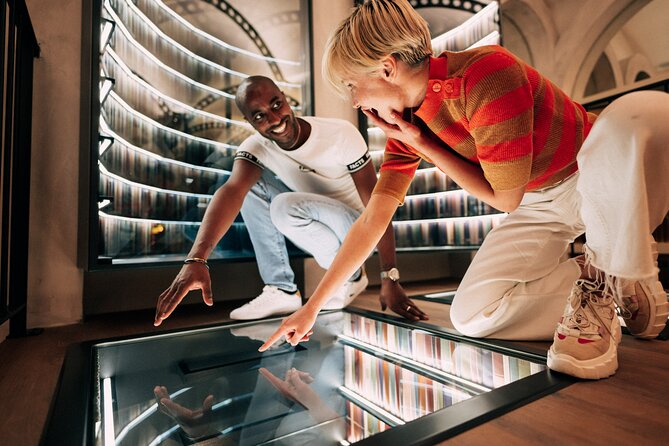
The museum is less about looking at objects and more about testing your senses. Its exhibits are based on paradoxes, which means they present situations that seem to contradict what you know. Your eyes send one message, your balance suggests another, and your brain tries to settle the argument.
That makes this a good change of pace from Paris museums built around paintings, sculpture, or historic rooms. You do not need a background in science. The point is to notice what happens when your senses receive misleading information.
You will find visual and tactile displays designed to make you question size, shape, direction, and movement. Some are best understood by stepping into them. Others become clear only when you look at a photo afterward. The fun comes from doing the test yourself rather than reading a long explanation first.
The museum also encourages you to create your own story through the exhibits. That matters because this is not a fixed performance with a guide leading you from room to room. You choose how long to spend at each display and how much time to give the photo opportunities.
More art museums in Paris:
- Paris: Louvre Museum Timed-Entrance Ticket
★ 4.6 · 71,977 reviews - Louvre Museum Masterpieces Guided Tour with Access
★ 4.5 · 12,023 reviews - Paris: Louvre Museum Entry Ticket With Host and River Cruise
★ 4.6 · 9,926 reviews
The Ames Room and the pleasure of being fooled
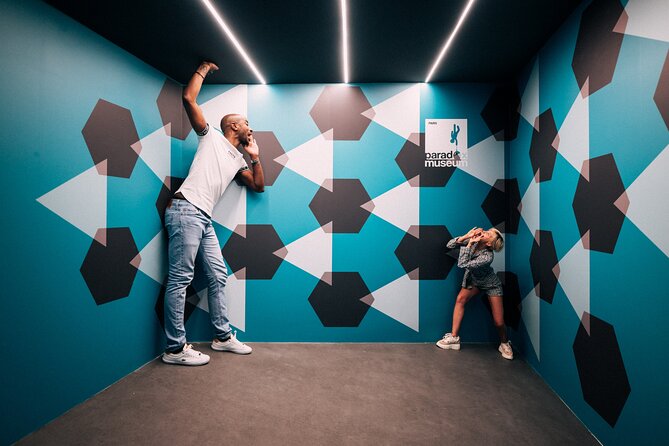
The Ames Room is one of the most useful examples of what the museum does well. It is designed to distort your sense of size, making people appear much larger or smaller depending on where they stand. The effect is simple, visual, and easy to share with children or friends.
I would take your time here. Try to understand the room before immediately moving on, then look at the result from the recommended angle. The value of an exhibit like this is that the trick is not just a picture on a wall. You become part of the illusion.
The hanging rooms provide another strong moment. Their tilted or unusual arrangement can make your body feel uncertain, even when you know the room itself is not moving. These are the sorts of displays that produce the best group reactions because everyone sees the same strange setup but responds to it physically.
You should expect to laugh. The museum does not treat confusion as a failure. Feeling briefly fooled is the whole purpose.
Exploring more than 90 interactive exhibits
With more than 90 displays, the visit has enough variety to fill roughly an hour and a half. That does not mean every exhibit will be equally interesting to you. Some will create a dramatic photo, while others will work better as quick demonstrations of how perception can go wrong.
A useful approach is to avoid rushing from one exhibit to the next. Read the short instructions, try the display, then step back and ask what your eyes or body are doing. You may find that a few exhibits deserve a second attempt after you understand the trick.
The hands-on design also changes the pace. You are not simply walking through rooms and absorbing information. You may stand in a marked spot, change your viewing angle, compare two visual effects, or involve someone else in the setup.
That is why the museum works particularly well for families. Children can act out the illusions, while adults can think about the science behind them. It also suits couples and friends who want a light activity with plenty of chances for playful photos.
The science is present, but it is delivered through action. If you want detailed explanations, this may feel thin. If you want accessible demonstrations that make you curious, it is a better fit.
Why the photo opportunities matter
Paradox Museum Paris is designed for images that look impossible. You may leave with photos that suggest a change in scale, a broken sense of direction, or a room behaving in a way that ordinary photography cannot explain.
The pictures are not just an extra feature. They are part of how many displays work. A room may look unusual in person, but the camera can make the illusion clearer. You can also use the photos to show family and friends what happened without needing a long explanation.
Still, plan for some practical limits. The museum information says you will be able to take photos, but that does not mean a staff member will always be available to take them for you. One important criticism is that there may not be enough staff to explain every exhibit or help with photos.
If you are visiting as a pair, you may need to take turns. If you are with children, decide who will handle the camera before entering a display. A small amount of planning will help you get the pictures you want without holding up other people.
The gift shop is also described as having good-quality gifts. That may appeal if you want a small souvenir tied to the museum’s playful theme, though the ticket price does not include a shop purchase.
More tickets and entry passes in Paris:
- Disneyland® Paris 1-Day Ticket
★ 4.6 · 49,412 reviews - Paris: Versailles Palace and Gardens Full Access Ticket
★ 4.6 · 41,579 reviews - Paris: Eiffel Tower Entry Ticket with Optional Summit Access
★ 4.4 · 20,035 reviews - Paris: Moulin Rouge Cabaret Show Ticket with Champagne
★ 4.7 · 16,088 reviews
A flexible 90-minute stop in Paris
The stated visit lasts about one hour and 30 minutes, which makes it easy to fit around other plans. It is long enough to try a substantial number of displays without taking over an entire day.
You choose the time that suits your schedule, rather than joining a fixed guided walk. That flexibility is useful in Paris, where museum reservations, meals, and transport can quickly fill a day. A mobile ticket also means you do not need to manage a paper voucher.
The ticket is offered through an English-language booking option, but this is not described as a guided tour with a named guide. You explore on your own. That gives you control, though it also means you should not expect a guide to explain each scientific idea from start to finish.
The museum is near public transportation, so it can work as a planned stop between other Paris activities. No exact station or route is provided here, so check the current transport details when you plan your day rather than relying on an assumed nearby stop.
Because many exhibits involve standing, looking closely, posing, and moving from one display to another, give yourself enough time to enjoy them. A rushed visit would miss much of the point.
Is the $33.11 ticket good value?
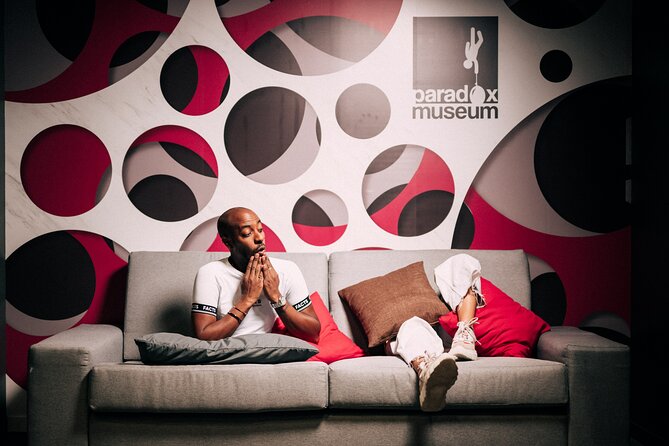
At $33.11 per person, this is not a cheap filler activity. The value depends on what you want from a museum.
If you want famous art, historic objects, or a large cultural institution, your money may be better spent elsewhere. Paradox Museum Paris offers a different kind of value. You are paying for a hands-on activity, a set of unusual photo scenes, and an entertaining way to think about perception.
The ticket makes the most sense when you will use the exhibits fully. Take the time to read instructions, repeat the best illusions, and involve the people with you. A quick walk-through would make the price feel harder to justify.
For a family, the cost can work because adults and children can take part together. The museum creates a shared activity rather than splitting the group between people who want to watch and people who want to participate. Couples and friends may also find the photo opportunities worth the price if they enjoy playful attractions.
The published rating is 3.1 from 167 reviews, which suggests the experience is not equally satisfying for everyone. The strongest reactions focus on the fun, the Ames Room, the hanging rooms, memorable photos, and helpful staff on some visits. The weaker point is support on the floor, especially when visitors want more explanation or assistance with pictures.
I would book it for the interactive entertainment, not for a major lesson in science. That distinction is important when judging the cost.
Who will enjoy it most
This attraction suits you best if you like to participate rather than simply observe. It is a natural choice for families, couples, and friends who want something playful and visual.
Children can enjoy the surprises without needing advanced explanations. Adults may appreciate the clever design and the chance to see how easily the brain interprets a scene incorrectly. The exhibits also give you conversation starters, especially when one person sees an effect differently from another.
It may be less suitable if you prefer calm, traditional museums or detailed academic displays. It is also worth reconsidering if bright or changing light is a problem for you. Warnings are displayed, but some exhibits are not suitable for people with light sensitivity or epilepsy.
Most people can participate, and service animals are allowed. The information provided does not give detailed accessibility specifications for every exhibit, so contact the provider if you need more than that general guidance.
Planning your visit carefully
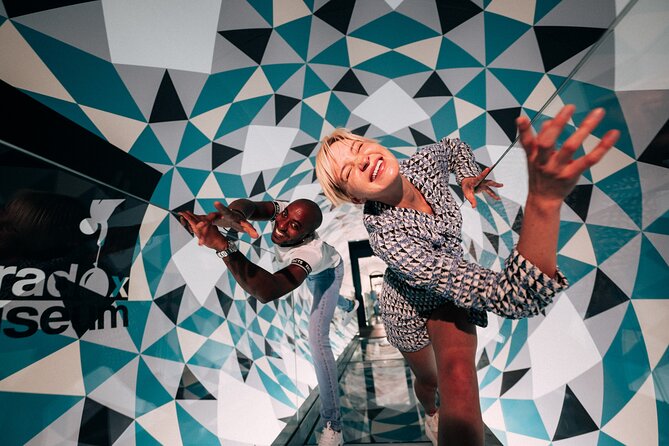
The museum is intended to be interactive, so wear something that lets you move comfortably. That advice is practical rather than a formal rule. You may be stepping into rooms, changing positions, and holding still for photos.
Keep your phone ready, but do not let photography replace the activity. First try the illusion yourself, then take the picture. That usually gives you a better sense of why the image works.
If staff assistance matters to you, set modest expectations. Some visits have excellent staff support, while other times there may not be enough people available to explain displays or take pictures. You should be comfortable reading instructions and experimenting on your own.
Book ahead if your Paris schedule is tight. The attraction is booked an average of 17 days in advance, which indicates that many people plan it before arriving. Pre-booking also saves time at the entrance and lets you choose a time that fits your day.
Free cancellation is available if you cancel at least 24 hours before the scheduled start time. Changes or cancellations inside that 24-hour window are not accepted and are not refunded. The policy also says the experience requires good weather. If poor weather causes a cancellation, you will be offered another date or a full refund.
Should you book Paradox Museum Paris?
Book it if you want a fun, photo-friendly, hands-on stop and you have about 90 minutes to spare. Families will likely get the most from the Ames Room, hanging rooms, and other displays that turn perception into a shared game.
I would also recommend it for a couple or group of friends who enjoy silly pictures and quick science puzzles. The flexible timing is useful, and the mobile ticket makes it easy to add to a packed Paris day.
Skip it if you are looking for serious museum scholarship, quiet galleries, or guaranteed personal guidance at every exhibit. At $33.11, it needs to be treated as paid entertainment, not a bargain attraction.
For the right audience, the museum offers something Paris cannot provide at every turn: a chance to question your eyes, laugh at your own brain, and leave with photos that need explaining.
FAQ
How long does a visit to Paradox Museum Paris take?
The visit lasts approximately one hour and 30 minutes.
How much does admission cost?
The listed price is $33.11 per person.
Can I choose my visit time?
Yes. You can choose the time you want to visit when booking.
Is the ticket mobile?
Yes. A mobile ticket is provided.
Is the experience guided?
The information describes an independent visit where you explore the exhibits at your own pace. It does not provide the name of a guide or describe a guided tour.
How many exhibits are at Paradox Museum Paris?
The museum has more than 90 exhibits inspired by paradoxes.
Can I take photos inside?
Yes. The museum is designed for interactive experiences and unusual photos.
Is Paradox Museum Paris suitable for children?
Most travelers can participate, and the exhibits are described as suitable for family fun. Some displays are not suitable for people with light sensitivity or epilepsy.
Are service animals allowed?
Yes. Service animals are allowed.
Can I cancel for a refund?
You can cancel at least 24 hours before the start time for a full refund. Cancellations or changes made less than 24 hours before the start time are not refunded or accepted.
What happens if poor weather cancels the experience?
If the experience is canceled because of poor weather, you will be offered a different date or a full refund.
Just added around Paris
- Private Paris Marche d’Aligre Walking Tour with Tastings★ 5.0 · 8 reviews
- Private Louvre Museum Tour for Kids & Families with Alberto or his team in Paris★ 5.0 · 41 reviews
- Private Highlights of Paris Tuk-Tuk Experience★ 5.0 · 26 reviews
- Paris Latin Quarter Walking Tour: History & Culture – Small Group★ 5.0 · 14 reviews
- Private Highlights of Paris Bike Tour★ 4.5 · 15 reviews
- Paris Musee d’Orsay PRIVATE TOUR with a Local Private Guide★ 5.0 · 41 reviews
- Private Half Day Historic Tour★ 5.0 · 58 reviews
- Pere Lachaise Cemetery Paris – Exclusive Guided Walking Tour★ 5.0 · 72 reviews
Museums, compared.
Louvre Museum Masterpieces Guided Tour with Access
Read our review →
Louvre Museum Entry Ticket With Host and River Cruise
Read our review →
Les Invalides: Napoleon’s Tomb & Army Museum Entry
Read our review →
Louvre Museum – Exclusive Guided Tour (Entry Included)
Read our review →
Louvre Museum Hosted Entry and Mona Lisa Audioguide
Read our review →
Louvre Museum Tour Mona Lisa & Iconic Masterpieces
Read our review →
Browse the lists this tour appears in