
Reviewed · PARIS WALKING TOURS
Paris 1920: Lost Generation Writers of the Left Bank (Small Group Walking Tour)
Paris in the 1920s comes alive through Ellen’s small-group walk from the Latin Quarter to Montparnasse. You follow Hemingway, James Joyce, Gertrude Stein, Fitzgerald, Ezra Pound, Man Ray, and others through the streets where they lived, argued, wrote, and sometimes behaved badly. I especially like the tablet presentation, with archival photographs, audio clips, video, and readings, and the group limit of eight, which leaves room for questions. The main drawback is that most stops are viewed from the street, so this suits readers who enjoy context more than grand interiors.
I also like the way the tour treats the period’s moral and political complications. Ellen does not present every famous writer as a lovable genius. She discusses Pound’s politics and Stein’s wartime collaboration, as well as the personal drama behind works such as The Sun Also Rises. You should expect a steady walk and a broad survey, not a scholarly study of one author.
Key points at a glance
- Start at Place de la Contrescarpe: Begin with coffee and a short introduction to the writers and their experiences during World War I.
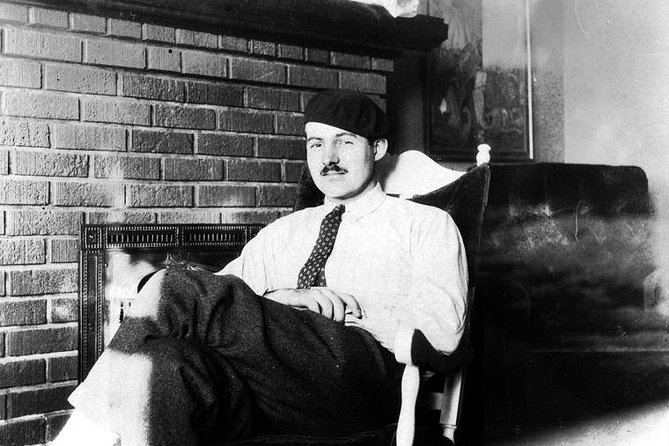
- Hemingway and Joyce in the Latin Quarter: See Hemingway’s first Paris flat and the place where Joyce completed Ulysses.
- The original Shakespeare and Company: Learn how Sylvia Beach’s bookshop supported Joyce and many expatriate writers.
- A visual presentation on the street: Ellen uses a tablet for photos, film, audio, poems, and readings.
- End in Montparnasse: Finish at a famous café such as Le Select, La Rotonde, or Le Dôme, depending on the arrangement.
- Small group, moderate walking: The maximum is eight people, but you should be comfortable walking and standing for about three hours.
What this Left Bank literary walk is really about
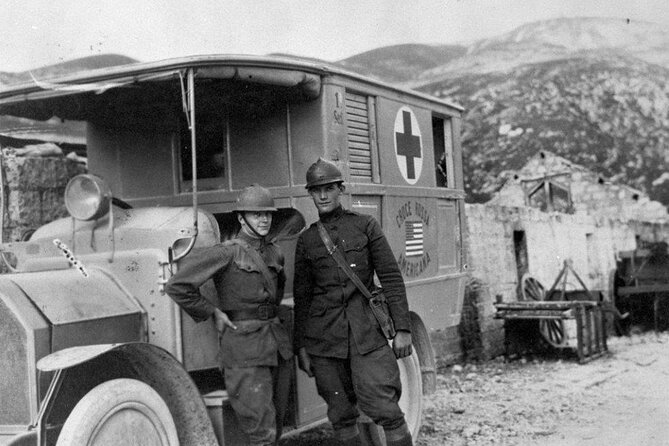
This is not a general Paris sightseeing tour with a few literary names added for decoration. The route follows a particular group of English-language and expatriate artists who gathered in Paris after World War I. The phrase Lost Generation is usually linked with writers who felt disillusioned by the war and by the values that had led to it.
Your guide connects that mood to actual streets and addresses. You see where Hemingway rented rooms, where Joyce worked under pressure, where artists met for drinks, and where the friendships and rivalries of the period took shape. The city becomes a backdrop for books, but also for ambition, romance, drinking, money troubles, political arguments, and personal feuds.
Ellen is the guide named for this experience, and her strongest tool is a prepared tablet presentation. Instead of asking you to picture a vanished Paris from a bare address, she can show photographs and archival material while you stand in the modern street. Audio clips, excerpts, poems, and videos add a useful sense of the people behind the famous names.
That format matters. Literary history can become dry when it is reduced to dates and addresses. Seeing an old photograph beside the present-day building gives you something concrete to hold on to. It also helps explain a necessary limitation: the tour covers many writers in a short time, so it cannot explore every book or career in detail.
More walking tours in Paris:
- Paris Top Sights Half Day Walking Tour with a Fun Guide
★ 5.0 · 2,893 reviews - Montmartre Hidden Gems and Scenic Highlights Walking Tour
★ 5.0 · 2,684 reviews - Montmartre Hill French Gourmet Food and Wine Tasting Walking Tour
★ 5.0 · 2,588 reviews
Place de la Contrescarpe and the wartime backstory
The walk begins near Place de la Contrescarpe, in the Latin Quarter, at 57 Rue Lacépède. The opening session takes place in a café, where you are asked to enjoy a coffee while Ellen introduces the Lost Generation and its connection to World War I.
This is a smart beginning. Before you visit apartments and cafés, you need to understand why so many writers came to Paris and how the war shaped their outlook. The introduction also gives you a map of the personalities ahead. Hemingway, Joyce, Stein, Fitzgerald, Pound, and others did not form a tidy literary club. They had different styles, loyalties, ambitions, and political beliefs.
The coffee itself is not included in the price, so plan to pay for your own drink. That is a small point, but it is useful to know before you arrive. The opening is listed as about 30 minutes, giving you time to settle in rather than starting with an immediate march through the streets.
Rue Mouffetard: Hemingway’s first Paris address
The next stop takes you along Rue Mouffetard, one of the Latin Quarter streets linked with Hemingway’s early Paris years. You see the first flat where he lived in the city and hear about his beginnings as a young writer.
The address is viewed from outside, so the value comes from Ellen’s explanation and visual material rather than entry into the building. For anyone who has read A Moveable Feast, this is one of the more appealing parts of the route. You are not simply hearing that Hemingway lived in Paris. You are standing at an early address and considering the gap between the struggling young writer and the literary celebrity he later became.
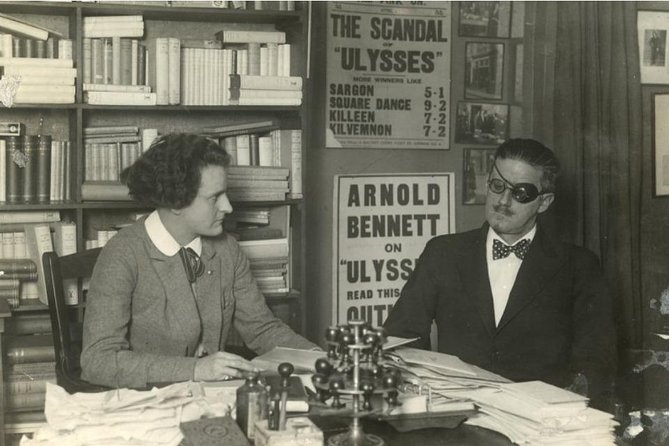
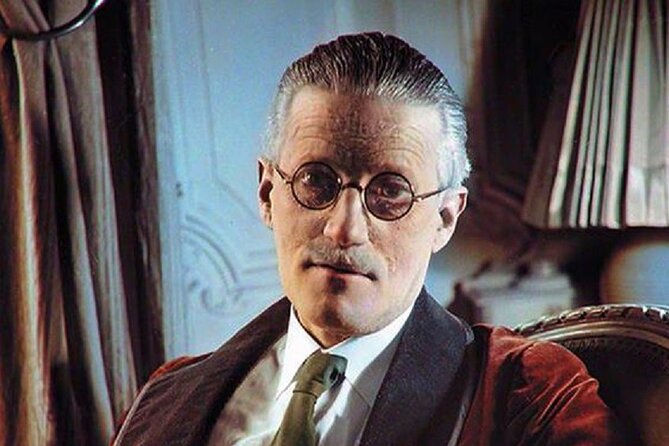
The route also visits the place where James Joyce finished Ulysses. Joyce’s work faced serious opposition, and the stop gives Ellen a chance to explain the pressure surrounding the book and the role of Paris in its completion.
This pairing works well. Hemingway represents the clean, clipped prose and public image many people associate with the era. Joyce represents formal experimentation and a much more difficult reading experience. You get a sense of how different kinds of modern literature grew side by side in the same city.
Odeon and Sylvia Beach’s original bookshop
At Odeon, the tour visits the original location of Shakespeare and Company. This is not the current bookshop on Rue de la Bûcherie, and that distinction is important. The earlier shop was run by Sylvia Beach and became a major meeting place for expatriate writers.
Hemingway, Ezra Pound, Gertrude Stein, and Joyce were among the figures connected with the shop. Joyce’s relationship with Beach is especially important, since she supported the publication of Ulysses when the book faced legal and practical obstacles.
The stop is short, about 15 minutes, but it carries a lot of weight. A bookshop may look less dramatic than a writer’s home, yet this was one of the places where the literary network functioned. Books were discussed, contacts were made, and writers found support that was not always available from publishers or institutions.
If you have time after the tour, the current Shakespeare and Company location can make a worthwhile separate stop. The walking tour focuses on the original site, so do not confuse the two addresses when planning your day.
Same city, a completely different afternoon:
- Paris: Louvre Museum Timed-Entrance Ticket
★ 4.6 · 71,977 reviews - Disneyland® Paris 1-Day Ticket
★ 4.6 · 49,412 reviews - Paris: Versailles Palace and Gardens Full Access Ticket
★ 4.6 · 41,579 reviews - Paris: Evening River Cruise with Music
★ 4.4 · 22,721 reviews
Around the Luxembourg Gardens with Man Ray and Faulkner
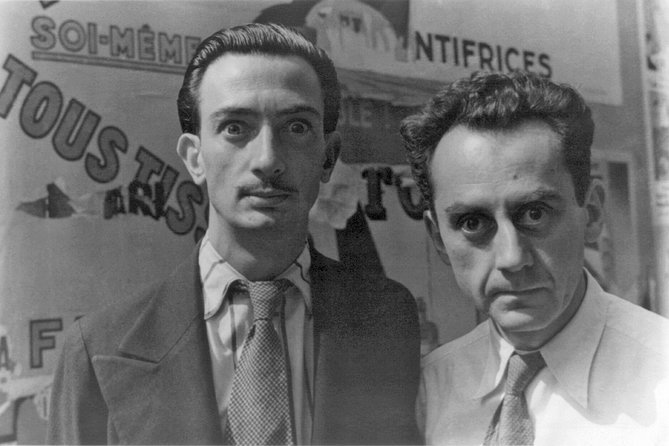
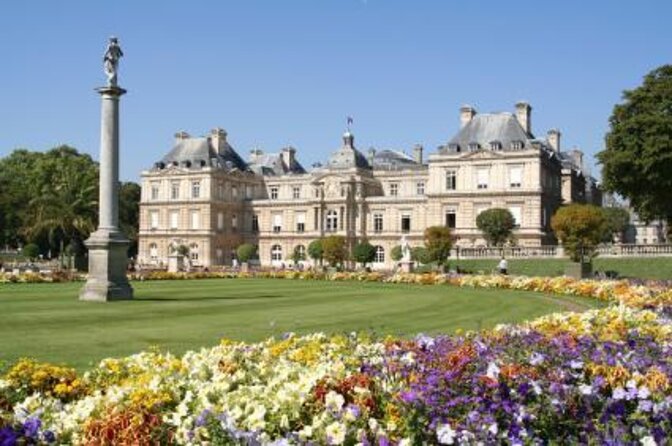
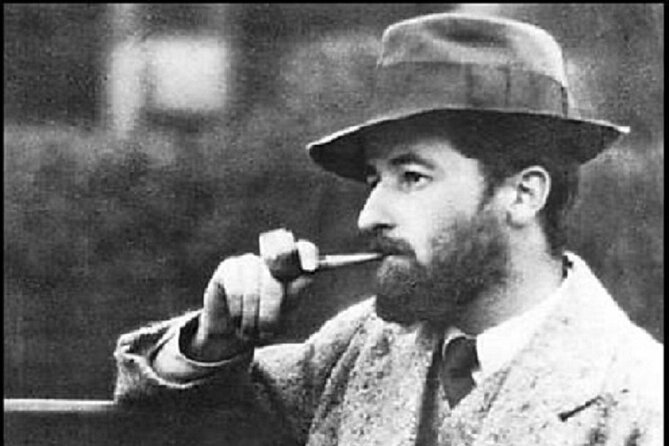
The route continues toward Rue Servandoni and the area around the Luxembourg Gardens. Here, Ellen points out homes connected with Man Ray, William Faulkner, and Hemingway, who appears again in the story of this part of Paris.
The Luxembourg Gardens section gives the walk some breathing room. You are still discussing writers, but the setting is less confined than the earlier streets. Ellen may include extra material beyond the basic route, such as a church or a passage through the gardens, depending on the group and timing. The listed duration is about 30 minutes, though the total outing can run longer if the conversation develops.
This is also where the broad range of the tour becomes clear. The subject is not just American novelists. Man Ray brings in visual art and photography, while Faulkner connects the Paris years with a different American literary voice. Other material can include lesser-known women writers such as Anaïs Nin and Alice Prin.
Do not expect to enter the former residences. You are tracing locations from public streets and listening to the stories attached to them. If you want detailed architectural access or museum interiors, this is not the right kind of tour. If you want to understand how writers and artists occupied the same neighborhood, it works much better.
Montparnasse cafés and the people behind the legend
The walk ends in Montparnasse, one of the key meeting areas for the expatriate writers of the 1920s. The possible café locations include Le Select, La Rotonde, and Le Dôme. The exact ending may vary, and the experience can also end at Harry’s New York Bar near the Opera.
The café finish is one of the best ideas in the route. It gives you a chance to sit down, order a drink at your own expense, and discuss the people you have been following. The experience is not only about old buildings. It is also about the social life that made Montparnasse attractive to writers and artists.
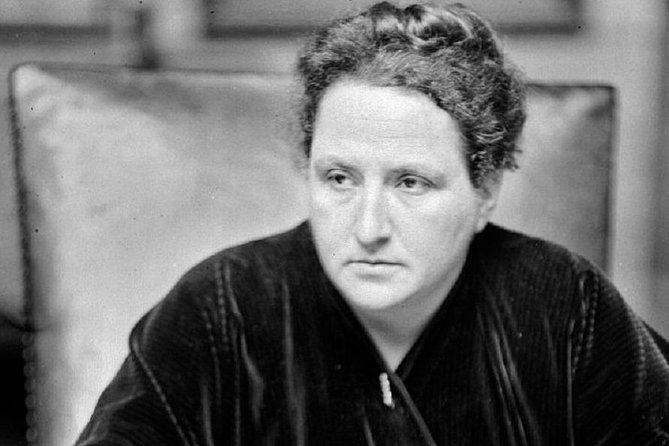
The final discussion covers the Fitzgeralds and their tragic end, Ezra Pound’s outstanding literary talent alongside his deeply objectionable political views, and Gertrude Stein’s complicated reputation. Ellen also addresses Stein’s collaboration with the Fascist-controlled authorities during World War II, a subject that many simplified accounts leave out.
Some people may want more time on Stein, Fitzgerald, or the lesser-known writers. That is a fair concern, since three hours is not enough for equal treatment of everyone. The advantage is range. You leave with a larger map of the period and, quite possibly, a long reading list.
The tablet presentation is the tour’s strongest feature
The digital presentation helps distinguish this experience from a standard address-by-address walk. Ellen uses a tablet to show photographs and videos, play audio, and read passages from the authors discussed.
That material is particularly useful when the modern street gives little visual evidence of the past. A building exterior may not tell you much on its own. An old photograph, a recorded voice, or a short excerpt can turn that stop into a scene with atmosphere and purpose.
The presentation also lets Ellen include writers who are less familiar to a general audience. You may hear about Anaïs Nin or Alice Prin alongside the better-known Hemingway, Joyce, and Fitzgerald. The balance is not perfect for every reader, but the material can make you curious about people who are often left out of a basic Lost Generation story.
The tablet does require you to pause and look at a screen during a walking tour. If you prefer a guide who talks without visual aids, that may feel less natural. I think the trade is worthwhile here because the subject depends so much on archival images.
How much walking and how much time to allow
The advertised duration is about three hours, beginning at 2 p.m. One group spent closer to four hours because the guide added a church visit and a walk through the Luxembourg Gardens. You should not assume every tour will last that long, but leave some flexibility after the scheduled end.
The pace is intended to be leisurely, yet you should have a moderate level of physical fitness. You will walk between several parts of the Left Bank and spend time standing at addresses. A café break is part of the beginning and a drink stop is part of the intended finish, but you should not treat the route as a seated experience.
The group limit of eight is a real advantage. You can ask about a favorite author, request more information about a particular book, or steer part of the final discussion. In a large group, those questions often disappear. Here, the experience can adjust somewhat to your interests, though Ellen still has to cover the main writers within the available time.
The meeting point is near public transportation at 57 Rue Lacépède. The route ends elsewhere, usually in Montparnasse or possibly near the Opera, so plan your next activity from the end point rather than assuming you will return to the start.
Is the price fair at $120.14?
At $120.14 per person, this is not a cheap way to spend three hours in Paris. You are paying for a specialist-led experience, a small group, prepared visual material, and a route built around a focused literary subject. Coffee, drinks, and transportation to and from the meeting point are extra.
The value depends heavily on your interest in the period. If you have read Hemingway, Joyce, Fitzgerald, Stein, Pound, or related writers, the addresses and personal stories can give your reading a stronger sense of place. If you know little about these figures, Ellen’s introduction can provide a useful starting point, but you may find the price harder to justify than the person who arrives with a full reading list.
I would also compare this with the cost of a general Paris walk. A standard tour may cover more famous monuments, while this one spends its time on apartments, bookshops, cafés, and literary connections. You are paying for focus rather than for a long list of major sights.
Who should book this experience?
I would choose this tour if you enjoy literary biography, modernist writing, expatriate artists, or the social history of 1920s Paris. It is especially well suited to book clubs, university-level literature students, and readers who want more context around familiar novels.
It can also work for someone who has only read one or two authors. The stories of relationships, rivalries, money problems, and publishing struggles make the period easier to enter. You do not need to have read every book before arriving.
I would skip it if you want interiors, major monuments, or a fast-moving introduction to Paris. The route is built around outdoor addresses, discussion, and interpretation. It also asks you to accept a broad tour rather than a close study of one writer.
The small group makes the experience more personal, and Ellen has shown a willingness to adjust emphasis for the people in front of her. If you are particularly interested in Stein, Djuna Barnes, or lesser-known women writers, mention that early. The tour can cover many names, but your questions help determine which parts receive extra attention.
Should you book it?
Book this walk if Paris literary history is a main reason you came, or if you want a thoughtful companion to reading Hemingway, Joyce, Fitzgerald, Stein, or Pound. The original Shakespeare and Company site, Hemingway’s first flat, Joyce’s Paris connection, and the Montparnasse café ending give the route a clear shape.
Go in knowing what you are buying: a three-hour outdoor lesson with visual material, not access to historic apartments. Wear comfortable shoes, budget for your own coffee or drink, and leave room in your schedule in case the conversation runs long. For the right reader, the walk can turn a familiar book into a street corner, a café table, or a Paris address you remember.
FAQ
How long is the Paris 1920 walking tour?
The tour is scheduled to last approximately three hours, beginning at 2 p.m. It can run longer if the guide adds material or the group discussion takes extra time.
Where does the tour begin?
The meeting point is 57 Rue Lacépède, 75005 Paris, near public transportation.
Where does the tour end?
The usual ending is in Montparnasse at a café such as Le Select, La Rotonde, or Le Dôme. Another possible ending is Harry’s New York Bar near the Opera.
Is food or drink included?
No. You are asked to enjoy a coffee at the opening café, and the final café stop may include a drink, but food and beverages are not included in the tour price.
How many people can join the group?
The tour has a maximum of eight participants.
Can I cancel for a full refund?
Yes, if you cancel at least 24 hours before the scheduled start time. Cancellations made less than 24 hours in advance are not refunded, and the tour may also be canceled if its minimum number of participants is not reached.
Just added around Paris
- Private Paris Marche d’Aligre Walking Tour with Tastings★ 5.0 · 8 reviews
- Paris Latin Quarter Walking Tour: History & Culture – Small Group★ 5.0 · 14 reviews
- Private Louvre Museum Tour for Kids & Families with Alberto or his team in Paris★ 5.0 · 41 reviews
- Private Highlights of Paris Tuk-Tuk Experience★ 5.0 · 26 reviews
- Private Highlights of Paris Bike Tour★ 4.5 · 15 reviews
- Paris Musee d’Orsay PRIVATE TOUR with a Local Private Guide★ 5.0 · 41 reviews
- Private Half Day Historic Tour★ 5.0 · 58 reviews
- Pere Lachaise Cemetery Paris – Exclusive Guided Walking Tour★ 5.0 · 72 reviews
Paris Walking Tours, compared.
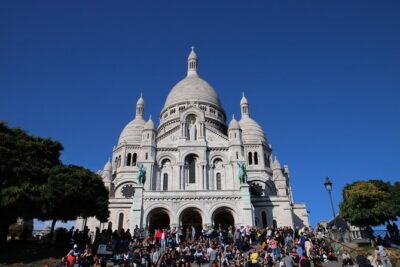
Paris Top Sights Half Day Walking Tour with a Fun Guide
Read our review →
Montmartre Hidden Gems and Scenic Highlights Walking Tour
Read our review →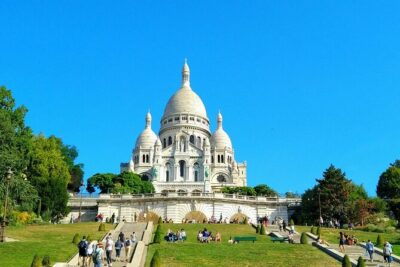
Montmartre Hill French Gourmet Food and Wine Tasting Walking Tour
Read our review →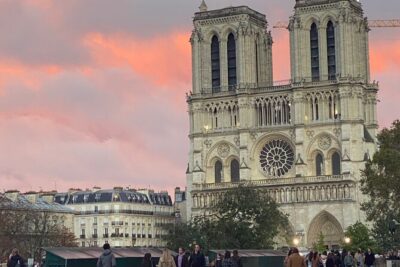
Paris Île de la Cité and Notre-Dame Walking Tour With Crypt
Read our review →
Montmartre Cheese, Wine & Pastry Guided Walking Tour
Read our review →
Paris in a Day: Louvre or Orsay, Eiffel Tower, City Walk & Cruise
Read our review →
Montmartre Highlights Walking Tour with a Local Guide
Read our review →
Browse the lists this tour appears in