
Reviewed · PARIS PASTRY AND MACARON CLASSES
Paris Cooking Class: Learn How to Make Macarons
French macarons look simple, but getting those smooth shells and neat feet takes real control. This three-hour Paris class lets you work through the tricky parts yourself, from whipping the meringue to piping buttercream and assembling the finished sweets.
I like the tiny-group format, which gives the chef time to correct your technique. I also like the generous takeaway: you’ll sample macarons with tea or coffee, then leave with roughly 20 to 30 more. The main consideration is the $156 price, which is fair for a specialist class but high if you only want a quick pastry demonstration.
Key points to know
- You make the macarons yourself: The class covers meringue shells, coloring, piping, filling, and assembly.
- The advertised group size is very small: The class is listed for a maximum of four people, though some sessions have operated with larger groups working in pairs.
- English instruction is available: Past classes have been led by Stéphane, Luc, Paulo, Fanny, Ann, Florence, and Stefan.
- You get a proper Paris food break: The class ends with a tasting over coffee or tea, plus a box of macarons to take away.
- It works well for families with teens: The minimum age is 12, and children cannot attend alone.
- Plan your cancellation carefully: Full refunds require cancellation at least six full days before the start time.
Making Macarons in the Latin Quarter
Le Foodist sits at 59 Rue du Cardinal Lemoine in the 5th arrondissement, a handy area for an afternoon cooking class. You arrive for the 3 p.m. start, meet your English-speaking chef, and settle in with a welcome drink before the baking begins.
This is not a demonstration where you sit in the back and watch a professional do all the work. You handle the ingredients, the piping bag, and the decisions that determine whether the shells come out smooth or lopsided.
That hands-on approach matters with macarons. The recipe may use only a few basic components, but small errors in mixing or piping can affect the final texture. A good instructor can show you what the batter should look like at each stage, then step in before a minor mistake ruins the batch.
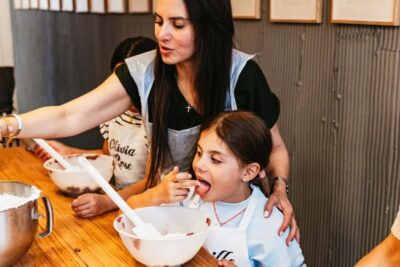
The atmosphere also has a social side. You may come alone, as a couple, with a parent, or with a teenage child. The class brings everyone together around one shared task, which makes conversation easier than it can be on a standard sightseeing tour.
More cooking classes in Paris:
- Paris Cooking Class and Lunch with Wine plus Market Visit Option
★ 5.0 · 1,024 reviews - Paris: French Macaron Culinary Class with a Chef
★ 4.9 · 591 reviews - Paris Evening Cooking Class French Dinner and Market Visit Option
★ 5.0 · 430 reviews
The First Lesson: Meringue Shells From Scratch
The main lesson begins with the macaron shells. You’ll learn how to prepare the meringue mixture, choose colors, and bring the batter to the right consistency.
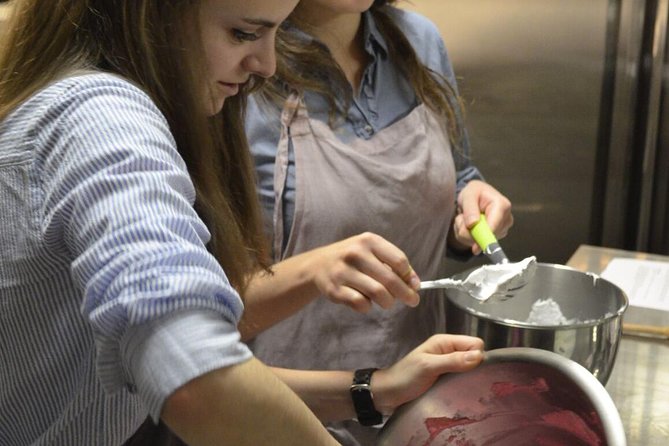
The mixing stage is where the class earns its keep. Macaron batter has to be folded enough to loosen it, but not so much that it becomes thin and difficult to pipe. The chef demonstrates the process step by step, then helps you judge the texture for yourself.
You also get to choose colors for the shells. That adds a playful touch, but it is not only decoration. You have to work carefully so the color is distributed without overmixing the batter.
Chef Stéphane has received particular praise for explaining techniques that make macarons more reliable at home. Other instructors named in the feedback include Luc, Paulo, Fanny, Ann, Florence, and Stefan. The names may vary by date, so do not book around one specific chef unless the provider confirms who will teach your session.
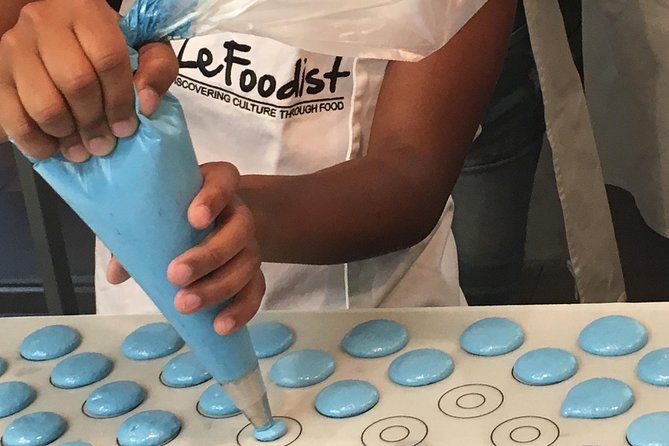
Once the batter is ready, you pipe the shells onto trays. This is the moment when neat circles become surprisingly difficult. The goal is not just to produce attractive macarons, but to understand pressure, spacing, and consistency with the piping bag.
Some shells may be a little uneven. That is normal. One of the useful parts of a class like this is seeing how much technique goes into a pastry that looks effortless behind a Paris bakery counter.
Buttercream, Baking, and the Waiting Period
The class also covers the filling, including piping buttercream between the baked shells. You learn how to apply the filling evenly and match the shells into finished pairs.
The filling stage gives you another chance to practice control. Too little buttercream produces a dry macaron. Too much can make the pastry messy and difficult to handle. Your chef can show you how to pipe a tidy center without crushing the delicate shells.
While the macarons mix, rest, or bake, the class does not simply go silent. The chef talks about French food and the place of macarons in French pastry culture. In some sessions, the conversation has also included the instructor’s restaurant background, Paris food shops, and places to eat around the city.
That extra conversation is one reason the class feels different from a recipe lesson at home. You are learning a technique, but you are also getting a small window into the food culture surrounding it.
The pace is active, but the three-hour schedule allows time for instruction and questions. You are not rushed through a short photo opportunity. At the same time, this is still a focused pastry lesson, not a full French cooking course. If you want to prepare several savory dishes or learn a broad range of recipes, choose another type of class.
A Tea Break With Your Finished Macarons
When the baking and assembly are complete, you sit down with tea or coffee and taste the results. This closing pause gives the class a pleasant rhythm: work first, then sit and enjoy what you made.
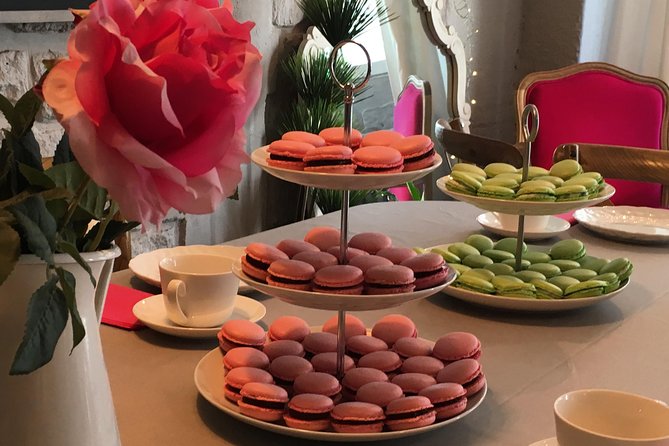
You can compare the different flavors and shapes produced during the session. The tasting also helps you understand how texture changes after the shells are filled. Macarons should be delicate, but not crumbly, with a filling that balances the sweetness.
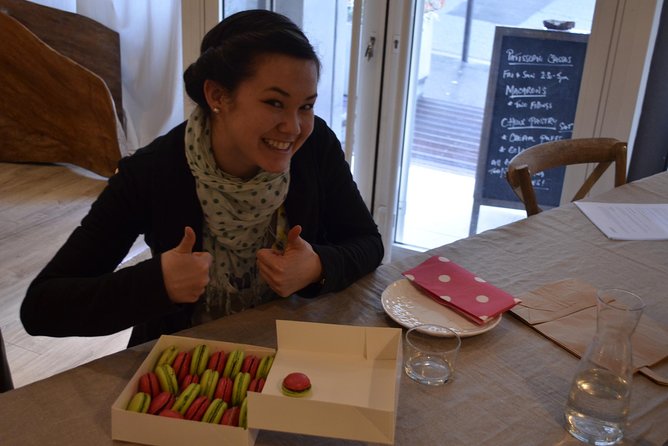
The class includes a box of approximately 20 to 30 macarons to take home. That is a substantial amount for a three-hour activity, especially if you are traveling with family or friends and want something edible to share later.
Do pack them carefully after class. One person found that the box did not protect the macarons well during checked luggage handling. The practical lesson is simple: keep the box in your carry-on if you plan to transport it, and consider eating a few before leaving Paris.
You also receive the experience of tasting several flavors made during the session. The exact flavors can vary, so do not treat a particular menu as guaranteed. The listed sample menu is simply macarons, with the class centered on the technique rather than a fixed restaurant-style meal.
More pastry and macaron classes in Paris:
- Paris: Montmartre Cheese, Wine & Pastry Guided Walking Tour
★ 4.8 · 2,255 reviews - Private Montmartre Food Tour with Wine, Cheese & Pastries
★ 5.0 · 1,027 reviews - Paris French Sweets Tasting Tour with Pastries and Chocolates
★ 4.5 · 947 reviews - Paris Croissant Small-Group Baking Class with a Chef
★ 5.0 · 910 reviews
What the Small Group Means for You
The advertised maximum is four participants, which is a major advantage for a technical pastry lesson. A chef can look at your batter, watch your piping, and answer questions without leaving you waiting for long.
The class material also includes a few accounts of sessions with six or eight people working in pairs. That differs from the stated maximum of four, so it is worth confirming the group size if personal attention is your top priority.
Even in a somewhat larger group, the teaching setup appears to involve shared work and individual help. Still, a four-person class will feel more private than an eight-person session, particularly if you are nervous about piping or have never made macarons.
This setup suits beginners. You do not need professional pastry experience, and the instructors are used to helping people at different skill levels. The lesson is also suitable for a parent and teenager, provided the child is at least 12 and accompanied by an adult.
If you are booking alone, the format can work well. You have a built-in activity and an easy way to meet the other people at the table. If you are booking as a couple or family, you get a shared project rather than simply watching someone else cook.
The Instructors and Teaching Style
The most consistently praised part of this class is the teaching. Stéphane is described as patient, entertaining, and generous with practical tips. He has also offered suggestions for restaurants, food shops, and culinary stops around Paris, and in one case helped arrange a restaurant reservation.
Luc is noted for giving clear explanations while allowing plenty of independence. That balance is useful: you get help when needed, but you still feel responsible for the macarons you produce.
Paulo has been described as friendly and patient, while Fanny is praised for mixing humor with instruction. Ann and Florence have also led sessions that were described as warm and encouraging.
Do keep in mind that chefs change by date. The quality of the class depends partly on the individual teaching style, but the common thread is close guidance and a relaxed tone. If you enjoy food stories and city advice along with the recipe, you may get more from the session than someone who wants a strictly technical workshop.
The class is offered in English. That removes a major barrier for visitors who want detailed explanations of timing, texture, and technique rather than a lesson conducted mostly through gestures.
Is $156 a Good Value?
At $156 per person, this is not a bargain pastry stop. You could buy macarons in Paris for far less than the class fee.
The price makes more sense when you count what you receive: about three hours of instruction, a welcome drink, use of the equipment and required attire, tea or coffee, hands-on practice, and a box of 20 to 30 macarons. You are paying for the lesson and the time with the chef, not only for the sweets.
I consider it good value for someone who genuinely wants to learn how macarons are made. It is also a strong choice for a special family activity, particularly if your group enjoys baking and wants a memory that involves doing something together.
The value is weaker if you are mainly looking for a quick taste of French pastry. In that case, spend the money at several excellent pastry shops and make your own tasting route through Paris.
An advanced macaron option is available for an additional upgrade. It is intended for people who want to explore more of the pastry’s subtleties. The supplied details do not specify exactly how the advanced class differs, so ask for the precise content before paying extra.
Who Should Book This Class?
I would choose this class for:
- Pastry fans who want to understand the work behind a bakery-window macaron.
- Families with teenagers looking for an afternoon activity away from museums and monuments.
- Couples and friends who prefer a shared project to a standard food tour.
- Solo visitors who enjoy meeting people through a small, guided activity.
- Beginner bakers who want a recipe they can attempt at home.
- Repeat Paris visitors seeking a practical food experience rather than another sightseeing walk.
You should think twice if you dislike sweet food, have limited patience for careful piping, or want a full meal. Macarons are sweet by nature, and the class focuses closely on one pastry.
The activity is listed as suitable for people with gluten allergies. If you have other serious food allergies or dietary needs, ask Le Foodist directly before booking, since the available information does not give a full ingredient or cross-contact policy.
Timing, Location, and Cancellation Details
The class starts at 3 p.m. and ends back at the Le Foodist meeting point. The school is near public transportation, making it practical to reach from central Paris for an afternoon appointment.
Allow time to arrive without rushing. You want to be ready for the welcome drink and introduction rather than walking in late to the first mixing step.
Confirmation is provided when you book, and the activity is offered with a mobile ticket. The minimum age is 12, and children cannot attend without an accompanying adult.
Cancellation terms are strict enough to note. You can receive a full refund if you cancel at least six full days before the start time. Cancellation two to six full days ahead receives a 50 percent refund, while cancellation less than two full days before the start time is not refunded. If the minimum number of participants is not reached and the provider cancels, you receive another option or a full refund.
Should You Book the Macaron Class?
Book it if you want to do more than buy a pretty box of pastries. The hands-on format, English instruction, small-group attention, tasting, and generous takeaway make this a memorable three-hour use of a Paris afternoon.
I especially like the combination of practical baking and informal food advice. A chef such as Stéphane may help you understand the recipe, then point you toward restaurants or food shops for the rest of your stay.
Skip it if $156 feels too high for a single pastry lesson or if you would rather spend your afternoon eating than baking. For everyone else, particularly families, couples, and serious dessert fans, this is a useful and enjoyable way to meet French pastry on its own terms.
FAQ
Where does the macaron class take place?
The class begins and ends at Le Foodist, 59 Rue du Cardinal Lemoine, 75005 Paris, France.
What time does the class start?
The scheduled start time is 3 p.m., and the activity lasts approximately three hours.
Is the class taught in English?
Yes. The experience is offered in English.
How many people attend the class?
The activity is advertised for a maximum of four participants. Some session descriptions indicate that larger groups have also operated, with people working in pairs, so confirm the expected group size if this matters to you.
What do I take home?
You receive a box containing approximately 20 to 30 macarons. The class also includes tea or coffee and use of the necessary equipment and attire.
Can children attend the class?
Participants must be at least 12 years old. Children cannot attend without an accompanying adult.
More perfume and craft workshops in Paris
- Fragonard Paris: Mini Perfume Workshop
★ 4.5 · 1,924 reviews - Paris: Macaron Class at Galeries Lafayette
★ 4.3 · 905 reviews - Paris: 2-Hour Perfume Creation Workshop
★ 4.8 · 731 reviews - Paris: French Croissant Baking Class with a Chef
★ 4.9 · 712 reviews
Just added around Paris
- Paris: The Da Vinci Code Walking Tour with a Local Guide★ 4.3 · 5 reviews
- Paris: Flea Market Insider’s Tour in Extra-Small Group★ 4.6 · 73 reviews
- Paris: Private Fashion Tour (Chanel, Dior, Sex & the City)★ 5.0 · 3 reviews
- Paris: Floral Earrings workshop★ 5.0 · 3 reviews
- PARIS: Family e-bike longtail renting★ 5.0 · 3 reviews
- Paris: Fashion History Walking Tour in the Heart of Paris★ 4.9 · 22 reviews
- Paris: Famous Monuments Cycling Tour★ 4.7 · 20 reviews
- Paris: private city tour with seine river cruise★ 4.8 · 28 reviews
Paris Pastry and Macaron Classes, compared.
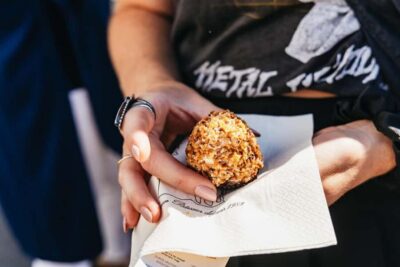
Montmartre Cheese, Wine & Pastry Guided Walking Tour
Read our review →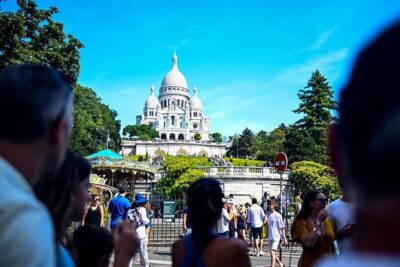
Private Montmartre Food Tour with Wine, Cheese & Pastries
Read our review →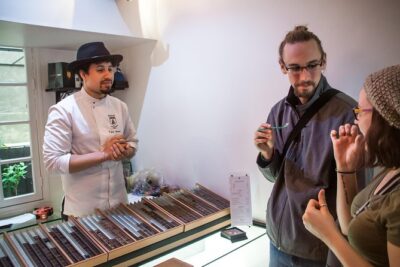
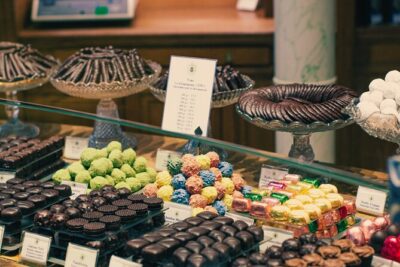
Paris French Sweets Tasting Tour with Pastries and Chocolates
Read our review →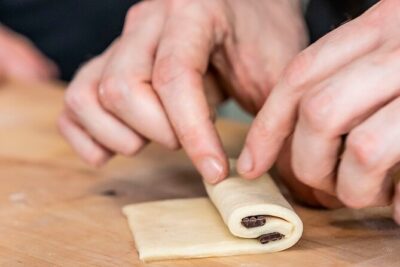
Paris Croissant Small-Group Baking Class with a Chef
Read our review →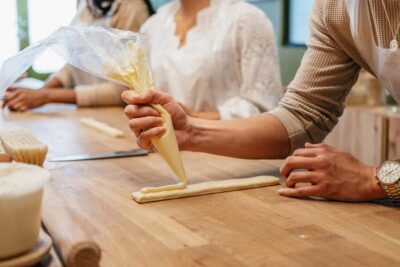
A Morning in Paris Food Tour: Croissants, Baguettes & Chocolate
Read our review →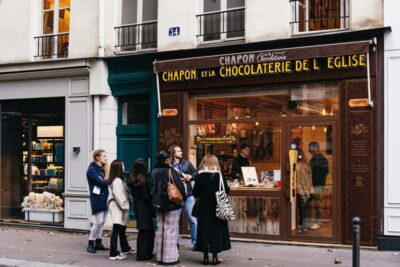
Chocolate & Patisserie Walking Tour with Tastings
Read our review →Browse the lists this tour appears in