
Reviewed · LOUVRE MUSEUM TOURS
Paris: Louvre Museum Guided Tour with Skip-the-Ticket-Line
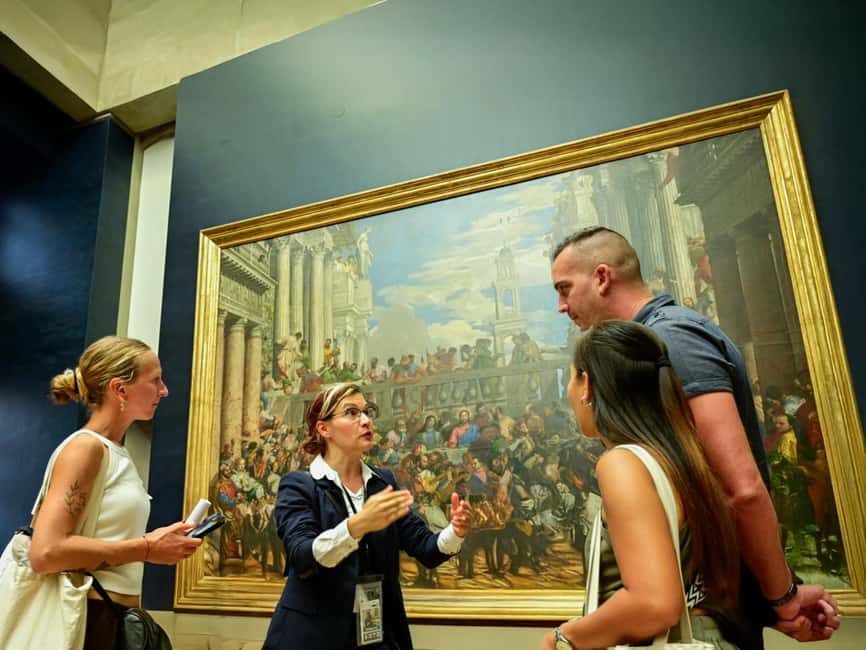
The best thing about this Louvre tour is that it gives you a sensible route through a museum that can otherwise feel like a maze. You enter through the Pyramid, follow a guide to major works such as the Mona Lisa, Venus de Milo, and Winged Victory, and get the stories that make the art easier to understand.
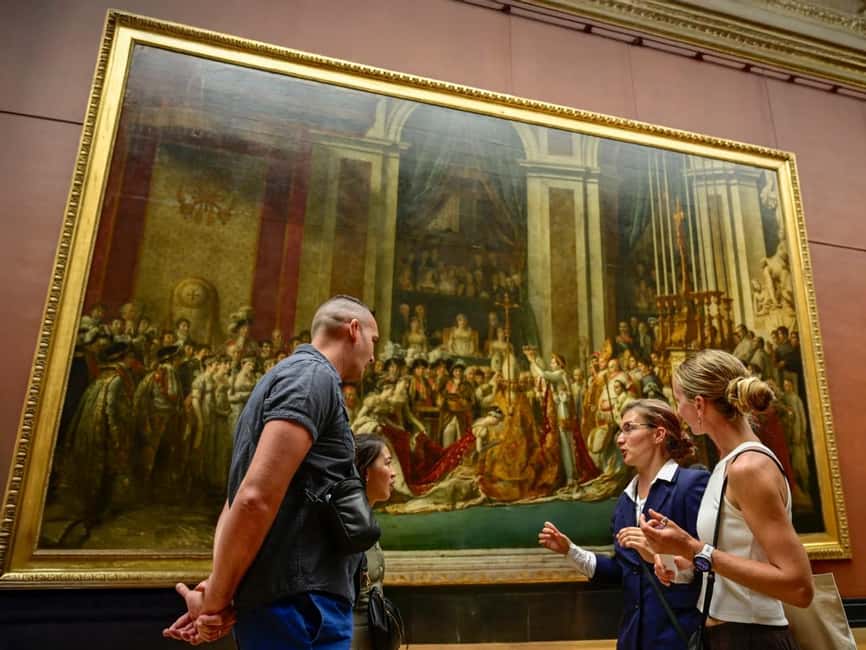
I like the small-group format, which makes it easier to hear the guide without wearing earbuds, and I like that you can remain inside after the tour. Guides including Joe, Avi, Martin, Will, Astrid, and Delly have been praised for combining clear art history with humor and, in some cases, good ways to keep children interested.
The main drawback is time. Two to two and a half hours is enough for the highlights, not the Louvre itself. The Mona Lisa area can still be crowded, and fast-track entry does not remove the security wait, which may reach 20 minutes in high season.
Key points at a glance
- Fast-track entry through the Pyramid: You avoid the main ticket queue, though security screening still applies.
- A focused route through the Louvre: The tour covers headline works instead of leaving you to wander without a plan.
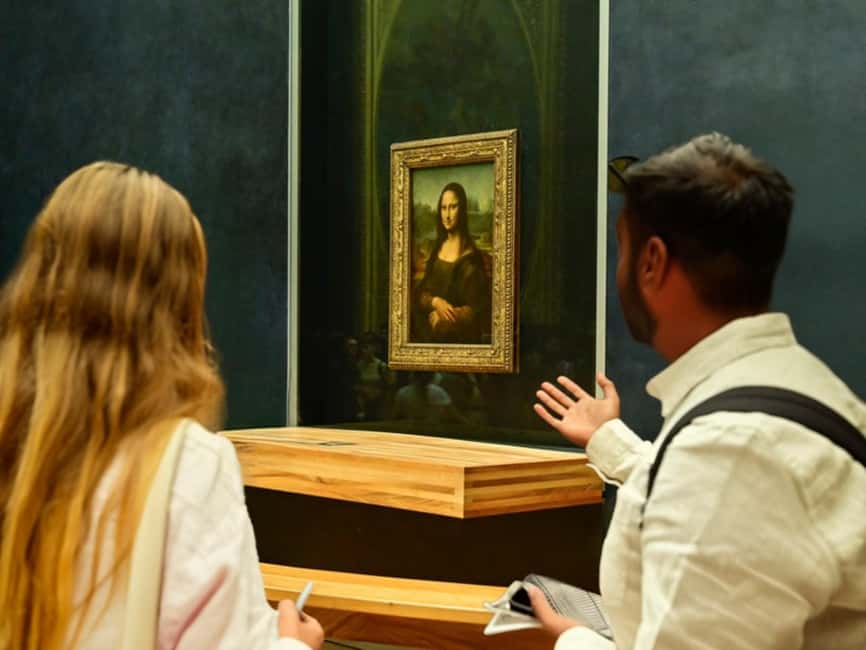
- Mona Lisa stories, not just a photo stop: You learn about Leonardo da Vinci’s portrait and the questions around her expression.
- Small groups with live guides: English and Spanish tours are offered, with private options available.
- Stay after the guided portion: Once the tour ends, you can continue looking around until closing time.
- Pack light and wear good shoes: Large bags, umbrellas, tripods, and items over 55 by 35 by 20 centimeters are not allowed.
The Louvre is not a museum you casually conquer. It is a former royal palace with thousands of rooms and an enormous collection. On a first visit, the real problem is not finding something famous. It is deciding what deserves your limited time.
This guided visit solves that problem by giving you a route and a human voice. For $76 per person, you receive museum admission, fast-track ticket access, and a two to two and a half-hour guided visit in English or Spanish. The value rests mainly on the guide. A ticket gets you through the door, but a good guide helps you understand why certain works matter and prevents the museum from becoming a long march between crowded rooms.
The tour is especially useful if you have never visited the Louvre, have only a few hours in Paris, or want a clear introduction before exploring alone. It is less suitable if you want to spend half a day studying one gallery, move at a slow pace, or avoid stairs and extended walking.
Meeting at Louis XIV near the Pyramid
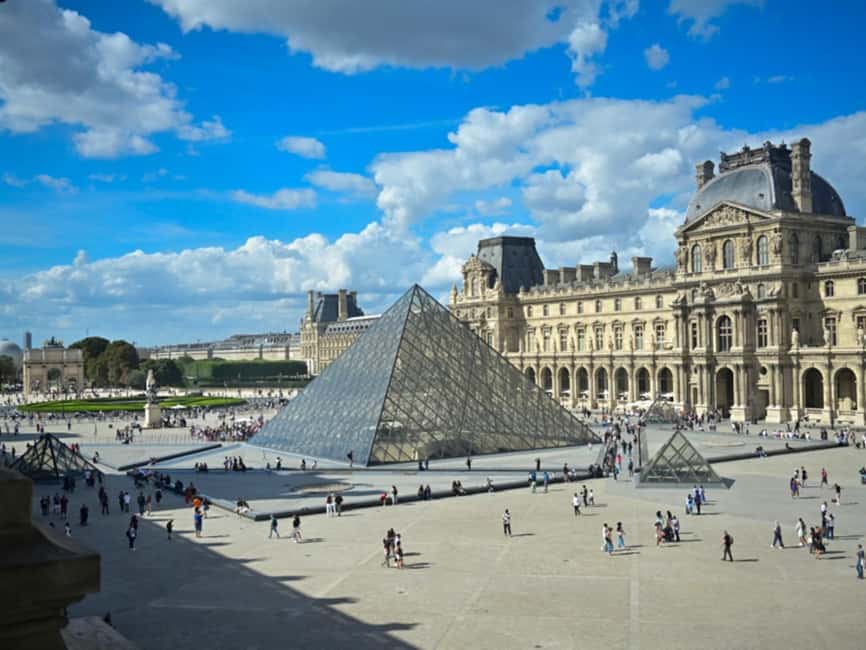
The meeting point is the equestrian statue of Louis XIV in front of the Louvre Pyramid. Look for a guide holding a sign marked The Tour Guy.
This is a practical meeting point because the Pyramid is the museum’s best-known entrance landmark. Still, give yourself time to locate the statue and group. The Louvre grounds are broad, and a rushed arrival can make the first few minutes needlessly tense.
The Pyramid itself is used as a photo stop and a wayfinding landmark rather than a long part of the tour. You will not spend the visit discussing the glass structure. The important point is that your guide gathers the group outside, confirms the booking, and leads you toward entry.
The tour is offered in small groups, with private group availability as another option. Group size matters here. The Louvre can be loud, crowded, and spread out, so a smaller group makes it easier to stay together and hear explanations. One particularly useful feature is that you generally do not need to wear earbuds in a small group.
More Louvre Museum Tours:
- Paris: Louvre Museum Timed-Entrance Ticket
★ 4.6 · 71,977 reviews - Paris: Louvre Guided Tour with Reserved Access & Boat Cruise
★ 4.3 · 16,353 reviews - Louvre Museum Masterpieces Guided Tour with Access
★ 4.5 · 12,023 reviews
What fast-track entry really saves you
Fast-track access means you skip the ticket-buying queue. It does not mean you walk straight into the galleries without any delay.
Everyone still passes through security, and the wait can reach 20 minutes during high season. That distinction matters when you are planning a tight Paris schedule. The tour can save a large amount of time compared with arriving without a timed ticket, but you should not book a train, meal, or another timed activity immediately after the advertised end.
At $76, the cost is higher than admission alone. You are paying for three things: the reserved museum access, the guide’s time, and the structure of the visit. If you already know the Louvre well and prefer to set your own route, the extra cost may not suit you. If this is your first visit, the price is easier to justify because the museum’s size makes poor planning expensive in time and energy.
The two-hour route through the Louvre

The guided portion lasts about two hours, though the full activity may run between two and two and a half hours. The exact path can vary with crowd levels, gallery access, and the guide’s judgment.
You begin with the museum’s major sights, then move through selected works from the Italian Renaissance and other important collections. The guide also points out some less obvious or unusual installations along the way. That mix is useful. A parade of famous names can become repetitive, while a few unexpected objects help you understand the Louvre as a museum with many personalities.
Do not expect to see all 38,000 works. You could spend days here and still leave rooms unexplored. The point is to get a strong first look at the essentials and a working sense of how to continue on your own.
Several people who enjoyed the tour also noted that guides explained the Louvre’s development from its early beginnings to its role as an art museum. That historical frame gives the building more meaning. You are not simply walking through rooms filled with famous objects. You are seeing a former seat of power that changed purpose over many centuries.
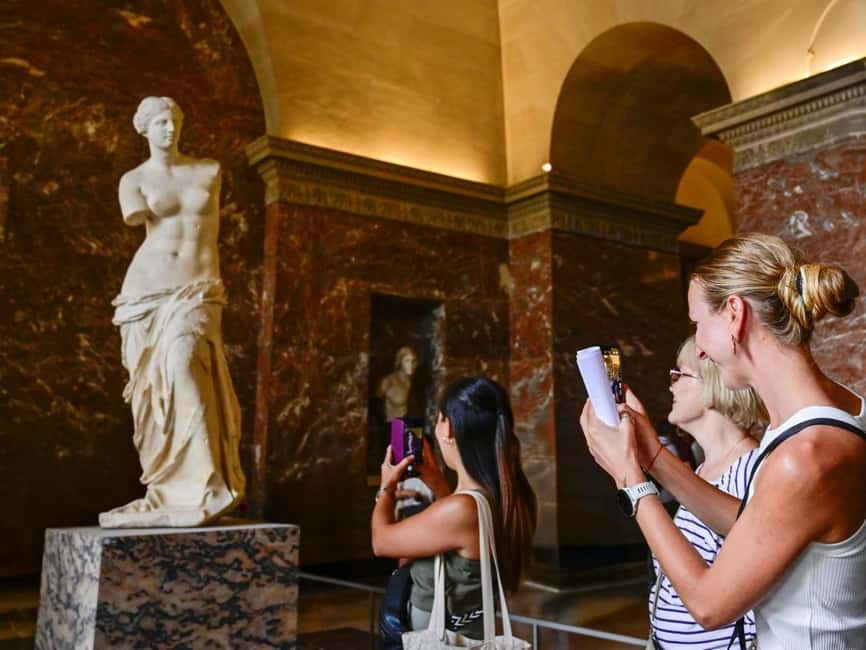
Venus de Milo and the art of the ideal figure
The Venus de Milo is one of the tour’s central stops. This ancient sculpture has influenced generations of artists, and its missing arms have helped make it one of the world’s most recognizable statues.
Your guide places the work in a wider artistic context rather than treating it as a quick photograph. You can expect an explanation of why the figure has remained so influential and what makes the sculpture compelling even when the surrounding room is crowded.
This is also a good place to watch the group’s pace. The Louvre requires plenty of walking, and some areas involve stairs. One guide was specifically praised for allowing extra time to manage stairs, but the experience remains active. Wear comfortable shoes, and be realistic about how much ground you want to cover.
More art museums in Paris:
- Paris: Louvre Museum Entry Ticket With Host and River Cruise
★ 4.6 · 9,926 reviews - Les Invalides: Napoleon’s Tomb & Army Museum Entry
★ 4.6 · 9,185 reviews - Louvre Museum – Exclusive Guided Tour (Entry Included)
★ 5.0 · 6,296 reviews - Paris: Louvre Museum Hosted Entry and Mona Lisa Audioguide
★ 4.6 · 5,235 reviews
Winged Victory of Samothrace, the dramatic centerpiece
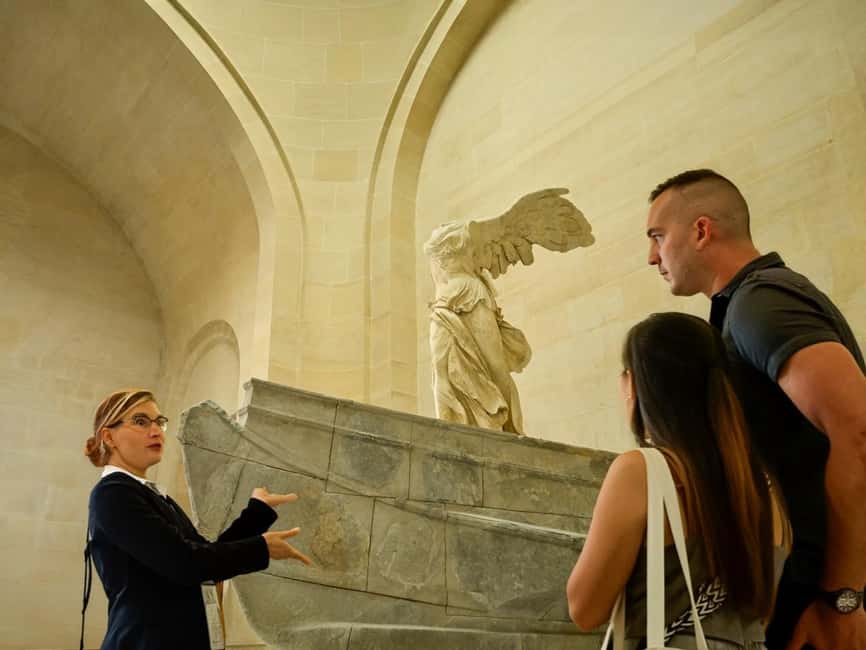
The Winged Victory of Samothrace, also called Nike, represents the Greek goddess of victory. It is one of the Louvre’s most powerful visual moments, even before you study the details.
The statue is positioned at the top of a grand staircase, so the approach itself forms part of the experience. Your guide can help you notice the sense of motion in the drapery and the way the figure appears to confront the space around it.
This stop often becomes a favorite because it is large, dramatic, and easy to appreciate without specialist art training. You do not need to arrive with a background in sculpture. A clear explanation of the figure, setting, and artistic effect is enough to make the work memorable.
The stairs are worth keeping in mind. The tour is not suited to people with mobility impairments, and the museum’s scale can be tiring even for fit visitors. If stairs or long periods of standing are a concern, ask about suitability before booking.
The Mona Lisa and the crowd around her
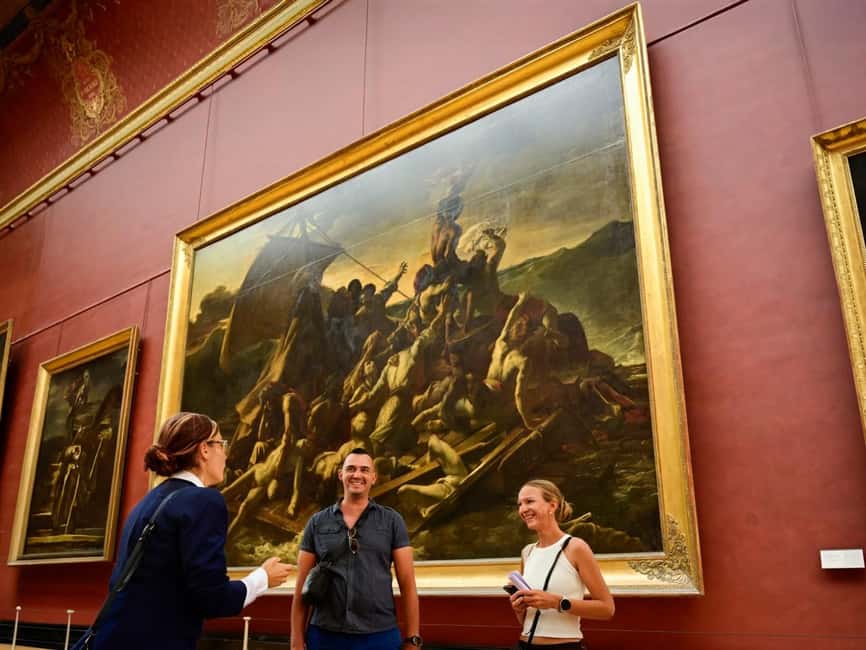
Leonardo da Vinci’s portrait of Lisa Gherardini is the most anticipated stop for many people. The guide explains the painting’s story and the long debate over the subject’s expression. Is she happy, sad, or simply difficult to read? That question has helped keep the portrait famous, but the surrounding history and technique give you more to consider than the smile alone.
The room can be extremely crowded. Fast-track entry does not create a private viewing area, and it cannot guarantee that you will stand close to the painting. One visitor found the queue around the portrait made it difficult to get near the artwork. That is normal for the Louvre’s most famous image, not a flaw unique to this tour.
Treat the Mona Lisa as one stop, not the whole reason for the visit. Your viewing time may be brief, and you may see the painting behind a line of people holding phones. The guide’s explanation is valuable because it gives the moment some meaning even when the physical view is limited.
Photography rules also matter. Photography and filming are strictly prohibited in temporary exhibition rooms. Follow the museum’s instructions and do not assume that every gallery has the same policy.
Italian Renaissance works beyond Leonardo

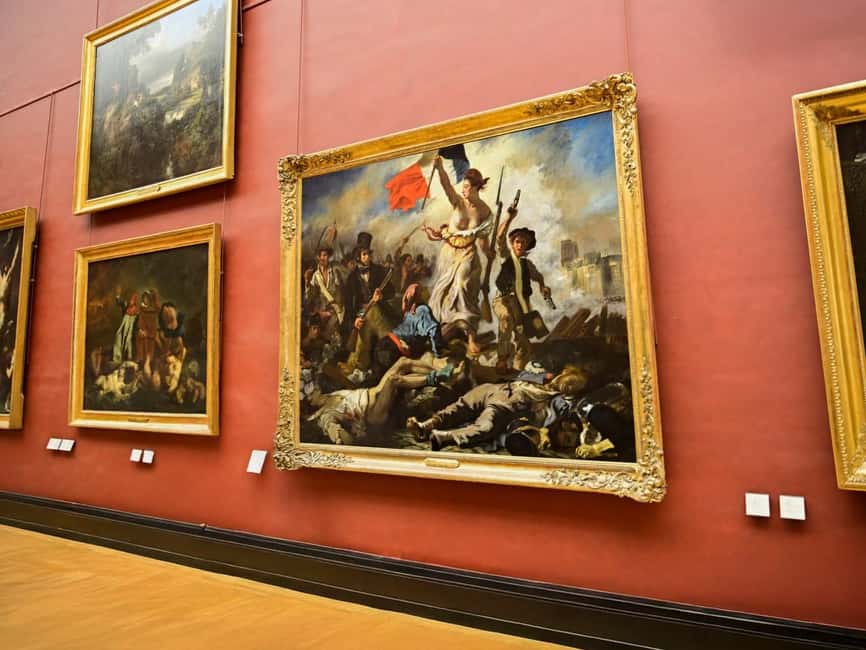
The tour continues with additional works by Leonardo and paintings by Botticelli, Veronese, and Raphael. This section is where the guide’s skill can make the largest difference.
Without context, Renaissance galleries may look like a succession of large religious scenes, portraits, and elaborate compositions. A good explanation helps you see how artists arranged figures, used gesture, built depth, and told stories through small details. The guides praised for this tour, including Joe, Avi, Carolina, Cosi, and Flor, were often described as clear, entertaining, and able to explain why a work deserved attention.
You do not need to know art terms in advance. The best approach is to listen for practical clues: where to look first, what detail changes the story, and how one artist differs from another. A guide may point out why a painting influenced later work or explain how the subject would have been understood in its own period.
This is also where children can benefit from a live guide. Astrid was praised for using treasure hunts and interesting facts to keep children aged six and four involved. Delly was also singled out for interacting well with children. The tour is not automatically a children’s program, but a lively guide can make the experience work for a family.
The value of the guide
The strongest part of this experience is the guide rather than the route on a printed map. The Louvre’s famous works are easy to name. It takes skill to explain them without burying you in dates and technical language.
The most praised guides use humor, answer questions, and give enough information to hold your attention. Joe was repeatedly noted for his enthusiasm and storytelling. Avi was praised for his art and French history explanations. Martin was described as helpful and good at making sure the group reached the major objects. Will was appreciated for his wit and broad command of the museum.
Guide quality can vary from one departure to another, as it does with any tour involving multiple staff members. You should book this experience for the benefits of a live expert, not because one particular guide is guaranteed. The listed languages are English and Spanish.
A small group also gives you a better chance to ask questions. You can ask why a piece matters, how the Louvre developed, or what to see next. At the end, your guide can suggest ways to use the rest of your time in Paris.
Staying inside after the tour
When the guided portion ends, you are allowed to remain in the museum until closing time. This is one of the best practical features because two hours cannot cover the Louvre.
Use the tour as your orientation. Afterward, choose one area rather than trying to see everything. You might return to a painting that interested you, visit another collection, or follow your guide’s suggestion. Once you leave the artwork area, you cannot re-enter, so do not exit casually if you plan to continue looking around.
The extra museum time also improves the value of the $76 price. You are not limited to the guided route. You get a structured introduction and the chance to add independent time, provided you remain inside and follow the museum’s access rules.
Bags, shoes, and practical limits
Pack light. Large bags, backpacks, luggage, umbrellas, tripods, and items larger than 55 by 35 by 20 centimeters are not allowed. There is no coat check on site, and the lockers are not accessible to this small-group tour.
This is a detail worth taking seriously. Leave large belongings at your accommodation rather than arriving with the hope of storing them nearby. Weapons and sharp objects are prohibited, as are smoking and baby strollers.
Bring a passport or other identification and wear comfortable shoes. The museum is enormous, the tour involves walking, and you may want to continue afterward. A water bottle or snack is not included, and food and drinks are not part of the tour price, so plan around your museum visit.
Cancellation is free up to 24 hours before the activity for a full refund. You can also reserve now and pay later, which helps if your Paris plans are still shifting.
Who should book this Louvre visit?
I would choose this tour for a first visit, a short stay, or a family that wants a clear path through the museum. It is also a good choice if the thought of navigating the Louvre alone feels overwhelming. Several people found that they would have missed important paintings without a guide, and that is an honest assessment of this place.
The tour works well for adults with mixed levels of art interest. A person who knows little about painting can follow the stories, while someone with more interest can ask questions and use the guided route as a starting point.
I would look elsewhere if you want a quiet, unhurried study of a particular collection. I would also think twice if you have mobility limits, need a stroller, carry large luggage, or cannot manage a long walk with stairs. The Louvre is demanding, and a fast route through highlights will not remove that basic fact.
Should you book it?
Book this tour if you want to see the Louvre’s essential works without spending your first hour figuring out the map. The fast-track ticket, small group, and guide-led route make the $76 price reasonable for a first-time visit, especially when you plan to stay inside afterward.
Go in with the right expectations. You may wait at security, the Mona Lisa will likely be surrounded by people, and two hours will only introduce you to the museum. For a focused first look with useful stories and a practical head start, this is a strong choice.
FAQ
How long does the Louvre guided tour last?
The activity lasts about two to two and a half hours. The guided visit itself is listed as approximately two hours.
What artworks are included?
The route includes the Mona Lisa, Venus de Milo, Winged Victory of Samothrace, other works by Leonardo da Vinci, and selected works by Botticelli, Veronese, and Raphael.
Is museum admission included?
Yes. Admission and skip-the-ticket-line access are included in the price.
Can I stay inside the Louvre after the tour?
Yes. You may remain inside until closing time after the guide says goodbye. Once you leave the artwork area, you cannot re-enter.
Does skip-the-line access eliminate all waiting?
No. You skip the ticket line, but you still need to pass through security. During high season, the security wait can reach 20 minutes.
What languages are available?
Live guided tours are available in English and Spanish.
What should I bring?
Bring a passport or identification card and wear comfortable shoes.
Can I bring a large backpack, stroller, or luggage?
No. Large bags, backpacks, luggage, umbrellas, tripods, and items over 55 by 35 by 20 centimeters are not allowed. Baby strollers are also not allowed, and there is no coat check on site.
Just added around Paris
- Paris: The Da Vinci Code Walking Tour with a Local Guide★ 4.3 · 5 reviews
- Paris: Flea Market Insider’s Tour in Extra-Small Group★ 4.6 · 73 reviews
- Paris: Private Fashion Tour (Chanel, Dior, Sex & the City)★ 5.0 · 3 reviews
- Paris: Floral Earrings workshop★ 5.0 · 3 reviews
- Paris: Fashion History Walking Tour in the Heart of Paris★ 4.9 · 22 reviews
- PARIS: Family e-bike longtail renting★ 5.0 · 3 reviews
- Paris: Famous Monuments Cycling Tour★ 4.7 · 20 reviews
- Paris: private city tour with seine river cruise★ 4.8 · 28 reviews
Louvre Museum Tours, compared.

Louvre Guided Tour with Reserved Access & Boat Cruise
Read our review →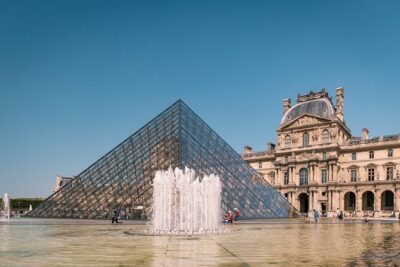
Louvre Museum Masterpieces Guided Tour with Access
Read our review →
Louvre Museum Entry Ticket With Host and River Cruise
Read our review →
Priority Access Louvre with Host -Direct to Mona Lisa
Read our review →
Mona Lisa & Louvre Masterpieces Tour with Reserved Access
Read our review →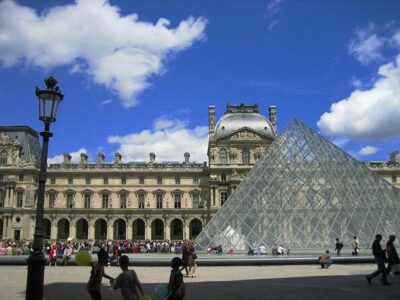
Louvre Museum – Exclusive Guided Tour (Entry Included)
Read our review →
Louvre Reserved Ticket and River Cruise Combo
Read our review →Browse the lists this tour appears in