
Reviewed · LOUVRE MUSEUM TOURS
Paris: Louvre Museum Tour Mona Lisa & Iconic Masterpieces
The Louvre is too large to conquer casually, especially on a first visit. This two-hour highlights tour gives you a clear route through the museum, with the Mona Lisa, Venus de Milo, Winged Victory of Samothrace, Renaissance paintings, Greek sculpture, and palace foundations all on the menu.
I like the reserved museum entry, which avoids the long ticket queue, and the audio headsets, which let you hear the guide without standing shoulder to shoulder. Guides such as Benito, Martina, Laetitia, and Sophie have earned praise for turning famous objects into understandable stories. The catch is pace: a group of up to 25 can move quickly, and the Louvre’s security line still applies.
Key points to know before booking
- Mona Lisa and major masterpieces: Follow a planned route to the Louvre’s best-known works instead of wandering blindly through an enormous museum.
- Reserved entry, not instant entry: Your ticket is arranged in advance, but everyone still passes through security.
- English-speaking licensed guide: Guides such as Benito, Martina, Gabriella, and Laetitia have been praised for clear explanations and lively delivery.
- Headsets included: You can keep listening while standing back from the group or viewing a crowded painting.
- Free time inside afterward: The tour ends in the museum, so you can continue exploring, but you cannot re-enter the galleries after exiting.
- Best for a first Louvre visit: It suits you if you want structure, context, and the essential sights rather than a quiet, specialist study of one collection.
Why a guided Louvre visit makes sense
The Louvre is not simply a large museum. It is a former royal palace with galleries spread across several wings and levels. You can easily spend a full day there and still leave with important rooms unseen. Without a plan, you may burn an hour finding the right staircase, then another hour trying to locate the Mona Lisa.
This tour gives your visit shape. Your guide leads you through the major sights and explains what you are looking at, why it matters, and how it fits into French and European culture. That structure is especially useful if you have only one chance to see the Louvre.
The tour is offered in English and lasts about two hours. That is long enough to see the central highlights, but not long enough to study every painting or spend fifteen quiet minutes with one sculpture. I would think of it as an introduction, not a complete museum visit.
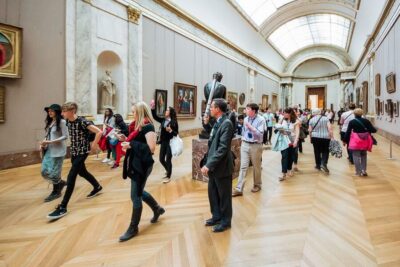
The group can include up to 25 people. That is not a private tour, and the size matters in narrow galleries. A strong guide keeps everyone together with the headset system, but people who stop for photographs or fall behind may need to catch up.
More Louvre Museum Tours:
- Paris: Louvre Museum Timed-Entrance Ticket
★ 4.6 · 71,977 reviews - Paris: Louvre Guided Tour with Reserved Access & Boat Cruise
★ 4.3 · 16,353 reviews - Louvre Museum Masterpieces Guided Tour with Access
★ 4.5 · 12,023 reviews
Meeting at Place Colette, not at the pyramid
The meeting point is Le Kiosque des Noctambules at 12 Place Colette, about a four-minute walk from the Louvre. This location is away from the confusion of the glass pyramid, where thousands of people may be arriving, departing, or searching for their own guides.
You should read the meeting instructions carefully the day before and arrive early. The meeting point has caused confusion for some visitors, especially those who expected to meet directly at the museum entrance. The tour provider says the location is printed on the confirmation and voucher, and telephone help is available on the day.
This small bit of planning can save a great deal of stress. The Louvre area is busy, and the museum has several entrances and large public spaces. Do not assume that being somewhere near the pyramid means you are at the correct meeting spot.
Once the group is together, your guide escorts you to the museum. Transport is not included, so you make your own way to Place Colette. The area is near public transportation, but the supplied information does not specify a particular station or route.
Entering the Louvre with a reserved ticket
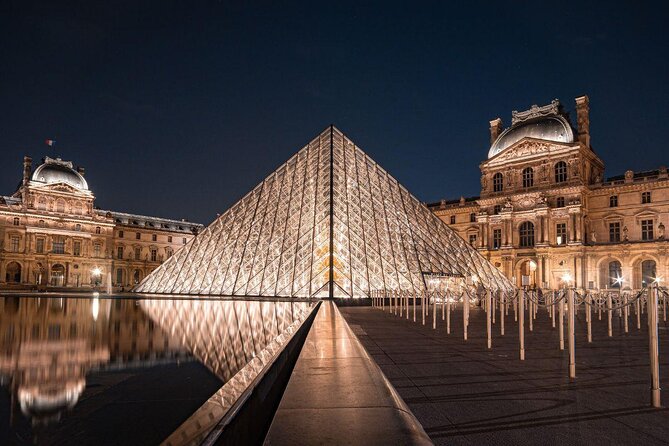
The reserved ticket is one of the tour’s strongest practical benefits. At busy times, the ticket queue can be extremely long. One visitor reported seeing a roughly three-hour ticket line at the museum in the afternoon, which puts the value of prearranged entry into perspective.
There is an important distinction here. Reserved entry helps you avoid the general ticket-buying queue, but it does not let you skip security. Every group still has to pass through the security check, and that line can become slow during crowded periods.
This is why the phrase skip the line needs a little translation. You are skipping the major ticket line, not walking straight through every entrance barrier. On a very busy day, you may still wait before entering.
There are no individual tickets for this arrangement. You must enter with the group, so arriving late is a serious problem. Once inside, the guide begins the route through the museum rather than leaving you to find the galleries on your own.
The palace beneath the museum
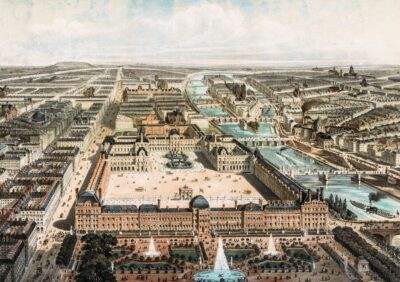
The Louvre’s setting is part of the story. Before it became a museum, the site held a fortress and later a royal palace. During the tour, you may see the foundations of the earlier castle in the basement of the Louvre Palace.
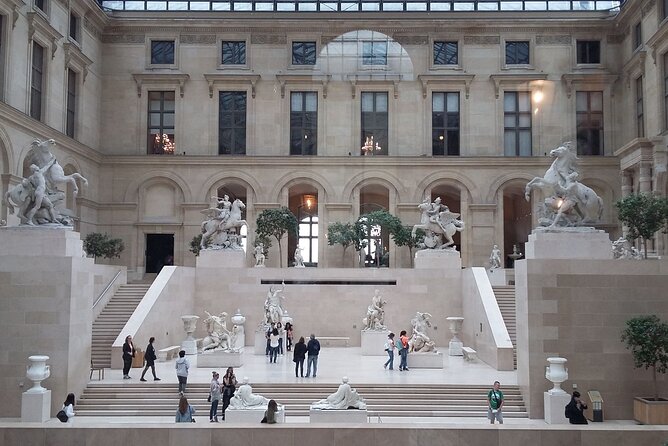
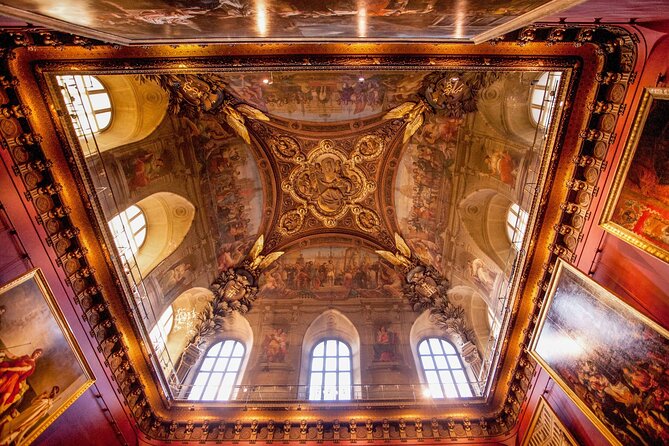
This is a useful stop because it explains why the museum feels so sprawling. You are walking through layers of French royal building projects, not just a modern gallery with rooms arranged for convenience. The architecture, courtyards, stairways, and grand halls help explain the scale of the institution.
Guides do not all divide their time in exactly the same way. Some spend more time explaining the building and its past, while others move quickly toward the paintings and sculptures. If palace history matters greatly to you, listen closely at this early part of the route and ask questions when there is a natural pause.
More art museums in Paris:
- Paris: Louvre Museum Entry Ticket With Host and River Cruise
★ 4.6 · 9,926 reviews - Les Invalides: Napoleon’s Tomb & Army Museum Entry
★ 4.6 · 9,185 reviews - Louvre Museum – Exclusive Guided Tour (Entry Included)
★ 5.0 · 6,296 reviews - Paris: Louvre Museum Hosted Entry and Mona Lisa Audioguide
★ 4.6 · 5,235 reviews
Ancient Greek sculpture: Venus de Milo and Winged Victory
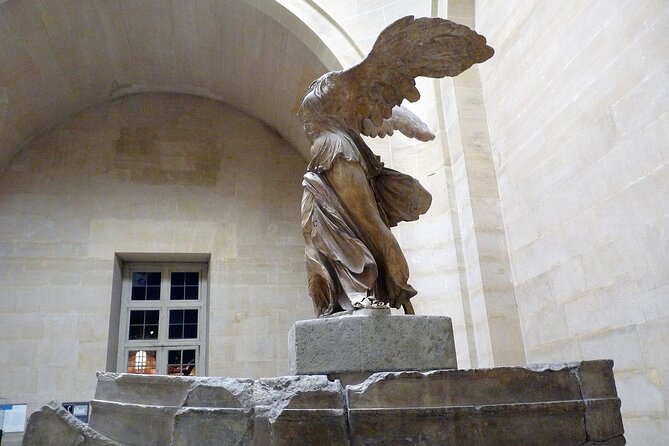
The tour includes two of the Louvre’s most recognizable ancient Greek works, the Venus de Milo and the Winged Victory of Samothrace. These sculptures are famous for good reason, but their popularity can make it hard to look carefully.
The Winged Victory is placed at the top of a grand staircase, where the approach itself becomes part of the sight. The figure’s flowing form and dramatic position reward a moment of stillness, even when the surrounding space is busy.
The Venus de Milo draws a large crowd of its own. Your guide can point out details and explain the work’s place in classical art, helping you look beyond the missing arms and the familiar postcard image.
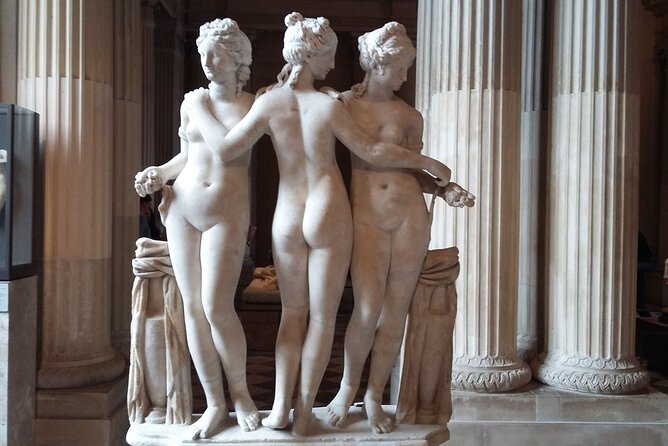
The tour also includes ancient Greek relics and a sphinx. One guide, Imad, received special praise for making the so-called three ladies and the sphinx memorable stops. That suggests an important advantage of a guided route: you see more than only the three objects printed on every Louvre souvenir.
Renaissance paintings and the Mona Lisa crowd
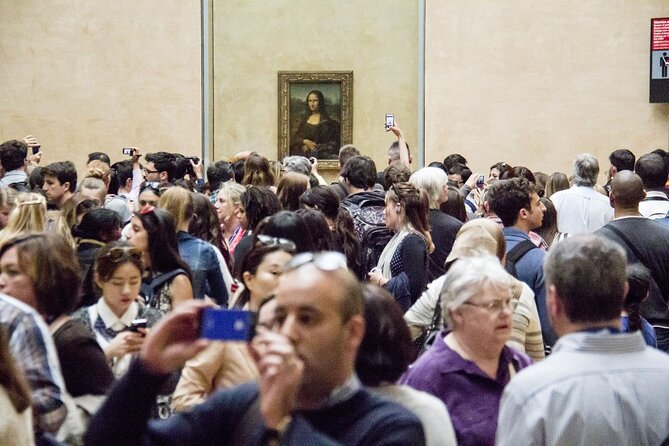
The Mona Lisa is the emotional center of the visit for many people, and the tour takes you to the world’s most famous Renaissance portrait. Your guide explains why the painting became so famous and points out details you might miss if you simply join the crowd, raise your phone, and move along.
Expect a crush around the painting. Getting close enough for a photograph can be difficult, and the room may feel more like a queue than a quiet art gallery. The guide can give you context, but no tour can make the crowd disappear.
The Louvre’s Renaissance collection offers much more than the Mona Lisa. The route includes paintings from the 13th through the 19th centuries, along with works from the Royal Collection and prints. Depending on the guide and the pace of the group, you may spend more or less time in the Italian painting rooms.
That variation is worth understanding before you book. Some guides focus heavily on the building and move quickly through the paintings. Others give the art more attention and pause for questions. Laetitia, Gabriella, Sophie, and Maryam have been praised for balancing useful background with interesting details, but the exact flow depends on the day’s guide and crowd conditions.
Audio headsets and the value of a human guide
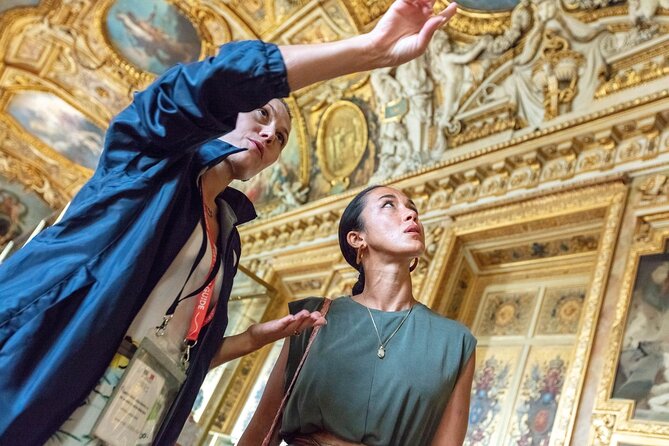
The supplied audio headsets are more important than they may sound. The Louvre can be noisy, and a group spread across a gallery quickly becomes difficult to follow. With a headset, you can stand a few steps back from the guide and still hear the explanation.
This also lets you look at the artwork instead of staring at the guide. You can move into a better viewing position while keeping up with the commentary. For a museum tour, that is a real improvement over trying to hear a guide speak above the surrounding room.
The headsets are not perfect for everyone. One parent found the earpiece uncomfortable for a 12-year-old. The provider says you can plug your own earphones into the device, so bringing a familiar pair may help if you are sensitive to standard earbuds.
The guides are the heart of the tour. Andrea was praised for being courteous and explaining the important paintings clearly. Benito was especially effective with teenagers, asking questions and keeping a small group involved. Sophie’s strong English and enthusiasm for art made a lasting impression, while Laetitia was described as a patient storyteller who could help an older visitor use the elevators and keep pace.
Those details matter more than a polished route on paper. A good Louvre guide helps you understand what you are seeing without burying you in art-school language.
Two hours at a brisk but useful pace
Two hours is a sensible length for a first encounter with the Louvre. The museum is physically tiring, and a longer guided route could become hard to absorb. You see the principal works, hear the important background, and still have energy to continue on your own.
The tradeoff is speed. One guide moved so fast that the group spread out on the way to the entrance and some people struggled to keep up. Another visitor found the tour informative but rushed, with too little time for photographs in the painting galleries.
You should stay close to the guide and avoid stopping for extended pictures during the route. If you want to linger, make a note of the room or artwork and return after the guided portion. The tour is designed to keep moving.
The positive side of that pace is efficiency. Several guides have been praised for going straight to the masterpieces without wasting time. For a first visit, that can be exactly what you need. You will not spend half the morning lost in a distant wing while missing the works you came to see.
Staying inside after the tour
The tour ends inside the Louvre Museum, which is a valuable arrangement. After the two-hour route, you can continue looking at galleries that interest you, revisit a favorite work, or simply slow down and wander.
Your guide may offer suggestions about areas to visit next. This is where the tour becomes more than a quick checklist. You get an orientation first, then the freedom to choose your own second act.
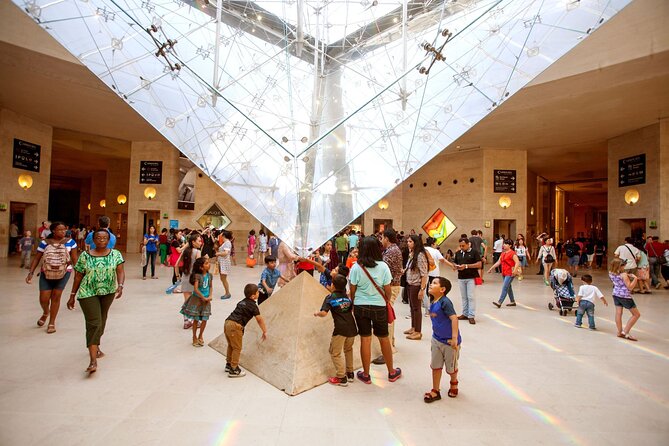
Pay attention to the exit rule. Once you leave the wings and reach the area under the pyramid, you cannot re-enter the galleries. Do not exit for lunch or a short walk outside unless you are finished with the museum.
Food and drinks are not included. Transport to and from the museum is also not included, so plan those costs separately. The museum can be crowded and warm, particularly on a Saturday afternoon, so comfortable shoes and a little patience will help.
Crowds, timing, and the best kind of day to book
The museum can be crowded at any hour, but timing still matters. The provider specifically suggests earlier morning or later afternoon departures as ways to reduce the pressure of peak periods.
A Saturday afternoon is a poor choice if you want open space around the art. The galleries may feel hot and congested, and even a skilled guide has limited room to maneuver. The Mona Lisa area is likely to be especially packed.
This tour is booked about 29 days in advance on average, which tells you to plan ahead if your Paris dates are fixed. The wide choice of departure times helps you fit the Louvre around meals, other museums, or an evening activity.
I would choose the earliest practical time for a calmer start, or a later slot if your schedule makes mornings difficult. Avoid building a tight appointment immediately afterward. The official duration is about two hours, but security, group movement, and the size of the museum make a little flexibility wise.
Is $108.13 a fair price?
At $108.13 per person, this is not a bargain museum admission. The listed museum ticket alone is €22, so much of the price pays for the English-speaking licensed guide, organized entry, route planning, and headsets.
The value depends on how you use the Louvre. If you are confident navigating a huge museum, enjoy reading labels on your own, and have plenty of time, buying admission separately may cost less. You would also be free to move at your own pace from the start.
I think the tour earns its price for a first visit when your time is limited. Avoiding the ticket line can save hours on a bad day, and the guide prevents you from wasting time finding the essential rooms. The value is even clearer for families, teenagers, or anyone who feels intimidated by the museum’s size.
It is less appealing if you want a quiet art study, a private guide, or long pauses at individual works. The group may move briskly, and the Mona Lisa crowd will still be there. Free admission applies to visitors under 18 and EEA residents under 26 with valid identification and proof of residency, so check how that rule affects your own booking before paying the full tour price.
Free cancellation is available up to 24 hours before the start time. Changes or cancellations inside that window are not refunded.
Who should book this Louvre tour?
I would choose this tour for a first-time Paris visitor who wants the essential Louvre experience without spending a full day planning a route. It also suits families with teenagers, since a guide can give the museum structure and ask questions that keep young people involved.
It is a good match for you if you want:
- The Mona Lisa, Venus de Milo, and Winged Victory in one visit
- Clear explanations of art and French history
- Reserved ticket access
- A two-hour route followed by personal museum time
- An English-speaking guide and headset
- Help finding your way through a very large building
I would look elsewhere if you want a private visit, a slow specialist tour, or complete control over every gallery. You should also think twice if you dislike crowds or have difficulty walking at a brisk pace.
FAQ
How long does the Louvre tour last?
The guided portion lasts approximately two hours. You can remain inside the museum afterward and continue exploring on your own.
Is the museum admission included?
Yes. The tour includes a €22 museum entrance ticket and reserved entry with the group.
Does reserved entry mean I skip every line?
No. You avoid the general ticket queue, but all groups still pass through the museum security check, which can take time when the Louvre is busy.
Where does the tour begin?
The meeting point is Le Kiosque des Noctambules at 12 Place Colette, 75001 Paris. It is about a four-minute walk from the Louvre.
Where does the tour end?
The tour ends inside the Louvre Museum. You may stay after the guided visit, but once you exit the wings and reach the area beneath the pyramid, you cannot re-enter the galleries.
Is the tour offered in English?
Yes. The experience is offered in English with a licensed guide and audio headsets.
Can visitors under 18 or EEA residents under 26 enter free?
Free museum admission applies to visitors under 18 and EEA residents under 26 when they present valid identification and proof of residency. The tour is still a group experience, so confirm the booking details for your circumstances.
Should you book it?
Book it if you want the Louvre’s essential works, a sensible route, and useful context in two hours. The reserved ticket and guide can save substantial time, while the chance to remain inside afterward lets you explore beyond the checklist.
Choose an early morning or later afternoon departure when possible, read the meeting instructions closely, and stay near the guide. If you accept the crowds and brisk pace, this is an efficient way to make sense of one of Paris’s most overwhelming sights.
Just added around Paris
- Private Paris Marche d’Aligre Walking Tour with Tastings★ 5.0 · 8 reviews
- Private Louvre Museum Tour for Kids & Families with Alberto or his team in Paris★ 5.0 · 41 reviews
- Private Highlights of Paris Tuk-Tuk Experience★ 5.0 · 26 reviews
- Paris Latin Quarter Walking Tour: History & Culture – Small Group★ 5.0 · 14 reviews
- Private Highlights of Paris Bike Tour★ 4.5 · 15 reviews
- Paris Musee d’Orsay PRIVATE TOUR with a Local Private Guide★ 5.0 · 41 reviews
- Private Half Day Historic Tour★ 5.0 · 58 reviews
- Pere Lachaise Cemetery Paris – Exclusive Guided Walking Tour★ 5.0 · 72 reviews
Louvre Museum Tours, compared.
Louvre Guided Tour with Reserved Access & Boat Cruise
Read our review →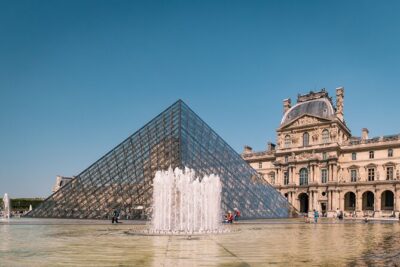
Louvre Museum Masterpieces Guided Tour with Access
Read our review →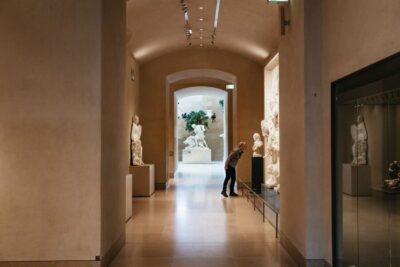
Louvre Museum Entry Ticket With Host and River Cruise
Read our review →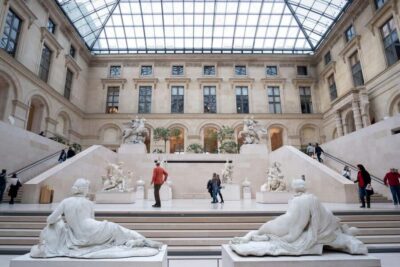
Priority Access Louvre with Host -Direct to Mona Lisa
Read our review →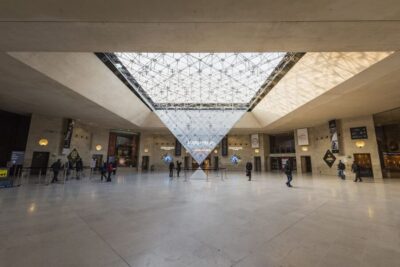
Mona Lisa & Louvre Masterpieces Tour with Reserved Access
Read our review →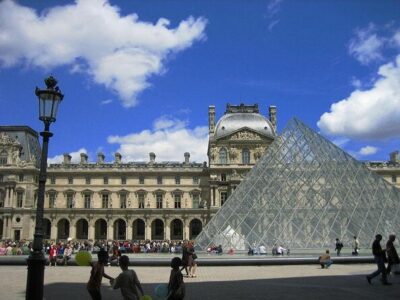
Louvre Museum – Exclusive Guided Tour (Entry Included)
Read our review →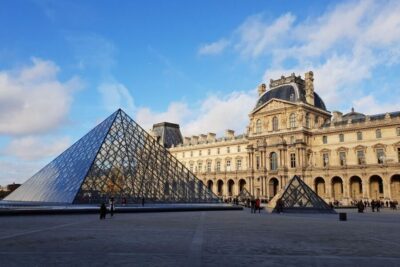
Louvre Reserved Ticket and River Cruise Combo
Read our review →Browse the lists this tour appears in