
Reviewed · MONTMARTRE AND SACRé-CœUR TOURS
Paris: Montmartre Tour with Sacré-Cœur (Wine Tasting Option)
Montmartre is Paris at its most theatrical: red windmills, artists’ studios, steep lanes, movie locations, and the white domes of Sacré-Cœur above it all. This walk connects those sights with the painters, writers, singers, and ordinary residents who gave the hill its bohemian character.
I like the small-group format, which makes it easier to hear the guide and ask questions, and I like the optional wine tasting, where four wines are paired with cheese and charcuterie. The main consideration is the hill itself: you’ll climb uphill, and the route can last anywhere from 1.5 to 3 hours depending on the departure and tasting option.
Key things to know before you book
- Start at Place Blanche: Meet in front of the Starbucks Café at 5 Place Blanche, near the Moulin Rouge.
- Follow Montmartre’s creative trail: The route links Rue Lepic, the Wall of Love, Bateau-Lavoir, La Maison Rose, and Place du Tertre.
- Hear stories of famous residents: Your English-speaking guide covers artists such as Monet, Toulouse-Lautrec, and Van Gogh, along with writers and performers.
- Finish near Sacré-Cœur: The guided visit ends in front of the basilica, with broad views across Paris from the steps.
- Add a wine and cheese tasting: The optional tasting includes three still wines, one sparkling wine, plus cheese and charcuterie.
- Wear proper shoes: Montmartre’s slopes and walking time make comfortable footwear important.
Why Montmartre works best on foot
Montmartre can look simple on a map, but its character only appears as you walk. The neighborhood rises sharply from the lower boulevard, and each turn changes the view. A guided route helps you connect places that might otherwise feel like separate photo stops.
The area became a magnet for artists, writers, and performers over many years. Monet, Toulouse-Lautrec, and Van Gogh are part of that story, as are Zola, Marcel Aymé, and the singer Dalida. The appeal is not only famous names. Your guide also points out the everyday streets, old buildings, ivy-covered corners, and traces of village life that make Montmartre feel different from central Paris.
I find a walking tour especially useful here because the neighborhood contains plenty of visual clues but not always enough explanation. A windmill, a former artists’ residence, or a small vineyard can seem ordinary until you learn why it matters.
More Montmartre and Sacré-Cœur Tours:
- Montmartre Hidden Gems and Scenic Highlights Walking Tour
★ 5.0 · 2,684 reviews - Montmartre Hill French Gourmet Food and Wine Tasting Walking Tour
★ 5.0 · 2,588 reviews - Paris: Montmartre Cheese, Wine & Pastry Guided Walking Tour
★ 4.8 · 2,255 reviews
Starting at Place Blanche and the Moulin Rouge
The meeting point is in front of the Starbucks Café at 5 Place Blanche. This is a practical starting place because it is easy to identify and puts you at the foot of the hill, beside the Moulin Rouge.
The Moulin Rouge is a sightseeing stop rather than an interior visit. You pass by the famous red windmill and hear about the role of cabaret in Montmartre’s public image. It is worth setting expectations here: this tour is about seeing the exterior and learning the neighborhood story, not attending a show.
From Place Blanche, the route heads into the 18th Arrondissement. The opening section includes a short briefing and an introduction to the area, giving you a chance to understand the route before the climbing begins.
Rue Lepic and Montmartre’s village character
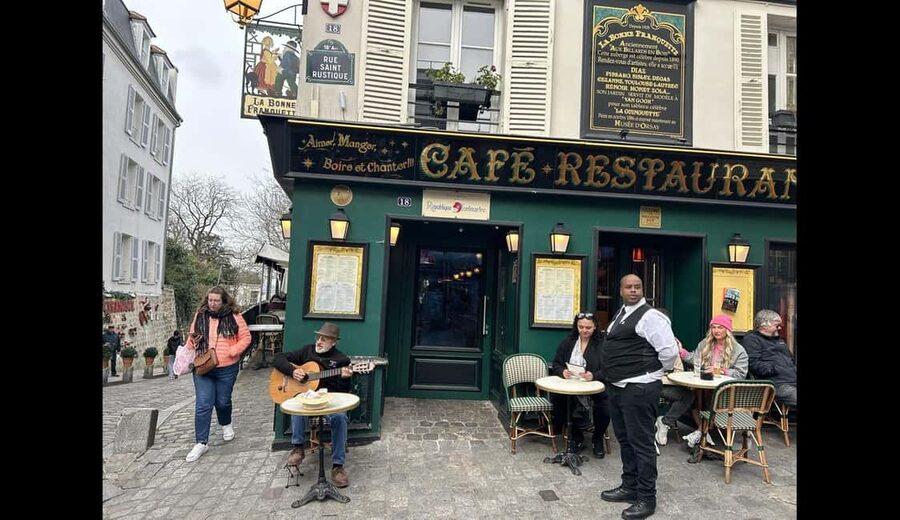
Rue Lepic brings you away from the large boulevard and into streets that feel more residential. The guide leads you along the road while explaining the district’s art, culture, and daily life.
This part is useful because it slows the tour down. Montmartre is not just a collection of famous addresses. It also has shops, old façades, narrow passages, and corners where you can get a better feel for how the hill became a place people wanted to live and work.
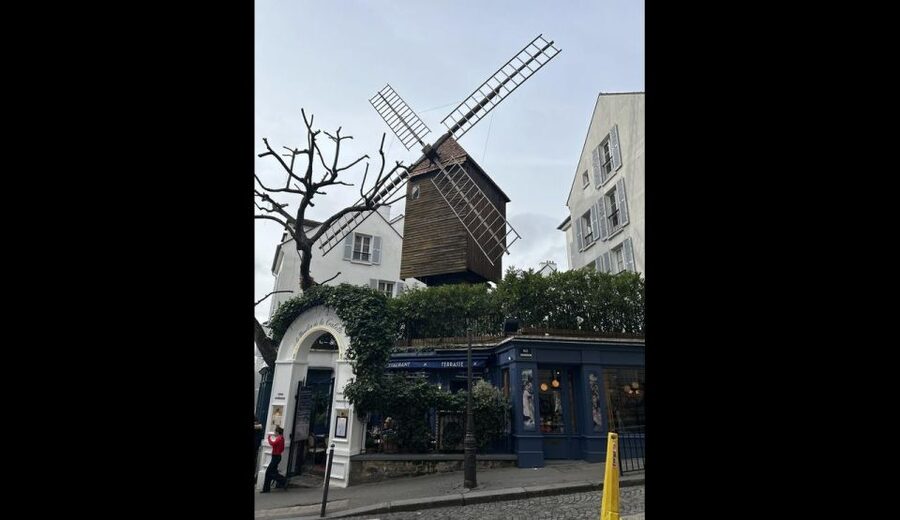
The route also passes old windmills and one of the last working vineyards in Paris. These details help explain why Montmartre once felt more like a village outside the city than a Paris neighborhood. You may not spend long at each feature, but the guide puts them into a larger picture.
There is some uphill walking here. The listed walking sections are short, often around five minutes, but the repeated climbs can add up. If stairs and slopes are difficult for you, consider the physical demands before booking.
The Wall of Love and the softer side of the route
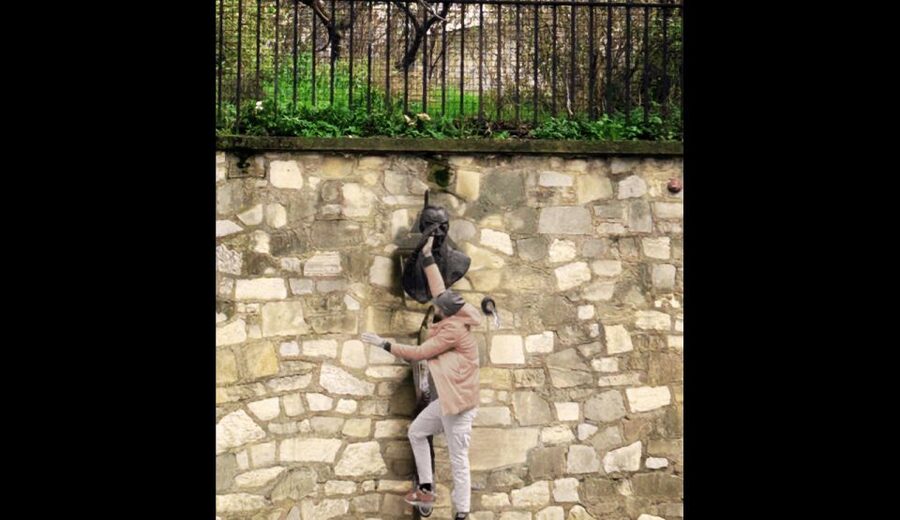
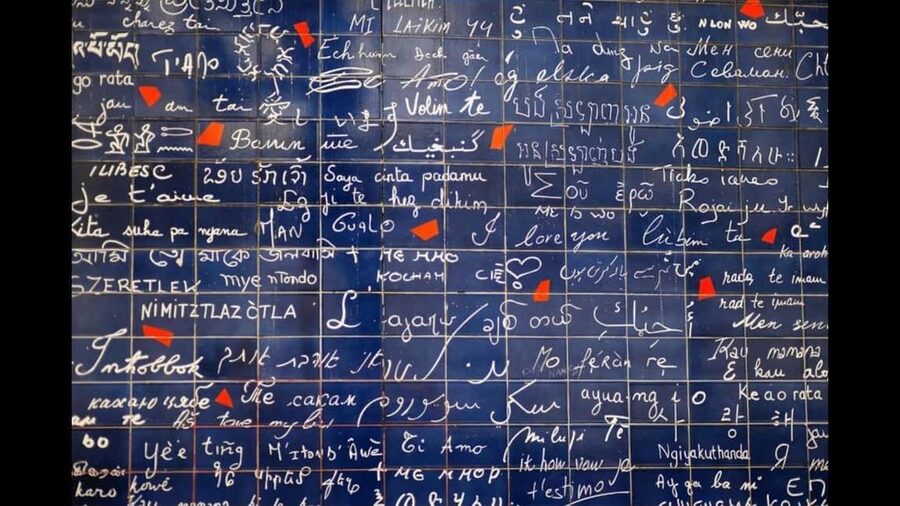
The Wall of Love is one of the tour’s photo stops. Its many versions of the words I love you make it a light, easy pause after the early walking.
I like this stop because it adds a modern and playful note to a tour that often focuses on artists and older buildings. It also gives you a clear chance to take photos rather than trying to grab one while the group is moving.
The guide then leads you onward through more of Montmartre’s lanes. The route includes scenic views along the way and several brief stops, so the experience keeps moving. You should expect a guided neighborhood walk, not long private visits inside every location.
More wine tastings in Paris:
- Authentic Parisian Gourmet Food Tour with 10 Local Dishes & Wines
★ 5.0 · 4,754 reviews - Loire Valley Castles Day Trip from Paris with Complementary Wine
★ 4.5 · 3,907 reviews - From Paris: Loire Valley Castles Day Trip With Wine Tasting
★ 4.6 · 1,727 reviews - Private Montmartre Food Tour with Wine, Cheese & Pastries
★ 5.0 · 1,027 reviews
Bateau-Lavoir and the artists of the hill
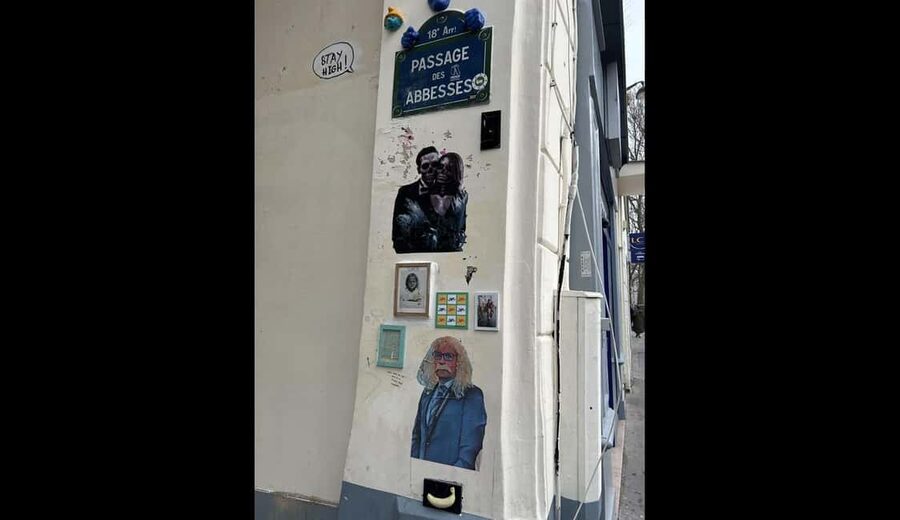
Le Bateau-Lavoir is an important stop for understanding Montmartre’s artistic past. It is associated with the artists who lived and worked in the area, and it helps bring the names of painters out of the abstract history-book category.
This is where the tour’s storytelling matters most. You’ll hear about the artists drawn to Montmartre, including Monet, Toulouse-Lautrec, and Van Gogh. The route also covers writers such as Zola and Marcel Aymé, showing that the hill’s creative reputation was not limited to painting.
The visit is short, around five minutes, so do not expect an extended indoor museum experience. Its value comes from seeing the place in context and then continuing through the streets that shaped the neighborhood’s image.
Rue de l’Abreuvoir and La Maison Rose
Rue de l’Abreuvoir is one of the most picturesque parts of the walk. Its sloping line and older buildings make it a natural photo stop, and the guide explains why this street has become one of Montmartre’s best-known views.
La Maison Rose is another short stop for photos and commentary. Its colorful exterior is easy to recognize, and the surrounding street gives you the kind of scene many people hope to find in Montmartre: small-scale buildings, painted surfaces, and a strong sense of place.
You should expect several people to be taking photos in this part of the neighborhood. The tour helps you see the locations without wasting time figuring out where they are, but the stops are brief. If photography is your main goal, keep your camera ready and listen for the guide’s instruction about when the group is moving on.
The route also includes places connected with films such as Amélie and Emily in Paris. Those references give the walk a current point of connection, especially if you recognize the scenes. The guide still places the films within the older neighborhood story rather than treating Montmartre as a movie set alone.
Place du Tertre and the final climb
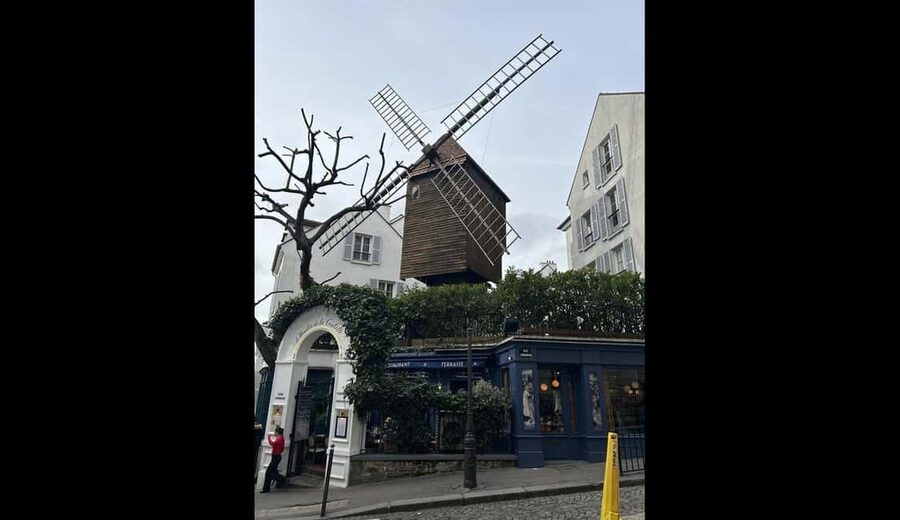
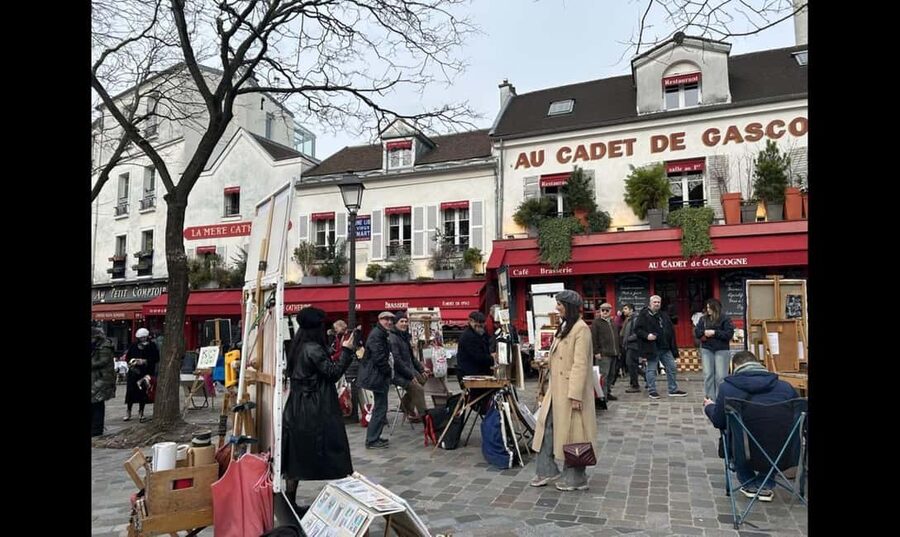
Place du Tertre is the traditional artist square and one of the final stops before Sacré-Cœur. It is a lively public space filled with the visual language most people associate with Montmartre: painters, portrait artists, cafés, and visitors moving between the tables.
The tour passes through the square rather than presenting it as a long private visit. That matters because the area can feel crowded, and your guide’s commentary helps you focus on what you are seeing instead of simply following the crowd.
From here, the route continues toward Sacré-Cœur. The climb is part of the experience, but it is also the point at which fatigue may become noticeable. Take sensible shoes, keep water with you, and allow extra time if you prefer a slower pace.
Sacré-Cœur and the Paris view
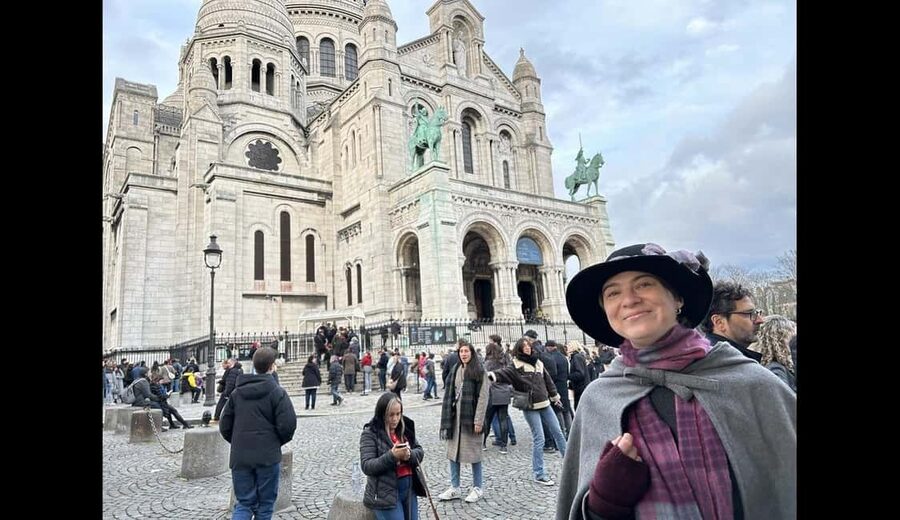
The tour includes a visit to Sacré-Cœur Basilica, and the guided portion ends in front of it. The basilica’s white exterior is one of the clearest landmarks on the hill, but the steps below it are just as important for many visitors.
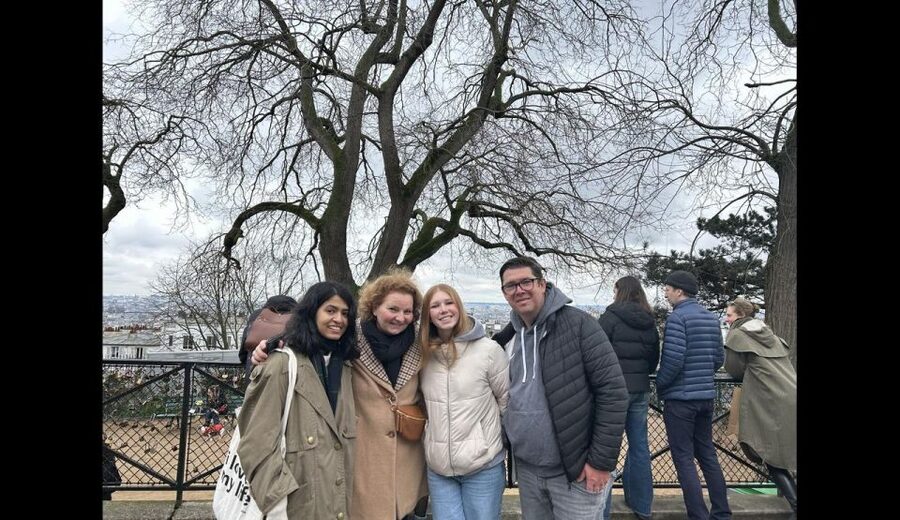
From the steps, you get sweeping views across Paris. This is the natural payoff of the uphill route, and your guide can help you understand the city spread out below you.
Entrance to the dome is not included. The dome is a separate paid option, so you should budget for it only if you want the higher viewpoint. The standard experience brings you to the basilica and its exterior viewpoint, but it does not promise dome access.
There is a small logistical detail worth checking before you go. The practical information says the guided visit ends in front of Sacré-Cœur, while the activity details also describe the activity as ending back at the meeting point. Ask for the exact end arrangement when you book, especially if you have a timed reservation or transport connection afterward.
The optional wine tasting
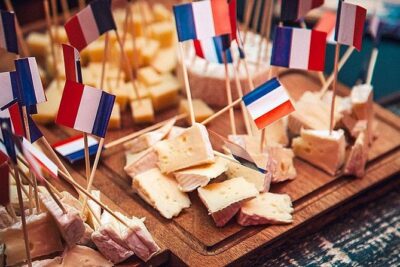
The wine tasting changes the shape of the experience from a sightseeing walk into a longer Paris outing. It includes four wines: three still wines and one sparkling wine, served with a cheese and charcuterie board.
A professional sommelier leads this part. That makes it useful if you want more than a casual drink, since you can learn how the wines are presented and paired with the food.
I like the tasting as an add-on for two reasons. First, it gives you a seated pause after the hill. Second, the cheese and charcuterie make the stop feel connected to French food culture rather than simply another drink on a schedule.
The tasting is optional, so you can choose the shorter walking format if you are mainly interested in the neighborhood and basilica. The total duration varies from 1.5 to 3 hours, and the wine option is a major reason the timing range is broad.
The supplied details describe the tasting as four wines, while the short highlights also refer to three wines. The fuller description specifies three still wines and one sparkling wine, so confirm the exact tasting plan when you reserve.
Guide quality and group size
This is an English-language tour with a live guide. The small-group setup is important in Montmartre, where narrow streets and noisy public areas can make a large group frustrating.
A good guide has to do more than name buildings. The strongest parts of this route depend on explaining links between artists, films, architecture, cabaret, and ordinary street life. Ifiok is one guide associated with the experience, and the comments about her point to punctuality, clear speech, friendliness, and an ability to keep the walk fun.
That combination matters. You need a guide who can keep the group together without making the tour feel rushed, especially around Place du Tertre and the photo stops. The tour also offers private or small-group formats, so check the option you select if group size is important to you.
Is $74 a fair price?
At $74 per person, the tour is not the cheapest way to see Sacré-Cœur. You are paying for a live English-speaking guide, a planned route through several well-known Montmartre locations, and recommendations for local sights and places to explore afterward.
The value is strongest if you want context. You could walk past the Moulin Rouge, La Maison Rose, and Place du Tertre on your own, but you would miss the connections among them unless you researched the area in advance.
The price makes more sense with the wine tasting included, since you receive four wines plus cheese and charcuterie under the direction of a sommelier. If you only want a quick visit to the basilica and a few photos, the cost may feel high. If you want a guided introduction to Montmartre, the route covers enough ground and stories to make the price reasonable.
Free cancellation up to 24 hours before the tour and reserve-now, pay-later booking also make it easier to fit into a changing Paris schedule. Those policies are useful, but they do not change the physical demands of the walk.
Who should book this Montmartre walk?
I’d choose this tour if you are visiting Montmartre for the first time and want the neighborhood explained as you see it. It suits anyone interested in art, local stories, film locations, photography, and French wine.
It also works well for people who prefer a clear route rather than wandering uphill without a plan. The guide handles the sequence, while you concentrate on the streets and views.
You may want a different plan if you dislike hills, want extensive indoor sightseeing, or prefer to spend a long time at each photo location. This is a moving walking tour with short stops, not a museum visit or a cabaret performance.
FAQ
Where does the Montmartre tour start?
Meet your guide in front of the Starbucks Café at 5 Place Blanche.
Where does the guided tour end?
The guided visit ends in front of the Sacré-Cœur Basilica. The activity details also mention an end back at the meeting point, so confirm the exact arrangement for your selected departure.
Is Sacré-Cœur included?
Yes. The walking tour includes a visit to Sacré-Cœur Basilica.
Is the Sacré-Cœur dome included?
No. Entrance to the dome is not included in the tour price.
How long does the experience last?
The activity lasts between 1.5 and 3 hours. Check the available departure details because the timing varies.
Is wine tasting included?
Wine tasting is optional. The tasting includes four wines, three still and one sparkling, with cheese and charcuterie.
What language is the tour offered in?
The live guided tour is offered in English.
What should I bring?
Bring comfortable shoes. The route includes uphill climbing and several walking sections.
Should you book it?
Book this tour if you want Montmartre’s famous sights tied together by stories, not just a checklist of photo stops. The small-group format, clear English guidance, and optional wine tasting give you useful choices.
I would skip it if you only want the basilica or if steep streets are a serious problem. For most first-time visitors who want art, film sites, village-like streets, and a fine view over Paris in one outing, this is a well-shaped introduction to the hill.
More food tours in Paris
- Paris: Seine Cruise & Crepe Tasting near the Eiffel Tower
★ 4.4 · 11,231 reviews - Normandy D-Day Small-Group Day Trip with Omaha Beach, Cemetery & Cider Tasting
★ 5.0 · 2,786 reviews - Paris: Illuminated Evening River Cruise & Waffle Tasting
★ 4.1 · 2,697 reviews - Devour Paris Ultimate Food Tour
★ 5.0 · 2,087 reviews
Just added around Paris
- Private Paris Marche d’Aligre Walking Tour with Tastings★ 5.0 · 8 reviews
- Private Louvre Museum Tour for Kids & Families with Alberto or his team in Paris★ 5.0 · 41 reviews
- Private Highlights of Paris Tuk-Tuk Experience★ 5.0 · 26 reviews
- Paris Latin Quarter Walking Tour: History & Culture – Small Group★ 5.0 · 14 reviews
- Private Highlights of Paris Bike Tour★ 4.5 · 15 reviews
- Paris Musee d’Orsay PRIVATE TOUR with a Local Private Guide★ 5.0 · 41 reviews
- Private Half Day Historic Tour★ 5.0 · 58 reviews
- Pere Lachaise Cemetery Paris – Exclusive Guided Walking Tour★ 5.0 · 72 reviews
Montmartre and Sacré-Cœur Tours, compared.
Montmartre Hidden Gems and Scenic Highlights Walking Tour
Read our review →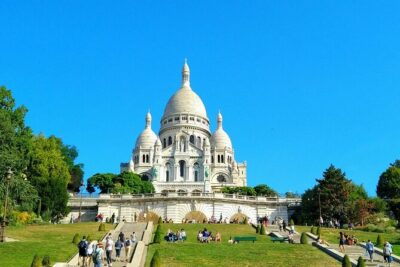
Montmartre Hill French Gourmet Food and Wine Tasting Walking Tour
Read our review →
Montmartre Cheese, Wine & Pastry Guided Walking Tour
Read our review →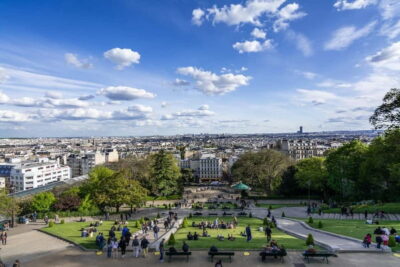
Montmartre Highlights Walking Tour with a Local Guide
Read our review →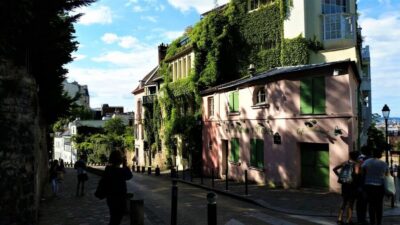
Sacré-Coeur and Montmartre Tour with Expert Guide
Read our review →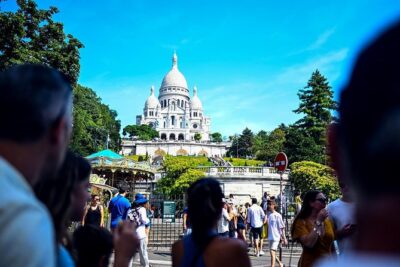
Private Montmartre Food Tour with Wine, Cheese & Pastries
Read our review →
Paris Montmartre Food Tour – A Full French Meal by Do Eat Better
Read our review →
Hidden Montmartre: Paris’ Secret Streets Walking Tour
Read our review →Browse the lists this tour appears in