
Reviewed · MUSéE D’ORSAY TOURS
Paris: Orsay Museum Masterpieces Guided Tour
The Musée d’Orsay is one of Paris’s most rewarding museums, and this tour gets you quickly into its former railway-station hall and famous Impressionist rooms. In two hours, you’ll see major works by Monet, Renoir, Van Gogh, and Cezanne, with an art historian explaining both the pictures and the people who made them.
I like the reserved entry, which saves precious Paris time, and I like the way the tour connects paintings to politics, daily life, and changing artistic ideas. Guides such as Anais, Hamish, Blerta, Abed, and Erwan have earned especially warm praise for clear explanations and lively storytelling. The drawback is that the museum can be crowded, and two hours gives you a strong introduction rather than time for every gallery.
Key points to know before you book
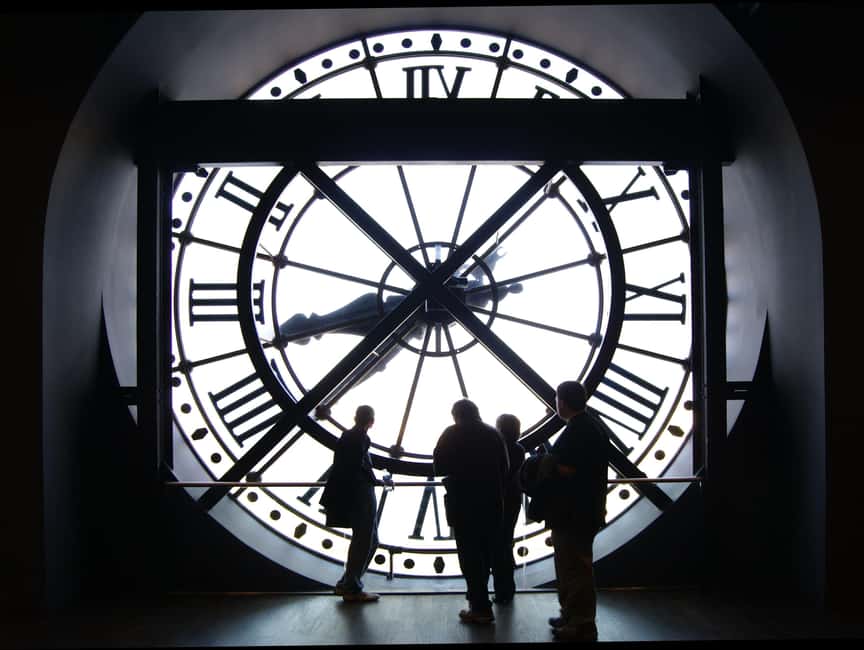
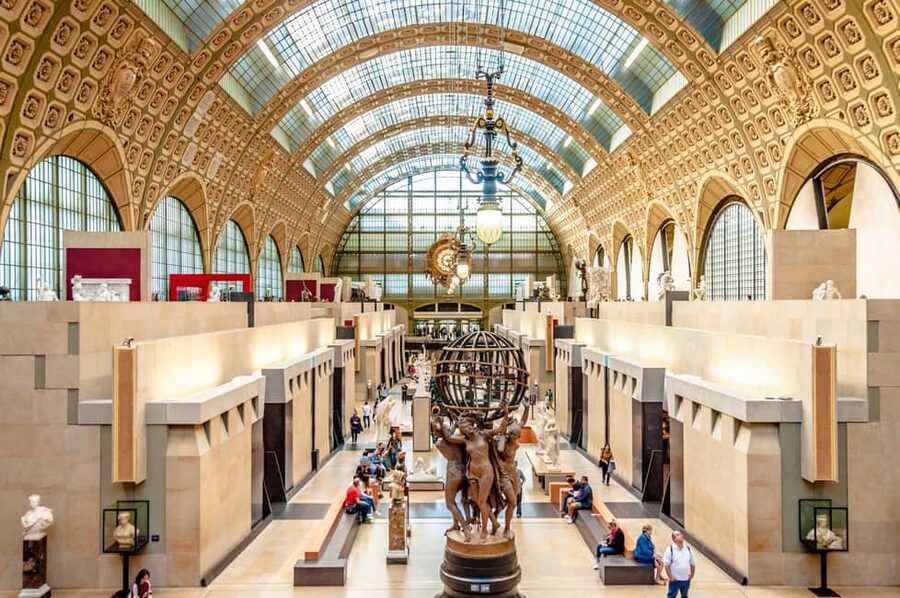
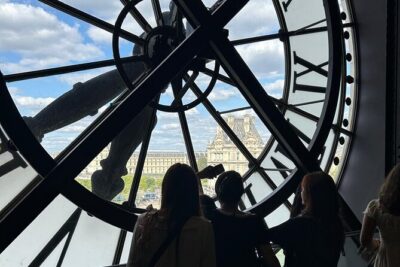
- The former railway station is part of the experience: The museum’s Beaux-Arts architecture, giant clocks, and long central hall provide a striking setting for the art.
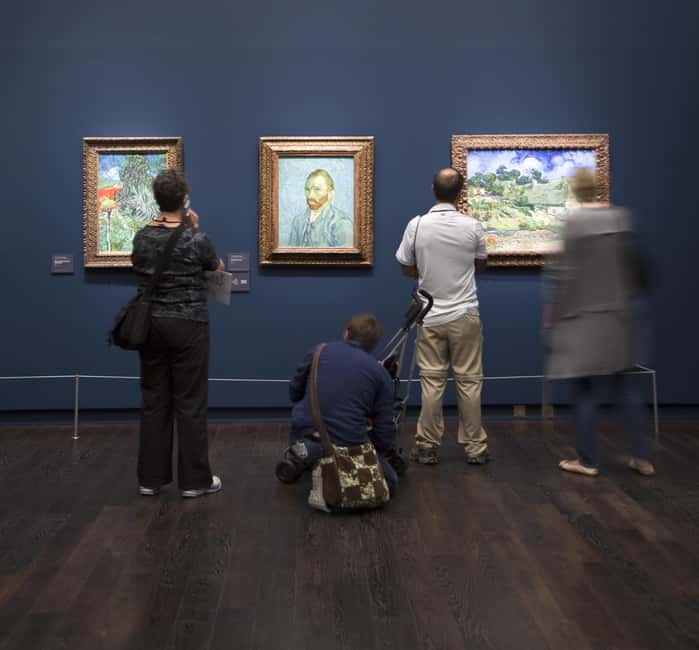
- You see major Impressionist works quickly: The route focuses on Van Gogh, Renoir, Monet, Manet, Cezanne, Degas, and other key artists.
- Reserved entry saves time: Your entrance and reservation fees are included, so you avoid buying a standard museum ticket on arrival.
- The guide adds context you would miss alone: Expect discussion of technique, personalities, French history, and the fierce criticism early Impressionists faced.
- You can choose the group size: A semi-private option has six people, while the larger group allows up to 25.
- The tour requires steady walking: Wear comfortable shoes, and remember that strollers, large bags, backpacks, and luggage are not allowed.
Why the Musée d’Orsay makes such a fine tour
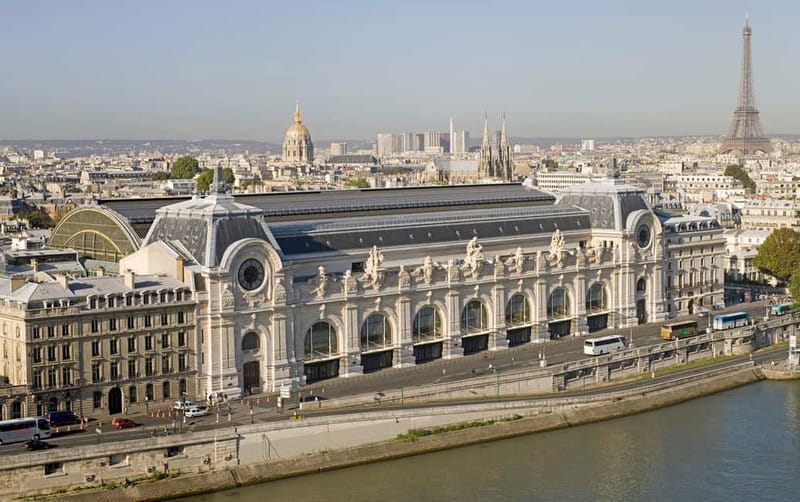
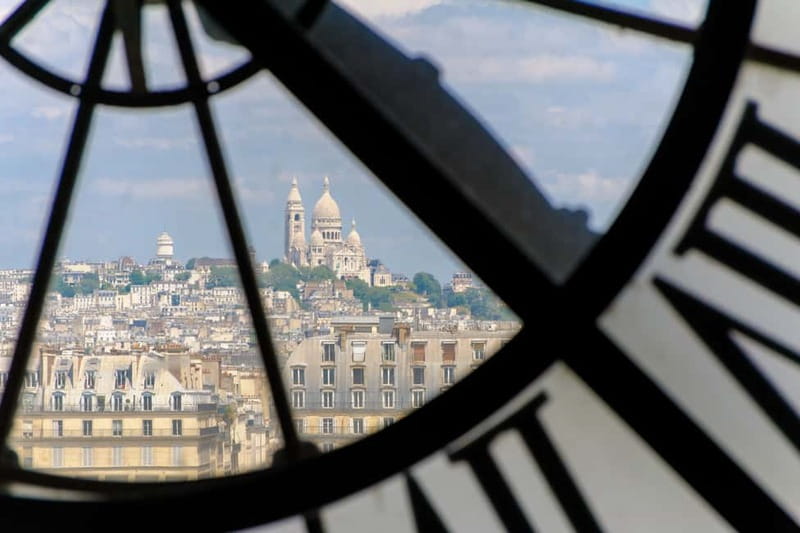
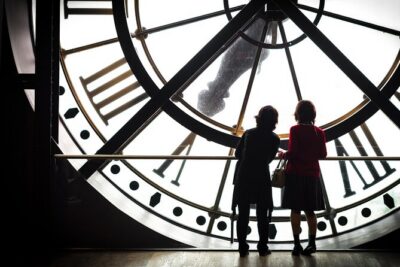
Many Paris museums are housed in former palaces or grand civic buildings. The Musée d’Orsay is different. It occupies a converted railway station, and you feel that history as soon as you approach the main hall. The building’s high roof, large clocks, and open structure give the museum a sense of movement that suits the artists inside.
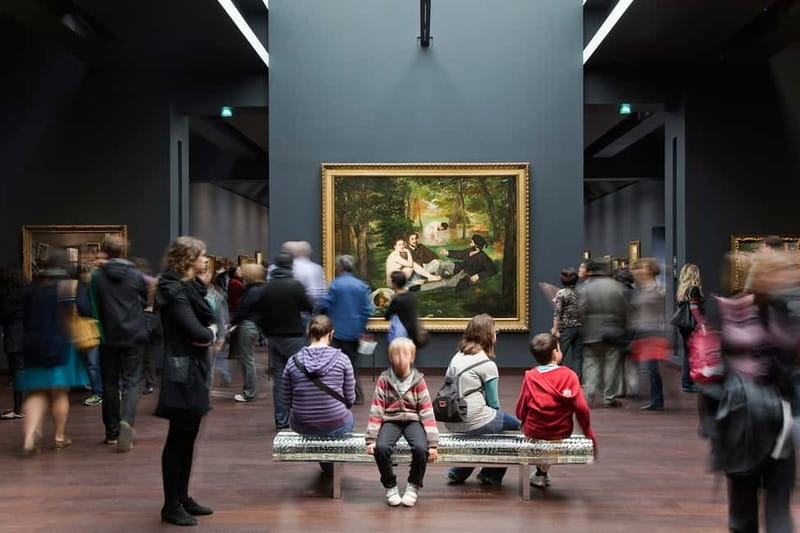
This matters because the museum is not simply a room full of famous paintings. It shows a period when artists were breaking with old rules about subject, brushwork, color, and public taste. A guide can help you see why a painting that now seems familiar once looked strange, unfinished, or even offensive to its first audience.
The collection is centered on French art from the 19th century into the early 20th century, with a particularly strong showing of Impressionist and Post-Impressionist work. You will not see every room in two hours, but you will get a useful path through the museum rather than wandering until your feet give up.
More Musée d’Orsay Tours:
- Paris in a Day: Louvre or Orsay, Eiffel Tower, City Walk & Cruise
★ 5.0 · 1,956 reviews - Paris: Musée d’Orsay Skip-the-Line Tour with Expert Guide
★ 4.5 · 1,145 reviews - Musée d’Orsay Skip-the-Line Tour with Expert Guide
★ 4.8 · 1,088 reviews
Meeting at the elephant statue
The tour begins at 5 Rue de la Légion d’Honneur, in the courtyard in front of the museum’s main entrance. Look for the large elephant statue and a guide holding a sign for the company. This is an important detail, since the museum has several approaches and the riverfront facade can make the entrance area feel less obvious than expected.
The Musée d’Orsay overlooks the Seine on Quai Anatole France. From the river, look for the large building with two clocks on its river-facing facade. If you are using public transport, the RER line C stops at Musée d’Orsay. Metro line 12 reaches Solferino. From Solferino, leave by exit 2, marked for the museum, turn left, and walk up Rue de Bellechasse.
Give yourself enough time to find the meeting point. The tour does not include transportation, and the guide will not be collecting you from a hotel or station. Once the group is assembled, the tour returns to this same meeting point at the end.
The first moments inside the former station
The building deserves attention before you reach the paintings. A guide may spend a little time explaining its railway past and the way the structure became a museum. That introduction helps you read the building as part of Paris’s story, not just as a handsome container for art.
Once inside, the guide leads you toward the main works selected for the two-hour route. The exact order can change with crowds, museum access, or the guide’s approach. That flexibility is useful in a busy museum, where a fixed path may be blocked by a school group or a crowded display.
You should expect to stand for much of the tour. The guide may use a headset when needed, which helps in busy rooms and allows you to hear without gathering tightly around one person. Still, the sound equipment can occasionally cause trouble. One guide, Hamish, was especially praised for handling an audio problem calmly, but it is sensible to tell the guide quickly if you cannot hear.
Seeing Impressionism through its artists
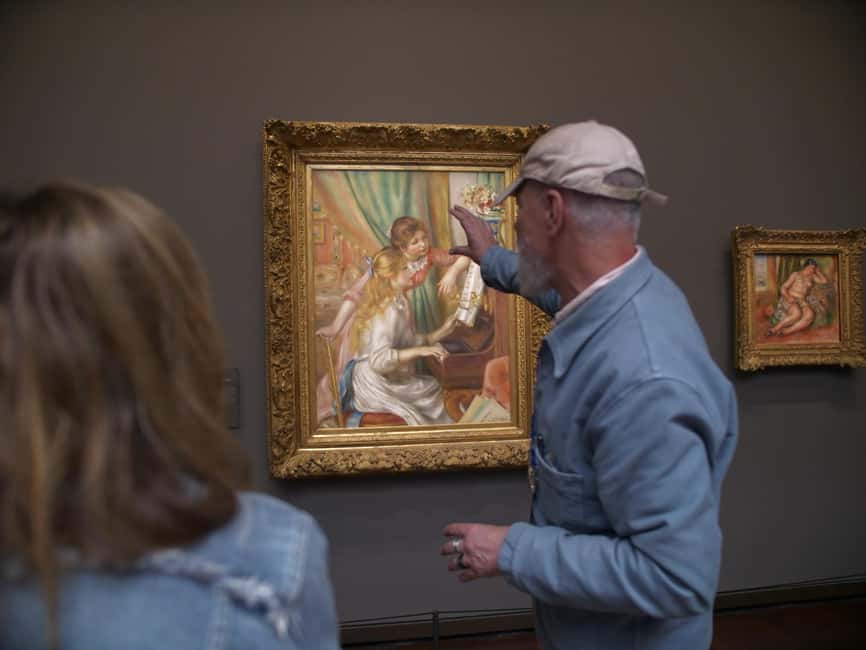
The great advantage of a guided highlights tour is not simply seeing famous paintings. It is learning how to look at them. A guide can point out brushwork, light, composition, and small details that disappear when you are trying to identify the next masterpiece.
Monet’s work provides a useful entry into Impressionism. His paintings ask you to notice changing light and atmosphere rather than a sharply outlined scene. You may also see how his approach differed from that of Manet, who helped challenge the official art system and influenced younger painters.
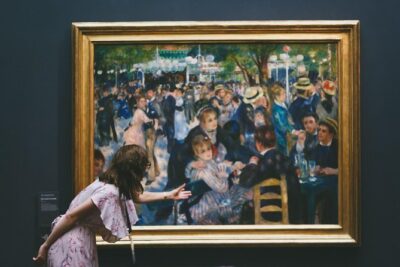
Renoir’s Dance at Le Moulin de la Galette brings a very different energy. It shows a Parisian Sunday gathering, with figures, light, movement, and social life pressed into one scene. A guide can help you notice how Renoir makes the painting feel crowded and lively without treating it as a simple record of a dance hall.
Van Gogh’s Starry Night over the Rhône is another major stop. It gives you a chance to compare his color and brushwork with the softer effects associated with Impressionism. The painting is often remembered for its night sky, but a guide can direct your attention to the river reflections, the figures, and the way the scene balances calm water with an unsettled sky.
Cezanne, Degas, and Manet add different pieces to the story. Cezanne’s structured approach points toward later modern art. Degas offers a sharp eye for bodies, movement, and unusual viewpoints. Manet’s work helps explain the break between established academic painting and the freer experiments that followed.
The point is not to memorize a list of names. It is to see that these artists did not form one tidy school with one shared method. They argued, borrowed, competed, and pushed in different directions. A good guide turns that sequence into a story you can follow.
More art museums in Paris:
- Paris: Louvre Museum Timed-Entrance Ticket
★ 4.6 · 71,977 reviews - Louvre Museum Masterpieces Guided Tour with Access
★ 4.5 · 12,023 reviews - Paris: Louvre Museum Entry Ticket With Host and River Cruise
★ 4.6 · 9,926 reviews - Les Invalides: Napoleon’s Tomb & Army Museum Entry
★ 4.6 · 9,185 reviews
The guide makes the difference
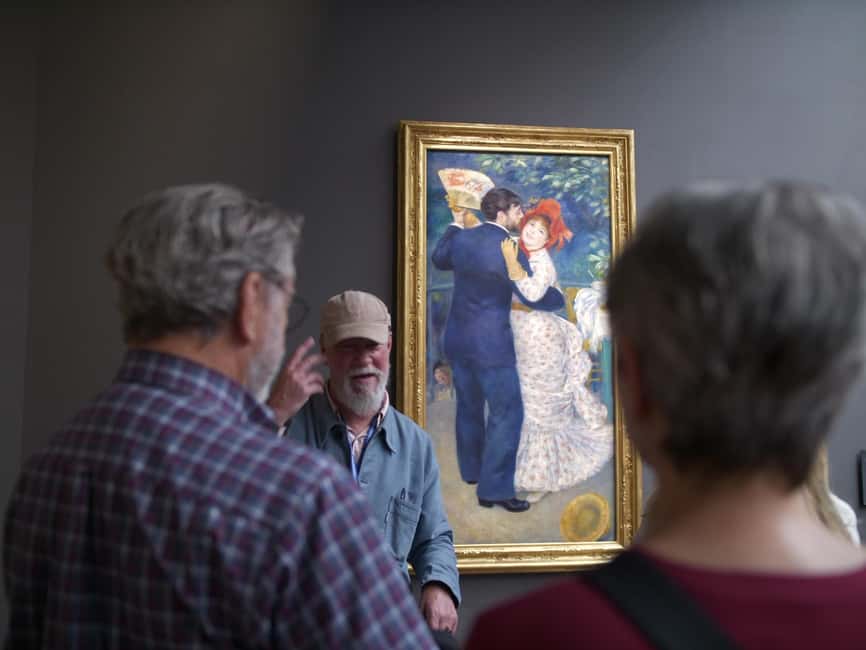
The tour is sold with an English-speaking art historian, and the strongest part of the experience depends on how that person handles a crowded, visually intense museum. The best guides do more than recite dates. They explain why a work mattered, tell you about the artist’s personality, and show you how the painting connects to its period.
Anais has been praised for detailed explanations, painting techniques, historical context, and patient answers to questions. Blerta brings an artist’s eye to technique and art history, which can be helpful if you want more than a basic introduction. Abed has been noted for passion and for keeping the visit engaging even when the museum’s opening was delayed.
Other guides have their own strengths. Erwan has used stories about politics, history, and artists to make the paintings easier to understand. Addy has been especially good with children, using humor and inviting younger members of the group into the discussion. Eric has helped people connect artists and works across the museum instead of treating each painting as an isolated object.
English clarity can vary from guide to guide. One visitor found a guide’s accent somewhat difficult to follow, despite strong art knowledge. If you need the commentary to be slow and especially clear, the semi-private option may help because it allows easier questions and closer contact with the guide.
Two hours, two group choices, and the crowd question
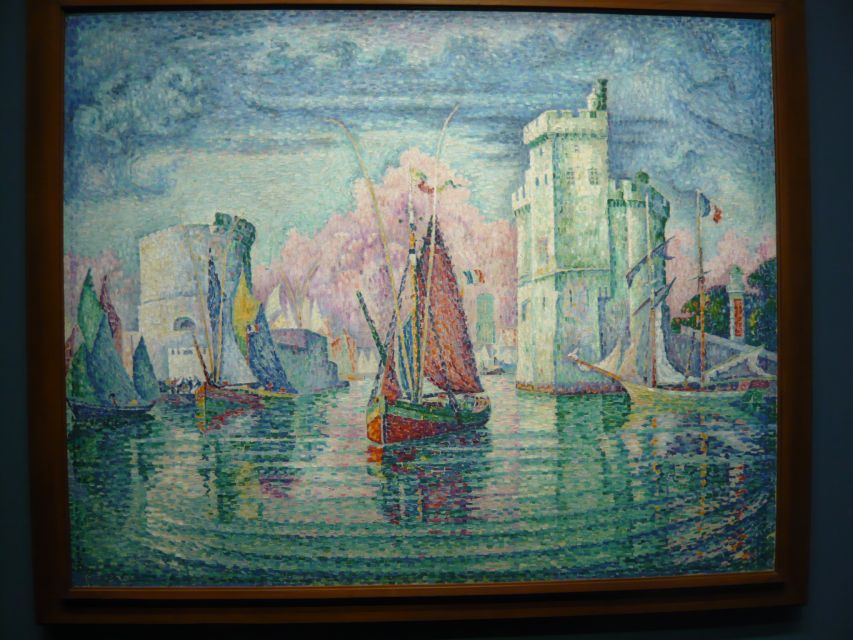
Two hours is a sensible length for a first visit. The Musée d’Orsay is large enough to tire you, but focused enough that a carefully chosen route can cover major works without becoming a blur. You will see highlights, hear the main story, and still have time to return to a favorite painting afterward if your schedule allows.
The semi-private option is limited to six people. That is the better choice if you want to ask questions, prefer a quieter pace, or dislike trying to hear over a large group. It can also make it easier for the guide to adjust the route to the interests of the people present.
The larger group allows up to 25 people. It costs less in some booking arrangements, but the tradeoff is less personal attention. Headsets help, especially in crowded galleries, yet you may still spend more time waiting for the group to gather or shifting position so everyone can see.
Crowds are a real consideration. Reserved entry reduces time at the ticket line, but it cannot make the museum empty. Popular paintings draw people throughout the day, and narrow viewing areas can feel tight during standard opening hours. Go in expecting company, not solitude.
Is $60 a fair price?
At $60 per person, this is not the cheapest way to enter the Musée d’Orsay. You are paying for more than the museum admission, though. The price includes the entrance and reservation fees, an English-speaking art historian, and a two-hour route designed to make sense of a very large collection.
For a first visit, I think the price can be fair if you value structure and context. A guide helps you spend your limited museum time on major works rather than searching for them or reading every wall label. The value is strongest for people who want to understand why Impressionism changed art, not just take pictures of familiar names.
If you already know the collection well, or if you enjoy moving at your own pace, you may prefer an independent visit. You will have more freedom to linger, leave the Impressionist rooms, or follow your own interests. The tour is most useful when your Paris schedule is tight and you want a clear introduction.
The flexible booking terms also help. You can reserve now and pay later, and cancellation is allowed up to 24 hours before the activity for a full refund. Check the available starting times before building the rest of your day around it.
Practical limits you should plan around
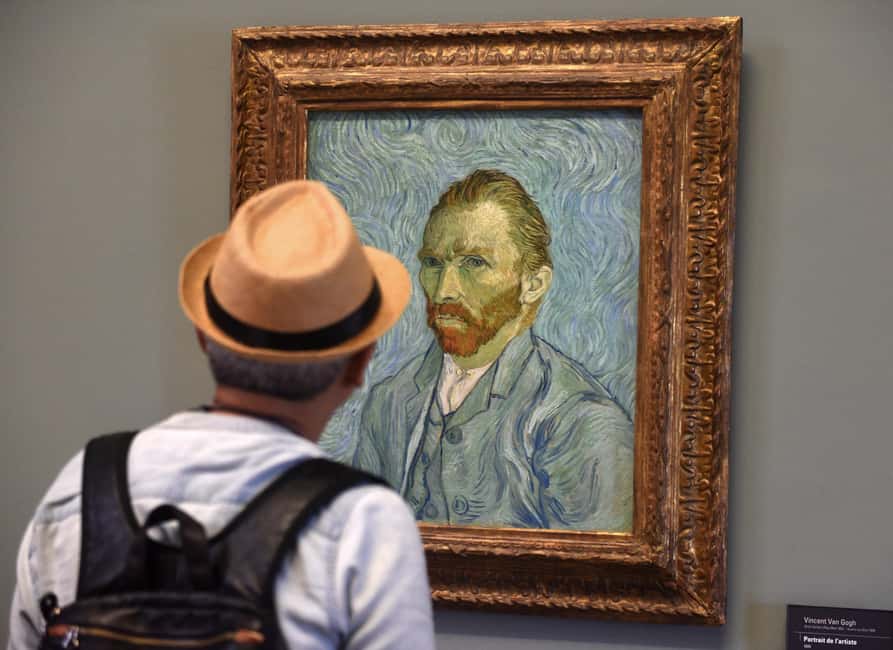
Wear comfortable shoes. The route involves a fair amount of walking and standing, and the museum’s scale can be tiring even when the tour is well paced.
Do not bring luggage, large bags, backpacks, baby strollers, or baby carriages. Flash photography is not allowed. The activity cannot accommodate wheelchair users or people who need special assistance, so check this carefully before booking.
Many museum areas are not air-conditioned. France does not routinely use air conditioning in the way some visitors expect, so warm weather can make the galleries less comfortable. A light layer and water before entering may be useful, though you should follow the museum’s own rules about what you may carry inside.
The tour is offered in English only. If English is not easy for you to follow, the amount of spoken explanation may affect your enjoyment. The headset helps in some circumstances, but it does not replace clear communication.
Who should book this Musée d’Orsay tour?
I would recommend it to a first-time visitor with only a few hours for the museum, especially someone who wants help sorting Monet, Renoir, Van Gogh, Cezanne, Manet, and Degas into a larger story. It also suits people who like art but do not want to prepare by reading a guidebook beforehand.
Families can benefit from the storytelling, particularly with a guide who includes children in the discussion. Addy was specifically praised for using humor and giving young people attention. Still, remember that strollers are not allowed on the group tours, and the walking requirement may be tiring for small children.
Choose the semi-private group if the extra cost fits your budget and you want more questions, a closer connection with the guide, or a calmer experience. Choose the larger group if you mainly want efficient access and a solid overview.
Should you book it?
Book this tour if you want the Musée d’Orsay’s essential works explained in plain English and you have limited time. The reserved entry, focused route, and strong record of guides who connect art with French history make it a practical choice.
Skip it if you prefer complete freedom, already understand Impressionist art, or want to spend a whole day exploring every corner. For most first-time visitors, though, two guided hours give the museum shape and leave you better prepared to return to the paintings that caught your eye.
FAQ
How long does the Musée d’Orsay guided tour last?
The tour lasts two hours. Starting times vary, so check availability before booking.
Where do I meet the guide?
Meet in the courtyard in front of the main entrance at 5 Rue de la Légion d’Honneur. The guide waits at the foot of the large elephant statue with a company sign.
Which public transport stops are closest?
The nearest RER stop is Musée d’Orsay on line C. You can also take Metro line 12 to Solferino and leave through exit 2 marked Musée d’Orsay.
Is museum entry included?
Yes. Entrance and reservation fees for the Musée d’Orsay are included in the activity price.
What group sizes are available?
You can choose a semi-private group of up to six people or a larger group of up to 25 people.
Is the tour suitable for wheelchair users or strollers?
No. The activity cannot accommodate wheelchair users or people requiring special assistance. Strollers and baby carriages are not allowed on the group tours.
Can I cancel the booking?
You can cancel up to 24 hours in advance for a full refund. The activity also offers a reserve-now, pay-later option.
Just added around Paris
- Paris: The Da Vinci Code Walking Tour with a Local Guide★ 4.3 · 5 reviews
- Paris: Flea Market Insider’s Tour in Extra-Small Group★ 4.6 · 73 reviews
- Paris: Private Fashion Tour (Chanel, Dior, Sex & the City)★ 5.0 · 3 reviews
- Paris: Floral Earrings workshop★ 5.0 · 3 reviews
- Paris: Fashion History Walking Tour in the Heart of Paris★ 4.9 · 22 reviews
- PARIS: Family e-bike longtail renting★ 5.0 · 3 reviews
- Paris: Famous Monuments Cycling Tour★ 4.7 · 20 reviews
- Paris: private city tour with seine river cruise★ 4.8 · 28 reviews
Musée d’Orsay Tours, compared.
Paris in a Day: Louvre or Orsay, Eiffel Tower, City Walk & Cruise
Read our review →
Musée d’Orsay Skip-the-Line Tour with Expert Guide
Read our review →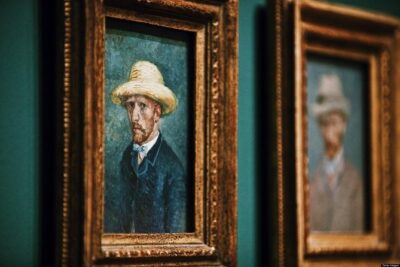
The Musée d’Orsay Guided Tour Orsay Museum Semi-Private 6ppl Max
Read our review →
Louvre & Musée d’Orsay Guided Museum Tour Semi-Private 6ppl Max
Read our review →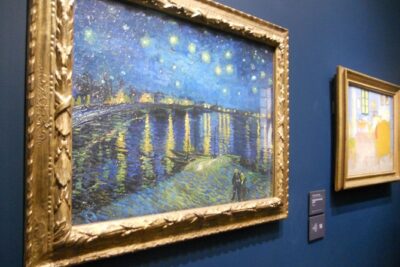
Orsay Museum – Exclusive Guided Tour (Reserved Entry Included)
Read our review →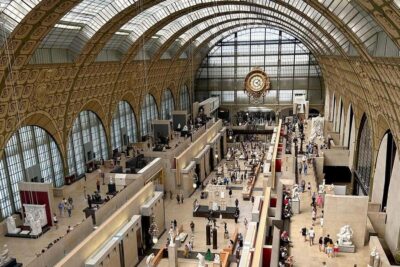
Orsay Museum and Rodin Museum Combo Entry Ticket
Read our review →Browse the lists this tour appears in