
Reviewed · PARIS DAY TRIPS
Somme Battlefields Small-Group Day Trip with John Monash Centre from Paris
The most powerful part of this day is how quickly the Somme changes from a name in a history book into real ground: a huge mine crater, preserved trenches, quiet cemeteries, and memorials carrying thousands of names. The Australian focus is especially strong, with the Sir John Monash Centre, Villers-Bretonneux, Pozières, and the Australian National Memorial all included.
I like the mix of outdoor sites and museum time, and I like the small minivan format, which gives you more personal contact with the guide than a large coach tour. Guides such as Regis and Honoré have earned praise for their clear explanations, patience, and care, including helping older members of a group.
The drawback is the day’s length. You leave central Paris at 6:50 a.m., spend many hours on the road, and try to cover a large number of sites before returning in the early evening. Time at individual stops can feel short, and one published description lists a maximum of eight people while another lists 16, so confirm the group size when booking.
Key points at a glance
- The Somme in one demanding day: Travel from Paris to a wide set of battlefield sites in roughly 11 hours.
- A strong Australian connection: Visit the Sir John Monash Centre, the Australian National Memorial, Pozières, Mouquet Farm, and Villers-Bretonneux.
- The scale of the fighting becomes visible: Lochnagar Crater measures about 330 feet, or 100 meters, across.
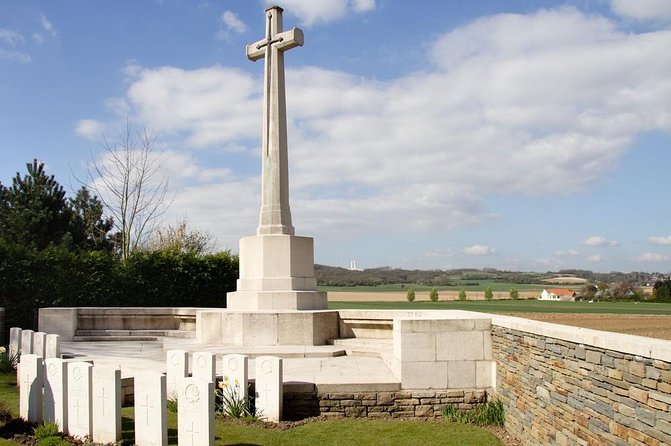
- Cemeteries and memorials are central: Delville Wood, Thiepval, Ulster Tower, Beaumont-Hamel, and other sites provide a sober sense of the human cost.
- Guiding makes the difference: Regis, Honoré, Julian, Heniere, and other guides have been praised for strong historical explanations, though the quality of commentary can vary.
- Bring food or plan ahead: Food and drinks are not included, and the schedule leaves limited room for an unplanned meal.
Why the Somme works as a day trip from Paris
The Somme battlefield region is far enough from Paris that visiting independently in a single day is awkward. You would need to arrange transport between scattered villages, cemeteries, museums, and memorials. This tour handles the driving in an air-conditioned minibus and gives you a guide who can connect the sites.
The subject is heavy, but the route is not limited to one nationality. You see French, British, Australian, New Zealand, Canadian, Ulster, and Newfoundland connections across the day. That makes the experience useful even if your family link is not Australian.
I especially like that the tour does not treat the Somme as a simple memorial circuit. The day includes military sites, cemeteries, preserved trenches, a major museum, and multimedia interpretation. You get both the physical remains of the battlefield and the wider story of how soldiers and civilians lived through the war.
The $294.36 price is not cheap. Still, it covers a full day, transport from Paris, an English-speaking driver-guide, taxes, and access to the listed attractions. For a solo visitor or couple without a car, the value comes from reaching many remote sites in one day. If you already have a rental car and several days for the Somme, an independent visit could offer more time at fewer places.
More day trips from Paris:
- Normandy D-Day Sites & Cemetery Day Trip from Paris with Lunch
★ 5.0 · 6,877 reviews - Day Trip to Mont-Saint-Michel from Paris
★ 4.5 · 4,876 reviews - Loire Valley Castles Day Trip from Paris with Complementary Wine
★ 4.5 · 3,907 reviews
Starting before breakfast in central Paris
The meeting point is Le Duplex at 2 bis Avenue Foch, near the Arc de Triomphe area. The stated departure time is 6:50 a.m., so plan to arrive early rather than cutting it close. The group will not wait for late arrivals, and a missed departure caused by delay does not qualify for a refund.
The return point is listed as the Arc de Triomphe at Place Charles de Gaulle. That is practical if you are staying in central Paris, but remember that this is an early start followed by a late finish. The tour lasts about 11 hours, and traffic can affect the journey in both directions.
The minibus is air-conditioned and has been described as comfortable. The group size needs a little attention when you book. The tour is advertised in some places as a maximum of eight, while the included information and operating details refer to a maximum of 16. A group of eight would provide a more personal experience, so ask the operator to confirm the actual arrangement for your date.
Villers-Bretonneux and the Sir John Monash Centre
The Sir John Monash Centre is one of the strongest stops for understanding Australia’s role on the Western Front. It sits beside the Australian National Memorial and Villers-Bretonneux Military Cemetery, making the visit more than a standard indoor museum stop.
The centre uses interactive media and immersive displays to present the Australian Western Front experience. That modern presentation can help you connect dates, places, and personal stories without relying only on long wall panels. You should allow the full stated hour for the visit, since there is plenty to absorb.
The Australian National Memorial provides the quieter counterpoint. It commemorates 10,729 Australian servicemen who fought in France and Belgium during the First World War. The annual Dawn Service on April 25 gives the place particular importance for Australians, but its meaning is not limited to Australian visitors.
One point to keep in mind is time. Several people have wished for longer at the Sir John Monash Centre, and that is understandable. The centre is substantial, while the day also has many other stops. If this is your main reason for booking, pay close attention to the schedule and ask how much time your departure includes.
Pozières, Mouquet Farm, and the Australian story
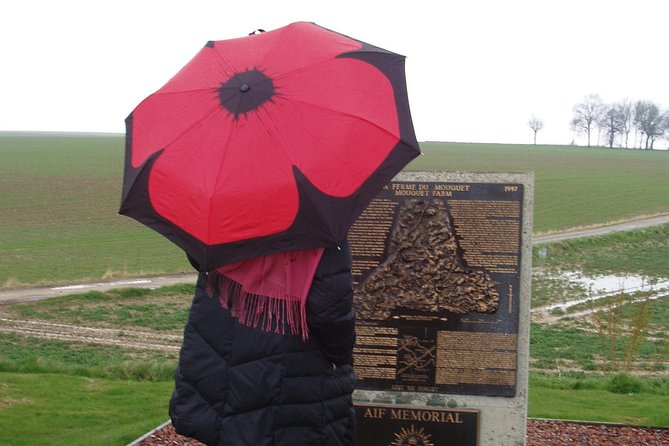
The route continues through Australian battlefield sites around Pozières and Mouquet Farm. The First Australian Division Memorial is near the former Gibraltar blockhouse, a German position taken and held during the fighting for Pozières from July 23 to 26, 1916.
The memorial honors the officers, non-commissioned officers, and men of the First Australian Division who fought in France and Belgium in 1916. These details matter because they move the story beyond a general account of the Battle of the Somme. You can begin to see how particular divisions, villages, and defensive positions shaped the campaign.
The Australian flag still flies over Pozières, adding a small but striking detail to the visit. For anyone tracing a relative or studying the Anzacs, this section of the day may carry the greatest personal weight.
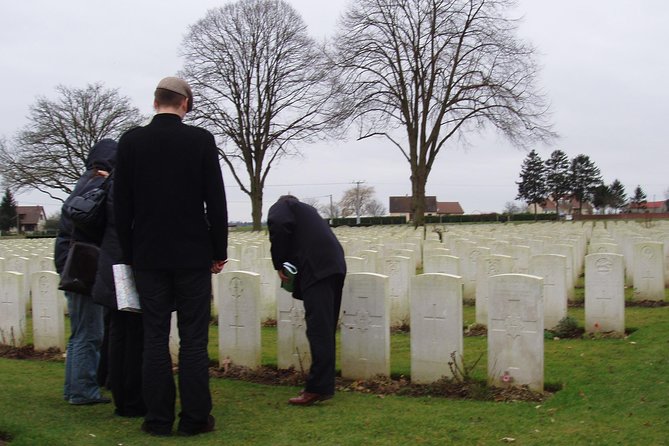
Guides have sometimes adjusted the route slightly for family research, including helping a participant locate a New Zealand soldier in a cemetery and place a poppy from home. Do not assume every request can be accommodated, but it is worth telling your guide in advance if you have a specific name, cemetery, or memorial in mind.
More wartime history tours from Paris:
- Somme Battlefields from Paris with Australian memorial & Amiens Cathedral
★ 5.0 · 228 reviews - Paris WW2 The German Occupation Small group or Private tour
★ 4.5 · 128 reviews - WWI Somme Battlefields Day Trip from Paris
★ 4.9 · 111 reviews - From Paris: WWI Somme Battlefields Full-Day Tour
★ 4.9 · 10 reviews
Delville Wood and the cost of the fighting
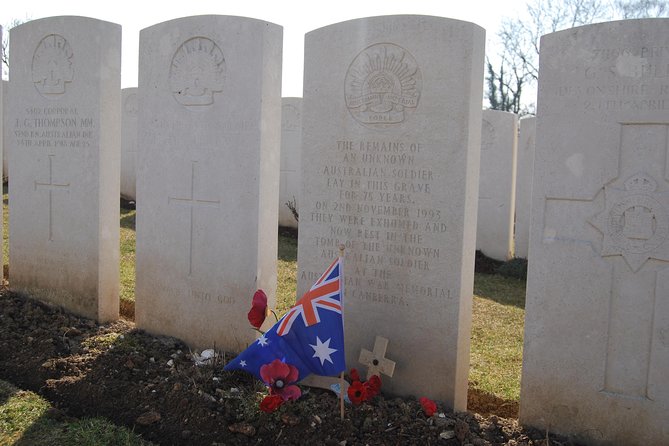
Delville Wood Cemetery at Longueval is one of the day’s most solemn stops. More than 5,500 soldiers from the First World War are buried there, and the neat rows of graves make the scale of loss painfully clear.
You should expect this part of the tour to be quiet and reflective. Most of the historical explanation is useful, but the tone matters here. One participant felt that a guide talked too loudly and did not leave enough personal space at cemeteries. That is a fair caution: if you want time for silence, say so politely and clearly.
The Somme is not only a story of military movement and strategy. The cemeteries show the aftermath, including the fact that many men were never identified or recovered. The polished memorial grounds contrast with the violence that once took place around them.
Lochnagar Crater at La Boisselle
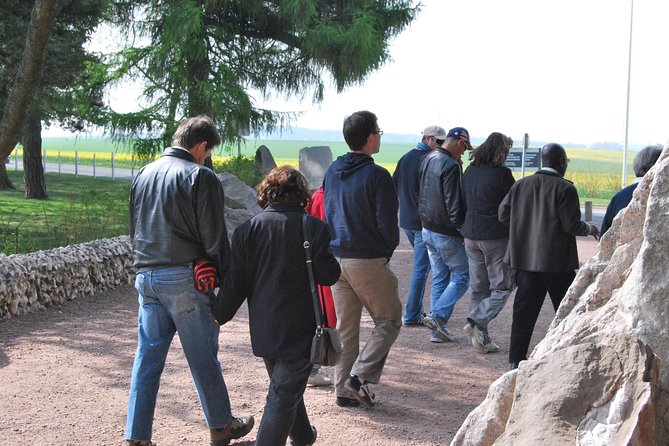
At La Boisselle, Lochnagar Crater gives you one of the clearest physical reminders of the battle. The crater was created by a mine and measures roughly 330 feet, or 100 meters, across.
Photographs do not fully convey the scale. From ground level, the depression makes the underground nature of the fighting easier to understand. Artillery, mines, trenches, and shelters were all part of a battle fought above and below the surface.
The crater is preserved as a memorial, not as an attraction in the usual sense. You are there to look, listen, and understand the force involved. It is also a practical stop for anyone who finds battlefield maps too abstract. Here, the damage is still visible in the earth.
Thiepval, Ulster Tower, and Beaumont-Hamel
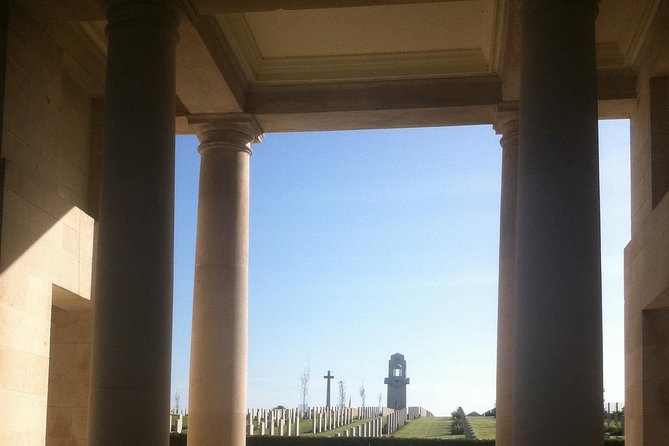
Thiepval Memorial honors British soldiers who have no known grave. Its size and position make it one of the Somme’s major memorials, but its purpose is intimate: each name represents a missing person whose family never received a burial place to visit.
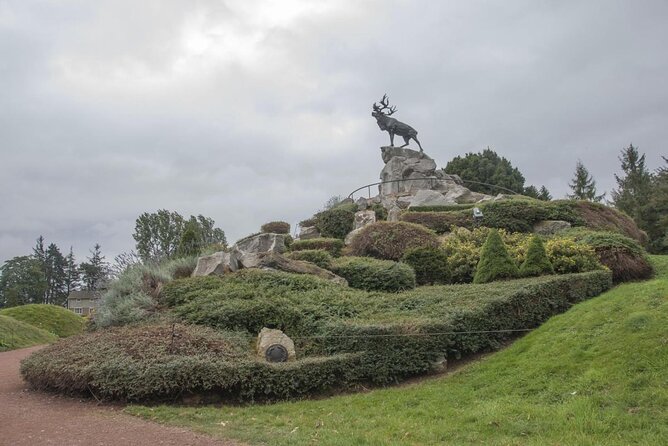
The nearby Ulster Tower adds another national connection to the route. Together, these stops show how the Somme is marked by many communities, not just France and Britain. The tour also includes the Beaumont-Hamel Newfoundland Memorial, where preserved trenches help you see how soldiers occupied and crossed the ground.
The trench sections are among the most useful outdoor parts of the day. You can walk around the surviving earthworks and gain a clearer sense of how exposed movement would have been. Wear sturdy shoes and expect uneven ground. The tour requires a moderate level of physical fitness, although the exact walking distance can vary from stop to stop.
The Historial in Péronne
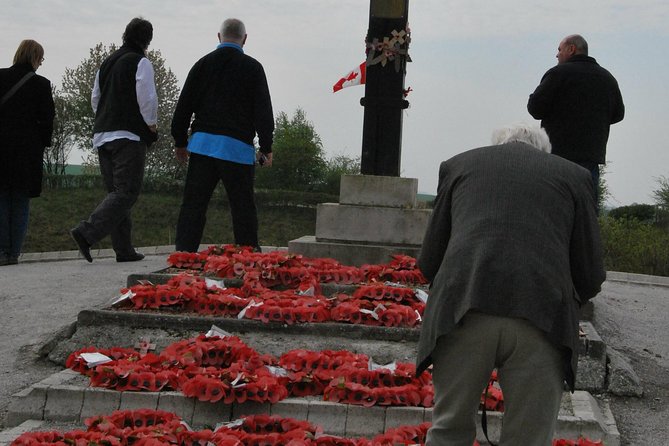
The Historial Great War Museum in Péronne gives the day a wider frame. After visiting battlefield sites, you can examine more than 50,000 objects connected with military and civilian life during the war.
This stop helps answer questions that memorials alone cannot. Why did the conflict begin? How did it affect people away from the front? What happened after the fighting ended? The museum covers the origins and aftermath of the war as well as the battlefield years.
I like having the museum near the end of the route because it gives you a chance to place the day’s individual sites into a larger story. The drawback is that the museum comes late, when you may already be tired. If you are especially interested in its collection, ask how much time is planned there before the return drive.
Guides, tone, and the human side of the tour
The guide is central to this experience. Regis has been praised for being clear, friendly, efficient, and attentive, including helping elderly family members at each stop. Honoré has also been described as entertaining and thoughtful, while Julian, Heniere, and other guides have received strong praise for their command of the area.
A good guide can make the long drive useful by explaining how villages, divisions, memorials, and battlefield objectives fit together. You will get more from the stops if you ask questions, especially about a family name or a national unit.
The experience is not perfect for every style of visitor. One account raised concerns about inaccurate details concerning Australia’s contribution and about a guide not allowing enough silence at memorials. That appears to be an exception within otherwise strong feedback, but it is worth remembering that guide quality and tone can vary by departure.
The best approach is to tell the guide what you want from the day. If you want detailed military history, say so. If you need quiet at a cemetery, ask for it. If you are visiting because of a relative, share the name and unit early.
Practical planning for this 11-hour outing
Food and drinks are not included. Bring water and food for at least part of the day, or confirm when and where a meal break will occur. One account mentions a good lunch in a town, but that is not listed as an included feature, so do not rely on it without checking.
Dress for the weather. The tour operates in all conditions, and several stops are outside in open fields, cemeteries, or preserved trench areas. Comfortable walking shoes, a weatherproof jacket, and layers are sensible choices.
The route suits adults and older children with a moderate fitness level, but it is not a relaxed sightseeing day. You will spend substantial time in the vehicle and move through several emotionally serious sites. People with a strong interest in military history, family research, Australian or British wartime service, or memorial architecture will get the most from it.
Free cancellation is available up to 24 hours before the start time. Changes or cancellations inside that window are not refundable, and the operator requires a minimum number of participants to run the departure.
Should you book the Somme battlefield tour?
Book this tour if you have only one day from Paris and want a broad, guided introduction to the Somme. The combination of Lochnagar Crater, preserved trenches, cemeteries, national memorials, and the Historial gives you a much fuller picture than a single museum visit.
It is particularly well suited to Australians, New Zealanders, Canadians, British visitors, and anyone tracing a family connection. It also works for first-time battlefield visitors who want help interpreting what they see.
Skip it if you dislike early starts, long drives, fixed schedules, or emotionally difficult places. If you can spend several days in the region, an overnight stay would let you slow down and give more time to the Sir John Monash Centre, cemeteries, and museums.
For most people making a one-day visit from Paris, I think the price is justified by the distance covered and the complexity of arranging the route yourself. Just confirm the group size, pack food and weather gear, and arrive early. The Somme deserves time and quiet attention, even when your schedule allows only one long day.
FAQ
How long does the Somme battlefield tour last?
The experience lasts approximately 11 hours, beginning in the early morning and returning to Paris in the early evening.
Where does the tour begin?
The listed starting point is Le Duplex, 2 bis Avenue Foch, 75116 Paris, near the Arc de Triomphe area.
What time does the tour depart?
The stated start time is 6:50 a.m. You should arrive promptly because the group will not wait for late arrivals.
Where does the tour end?
The listed end point is the Arc de Triomphe at Place Charles de Gaulle in Paris.
What is included in the price?
The price includes transport in an air-conditioned minibus, an English-speaking driver-guide, the small-group service, taxes, fees, and handling charges. Admission to the listed included attractions is also covered where stated.
Is food included?
No. Food and drinks are not included, so you should plan to bring refreshments or confirm the meal arrangements for your departure.
How large is the group?
The published information is inconsistent. Some details state a maximum of eight participants, while the included information and additional details state a maximum of 16. Confirm the group size with the provider before booking.
Which battlefield sites are visited?
The route includes the Sir John Monash Centre, the Australian National Memorial, Pozières, Mouquet Farm, Thiepval Memorial, Ulster Tower, Beaumont-Hamel, Delville Wood Cemetery, Lochnagar Crater, and the Historial in Péronne.
Can I cancel for a full refund?
Yes, you can cancel up to 24 hours before the experience begins for a full refund. Cancellations or changes made less than 24 hours before the start time are not refunded, and a minimum number of participants is required for the tour to operate.
Just added around Paris
- Paris: The Da Vinci Code Walking Tour with a Local Guide★ 4.3 · 5 reviews
- Paris: Flea Market Insider’s Tour in Extra-Small Group★ 4.6 · 73 reviews
- Paris: Private Fashion Tour (Chanel, Dior, Sex & the City)★ 5.0 · 3 reviews
- Paris: Floral Earrings workshop★ 5.0 · 3 reviews
- Paris: Fashion History Walking Tour in the Heart of Paris★ 4.9 · 22 reviews
- PARIS: Family e-bike longtail renting★ 5.0 · 3 reviews
- Paris: Famous Monuments Cycling Tour★ 4.7 · 20 reviews
- Paris: private city tour with seine river cruise★ 4.8 · 28 reviews
Paris Day Trips, compared.

Normandy D-Day Sites & Cemetery Day Trip from Paris with Lunch
Read our review →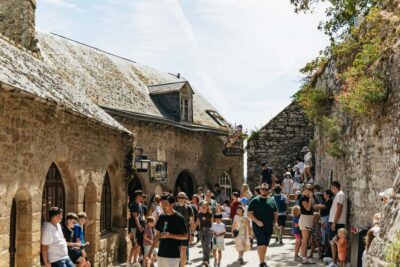
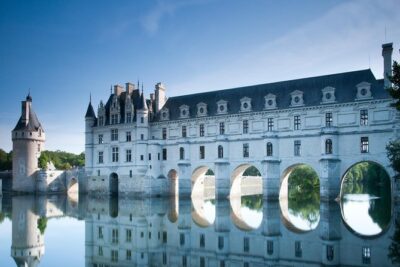
Loire Valley Castles Day Trip from Paris with Complementary Wine
Read our review →
Normandy D-Day Small-Group Day Trip with Omaha Beach, Cemetery & Cider Tasting
Read our review →
Mont Saint Michel Day Trip from Paris with English Speaking Guide
Read our review →
Normandy D-Day Beaches and American Cemetery Day Trip from Paris
Read our review →
Giverny Day Trip with Audio Guide or Live Guide
Read our review →
Giverny, Monet’s House, & Gardens Half-Day Trip
Read our review →Browse the lists this tour appears in