
Reviewed · PARIS WORLD WAR BATTLEFIELD TOURS
Somme Battlefields from Paris with Australian memorial & Amiens Cathedral
The most powerful part of this day is how quickly the past becomes physical. You can walk beside preserved trenches at Beaumont-Hamel, look into the vast Lochnagar Crater, and face the names of more than 72,000 missing men at Thiepval. This is not a casual sightseeing trip. It is a long, quiet day with the First World War close at hand.
I like the eight-person maximum, which gives the guide room to answer questions and adjust the pace. I also like the Australian focus at Villers-Bretonneux and the Sir John Monash Centre, balanced by British, South African, Canadian, and Newfoundland sites. Guides including Aaron, Etienne, Philip, Oliver, and Matthew have been singled out for their clear storytelling and care with the subject.
The main drawback is the length. You leave Paris at 7:00 am and spend about 11 hours on the road and at the sites. The minivan is practical, but one poor experience involved cramped seating, so I would confirm the vehicle arrangement if comfort is a major concern. Winter can be brutally cold and wet.
Key points to know before booking
- The Somme becomes real at Beaumont-Hamel: You can still walk through sections of the original trenches.
- Australian history gets serious attention: Villers-Bretonneux and the Sir John Monash Centre are central parts of the day.
- Thiepval is a place of names, not statues alone: More than 72,000 British and South African men are commemorated there.
- The group is capped at eight: That makes questions and personal discussion much easier than on a large coach.
- Lunch at Le Tommy costs extra: Allow time and money for a meal, and ask about options if you have dietary restrictions.
- You need proper outdoor clothing: Waterproof shoes with good grip, warm layers, and rain protection matter even when Paris feels mild.
Why this Somme day trip feels different from a normal excursion
Many day trips from Paris are built around grand buildings, famous paintings, or local food. This one asks you to spend much of the day with military cemeteries, shell craters, memorial walls, and the remains of trenches.
That gives the experience a slower and more serious character. The guide is not simply pointing out attractions. At the strongest moments, guides such as Aaron, Etienne, Clement, and Oliver connect a field, village, or cemetery to the men who fought there. Several guides have military backgrounds or a strong personal interest in the subject, which can add useful context.
The tour also works well for visitors with different levels of knowledge. You do not need to be an expert on the Western Front. The stops provide a clear route through the Battle of the Somme, while the Australian sites give the day a strong focus for people tracing family service or learning about the Anzac story beyond Gallipoli.
I would not choose this trip for a light day out from Paris. The subject is grim, the schedule is full, and the weather in northern France can be hard. But if you want to understand how the war affected Britain, Australia, Canada, Newfoundland, and the villages of northern France, this is one of the more useful day trips you can make.
More wartime history tours from Paris:
- Somme Battlefields Small-Group Day Trip with John Monash Centre from Paris
★ 4.5 · 270 reviews - Paris WW2 The German Occupation Small group or Private tour
★ 4.5 · 128 reviews - WWI Somme Battlefields Day Trip from Paris
★ 4.9 · 111 reviews
Leaving Paris at 7:00 am in a small minivan
The meeting point is Dada12, 12 Avenue des Ternes, in Paris’s 17th arrondissement. The scheduled departure is 7:00 am, and the tour returns to the same place after roughly 11 hours.
The early start is not glamorous, but it is sensible. The Somme is far enough from Paris that a later departure would leave little time at the battlefield sites. You will spend part of the morning in the air-conditioned minivan, then move between several locations by road.
With a maximum of eight people, the format is more personal than a standard coach tour. A small group also allows the guide to hear why you booked. If you are visiting a relative’s battlefield or have a particular interest in the Australian, Canadian, or British story, mention it early.
There is one practical caution. A small van does not automatically mean a spacious van. One past experience involved uncomfortable, cramped seating for much of the day. Most of the feedback praises the small-group format, but I would still treat comfort as part of your booking decision, especially if you have mobility or back concerns.
Transport, the driver-guide, taxes, fees, and handling charges are included. Food is not.
Thiepval Memorial, where names replace graves
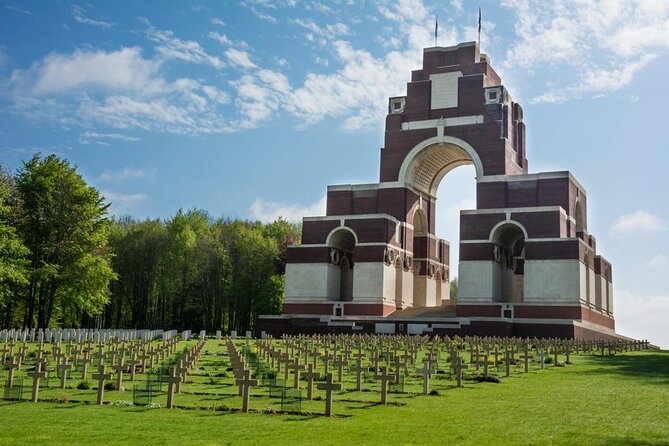
The Thiepval Memorial of the Missing is one of the day’s most affecting stops. Its walls carry the names of more than 72,000 United Kingdom and South African servicemen who died and have no known grave.
You have about 30 minutes here. That is enough to take in the memorial and understand its purpose, though not enough for a long private study of every inscription. The scale matters. A single grave can feel personal. A wall bearing tens of thousands of names shows the size of the loss.
This is also a good early stop because it establishes the tone of the day. The Somme was not only a series of tactical movements on a map. It was a vast human disaster, and the memorial makes that impossible to ignore.
Your guide’s explanation is important here. A good guide can help you follow the battle without turning the visit into a list of dates and troop movements. The most effective guides reported for this tour, including Philip, Matthew, and Oliver, are praised for making the details understandable and for leaving people enough quiet time at each site.
Lochnagar Crater and the violence under the ground
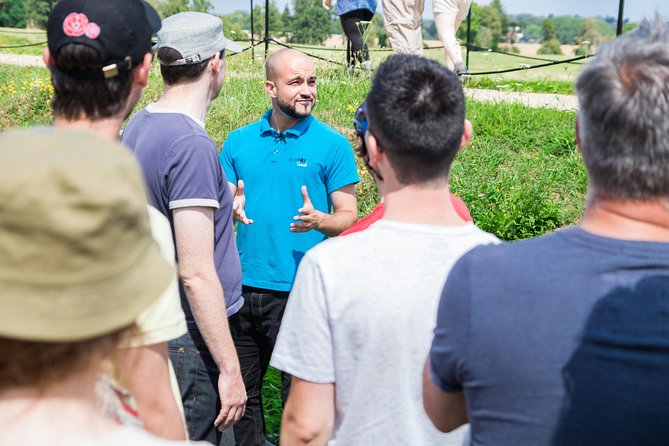
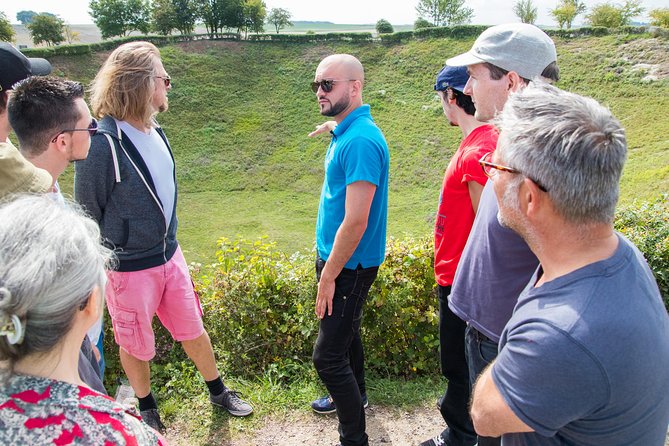
At Lochnagar Crater, you see the result of a mine detonated on July 1, 1916, the opening day of the Battle of the Somme. The crater is about 30 metres deep and 100 metres wide.
You have around 30 minutes to look over it. The sheer size can be hard to grasp in photographs, and the visit gives you a direct sense of how much force was used beneath the battlefield.
I find this stop valuable because it shows a different side of the war from the cemeteries. At Thiepval, the focus is remembrance. At Lochnagar, the ground itself records the attack. You are looking at a scar made by explosives more than a century ago.
The site is outdoors, so weather matters. Mud and rain can make the footing unpleasant. Wear shoes with a firm tread rather than smooth city trainers.
Same city, a completely different afternoon:
- Paris: Louvre Museum Timed-Entrance Ticket
★ 4.6 · 71,977 reviews - Disneyland® Paris 1-Day Ticket
★ 4.6 · 49,412 reviews - Paris: Versailles Palace and Gardens Full Access Ticket
★ 4.6 · 41,579 reviews - Paris: Evening River Cruise with Music
★ 4.4 · 22,721 reviews
Beaumont-Hamel and the preserved Newfoundland trenches
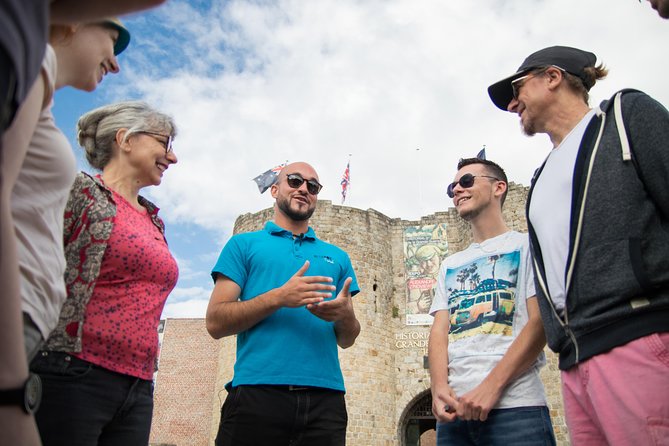
The Newfoundland Memorial at Beaumont-Hamel is the largest preserved Somme battlefield site. This is where the tour becomes especially tangible because you can still walk through sections of the trenches.
You have about 30 minutes, which gives you time to see the memorial grounds and get a feel for the trench system. Do not expect a full archaeological visit in that short period. The value is in seeing the shape and position of the defenses, then hearing the guide explain how soldiers lived and fought in them.
For many people, this is the most memorable physical stop. A trench is not just a line on a museum diagram. It is a narrow, uneven space that helps you picture the daily conditions: limited movement, exposure, mud, and the constant danger of bombardment.
The site can be emotionally heavy, especially when paired with the memorials later in the day. If children are with you, the minimum age is seven, but I would judge suitability by the child’s interest and maturity rather than age alone.
Pozières, a brief stop with a major story
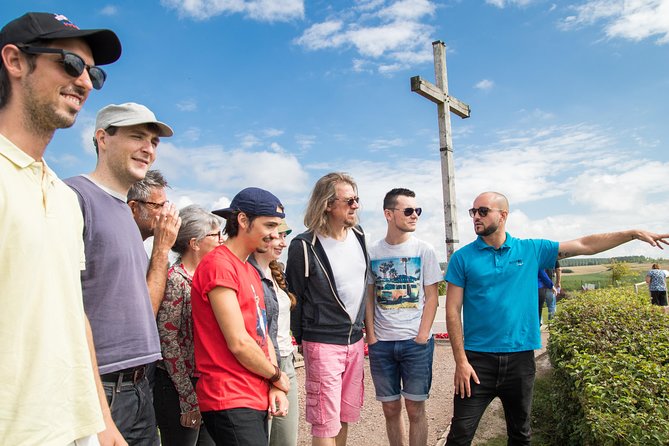
The Pozières Memorial receives about 10 minutes, so this is a short stop. That does not mean the location lacks importance. Pozières was a key position in the Somme fighting, and the memorial adds another piece to the wider story.
The brief visit works best when the guide provides the context in the minivan or on arrival. You will not have time for a long walk or detailed examination, but the stop breaks up the driving and helps place later Australian events in sequence.
This is one reason the guide makes such a difference. The itinerary covers a lot of ground in one day. A clear explanation can turn several short visits into a connected account. A weak explanation would leave you with a collection of names and memorials that blur together.
Villers-Bretonneux and the Australian connection
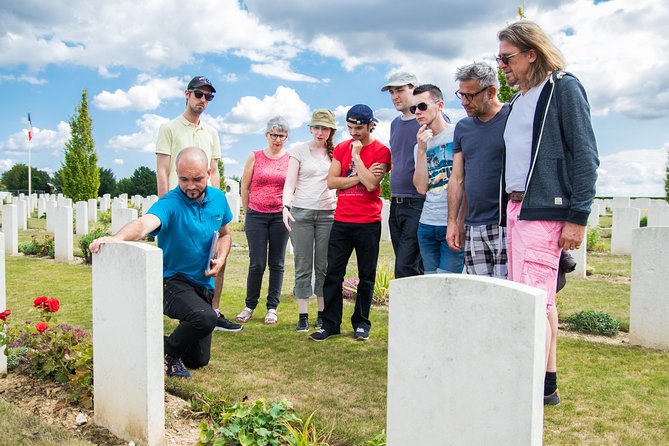
Villers-Bretonneux Military Cemetery is central to the Australian side of the tour. The memorial commemorates 10,738 Australian servicemen with no known grave who died on the Western Front.
For Australian visitors, this can be the emotional center of the day. The tour places the local story in its wider setting: Australian forces helped prevent the German advance toward Amiens, and Villers-Bretonneux became an important place of remembrance.
Anzac Day is held at the memorial every April 25, adding another layer to the site’s continuing importance. Even outside that date, you can feel why the town remains strongly connected to Australia.
This stop can also matter to anyone researching a family member. The tour does not promise individual genealogy research, but guides may be able to help you understand the setting and battle around a known name or unit. If your interest is personal, carry any family details with you and raise the subject with the guide.
The Sir John Monash Centre’s personal approach
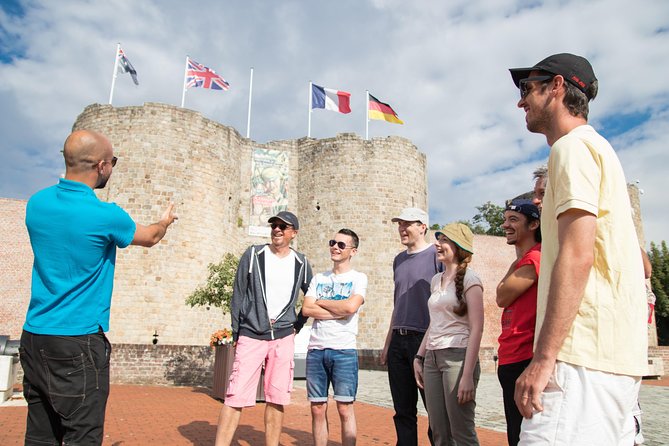
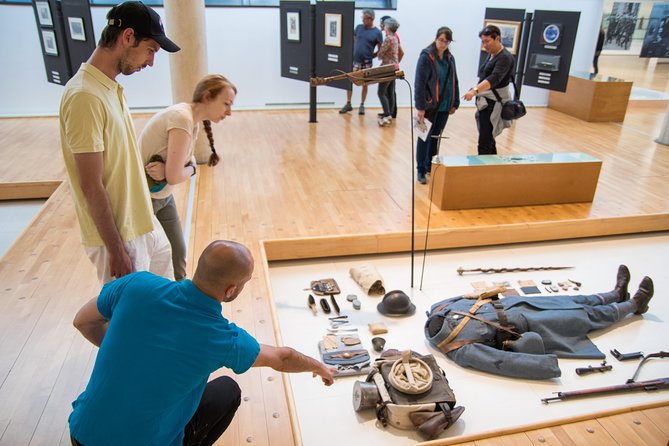
The Sir John Monash Centre gives the day an indoor, modern counterpoint to the open battlefield sites. You have about an hour to explore its video testimonies and interactive displays.
This is one of the tour’s strongest inclusions. The cemetery walls and trenches show the physical evidence. The centre brings in personal accounts and explains how men experienced the war. It also gives you time to absorb information away from the cold, rain, or wind.
The centre is especially useful if you have little background in the Australian Corps or Sir John Monash. It provides a clearer frame for the places you have just seen, rather than leaving you to assemble the story alone.
The hour should feel well judged. You have enough time to look around without the museum taking over the entire day. Since admission is included, there is no extra ticket decision to make at this point.
Lunch at Le Tommy in Pozières
The tour allows about an hour for lunch at Le Tommy. Your meal is not included, so budget separately for it.
Le Tommy is a local restaurant run by Dominique, who is known for his passion for Somme history. The venue also contains a private collection of battlefield artifacts, giving you something to examine beyond the meal itself. That collection is an important part of the stop and helps maintain the connection between lunch and the subject of the day.
The food is described as classic and reasonably priced, but experiences with individual dishes can vary. One poor meal report involved steak, while other accounts describe the lunch stop as a highlight. I would keep expectations practical: this is a convenient rural lunch with a strong historical setting, not a formal food tour.
If you are vegan, ask in advance about available choices. A vegan menu was not available on at least one visit. The same advice applies to other dietary restrictions, since the meal is outside the tour price.
Finishing with Amiens Cathedral
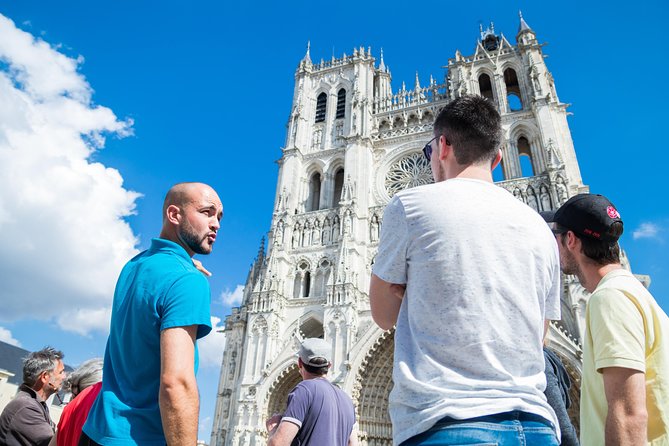
The final scheduled stop is the 13th-century Cathedral of Amiens, described as the largest cathedral in France. You have about 20 minutes inside.
After a day of military cemeteries and battlefield remains, the cathedral offers a different kind of historical scale. Its height, stonework, and long religious history create a quiet closing note. The building was damaged by German bombing in 1918, so it also connects to the wartime story in a less direct but still important way.
Twenty minutes is enough for a first look, not a full architectural study. You will want to keep your visit focused. Take in the main interior, note the proportions, and listen if your guide provides background.
Ending here is a good choice. The day does not finish at the heaviest memorial, and the cathedral gives you a moment to shift from battlefield memory to the long life of the region.
What the $278.26 price buys you
At $278.26 per person, this is not a bargain day trip in the usual Paris sense. The value comes from what is included and from the distance covered.
You receive round-trip transport from central Paris, a driver-guide, a small group capped at eight, and visits to several significant sites. Admission fees are generally free, but the convenience of reaching scattered battlefield locations in one day is the main expense. Organizing the same route independently would require a car, fuel, parking, route planning, and a strong grasp of where the sites are located.
The price is easier to justify if you care about the Australian and Canadian connections, want a specialist guide, or have limited time in France. It is less appealing if you only want a quick look at one memorial or are uncomfortable spending most of a day on military history.
The tour has a 4.9 rating from 228 ratings and is recommended by 98 percent of customers. Those figures suggest strong consistency, but they do not erase the practical risks: guides can vary, one cancellation occurred after people had reached the meeting point, and one serious complaint described poor driving and limited historical preparation. I would book with realistic expectations and keep the confirmation details available.
Weather, clothing, and the emotional workload
The Somme is an outdoor experience in every season. The tour operates in all weather, so dress for the battlefield rather than for Paris.
In winter, warm clothing from Australia may not be enough for a cold, wet northern French day. Wear a waterproof outer layer, warm socks, and waterproof shoes with decent grip. Bring water and any small snacks you may want between stops, although the schedule includes toilet and refreshment breaks.
The emotional side also deserves planning. You will see large memorials, preserved trenches, names of the missing, and places where many young men died. A little quiet time after the tour may be wise. This is a day to think, not just to collect photographs.
Who should book this Somme tour?
I would recommend it most strongly to people with a real interest in the First World War, Australian military history, family service, or the memorial culture of northern France.
It also suits families with older children and teenagers who can handle serious subject matter. The youngest permitted age is seven, but the long day and solemn locations may be more suitable for children around their early teens and up.
The small group is a good fit if you prefer questions and conversation over a scripted coach commentary. The tour can also work well for solo visitors, since a small group makes it easier to discuss personal interests with the guide.
I would skip it if you want a relaxed day of cafés and scenery, dislike early starts, or have difficulty sitting in a vehicle for long periods. You should also think twice if cold weather and uneven outdoor surfaces are a problem.
Should you book it?
Book this Somme Battlefields tour if you want the Australian story placed beside British, South African, Canadian, and Newfoundland experiences, and if you value a guide who can connect battlefield geography with individual lives.
The strongest parts are the preserved trenches at Beaumont-Hamel, the scale of Thiepval, the Australian memorial at Villers-Bretonneux, and the Sir John Monash Centre. Amiens Cathedral and Le Tommy add welcome variety.
My advice is simple: book it, wear serious outdoor clothing, arrive ready for a long day, and do not treat the tour as a quick excursion from Paris. If the subject matters to you, the combination of access, transport, and a group of no more than eight makes the price reasonable. If you are only mildly curious about the First World War, choose a shorter Paris activity instead.
FAQ
Where does the Somme Battlefields tour begin and end?
The tour begins at Dada12, 12 Avenue des Ternes, 75017 Paris, at 7:00 am. It ends back at the same meeting point after the day’s visits.
How long does the tour last?
The tour lasts approximately 11 hours. The schedule includes driving between Paris and the Somme sites, several memorial visits, lunch, the Sir John Monash Centre, and Amiens Cathedral.
What is the maximum group size?
The tour has a maximum of eight participants. It is operated in an air-conditioned minivan.
Is lunch included in the price?
No. Lunch at Le Tommy is not included, so you need to pay for your own meal. Ask ahead about dietary options if you are vegan or have other food restrictions.
What should I wear?
The tour operates in all weather conditions. Wear warm layers, rain protection, and waterproof shoes with good grip, especially during colder months and visits to the preserved trenches.
What is the cancellation policy?
You can cancel for a full refund if you do so at least 24 hours before the scheduled start time. Cancellations or changes made less than 24 hours before departure are not refunded or accepted.
Just added around Paris
- Paris: The Da Vinci Code Walking Tour with a Local Guide★ 4.3 · 5 reviews
- Paris: Flea Market Insider’s Tour in Extra-Small Group★ 4.6 · 73 reviews
- Paris: Private Fashion Tour (Chanel, Dior, Sex & the City)★ 5.0 · 3 reviews
- Paris: Floral Earrings workshop★ 5.0 · 3 reviews
- PARIS: Family e-bike longtail renting★ 5.0 · 3 reviews
- Paris: Fashion History Walking Tour in the Heart of Paris★ 4.9 · 22 reviews
- Paris: Famous Monuments Cycling Tour★ 4.7 · 20 reviews
- Paris: private city tour with seine river cruise★ 4.8 · 28 reviews
Paris World War Battlefield Tours, compared.
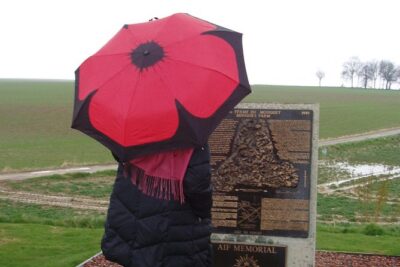
Somme Battlefields Small-Group Day Trip with John Monash Centre from Paris
Read our review →
Paris WW2 The German Occupation Small group or Private tour
Read our review →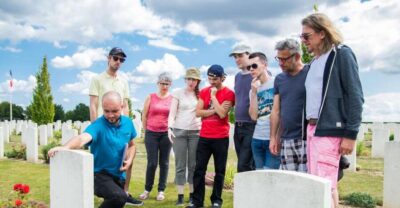
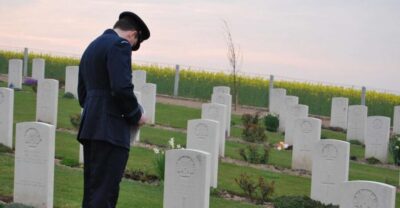
Browse the lists this tour appears in