
Reviewed · PARIS PASTRY AND MACARON CLASSES
Paris: Kids in the Kitchen – Croissant
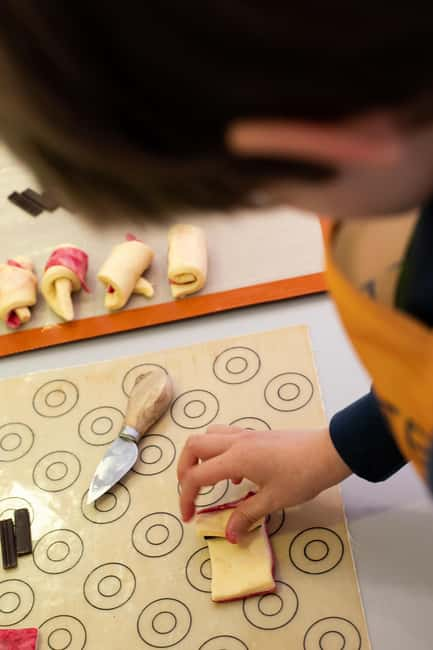
The most unusual part of this Paris class is the setting: you make croissants inside a private Parisian apartment, not a formal cooking school. The lesson begins with la mise en place, then connects the pastry on your table to its Austrian origins and the wider world of French viennoiseries.
I like two things right away. First, the tools are the sort you can use at home, so the class gives you a fair shot at repeating it after your holiday. Second, the four-person limit means children can take part instead of watching from the edge. The main drawback is practical: the apartment is on the fifth floor with no elevator, and $182 per person is a serious price for 90 minutes.
Key points at a glance
- Austrian roots, French pastry: Learn that the croissant began in Austria before following its path into French baking culture.
- Made for young children: The class was developed for families and children starting at age three, with hands-on work rather than a long demonstration.
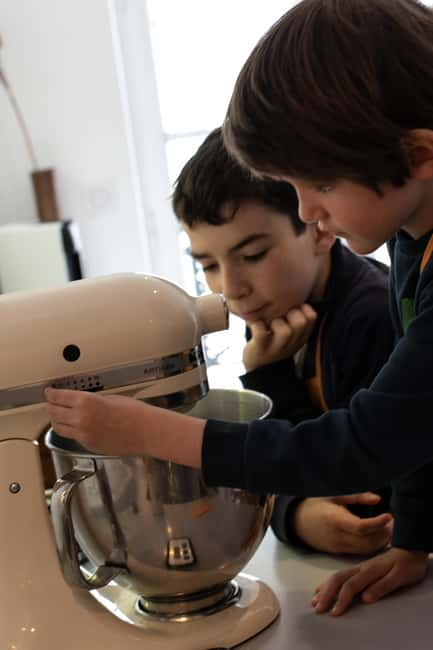
- Home-style equipment: You use simple tools instead of industrial bakery machinery, making the method easier to repeat at home.
- Private apartment setting: The class takes place in a real Parisian home, which gives the activity a personal, local feel.
- Small group of four: A compact group lets each person participate more fully.
- A notable access issue: You must climb five flights of stairs because there is no elevator.
Croissants in a Paris apartment, not a production bakery
This is a short family baking class built around one famous pastry. For 90 minutes, you work through the basic process of making croissants and other viennoiseries, while learning how the pastry developed over time.
The apartment setting changes the mood. You are not entering a large commercial kitchen filled with rows of counters and professional machines. Instead, the activity takes place in a private Parisian apartment with simple tools. I see that as a real advantage for families: the room should feel less intimidating, and the equipment offers a realistic model for what you can do in your own kitchen.
The setting also brings one clear limitation. An apartment kitchen is not designed for a large crowd. That is why the group is limited to four participants. If you are traveling with a larger family or a group of friends, you will need to ask about a private booking or a specific date and time before planning around it.
More family-friendly days in Paris:
- Paris: Louvre Private Family Tour for Kids + Reserved Entry
★ 4.6 · 508 reviews - Paris Kids and Families Private Louvre Tour
★ 5.0 · 430 reviews - Paris Sightseeing Family Friendly Guided Electric Bike Tour
★ 5.0 · 405 reviews
Starting with mise en place
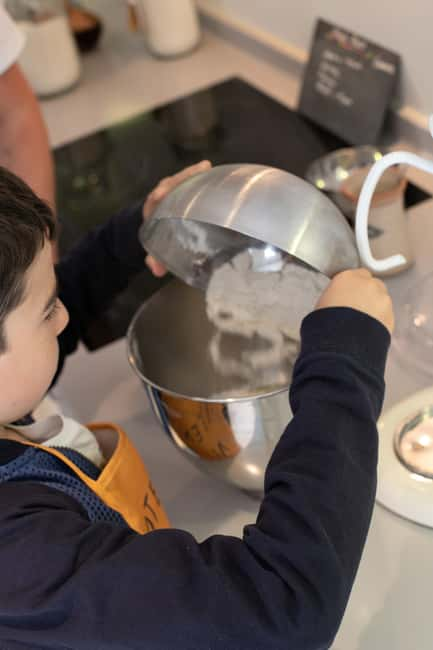
The session begins with la mise en place, the French kitchen habit of getting everything prepared before the main work starts. In practical terms, this means organizing the ingredients and tools so the class can move in an orderly way.
For children, this opening matters. Croissant making can sound complicated, but arranging the work into small steps makes it easier to follow. Your child can see what is needed, take part in the setup, and understand that good baking depends on preparation as much as on the final mixing and shaping.
The provided details do not give a minute-by-minute recipe or specify exactly how many pastries each person makes. You should therefore think of this as an introduction to the process rather than a full professional pastry course. The aim is to understand the method, work with the ingredients, and leave with skills you can try again at home.
The Austrian story behind a French favorite
One of the class’s most interesting teaching points is that the croissant was created in Austria. That fact gives the lesson more substance than a simple bake-and-eat activity.
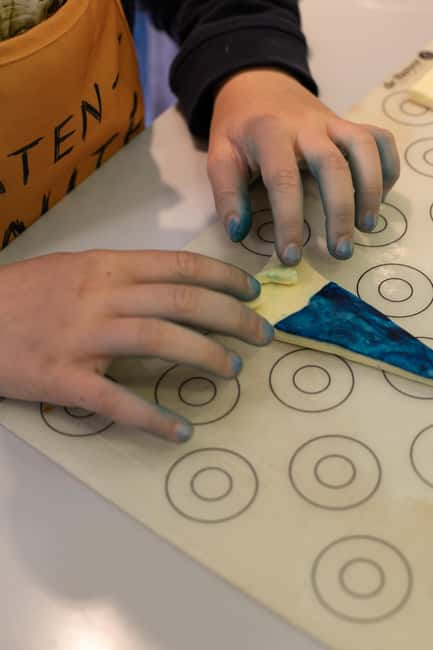
You will hear how the pastry connects to the broader family of viennoiseries, the French term used for baked goods influenced by Viennese baking. The class places the croissant within that larger story, then brings the subject back to the pastry you are making at the table.
I like this balance. Children get a simple food story they can remember, while adults receive a bit of cultural context. It also helps explain why a croissant is more than a standard bread roll. The class is not only about producing a familiar shape. It shows you how food can cross borders and become part of another country’s daily life.
The history portion should remain fairly light because the total class lasts only 90 minutes. That is good for younger children, who may lose interest during a long lecture. You get enough background to make the baking meaningful without turning the activity into a history lesson.
Why simple tools matter
The class uses tools similar to those found at home rather than industrial bakery equipment. This is one of the strongest reasons to consider it.
Professional bakeries can make pastry work look easier than it is because they rely on machines built for speed and consistency. A home baker does not have that advantage. By working with basic equipment, you get a clearer idea of what the process might require in your own kitchen.
That does not mean the class will remove every challenge. Croissant making is still a pastry project, and the supplied information does not promise a foolproof result. But you will see a method based on accessible tools rather than specialized machinery. If you want to repeat the activity after returning home, that distinction has real value.
I would bring a notebook or use your phone to record the main steps, if the instructor allows it. The class is short, and a few notes about preparation and technique could help when you try again later. The supplied details do not say that a printed recipe is provided, so do not assume you will leave with one unless you confirm it in advance.
More pastry and macaron classes in Paris:
- Paris: Montmartre Cheese, Wine & Pastry Guided Walking Tour
★ 4.8 · 2,255 reviews - Private Montmartre Food Tour with Wine, Cheese & Pastries
★ 5.0 · 1,027 reviews - Paris French Sweets Tasting Tour with Pastries and Chocolates
★ 4.5 · 947 reviews - Paris Croissant Small-Group Baking Class with a Chef
★ 5.0 · 910 reviews
A class designed for children age three and up
The experience was created specifically for families and children starting at age three. That makes it different from many adult-focused pastry workshops, where young children may be allowed to attend but are not really part of the teaching plan.
Here, the goal is for children to participate in the making. The practical work gives them something to do with their hands, and the small group keeps the class from feeling like a public demonstration viewed from a distance.
A verified booking from a family in the United States described two sons having a lot of fun with the hands-on croissant making. The same family praised the instructor’s patience and kindness. Those details are useful because patience matters more than speed in a children’s cooking class. A child may need extra time, repeated instructions, or a little help with each stage.
The formal restriction says children under two are not suitable, while the experience is designed for children starting at three. If your child is between two and three, ask the provider before booking. That is a sensible check, especially since the class is held in a private home rather than a purpose-built children’s facility.
What the 90 minutes are likely to feel like
The class is compact. You have an hour and a half to move from preparation to learning about croissants and viennoiseries, then to tasting the result.
Expect the session to feel active rather than leisurely. A short class leaves little room for long pauses, so you and your children will need to stay involved. That can be a benefit with younger kids. Ninety minutes is long enough to feel like a real activity, but short enough to fit into a busy Paris day.
The exact finishing point is not explained in the supplied information. It says you will learn everything about croissants and make viennoiseries you can do after the class, but it does not spell out whether the pastries are fully baked during the session or whether some preparation continues afterward. Ask about that if the finished bake is especially important to you.
Coffee and tea are included, which gives adults a small comfort while the children work. An apron is also loaned for the activity. The main materials are supplied, so you do not need to arrive with ingredients or baking equipment.
The private setting and the five-floor climb
The apartment is reached through a five-story building with no elevator. This is the most important logistical detail to consider before booking.
The stairs may be easy for some families and tiring for others. If you are traveling with a stroller, have limited mobility, or simply want a low-effort activity after a full day of sightseeing, contact the provider first. No accessibility details beyond the lack of an elevator are supplied, so you should not assume that the apartment can accommodate every mobility need.
For families who can manage the climb, the private-home setting offers a more personal experience than a larger studio. The provider wants you to experience the activity in a small group like a local, and the apartment supports that aim. You are meeting in a working home environment rather than a tourist attraction built for crowds.
The exact address and arrival directions are provided after booking through the provider’s instructions. Read them carefully. A private apartment building may not be as obvious to find as a shopfront with a large cooking-school sign.
Languages, group size, and private bookings
Instruction is available in English and Spanish. That makes the class practical for families who do not speak French, while the subject itself keeps you connected to French food culture.
With a maximum of four participants, the class suits a parent and child, two adults with children, or a very small group of friends. A tiny group also lets you ask questions without competing with a room full of other people.
Private bookings are available for family gatherings, friends, and anniversaries. If you are planning a birthday activity or a special family morning, contact the provider with your preferred date and time. The published details specifically invite questions about scheduling, so it is worth asking rather than assuming the listed time will fit your plans.
The language offering is clear, but the name of the instructor is not provided. You should not expect to choose a particular teacher unless the provider confirms one for your booking.
Is $182 per person good value?
At $182 per person, this is not a budget baking lesson. The price makes more sense if you are booking for a small private group and value the apartment setting, personal instruction, and family focus.
The fee includes the main ingredients and materials, a borrowed apron, and coffee or tea. You are also paying for a maximum group size of four, an instructor who can work directly with your family, and an activity designed for young children rather than adapted from an adult class.
Still, 90 minutes is a short session. If you are comparing it with longer cooking classes that include a full meal, several recipes, or a market visit, this one may feel expensive. The value here is narrower: hands-on croissant making in a private home, with a child-friendly pace and tools you can use again.
I would consider the price more reasonable for a family celebration or a small private booking than for one adult who simply wants a pastry lesson. For a child who loves baking, the personal attention may be worth more than a longer class with a larger group.
Cancellation and planning advice
You can cancel up to 24 hours before the activity for a full refund. The reserve-now, pay-later option also lets you hold a place without paying immediately, which is useful when your Paris schedule is still changing.
I would book this on a day when your family is not already rushing between major sights. The activity needs attention, and the five-floor climb adds a little effort before the lesson begins.
Wear clothes that can handle flour or minor kitchen mess, even though an apron is loaned. The supplied details do not specify the exact amount of pastry you take home, the baking schedule, or the recipe format, so ask those questions if they affect your plans.
Who should book this croissant class?
I would recommend it most strongly to families with children age three and up who want a focused indoor activity. It is also a good match for a pair or very small group that prefers personal instruction to a busy cooking studio.
You should book if these points matter to you:
- You want your child to take part rather than sit and watch.
- You like the idea of using ordinary kitchen tools.
- You value a private Paris apartment over a commercial classroom.
- You want a short activity that fits around sightseeing.
- You can manage five flights of stairs.
- You are comfortable paying a premium for a four-person maximum.
I would look elsewhere if you need a wheelchair-accessible venue, prefer a longer cooking program, want a full meal, or are mainly seeking the lowest price. The class has a clear focus, and its value depends on wanting that particular family baking experience.
Should you book it?
Book this class if your Paris plans include a child-friendly activity with real participation, not just a pastry tasting. The strongest features are the patient, hands-on approach, the small group, and the use of tools that make a repeat attempt at home possible.
Before paying $182 per person, confirm the final baking details and make sure everyone is comfortable with the fifth-floor walk. If those points work for your family, this can be a warm, personal way to spend 90 minutes with one of France’s best-known pastries.
FAQ
Where does the croissant class take place?
The class takes place in a private Parisian apartment in the Ile-de-France region.
How long does the activity last?
The activity lasts 90 minutes.
How many people can join?
The group is limited to four participants.
What languages does the instructor speak?
Instruction is available in English and Spanish.
Is the class suitable for young children?
The experience was developed for children starting at age three. Children under two are not suitable for the activity.
Are ingredients and equipment included?
The main materials needed for the experience are included. The class uses simple tools similar to those found at home.
Is an apron provided?
An apron is loaned for use during the experience.
Is coffee or tea included?
Yes. Coffee and tea are included.
Is there an elevator to the apartment?
No. The apartment is on the fifth floor and must be reached without an elevator.
Can I cancel the booking?
You can cancel up to 24 hours in advance for a full refund. You can also reserve now and pay later.
Just added around Paris
- Private Paris Marche d’Aligre Walking Tour with Tastings★ 5.0 · 8 reviews
- Private Louvre Museum Tour for Kids & Families with Alberto or his team in Paris★ 5.0 · 41 reviews
- Private Highlights of Paris Tuk-Tuk Experience★ 5.0 · 26 reviews
- Paris Latin Quarter Walking Tour: History & Culture – Small Group★ 5.0 · 14 reviews
- Private Highlights of Paris Bike Tour★ 4.5 · 15 reviews
- Paris Musee d’Orsay PRIVATE TOUR with a Local Private Guide★ 5.0 · 41 reviews
- Private Half Day Historic Tour★ 5.0 · 58 reviews
- Pere Lachaise Cemetery Paris – Exclusive Guided Walking Tour★ 5.0 · 72 reviews
Paris Pastry and Macaron Classes, compared.
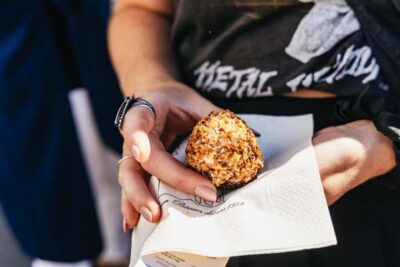
Montmartre Cheese, Wine & Pastry Guided Walking Tour
Read our review →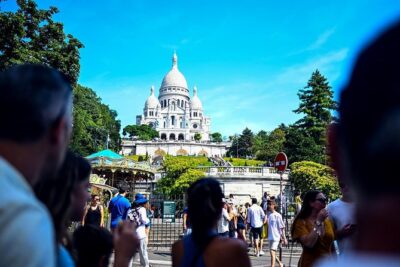
Private Montmartre Food Tour with Wine, Cheese & Pastries
Read our review →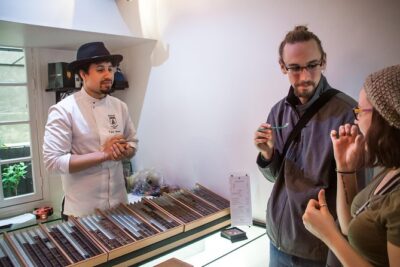
Paris French Sweets Tasting Tour with Pastries and Chocolates
Read our review →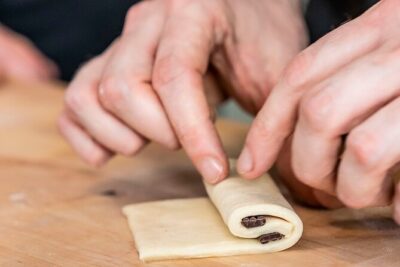
Paris Croissant Small-Group Baking Class with a Chef
Read our review →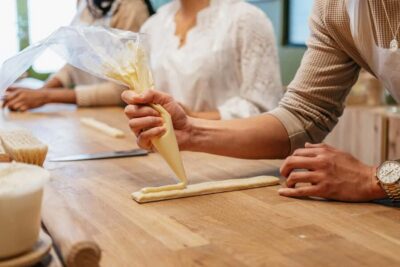
Paris Cooking Class: Learn How to Make Macarons
Read our review →
A Morning in Paris Food Tour: Croissants, Baguettes & Chocolate
Read our review →Browse the lists this tour appears in