
Reviewed · PARIS CHOCOLATE TOURS
Choco-Story Paris – The Chocolate Museum
Chocolate here is more than a candy bar. At Choco-Story Paris, you follow the cocoa bean from ancient South America to royal European drinking cups, then sample chocolate made on site. The unlimited tastings are the main treat, while the three floors of exhibits give your snack a useful bit of context.
I like the freedom of a self-guided visit, since you can spend 30 minutes or several hours depending on your interest. I also like the family activities, including a children’s booklet and scavenger hunt. The catch is that the demonstration is virtual rather than a live chocolatier presentation, and some adults may find the museum a little small for the $21.63 admission.
Key points to know before you go
- Three floors cover 4,000 years of chocolate history, from the Olmecs and Aztecs to modern production.
- Unlimited tastings are included, with samples of dark, milk, white, praline, and other chocolates made on site.
- The virtual demonstration explains modern chocolate-making, but there is no live guide leading the visit.
- Children get a booklet and activities, making this a stronger family stop than a serious chocolate industry tour.
- The optional hot chocolate is a worthwhile upgrade, especially in cool weather, though it may feel heavy on a hot Paris day.
- The visit is self-guided and flexible, with an advertised duration of about 90 minutes but enough material for two hours or more.
What Choco-Story Paris actually offers
Choco-Story Paris, officially the Musée Gourmand du Chocolat, sits at 28 Boulevard de Bonne Nouvelle in the 10th arrondissement. The museum is across from Bonne Nouvelle Metro station on Line 8, and the entrance is easy to reach by public transportation.
This is not a grand Paris museum with vast galleries and famous masterpieces. It is a compact, themed museum built around one ingredient. That makes it a handy choice for a rainy afternoon, a family break, or a sweet stop between larger sights.
Your ticket gets you into three floors of displays, films, artifacts, tasting points, and children’s activities. The information panels are in English, French, and Spanish, so you can follow the story without hiring a guide or downloading a separate audio tour.
The standard visit takes about 90 minutes. If you read every panel, stop for the activities, take photos, and enjoy the samples at an unhurried pace, you may spend two hours or more. If you simply walk through the main displays and watch the demonstration, the visit can be much shorter.
That flexibility is useful. You are not locked into a group schedule, and you can move at your own pace. It also means you need to provide your own structure, since nobody leads you from room to room.
More chocolate and dessert tours in Paris:
- Paris: Entrance Ticket to the Chocolate Museum
★ 4.1 · 1,105 reviews - A Morning in Paris Food Tour: Croissants, Baguettes & Chocolate
★ 5.0 · 556 reviews - Paris: 45-minute Chocolate Making Workshop at Choco-Story
★ 4.4 · 444 reviews
Start with the 4,000-year story of cocoa
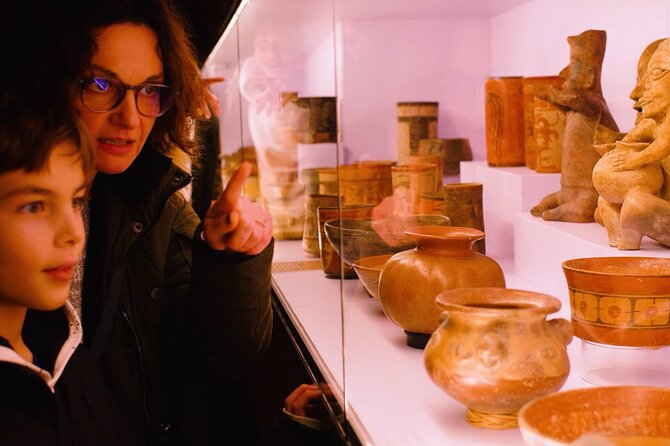
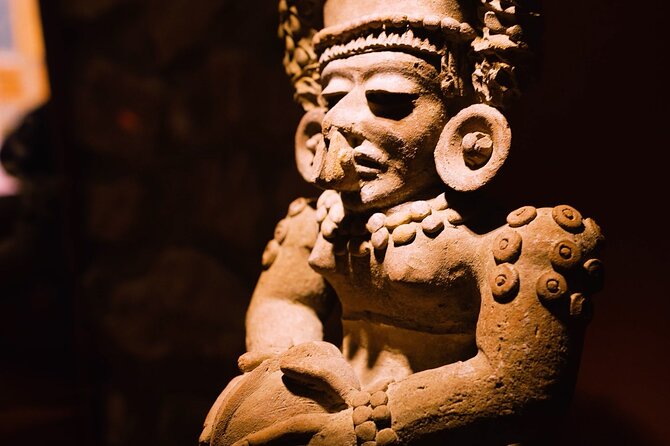
The museum begins with chocolate’s earliest known use. You learn about the Olmec people of South America, who probably consumed cocoa as a drink as early as about 1900 BC. From there, the story moves through the Mayan and Aztec civilizations, where cocoa became tied to ceremony, trade, and social status.
This section is more interesting than a simple list of dates because it explains that early chocolate was not the sweet solid treat you know today. It was generally consumed as a drink, and the bean had value beyond its flavor.
The displays show how chocolate became a prized beverage for nobles and how trading routes carried it toward Europe. You then see how the drink gained favor among European monarchs and wealthy households before commercial production made it available to a wider public.
I find this historical progression useful because it changes the way you think about chocolate. The familiar supermarket bar is the final stage of a long process involving farming, trade, ceremony, technology, and social class.
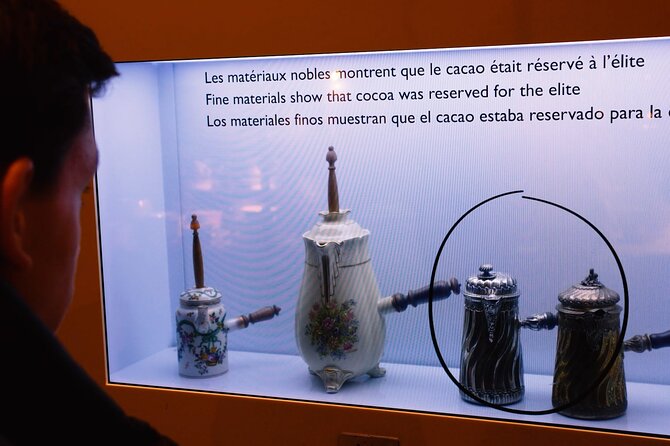
The museum also covers the connection between chocolate and France during the 1700s and 1800s. You see the kinds of cups, pots, molds, and serving objects used when chocolate was a fashionable drink. These objects help show that chocolate once belonged mainly to the privileged few, rather than being an everyday snack.
See the tools, molds, posters, and chocolate sculptures
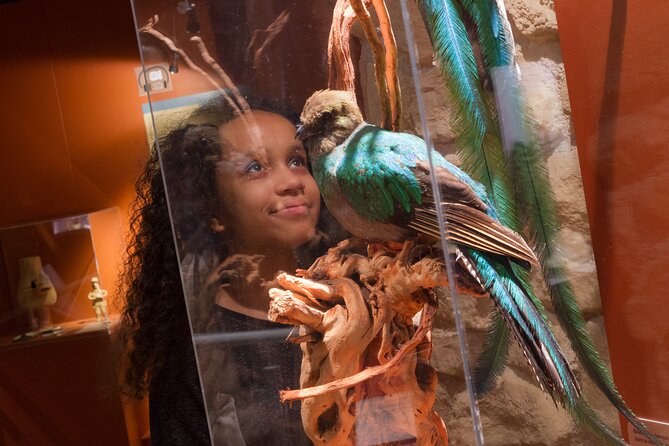
The collection contains more than 1,000 original artifacts. Expect chocolate-making tools, candy molds, historic containers, posters, memorabilia, and chocolate sculptures.
The molds are especially useful for families because they make the manufacturing process easy to understand. A molded chocolate shape begins to look less mysterious when you see the equipment used to create it.
The museum also displays older tools and examples of chocolate-making equipment from different periods. These objects give the visit more substance than a room full of modern product packaging. You are seeing how methods and presentation changed over time.
Some of the exhibits are small and closely packed. That can be a plus if you prefer a focused visit, but it also means the museum may not satisfy someone expecting a large industrial museum with working machinery throughout.
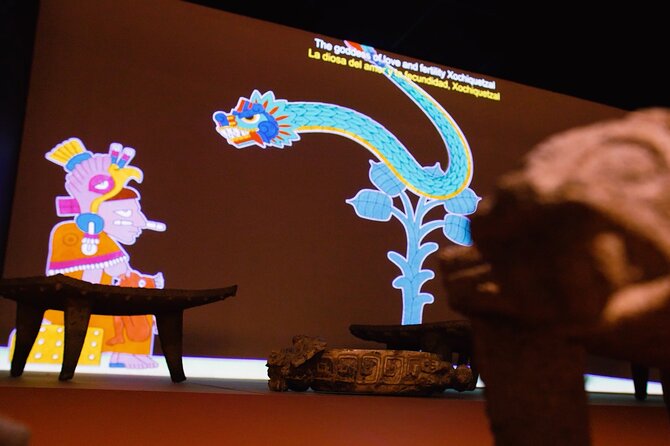
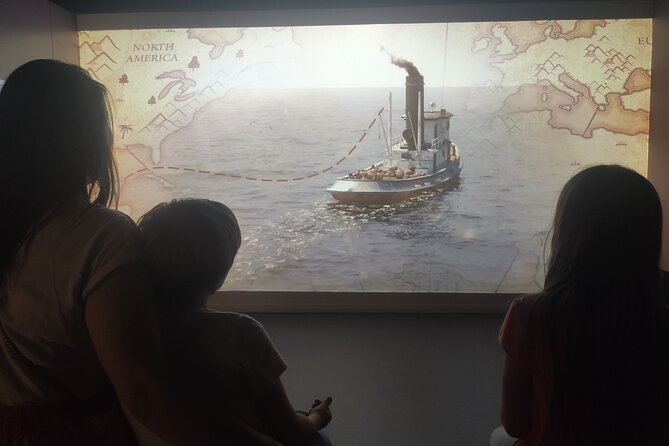
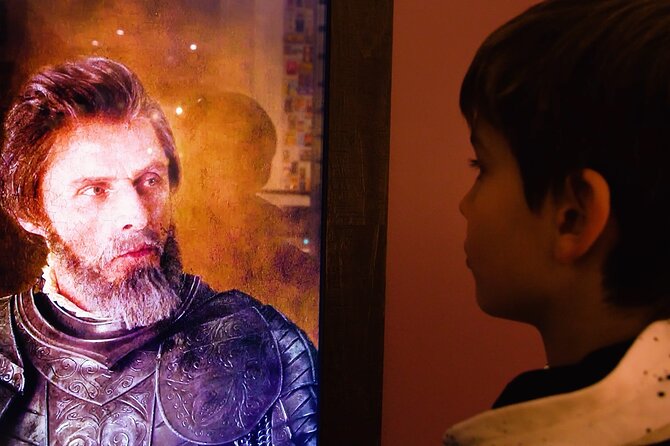
The audiovisual sections add movement to the displays. One presentation follows the path from cocoa tree to finished chocolate, while another explains how chocolate production developed. These films are well suited to children and help break up the reading.
There is also a virtual demonstration showing how contemporary chocolate becomes smooth and shiny. This is one of the more practical parts of the visit because it explains the finish you see on professional chocolate.
Keep your expectations clear, though. The demonstration is on video rather than a live show with a chocolatier standing in front of you. Some visitors find the film well made and informative, while others want to see more hands-on production.
The tasting stations are the real crowd-pleaser
Chocolate tasting is included in the admission, and you can sample throughout the museum. The tasting points may include dark, milk, white, and praline chocolate, along with samples connected to different cocoa-producing regions.
The stated examples include Costa Rican chocolate, Peruvian chocolate, and cocoa from Vanuatu. The point is not to deliver a formal tasting seminar, but to let you compare flavors and textures as you learn where cocoa comes from.
You may notice fruitiness in Peruvian chocolate, silkiness in Costa Rican chocolate, or distinct aromas from Vanuatu cocoa. The museum also uses tasting to show how chocolate changes across regions and recipes.
The selection can feel narrower than the broad international story suggests. If you expect a large flight of chocolates from many countries, you may find the tasting modest. It is best viewed as a pleasant part of the museum rather than a full professional tasting course.
Since the chocolate is available as you walk around, take small portions and pace yourself. Children may want to taste every variety immediately, but the visit is more enjoyable if you save room for the final treat.
The museum also discusses possible health benefits associated with chocolate. Take this as context, not a license to eat without limits. You are still visiting a chocolate museum, and the calories have not disappeared simply because an information panel mentions cocoa’s benefits.
Same city, a completely different afternoon:
- Paris: Louvre Museum Timed-Entrance Ticket
★ 4.6 · 71,977 reviews - Disneyland® Paris 1-Day Ticket
★ 4.6 · 49,412 reviews - Paris: Versailles Palace and Gardens Full Access Ticket
★ 4.6 · 41,579 reviews - Paris: Evening River Cruise with Music
★ 4.4 · 22,721 reviews
The optional hot chocolate is worth considering
Some ticket options include a cup of hot chocolate at the end. This is a separate upgrade, so check that your selected ticket includes it before you arrive.
The drink is described as rich, and several details make it a popular finish. You can choose from different flavors, and the cup gives you a final chance to enjoy chocolate in its older European form, as a drink rather than a bar.
I would choose the hot chocolate in cool weather, especially if you enjoy thick, dessert-like drinks. In July or other warm conditions, it may feel too heavy. One useful tip from a family visit is to skip the upgrade during a hot spell if you are unlikely to want a steaming drink.
The hot chocolate also improves the value of the visit if you plan to stay for the full 90 minutes or longer. Without it, the admission is mainly paying for the exhibits and tastings. With it, you get a more complete food-and-museum experience.
Why families tend to get more from the visit
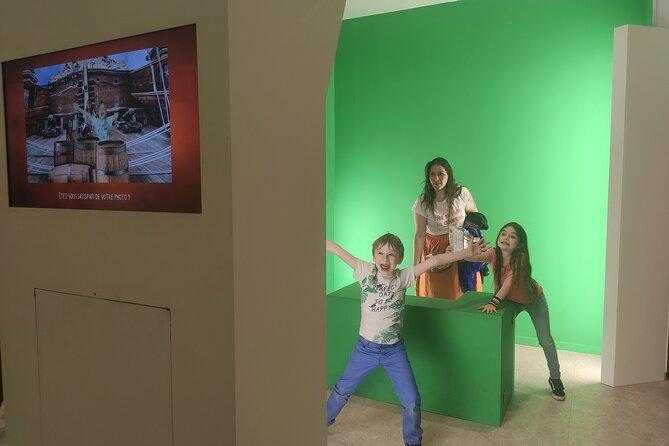
Choco-Story is well suited to children who like hands-on activities and sweet samples. Children receive a booklet and pencils to use as they move through the museum, and the scavenger hunt gives them a reason to examine the displays rather than rush toward the tasting points.
The exhibits explain basic ideas clearly: where cocoa grows, how beans are handled, how chocolate was consumed in earlier cultures, and how production changed. That makes the museum a useful learning stop without requiring a long attention span from younger children.
The tasting stations are another strong family feature. Kids can compare different kinds of chocolate and connect the samples to what they have just learned.
The museum has three levels, with a lift available for anyone who does not want to use the stairs. The space can also handle different levels of interest within one family. One person can read the panels while another moves on to the next tasting or activity.
For adults, the experience depends on your expectations. If you love chocolate, the samples and artifacts may be enough to carry the visit. If you want a detailed examination of agriculture, labor, economics, or modern chocolate manufacturing, the museum offers only a broad introduction.
How long should you allow?
The advertised duration is about 90 minutes, but you should plan around your own pace.
Allow roughly one hour if you are mainly interested in the major displays, tasting points, and virtual demonstration. Plan closer to two hours if you are visiting with children, reading the panels, completing the booklet, and pausing for photographs.
Some people have spent about 2.5 to 3 hours here. That is possible if you take time with the artifacts and do not rush the historical sections. The museum is small enough that you can revisit displays without tiring yourself out.
On a quiet day, the visit may take only 30 minutes plus the demonstration. That is not necessarily a problem if you want a short activity, but it affects the value of the $21.63 price.
I would not make this your main Paris attraction. Instead, use it as a compact add-on near Bonne Nouvelle, particularly when you want something indoors and informal.
Price, booking, and practical value
At $21.63 per person, Choco-Story Paris is not the cheapest small museum visit in the city. Its value improves if you use the included tastings, spend at least 90 minutes inside, and select the hot chocolate option when the weather suits it.
Prebooking a timeslot guarantees entry, which can be useful for a popular attraction or a tightly planned day. The experience is offered in English, and the panels also appear in French and Spanish.
You make your own way to the museum, show your ticket, and begin the self-guided visit. Hotel pickup and drop-off are not included, and there is no live guide.
The location near public transportation keeps the logistics simple. If you are already visiting sights in central Paris, this can fit neatly into the day without the planning needed for a longer guided excursion.
The ticket is non-refundable and cannot be changed after booking. Treat your selected date and time as fixed before paying. This matters more than usual if your Paris schedule is still shifting.
Who should book Choco-Story Paris?
I would recommend it most strongly to families with children, chocolate fans, and anyone looking for a relaxed indoor activity. The booklet, scavenger hunt, samples, and short audiovisual sections give younger visitors several ways to stay engaged.
It also works for adults who enjoy food history and decorative objects. The historic cups, tools, molds, posters, and sculptures provide more to see than the name chocolate museum might suggest.
I would be more cautious if you are seeking a live workshop. You will not be tempering chocolate yourself, making truffles under a chef’s direction, or watching a continuous working kitchen. The demonstration is virtual, and the visit is educational rather than hands-on.
The same applies if you expect a large museum. Choco-Story is compact. That can be refreshing after a day of enormous Paris attractions, but it may leave you wanting more if you have traveled specifically for advanced chocolate production.
Getting the most from your visit
Choose the hot chocolate option only if you want it and if the weather is cool enough to enjoy it. The drink is part of the experience, but it is not included with every ticket.
Give yourself enough time to read the early sections before tasting. Otherwise, the samples can become the entire visit, and you will miss the explanation of how chocolate changed from a ceremonial drink into a commercial product.
If you are visiting with children, collect the booklet at the entrance and use it to set a gentle pace. The activities help turn the museum into a small treasure hunt.
Do not expect a live guide. If you prefer guided commentary, you will need to rely on the English panels, films, and your own reading. The museum’s self-guided format is best for people who like freedom rather than a fixed explanation.
Before leaving, browse the shop. It carries books, chocolate treats, shirts, utensils, molds, and other souvenirs. The shop is useful if you want to take home something tied to the visit, though the shop selection may feel less impressive than the tasting experience itself.
Should you book it?
Book Choco-Story Paris if you want a short, family-friendly museum with plenty of tasting and a clear introduction to cocoa’s long journey. It is especially useful on a rainy day or as an easy stop near Bonne Nouvelle.
Skip it if you want a live chocolate-making class, a large museum, or a serious professional tasting. At $21.63, the visit makes the most sense when you stay for at least 90 minutes, use the tasting stations, and choose the hot chocolate upgrade in cool weather.
For the right audience, it is a sweet and easygoing Paris stop. Just remember that the main event is the combination of chocolate samples and accessible history, not a full working chocolate factory.
FAQ
Where is Choco-Story Paris located?
It is at 28 Boulevard de Bonne Nouvelle, 75010 Paris, France. The museum is near public transportation and opposite Bonne Nouvelle Metro station on Line 8.
How long does the visit take?
The expected visit lasts about 90 minutes. Depending on how closely you read the displays and use the children’s activities, you might finish sooner or stay for two to three hours.
Is the visit guided?
No. This is a self-guided visit. You explore the three floors at your own pace using information panels, audiovisual displays, and a virtual demonstration.
Is information available in English?
Yes. Information panels are provided in English, French, and Spanish. The experience itself is offered in English.
Are chocolate tastings included?
Yes. Chocolate tastings are included, and the experience is described as all-you-can-eat tasting. Samples include different styles and chocolates made on site.
Is hot chocolate included?
A cup of hot chocolate is included only if you select the ticket option that offers it. Different flavors are available at the end of the visit.
Is Choco-Story suitable for children?
Yes. Children can use a booklet and pencils, and the museum includes activities and a scavenger hunt. The exhibits explain the origins and production of chocolate in an accessible way.
Can I cancel or change my booking?
No. This experience is non-refundable and cannot be changed for any reason after booking.
More art museums in Paris
- Louvre Museum Masterpieces Guided Tour with Access
★ 4.5 · 12,023 reviews - Paris: Louvre Museum Entry Ticket With Host and River Cruise
★ 4.6 · 9,926 reviews - Les Invalides: Napoleon’s Tomb & Army Museum Entry
★ 4.6 · 9,185 reviews - Louvre Museum – Exclusive Guided Tour (Entry Included)
★ 5.0 · 6,296 reviews
Just added around Paris
- Private Paris Marche d’Aligre Walking Tour with Tastings★ 5.0 · 8 reviews
- Private Louvre Museum Tour for Kids & Families with Alberto or his team in Paris★ 5.0 · 41 reviews
- Private Highlights of Paris Tuk-Tuk Experience★ 5.0 · 26 reviews
- Paris Latin Quarter Walking Tour: History & Culture – Small Group★ 5.0 · 14 reviews
- Private Highlights of Paris Bike Tour★ 4.5 · 15 reviews
- Paris Musee d’Orsay PRIVATE TOUR with a Local Private Guide★ 5.0 · 41 reviews
- Private Half Day Historic Tour★ 5.0 · 58 reviews
- Pere Lachaise Cemetery Paris – Exclusive Guided Walking Tour★ 5.0 · 72 reviews
Paris Chocolate Tours, compared.

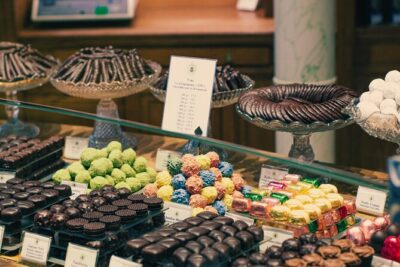
A Morning in Paris Food Tour: Croissants, Baguettes & Chocolate
Read our review →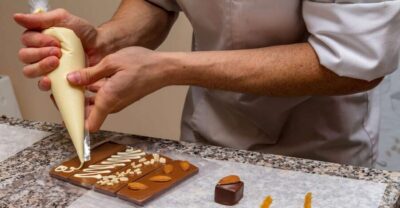
45-minute Chocolate Making Workshop at Choco-Story
Read our review →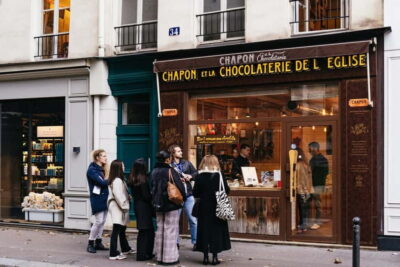
Chocolate & Patisserie Walking Tour with Tastings
Read our review →
Paris Chocolate, Macaron & Pastry Food Tour: 10 Gourmet Tastings
Read our review →
Discover Brussels and Bruges & Optional Chocolate Tasting
Read our review →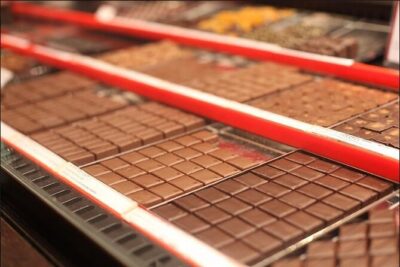
Saint-Germain The Original Chocolate Tasting Tour with Pastries and Macaron
Read our review →
Browse the lists this tour appears in