
Reviewed · WORKSHOPS
Paris: Butter and Cheesemaking Workshop
Paris has plenty of food tastings, but this workshop lets you make the cheese yourself. At the Living Cheese Museum, an English-speaking cheese master guides you through tomme fraiche, a mild, slightly acidic cheese used in melted dishes, then shows you how cream becomes butter.
I like the small group, limited to 10 people, and the balance between useful instruction and eating. Guides including Agathe, Paul, Romain, and Gabriele have been praised for clear teaching and good humor. I also like that you may take some of your butter home. The main thing to check is the meeting point, since one recent booking noted that the shop was preparing to move.
Key points
- Make two French staples: You prepare tomme fraiche and traditional butter rather than simply watching a demonstration.
- Taste the results: The workshop ends with your cheese and butter, other French cheeses, bread, and a glass of wine.
- Small-group teaching: A maximum of 10 participants gives you a better chance to ask questions and handle the equipment.
- A useful Paris food lesson: You learn how cheese is produced and why tomme fraiche is prized for melting.
- Good for families: Children as young as 7 have taken part, and one family reported that the activity suited everyone from age 5 to grandparents.
- Plan around the access limits: The workshop is not suitable for wheelchair users, and hotel pickup is not included.
Making Tomme Fraiche in Two Hours
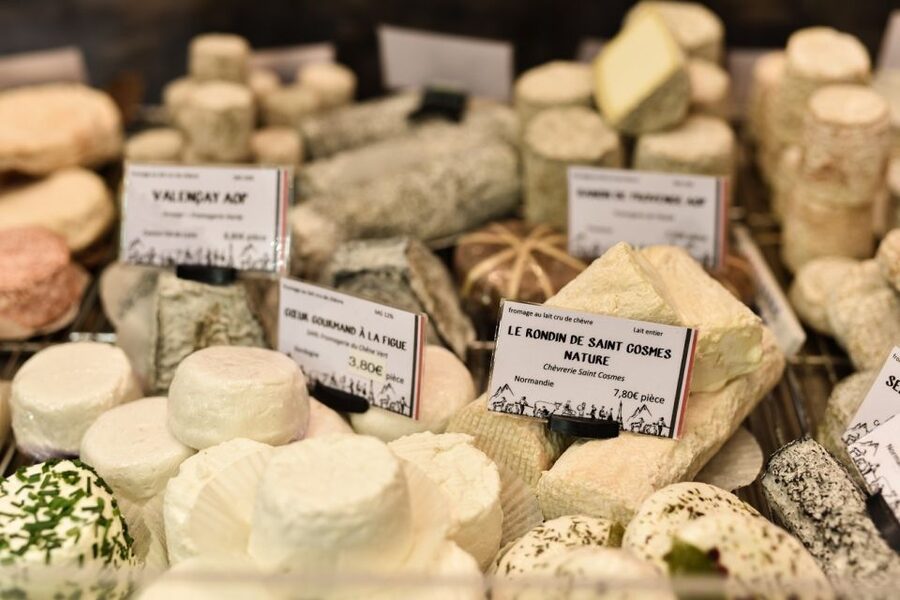
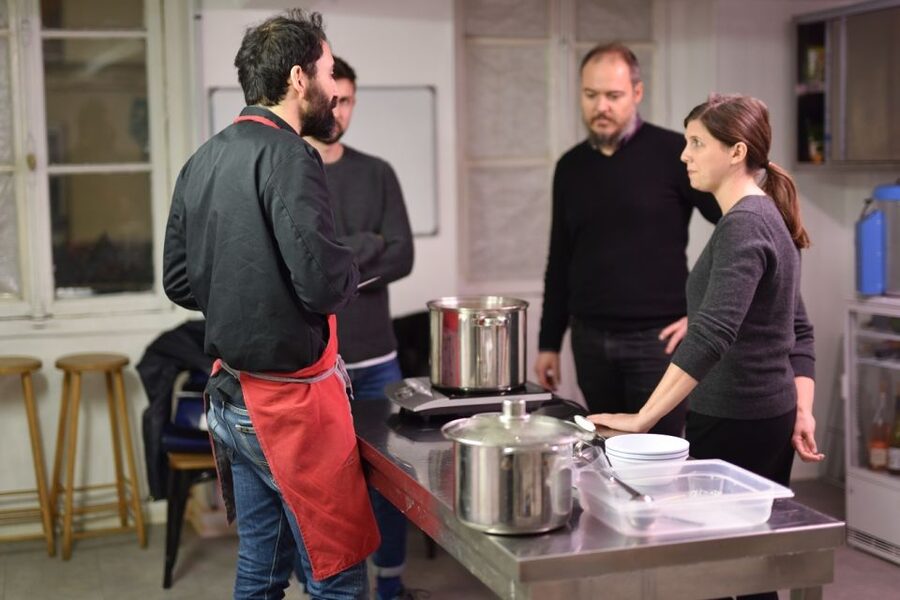
The class begins at the Musée Vivant du Fromage, also called the Living Cheese Museum. You meet the cheese master and the rest of your small group before moving into the cheese-making room.
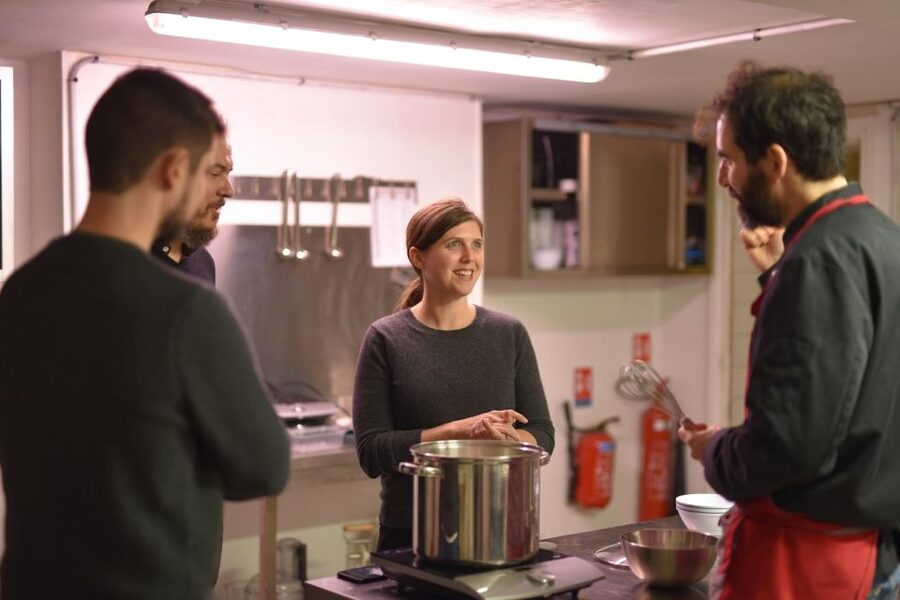
The setting matters. This is not simply a cheese plate in a shop. You are given equipment and asked to take part in the process. The class is built around practical work, so you can follow the change from dairy ingredients to something you can eat.
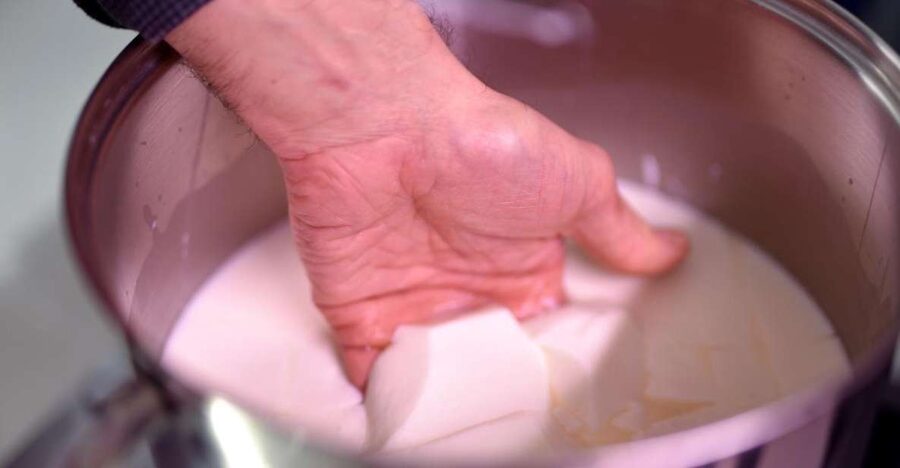
Your main project is tomme fraiche. This is a fresh, mild cheese with a slightly milky, acidic taste. It is especially useful in cooking because it melts well in traditional French dishes. The workshop gives you a glimpse of the work behind an ingredient that often appears on the plate without much explanation.
I like this choice of cheese for a short class. Aged cheeses can require long periods of ripening, careful storage, and more time than a two-hour activity allows. Tomme fraiche gives you a result within the session, so you can see and taste the outcome before leaving.
The teaching is in English. Different sessions have featured cheese masters such as Agathe, Paul, Romain, and Gabriele. Their styles may differ, but the repeated praise for clear explanations, patience, warmth, and humor suggests that the instructor has a major effect on the experience. If you enjoy asking questions, this is the sort of small class where you can do so without competing with a large crowd.
More perfume and craft workshops in Paris:
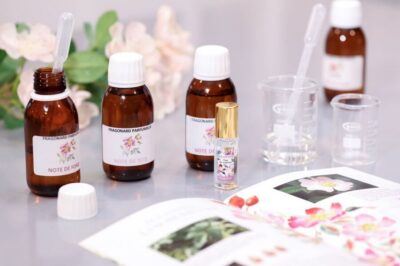
- Fragonard Paris: Mini Perfume Workshop
★ 4.5 · 1,924 reviews - Paris Cooking Class and Lunch with Wine plus Market Visit Option
★ 5.0 · 1,024 reviews - Paris Croissant Small-Group Baking Class with a Chef
★ 5.0 · 910 reviews
Turning Cream Into Traditional Butter
The second hands-on task is butter. You learn the basic process and make your own traditional butter alongside the cheese.
This is a particularly good part of the workshop for families and first-time cooks because the result is easy to understand. You can see how a familiar kitchen staple begins, and the process is practical enough to repeat at home. Several participants said they planned to make cheese and butter themselves after the class.
The butter also gives you something tangible to remember the activity. You may be able to take the remaining butter with you, which adds value beyond the tasting at the museum. Exact packaging or storage details are not provided, so you should ask the instructor how best to carry it if you plan to keep it for later.
Do not expect to leave with a large supply of food. The point is the process, the shared work, and the chance to taste what you have made. Still, the take-home butter makes this more memorable than a standard restaurant meal or guided tasting.
Learning French Cheese Without a Lecture
The class also introduces different varieties of French cheese and the broader process of cheese production. You are not only mixing ingredients and waiting for a result. The cheese master explains what you are doing and places tomme fraiche within the wider French cheese tradition.
That context is useful if you are still learning how to approach a French cheese counter. You gain a better sense of how texture, taste, age, and use can differ. The workshop focuses on making cheese, so it will not replace a full tasting course, but it gives you a practical base for understanding what you eat elsewhere in Paris.
The strongest part of the instruction appears to be its balance. The class is educational, but it does not sound formal or dry. Guides have been praised for being entertaining, patient, and easy to follow. That matters because food workshops can become tedious when too much time is spent listening and not enough time is spent doing.
You should expect to handle the equipment yourself. All equipment needed for the cheese-making session is included. The available information does not specify every tool or each step in technical detail, so do not book this expecting a professional cheesemaking certification. Think of it as a friendly introduction with a real edible result.
The Final Tasting With Wine and Bread
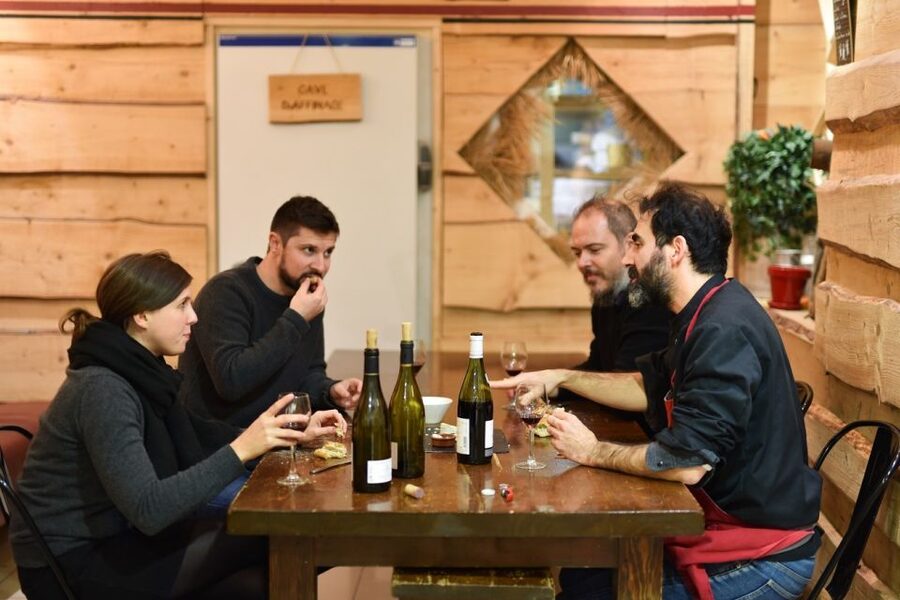
The workshop finishes with a tasting. You try your own cheese and butter, along with a selection of cheeses, and the tasting is accompanied by wine. Bread is also mentioned as part of the closing spread.
This ending works well because you get to judge the results while the process is still fresh in your mind. You can compare your mild tomme fraiche with other French cheeses and see how the butter fits into the meal. The wine adds the familiar French touch, but it is not the only reason to book. One participant specifically appreciated that wine was optional, making the activity easier for people who do not drink.
I would think of the closing tasting as a small meal rather than a full lunch. It is enough to complete the class, but the details do not promise a large food serving. If you have a full afternoon of sightseeing ahead, this is a pleasant food stop, not a substitute for planning lunch.
The tasting also creates a social part of the class. With a group of up to 10, you work near other participants and share the final results. One family with children ranging from 5 to 17, plus older relatives, found the activity worked across several generations. That makes this a useful choice when your group has mixed interests and not everyone wants a traditional museum visit.
Same city, a completely different afternoon:
- Paris: Louvre Museum Timed-Entrance Ticket
★ 4.6 · 71,977 reviews - Disneyland® Paris 1-Day Ticket
★ 4.6 · 49,412 reviews - Paris: Versailles Palace and Gardens Full Access Ticket
★ 4.6 · 41,579 reviews - Paris: Evening River Cruise with Music
★ 4.4 · 22,721 reviews
Why the Small Group Makes a Difference
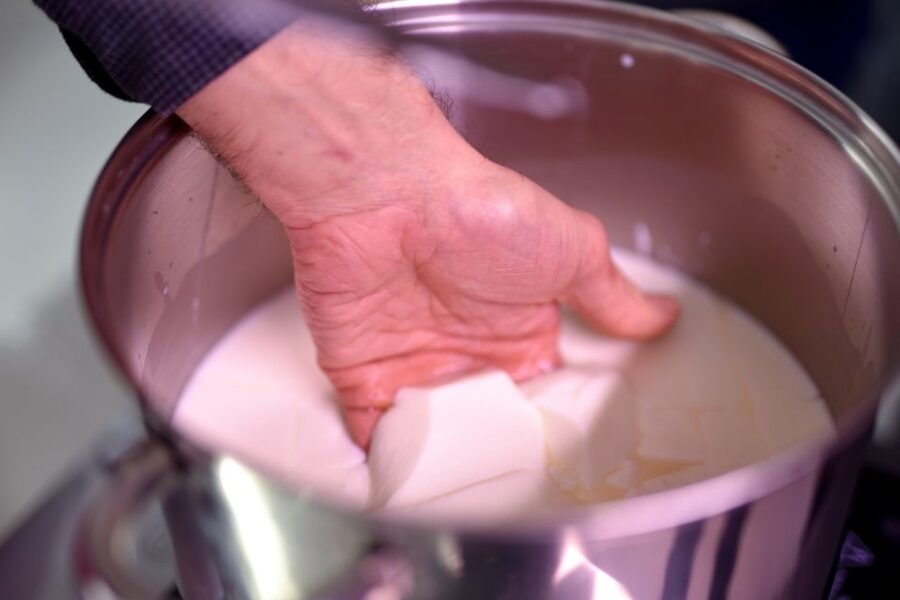
A maximum of 10 participants is one of the clearest strengths here. Cheese making is hands-on, and a large class could leave you watching someone else measure, stir, or shape the mixture.
In a smaller group, you should have more room to follow the instructions and ask about the details that interest you. You might want to know why the cheese has a sour note, how butter separates, or how tomme fraiche is used in cooking. The exact amount of individual attention can vary with the instructor and the group, but the size gives the class a good starting point.
The social side is also important. This is not a private lesson, so you will share the table and tasting with other people. That can be a plus if you like meeting fellow food fans. If you want a quiet, private cooking session, this format may feel more communal than expected.
The two-hour length is well judged for a Paris trip. It is long enough to learn, make, and taste, but short enough to fit into a morning or afternoon. You should still check the available starting times before booking because the schedule varies.
Is the $82 Price Fair?
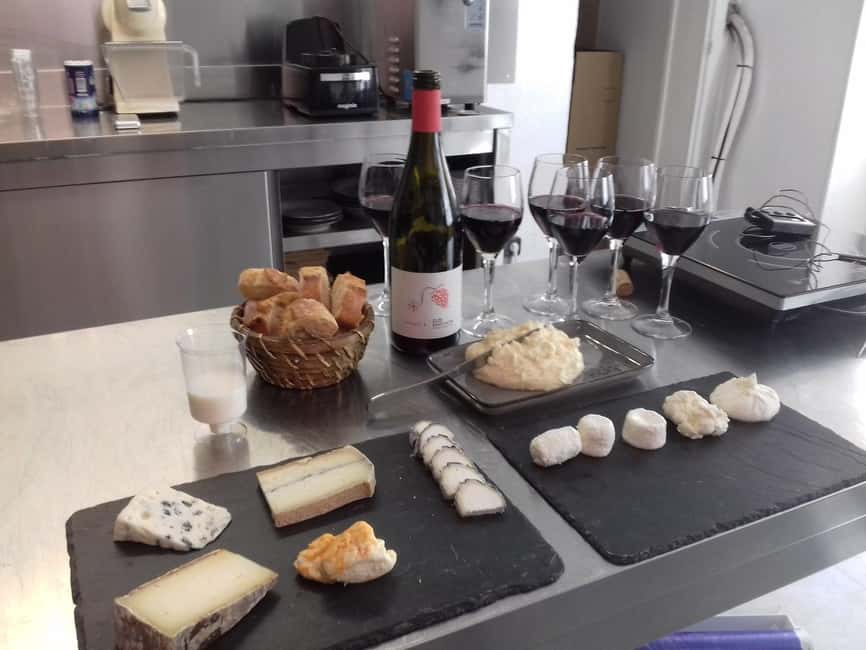
At $82 per person, the workshop is not the cheapest way to eat cheese in Paris. You could buy a generous cheese plate for less, and many food shops offer quick tastings.
The price makes more sense when you separate the food from the activity. You are paying for two hours of instruction, equipment, hands-on work, a small group, your own cheese and butter, extra tastings, and wine. An English-speaking cheese master is included, which is useful if you want more than a demonstration.
I see this as good value for someone who wants a distinctive food experience rather than simply another meal. The class also has a practical edge: you learn methods that participants felt they could try at home. That does not make it a cooking course in the full sense, but it gives the experience lasting value.
For a family, the total cost can add up quickly. Still, the format may replace a separate food activity for several people, and it offers something that appeals to children, adults, and older family members. You should decide based on your interest in the process, not just the amount of food served.
Who Will Enjoy This Workshop Most?
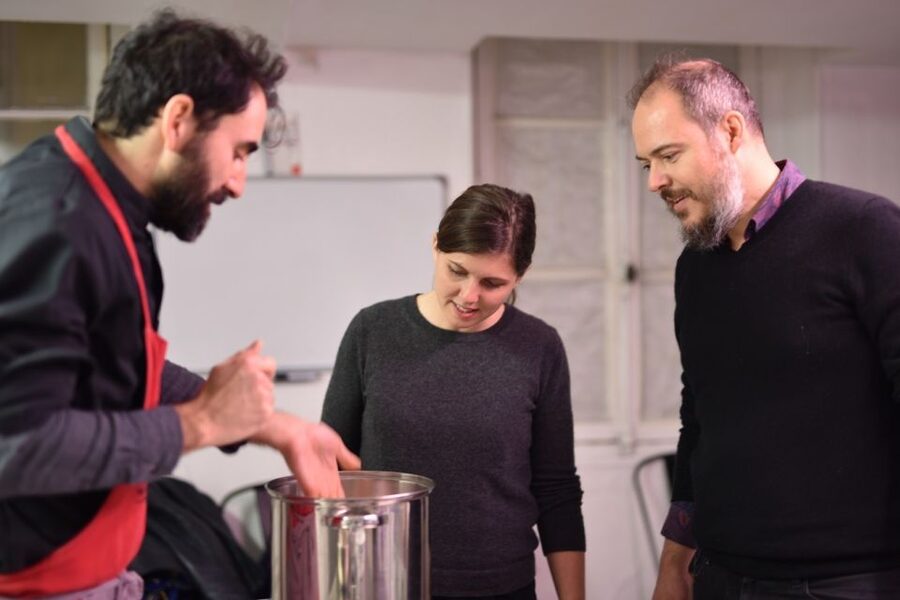
I would recommend this experience to cheese lovers, curious cooks, and anyone who wants a break from the usual Paris checklist. It suits people who enjoy asking how food is made, not only eating the finished product.
Families can also do well here. The available feedback includes children aged 7 and 11, as well as a larger family group with children aged 5, 7, 14, and 17. The activity is educational and tasty, but younger children may need help following instructions and waiting through the teaching portions.
It is also a good choice for visitors who have already seen the major sights and want a more local food focus. You get a small look at French culinary practice without spending half a day outside Paris.
I would skip it if you dislike dairy, do not want to handle food, or are looking for a polished restaurant tasting with no participation. The class is about making things, and the strongest part is the work itself.
Practical Details Before You Book
The meeting point is the Musée Vivant du Fromage, or Living Cheese Museum. Hotel pickup and drop-off are not included, so you need to make your own way there.
One important caution concerns the location. A booking from February 2026 said the shop had been preparing to move during an earlier visit and was unsure if the class continued after relocation. The experience is still presented at the Living Cheese Museum, but I would check the current meeting instructions carefully before setting out. Do not rely on an old map pin if your confirmation shows a different address.
The workshop is offered in English, with an English-speaking instructor. Pets are not allowed, and the experience is not suitable for wheelchair users. Free cancellation is available up to 24 hours before the activity for a full refund, and you can reserve now and pay later if you want to keep your plans flexible.
Since wine is included in the tasting, tell the instructor if you prefer not to drink. The activity can still work without wine, and the food, teaching, and cheese comparison are the main attractions.
Should You Book It?
I would book this if you want an active, food-centered Paris experience with a clear result at the end. The best reasons are the small group, the chance to make both cheese and butter, and the strong teaching style associated with guides such as Agathe, Paul, Romain, and Gabriele.
The $82 price is fair for two hours of instruction, equipment, tastings, wine, and a possible take-home portion of butter. It is less appealing if you only want to sample French cheese or if your budget is tight.
Before paying, confirm the current meeting location and check the accessibility limits. If those details work for you, this is an enjoyable choice for families, couples, and curious eaters who want to bring home more than a postcard from Paris.
FAQ
Where does the butter and cheesemaking workshop take place?
The meeting point is the Musée Vivant du Fromage, also known as the Living Cheese Museum.
How long does the workshop last?
The workshop lasts two hours.
What will I make?
You will learn how to make tomme fraiche cheese and traditional butter.
Is the workshop taught in English?
Yes. The instructor speaks English, and English is the listed language for the activity.
How many people are in the group?
The group is limited to 10 participants.
Is wine included?
Yes. The final tasting includes a glass of wine. Wine is optional according to the activity information.
Is hotel pickup included?
No. Hotel pickup and drop-off are not included.
Is the workshop wheelchair accessible?
No. The activity is listed as not suitable for wheelchair users. Pets are also not allowed.
Just added around Paris
- Paris: Flea Market Insider’s Tour in Extra-Small Group★ 4.6 · 73 reviews
- Paris: The Da Vinci Code Walking Tour with a Local Guide★ 4.3 · 5 reviews
- Paris: Private Fashion Tour (Chanel, Dior, Sex & the City)★ 5.0 · 3 reviews
- Paris: Floral Earrings workshop★ 5.0 · 3 reviews
- Paris: Fashion History Walking Tour in the Heart of Paris★ 4.9 · 22 reviews
- PARIS: Family e-bike longtail renting★ 5.0 · 3 reviews
- Paris: Famous Monuments Cycling Tour★ 4.7 · 20 reviews
- Paris: private city tour with seine river cruise★ 4.8 · 28 reviews
Workshops, compared.
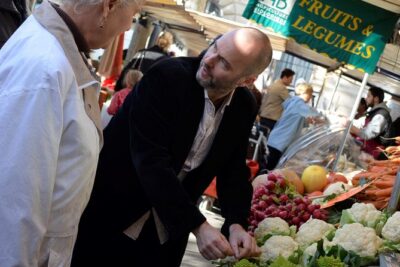
Paris Cooking Class and Lunch with Wine plus Market Visit Option
Read our review →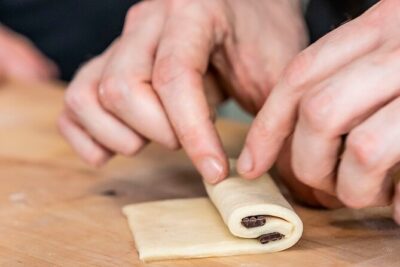
Paris Croissant Small-Group Baking Class with a Chef
Read our review →
Paris Cooking Class: Learn How to Make Macarons
Read our review →
Browse the lists this tour appears in