
Reviewed · PARIS PASTRY AND MACARON CLASSES
Croissant Baking Class, Mastering the Art with a Pastry Chef
The best part of this Paris class is that you do not just watch a chef make croissants. You work the dough yourself, fold in the butter, roll out the layers, and shape the crescents. Chef Leo and Chef Maria guide the class in English, with time for individual help. I especially like the eight-person limit and the fact that you make both croissants and pain au chocolat.
I also like the class’s practical design. The dough you prepare is used by a later class, while you work with dough made earlier so it has time to proof properly. That small bit of planning gives you a better chance of producing flaky pastry in three hours. The main drawback is that this is hands-on work, not a relaxed tasting session. Kneading and rolling take some strength, and you need to be at least 17.
Key points
- Small class of up to eight: You get room to work and a real chance to ask for help.
- Two French pastries: Make classic croissants and pain au chocolat rather than practicing only one shape.
- Practical pastry skills: Learn butter lamination, rolling, measuring, cutting, shaping, and proofing.
- Friendly instruction: Chef Leo and Chef Maria are praised for clear guidance, patience, humor, and personal attention.
- Take-home results: You can leave with a batch of freshly baked pastries, often four croissants and four pain au chocolat per person.
- Useful Paris address: The class begins and ends at Studio Pâtisserie, 85 Rue de Rome, near public transportation.
Working with butter, dough, and time
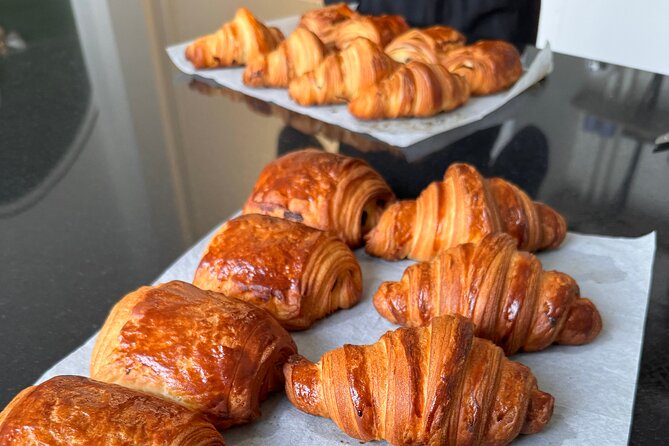
Croissants look simple on a bakery shelf, but they are a good test of patience. The dough must be rolled to the right size, the butter must sit correctly inside it, and the layers must stay distinct as you fold and roll. Too much pressure can smear the butter. Too little can leave the dough uneven.
This class gives you a clear introduction to those details. You learn why quality flour and butter matter, how precise measurements affect the dough, and how the folding process creates the thin layers that puff in the oven. The aim is not merely to produce a pastry that looks French. You learn the steps that make the texture possible.
I like that the class treats croissant-making as a process rather than a magic trick. The instructor demonstrates each stage, then gives you a chance to copy it. If your dough needs correction, the small group makes it easier for the chef to step in before a minor mistake becomes a major one.
More pastry and macaron classes in Paris:
- Paris: Montmartre Cheese, Wine & Pastry Guided Walking Tour
★ 4.8 · 2,255 reviews - Private Montmartre Food Tour with Wine, Cheese & Pastries
★ 5.0 · 1,027 reviews - Paris French Sweets Tasting Tour with Pastries and Chocolates
★ 4.5 · 947 reviews
A three-hour class at Studio Pâtisserie
The meeting point is Studio Pâtisserie at 85 Rue de Rome, 75017 Paris. The address is near public transportation, and the activity returns to this same location when the baking is finished. You receive a mobile ticket, and the class is offered in English.
The full session lasts about three hours. That is enough time to cover the main techniques without turning the class into a rushed demonstration. It also means you should not schedule a tight appointment immediately afterward. Dough work follows its own clock, and the baking stage needs time.
The class size matters here. With a maximum of eight people, you are not lost at the back of a large demonstration. You share the room with other baking enthusiasts, but each person has a meaningful role. The atmosphere is social without making the lesson feel like a crowd activity.
The first lesson: why the dough matters
The class begins with an introduction to French pastry-making and the basic ingredients. You learn about the role of flour, butter, measurements, and temperature in the final pastry. This may sound basic, but croissants are not forgiving when the ratios or handling are careless.
The chef explains the dough before you start rolling. That context is useful because it helps you understand what you are looking for: a dough that is workable, even, and ready for the next stage. You are not simply following a recipe by feel. You are learning to notice the dough’s condition.
The instruction is especially useful for beginners. Several participants arrive with baking experience but have never made croissants. The step-by-step approach makes the work manageable, while more experienced bakers can focus on the finer points of lamination and shaping.
Rolling and laminating the butter
The central skill is lamination, the process of building alternating layers of dough and butter. You roll the dough into rectangles, place or fold in the butter, and roll again before making the next fold. The repeated rolling and folding create the layers that separate during baking.
This is the most physical part of the class. You need some strength to knead and roll the dough, and the work can be more tiring than the elegant final pastry suggests. If you have limited hand or arm strength, keep that in mind before booking.
The chef demonstrates how to handle the dough and butter without pressing too hard. You get guidance on keeping the rectangle even and working toward the right dimensions. One useful tip for baking at home is to record those measurements. You will use different rectangles for the butter, the laminated dough, the final rollout, and the cut shapes.
If you normally bake with American measurements, have a phone ready to convert metric lengths, weights, and volumes. The class teaches the techniques, but remembering every measurement without writing them down can be difficult.
More cooking classes in Paris:
- Paris Cooking Class and Lunch with Wine plus Market Visit Option
★ 5.0 · 1,024 reviews - Paris Croissant Small-Group Baking Class with a Chef
★ 5.0 · 910 reviews - Paris: French Croissant Baking Class with a Chef
★ 4.9 · 712 reviews - Paris Cooking Class: Learn How to Make Macarons
★ 5.0 · 634 reviews
Cutting triangles and shaping crescents
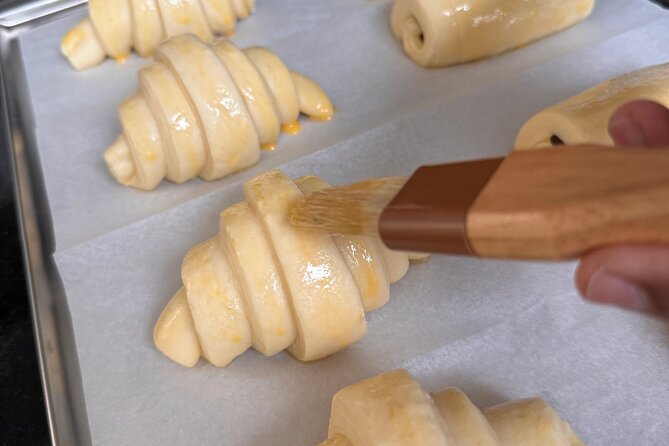
Once the dough has been rolled and layered, you cut it into pieces and shape the pastries. This is where the familiar croissant form appears. You learn how to work with triangles, roll them into crescents, and shape pain au chocolat with chocolate inside.
Shaping sounds easy until you try to make each piece even. The amount of dough, the width of the triangle, and the tightness of the roll all affect the final result. The instructor helps you correct the shape and gives you a better sense of how the finished pastries should look before they go into the oven.
This is also one of the more enjoyable parts of the class because your work begins to look like a bakery display. You can see the difference between a plain piece of dough and a pastry ready for proofing. The process is social, too. You work alongside the other members of the class, compare shapes, and share the occasional laugh when one crescent turns out less symmetrical than planned.
Why the proofing system improves the class
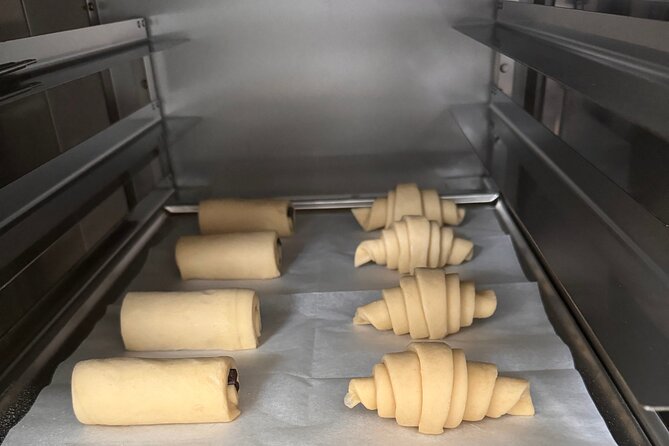
Fresh croissant dough needs time to proof. That creates a problem for a short class: if you make the dough from scratch at the start, it may not be ready to bake before the three hours end.
Studio Pâtisserie solves this by using dough prepared by an earlier class for the baking stage. The dough your class prepares is then used by the following day’s class after it has had time to proof. This is a smart arrangement because you learn the full dough-making process while still baking pastry that has had the proper time to develop.
It also gives the class a more honest picture of croissant-making. You see that good pastry depends on planning, not just quick handling. At home, you will need to allow time for the dough to rest and proof. The class does not pretend that professional-looking croissants can be produced instantly.
Baking and the reward at the end
After the shaping work, the pastries go into the oven. This is the point where the layers should puff and the butter should help create a golden, crisp exterior. While the pastries bake, you have time to talk with the chef and the other people in the class.
Chef Leo is known for an easygoing, patient teaching style and often adds Paris tips to the pastry lesson. Chef Maria is described as friendly, clear, and engaging. The tone is relaxed rather than formal, which helps if you are nervous about working with dough for the first time.
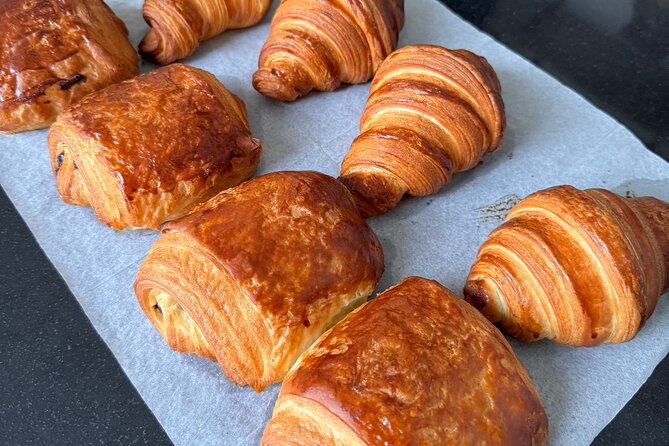
The final result is more than a tasting. You get to see how your own pieces turned out and sample the difference between croissants and pain au chocolat. Many class formats provide eight pastries per person, often four croissants and four pain au chocolat, though the exact output can depend on the session.
Fresh pastry is a strong reward, but the more valuable result is the confidence to try the method again. The class provides recipes, and the detailed demonstrations give you a reference point when you return to your own kitchen.
What makes the instructors effective
The strongest feature of this class is the teaching. Chef Leo and Chef Maria receive repeated praise for being funny, patient, attentive, and clear. Those qualities matter in pastry because the work has several stages, and a vague explanation can leave you unsure about what to do next.
The instructors do not simply stand at the front and perform. They move through the group, demonstrate techniques, answer questions, and help when the dough does not cooperate. One-on-one attention is particularly useful during lamination and shaping, when small differences in pressure and alignment can affect the result.
The relaxed tone is another advantage. You can ask questions without feeling that you are slowing down the class. That makes the experience suitable for couples, parent and adult child combinations, small groups of friends, or solo visitors who like meeting people through food.
The class is not described as a children’s activity, and the minimum age is 17. Families with older children can enjoy it together, but younger children cannot take part under the stated rules.
Is $143.92 a fair price?
At $143.92 per person, this is not a cheap way to eat a croissant. Paris has plenty of bakeries where you can buy an excellent pastry for a few euros. You are paying for instruction, equipment, ingredients, a three-hour activity, hands-on practice, and the chance to take home several pastries.
The price makes more sense if you value the lesson as much as the food. A bakery visit gives you a finished product. This class gives you a repeatable method, including the parts that are easy to miss when you only watch a pastry chef work.
The small class size strengthens the value. A large cooking demonstration might cost less, but you would have less control over the dough and less access to the instructor. Here, you get direct help with your own rolling, folding, and shaping.
I would consider the price worthwhile for someone who enjoys cooking, wants a memorable Paris activity, or plans to make croissants at home. If you only want a quick food experience, a bakery crawl will cost less and take less time.
Who should book this class?
This is a good choice for:
- A couple looking for an activity beyond museums and monuments
- A parent and adult child who enjoy making food together
- A solo visitor who likes small, social classes
- A home baker who wants to understand lamination
- Anyone who wants an edible souvenir from Paris
- A small group seeking a shared activity with a clear finished result
You do not need to be an expert baker. The instruction is designed to guide beginners through each stage. Still, you should be comfortable with kneading and rolling, since the work requires some physical effort.
The class suits people who enjoy being involved. If you prefer to sit back, watch a chef, and eat the results, this may feel like too much work. If you like learning by doing, the hands-on format is one of its best features.
Practical details before you go
Plan to arrive at Studio Pâtisserie, 85 Rue de Rome, with enough time to find the address and settle in. The location is near public transportation, and the activity ends where it begins.
The class is offered in English. Confirmation arrives at booking, and mobile tickets are accepted. Service animals are allowed.
You must be at least 17 years old. The dough requires kneading and repeated rolling, so consider your comfort with that work before reserving. Also remember to write down the dough dimensions during the class if you want to repeat the recipe at home.
The cancellation terms are straightforward: you can receive a full refund if you cancel at least 24 hours before the start time. Changes or cancellations made less than 24 hours before the class are not accepted for a refund, and the cut-off follows Paris local time.
Should you book the croissant class?
I would book this class if you want to understand what makes a French croissant flaky, layered, and difficult to fake. The limited group size, patient instruction from chefs such as Leo and Maria, and the chance to make both croissants and pain au chocolat give the experience more substance than a simple pastry tasting.
The main question is how you like to spend your Paris time. At $143.92, three hours, and with real physical work involved, this is not the best choice for someone seeking a quick or inexpensive snack. But for a hands-on food lesson with a tasty result and recipes to use later, it offers a personal connection to French baking that you cannot get from buying one pastry at a counter.
FAQ
Where does the croissant class begin and end?
The class begins at Studio Pâtisserie, 85 Rue de Rome, 75017 Paris, France. The activity ends back at the same meeting point.
How long does the class last?
The class lasts approximately three hours.
How many people can join the class?
The maximum class size is eight people.
Is the class offered in English?
Yes. The experience is offered in English.
What pastries do you make?
You learn to make classic croissants and pain au chocolat. The process covers dough preparation, butter lamination, rolling, cutting, shaping, and baking.
What is the minimum age?
Participants must be at least 17 years old. The class also requires enough strength to knead and roll the dough.
More perfume and craft workshops in Paris
- Fragonard Paris: Mini Perfume Workshop
★ 4.5 · 1,924 reviews - Paris: Macaron Class at Galeries Lafayette
★ 4.3 · 905 reviews - Paris: 2-Hour Perfume Creation Workshop
★ 4.8 · 731 reviews - Paris: French Macaron Culinary Class with a Chef
★ 4.9 · 591 reviews
Just added around Paris
- Private Paris Marche d’Aligre Walking Tour with Tastings★ 5.0 · 8 reviews
- Private Louvre Museum Tour for Kids & Families with Alberto or his team in Paris★ 5.0 · 41 reviews
- Private Highlights of Paris Tuk-Tuk Experience★ 5.0 · 26 reviews
- Paris Latin Quarter Walking Tour: History & Culture – Small Group★ 5.0 · 14 reviews
- Private Highlights of Paris Bike Tour★ 4.5 · 15 reviews
- Paris Musee d’Orsay PRIVATE TOUR with a Local Private Guide★ 5.0 · 41 reviews
- Private Half Day Historic Tour★ 5.0 · 58 reviews
- Pere Lachaise Cemetery Paris – Exclusive Guided Walking Tour★ 5.0 · 72 reviews
Paris Pastry and Macaron Classes, compared.
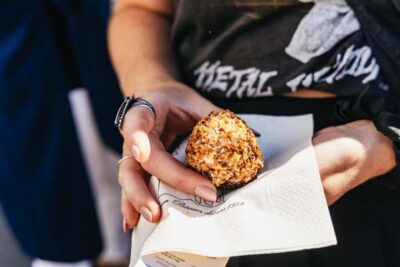
Montmartre Cheese, Wine & Pastry Guided Walking Tour
Read our review →
Private Montmartre Food Tour with Wine, Cheese & Pastries
Read our review →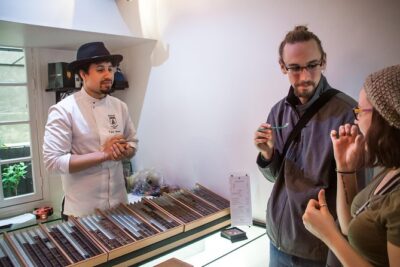
Paris French Sweets Tasting Tour with Pastries and Chocolates
Read our review →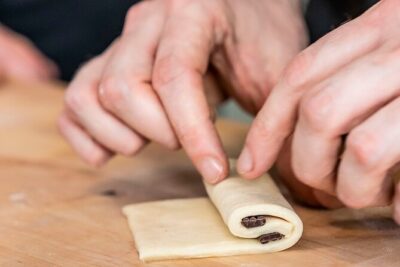
Paris Croissant Small-Group Baking Class with a Chef
Read our review →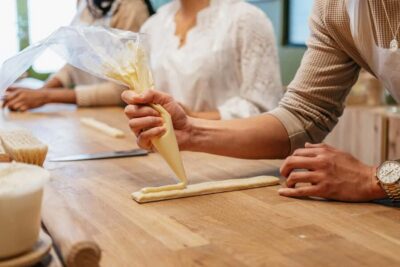
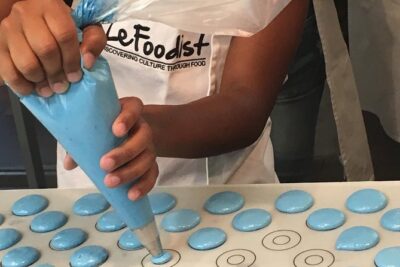
Paris Cooking Class: Learn How to Make Macarons
Read our review →
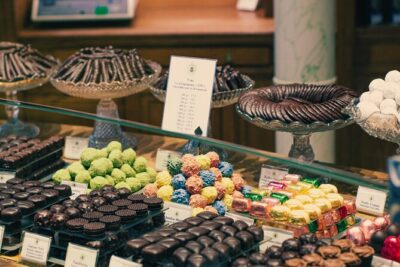
A Morning in Paris Food Tour: Croissants, Baguettes & Chocolate
Read our review →Browse the lists this tour appears in